Key Takeaways
Investing in renewable energy remains a popular choice for homeowners, and understanding the financial layout is vital before making a commitment. This guide explores the essential factors influencing your solar procurement experience.
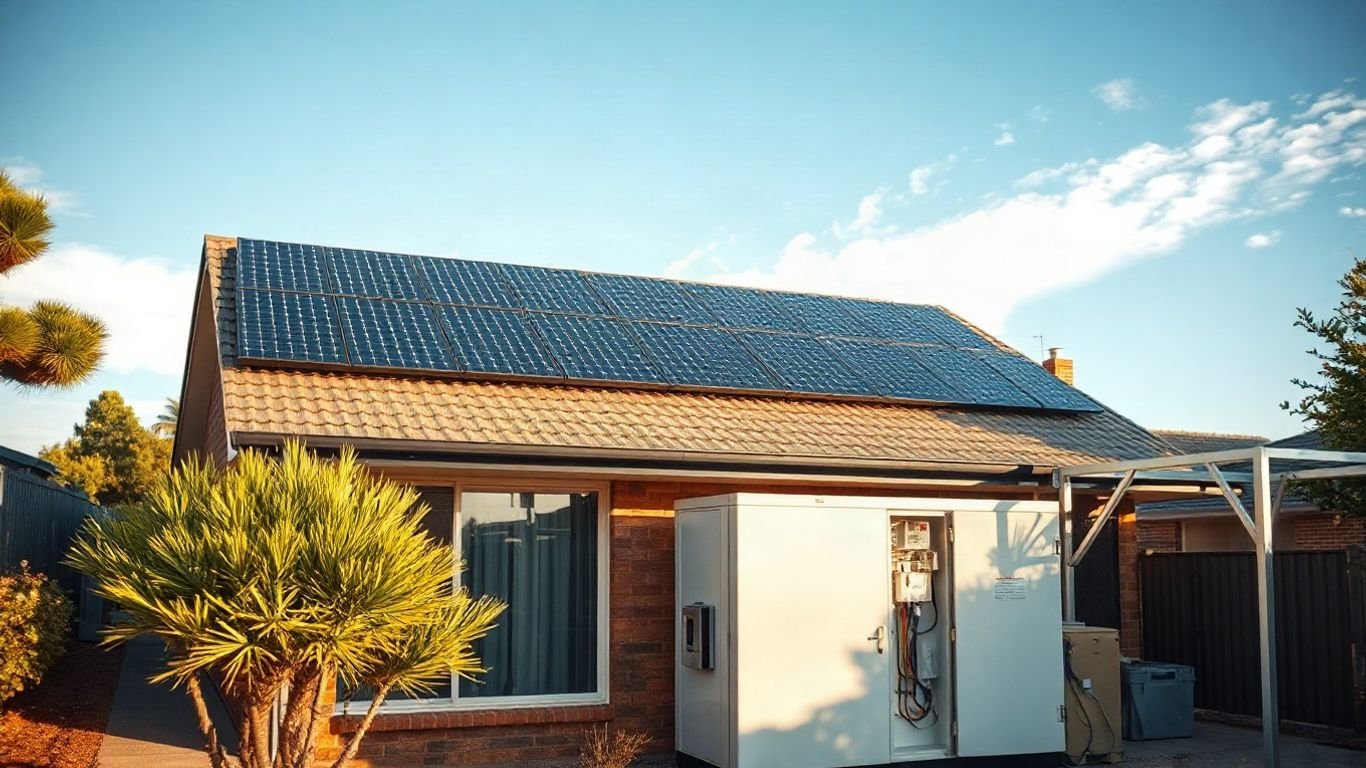
- Current market prices for a 6.6 kW system generally range between $5,500 and $8,000.
- Panel efficiency and inverter quality represent the most significant primary cost drivers.
- Site-specific challenges like roof pitch and switchboard upgrades can lead to additional expenses.
- Federal and state incentives significantly reduce the initial capital outlay required for installation.
- Selecting a CEC-accredited installer ensures professional workmanship and reliable long-term support.
Average cost of a 6.6 kW solar system in Australia
The market for residential solar has matured, making it easier for households to find a 6.6kW solar system that fits their budget. Prices vary widely based on hardware quality, but most buyers find competitive rates by obtaining multiple professional quotes.
Current price ranges for entry-level systems
Entry-level installations often prioritize affordability by utilizing standard-tier modules and string inverters. While these systems are reliable, they may not offer the advanced optimization features found in premium hardware packages.
Pricing for high-efficiency premium equipment
Opting for high-efficiency gear often involves a higher upfront cost but frequently results in improved energy yields. Premium setups usually feature advanced microinverters or power optimizers that handle partial shading more effectively than standard units.
How regional location affects installation quotes
Labor costs and local competition drive pricing differences across Australian states. Installers operating in densely populated capital cities often compete more aggressively, which can lead to lower total quotes compared to remote or regional areas where logistics play a larger role.
The impact of government incentives on upfront costs
The government market for 6 kW and 6.6 kW solar systems is heavily influenced by federal credit schemes. These programs function as an upfront discount, directly lowering the invoice amount for the consumer and accelerating the return on investment.
Key components affecting the total system price
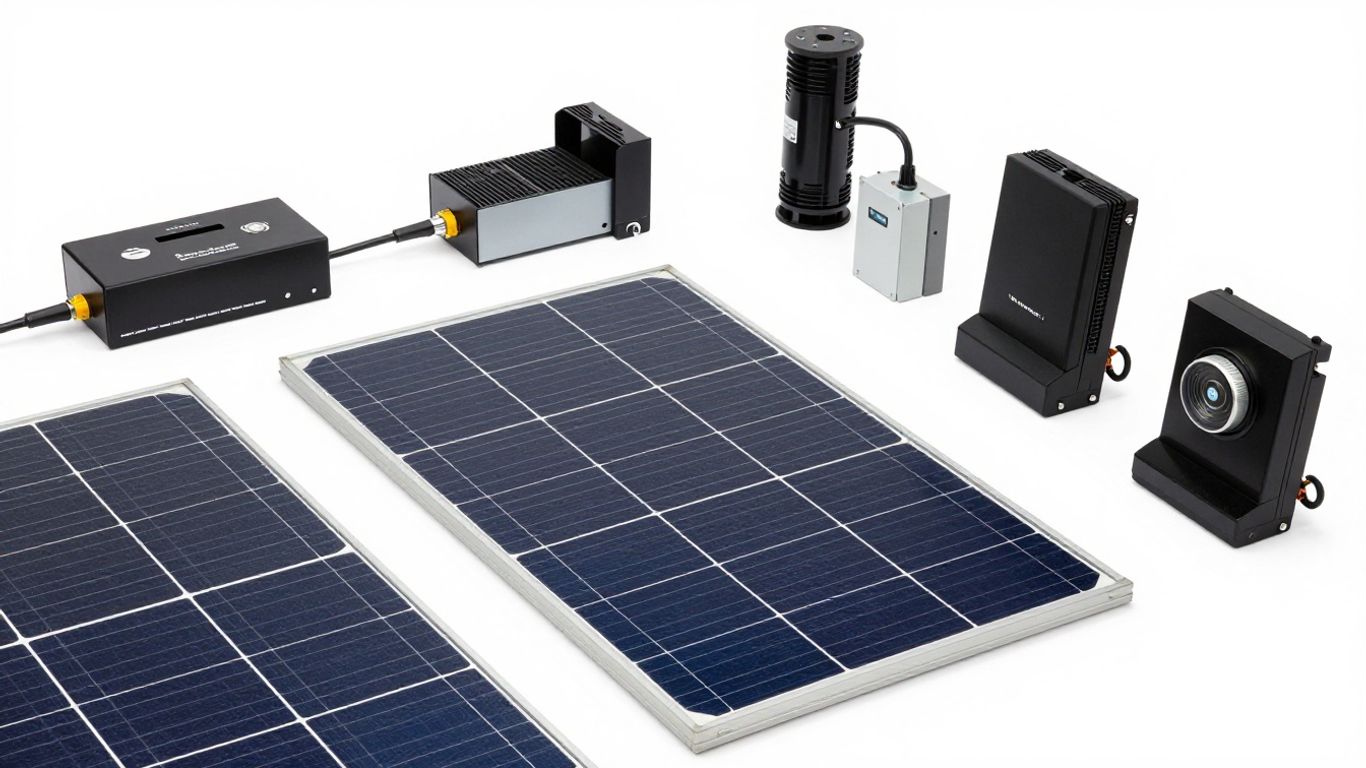
Selecting individual components is perhaps the most critical stage of the procurement process. A system is only as strong as its weakest link, so balancing cost-effectiveness with durability is essential for long-term satisfaction.
Solar panel technology and efficiency tiers
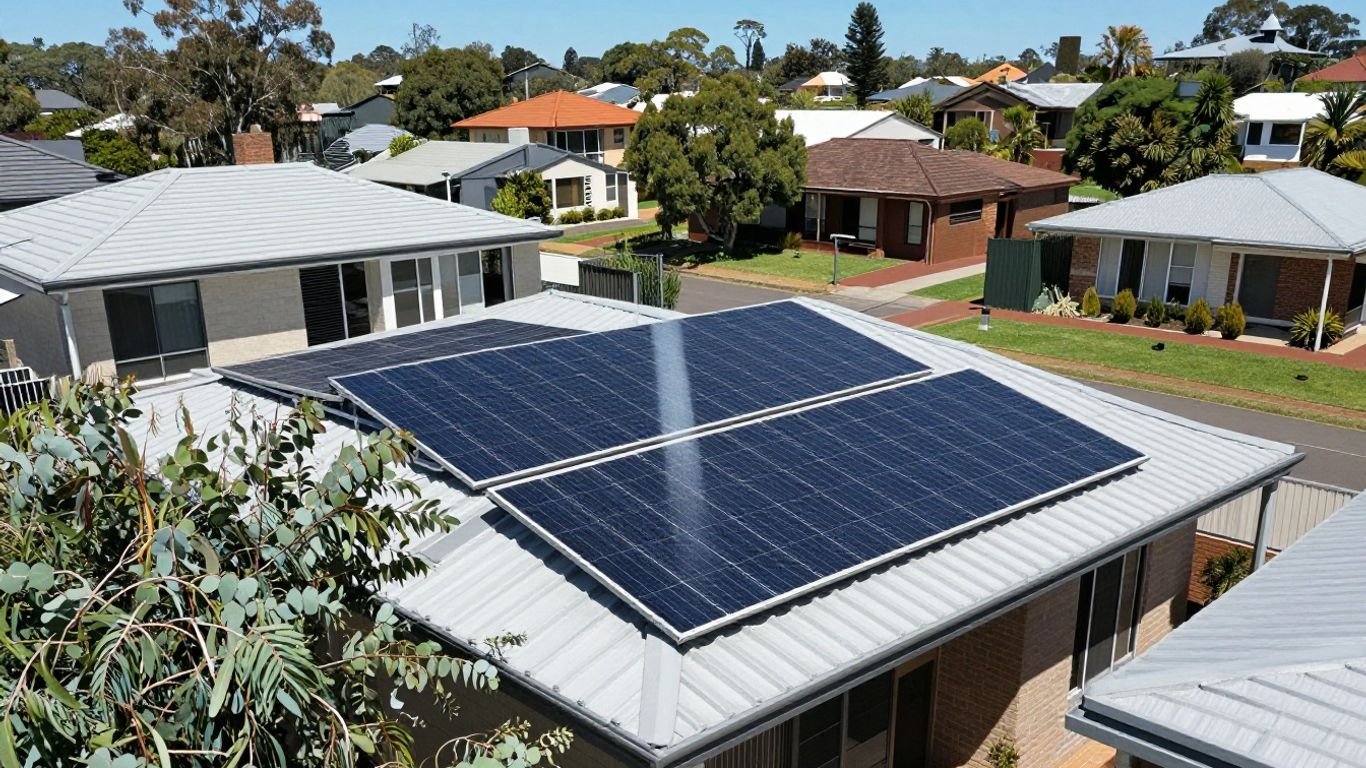
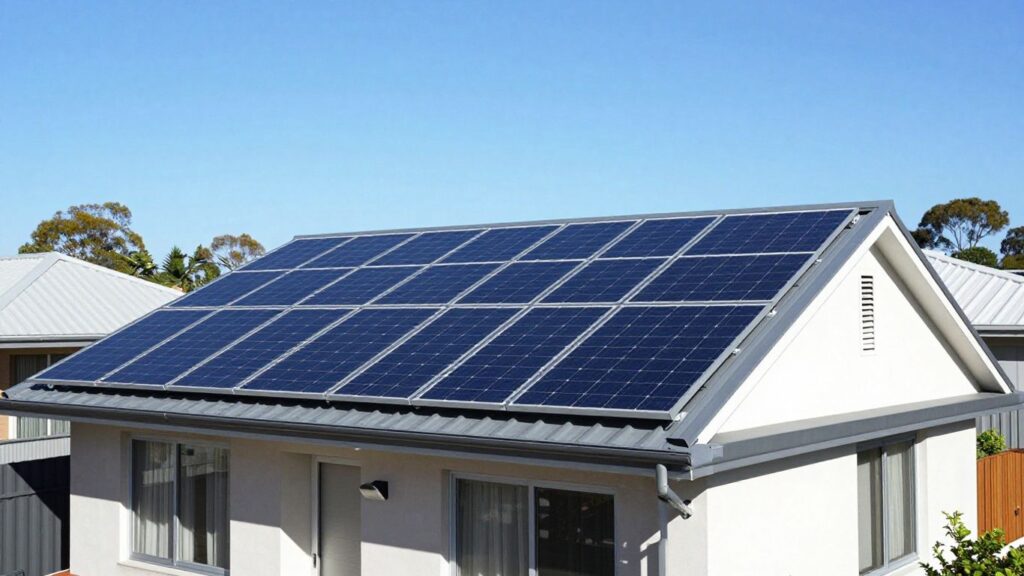
The 6.6 KW SuperPower CS6K-300MS-T4 solar panel system demonstrates how modern technology impacts performance metrics. Higher tier panels often feature superior degradation resistance and better light-harvesting capabilities in low-light conditions compared to entry-level counterparts.
Determining the right inverter for your roof layout
Choosing between a standard string inverter and microinverters determines how your system handles shading throughout the day. Your installer should evaluate your roof’s orientation and potential obstructions before recommending a specific topology.
Quality and durability of mounting hardware
Mounting systems must withstand decades of exposure to extreme weather, including high winds and heat fluctuations. Investing in high-grade aluminum or galvanized steel components provides better structural assurance that your array will stay securely attached to the roof rafters.
Smart monitoring systems and energy management tech
Modern solar setups often include smart monitoring apps that allow owners to track daily generation and consumption in real time. This visibility is vital for identifying underperforming panels or adjusting usage habits to maximize self-consumption of generated electricity.
Hidden costs to consider during quotation
Unexpected technical requirements can sometimes inflate the initial estimate provided by a contractor. Familiarizing yourself with these common variables ensures you can plan your budget more effectively without facing last-minute adjustments.
Existing switchboard and meter upgrade requirements
Older homes may require significant electrical work to meet contemporary safety standards before a solar grid-tie connection can be approved. These upgrades involve changing out aging breakers or installing new smart meters to handle two-way power flow.
Challenges related to roof accessibility and pitch
Steep or multi-story roofs often increase installation time and complexity. Installers may charge for specialized equipment such as elevated work platforms or additional safety harness systems to ensure compliance with strict workplace health and safety protocols.
Additional electrical work for safety compliance
Your site assessment might reveal the need for new sub-circuits or cabling to accommodate the higher electrical load generated by your system. This work is mandatory to prevent potential hazards such as overheating in outdated wiring systems.
Fees for council permits and grid connection
Documentation and administrative processing fees related to grid connection are often included in a fixed-price quote but should be verified. These costs cover the interaction between your installer and the local distribution network service provider.
Incentives and rebates that lower your investment
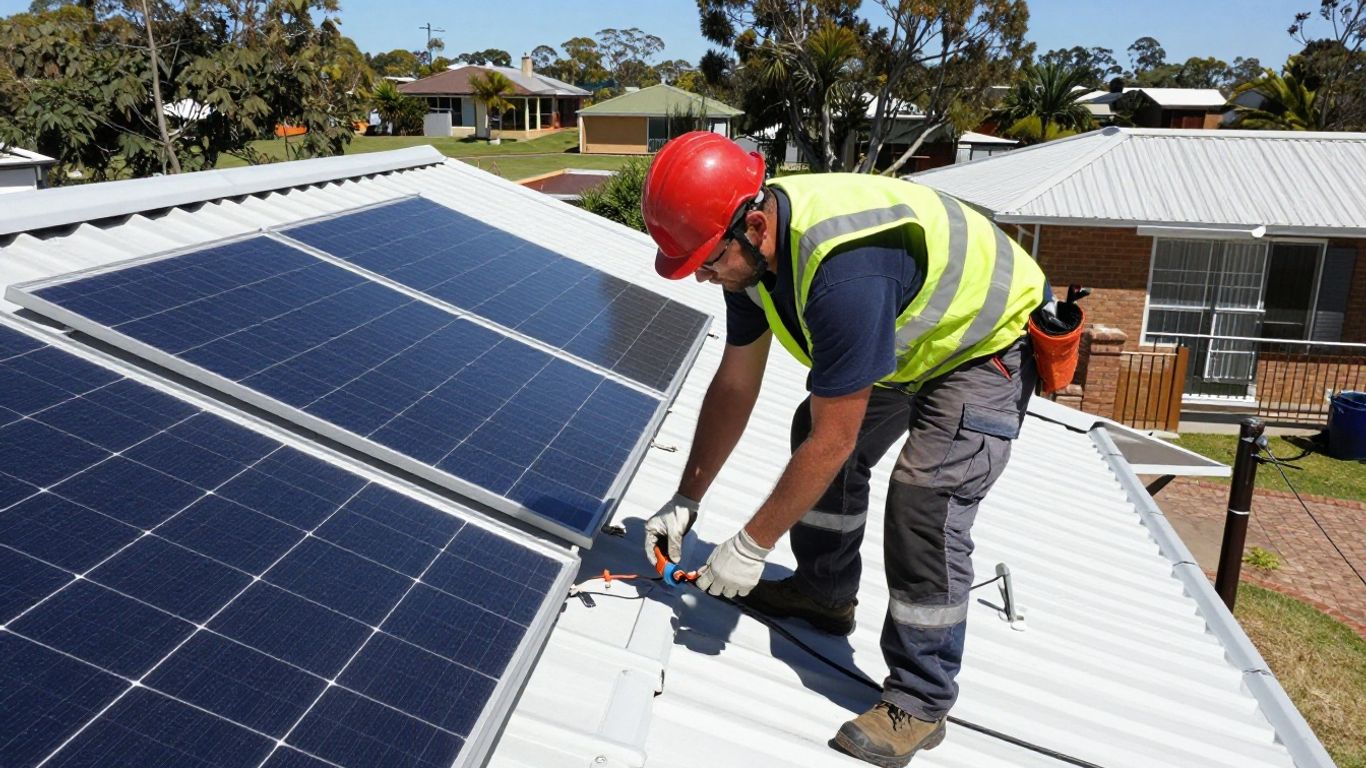
Financial incentives are designed to make renewable energy accessible to the average household. Understanding how these programs function allows you to accurately forecast your net expenditure and savings strategy.
How the Small-scale Technology Certificate (STC) program works
The STC mechanism functions as an upfront point-of-sale discount handled by your installer. By assigning these certificates to the retailer, you effectively reduce your purchase price by the market value of the certificates at the time of installation.
State-specific solar rebates and financing options
Various state governments offer additional grants or interest-free loan programs that complement federal support. Checking your local state energy department ensures you do not miss out on regional initiatives that might further lower your project costs.
Maximizing feed-in tariffs to offset system costs
Exporting excess solar energy back to the grid constitutes a significant portion of your financial return. Different retailers offer varying feed-in tariff rates, making it essential to compare plans regularly to ensure you are receiving the best possible credit for your contribution.
Depreciation benefits for small business owners
Small business owners may find that solar installations qualify for specific tax deduction rules like instant asset write-offs. Consulting with a tax professional helps you determine how an investment in solar infrastructure might improve your annual cash flow through reduced energy overhead.
Selecting the right installer for your budget
Finding a trustworthy installer is just as important as choosing the right hardware. Working with a professional ensures that your system is not only compliant with safety codes but also optimized for your specific property constraints.
Red flags to identify in low-cost solar quotes
Quotes that appear significantly cheaper than the market average often indicate the use of low-quality components or questionable installation labor practices. It is a smart move to ask for detailed equipment specifications and references when evaluating suspiciously low estimates.
Importance of installing with CEC-accredited professionals
Accreditation through the Clean Energy Council signifies that a contractor has undergone rigorous training and adheres to industry-standard safety practices. Utilizing accredited professionals is often a requirement for accessing government Front Door Score metrics and financial incentives.
Comparing workmanship and post-installation support
Workmanship warranties cover the physical installation, including roof seals and electrical connections. A reputable installer will stand by their work for many years, providing peace of mind against potential leaks or connectivity issues following the project handover.
Evaluating the long-term value of extended warranties
Extended warranties can protect your investment against premature component failure, but they should be weighed against the reliability of the manufacturer. Most major brands already offer solid product warranties, so consider whether an additional service agreement is financially prudent.
Analyzing the long-term return on investment
Financial success with solar energy relies on long-term planning and consistent monitoring of your system performance over several years.
Calculating expected payback periods based on usage
Payback periods are determined by how quickly your reduced electricity bill covers the initial installation cost. On average, a 6.6 kW system can pay for itself within four to six years depending on household energy patterns.
Understanding how energy consumption patterns influence savings
Transitioning high-load appliances like washers and dishwashers to daytime hours maximizes the use of solar energy. The following table provides a breakdown of common city-based pricing variations across Australia to help you estimate your regional costs.
| City | Average 6.6kW Price | Market Competitiveness |
|---|---|---|
| Adelaide | $6,498 | High |
| Brisbane | $6,380 | Very High |
| Melbourne | $6,488 | Moderate |
By comparing these regional figures, homeowners can set realistic budget expectations during their initial planning phase. Following these best practices ensures that the installation remains an asset rather than a liability.
The role of time-of-use tariffs in financial modeling
Time-of-use energy plans shift costs based on peak and off-peak periods, which can alter your savings calculations. If your household consumption is naturally higher during the day, these plans can significantly accelerate the financial benefit of your solar array.
Planning for future system upgrades and battery storage integration
Building a solar system with future-proofing in mind allows for the seamless addition of battery storage as technology matures. Planning for modular expansion ensures your hardware investment remains relevant and capable of handling future energy needs.
- Confirm your roof capacity for extra panels.
- Review your current energy consumption profile.
- Research local utility export requirements.
- Secure a flexible inverter to accommodate future batteries.
These four points represent the foundation of a forward-thinking solar strategy that keeps households prepared for changing energy prices.
Conclusion
Navigating the process of purchasing a solar system requires a careful look at both hardware costs and long-term utility savings. By focusing on quality components, accredited installation, and smart energy consumption, you can secure an efficient system that pays for itself through reduced bills and reliable performance over the coming decades.
Frequently Asked Questions
How often should I monitor my solar system performance?
It is recommended to check your solar monitoring application at least monthly to ensure that generation matches your historical logs and expected production levels.
What happens to a solar system during a power grid outage?
Most standard grid-tied solar systems automatically shut down during a power outage to prevent hazardous electrical feedback into the grid for the safety of repair crews.
Are there specific maintenance requirements for solar panels?
Panels generally require minimal maintenance, though cleaning them once a year to remove dust or organic debris can help maintain optimal energy harvest efficiency.
Can I install solar if my roof is partially shaded?
Partial shading is a common issue that can be effectively managed by using microinverters or power optimizers, which prevent one shaded panel from dragging down the performance of the entire array.
How does the pitch of my roof influence solar efficiency?
Roof pitch affects the angle at which sunlight hits the panels, with an orientation facing the equator generally providing the most consistent performance throughout the year.
What do I do if my system is underperforming compared to typical estimates?
If you consistently see reduced generation, contact your original installer to perform a site diagnostic test, as this might reveal hidden issues like cabling failures or faulty connection points.
Can I expand my solar system size in the future?
Expanding your system is possible, though it requires verifying that your current inverter has sufficient capacity and that your roof layout can safely accommodate additional physical space for more panels.