
Thinking about applying for a Lotterywest grant in 2025? It can feel a bit like trying to find a needle in a haystack sometimes, with all the different rules and what they’re looking for. The WA grant scene is pretty generous, with Lotterywest itself putting around $300 million into community projects each year. But getting that funding isn’t always straightforward. You really need to make sure your project ticks all the boxes and shows exactly why it’s a good idea. This guide is here to help you get your head around what Lotterywest grants are all about for 2025, so you can put your best foot forward.
Key Takeaways
- Make sure your organisation fits the eligibility rules before you even start writing. Things like where you’re based and if you’re properly set up matter a lot.
- Your project needs to clearly link up with what Lotterywest wants to support, like community wellbeing or regional growth. Show them you’ve done your homework.
- Don’t just say what you’ll do, explain why it’s important. Use local info and talk to people in the community to show real need and benefit.
- Be super clear about how your project will actually happen. A solid plan and a realistic budget are a must. They want to know you can pull it off.
- Think about the long game. How will your project make a real difference that lasts? Show them the impact you expect to have.
Understanding Lotterywest Grants in 2025
Navigating the WA Grant Landscape
Western Australia has a pretty active grant scene, and Lotterywest is a big part of that, putting a lot of money back into the community each year. It’s not just Lotterywest though; there are other programs too, like the Regional Economic Development Grants. But here’s the thing, even with all this funding available, a lot of applications don’t get approved. Often, it’s because people miss the mark on what the grant providers are actually looking for these days. The government’s put out new guidelines for 2025, and they’re pretty clear: they want to see more than just a good idea. They’re expecting accountability, a clear connection to what they’re trying to achieve, and proof that your project will actually make a difference. It’s a bit more involved than it used to be, so getting a handle on these requirements early on is a smart move.
Key Requirements for 2025 Applications
When you’re putting together your application for 2025, there are a few things that are really important to get right from the start. First off, eligibility. It sounds basic, but you’d be surprised how many applications get tossed out because they don’t meet the fundamental criteria. This could be anything from your organisation’s legal status to where your project will actually take place. It’s worth double-checking things like:
- Incorporation Status: Is your organisation properly registered?
- Auspicing Arrangements: If you’re not incorporated, do you have a suitable organisation to auspice your application?
- Geographic Restrictions: Does your project fit within the specified service area for the grant?
Paying close attention to these details can save you a lot of wasted effort. It’s also about showing you’ve done your homework on what the grant is actually for. The guidelines are usually pretty specific about their priorities, like improving community wellbeing, supporting regional areas, or promoting sustainability. You need to show how your project lines up with these goals.
The focus for 2025 applications is shifting towards demonstrating tangible outcomes and a clear return on investment for the community. It’s not enough to simply state what you plan to do; you must articulate why it’s necessary and how its success will be measured.
The Importance of Alignment and Impact
So, what does ‘alignment and impact’ really mean in the context of a Lotterywest grant? Alignment means your project’s goals and activities directly match the priorities set out by Lotterywest for that specific grant round. If they’re looking to fund projects that boost local employment, your application needs to clearly show how your initiative will create jobs. Impact is about the difference your project will make. This isn’t just about the number of people you reach, but the quality of that reach and the lasting positive change it brings. Think about the long-term benefits. For example, a project that supports local businesses might align with regional diversification goals, and its impact could be measured by increased revenue, new jobs, and a stronger local economy. You need to be able to prove that your project isn’t just a one-off event, but something that contributes to a broader, positive change in the community. The 2025 grant round is a good example of how these priorities are being communicated.
Eligibility and Application Essentials
Right, so before you even start dreaming about what your project will achieve, we need to talk about the nitty-gritty of actually being allowed to apply for a Lotterywest grant in 2025. It’s not just about having a great idea; you’ve got to tick a few boxes first.
Common Pitfalls in Eligibility
Honestly, a lot of perfectly good projects get knocked back right at the start because they miss some basic eligibility requirements. It’s a real shame when it happens. Think about things like:
- Organisation Type: Are you an incorporated body, a registered charity, or do you need an auspice? Lotterywest has specific rules about who can receive funding directly.
- Location: Is your project happening in Western Australia? Some grants have even tighter geographic restrictions, so double-check that.
- Previous Funding: If you’ve had Lotterywest funding before, have you met all your reporting obligations? They do check up on this.
Ensuring Your Organisation Meets Criteria
So, how do you avoid these common traps? It really comes down to being organised and doing your homework.
First off, get a copy of the specific grant guidelines for the program you’re interested in. Don’t just skim it; read it like you’re studying for an exam. Pay close attention to the sections on eligibility. If you’re unsure about anything, don’t guess – contact Lotterywest directly. They’d rather clarify things upfront than have you waste your time on an application that won’t fly.
It’s a good idea to treat the grant guidelines like a checklist for your own organisation. Does your structure fit? Is your project location correct? Are you the right kind of entity? Answering these questions honestly before you start writing will save you a heap of trouble later on.
Leveraging Checklists for Success
To make sure you don’t miss anything, create your own checklist based on the official guidelines. It sounds simple, but it works wonders. You can even use the checklists provided by Lotterywest (sometimes found in their application guides or on their website) as a starting point.
Here’s a basic idea of what your checklist might include:
- Legal Status: Proof of incorporation, ABN, etc.
- Project Location: Confirmation of where the activities will take place.
- Financial Health: Recent financial statements or reports (if required).
- Governance: Details of your management committee or board.
- Previous Grants: Confirmation of compliance with past funding agreements.
Going through this process methodically means you’re much more likely to submit an application that’s not only well-written but also meets all the necessary administrative hurdles. It’s the first big step to getting your project funded.
Crafting a Compelling Lotterywest Grant Proposal

So, you’ve got a brilliant idea for a project and you’re looking at Lotterywest grants for 2025. That’s fantastic! But getting that funding isn’t just about having a good idea; it’s about how you present it. Think of your proposal as your project’s handshake and first impression – it needs to be strong, clear, and convincing.
Aligning with Funding Priorities
Lotterywest, like most grant providers, has specific areas they’re keen to support. They’re not just handing out money for anything; they want to see projects that genuinely make a difference in Western Australia. This means you really need to get familiar with what they’re looking for in 2025. Are they focused on community wellbeing, regional development, environmental stuff, or something else? Your proposal needs to show, loud and clear, how your project fits right into those priorities. It’s not enough to just mention it; you need to demonstrate it. Check out the WA Government Grants Directory for an idea of the kinds of things they fund.
Demonstrating Value for Money and Community Benefit
This is a big one. Funders want to know that their money is being used wisely and that it’s going to create a real positive change for the community. You can’t just say your project is good; you need to prove it. This involves showing how your budget is sensible and directly supports your project’s goals. Think about what the community actually gets out of it. Is it more jobs? Better services? A cleaner environment? Quantify this where you can. For example, if your project aims to create jobs, how many? What kind of jobs? What’s the estimated economic benefit?
- Clearly outline the specific community needs your project addresses.
- Detail the tangible benefits the community will receive.
- Explain how your project offers a cost-effective solution compared to alternatives.
When you’re writing your proposal, always keep the funder’s perspective in mind. They’re looking for projects that are not only well-planned but also have a clear, positive, and lasting impact on Western Australians. It’s about showing you’ve done your homework and that your project is a smart investment.
Proving the ‘Why It Matters’ Factor
This is where you really sell your project. It’s not just about listing activities; it’s about telling a story. Why is this project important now? What problem does it solve? What opportunity does it seize? You need to make a strong case for the need for your project. Using local data, statistics, or even quotes from community members can really help here. It shows you understand the local context and that there’s a genuine demand for what you’re proposing. Don’t be afraid to be passionate, but back it up with solid evidence. A well-supported ‘why’ makes all the difference.
Showcasing Project Feasibility and Impact
Developing Strong Governance and Delivery Plans
When you’re putting together your Lotterywest grant application, it’s not just about having a good idea. You’ve got to show you can actually pull it off. This means having solid plans for how your project will be run and how it’ll get done. Think about who’s in charge, what their roles are, and how decisions will be made. A clear structure makes it easier for everyone involved, and it tells the grant assessors that you’re serious and organised.
- Define clear roles and responsibilities for your project team.
- Outline a realistic timeline with key milestones.
- Detail your risk management strategy – what could go wrong and how you’ll handle it.
Budgeting Realistically for Your Project
Nobody likes surprises, especially when it comes to money. Your budget needs to be sensible and cover everything your project requires. Don’t forget those little things that add up! Lotterywest wants to see that you’ve thought through all the costs and that you’re asking for a reasonable amount. It shows you respect their funds and your own time.
Here’s a quick look at what to consider:
| Expense Category | Estimated Cost | Justification |
|---|---|---|
| Personnel | $15,000 | Project manager, community engagement officer |
| Materials & Supplies | $5,000 | Equipment, printing, workshop resources |
| Venue Hire | $2,000 | For community consultation sessions |
| Evaluation & Reporting | $1,500 | Surveys, data analysis, final report preparation |
| Total Estimated Budget | $23,500 | Covers all direct costs for project execution |
Measuring and Articulating Lasting Impact
So, your project is up and running, and it’s going well. But what happens after the funding runs out? Lotterywest is keen to know the difference your project will make in the long run. This isn’t just about ticking boxes; it’s about showing the real, positive change you’re bringing to the community. Think about how you’ll track this and how you’ll tell the story of your success.
Demonstrating the tangible benefits and long-term value your project brings to Western Australians is key. It’s about proving that the investment will create a positive ripple effect that continues well after the project concludes.
- Identify specific, measurable outcomes.
- Plan how you’ll collect data to show these outcomes.
- Think about how your project contributes to broader community wellbeing or addresses a specific need.
Strategic Alignment for Lotterywest Grants
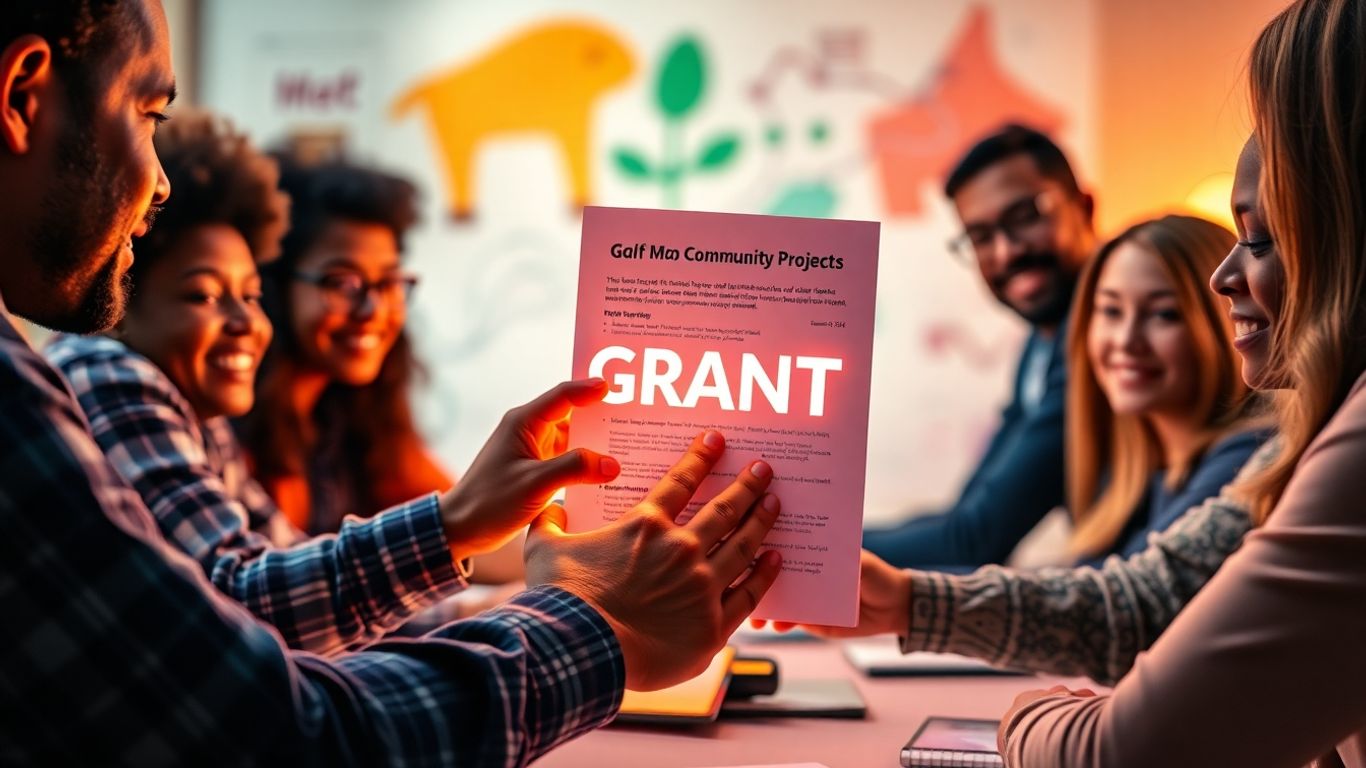
Connecting Your Project to Community Wellbeing
Lotterywest is keen to support projects that genuinely make a difference in the lives of Western Australians. This means your project needs to clearly show how it contributes to the overall wellbeing of the community. Think about what problems your project solves and who benefits. Is it improving health, providing support services, or creating opportunities for people? Demonstrating a direct link between your project activities and positive community outcomes is key.
Supporting Regional Diversification and Sustainability
Western Australia is a big place, and Lotterywest has a strong interest in seeing all parts of the state thrive. If your project has the potential to boost local economies in regional areas, create jobs, or support industries that are new or growing, that’s a big plus. Sustainability is also a major focus. How will your project continue to have a positive effect over time, and what steps are you taking to minimise its environmental footprint? This could involve anything from supporting local businesses to implementing eco-friendly practices. It’s about building a stronger, more resilient WA for the future.
Promoting Inclusion and Equity
Making sure everyone in the community has a fair go is another important goal for Lotterywest. Your project should show how it includes people from diverse backgrounds, abilities, or circumstances. This could mean reaching out to groups who are often left out, providing services that are accessible to everyone, or creating opportunities that promote fairness. Think about how your project actively works to break down barriers and build a more inclusive society. It’s not just about ticking a box; it’s about showing a real commitment to equity in practice. You can find more information on WA’s Plan for Gender Equality which highlights priority areas that align with these values.
Maximising Your Chances with Lotterywest Grants
So, you’ve got a cracking project idea and you’re eyeing up Lotterywest grants for 2025. That’s great! But getting the nod isn’t just about having a good idea; it’s about showing you’ve done your homework and that your project is the best fit. It’s a bit like preparing for a big exam – you need to know the syllabus and show you’ve studied.
Integrating Local Data and Community Consultation
Lotterywest wants to see that your project isn’t just something you think the community needs, but something they’ve actually asked for or that data clearly shows is required. This means digging into local statistics – things like population demographics, health indicators, or employment figures. But don’t stop there. Chatting with the people your project will affect is super important. Holding a few community meetings, sending out surveys, or even just having informal conversations can give you solid evidence. This shows you’re connected and that your project has real backing.
- Gathering local census data.
- Conducting surveys with target groups.
- Hosting information sessions to get feedback.
- Talking to local leaders and organisations.
Learning from Successful Grant Applications
Looking at what’s worked before is a smart move. While you can’t just copy someone else’s application, you can learn a lot from their approach. Think about the projects that have received funding in the past. What made them stand out? Often, it’s about how clearly they articulated their need, their plan, and the difference they’d make. You can often find summaries of funded projects on the Lotterywest website, which can be a goldmine of information. It’s about understanding the style and substance that gets approved. Check out the WA Government Grants Directory for examples of funded initiatives across the state.
Understanding Funder Decision-Making Frameworks
Lotterywest, like most grant providers, has a framework guiding their decisions. They’re looking for projects that are well-planned, achievable, and will have a lasting positive effect. They want to know your project is feasible – meaning you have a solid plan, a realistic budget, and the right people to make it happen. They also want to see that it will create genuine community benefit and be sustainable in the long run. It’s not just about ticking boxes; it’s about demonstrating that your project aligns with their goals for improving the lives of Western Australians.
Funders are increasingly looking beyond just the initial idea. They want to see evidence of strong governance, realistic financial planning, and a clear plan for how the project will be managed from start to finish. This shows you’re a reliable partner for their investment.
Think of it this way: they’re investing in your project, and they want to be sure it’s a sound investment that will pay off for the community. Being thorough in your application, showing you’ve thought through all the angles, and clearly explaining the ‘why’ behind your project will put you in a much stronger position.
Wrapping Up Your Grant Journey
So, that’s a bit of a rundown on how to approach Lotterywest grants for your next project in 2025. It might seem like a lot to take in, with all the guidelines and priorities, but remember, it’s all about showing you’ve done your homework. Make sure your project ticks all the boxes for eligibility, clearly shows how it fits with what Lotterywest wants to achieve, and most importantly, proves it’ll make a real difference. Don’t get discouraged if it takes a few tries; lots of people find success by refining their applications. Keep an eye on those closing dates and get your proposals in. Good luck out there!
Frequently Asked Questions
What’s the main goal of Lotterywest grants in 2025?
Lotterywest grants in 2025 are all about helping Western Australia thrive. They want to fund projects that make a real difference in people’s lives, boost communities, and support important causes across the state. Think of it as investing in a better future for everyone in WA.
Who can apply for a Lotterywest grant?
Generally, organisations like charities, community groups, and not-for-profits can apply. It’s super important that your group is properly set up (like being incorporated) and that your project fits with what Lotterywest wants to support. Always check the specific guidelines for each grant round, as they can have different rules.
What makes a grant application stand out?
To make your application shine, you need to clearly show how your project lines up with Lotterywest’s goals. Explain exactly who will benefit and how it will make a positive impact. Using real local information and showing you’ve talked to the community you want to help can make a big difference.
What if my project is a bit different?
Lotterywest is keen on new ideas! If your project is creative and tackles a community need in a fresh way, that’s great. Just make sure you can explain why your unique approach is the best way to achieve your goals and how it will benefit the community.
How do I know if my project is a good fit?
The best way to know is to read the Lotterywest grant guidelines very carefully. They usually list the areas they’re most interested in funding, like health, arts, sports, or community development. If your project helps people, strengthens communities, or supports the environment in WA, it’s likely a good starting point.
What’s the most common mistake people make when applying?
A really common mistake is not meeting the basic requirements, like having the right paperwork or applying for the wrong type of grant. Another big one is not clearly explaining *why* the project is needed and the difference it will make. Make sure your budget is realistic too – don’t ask for too much or too little.