
Thinking about how to make more jobs in Australia? It’s a big question, and honestly, it feels like we’ve been talking about it for ages. We’ve got so much going for us – great people, plenty of resources – but sometimes it feels like we’re not quite hitting our stride. This article is going to look at some practical ways we can boost employment and build a stronger economy for everyone. It’s not about magic fixes, but about smart steps we can take, from backing new ideas to making sure people can find the work they’re suited for.
Key Takeaways
- We need to back new industries and advanced manufacturing to create high-value jobs, not just rely on digging things up.
- Putting more money into research and development, and helping small businesses grow, is key to creating future work.
- Encouraging local talent and a can-do attitude among Australians will help drive job growth.
- The government has a role to play by setting goals, funding new ideas, and buying Australian-made products.
- Building a more diverse economy makes us stronger against global ups and downs, and helps both workers and businesses.
Fostering Innovation To Make More Jobs
We need to get better at making things here in Australia, not just relying on what we dig out of the ground. Innovation is the key to creating jobs that are actually going to last and pay well. It’s about thinking smarter and building industries that can compete on the world stage. Look at countries like South Korea or Singapore; they didn’t have much to start with but focused on technology and high-value products, and now they’re economic powerhouses. We can do the same if we put our minds to it.
Investing In High-Value Industries
Instead of just shipping raw materials overseas, we should be looking at turning those resources into finished goods right here. This means investing in sectors where Australia can really shine, like advanced materials, renewable energy technology, or specialised medical equipment. These aren’t just jobs for today; they’re the jobs of tomorrow, requiring skilled workers and offering good pay. It’s about adding value and building a stronger economy from the ground up. We need to support businesses that are pushing the boundaries and creating products that the world wants.
Developing Advanced Manufacturing Capabilities
Australia has the brains and the capability to be a leader in advanced manufacturing. Think about robotics, 3D printing, and smart factories. These aren’t your grandad’s factories; they’re high-tech operations that can produce complex, high-value goods efficiently. We need to encourage companies to adopt these technologies and train our workforce to use them. This means government support for research and development, and incentives for businesses to invest in new equipment and skills. It’s about making sure we’re not just assembling things, but designing and building them with cutting-edge methods. We need to back the next global giants to be Australian.
Championing Australian-Made Innovations
It’s time we got behind our own ideas and products. When you see something innovative made in Australia, support it. Buy it, talk about it, and ask how we can make it even better. This creates a demand that encourages more local businesses to innovate and grow. We need a cultural shift where we take pride in what we create here. This isn’t just about economics; it’s about building confidence in our own abilities and creating a future where Australia is known for its ingenuity and quality manufacturing. We need to ask ourselves, ‘Why aren’t we making this here?’ and then go about making it happen.
Strategic Investment For Job Creation
Boosting Research And Development Spending
We need to put our money where our future is. That means seriously upping the ante on research and development (R&D). Think about countries like South Korea or Singapore; they didn’t have a heap of natural resources but they became global players by backing new ideas. They invested in things like semiconductors and high-tech goods, and it paid off big time. Australia has the smarts and the resources to do the same, but we need sustained support for bold ideas.
We’re talking about investing in areas that can really multiply value. Take electronics-grade silicon, for example. Moving from basic silicon to the stuff needed for computer chips is a massive jump in value, from about $25 a kilo to over $250. That requires proper manufacturing facilities, sure, but semiconductors are the engine of the modern world. If we want to lead in future industries, this is a no-brainer. Same goes for AI and data centres. We’ve got the low-cost energy and land in some areas, plus the brainpower, to become a hub for AI models and digital services. It’s a bit surprising how well this suits us when you look at the numbers.
Investing in R&D isn’t just about fancy labs; it’s about building the foundations for industries that will employ Australians for decades to come. It’s about turning our potential into tangible economic growth.
Supporting Startups And Venture Capital
New businesses are the lifeblood of job growth, but they often struggle to get off the ground. We need to make it easier for them. That means more venture capital flowing into Australian startups. Right now, a lot of promising ideas might be heading overseas because they can’t find the funding here. We should be seeding these innovations, maybe through sovereign innovation funds, and making sure they align with a long-term vision for the country. It’s not just about the big end of town; it’s about nurturing the next generation of Australian companies. We’ve seen how infrastructure development can spur growth, and supporting startups is a similar kind of investment in our future.
Creating Pathways For Business Scalability
Once a business has a good idea and some initial success, we need to help it grow. Scaling up is where the real job creation happens. This means looking at how we can support businesses to expand their operations, both here and internationally. It involves cutting red tape where possible, providing access to new markets, and making sure they have the skilled workforce they need. We need clear pathways so that a successful Australian startup doesn’t just stay small; it becomes a major employer and a global player. This could involve government procurement policies that favour growing domestic companies or programs designed to help businesses navigate the complexities of expansion.
Empowering Australians To Make More Jobs
Encouraging Local Talent And Entrepreneurship
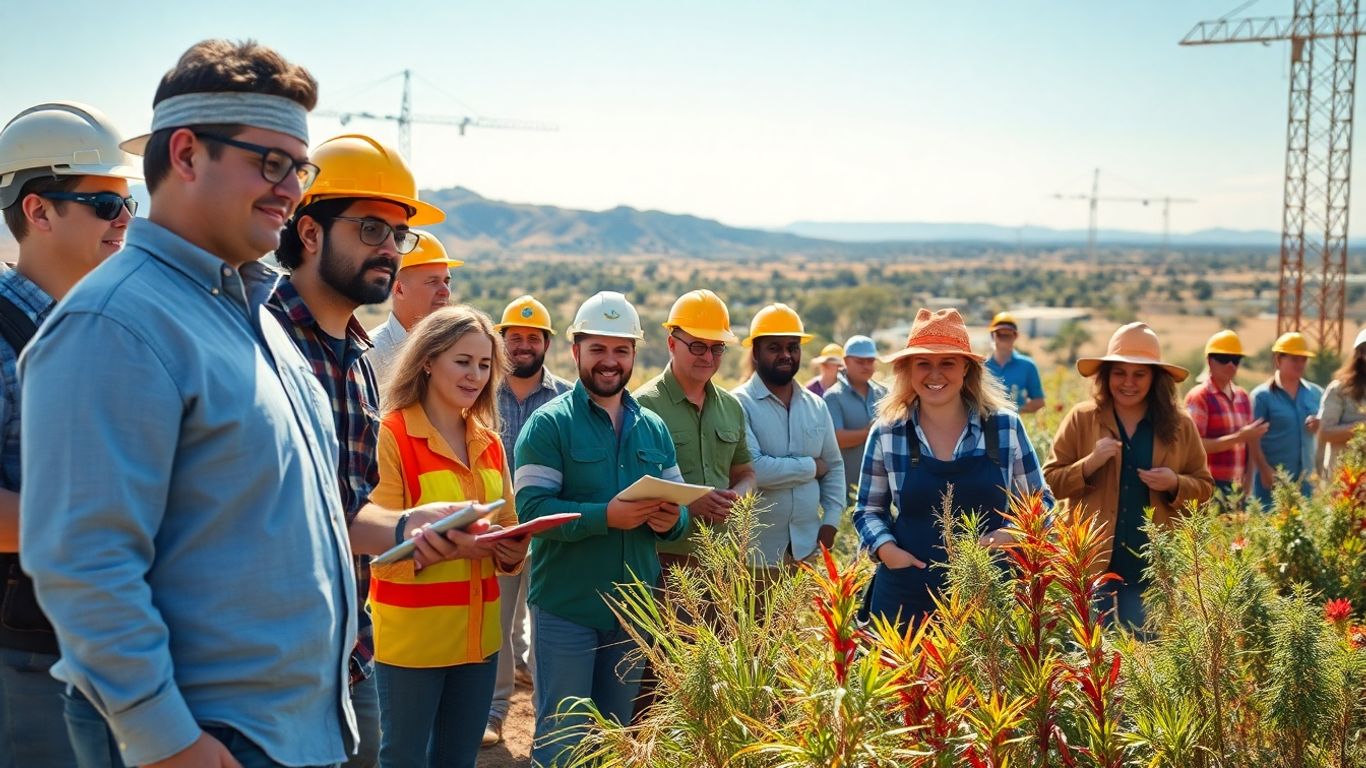
It’s easy to look overseas for inspiration, but we’ve got heaps of talent right here. We need to get better at spotting and backing the bright sparks in our own backyard. Think about it – every successful business started with someone having an idea and the guts to run with it. We should be making it easier for those people to get going, whether it’s with a bit of seed money, some good advice, or just a bit of encouragement.
- Backing new ideas: Setting up more local incubators and maker spaces where people can tinker and test their inventions.
- Mentorship programs: Connecting experienced business owners with folks just starting out.
- Streamlining red tape: Making it simpler to register a business and get the permits you need.
Promoting A Culture Of Ambition And Action
Sometimes, it feels like we’re a bit too happy with ‘good enough’. We need a shift, a real push towards aiming higher and actually doing things. It’s about changing how we talk about success and failure. Taking a punt on a new idea shouldn’t be seen as a risky move, but as a necessary step towards building something great. We need to celebrate the effort, not just the win.
We can’t just wait for things to happen. We need to be the ones making them happen. This means being willing to try new things, even if they don’t work out perfectly the first time. It’s about building confidence in our own abilities and in what we can achieve as a nation.
Investing In Future Industries
Looking ahead is key. We can’t just keep doing what we’ve always done. We need to identify the industries that are going to be big in the future and start building our skills and businesses in those areas now. This might mean new types of tech, green energy solutions, or advanced services. It’s about being proactive and making sure Australia is at the forefront, not playing catch-up.
| Industry Sector | Potential Growth Area | Skills Needed |
|---|---|---|
| Renewable Energy | Solar and battery tech | Electricians, engineers, project managers |
| Advanced Materials | Lightweight composites | Material scientists, technicians |
| Digital Health | Telemedicine platforms | Software developers, data analysts, healthcare professionals |
Government’s Role In Job Growth
Setting Clear Targets For Industrial Transformation
The government’s job is to point us in the right direction and then help us get there. This means setting some pretty clear goals for what industries we want to be leaders in. We can’t just hope for the best; we need a plan. Think about it like building a house – you need blueprints and a timeline, not just a pile of bricks. Australia needs to decide which high-value industries it wants to dominate globally and then commit to making that happen. This isn’t about picking winners, but about identifying areas where we have a real shot at being world-class and then backing those sectors with serious intent.
Funding Innovation Hubs And R&D
We’ve got smart people in Australia, loads of them. But sometimes, they need a bit of help to turn their ideas into actual businesses and jobs. That’s where government funding comes in. We need more money going into research and development (R&D) – not just a little bit, but enough to make a real difference. This means supporting universities, research institutions, and even those small, scrappy startups that are doing amazing things. Creating dedicated innovation hubs, places where people can collaborate and access resources, is also a smart move. It’s like giving our brightest minds the tools and the space they need to invent the future.
Championing Domestic Procurement
This is a big one that often gets overlooked. When the government buys things, it should really try to buy Australian-made stuff whenever it can. This isn’t just about patriotism; it’s about creating jobs right here at home. If government departments and agencies are consistently choosing local suppliers, it gives Australian businesses a reliable customer base. This stability allows them to grow, invest in new equipment, and hire more people. It sends a strong signal to the market that ‘Made in Australia’ is a priority, encouraging more businesses to set up shop and expand here.
The government has a unique opportunity to act as a catalyst for job creation. By strategically directing investment and setting ambitious national goals, it can shape the economic landscape for decades to come. This proactive approach is far more effective than simply reacting to economic shifts.
Diversifying The Economy For Resilience

Australia’s got a heap of natural wealth, no doubt about it. But for too long, we’ve been stuck in a bit of a rut, relying heavily on just digging stuff up and shipping it overseas. It’s a strategy that’s left us pretty exposed when global markets get shaky. Other countries, even those with fewer resources, have managed to build up really diverse economies, creating high-value industries and becoming global leaders in tech and manufacturing. We can do that too, but it means shifting our focus.
Moving Beyond Resource Exports
It’s time we stopped betting the farm on commodity prices. While resources will always be part of our story, they shouldn’t be the whole book. We need to actively encourage and invest in sectors that add more value right here at home. Think about it: when we export raw materials, we’re essentially selling potential. When we process them, build things with them, or create innovative solutions from them, we’re selling finished products and services that bring in much more money and create more jobs.
- Develop advanced materials: We have the raw ingredients, but we need to turn them into high-tech components for industries like aerospace or renewable energy. These aren’t just basic materials; they’re specialised, high-value products.
- Boost high-tech manufacturing: Instead of just exporting minerals, let’s build the machinery and technology that uses them. This could mean anything from advanced robotics to specialised medical equipment.
- Exporting smart solutions: We can develop and export things like modular infrastructure or clever construction materials that help other countries build better cities. It’s about selling our know-how and our ability to solve problems.
Relying too much on one or two export markets makes us vulnerable. A diversified economy is a stronger economy, better able to withstand global shocks and provide stable employment.
Building Global Tech Giants
We’ve got smart people and great ideas here in Australia. We need to create an environment where those ideas can actually grow into world-beating companies. That means better access to funding, less red tape, and a real push to support our startups and scale-ups. Imagine Australian companies leading the charge in AI, biotech, or clean energy – that’s not just good for business, it’s good for our national pride and our future prosperity. We need to make it easier for our innovators to stay here and build their dreams, rather than seeing them head overseas for opportunities. This is about prioritizing resilience in our economic planning.
Creating Stable And Prosperous Industries
What does a stable, prosperous industry look like? It’s one that isn’t constantly at the mercy of global price swings. It’s an industry that invests in its people, embraces new technology, and provides secure, well-paying jobs. This requires a long-term vision from both government and business. We need to identify sectors with strong future potential, like advanced manufacturing, sustainable agriculture, or digital services, and give them the support they need to thrive. It’s not about picking winners, but about creating the conditions for a wide range of innovative businesses to succeed and grow, contributing to a more robust and balanced economy for everyone.
Supporting Jobseekers And Employers
Getting people into jobs and helping businesses find the right staff is a big deal for Australia’s economy. It’s not just about filling positions; it’s about building confidence, supporting communities, and making sure businesses can grow. We need to make it easier for folks looking for work and for the businesses that need them.
Bridging The Gap Between Talent And Opportunity
Finding the right job can be tough, and for employers, finding the right person can feel like searching for a needle in a haystack. We’ve seen programs try to connect these two sides, and while they help, there’s always room for improvement. It’s about making sure that when a job opens up, the person who’s a good fit knows about it, and the employer knows where to look. This connection is the engine that drives local economies forward.
Here’s a look at how we can improve this connection:
- Better Information Sharing: Making sure job vacancies are easily visible to jobseekers and that jobseekers’ skills are visible to employers.
- Targeted Training: Offering training that directly matches the skills businesses are actually looking for right now.
- Streamlined Processes: Simplifying how people apply for jobs and how businesses review applications.
The journey from looking for work to being in a job can be a long one. It requires support, clear direction, and sometimes, just a bit of luck. Making this process smoother benefits everyone involved.
Providing Personalised Employment Assistance
One size definitely doesn’t fit all when it comes to finding work. Some people need help polishing their resume, others need practice with interviews, and some might need support with transport or work gear. Tailored help makes a huge difference. This means understanding each person’s unique situation and providing the specific support they need to get job-ready and stay employed.
Leveraging Advanced Job-Matching Technologies
Technology can be a real game-changer here. Think about smart systems that can look at what a job requires and match it with a jobseeker’s skills and experience, even if they haven’t thought of that particular role before. This isn’t about replacing human connection, but about making the search more efficient and effective for everyone. It can help uncover hidden talent and opportunities that might otherwise be missed.
So, What’s Next?
Look, making more jobs isn’t some magic trick. It’s about making smart choices, day in and day out. We’ve talked about how we can’t just keep digging stuff up and shipping it off. Other countries are building cool things, making tech, and solving big problems, and we can too. It means backing our own ideas, whether you’re just starting out, running a business, or even just deciding what to buy. We need to stop settling for ‘good enough’ and start pushing for something better. It’s not just about the economy, it’s about building a future where everyone has a fair shot and we can all be proud of what we make right here. The time to start is now, and it starts with all of us.
Frequently Asked Questions
Why is it important for Australia to make more things here instead of just selling raw materials?
Selling raw materials is like selling the ingredients for a cake, but not the cake itself. Other countries make more money by turning those ingredients into finished products. When Australia makes more things here, we create jobs, build skills, and keep more money in our own country, making our economy stronger and less shaky when world prices change.
How can making advanced things like drones or computer chips help Australia get more jobs?
Making advanced things means we’re using our smarts and skills to create high-tech products. These products are often worth a lot more money than raw materials. Companies that make these things need lots of skilled workers, from designers and engineers to factory staff, creating well-paid jobs and putting Australia on the map as a leader in new technology.
What’s the difference between just exporting resources and building ‘global tech giants’?
Exporting resources is like being a farmer selling wheat. Building ‘global tech giants’ is like being a company that invents and sells the latest smartphones or computer programs worldwide. The tech giants make way more money and create a wider range of jobs, from coding and marketing to customer support, making Australia a powerhouse in the global economy.
How does investing in research and development (R&D) lead to more jobs?
Research and development is all about coming up with new ideas and making them work. When we invest in R&D, we help scientists and inventors create new products and technologies. This often leads to new industries or makes existing ones better, which then need more people to make, sell, and support them, creating jobs.
What role do small businesses and startups play in creating jobs?
Startups are like the new kids on the block with fresh ideas. They can grow really fast and create a lot of jobs. Supporting them with things like funding and advice helps them get off the ground and become the big companies of tomorrow. They often bring new ways of doing things and create jobs that didn’t exist before.
How can the government help create more jobs in Australia?
The government can help by setting clear goals for the country’s economy, like focusing on certain industries. They can also provide money to help new ideas and research happen, build places where smart people can work together (innovation hubs), and choose to buy products made in Australia. This shows they believe in Australian businesses and workers.