Well, the latest figures are out, and it looks like we’ve got our hands on Australia’s top 100 rich list for 2025. It’s always interesting to see who’s made the cut and who’s climbed the ladder, or maybe even slipped a bit. This list really gives you a snapshot of where the big money is being made in the country right now. From mining giants to tech wizards, it’s a diverse bunch, as you’d expect. Let’s dive into who’s sitting pretty at the top.
Key Takeaways
- Gina Rinehart has once again secured the top spot on the 2025 AFR Rich List, marking her sixth consecutive year as Australia’s wealthiest individual.
- The mining sector continues to be a major driver of wealth in Australia, despite some headwinds, with resources featuring heavily among the top earners.
- Property remains a strong sector for wealth creation, holding the second position after mining in terms of collective value.
- Notable shifts in the rankings this year have been influenced by factors like divorce settlements, impacting the positions of some high-profile individuals.
- The list showcases a mix of established fortunes and new entrants, reflecting the dynamic nature of Australia’s economic landscape.
1. Gina Rinehart
Gina Rinehart has done it again, topping Australia’s Rich List for the sixth year running. It’s pretty impressive, especially considering the ups and downs in the iron ore market. She inherited her father’s mining business, Hancock Prospecting, and really turned it into something massive.
Her wealth is mostly tied up in mining, which is still the biggest sector for making money in Australia, even with a bit of a dip this year. Property is doing okay too, but mining is where the real big bucks are.
Here’s a quick look at how her fortune stacks up:
- Net Worth: $38.1 billion (AFR Rich List 2025)
- Global Ranking: 61st (Forbes 2025)
- Primary Sector: Mining (Iron Ore)
- Key Operation: Roy Hill mine in Western Australia
Despite the challenges, Rinehart’s company is looking at expanding into natural gas and even playing around with robotics and AI. She’s also pretty vocal about government regulations, which seems to be a constant theme for her.
It’s clear that Rinehart isn’t just resting on her laurels. She’s actively steering her empire towards new ventures and pushing back against what she sees as hurdles. The sheer scale of her operations, particularly the Roy Hill mine, continues to be a powerhouse for her wealth.
While some fortunes have shifted due to things like divorces, Rinehart’s position seems pretty solid. She’s a major player, and it looks like she’ll be around the top for a while yet. You can find more details about her impressive net worth on Forbes’ global list.
2. Harry Triguboff
Harry Triguboff, often just called ‘Highrise Harry’, is a name synonymous with the Sydney skyline. He’s the bloke behind Meriton, the company that’s built a staggering number of apartments across Australia. Seriously, if you’ve lived in Sydney for a while, chances are you’ve lived in, or know someone who lives in, a Triguboff building. He started it all back in 1963, building his first block in Tempe. Then came the Meriton Street development in Gladesville, which gave the company its name.
He’s built over 78,000 apartments, and it’s estimated that about 3% of Sydneysiders call one of his places home. That’s a lot of people! Meriton has also been a bit of a pioneer, getting into build-to-rent and serviced apartments early on.
At 92, Harry is one of the older Aussies on the global rich list, but he’s still going strong. His wealth, estimated at around $30 billion AUD, comes from decades of building and developing property. It’s a real testament to sticking with it and understanding what people need – a place to live.
Here’s a quick look at his estimated wealth:
| Year | Estimated Net Worth (AUD) |
|---|---|
| 2025 | $29.7 billion |
| 2024 (Forbes) | $30 billion |
It’s pretty wild to think about the sheer scale of his impact on Australian housing. He’s not just building apartments; he’s shaping communities and providing homes for thousands upon thousands of families. It’s a legacy built, quite literally, brick by brick.
3. Anthony Pratt & Family
Anthony Pratt and his family are a major force on Australia’s rich list again this year. Their wealth, primarily built through manufacturing, continues to impress, with their estimated net worth sitting at a cool $25.9 billion.
The Pratt family’s business empire, Visy, is a cornerstone of their fortune, involved in packaging and recycling. It’s a business that’s been around for a while, and they’ve really made it their own. They’ve managed to keep things ticking along, even with all the ups and downs the global economy can throw at you.
Here’s a quick look at where their wealth comes from:
- Visy: This is the big one, their packaging and recycling giant. They’re involved in everything from cardboard boxes to plastic bottles.
- Manufacturing: Beyond Visy, the family has interests in various manufacturing sectors, showing a broad industrial base.
- Investments: Like many on this list, they’ve got a diversified portfolio, which helps keep their wealth stable.
It’s interesting to see how a family business can grow and adapt over generations. They’ve clearly got a knack for it, and it shows in their consistent presence at the top of these rankings. It’s a testament to their business acumen and long-term vision.
The sheer scale of their operations means they’re not just a big player in Australia, but globally too. Their influence in the manufacturing sector is undeniable, shaping how goods are produced and transported.
4. Scott Farquhar
Scott Farquhar, a name synonymous with Australian tech innovation, has cemented his place on the rich list. He’s the co-founder of Atlassian, a software company that’s pretty much everywhere these days, helping teams get stuff done.
Farquhar recently stepped back from the day-to-day at Atlassian, but his influence is still massive. He’s now heading up the Tech Council of Australia, which is a pretty big deal for the country’s digital future.
Here’s a quick look at his journey:
- Founding Atlassian: Met his co-founder Mike Cannon-Brookes at university, and together they launched the company in 2002.
- Global Reach: Atlassian’s software is used by huge organisations like NASA and Dropbox, showing just how far their ideas have travelled.
- Tech Leadership: Taking the helm at the Tech Council of Australia puts him in a prime position to shape Australia’s technology landscape.
His personal net worth is estimated to be around $21.4 billion, a testament to the success of Atlassian and his ongoing contributions to the tech world.
Farquhar’s move into a leadership role with the Tech Council of Australia signals a broader commitment to nurturing the nation’s growing technology sector. It’s a move that could have ripple effects for startups and established tech firms alike across the country.
5. Clive Palmer
Clive Palmer, a name that often pops up in Australian headlines, has secured the 5th spot on the 2025 Rich List. His fortune, estimated at a cool $20.1 billion, comes primarily from his significant involvement in the resources sector.
Palmer’s business dealings are as varied as they are substantial. While his mining interests, particularly through Mineralogy, are a major driver of his wealth, he’s also known for his ventures in other areas. It’s a complex web of companies and investments that keeps him firmly in the top ranks of Australia’s wealthiest.
Here’s a quick look at his estimated wealth:
- Resources: $20.1 billion
Palmer’s influence in the resources sector is undeniable. He’s navigated the ups and downs of commodity markets, often with a bold approach that sets him apart. His ability to maintain such a high position, even with market fluctuations, speaks volumes about his business acumen.
It’s not just about the money for Palmer, though. He’s also a prominent political figure, often making headlines for his public statements and the influence of his United Australia Party. This dual role as a business magnate and a political player makes him a unique character on the Australian rich list.
6. Melanie Perkins & Cliff Obrecht
Melanie Perkins and Cliff Obrecht, the power couple behind Canva, have cemented their spot at number six on Australia’s Rich List for 2025. Their combined wealth is sitting pretty at $14.1 billion, a testament to the global success of their graphic design platform. It’s pretty wild to think that Canva started as a simple idea for making presentations easier, and now it’s a go-to tool for millions worldwide.
It’s not just about the money for these two, though. They’ve publicly committed to giving away at least half of their fortune through The Giving Pledge. That’s a pretty significant chunk of change dedicated to good causes, which is a nice change of pace from just accumulating wealth.
Here’s a quick look at their estimated wealth:
- Canva Valuation: Estimated in the billions, making it a tech unicorn.
- Philanthropic Commitment: At least 50% of their net worth.
- Global Reach: Canva is used in over 190 countries.
The journey of Perkins and Obrecht with Canva highlights how innovation and a clear vision can lead to massive success. They’ve managed to build a company that’s not only financially rewarding but also genuinely useful for people and businesses everywhere. It’s a story that inspires a lot of aspiring entrepreneurs out there.
Their continued presence in the top echelons of the Rich List shows that the tech world, even with its ups and downs, can still produce incredible wealth and influence. It’ll be interesting to see how their philanthropic efforts unfold alongside the ongoing growth of Canva.
7. Michael Dorrell
Well, this is a bit of a surprise, isn’t it? Michael Dorrell has landed himself the number seven spot on the Rich List this year, and get this – it’s his first time even being eligible. Talk about making an entrance! He’s the co-founder of Stonepeak, which is basically a big player in infrastructure investing.
It’s pretty wild to think he’s jumped straight to this position. Usually, you see people build up over years, but Dorrell’s debut is something else. He’s apparently managed to rack up a fortune of $13.9 billion, which is no small potatoes.
Here’s a quick look at his estimated wealth:
- Source of Wealth: Finance / Infrastructure Investment
- Estimated Net Worth: $13.9 billion
- Debut Rank: 7th (Highest self-made debutant)
It’s not every day someone crashes the Rich List party like this. Dorrell’s success with Stonepeak shows there’s still serious money to be made in infrastructure, especially when you’re smart about it. Makes you wonder what he’ll do next year, doesn’t it?
8. Ivan Glasenberg
Ivan Glasenberg, a name synonymous with the global mining and commodities scene, has secured a solid spot on Australia’s Rich List. He’s known for his significant role in Glencore, a massive Swiss-based commodity trading and mining giant. Glasenberg, who was born in South Africa but has strong ties to Australia through his business dealings, has built a considerable fortune.
His wealth, estimated at $12.20 billion, comes primarily from his stake in Glencore, a company he led for many years. Under his leadership, Glencore grew into one of the world’s largest producers of commodities like coal, copper, and zinc. It’s a business that deals with a huge range of raw materials, from metals to oil.
Glasenberg’s influence in the resources sector is undeniable, shaping markets and driving significant investment.
Here’s a quick look at his standing:
- Rank: 8
- Estimated Wealth: $12.20 billion
- Primary Source of Wealth: Glencore (Mining and Commodities)
It’s interesting to see how figures like Glasenberg, who operate on a global scale, still feature so prominently on Australia’s own rich list. It highlights the deep connections between international resource markets and the Australian economy.
The sheer scale of operations in the global commodities market means that individuals at the helm can amass fortunes that are hard to comprehend. It’s a world of high stakes, complex logistics, and constant market fluctuations, where fortunes can be made and lost with the swing of global demand.
9. Nicola Forrest
Nicola Forrest is a name that keeps popping up on Australia’s rich list, and for good reason. She’s a major player, co-founding the Minderoo Foundation and Tattarang. Her influence extends across various sectors, from philanthropy to owning some seriously iconic Aussie brands.
It’s interesting to see how wealth is managed and grown. Nicola, along with her now-estranged husband Andrew Forrest, has built quite the empire. Tattarang, their family office, holds stakes in well-known companies like R.M. Williams and Akubra, plus a health tech business called Tenmile. It shows a real knack for diverse investments.
When it comes to giving back, the Minderoo Foundation is a big deal. They’ve been putting serious money into tackling big issues, like gender inequality and supporting Ukraine. It’s not just a small donation here and there; we’re talking millions of dollars.
The sheer scale of their philanthropic efforts is pretty remarkable. It’s clear they’re aiming to make a significant impact on societal challenges, not just dabble.
Here’s a quick look at some of the areas their foundation focuses on:
- Tackling the root causes of gender inequity.
- Providing aid and support to Ukraine.
- Investing in research and solutions for critical global issues.
Even after separating from Andrew, Nicola continues to be a prominent figure. She’s definitely carved out her own path, making significant contributions through her business and charitable work. It’s a testament to her drive and vision in the Australian business landscape.
10. Kerry Stokes
Kerry Stokes is a name that pops up a lot when you talk about Australian business, especially media. He’s been around for ages, building up his empire from pretty humble beginnings. His main gig is Seven West Media, which owns a bunch of TV stations, newspapers, and online stuff. It’s a big deal in the Australian media landscape, that’s for sure.
Stokes has had his fingers in a lot of pies over the years, not just media. Think mining, energy, and even tourism. He’s known for being a bit of a risk-taker, which has paid off handsomely for him, landing him a spot on this rich list year after year.
His influence stretches across various sectors, making him a significant figure in the Australian economy.
Here’s a quick look at some of his key holdings:
- Seven West Media: This is the big one, encompassing Channel 7, The West Australian newspaper, and various other media outlets.
- Mining and Resources: Stokes has had significant investments in this area, often through partnerships or direct stakes.
- Energy: Past ventures have included interests in the energy sector.
- Other Investments: His portfolio is diverse, with a history of involvement in areas like agriculture and tourism.
It’s not always been smooth sailing, though. Like any major business figure, Stokes has faced his share of challenges and controversies. But he’s always seemed to bounce back, showing a real knack for business.
The sheer longevity and breadth of Kerry Stokes’ business interests are quite remarkable. He’s navigated changing economic tides and technological shifts, consistently adapting and maintaining a strong presence in the Australian corporate world. His ability to identify opportunities and build substantial enterprises is a testament to his business acumen.
11. Frank Lowy
Frank Lowy, a name synonymous with Australian retail and property development, continues to be a significant figure on the rich list. His journey from a refugee to a business magnate is quite the story.
Lowy’s primary source of wealth comes from his extensive involvement in real estate, particularly through the Westfield Group, which he co-founded. This empire transformed shopping centres from mere marketplaces into community hubs. Even after stepping down from day-to-day operations, his influence and wealth remain substantial.
His estimated net worth places him firmly in the top echelon of Australian wealth.
Here’s a snapshot of his business legacy:
- Westfield Group: Revolutionised the shopping centre industry globally.
- Property Holdings: Significant investments across Australia and internationally.
- Philanthropy: Involved in various charitable endeavours, contributing to the community.
Lowy’s business acumen has been evident for decades, consistently adapting to market changes and identifying new opportunities. His ability to build and scale businesses has cemented his place as a titan of Australian commerce.
He’s been a fixture on wealth lists for years, a testament to his enduring business success. You can find more details on his financial standing and contributions to the Australian economy on the Financial Review Rich List 2025.
12. Lindsay Fox
Lindsay Fox, a name synonymous with Australian logistics, continues to be a fixture on the rich list. His empire, Linfox, has seen a significant turnaround, returning to profit in the 2025 financial year with revenue hitting a hefty $4 billion. This comeback is largely thanks to the crucial bailout of Armaguard, a business that had been facing some serious challenges.
Fox is one of those few individuals who have managed to stay on the rich list every single year, a testament to his business acumen and resilience. It’s quite the achievement, really, considering how many businesses come and go.
Here’s a quick look at the core of the Fox family’s holdings:
- Linfox: The cornerstone of the empire, this logistics giant operates across Australia and Asia.
- Armaguard: A critical player in cash-in-transit and logistics services, its recent financial stability is a big win.
- Other Investments: While not always publicised, the family has interests in various other sectors, reflecting a diversified approach.
The resilience shown by the Fox family’s business interests, particularly the successful navigation of Armaguard’s difficulties, highlights a deep understanding of the Australian economic landscape. This ability to adapt and recover is a key factor in their sustained presence among the nation’s wealthiest.
13. John Gandel
![Portrait of [John Gandel] from Australia's Rich List.](https://contenu.nyc3.cdn.digitaloceanspaces.com/journalist/5451dbe8-cece-43b8-bdea-f2d8dbd5ac0e/thumbnail.jpeg)
John Gandel, a name synonymous with Australian retail property, has built a serious empire over the decades. He’s the bloke behind Chadstone, the Shopping Centre Capital of Australia, which is a pretty massive achievement on its own.
His wealth isn’t just tied up in one place, though. Gandel’s investments stretch across various sectors, showing a keen eye for opportunity and a knack for making things grow.
His business acumen has cemented his place as a consistent fixture on the rich list.
Here’s a quick look at some of his known ventures:
- Property Development: Primarily known for his extensive shopping centre portfolio, including the iconic Chadstone.
- Investments: Diversified holdings in various public and private companies.
- Philanthropy: Gandel has also been involved in charitable efforts, contributing to various causes.
Gandel’s journey is a testament to strategic investment and long-term vision in the Australian market. He’s shown how to build and maintain significant wealth through smart property and business dealings.
14. Solomon Lew
Solomon Lew, a name that’s been around the block a few times in Australian retail, is still a major player. He’s the guy behind Premier Investments, which owns a bunch of brands you probably know, like Peter Alexander, Smiggle, and Just Group.
Lew’s been in the game for ages, and he’s seen a lot of changes in how people shop. He’s known for being a pretty sharp negotiator and not afraid to shake things up.
- Premier Investments: This is his main gig, holding a portfolio of popular retail brands.
- Retail Acumen: Decades of experience navigating the ups and downs of the fashion and homewares markets.
- Shareholder Activism: He’s not shy about making his opinions known to company boards, especially when he thinks they’re not doing enough.
Lew’s business strategy often involves acquiring struggling brands, turning them around, and then either growing them or selling them off for a profit. It’s a tough business, but he seems to have a knack for it.
While some might see him as a bit old-school, there’s no denying his impact on the Australian retail landscape. He’s definitely one to watch, even as the retail world keeps changing.
15. Alan Rydge
Alan Rydge, a name that pops up quite a bit when you look at Australia’s wealthy individuals, has built a significant fortune over the years. He’s known for his involvement in various businesses, but perhaps most famously for his stake in the entertainment and hospitality sector. Think cinemas, hotels, that sort of thing. It’s a different game to the mining giants, but clearly, it’s paid off handsomely.
His business ventures have often focused on creating experiences for people, whether that’s catching a movie or staying at a hotel. It’s about understanding what people want and providing it. Rydge’s success is a testament to his knack for spotting opportunities and making them work.
Here’s a quick look at some of the areas he’s had a hand in:
- Cinema operations
- Hotel ownership and management
- Property development
- Investments in various other companies
It’s not always been smooth sailing, of course. Business rarely is. But through it all, Rydge has managed to maintain a strong position on the rich list, showing a real resilience and business acumen that’s pretty impressive.
The world of business is always changing, and staying at the top requires a constant eye on what’s next. For someone like Alan Rydge, it’s about adapting and finding new ways to grow, even when the economic climate shifts. It’s a long game, and he’s certainly played it well.
16. Andrew Forrest
Andrew "Twiggy" Forrest is a name that pops up a lot when you talk about big money in Australia. He’s been a major player for years, mostly known for founding Fortescue Metals Group, which is a massive iron ore company. But lately, he’s been putting a huge amount of his wealth into something else entirely: renewable energy. He dropped a cool $4 billion on a wind energy company called CWP Renewables through his private business, Squadron Energy. That’s a serious chunk of change, showing he’s really betting on green power for the future.
Forrest and his ex-wife, Nicola, also run the Minderoo Foundation. It’s a pretty big deal when it comes to giving money away to good causes. They’ve also got a family office called Tattarang, which owns some iconic Aussie brands like R.M. Williams and Akubra. It’s quite the empire they’ve built.
His significant investments in renewable energy are reshaping his legacy beyond mining.
Here’s a quick look at some of his major ventures:
- Fortescue Metals Group: The iron ore giant that started it all.
- Squadron Energy: His vehicle for massive renewable energy investments.
- Minderoo Foundation: A major philanthropic force.
- Tattarang: A family office holding diverse Australian brands.
It’s interesting to see how someone who made their fortune in mining is now pouring so much into trying to combat climate change. It’s a big shift, and it’ll be fascinating to see how it all plays out over the next few years. He’s definitely one to watch in the Australian business landscape.
The sheer scale of his renewable energy push is pretty remarkable. It’s not just a small side project; it looks like a genuine attempt to pivot his business interests towards a more sustainable future, which is a pretty bold move for someone with such deep roots in the resources sector.
17. James Packer
James Packer, a name synonymous with Australian media and entertainment for decades, continues to be a significant figure on the rich list. While his public profile has shifted in recent years, his influence and wealth remain substantial.
Packer inherited a media empire from his father, Kerry Packer, and played a key role in its expansion and diversification. This included stakes in television networks, publishing houses, and crucially, the burgeoning casino and gaming industry.
His involvement with Crown Resorts has been a defining aspect of his business career. The company’s growth, particularly in integrated resorts and international expansion, has been a major driver of his wealth. However, recent years have seen significant challenges and scrutiny for Crown, impacting its operations and Packer’s direct involvement.
The transition from a public-facing media mogul to a more private investor marks a new chapter for Packer. His focus appears to have shifted towards strategic investments and managing his existing portfolio, rather than aggressive new ventures.
Key areas of his wealth generation have historically included:
- Media and Publishing
- Gaming and Casinos
- Property Development
- Strategic Investments
While the exact figures fluctuate, James Packer’s position on the rich list reflects a legacy built on inherited assets and shrewd, albeit sometimes controversial, business decisions within the entertainment and gaming sectors.
18. Dick Smith
Ah, Dick Smith. You can’t really talk about Australian business and philanthropy without mentioning his name, can you? He’s one of those figures who’s been around for ages, building up his retail empire and then, well, doing a lot of good with the money he made. It’s pretty interesting how he’s approached wealth over the years.
Back in the day, Smith was a bit hesitant about being on these rich lists. Apparently, when the cut-off was A$35 million, he wasn’t quite there and didn’t want to be included. So, what did he do? He went and gave away A$20 million to charities. That’s a pretty bold move, showing he wasn’t just chasing a spot on a list. It really says something about his priorities, doesn’t it?
Here’s a quick look at some of his recent financial activities:
- Voluntary Tax Payment: In 2023, he made a significant voluntary payment of A$1 million to the tax department.
- Total Donations: As of February 2025, his total donations to various causes have reached a massive A$80 million.
- Philanthropic Focus: His giving spans a range of charities and initiatives, reflecting a long-term commitment to giving back.
It’s not just about the money he’s given away, though. Smith has also been quite vocal about business and the economy over the years. He’s a bit of a character, that’s for sure. He’s shown that you can be a successful entrepreneur and still have a strong sense of social responsibility. It’s a balance not everyone manages to strike so effectively.
Smith’s approach to wealth and giving has always been a bit unconventional. He’s not afraid to make big gestures, and his actions often speak louder than words. It’s a reminder that success in business can go hand-in-hand with a genuine desire to contribute to society.
He’s definitely left his mark on Australia, not just through his business ventures but also through his considerable philanthropic efforts. It’s a legacy that continues to grow.
19. Rupert Murdoch
Even though Rupert Murdoch was born here in Australia, he’s not on this year’s list. It’s a bit of a technicality, really. Back in 1985, he became a US citizen, and the rules for this particular rich list mean you have to be an Australian citizen to be included. It’s a shame, because he’s certainly made a massive impact on the media landscape, not just here but all over the world.
His influence started with newspapers, like The Herald and Weekly Times, which he took over way back in the day. From there, it just grew and grew. Think Fox News, The Wall Street Journal, The Sun in the UK – massive media outlets that have shaped public opinion for decades.
It’s interesting to think about how things might have been different if he’d kept his Australian citizenship. He would have been a regular fixture on these lists for years, no doubt. His business empire is a testament to his vision, even if he’s now operating from a different citizenship.
The media world has been fundamentally reshaped by Rupert Murdoch’s ventures over the decades. His ability to build and control vast media conglomerates has had a profound effect on how information is disseminated and consumed globally, making him a significant figure in modern media history.
Here’s a look at some of the key companies associated with his media empire:
- News Corp (formerly News Corporation)
- Fox Corporation
- Dow Jones & Company
- The Wall Street Journal
- The Sun (UK)
- The Times (UK)
20. Mike Cannon-Brookes
Mike Cannon-Brookes, a name synonymous with tech innovation in Australia, continues to be a major player on the rich list. As the co-founder and current CEO of Atlassian, he’s been instrumental in building a software empire that helps teams worldwide collaborate more effectively. It’s pretty wild to think that Atlassian started back in 2002 when he and Scott Farquhar met at uni. Now, their products are used by huge organisations like NASA and Dropbox.
While the tech sector has seen some ups and downs, Cannon-Brookes’ wealth remains substantial. He’s currently ranked 146th globally, a testament to his business acumen.
Here’s a quick look at his standing:
- Global Rank: 146
- Estimated Net Worth: $11.6 billion (as of 2025)
- Primary Source of Wealth: Software (Atlassian)
It’s interesting to note that despite a generally strong year for billionaires, Mike Cannon-Brookes experienced a notable drop in his net worth. This highlights the dynamic nature of the financial world, even for those at the very top. His continued leadership at Atlassian, however, suggests a focus on long-term growth and innovation. You can find more about his journey and Atlassian’s impact on team collaboration software.
The sheer scale of Atlassian’s customer base, spanning everything from space exploration to everyday businesses, really underscores the impact of their software. It’s not just about making money; it’s about fundamentally changing how people work together.
He’s also been a vocal advocate for various causes, including climate action, showing a commitment beyond just business ventures. It’s always fascinating to see how these tech leaders balance their commercial success with broader societal contributions.
21. Atlassian
It’s pretty wild to think about how far Atlassian has come. Founded back in 2002 by Mike Cannon-Brookes and Scott Farquhar, these guys met at uni and decided to build software to help teams work better together. Now, their products are used by some seriously big names, like NASA and Reddit.
Their software is all about helping teams get stuff done, from space missions to just delivering pizzas. It’s pretty amazing how much impact they’ve had on how businesses operate globally.
Here’s a quick look at their standing:
- Market Capitalisation: Over AUD$90 billion (as of late 2025).
- Customer Base: More than 300,000 teams worldwide.
- Founders: Mike Cannon-Brookes and Scott Farquhar.
Mike Cannon-Brookes took over as the sole CEO in August 2024, while Scott Farquhar has moved into a new role as the chairman of the Tech Council of Australia. It seems like they’re still deeply involved, just in different capacities.
Atlassian’s success really shows what can happen when you focus on solving a real problem for a lot of people. They’ve built a massive company without all the usual fanfare, which is pretty cool in itself.
22. Fortescue
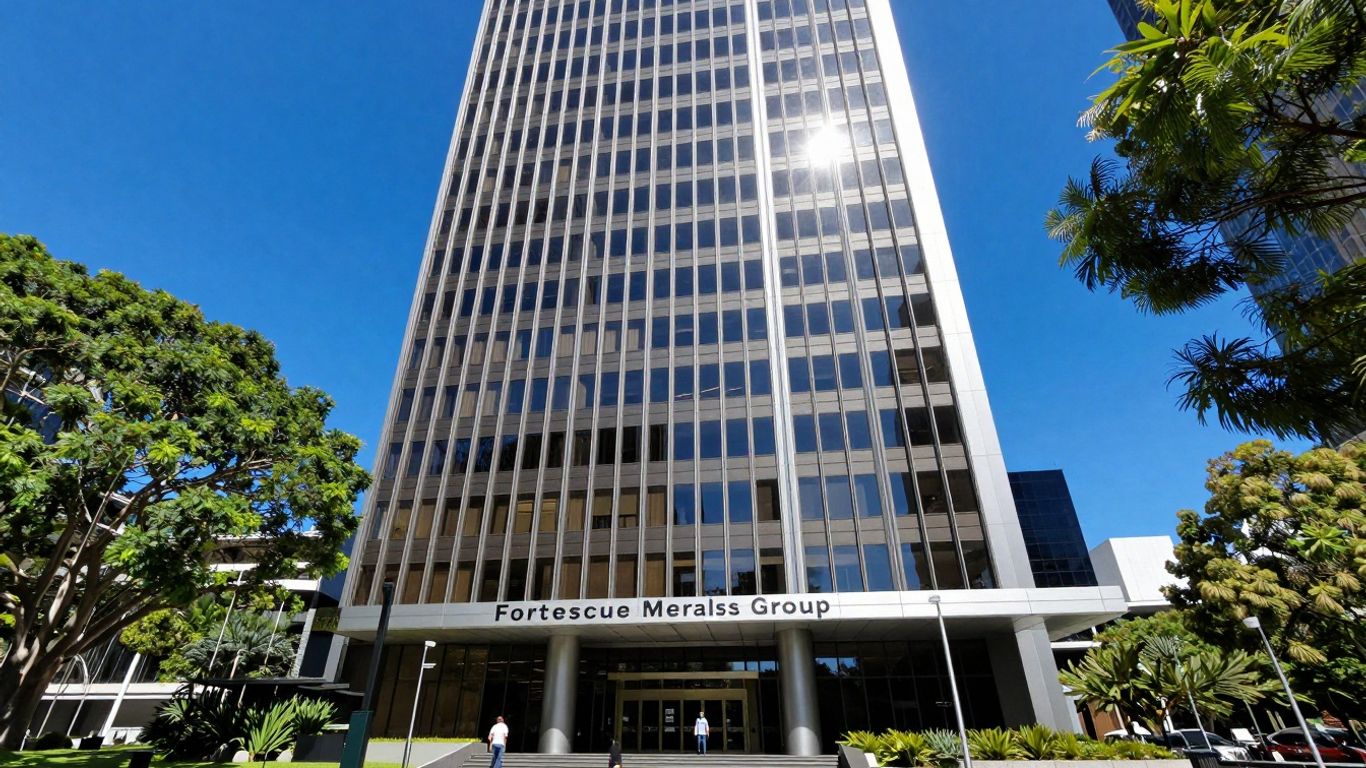
Fortescue Metals Group, or FMG as it’s often called, has been a massive player in the iron ore game for ages. Founded by Andrew Forrest back in 2003, it’s pretty much a giant in the mining world now. They’ve been digging up a heap of iron ore, mostly from Western Australia, and shipping it off to places like Japan and South Korea.
But it’s not just about digging stuff out of the ground anymore. Fortescue has also been making some big moves into renewable energy. They bought a wind energy company called CWP Renewables for a pretty hefty sum, showing they’re serious about that side of things too.
Here’s a quick look at some of their key areas:
- Iron Ore Mining: This is their bread and butter, with major operations in the Pilbara.
- Renewable Energy: Investing in wind and other green energy projects through their company Squadron Energy.
- Technology: Exploring things like robotics and AI in their operations.
It seems like Fortescue is trying to do a bit of everything, from mining the old-school way to looking towards the future with green energy. It’s a big shift, and it’ll be interesting to see how it all pans out.
The company’s profits have been pretty solid, especially from their big mining projects. They’re always looking at ways to grow and adapt, even when the market for things like iron ore goes up and down.
23. Hancock Prospecting
Hancock Prospecting, a name synonymous with Australian mining, continues to be a powerhouse under the leadership of Gina Rinehart. Founded by her parents, Lang and Hope Hancock, back in 1955, the company has grown from its Pilbara roots into a massive private enterprise. It’s pretty wild to think about how much has come out of that region.
Last financial year, Hancock Prospecting pulled in a record profit, largely thanks to the Roy Hill mining operation. They shipped millions of tons of iron ore, mostly heading to Asian markets like Japan, South Korea, and Taiwan. It really shows how connected the world is these days, even with raw materials.
Here’s a quick look at some of their key operations:
- Roy Hill: The big iron ore mine in Western Australia, responsible for a huge chunk of their profits.
- Hancock Natural Resources: Expanding into areas like agriculture, showing they’re not just about digging things up.
- Energy Projects: Looking into natural gas and other energy sources, which seems like a smart move for the future.
The company is also exploring new tech, like robotics and AI, to keep things running smoothly. It’s a bit of a balancing act, really – managing massive traditional operations while also looking ahead to what’s next. They’ve certainly had their ups and downs over the years, but they always seem to bounce back.
The sheer scale of operations at Hancock Prospecting is hard to wrap your head around. From the vastness of the Pilbara to the global markets they serve, it’s a testament to decades of hard work and strategic decisions. It’s not just about extracting resources; it’s about building an empire that touches multiple sectors.
24. Meriton
Meriton, the property development giant founded by Harry Triguboff, continues to be a major player in Australia’s real estate scene. Triguboff, who started building apartments back in 1963, has a legacy that’s hard to ignore. His company, Meriton, was actually named after a street in Gladesville where he built his first block of apartments in 1968. Pretty neat, huh?
These days, Meriton is known for its massive apartment complexes, especially around Sydney. They’ve built so many that it’s estimated a decent chunk of Sydney residents live in one of their places. They were also early adopters of the build-to-rent and serviced apartment models, which is pretty forward-thinking.
Meriton’s impact on the Australian property market is undeniable, shaping skylines and housing thousands.
Here’s a quick look at what they’re up to:
- Residential Development: Still their bread and butter, with a focus on high-density apartment buildings in key urban areas.
- Serviced Apartments: Meriton Suites is a big name in short-term and corporate accommodation across Australia.
- Retail and Commercial: They also develop and manage retail spaces within their residential projects.
Meriton’s approach often involves large-scale projects that can transform entire neighbourhoods. They’ve got a reputation for getting things built, and fast, which is a big part of their success story.
25. Visy and more
Rounding out our top 25, we see a mix of established players and emerging fortunes. While some names like Visy, a packaging giant, continue to be a consistent presence, the ‘and more’ signifies the dynamic nature of wealth in Australia. This year, we’ve seen significant shifts, with new industries and innovative business models creating substantial wealth.
It’s not just about mining and property anymore. The tech sector, for instance, has continued its impressive run, with founders and early investors seeing their stakes grow significantly. We’re also seeing a rise in fortunes built on media and entertainment, reflecting changing consumer habits and new platforms for content delivery.
Here’s a snapshot of what’s been happening:
- The Pratt family’s Visy remains a powerhouse in the packaging industry, a testament to decades of strategic growth and diversification.
- Media empires are seeing renewed interest, with significant investments and restructuring creating new wealth opportunities.
- The rise of fintech is undeniable, with innovative payment solutions and financial technologies attracting major backing.
- Diversified conglomerates continue to thrive, showing resilience across various economic conditions.
The landscape of Australian wealth is constantly evolving. What was once dominated by traditional industries is now seeing significant contributions from technology, media, and innovative services. This shift highlights the adaptability and entrepreneurial spirit driving the nation’s economy forward.
Keep an eye on these sectors and individuals as they continue to shape the future of Australia’s rich list.
So, What’s the Takeaway?
Well, that’s a wrap on Australia’s 2025 Rich List. Gina Rinehart’s still holding onto that top spot, which isn’t exactly a shocker, is it? It’s interesting to see how some familiar names keep popping up year after year, like Frank Lowy and Harry Triguboff, showing that some fortunes are built to last. We also saw some new faces make a big splash, like Michael Dorrell, which always adds a bit of spice to the rankings. It just goes to show, Australia’s business scene is always changing, with new players and old hands all vying for a spot. Makes you wonder who’ll be making headlines next year, doesn’t it?
Frequently Asked Questions
Who is the richest person in Australia for 2025?
Gina Rinehart has once again claimed the top spot as Australia’s wealthiest person on the 2025 Financial Review Rich List. This is her sixth year in a row holding this title.
How much is Gina Rinehart worth?
Gina Rinehart’s fortune is estimated at a massive $38.1 billion for 2025. Even though iron ore prices dropped, her wealth remains incredibly high.
What industries make the most money in Australia?
Mining is still the biggest way people make a lot of money in Australia, bringing in a huge amount for the richest individuals. Property is another major industry for wealth creation.
Has the list of rich people changed much?
While some names stay on the list year after year, there are always new people making their mark. For example, Michael Dorrell made a big splash this year as a first-timer.
Are there many women on the Rich List?
Yes, the number of women on the Rich List has been growing over the years. In 2025, there are 42 women among Australia’s 200 richest people, which is a good chunk of the list.
How did the Financial Review Rich List start?
The list began way back in 1984 as the BRW Rich 100. It started with a smaller entry point, but it has grown a lot over the years to become the major ranking of Australia’s wealthiest people it is today.