So, what’s actually behind the rising cost of living in Australia? It feels like everything’s getting more expensive, and it’s tough for a lot of people. We’re going to break down some of the main reasons why things have gotten so pricey lately. It’s not just one thing, but a mix of factors that have all added up.
Key Takeaways
- Inflation is a major player, with prices for everyday goods and services going up, making it harder to afford basics. Energy costs, in particular, are really hitting household budgets hard.
- The housing market has a massive impact. Lenders favouring property loans, decades of falling interest rates, and our national love affair with owning homes have all pushed prices sky-high.
- Australia’s population growth, especially in cities, means more people are competing for limited housing, driving up costs. Migration trends also add to this demand in urban areas.
- Homes are increasingly seen as investments, not just places to live. This, along with more dual-income families and easier access to borrowing, has also inflated property values.
- Government policies and public discussions play a role too. How politicians and the media frame the issue can influence public perception and frustration with current measures.
Inflationary Pressures Driving Up Costs

Right now, it feels like everything is just getting more expensive, doesn’t it? From the weekly grocery shop to filling up the car, the cost of everyday stuff has shot up. This isn’t just a feeling; the numbers back it up. Across the board, the cost of living has hit record highs, with prices for pretty much everything climbing faster than we’ve seen in ages. It’s a global headache, but here in Australia, a few key things are really making us feel the pinch.
The Overarching Impact of Rising Prices
Basically, inflation is the big one. It’s the general increase in prices and the fall in the purchasing value of money. Think about it: when prices go up, your dollar doesn’t stretch as far as it used to. This affects everything from the food on your table to the roof over your head. The Australian Bureau of Statistics has shown that living costs have jumped significantly over the past year, outpacing general inflation in many cases. This is largely because these living cost figures include things like mortgage interest, which has also been on the rise.
The sheer speed at which prices have climbed has caught many off guard, leaving households scrambling to adjust their budgets and make ends meet. It’s a constant juggling act.
Energy Costs Fueling Household Budgets
One of the biggest culprits making our bills bigger is energy. Whether it’s electricity for the house or petrol for the car, energy prices have been a major driver of these rising costs. We’ve seen significant increases, and it’s hitting household budgets hard. It’s not just about the cost itself, but also the ripple effect it has on other goods and services that rely on energy for production and transport.
Here’s a look at how some key cost indicators have moved:
| Category | Annual Change (approx.) |
|---|---|
| All Household Costs | 7.1% – 9.6% |
| General Inflation | 7.0% |
| Energy Prices | Significant Increase |
| Housing Costs (Rent/Mortgage) | Significant Increase |
Media’s Role in Amplifying Concerns
It’s hard to ignore the constant chatter about the cost of living. The media plays a massive part in this conversation. While it’s important to be informed, sometimes the sheer volume of coverage, especially around anxiety-inducing topics like rising prices and interest rate hikes, can make things feel even more overwhelming. News outlets often focus on the negative aspects, which, while reflecting real concerns, can amplify public worry. There’s been a lot of attention on energy prices and the politics surrounding them, but sometimes the focus seems to be more on businesses than on the direct impact on everyday Aussies.
- Increased Media Scrutiny: Energy sectors, particularly fossil fuels like coal and gas, have been under the microscope, with a large chunk of media coverage dedicated to their environmental impact and the push for cleaner alternatives.
- Focus on Anxiety: Keywords related to anxiety and financial stress are frequently highlighted in reporting, reflecting public sentiment.
- Business vs. Household Focus: Sometimes, media coverage of economic relief measures has leaned more towards business benefits than direct household support, potentially skewing the public’s perception of where the focus should be.
The Housing Market’s Significant Contribution
Let’s be honest, talking about housing prices in Australia can feel like a national pastime, and for good reason. It’s not just about having a roof over your head anymore; for many, it’s become a major financial puzzle piece, and a pretty stressful one at that. The way we think about and interact with property has really changed things.
Shifting Lender Preferences Towards Property
Back in the early 90s, after a bit of a rough patch economically, banks started looking at where they were putting their money. They shifted focus from lending to businesses and leaned much more heavily into home loans. It makes sense from their perspective – historically, home loans have been a bit safer for them. This big swing means a huge chunk of all the money lent out in Australia now goes towards housing, not businesses. This has made it easier for people to borrow more for their mortgages, which, surprise surprise, has helped push prices up.
Here’s a look at how lending has changed:
| Sector | % of Private Sector Credit (Early 1990s) | % of Private Sector Credit (Today) |
|---|---|---|
| Business Lending | ~60% | ~38% |
| Housing Lending | ~40% | ~62% |
This shift means that while businesses might struggle to get loans, individuals can often borrow more easily for property, directly impacting demand and prices.
The Long-Term Trend of Declining Interest Rates
For decades now, interest rates have generally been heading downwards. While there have been little bumps up and down, the overall direction has been a slow and steady decrease. Lower interest rates mean you can borrow more money for the same monthly repayment. This increased borrowing power has been a massive factor in driving up property values. Banks are happy to lend more, and people can afford to bid higher, so prices just keep climbing.
Australia’s National Obsession with Property Ownership
It’s no secret that Aussies love property. We see our homes not just as places to live, but as investments, ways to build wealth. This mindset has really taken hold. When property values go up, we feel richer, even if we’re not actually spending more. This obsession also fuels a desire for bigger or better homes, or even investment properties, which just adds more fuel to the fire of demand. It’s a cycle where wanting more, and being able to borrow more to get it, keeps prices on an upward trajectory. It’s gotten to the point where three in five Australians are making big sacrifices because of housing costs, a situation usually seen in much more dire times making significant sacrifices due to housing costs.
- Viewing Homes as Financial Assets: People increasingly see their house as a way to grow their money, not just a place to live.
- Desire for Upgrades: Even when moving to a more expensive home, the increase in equity makes it seem achievable, often requiring larger loans.
- Investment Properties: The dream of owning multiple properties adds to the overall demand and price pressure.
Population Growth and Urbanisation Dynamics
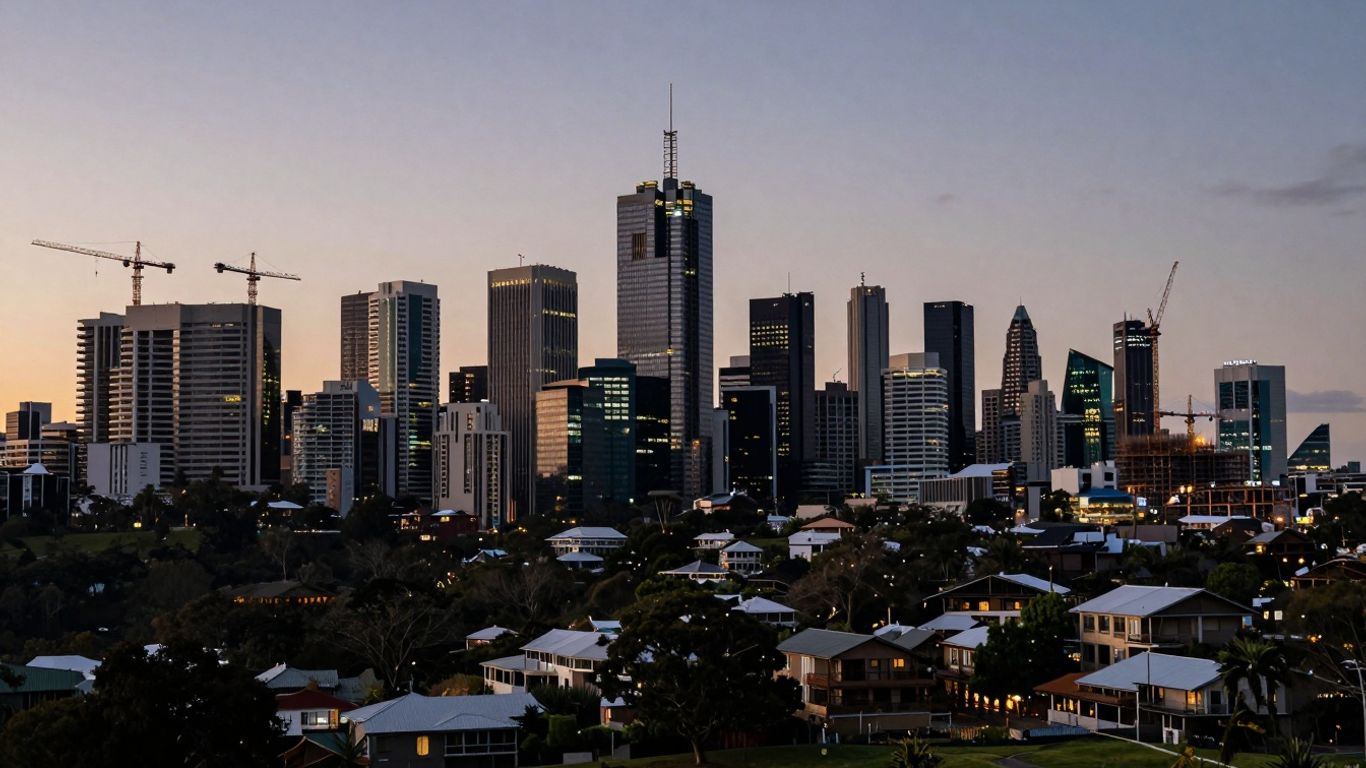
Australia’s a pretty urbanised place, isn’t it? Most of us live in cities, and that’s been a thing for ages. The World Bank reckons about 86.75% of us are city dwellers. When you’ve got that many people crammed into a few major spots, competition for everything, especially housing, just goes through the roof. It’s not just about having enough houses, either; it’s about where they are. People want to live in the ‘good’ areas, which naturally drives up prices.
Increased Demand from Urbanised Populations
So, with most of us living in cities, there’s a constant push for more housing in these already busy areas. It’s a bit of a cycle: more people want to live in the city, so prices go up, and then maybe more people move out to the fringes, pushing those prices up too. It’s not like there’s an endless supply of land in our capital cities, and often, people already living there aren’t too keen on new developments popping up nearby, especially if it means more density. This makes it even harder to build enough homes to keep up.
Migration Trends and Housing Demand Surges
On top of us city folk, we’ve also got a fair bit of migration happening. And guess where most new arrivals tend to settle? Yep, you guessed it – the big cities. This adds even more pressure to the housing market. When you have a growing population, especially one that’s forming new households, you really need to be building homes at the same pace. We saw a bit of a surge in building after the pandemic, but it hasn’t quite kept up with the population boom, particularly with net overseas migration being the main driver of that growth.
Here’s a quick look at how our population has grown, mostly thanks to migration:
| Year | Net Overseas Migration | Natural Increase | Total Population Growth |
|---|---|---|---|
| 2021 | 179,000 | 130,000 | 309,000 |
| 2022 | 500,000 | 110,000 | 610,000 |
| 2023 (est.) | 700,000 | 100,000 | 800,000 |
Limited Housing Supply Responding to Growth
Building houses isn’t like flipping a switch; it takes time. Housing supply is pretty inelastic, meaning it can’t just magically expand overnight when demand suddenly spikes. We’ve seen population growth really take off, but the number of new homes being built hasn’t been able to match that speed. This mismatch is a big reason why rents and property prices have shot up so much recently. It’s a tough situation when you have more people needing homes than there are homes available, especially in the places where most people want to live.
The reality is, we’ve got a lot of people wanting to live in a few key areas, and the number of houses just isn’t keeping pace. It’s a simple supply and demand issue, but with housing, it’s made even trickier by land availability and local opinions on development. This imbalance is a major contributor to the high cost of living we’re seeing today.
It’s also worth noting that job opportunities are heavily concentrated in these urban centres. Even if housing is cheaper elsewhere, the lack of work often makes people stick to the cities, further concentrating demand. This makes it really hard for people to move to regional areas, even if they might offer a better lifestyle.
Financialisation and Household Income Shifts
It feels like ages ago, but back in the early 90s, banks were more keen on lending to businesses. Now though? It’s all about property. After that big recession, lenders seemed to get a bit nervous about business loans and shifted their focus. And honestly, who can blame them? Property loans often seemed safer, with fewer defaults. This big swing towards home loans meant more money was available for people to buy houses, which, surprise surprise, pushed prices up. It’s a bit of a cycle, really.
Viewing Homes as Financial Assets
Most of us probably don’t think about our homes as just a roof over our heads anymore. It’s become more like a piggy bank, a way to build up our wealth. When property values climb, we feel richer, even if we’re not actually spending more. It’s like seeing your superannuation balance go up – it feels good, but it doesn’t mean you can suddenly afford that fancy overseas holiday.
Back in March 1990, all the houses and land in Australia were worth about $780 billion, making up nearly half of what households owned. Fast forward to early 2025, and that figure has ballooned to over $10 trillion, now accounting for more than half of all household assets. That’s a massive jump, showing just how much we’ve come to rely on property for our financial well-being.
| Year | Total Value of Residential Property (AUD billions) | % of Total Household Assets |
|---|---|---|
| March 1990 | 780.5 | 48.7% |
| March 2025 | 10,919 | 53.1% |
This shift means that while property has made many people wealthier on paper, it’s also made it harder to get into the market. If you sell your place and want to buy another, you often need to borrow a lot more than you used to, even if you’re just upgrading. It’s like the ladder keeps getting taller, and it’s tougher for those just starting out.
The Rise of Dual-Income Households
Another big change has been how much more people are earning. Not only have incomes generally gone up over the years, but more households now have two people bringing home a pay cheque. This extra cash coming in has, predictably, helped fuel the demand for housing. It’s meant people are willing and able to spend more on their homes.
- More families have both parents working.
- This often means more time spent in childcare or after-school care.
- The trade-off seems to be less free time for more expensive housing.
Increased Borrowing Capacity and Property Values
Interest rates have been on a downward trend for a long time now. This makes borrowing money cheaper, so people can borrow more for a mortgage. When people can borrow more, they tend to spend more on houses, and this extra spending drives up property prices. It’s a bit of a feedback loop: lower interest rates mean bigger loans, bigger loans mean higher prices, and higher prices mean people need bigger loans. It’s a tricky situation, especially for first-home buyers trying to get a foot in the door.
Government Policy and Public Discourse
It feels like everyone’s got an opinion on what the government should be doing about the cost of living, and honestly, who can blame them? When your grocery bill keeps climbing and filling up the car feels like a luxury, you start looking to the people in charge for answers. The conversation around this whole mess is pretty loud, and politicians are definitely right in the thick of it, trying to steer things one way or another.
Political Figures Shaping the Conversation
Right now, the Australian Labor Party, as the mob running the show, has a massive say in how we talk about these money troubles. They’re the ones putting policies in place, or at least trying to, that are supposed to help everyday Aussies deal with rising prices. You hear a lot from folks like Treasurer Jim Chalmers and Prime Minister Anthony Albanese. They’re out there talking about trying to ease the pressure on household budgets and get incomes moving upwards. But, and it’s a big ‘but’, you also see a fair bit of grumbling online, especially on platforms like Twitter. People are pretty vocal, saying they want to see more action, and sometimes, the PM and the Treasurer are the ones getting the heat.
Advocacy Efforts and Media Intelligence
It’s not just politicians making noise, though. There are plenty of groups out there trying to get their message heard, pushing for changes that they think will make a difference. To do this effectively, they’re using all sorts of tools to keep tabs on what’s being said and where the public’s attention is. It’s like they’re trying to get a handle on the whole story, figuring out what people are actually worried about and what solutions might actually work. This kind of intel helps them tailor their arguments and hopefully get their point across better.
Public Frustration with Current Measures
Let’s be real, a lot of people are feeling pretty fed up. When you look at the numbers, like the data showing a huge chunk of Aussies feeling down about the cost of living, it’s clear something’s not quite hitting the mark. While the government talks about plans and policies, the everyday experience for many is still a struggle. It seems like the gap between what’s being announced and what people are actually feeling in their wallets is a big part of the problem. This disconnect is fuelling a lot of the frustration you see and hear.
The way leaders talk about big issues like rising costs really matters. It’s not just about stating facts; it’s about acknowledging how people feel. When politicians or leaders can show they understand the worry and anxiety people are experiencing, it goes a long way. Simply presenting numbers or technical details often doesn’t cut it when people are worried about paying their bills.
So, What’s the Takeaway?
Right, so we’ve had a good look at what’s been making things so pricey here in Australia. It’s not just one thing, is it? You’ve got the big global stuff like inflation, but then there’s our own backyard – housing costs going through the roof, energy bills that make you wince, and interest rates that keep climbing. It feels like a bit of a perfect storm, really. We’ve seen how shifts in lending, more people wanting homes in the same few cities, and even how we as a nation tend to view property have all played a part. It’s a complex picture, and honestly, it’s tough for a lot of Aussies just trying to get by. It’s clear there’s no easy fix, and it’s something we’ll all be talking about for a while yet.
Frequently Asked Questions
What’s making everyday stuff so expensive in Australia right now?
A bunch of things are pushing up prices, like the cost of energy for our homes and cars, and even the price of food and other essentials. It feels like everything is costing more, and it’s making it tough for families to keep up.
How has housing caused the cost of living to go up?
Buying or renting a place to live has become way more expensive. Banks are lending more money for homes, and with lots of people wanting to buy, prices have shot up. Plus, interest rates going up means mortgage payments are higher for homeowners.
Does having more people in Australia make things more expensive?
Yes, it does. Most Aussies live in big cities, and when more people move in, especially through migration, there’s more competition for houses. This pushes up rent and property prices because there aren’t enough homes for everyone.
Are people seeing their homes as investments, and how does that affect prices?
Many Aussies see their homes not just as a place to live but as a way to make money. As property values go up, people feel richer, but it also means they often need to borrow more to buy their next home. Some people even buy extra properties, which adds to the demand and drives prices even higher.
Are politicians and the media talking about the cost of living crisis?
Yeah, politicians are definitely talking about it, and the media covers it a lot. People are frustrated though, and feel like more needs to be done to actually help with the rising costs. The government is trying different things, but many Aussies are still feeling the squeeze.
Why is energy so expensive and how does it affect us?
The cost of electricity and gas has gone up a lot, which hits household budgets hard. While businesses get a lot of attention for energy issues, individuals are also struggling with these higher bills, making it harder to pay for other essential things.