The cost of living crisis in Australia has become a major talking point, and honestly, it feels like everyone’s got an opinion on what’s going on. Politicians are quick to point fingers, but the reality of what caused the cost of living crisis Australia is facing is a lot more tangled than a simple soundbite. It’s not just one thing; it’s a mix of global events, domestic issues, and some policy choices that have all added up. Let’s try and untangle this mess a bit, shall we?
Key Takeaways
- Global events like the pandemic and international conflicts messed with supply chains, making imported goods pricier for Aussies.
- Government spending, especially during tough times, might have boosted demand but also added to the inflation pressure.
- Australia’s own economic setup, like lots of variable mortgages and ‘bracket creep’ from taxes, makes the squeeze feel worse here.
- The pinch isn’t just about prices; real incomes have dropped, meaning people can buy less even if they’re earning the same.
- Housing affordability and energy costs are huge pain points, with prices soaring and promises of relief not quite landing.
Global Shocks And Domestic Pressures: Unpacking Inflation’s Roots
It feels like just yesterday we were all dealing with empty supermarket shelves and waiting ages for online orders. The pandemic really threw a spanner in the works, didn’t it? When COVID hit, a lot of the economy just stopped. This meant demand for stuff dropped off a cliff, and prices followed suit for a bit. But then, as lockdowns eased, we all wanted to get back out there and buy things again. Suddenly, there was this surge in demand, especially for goods we couldn’t get easily during the lockdowns.
The Lingering Shadow Of The Pandemic
Remember how hard it was to get furniture or electronics? That was the pandemic’s supply chain hangover. Factories were closed or running at reduced capacity, shipping containers were stuck in the wrong places, and getting goods from overseas became a real headache. This made imported items, which Australia relies on for a lot of everyday products, much more expensive. So, even as things started to open up, the cost of getting those goods here kept climbing.
International Conflicts And Supply Chain Disruptions
Beyond the pandemic, other global events have also played a part. Think about conflicts in different parts of the world. These can disrupt the flow of essential resources and goods, like oil and gas, or even things like fertiliser for our food. When supply gets squeezed internationally, prices tend to go up everywhere, including here at home. It’s a domino effect that’s hard to escape.
The Role Of Imported Goods In Price Hikes
Australia imports a fair chunk of what we consume. When the cost of producing or shipping those goods overseas goes up – whether it’s due to energy prices, labour costs, or trade issues – we feel it at the checkout. This means that price rises happening in other countries can quickly translate into higher prices for Australian households, even for things we think of as everyday items. It’s a constant reminder of how connected our economy is to the rest of the world.
Government Spending And Economic Stimulus: Fueling The Fire?
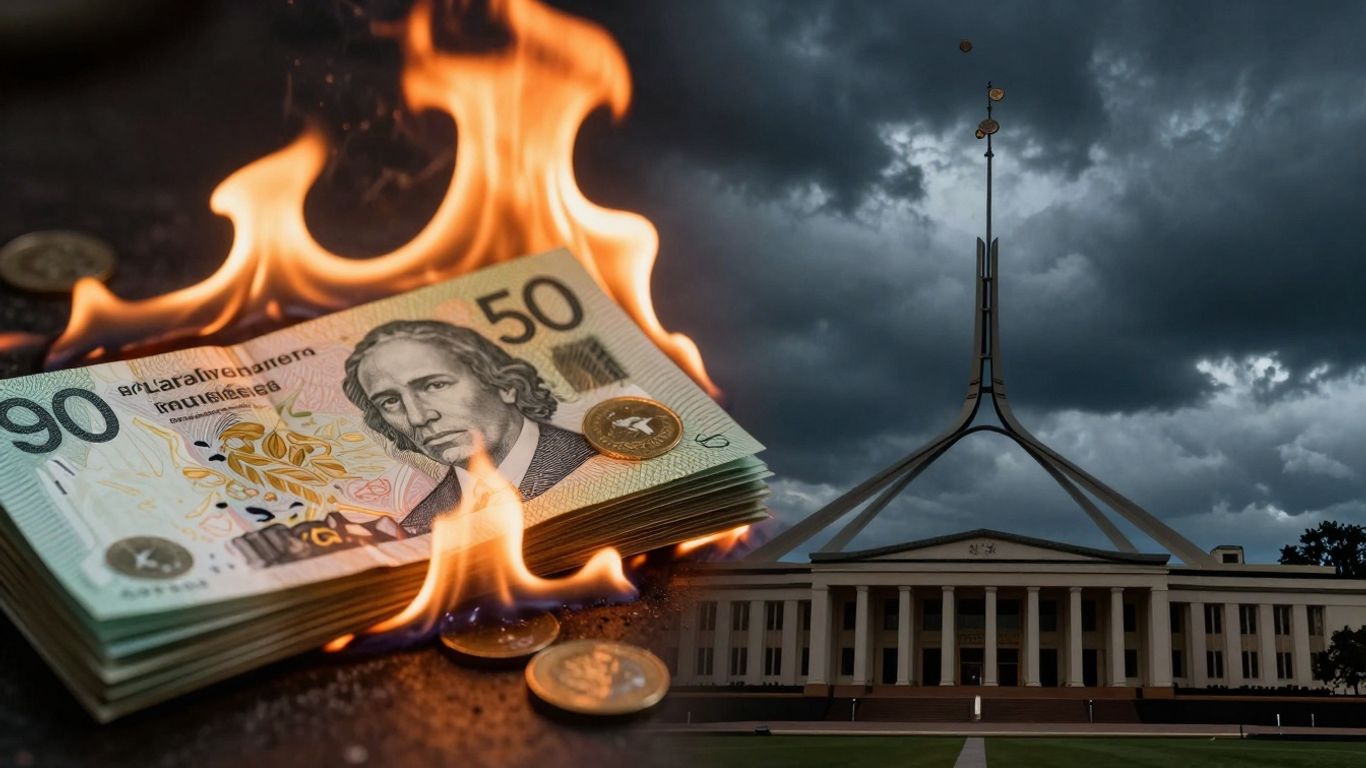
So, did all the money the government pumped into the economy during and after COVID actually make things worse when it comes to the cost of living? It’s a question a lot of people are asking, and honestly, it’s not a simple yes or no.
Expansionary Budgets And Increased Demand
When lockdowns ended and people started spending again, there was a lot of cash floating around. Economists reckon that the government’s stimulus packages, along with the Reserve Bank’s actions, really boosted household budgets. This meant people were ready and willing to buy more stuff and use more services. It’s like everyone was let out of a cage and had money to spend, which is great for businesses, but it also means more demand for everything.
- More money in pockets meant more buying.
- This increased demand put pressure on prices.
- It wasn’t just goods; services also saw price hikes.
The Impact Of Fiscal And Monetary Stimulus
Think of fiscal stimulus as the government spending money or cutting taxes, and monetary stimulus as the Reserve Bank making it cheaper to borrow money. Both were used to keep the economy afloat during the tough times. While they helped prevent a bigger economic crash, some argue they also laid the groundwork for inflation down the track. It’s a bit like giving a patient a strong dose of medicine – it helps them recover, but there can be side effects.
The debate isn’t just about whether stimulus was needed, but also about how much was too much, and whether it was timed right to avoid overheating the economy once it started bouncing back.
Debates On Government Policy’s Role
There’s definitely a lot of back-and-forth about how much government policy actually contributed to inflation sticking around longer in Australia compared to other countries. Some reckon the Reserve Bank didn’t hike interest rates as much as other central banks did, which might have kept inflation higher for longer. Others point to specific government spending decisions that they believe added fuel to the fire. It’s a complex picture with lots of different opinions.
| Policy Area | Potential Inflationary Impact |
|---|---|
| COVID Stimulus | Increased household spending power, boosting demand. |
| Infrastructure Spend | Can increase demand for materials and labour. |
| Public Sector Growth | Higher government wages and operational costs. |
The Australian Economy’s Unique Vulnerabilities
High Rates Of Variable Mortgages
So, Australia’s got a bit of a thing with variable rate mortgages. Unlike some other countries where fixed rates are the norm, a heap of Aussies are on variable rates. This means when the Reserve Bank bumps up interest rates, those mortgage repayments can jump pretty quickly. It’s like having a thermostat for your bills that can suddenly crank up the heat without much warning. This makes households really sensitive to changes in interest rates, and when rates go up, people feel the pinch in their hip pocket almost straight away. It’s a big reason why inflation hits home so hard here.
The Impact Of Bracket Creep On Households
Then there’s this thing called ‘bracket creep’. Basically, as wages go up, even if it’s just to keep pace with inflation, you can end up paying a higher percentage of your income in tax. The tax brackets don’t always move with wages, so you’re pushed into a higher tax tier. It feels like you’re earning more, but a bigger chunk of that extra cash is going straight to the taxman. This eats into what you actually have left to spend on everyday things, making that cost of living crisis feel even tighter.
Structural Differences Compared To Global Economies
Australia’s economy isn’t exactly the same as everyone else’s, and that matters. We’re pretty reliant on importing stuff, so when global prices go up for things like fuel or manufactured goods, it flows through to our shelves pretty fast. Plus, our housing market has its own quirks, and the way our wages and taxes are set up can make us more vulnerable to certain economic shocks. It’s not just about what’s happening overseas; it’s also about how our own economic setup reacts to those global pressures. We’ve seen real household disposable income take a bit of a hit, dropping significantly for a good stretch. It’s not just about prices going up; it’s about what people actually have left after everything’s paid for.
It’s easy to get caught up in the headlines, but the reality is that Australia’s economic structure has some specific features that make it more susceptible to the current cost of living pressures. These aren’t just abstract economic concepts; they translate into real-world impacts on families trying to make ends meet.
Here’s a quick look at how some of these factors can play out:
- Variable Mortgages: A sudden jump in interest rates can mean hundreds of extra dollars a month for mortgage holders. This leaves less cash for groceries, petrol, and other essentials.
- Bracket Creep: Even a small pay rise can push you into a higher tax bracket, meaning more of your income goes to taxes, not your household budget.
- Import Reliance: When international shipping costs or the price of goods overseas increases, we feel it directly at the checkout.
- Housing Market Dynamics: High property prices and associated costs mean a significant portion of income is tied up in housing, leaving less for other expenses.
Measuring The Squeeze: Living Standards In Australia
When we talk about the cost of living crisis, it’s not just about the numbers on a price tag. It’s about how those prices affect our everyday lives, our ability to save, and our general sense of wellbeing. The real impact is felt when our incomes don’t keep pace with rising costs, shrinking what we can actually afford.
Real Household Disposable Income Declines
One of the key ways economists try to get a handle on this is by looking at real household disposable income per person. Basically, this is the money households have left after taxes, adjusted for inflation and population growth. It gives us a picture of how much purchasing power the average Aussie actually has.
Unfortunately, the numbers haven’t been great. Australia has seen a pretty significant drop in this measure, one of the longest and sharpest declines in decades. This means that, on average, people have less money to spend on the things they need and want.
| Period | Change in Real Household Disposable Income Per Capita |
|---|---|
| September 2021 – June 2024 | Significant Decline |
Beyond Simple Price Increases: A Complex Picture
It’s easy to just point at supermarket receipts and say ‘inflation is the problem’. And sure, it’s a big part of it. But living standards are more complicated than just the price of bread. We need to consider a bunch of things that make up our overall quality of life.
- Housing: Whether you’re renting or paying off a mortgage, housing costs are a massive chunk of most budgets. When rents go up or interest rates climb, it puts a huge strain on households.
- Employment: Having a stable job is obviously key. But even with a job, if wages aren’t growing, it’s hard to get ahead.
- Access to Services: Things like healthcare, education, and even reliable public transport play a role in how easy it is to live a decent life.
Assessing Wellbeing Through Key Economic Indicators
So, how do we really know if people are doing okay? Economists and organisations like the OECD look at a range of indicators. It’s not just about how much money is in your bank account, but about the broader picture of wellbeing.
The decline in real household disposable income per capita has been a major concern. While some of this decline occurred before the 2022 election, a larger portion has happened since. It’s important to remember that attributing the entire fall to any single government’s policies is too simplistic, as global factors and structural issues within the Australian economy also play significant roles. The high number of variable mortgages, for instance, makes Australian households particularly sensitive to interest rate changes, a vulnerability not as pronounced in some other developed nations. This sensitivity, combined with issues like bracket creep, means the squeeze on household budgets can feel more intense here. Australia’s productivity is also facing challenges, which could impact future living standards if not addressed [1cc3].
When we look at these broader measures, we get a more complete story than just looking at inflation figures alone. It helps us understand the real squeeze people are feeling.
Energy Prices: A Significant Driver Of Cost Of Living Pain
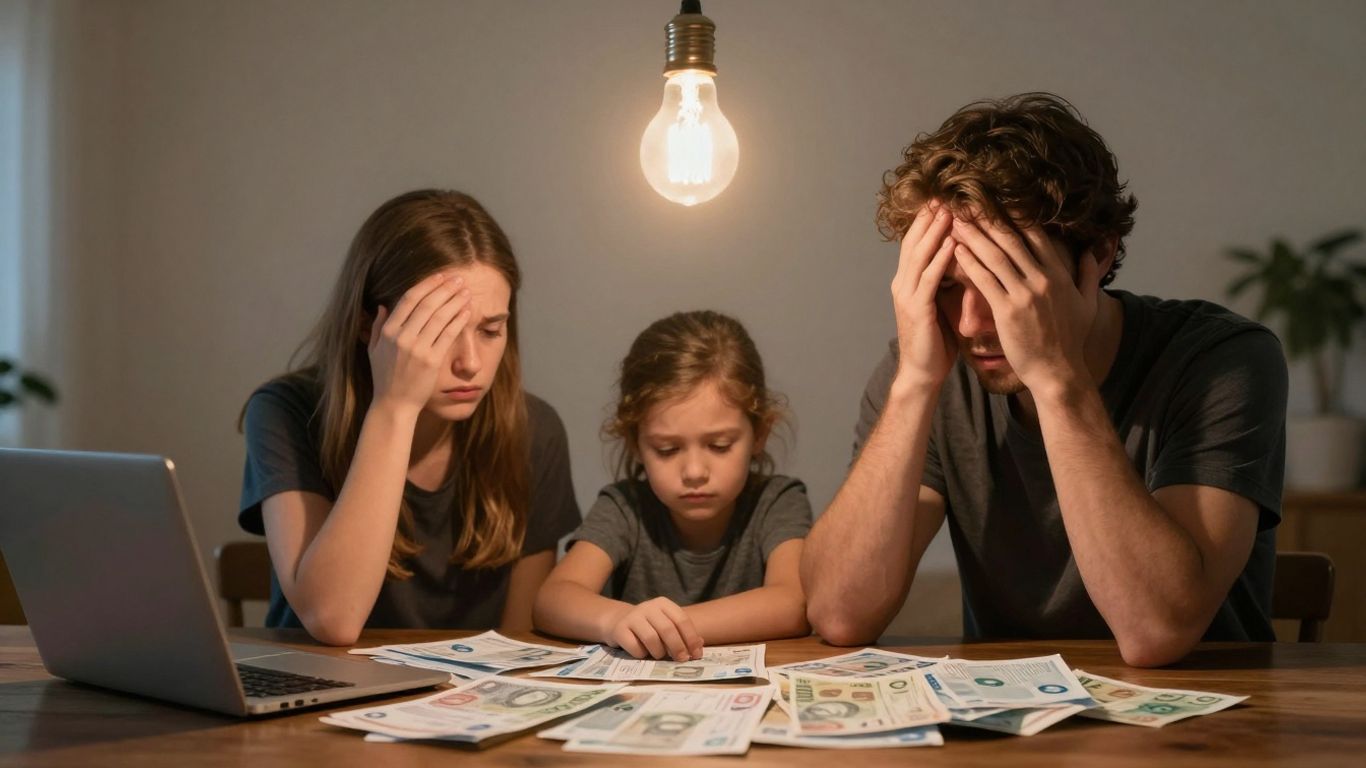
Soaring Electricity And Gas Costs
Let’s be honest, nobody likes seeing their power bills go up. And lately, they’ve been going up a lot. We’re talking about electricity prices jumping by over 30 per cent and gas bills climbing by more than 30 per cent in some cases. It’s not just a little bump; it’s a serious hike that’s hitting household budgets hard. This isn’t just about keeping the lights on or the heater running; it’s about the cost of everything, because energy is used everywhere. Think about the supermarket – they need power for their fridges and freezers. Your car needs fuel, which is also tied to energy costs. Even small businesses, the backbone of our communities, are feeling the pinch. Some are reporting electricity bill increases of 200 per cent or more, and gas bills doubling. It’s getting to the point where some are seriously considering shutting their doors.
Broken Promises On Energy Bill Reductions
Remember when we were promised that power bills would actually go down? It feels like a distant memory now. The talk was about significant reductions, maybe $275 off the average household bill. But what’s actually happened? For many families, bills have gone up by around $1,000 a year instead. It’s a bit of a slap in the face when you’re already trying to juggle mortgage payments, grocery costs, and everything else. This disconnect between what was said and what’s happening on the ground is really frustrating for everyday Australians.
The Ripple Effect On Businesses And Households
When energy prices skyrocket, it doesn’t just affect your personal bill. It creates a ripple effect that spreads through the entire economy. Businesses, especially small ones, have to absorb these higher costs. What do they do? Some try to pass it on to customers, meaning we all pay more for goods and services. Others might have to cut back, maybe reduce staff hours or even close down altogether. This means fewer jobs and less choice for consumers. For households, it’s a double whammy: higher energy bills and higher prices for everything else. It forces tough decisions, like choosing between heating your home in winter or buying enough food. It’s a tough spot to be in, and it’s making life a lot harder for a lot of people.
The current energy market seems to be in a bit of a mess. We’ve seen wholesale power prices go through the roof, more than doubling what was predicted. This instability means that promises of cheaper energy just aren’t materialising. It’s leaving families and businesses in a really precarious financial position, struggling to keep up with the rising costs.
Housing Affordability And Market Distortions
The Dream Of Homeownership Fades
For a lot of Aussies, owning a home has always felt like the ultimate goal, right? It’s that classic picture of stability and success. But lately, that dream feels further away than ever. House prices have just gone through the roof, making it super tough for anyone, especially younger folks or those on average incomes, to even think about getting a foot on the ladder. It’s not just about saving a deposit anymore; it’s about affording the mortgage repayments in a world where interest rates can swing wildly. This makes it harder for people to build wealth and feel secure.
Taxation Policies And Property Hoarding
There’s a fair bit of talk about how our tax system might be making things worse. Things like negative gearing and capital gains tax discounts, which are meant to encourage investment, might actually be encouraging people to buy up properties not to live in, but as investments. This can push up prices for everyone else and make it harder for genuine homebuyers. It feels like some people are treating housing as just another way to make a quick buck, rather than a basic need.
The current situation means that housing is increasingly seen as a commodity for wealth accumulation rather than a fundamental human need. This shift in perspective has significant implications for social equity and economic stability.
The Need For A Shift In Housing Perspectives
We really need to start thinking differently about housing. It’s not just about building more houses, though that’s part of it. We need a mix of solutions. This could include things like:
- Rent Controls: Putting a cap on how much rents can go up each year, maybe tied to inflation, would give renters more certainty. It means landlords still get a fair return, but tenants aren’t hit with massive, unexpected increases.
- More Social and Public Housing: Building more affordable rental options through government or non-profit initiatives is key. These places should be available to people across a range of incomes, not just those on the lowest incomes, to avoid creating isolated communities.
- Support for First-Home Buyers: Things like help with down payments or more accessible loans could make a real difference for people trying to get into the market for the first time.
- Reviewing Tax Incentives: Looking closely at tax rules that might encourage property speculation, like negative gearing, could help level the playing field for owner-occupiers.
It’s a complex problem, and there’s no single magic fix. We need a whole package of changes that looks at both renting and owning, and makes sure housing is seen as a place to live, not just a way to get rich.
Political Narratives Versus Economic Realities
Blame Games In The Election Campaign
It’s election time in Australia, and you can bet your bottom dollar that the cost of living is front and centre. Politicians are out there, doing their best to convince us they’ve got all the answers to our rising prices and shrinking bank accounts. The usual suspects are out in full force: one side points the finger at the other, saying their policies are the reason we’re all feeling the pinch. It’s a classic blame game, and honestly, it can get pretty confusing trying to figure out who’s actually responsible.
Expert Analysis Beyond Political Talking Points
But here’s the thing, the economy doesn’t really care about election cycles or who’s in power. Experts, the folks who spend their days crunching numbers and looking at trends, tell us the story is a lot more complicated than what you hear on the campaign trail. They point out that inflation was already on the rise before the last election, and that a lot of the economic shifts we’re seeing have been building for a while. It’s not just about the last budget or the current government’s spending; it’s a mix of global events and domestic factors that have been playing out over years.
Understanding The Complexity Of Economic Factors
When we look at the real picture, it’s clear that attributing the entire cost of living crisis to one government or one policy is just too simple. For instance, the decline in how much Australians can actually afford to buy, known as real household disposable income per capita, has been quite significant. While some of this happened under the previous government, a larger chunk occurred more recently. However, economists are quick to remind us that not all of this can be laid at the feet of the current government’s actions. Australia also has some unique economic features, like a high number of variable-rate mortgages, which make interest rate hikes hit harder than in places like the US. Plus, our tax system means that as wages go up, people can get pushed into higher tax brackets, which eats into their income – something that doesn’t happen to the same extent in countries like the UK or the US where tax brackets are adjusted for inflation.
Here’s a look at how some key economic indicators have shifted:
| Indicator | Period | Change |
|---|---|---|
| Real Household Disposable Income Per Capita | Sep 2021 – Jun 2024 | Significant Decline |
| Inflation (CPI) | 2021 – 2024 | Volatile, with peaks |
| Energy Prices | 2022 – 2024 | Sharp Increase |
The economic reality is a tangled web of global events, domestic policies, and structural features of our economy. Trying to simplify it down to a single cause or a single party’s fault misses the bigger, more intricate picture that affects everyone’s hip pocket.
So, What’s the Takeaway?
Look, trying to pin down exactly what caused the cost of living crisis in Australia feels a bit like trying to catch smoke. It’s not just one thing, is it? We’ve seen global events like the pandemic and the war in Ukraine mess with supply chains, making stuff more expensive to get here. Then there’s the government spending, from both sides really, which can pump more money into the economy and push prices up. Add to that Australia’s own housing market quirks and how our mortgages work, and suddenly things get complicated. It’s clear that blaming just one person or one policy is too simple. The reality is a messy mix of international pressures, domestic decisions, and how our economy is set up. Figuring out how to fix it is going to take more than just political slogans; it’ll need a real look at all these different bits and pieces.
Frequently Asked Questions
What’s causing prices to go up so much in Australia?
A few things are making prices jump. The world’s had a rough time with the pandemic and big international events, which messed up how we get goods from other countries. Plus, when the economy was trying to recover, governments and banks put more money into people’s hands, which made everyone want to buy more. When lots of people want to buy stuff but there isn’t enough to go around, prices tend to climb.
Is the government spending too much money?
Some experts reckon that government spending, especially during and after the pandemic, added to the problem. When governments spend a lot, it can give people more money to spend, which increases demand. This extra demand, when it’s bigger than what’s available, can push prices up. There’s a bit of a debate about how much this contributed compared to other factors.
Why does it feel like things are harder for Australians than people overseas?
Australia has some unique challenges. Many Aussies have home loans with interest rates that change, so when interest rates go up, their payments jump quickly. Also, our tax system means that as wages go up a bit, people can end up paying a higher percentage of tax, which eats into their income. These things can make the squeeze feel tougher here.
How can we tell if people are actually worse off?
We can look at things like ‘real household disposable income’. This is basically how much money families have left after paying taxes and accounting for price changes. In Australia, this has dropped quite a bit recently, meaning people’s ability to buy things has gone down. It’s not just about one price going up; it’s about the overall picture of what people can afford.
Are energy prices a big part of the problem?
Definitely. Electricity and gas prices have shot up, and this hits everyone hard. When energy costs more, it affects the price of almost everything else because businesses use energy to make and move goods. It’s a major reason why everyday costs are so high right now.
What about housing? Is that making the cost of living worse?
Housing is a huge issue. It’s become much harder for people to buy a home, and rents have also gone up a lot. Some policies might be encouraging people to invest in property rather than live in it, which can make prices even higher. The dream of owning a home is becoming a struggle for many Aussies.