

So, you’re running a business in Australia and wondering if you can just use your personal credit card for everything? It’s a common question, especially when you’re just starting out. Many folks think it’s the easiest way to get funds quickly and keep things simple. But before you swipe that personal card for business expenses, let’s have a look at what’s really involved. We’ll break down the good bits and the not-so-good bits, so you can make a smart choice for your business.
Key Takeaways
- Using your personal credit card for business can offer quick access to funds and potentially let you earn rewards, which might seem convenient for small expenses.
- However, mixing personal and business finances on one card can seriously mess up your record-keeping and increase your personal liability if things go wrong.
- The ATO requires clear records for tax deductions; using a personal card for business can make substantiating claims harder and might even increase audit risks.
- Relying on personal credit cards doesn’t help build your business’s credit history, which is important for getting loans or bigger credit lines later on.
- It’s best practice to keep business expenses separate, perhaps by using a dedicated business credit card or implementing a clear reimbursement system if you must use your personal card.
Navigating the Use Of Personal Credit Cards For Business
Alright, let’s talk about using your personal credit card for your business. It’s a pretty common move, especially when you’re just starting out or running a small operation here in Australia. Honestly, it can feel like the easiest option when you need to get things done quickly.
Immediate Access To Funds
One of the biggest draws is that you can often use your personal card straight away. No need to fill out a stack of forms or wait for a business account to be approved. If you need to pay a supplier pronto or cover an unexpected cost, your personal card is usually right there in your wallet. It’s like having a little emergency fund ready to go.
This immediate availability can be a lifesaver when cash flow is tight or when opportunities pop up that you can’t afford to miss. It means you can keep things moving without delay.
Leveraging Reward Programs And Benefits
Who doesn’t like a bit of a bonus? Many personal credit cards come with rewards programs – think cashback, frequent flyer points, or discounts. If your business spending lines up with what the card offers, you could be racking up some decent perks. For example, if you travel a lot for work, those travel points can really add up. It’s a way to get a little something back for the money you’re already spending.
Here’s a quick look at how rewards might stack up:
- Cashback: Earn a percentage back on every dollar spent.
- Points: Collect points to redeem for flights, gifts, or statement credits.
- Travel Perks: Access to airport lounges, travel insurance, or bonus miles.
Simplified Record-Keeping For Small Expenses
For those really small, day-to-day expenses, sometimes it feels simpler to just put them on your personal card and then make a note on your statement. If you’re a sole trader or have a very small team, this might seem like a straightforward way to keep track of things without setting up a whole new system. You can just tag the business-related transactions when you’re reviewing your statement at the end of the month. It avoids the hassle of managing multiple cards or accounts when the spending is minimal.
Potential Pitfalls Of Mixing Personal And Business Finances
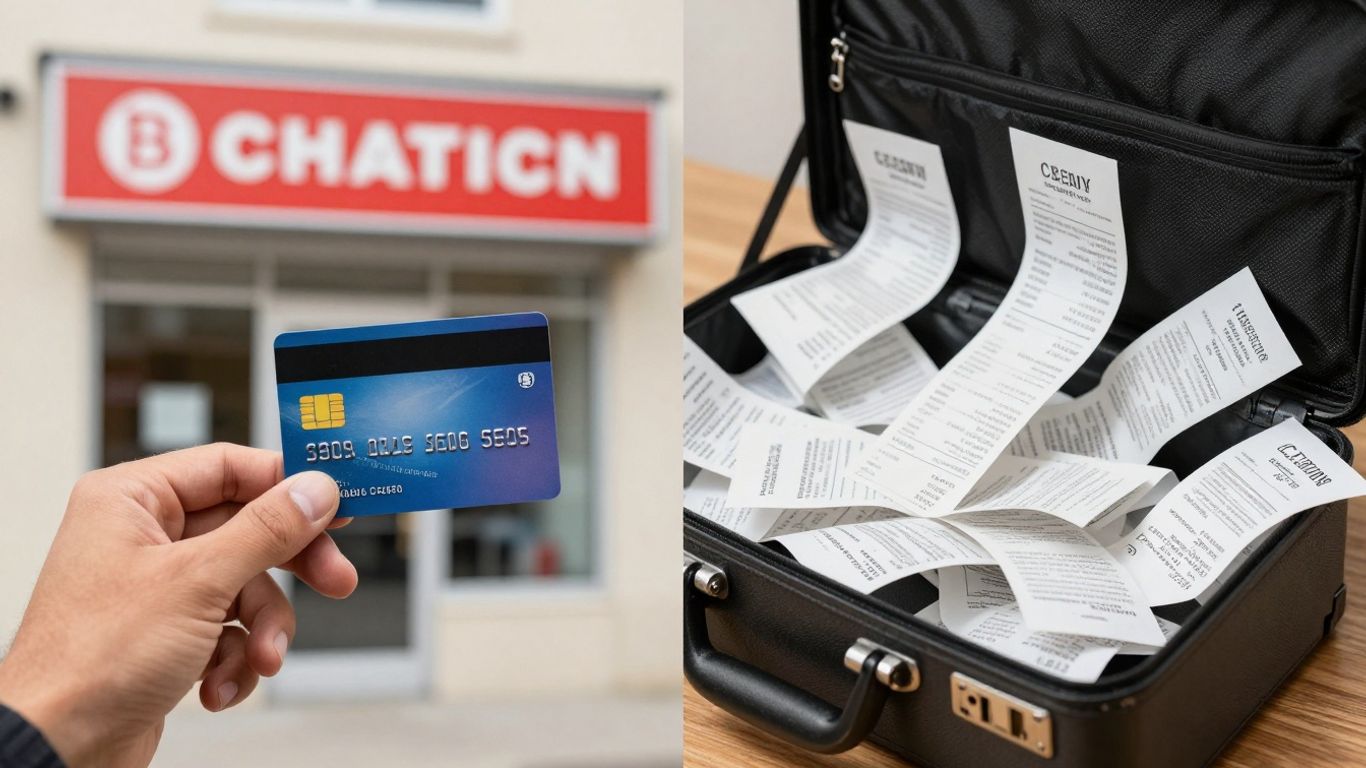
Look, using your personal credit card for business might seem like a good idea when you’re just starting out, or if you’ve got a small expense to cover. It’s easy, right? You don’t have to fill out a bunch of forms or wait for approval. But honestly, it can get messy pretty quickly, and not in a good way.
Confusion In Financial Record-Keeping
This is a big one. When you start putting business expenses on your personal card, and personal stuff on your business card (if you even have one), things get muddled. Trying to figure out what’s what at tax time can be a real headache. You might accidentally miss out on claiming a legitimate business expense, or worse, claim something you shouldn’t have. It makes preparing accurate financial statements and understanding your business’s cash flow a lot harder. It’s easy to make costly bookkeeping mistakes when you’re not keeping things separate.
- Tracking becomes a nightmare: You’ll spend ages trying to reconcile statements, trying to remember if that coffee was a client meeting or just your morning caffeine fix.
- Tax time chaos: Your accountant will probably charge you more to sort through the mess, or you might just give up and miss out on deductions.
- Cash flow guesswork: Without clear records, it’s tough to know how much money your business is actually making or spending.
Blurring the lines between your personal and business finances is a common trap for new business owners, but it can lead to significant headaches down the track, especially when it comes to tax time and understanding your business’s true financial health.
Increased Personal Liability Exposure
When you use your personal credit card for business, you’re essentially putting your personal assets on the line. If your business racks up debt or faces legal trouble, those debts could potentially come back to you personally. It’s not like having a separate business credit card where the business itself is the entity responsible for the debt. This means if things go south, your personal savings, your house, or other personal assets could be at risk. It’s a bit like using your own car to do deliveries for a business – if you have an accident, it’s your insurance that gets hit first.
Impact On Personal Credit Score
Your personal credit score is pretty important for all sorts of things, like getting a home loan or even a better deal on your car insurance. When you use your personal credit card for business, especially if you’re running up big balances or missing payments, it directly affects your personal credit report. A high credit utilisation ratio on your personal card, even if it’s for business expenses, can lower your score. This could make it harder and more expensive to borrow money in the future, both for personal needs and for your business. It’s a bit of a domino effect, really. You might think you’re just covering a business cost, but you could be damaging your ability to secure future business loans down the line.
Tax Implications When Using Personal Cards For Business
So, you’ve been using your personal credit card for business expenses. It seemed like a good idea at the time, right? Quick access to funds, maybe some handy rewards. But when tax time rolls around, things can get a bit sticky. The Australian Taxation Office (ATO) is pretty clear about what you can and can’t claim, and mixing your personal and business finances can make that whole process a lot trickier.
Tax Deduction Limitations
This is where things can get complicated. The ATO allows you to claim deductions for legitimate business expenses. However, if those expenses are mixed on a personal credit card statement with your grocery shopping or that new pair of shoes, it becomes a headache to prove which ones were actually for business. You can only claim deductions for expenses that are directly related to earning your business income. If you can’t clearly separate and document your business spending, you might miss out on deductions you’re entitled to. It’s all about having that clear trail of breadcrumbs for the taxman.
Here’s a quick rundown of what to watch out for:
- Mixed Expenses: If your personal card statement shows both business and personal purchases, you’ll need to meticulously identify and separate the business ones. This often means keeping individual receipts and making notes.
- Proof of Business Use: For any expense claimed, you need to be able to demonstrate it was incurred for your business. This is where good record-keeping really pays off.
- Capital vs. Operating Expenses: Be aware of the difference. Some larger purchases might be capital expenses, which are treated differently for tax purposes than day-to-day operating costs.
Compliance With Australian Tax Laws
Staying on the right side of the ATO means being organised. When you use a personal card, you’re essentially acting as a conduit for the business’s expenses. This means you need to be extra diligent in your record-keeping to ensure you’re complying with all the relevant tax laws. It’s not just about claiming deductions; it’s about accurately reporting your business’s financial activity. If you’re unsure about specific deductions or how to categorise certain expenses, it’s always best to get advice. You can find helpful resources on the ATO website regarding business expenses and deductions.
Audit Risks And Documentation Needs
Using a personal credit card for business can significantly increase your risk of an audit. If the ATO does decide to look closer at your tax return, and they see a lot of mixed spending on a personal card, they’ll want to see solid proof. This means keeping every single receipt, invoice, and bank statement related to those business purchases. Without proper documentation, you could find yourself having to repay claimed deductions, plus penalties and interest. It’s a lot easier to manage if you have a dedicated business credit card, as it creates a clear separation from the get-go. But if you must use your personal card, make sure you’re prepared to back up every single claim with solid evidence. It’s better to be over-prepared than to face an unexpected tax bill.
When you mix personal and business expenses on a single credit card, you’re creating extra work for yourself when it comes to tax time. The Australian Taxation Office requires clear evidence for all claimed deductions. Without this, you risk losing those deductions and potentially facing penalties. Establishing a separate business account or credit card is the cleanest way to avoid these issues and simplify your tax obligations.
Building A Solid Financial Foundation For Your Business
Starting a business is exciting, but getting the money sorted can feel like a real puzzle, especially when you’re just getting off the ground. While using your personal credit card might seem like the quickest fix, it’s not the best long-term plan for building a strong financial base for your company. Think of it like building a house – you wouldn’t want to use flimsy materials for the foundation, right? The same goes for your business finances.
Limited Business Credit Building Opportunities
When you’re just starting out, or even if you’ve been operating for a bit, relying on personal credit cards for business expenses means you’re missing out on a big opportunity. You’re not actually building a credit history for your business. This is a separate thing from your personal credit score. Banks and lenders look at a business’s credit history to see how reliable it is. If all your business spending is on a personal card, it looks like the business itself isn’t a separate entity that can manage its own debts. This can make it harder to get loans or better credit terms down the track.
Establishing A Business Credit History
So, how do you actually build that business credit history? It’s all about showing lenders that your business can handle its financial obligations. This usually starts with getting a dedicated business credit card or a business line of credit. When you use these for your business expenses and pay them off on time, you’re creating a positive track record. This history is what lenders will check when you need to grow your operations or invest in new equipment. It’s like giving your business a report card that shows it’s responsible with money.
Here are a few ways to get started:
- Get a Business Credit Card: Look for one designed for small businesses. Many offer rewards and perks that can be useful.
- Open a Business Bank Account: Keep your business money separate from your personal funds. This is step one for good financial management.
- Use Trade Credit: If you buy from suppliers, see if they offer trade credit. Paying these invoices on time also builds your business credit.
Relying solely on personal finances for business can create a tangled mess that’s hard to sort out later. It’s much smarter to set up dedicated business accounts and credit lines from the get-go. This not only simplifies things but also sets you up for future success.
Securing Future Business Loans And Credit Lines
Think about the future. What if you want to expand, buy more stock, or invest in new technology? You’ll likely need a business loan or a larger credit line. If you’ve only ever used personal credit, lenders might be hesitant. They’ll see a history of personal debt, not business debt. A solid business credit history, built through responsible use of business credit products, makes you a much more attractive borrower. It shows you’re serious about your business and capable of managing its finances independently. This can mean better interest rates and more favourable terms when you really need that financial support.
Practical Strategies For Managing Business Expenses

Look, we get it. When you’re just starting out, or even if you’ve been running a small operation for a while, using your personal credit card for business expenses can seem like the easiest path. It’s right there in your wallet, and it means you don’t have to jump through hoops to get a separate business card immediately. But honestly, it’s a bit like trying to wear two different shoes – it might work for a bit, but it’s not ideal and can trip you up later. The key is to create a system that keeps things separate, even if you’re using your personal card for now.
Maintaining Clear Separation Of Accounts
This is probably the most important bit. Even if you’re using your personal card, you absolutely need to keep a clear record of what’s business and what’s not. Think of it like this: your personal card is just a temporary holding spot for business money. You need to track every cent that goes through it for your business.
- Log Everything Immediately: As soon as you make a business purchase on your personal card, jot it down. A simple notebook, a spreadsheet, or a dedicated app works. Note the date, the amount, and what you bought.
- Reimburse Yourself Promptly: The best way to handle this is to pay for business expenses with your personal card and then immediately transfer the exact amount from your business bank account (or your personal account if you’re injecting funds) to your personal account. This effectively ‘reimburses’ you and makes it clear the money came from the business.
- Avoid Personal Purchases: This sounds obvious, but it’s easy to slip up. Try not to buy your morning coffee or groceries on the same card you use for business supplies. The more you mix, the harder it gets to sort out later.
When you’re starting out, it’s tempting to just use whatever’s easiest. But building good habits early on, like keeping your finances separate, will save you a massive headache down the track, especially when tax time rolls around or if you need to apply for business finance.
Implementing A Reimbursement System
This ties directly into keeping things separate. A reimbursement system is your best friend when you’re using a personal card for business. It’s a formal way of saying, ‘This money was spent for the business, and it needs to be accounted for.’
Here’s how you can set one up:
- Keep All Business Receipts: Whether it’s a coffee for a client meeting or a bulk order of stock, save every single receipt. Digital copies are great too.
- Create a Reimbursement Request: This could be a simple form or an email. List all the expenses you paid for personally on behalf of the business, attach the receipts, and state the total amount you need to be reimbursed.
- Process the Reimbursement: Transfer the total amount from your business funds to your personal bank account. Make sure this transaction is clearly labelled in your business bank statement (e.g., ‘Reimbursement – [Your Name]’).
This process ensures that the expense is officially recorded by the business and that your personal funds are replenished, maintaining a clear financial picture.
Understanding Your Credit Card’s Terms And Conditions
Don’t just assume your personal credit card is fine for everything. You really need to check the fine print. Some cards have rules about using them for business purposes, and breaking those rules could cause problems.
- Check for Usage Restrictions: Look at your cardholder agreement or contact your bank. Some cards might have clauses that prohibit or limit commercial use. If they find out you’re using it heavily for business, they could potentially close your account or change your terms.
- Understand Reward Program Rules: If you’re using your personal card for the rewards, double-check if business expenses are eligible. Sometimes, business spending might not earn points or cashback, or it could even void your rewards if it violates the terms.
- Know Your Credit Limit: Be mindful of your personal credit limit. If business expenses are large, you could hit your limit quickly, which might affect your personal credit score or leave you short for personal emergencies. It’s a good idea to have a separate business credit card as soon as your business can support it.
Understanding Australian Credit Regulations And Advice
It’s pretty important to know the rules of the road when it comes to credit in Australia, especially when you’re mixing personal and business finances. The Australian Securities and Investments Commission (ASIC) and the Reserve Bank of Australia (RBA) are the main bodies keeping an eye on things, and they do update regulations from time to time. Staying on top of these changes can save you a lot of hassle down the track.
Staying Informed On ASIC And RBA Updates
Think of ASIC and the RBA as the referees for the financial game. They set the rules for credit cards, loans, and how financial institutions operate. While you don’t need to be a financial expert, it’s wise to be aware of any significant shifts that might affect how you use your credit cards, particularly if you’re using a personal one for business. These updates can cover things like interest rate changes, consumer protection measures, and reporting requirements. Keeping an eye on their official websites or reputable financial news outlets is a good start.
Seeking Professional Financial Guidance
Look, sometimes you just need to talk to someone who actually knows what they’re doing. If you’re feeling a bit lost about managing your business expenses, building credit, or just figuring out the best way to handle your money, getting professional advice is a smart move. A good financial advisor, especially one familiar with Australian business practices, can help you sort through the complexities. They can offer tailored suggestions, like whether it’s time to get a dedicated business credit card or how to structure your finances for future growth. They can also help you understand how your personal credit history might be viewed in an Australian context, which can be a bit different if you’re new to the country.
Foreign And Cross-Cultural Nuances In Credit
This is a big one if you’ve moved to Australia or have international dealings. People often wonder how their savings or credit history from back home stacks up here. While there isn’t a direct credit score transfer, having a solid personal credit history in your home country can definitely give you a leg up when applying for credit facilities in Australia. It shows a track record of responsible borrowing. It’s also worth noting that credit card terms and consumer protections can vary significantly between countries, so understanding the specifics of Australian credit card agreements is key. For instance, knowing how your credit card information is maintained is important, and you can find more details on credit and debit card information.
When you’re starting out, it’s easy to just grab the most convenient option, like using your personal credit card. But thinking ahead about how this impacts your business’s financial health and future borrowing capacity is really important. It’s about setting up good habits from the get-go.
Here are a few things to keep in mind:
- Separation is key: Always try to keep business and personal expenses distinct. This makes accounting a breeze and avoids headaches with the tax office.
- Reimbursement system: If you do use your personal card for a business expense, make sure you pay yourself back from your business account promptly. This keeps the books clean.
- Read the fine print: Your personal credit card agreement might have specific clauses about business use. Some cards might even penalise you or close your account if they catch you using it for commercial purposes. It’s always best to check the terms and conditions.
So, Should You Use Your Personal Card for Business?
Look, using your personal credit card for business expenses in Australia can feel like a quick fix, especially when you’re just starting out. It’s easy, you might already have the card, and those rewards can be tempting. But honestly, it’s a bit like trying to fit a square peg in a round hole. The risks, like confusing your finances, potential tax headaches, and even messing with your personal credit score, can really pile up. While it might work for tiny, one-off costs, as soon as your business starts to grow, it’s a smart move to get a dedicated business credit card. It keeps things clean, helps your business build its own credit history, and just makes life a whole lot simpler come tax time. Think of it as another step in making your business look and feel more professional.
Frequently Asked Questions
Can I use my personal credit card for business expenses in Australia?
Yeah, you totally can use your personal credit card for business stuff, especially if you’re just starting out or have small expenses. It’s super quick to get access to cash this way. But, it’s a bit like mixing your school stuff with your hobby stuff – things can get messy if you’re not careful. It’s best to keep them separate if you can.
What are the main problems with using a personal credit card for business?
The biggest headaches are mixing up your money, which makes it hard to figure out taxes and track where your money is going. Also, if your business gets into debt, your personal credit card could be on the line, which isn’t great for your personal credit score. It’s like putting all your eggs in one basket!
How does using a personal credit card affect my taxes?
The Australian Tax Office (ATO) wants clear records. If you mix personal and business expenses, it’s harder to prove which costs are legitimate business expenses that you can claim as deductions. This could lead to trouble if the ATO decides to look closely at your records.
Will using my personal credit card for business help my business grow?
Not really, in the long run. Using your personal card doesn’t help your business build its own credit history. A separate business credit card is way better for showing banks and lenders that your business is financially responsible, which helps when you want to borrow more money later on.
What’s the best way to manage business expenses if I’m using my personal card?
The smartest move is to get a separate business credit card. If you can’t do that straight away, make sure you keep super detailed records of every business expense. You could also pay for business things with your personal card and then pay yourself back from your business account. This keeps things clearer.
Where can I get more information about credit for businesses in Australia?
It’s a good idea to chat with a financial advisor who knows about business finances in Australia. You can also check out websites like the Australian Securities & Investments Commission (ASIC) or the Reserve Bank of Australia (RBA) for official info. Banks also have lots of info on their business banking pages.