Thinking about getting your little ones or even yourself into swimming lessons here in Australia? It can feel a bit daunting at first, especially if you’re not a confident swimmer yourself. We’re talking about ‘jump swimming lessons’ here, the kind that get you comfortable and moving in the water, not just splashing around. This guide is all about breaking down what makes a good start, especially for beginners, and how to make sure everyone has a good time while learning.
Key Takeaways
- Getting started with jump swimming lessons involves getting used to the water, learning basic movements, and practising how to breathe properly.
- The Australian Way method focuses on building core skills step-by-step, which helps beginners learn more effectively.
- Overcoming any fear of water is possible with a supportive environment and a good instructor, building confidence through practice.
- Young swimmers learn important survival skills and water safety, with lessons often tailored to individual needs even in group settings.
- Learning jump swimming lessons offers health benefits, boosts self-confidence, and provides opportunities for social interaction and making friends.
Getting Started With Jump Swimming Lessons
Jumping into swimming lessons for the first time can feel a bit daunting, can’t it? Especially here in Australia where the water is such a big part of our lives. But don’t you worry, the ‘Jump’ method is all about making that first splash as comfortable and fun as possible. We break things down into bite-sized pieces so you or your little one can get used to the water without feeling overwhelmed.
Familiarisation With The Water
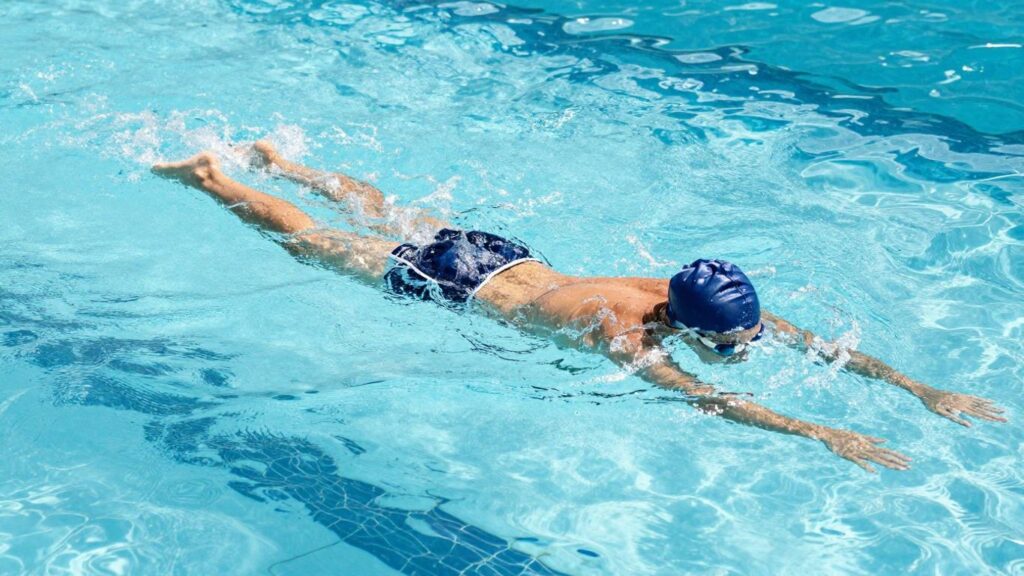
This is all about getting cosy with being in the pool. It’s not about swimming laps straight away, oh no. It’s more about feeling the water, getting it on your face, and just generally getting used to how different it feels compared to air. We do this through a few simple activities:
- Getting your face wet: Gently splashing water on your face, maybe blowing bubbles. It sounds basic, but it’s a big step!
- Floating: Learning to feel supported by the water, whether on your front or back. It’s a bit like learning to trust the water to hold you up.
- Moving around: Simple kicks and arm movements to feel how the water pushes back. This helps you get a feel for propulsion.
The initial stages are all about building a positive association with the water. It’s about making the pool a happy place, not a scary one. Small wins here lead to bigger confidence down the track.
Breaking Down Movements
Swimming involves a lot of different actions, and trying to do them all at once is just asking for trouble. So, we take each part of a stroke and practice it on its own. Think of it like learning to walk before you run. For example, we might focus just on your arm pull for a bit, or just on your leg kick. This way, you can really get the hang of each bit before we put them all together.
| Skill Focus | Description |
|---|---|
| Arm Action | Practicing the pull and recovery motion without worrying about kicking. |
| Leg Kick | Focusing on a consistent flutter kick or whip kick. |
| Body Position | Learning to keep your body streamlined in the water. |
Essential Breathing Techniques
Breathing in the water is a whole different ballgame, isn’t it? It’s probably one of the trickiest bits for beginners. We teach you how to exhale underwater so you can turn and take a quick breath without swallowing half the pool. Learning to control your breathing is key to staying calm and relaxed in the water. It’s a skill that takes practice, but once you get it, it makes a world of difference to your swimming confidence.
The Australian Way Method For Beginners
Focus On Core Skills
Forget the fancy stuff for a bit. The ‘Australian Way’ really hones in on the basics. We’re talking about getting you comfortable and moving effectively in the water, not just splashing around. This means focusing on things like how to kick properly, how to hold your body straight, and getting used to the water on your face. It’s all about building a solid foundation so you can actually swim, not just float.
Incremental Skill Building
This method breaks everything down into tiny, manageable steps. Instead of trying to learn a whole stroke at once, you learn one part, get good at it, and then add the next. Think of it like building with LEGOs – you add one brick at a time. This way, you’re not overwhelmed, and you can see yourself getting better with each lesson. It makes the whole process feel much more achievable.
Mastering The Fundamentals
At its heart, the Australian Way is about making sure you truly get the core movements right. This isn’t about memorising a routine; it’s about understanding why you’re doing something and how it helps you move through the water. We look at the little details, like how to position your hands for the best push, or how to time your breathing without losing your rhythm. Getting these fundamentals down pat means you’ll swim better and more efficiently for life.
This approach means you’re not just learning to swim for today, but building skills that will stick with you. It’s about developing a real feel for the water and how your body works in it, rather than just going through the motions. It’s a more thoughtful way to learn.
Here’s a look at how we approach skill building:
- Body Position: Learning to keep your body flat and streamlined in the water.
- Kick Development: Focusing on a consistent and effective leg kick.
- Arm Pull Mechanics: Understanding how to pull water for propulsion.
- Breathing Coordination: Integrating breathing without disrupting your stroke.
Overcoming Water Fears
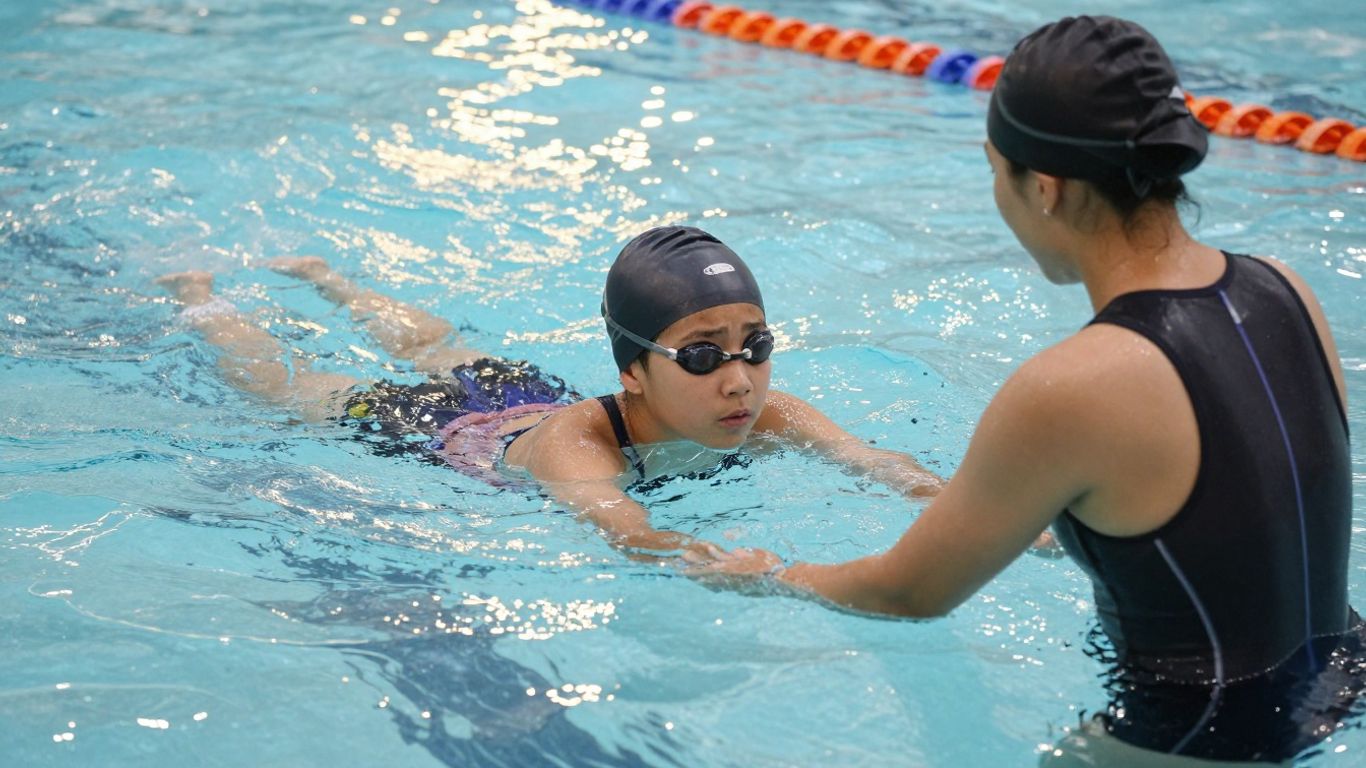
Fear of water is more common than you might think, whether you’re young or grown. If you’re just starting swimming lessons, it can feel all too easy to freeze up when faced with the pool. Water confidence isn’t something that happens overnight—it’s a gradual build, session by session.
Creating A Comfortable Environment
The spot you choose to learn makes a big difference. A calm, shallow pool with warm water helps most people relax, especially if you can see the bottom. Bring along a trusted friend or family member for a bit more comfort. These little tweaks add up, and before you know it, you’ll be wading in rather than hovering at the edge.
- Start in water you can stand in
- Wear goggles if you don’t like water on your face
- Use floatation aids if it makes you feel safer
Don’t rush yourself. It’s completely normal to take your time getting comfortable in a new setting—everyone’s journey in the water is their own pace.
The Role Of A Good Instructor
A good swimming teacher does more than just yell instructions across the lane. They’ll spot when you’re feeling uneasy, encourage you without pushing too hard, and break things down so you can handle one thing at a time. Supportive instructors often have tricks for helping people get used to splashing and floating, which are simple but really make a difference. Many swim schools in Australia focus on breaking skills into smaller steps, making every new action feel doable. Teachers who check in regularly and celebrate your progress—even the small stuff—build trust quickly. This approach not only helps people move past fears, but also supports physical and mental wellbeing, as described in many swim programs for young learners.
Building Confidence Through Practice
There’s no secret shortcut to feeling brave around the pool—just consistency. The more times you show up, the more normal it feels. Practising floating and gentle dipping helps most people start to trust the water, followed by very simple strokes and kicking.
Here’s a simple step-by-step:
- Get comfortable sitting by or in shallow water.
- Practise putting your face in the water, using goggles if needed.
- Try floating on your back or tummy, even if you need help from a float.
- Move your arms or legs gently while holding the edge or a kickboard.
- Gradually work up to independent floating and gliding for short distances.
Consistency matters—regular, stress-free sessions are the best way to keep fears at bay. Stick with it and don’t get discouraged.
Facing down water worries is tough, but each small win gets you closer to safely enjoying swimming in all sorts of places around Australia.
Essential Skills For Young Swimmers
Survival Skills For All Ages
Learning to swim isn’t just about doing laps or looking fancy. For kids, especially here in Australia with our amazing coastline and pools, knowing how to stay safe in the water is number one. We’re talking about skills that could genuinely save a life. Think about treading water – just being able to stay afloat without moving your arms and legs too much. It’s a game-changer if you ever find yourself unexpectedly in deep water. Then there’s learning to float on your back, which lets you rest and catch your breath. These aren’t the flashy parts of swimming, but they’re the bedrock of water confidence and safety for everyone, no matter how old they are.
Water Safety Weeks
These special weeks are a fantastic way to really hammer home the importance of water safety. It’s not just about swimming strokes; it’s about understanding the environment. We cover things like:
- Recognising rip currents at the beach – a big one for Aussies!
- Understanding pool rules and why they’re there.
- Knowing what to do if you fall into water unexpectedly.
- Learning basic rescue techniques, like reaching out with a stick or rope instead of jumping in yourself.
It’s all about building awareness and making smart choices around water, which is pretty much a daily thing for many of us down here.
Individualised Learning In Groups
Even in a group lesson, we try to make sure each kid gets what they need. It’s a bit of a balancing act, you know? We’ve got a whole bunch of kids learning together, but they’re all at different spots. Some might be naturals, picking things up super quick, while others might need a bit more time to get comfy. The trick is to break down the skills into smaller bits. So, instead of trying to do a whole stroke at once, we might focus just on the arm movement for a bit, or just the kicking. This way, everyone can work on their own part, and we can give individual pointers without slowing the whole group down too much. It means everyone feels like they’re making progress, which is what it’s all about.
The goal is to build a solid foundation of water competence, making sure every child feels secure and capable, whether they’re playing at the beach or in the local pool. It’s about more than just swimming; it’s about a lifelong respect and enjoyment of our aquatic environment.
Developing Advanced Swimming Techniques
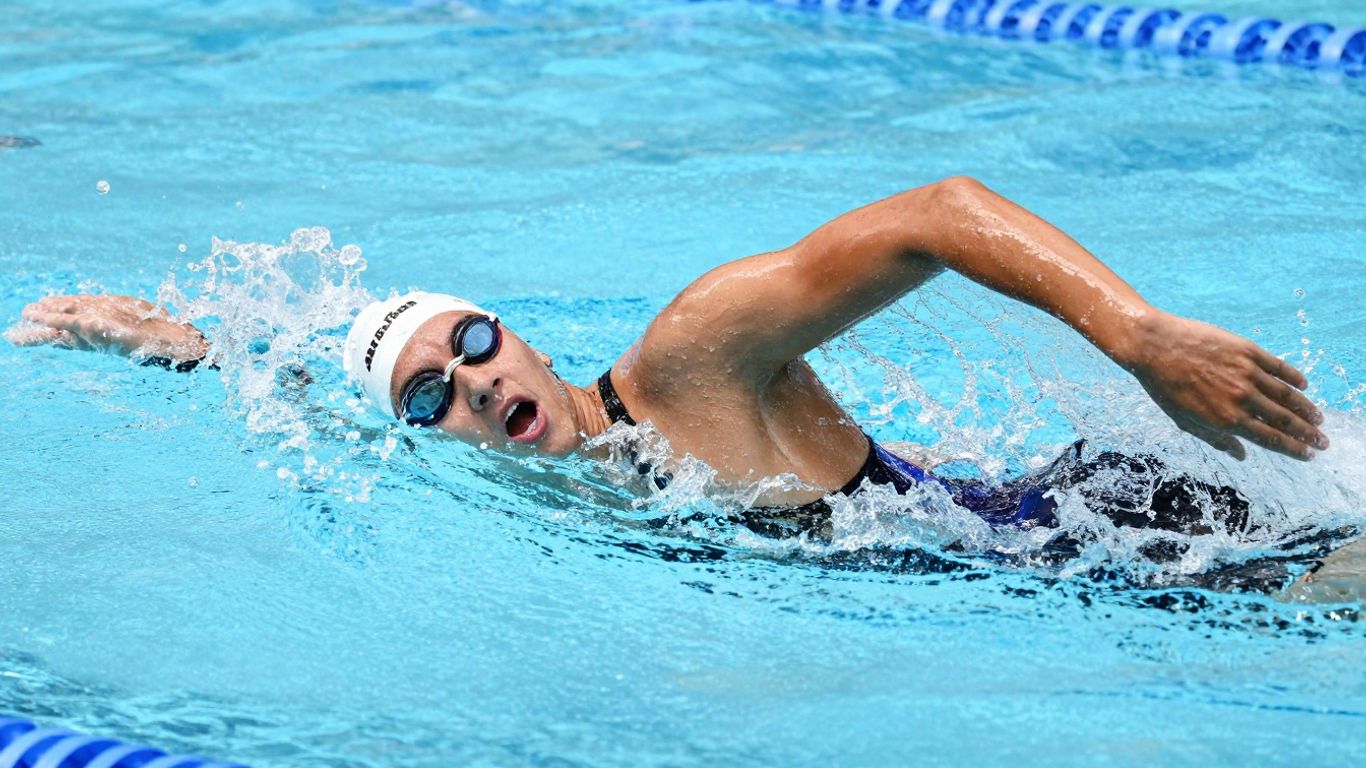
Once you’ve got the basics down pat, it’s time to really start moving through the water with some style and speed. This is where we look at refining your strokes and learning some neat tricks that make swimming more efficient and, let’s be honest, a bit more fun.
Mastering Backstroke Momentum
Swimming on your back might seem straightforward, but there’s a real art to making it glide. It’s not just about kicking and paddling; it’s about using your whole body. Think of it like rolling from side to side, almost like you’re on a spit roast, but in a good way! This body rotation is what gives you that extra bit of power and helps you keep moving forward smoothly. It’s a bit different from freestyle, but getting this right makes you a much more balanced swimmer all-round.
Bilateral and Side Breathing
Breathing is always a big one, right? For freestyle, we often talk about bilateral breathing. This means you’re taking a breath every third stroke, swapping sides each time. So, one breath on your right, the next on your left. It helps keep your stroke nice and even, and you get a better view of what’s going on around you without having to twist your neck too much. Then there’s side breathing, which you’ll use more in strokes like breaststroke or backstroke. It’s a quick turn of the head to grab some air. Timing is everything here – you don’t want to be taking a gulp of water!
Introduction to Diving Skills
Getting into the water can be more than just a splash. Learning a basic dive is a great way to enter the pool smoothly and safely. You start at the edge, arms stretched out overhead, hands together, like an arrow ready to fly. The aim is to cut through the water with minimal fuss. It’s a foundational skill that opens the door to more advanced entries. For those looking for a bit more flair, there are other dives, but the basic entry is where most people start.
Learning these advanced techniques isn’t just about looking good; it’s about making your swimming more effective. Each skill builds on the last, helping you conserve energy and move through the water with greater ease and speed. It’s a journey from just being in the water to truly swimming in it.
The Benefits Of Jump Swimming Lessons
Learning to swim is a big deal, and the "Jump" method really makes it worthwhile. It’s not just about getting your kids from one side of the pool to the other; it’s about giving them skills that stick with them for life. Think about it – being comfortable and safe in the water is a massive confidence booster.
Health and Fitness Advantages
Swimming is brilliant for keeping the body ticking over. It works out all those muscles you didn’t even know you had, and it’s great for your heart and lungs. Plus, it helps with stamina and flexibility, which is a win-win for active kids. It’s a low-impact way to get fit, meaning less stress on joints while still getting a solid workout.
Building Self-Confidence
- Achieving small goals regularly.
- Mastering new movements.
- Receiving positive feedback.
- Overcoming initial fears.
When kids learn a new stroke or manage to float for a bit longer, it really shows them what they’re capable of. This sense of accomplishment spills over into other parts of their lives, making them more willing to try new things and stick with them.
The journey of learning to swim, especially with a supportive program, builds resilience. Facing challenges in the water and working through them teaches kids that it’s okay to struggle a bit, and that persistence pays off. This is a lesson that goes way beyond the swimming pool.
Social Interaction and Friendship
Swim lessons are a fantastic place for kids to meet new people. They’re in a group setting, working towards a common goal, which naturally encourages interaction. Kids learn to share space, take turns, and cheer each other on. It’s a relaxed environment where friendships can really blossom, often with kids from different backgrounds, all bonding over their shared experience in the water.
Ready to Make a Splash?
So, there you have it. Learning to swim in Australia, especially for us beginners, is totally doable. It’s all about taking it step-by-step, getting comfortable in the water, and not being afraid to ask for help. Remember, everyone starts somewhere, and with a bit of practice and the right guidance, you’ll be swimming laps before you know it. Don’t let the water intimidate you; embrace the journey and enjoy the process. You’ve got this!
Frequently Asked Questions
How long does it take to learn to swim?
Learning to swim takes a bit of time and practice, mate. It’s not usually a race. With regular lessons and a bit of effort, most beginners can get comfortable and swim basic strokes within a few months. It really depends on how often you practice and how you take to the water.
Is it hard to learn to swim as an adult?
Nah, not really, especially with the right help! Adults can learn to swim. Sometimes adults have more worries about the water than kids, but a good instructor can make you feel safe and confident. Breaking down the movements and practicing makes it totally achievable.
What’s the ‘Australian Way Method’ for learning to swim?
The ‘Australian Way Method’ is all about building solid swimming skills step-by-step. Instead of relying on toys or just singing songs, it focuses on teaching the core movements of each stroke properly. It breaks down skills into smaller bits so you can master each part before putting it all together, making learning easier and faster.
Do I need to be able to swim to join a swimming lesson?
Definitely not! Swimming lessons are for people who want to learn to swim. They start with the very basics, like getting used to the water, floating, and moving your arms and legs. It’s all about building up your skills from scratch in a safe and supportive way.
What are the benefits of swimming lessons for kids?
Swimming lessons are brilliant for kids! They help keep their hearts and lungs healthy, build strength, and improve how flexible they are. Plus, it’s a fantastic way for them to gain confidence, make new mates, and learn vital water safety skills that they’ll have forever.
What if I’m scared of the water?
That’s a really common worry, and it’s totally okay! Good swimming instructors know how to help people overcome water fears. They create a calm environment, go at your pace, and build your confidence slowly through practice. You’ll be surprised how quickly you can feel more comfortable with the right support.