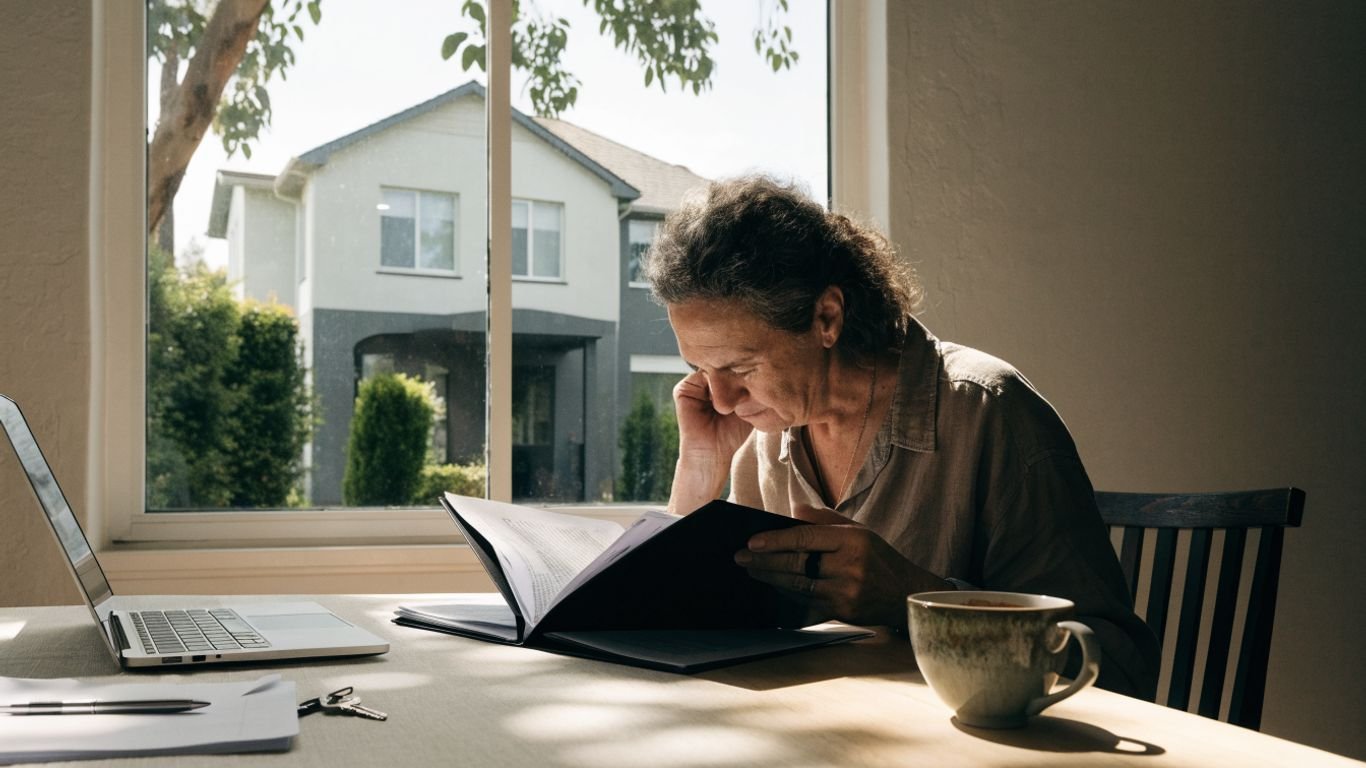
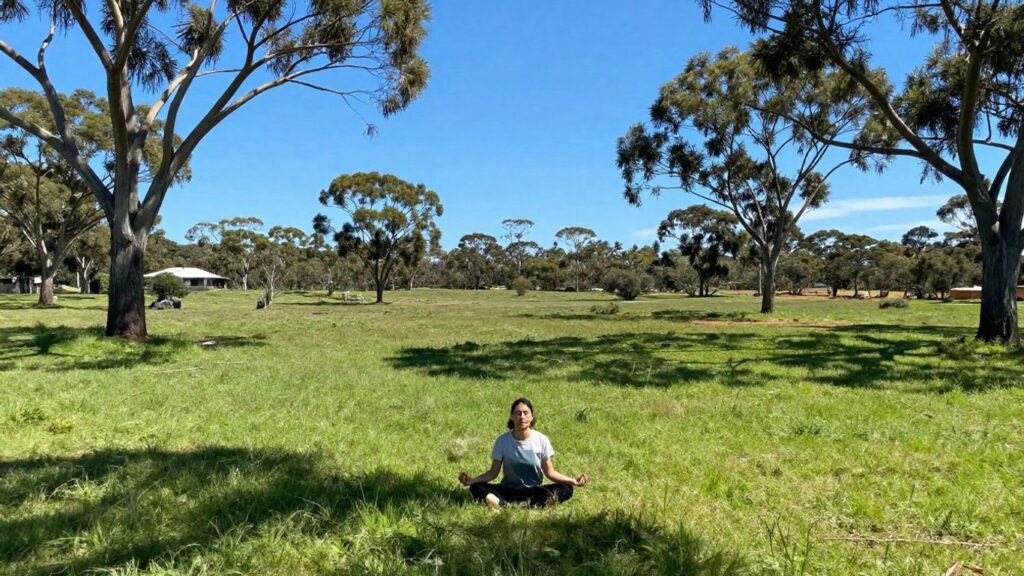
Feeling a bit run down lately? It’s easy to get caught up in the daily grind, especially here in Australia. But taking care of yourself isn’t just a nice idea, it’s actually pretty important for feeling good. This guide is all about showing you simple, practical ways you can start to heal yourself, right here, right now. We’ll look at how to build up your wellbeing from the inside out, using what works for us Aussies.
Key Takeaways
- Self-care means actively looking after your mental, emotional, and physical health; it’s not selfish, it’s necessary.
- Simple daily habits like getting enough sleep, moving your body, and eating well are foundational to how you heal yourself.
- Practising self-compassion and mindfulness can help you manage stress and build resilience against life’s challenges.
- Embrace the Australian lifestyle by spending time outdoors and connecting with your local community for wellbeing boosts.
- Create a personal healing plan that fits your life, and don’t hesitate to seek professional support when you need it.
Understanding How To Heal Yourself

The Core Principles Of Self-Care
So, what’s this ‘self-care’ thing everyone’s banging on about? It’s basically about looking after yourself so you can keep ticking along, feeling good mentally, physically, and emotionally. Think of it like charging your phone – you can’t expect it to run forever without plugging it in. We all need to recharge our batteries, and self-care is how we do it. It’s not about being a bit selfish; it’s about making sure you’ve got enough in the tank to handle whatever life throws at you. When you’re running on empty, everything feels harder, doesn’t it? Little things can feel like massive hurdles, and you might find yourself getting snappy or just plain exhausted. Prioritising yourself means you’re better equipped to manage stress, keep your relationships healthy, and generally feel more on top of things. It’s about filling your own cup so you can pour into others, not the other way around.
Here are some key areas to focus on:
- Restful Sleep: Aim for 7-9 hours. Try to keep a regular sleep schedule and wind down before bed.
- Mindful Movement: Get your body moving. A brisk walk, some stretching, or even a bit of dancing can make a big difference.
- Nourishing Meals: Fuel your body with good food. Plenty of fruits, veggies, and lean protein will help.
- Hydration: Don’t forget to drink water throughout the day.
Debunking Common Self-Care Myths
There are a few ideas floating around about self-care that just aren’t quite right. For starters, some people think it’s all about expensive spa days or taking long holidays. While those things can be nice, they’re not the only way to do it. Self-care can be as simple as taking five minutes to yourself with a cup of tea, going for a walk in the park, or even just saying ‘no’ to something you don’t have the energy for. Another myth is that it takes up loads of time. Honestly, even small, consistent actions add up. You don’t need to block out hours every day. A few minutes here and there can be just as effective. It’s also not a one-size-fits-all deal. What works for your mate might not work for you. The trick is to find what genuinely recharges you.
Self-Care Is Not Selfish
This is a big one, and it’s worth repeating: taking care of yourself is not selfish. It’s a necessity. Think about it – if you were on a plane, they always tell you to put on your own oxygen mask before helping others, right? It’s the same principle. You can’t effectively support your family, friends, or colleagues if you’re completely depleted. When you make time for activities that help you feel good, you’re actually building your capacity to be there for others. It allows you to manage stress better, maintain healthier relationships, and generally be a more present and positive person. It’s about long-term wellbeing, not just a quick fix. Making time for yourself means you’re better equipped to handle life’s ups and downs, and that benefits everyone around you. It’s a practical approach to staying well, and it’s something everyone deserves to do. If you’re looking for ways to approach your own healing, exploring options like Self Directed Healing can offer a unique perspective on clearing emotional blocks and promoting overall wellness.
Nurturing Your Wellbeing Through Daily Practices
Life in Australia can be a bit of a juggle, right? Between work, family, and just trying to keep up with everything, it’s easy to let your own needs slide. But looking after yourself isn’t a luxury, it’s a necessity. Think of it like charging your phone – you can’t expect it to run all day without plugging it in. The same goes for us! Making time for a few simple daily practices can make a massive difference to how you feel, both mentally and physically.
Prioritising Restful Sleep
Getting enough quality sleep is probably one of the most important things you can do for yourself. When you’re well-rested, everything else feels a bit easier. Most adults need around 7 to 9 hours a night. It sounds like a lot, but it’s worth aiming for. Try to stick to a regular sleep schedule, even on weekends if you can. Winding down before bed is key too – maybe ditch the phone an hour before you hit the hay and try reading a book or listening to some calming music instead. Your body will thank you for it.
Incorporating Mindful Movement
Moving your body doesn’t have to mean hitting the gym for an hour every day. Honestly, who has the time? Even a brisk 20-minute walk around the block, some stretching while you watch your favourite show, or even just dancing around the kitchen while you make dinner can do wonders. It gets your blood flowing, helps clear your head, and can really lift your mood. Find something you actually enjoy, because then you’re more likely to stick with it.
Nourishing Your Body With Healthy Meals
What you eat has a big impact on how you feel. It’s not about strict diets, but more about giving your body good fuel. Try to include plenty of fresh fruits and veggies, some lean protein, and whole grains in your meals. And don’t forget to drink enough water throughout the day – dehydration can make you feel sluggish and foggy. Planning meals a little ahead of time can really help, especially on busy weeknights. Even small changes, like swapping out a sugary drink for water, can add up.
Taking small, consistent steps each day towards better sleep, movement, and nutrition builds a strong foundation for your overall wellbeing. It’s about progress, not perfection.
Cultivating Inner Peace And Resilience
Life throws a fair bit at us, doesn’t it? Sometimes it feels like you’re just trying to keep your head above water. That’s where building up your inner peace and resilience comes in. It’s not about pretending everything’s rosy, but about having the tools to bounce back when things get tough.
Practising Self-Compassion
This is a big one, and honestly, it’s harder than it sounds for a lot of us. We’re often our own harshest critics, right? Thinking kinder thoughts about yourself, especially when you’ve messed up or are going through a rough patch, makes a huge difference. It’s about treating yourself with the same understanding you’d offer a mate who’s having a bad day.
- Notice when you’re being hard on yourself. Just catching those critical thoughts is the first step.
- Remind yourself that everyone struggles. You’re not alone in making mistakes or feeling down.
- Try speaking to yourself like you would a friend. What would you say to them in the same situation?
Developing Mindful Awareness
Mindfulness is basically paying attention to what’s happening right now, without judging it. It sounds simple, but it takes practice. It’s about noticing the small things, like the taste of your morning cuppa or the feeling of the sun on your skin, instead of letting your mind race ahead to your to-do list.
Being present can help you appreciate the good bits of life more and make the tough bits feel a bit more manageable. It’s like giving your brain a little break from all the worrying.
Here are a few ways to get started:
- Mindful Breathing: Just take a few minutes to focus on your breath going in and out. Don’t try to change it, just notice it.
- Sensory Check-in: Pick one of your senses – sight, sound, smell, taste, touch – and just focus on what you’re experiencing for a minute or two.
- Mindful Walking: When you’re out for a stroll, pay attention to the feeling of your feet on the ground, the sights and sounds around you.
Setting Healthy Boundaries
This is all about protecting your energy and your time. It means knowing what you can and can’t take on, and being okay with saying ‘no’ when you need to. It’s not being selfish; it’s being realistic about what you can handle so you don’t end up completely drained.
- Identify your limits: What feels like too much for you right now, whether it’s work commitments or social events?
- Communicate clearly: Let people know what you can and can’t do, politely but firmly.
- Learn to say no: It’s a complete sentence! You don’t always need a long explanation.
Leveraging Australian Lifestyle For Healing
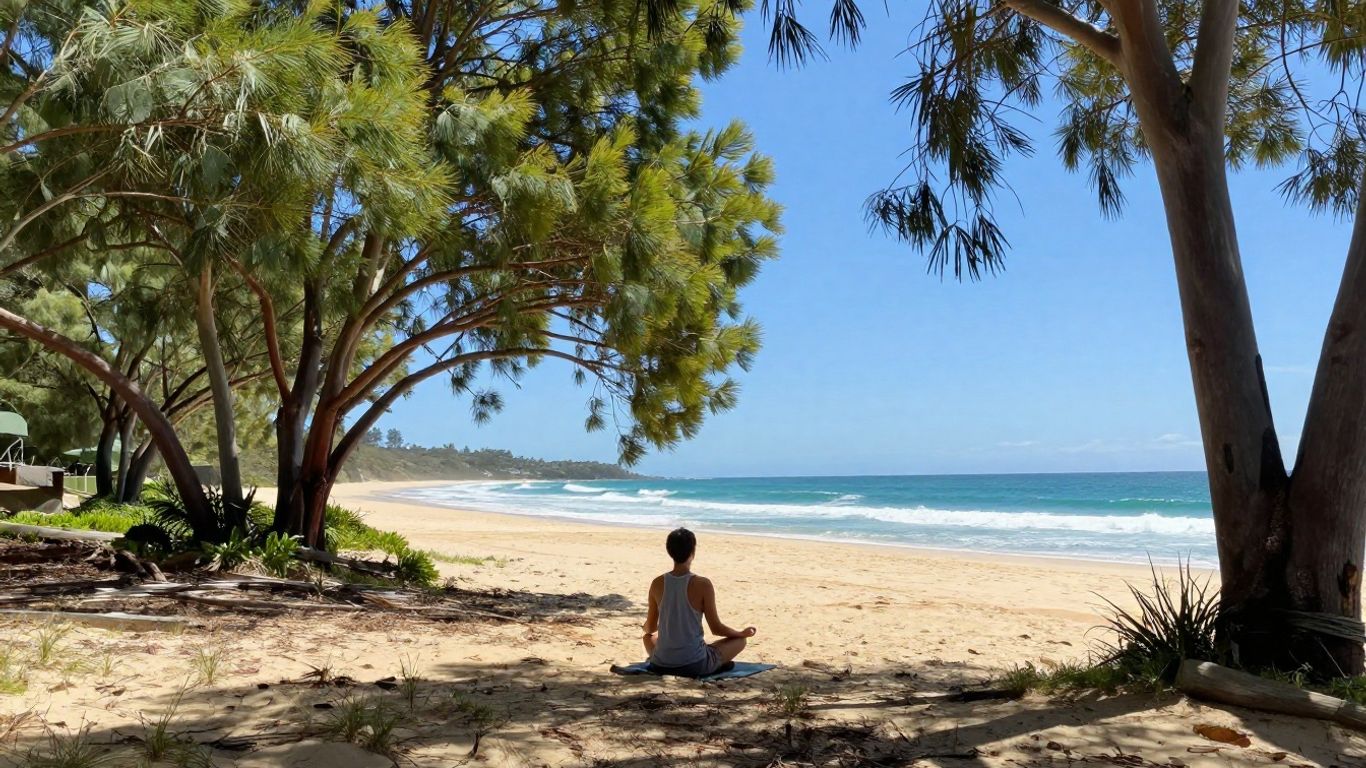
Australia’s a pretty special place, isn’t it? We’ve got this amazing outdoorsy vibe and a real sense of community, which honestly, can be a massive help when you’re trying to look after yourself. It’s not just about hitting the gym or meditating indoors; we can actually use what’s right on our doorstep to feel better.
Embracing Outdoor Activities
Seriously, who can resist a good walk along the beach or a hike through some bushland? Our climate and stunning natural scenery practically beg us to get outside. Think about it: a brisk walk along the coast, feeling the sea breeze, or exploring one of our many national parks. Even just sitting in a park with a cuppa can do wonders for your head space. It’s a simple way to clear your mind and get some fresh air without costing a cent.
Here are a few ideas:
- Coastal walks: Plenty of beautiful stretches of coastline around the country perfect for a stroll.
- Bushwalking: Explore local trails, from easy strolls to more challenging hikes.
- Park visits: Pack a picnic or just find a nice spot to relax and people-watch.
- Gardening: Getting your hands dirty can be incredibly grounding and rewarding.
Connecting With Community
We Aussies are generally a friendly bunch, and leaning into that can be a real boost. Joining a local sports club, a book group, or even just chatting with your neighbours can make a huge difference. Having people to share a laugh with or someone to lend an ear when things get tough is invaluable. It’s about building those connections that make us feel like we belong.
Consider these:
- Local sports clubs: From cricket to bowls, there’s something for everyone.
- Community gardens: A great way to meet people and grow some fresh produce.
- Volunteer groups: Giving back can be incredibly fulfilling.
- Regular catch-ups: Make time for friends and family, even if it’s just a quick coffee.
Utilising Natural Resources
Beyond just the big outdoor activities, we can tap into Australia’s natural resources in smaller, everyday ways. Think about the fresh produce available at local markets – eating well is a huge part of feeling good. Even something as simple as spending time near water, whether it’s the ocean, a river, or a lake, has a calming effect. Our environment offers so many simple, accessible ways to support our wellbeing.
Sometimes, the most effective healing comes from the simplest things. Taking a moment to appreciate the natural beauty around us, breathing in fresh air, and engaging with the world outside our front door can have a profound impact on our mental and emotional state. It’s about consciously choosing to connect with the environment that supports us.
Building A Personalised Healing Plan
So, you’ve explored the principles, tried some daily practices, and maybe even started to feel a bit more at peace. That’s brilliant! But how do you keep this momentum going and make sure it actually sticks? The trick is to build a healing plan that’s just for you. Think of it like getting a tailor-made suit – it fits perfectly because it was made with your measurements in mind. Your healing plan should be the same.
Identifying Your Rejuvenation Activities
First off, what actually makes you feel good? It’s easy to get caught up in what you think you should be doing for self-care, but we need to get real about what genuinely recharges your batteries. This isn’t about ticking boxes; it’s about finding those activities that leave you feeling lighter and more yourself. Maybe it’s a quiet cuppa in the garden, a long walk along the beach, or even just listening to your favourite tunes without any distractions. Jot down everything that comes to mind, no matter how small.
Here are some ideas to get you started:
- Spending time in nature (bushwalking, beach strolls)
- Creative pursuits (painting, writing, playing music)
- Connecting with loved ones (a phone call, a coffee catch-up)
- Mindful movement (yoga, tai chi, gentle stretching)
- Quiet reflection (meditation, journaling)
- Engaging in hobbies you love
Setting Achievable Self-Care Goals
Once you’ve got a list of things that work for you, it’s time to set some goals. The key here is ‘achievable’. We’re not trying to climb Everest overnight. Start small. Instead of saying ‘I’ll meditate for an hour every day’, try ‘I’ll try a 5-minute guided meditation three times this week’. It’s much more likely you’ll stick with it, and each small win builds confidence. Think about what’s realistic with your current schedule and energy levels. Remember, consistency beats intensity every time.
It’s better to do a little bit of self-care consistently than to aim for a lot and then give up.
Scheduling Your Wellbeing Practices
This is where the plan really comes to life. You’ve identified what works and set realistic goals, now you need to make time for it. Treat your self-care activities like any other important appointment. Put them in your calendar! If you’ve decided that a 20-minute walk after work is your thing, block out that time. If a quiet hour with a book on Sunday morning helps you reset, schedule it in. This makes it harder to skip and shows yourself that your wellbeing is a priority. Don’t be afraid to adjust your schedule as needed; life happens, and your plan should be flexible enough to adapt. This approach is similar to how functional medicine looks at addressing the root causes of health issues, by creating a personalised strategy.
Building a personalised healing plan isn’t a one-off task. It’s an ongoing process of discovery and adjustment. Be patient with yourself, celebrate your successes, and don’t get discouraged by setbacks. Your plan will evolve as you do.
When To Seek Additional Support
Even with the best self-care routines, sometimes we all hit a wall. It’s completely normal to need a bit of extra help now and then. Recognising when you’re struggling is actually a sign of strength, not weakness. If you’re finding that persistent sadness, overwhelming anxiety, or just a general feeling of being stuck isn’t shifting with your usual practices, it might be time to look beyond your personal toolkit.
Recognising The Need For Professional Help
How do you know it’s more than just a bad day or a tough week? Here are a few pointers:
- It’s impacting your daily life: If you’re finding it hard to get out of bed, concentrate at work, or enjoy things you used to, that’s a big clue.
- Feelings are intense and persistent: We all feel down or stressed sometimes, but if these feelings are really strong and don’t seem to ease up after a while, it’s worth paying attention.
- You’re withdrawing from others: If you’re finding yourself avoiding friends and family, or feeling disconnected even when you’re with them, it could be a sign you need support.
- You’re relying on unhealthy coping mechanisms: Turning to alcohol, drugs, or excessive comfort eating to get by isn’t a sustainable solution and can create more problems.
Sometimes, the weight of our own thoughts and feelings can feel too heavy to carry alone. It’s okay to ask for a hand, just like you would if you broke a bone. There are people trained to help you work through these tough times.
Accessing Australian Mental Health Services
Australia has a pretty good network of services available. You don’t have to figure it all out by yourself. Here are some places to start:
- Your GP (General Practitioner): Your local doctor is often the first port of call. They can assess what’s going on, offer initial advice, and provide referrals to mental health professionals. They can also help you create a Mental Health Treatment Plan, which can give you access to Medicare rebates for psychology sessions.
- Lifeline: If you’re in crisis or just need someone to talk to, Lifeline is available 24/7 on 13 11 14. They offer confidential support for anyone feeling overwhelmed.
- Beyond Blue: This organisation provides excellent information and support for mental health conditions like depression and anxiety. You can call them on 1300 22 4636 or visit their website for resources and online chat options.
- Headspace: If you’re between 12 and 25, Headspace centres offer support for mental health, physical health, and alcohol and other drug issues, as well as work and study support.
- Local Community Health Centres: Many local councils and community organisations offer counselling and mental health support services, often at a lower cost or free.
Understanding Your Healthcare Options
Beyond immediate crisis support, there are various pathways to ongoing care:
- Psychologists and Counsellors: These professionals can help you understand your thoughts, feelings, and behaviours, and develop strategies to cope and improve your wellbeing. You can find them through your GP, online directories, or professional associations.
- Psychiatrists: These are medical doctors who specialise in mental health. They can diagnose mental health conditions, provide therapy, and prescribe medication if needed.
- Support Groups: Connecting with others who have similar experiences can be incredibly validating and helpful. Look for groups focused on specific issues like anxiety, depression, grief, or addiction.
- Online Resources and Apps: While not a replacement for professional help, apps like Calm or MoodMission, and websites like Head to Health, can offer tools and exercises to support your mental wellbeing between sessions or as a first step.
Keep Going, You’ve Got This
So, that’s a wrap on our chat about looking after yourself. Remember, it’s not about being perfect or doing everything all at once. It’s about finding those little things that make a difference for you, whether that’s a walk along the beach, a quiet cuppa, or just taking a few deep breaths when things get a bit much. Don’t forget that asking for help is a sign of strength, not weakness, and there are plenty of good people and services here in Australia ready to lend a hand if you need it. Keep exploring what works for you, be kind to yourself, and know that taking care of yourself is one of the best things you can do.
Frequently Asked Questions
What exactly is self-care, and why is it so important for Aussies?
Self-care is basically looking after yourself to stay healthy and happy, both in your head and your body. For us Aussies juggling work, family, and everything else, it’s super important because it helps us handle stress better, makes our relationships stronger, and keeps us feeling good overall. Think of it like charging your phone – you can’t run on empty!
Is self-care just for when I’m feeling down or stressed?
Not at all! While self-care is brilliant for tough times, it’s also about keeping yourself in good shape day-to-day. It’s not just a quick fix; it’s about building habits that keep you feeling your best, like regular exercise or getting enough sleep. It’s proactive, not just reactive.
I’m super busy. How can I possibly find time for self-care?
That’s a common worry! The good news is, self-care doesn’t need hours. Even five minutes of deep breathing, a quick walk around the block, or listening to a favourite song can make a difference. It’s about fitting in small, regular moments that recharge you, rather than waiting for a big chunk of free time that might never come.
Does self-care have to cost a lot of money?
Definitely not! While a spa day sounds lovely, heaps of effective self-care activities are totally free. Going for a bushwalk, catching up with a mate for a cuppa, enjoying a home-cooked meal, or even just saying ‘no’ to something that will overcommit you – these all count. It’s more about what works for you, not what you can buy.
How can I figure out what self-care activities are right for me?
It’s all about what genuinely makes you feel good and recharges your batteries. Think about what you enjoyed as a kid, or what makes you feel calm and happy now. Maybe it’s getting out in nature, getting creative with a hobby, or connecting with your community. Experiment and see what truly fills your cup, not just what others say you should do.
When should I think about getting professional help instead of just doing self-care?
Self-care is brilliant, but it’s not a magic cure for everything. If you’re feeling really down, anxious, or overwhelmed for a long time, it’s a sign to reach out. Your GP is a great first step, and there are amazing services like Beyond Blue and Lifeline (13 11 14) in Australia that can offer support. It’s strong, not weak, to ask for help when you need it.