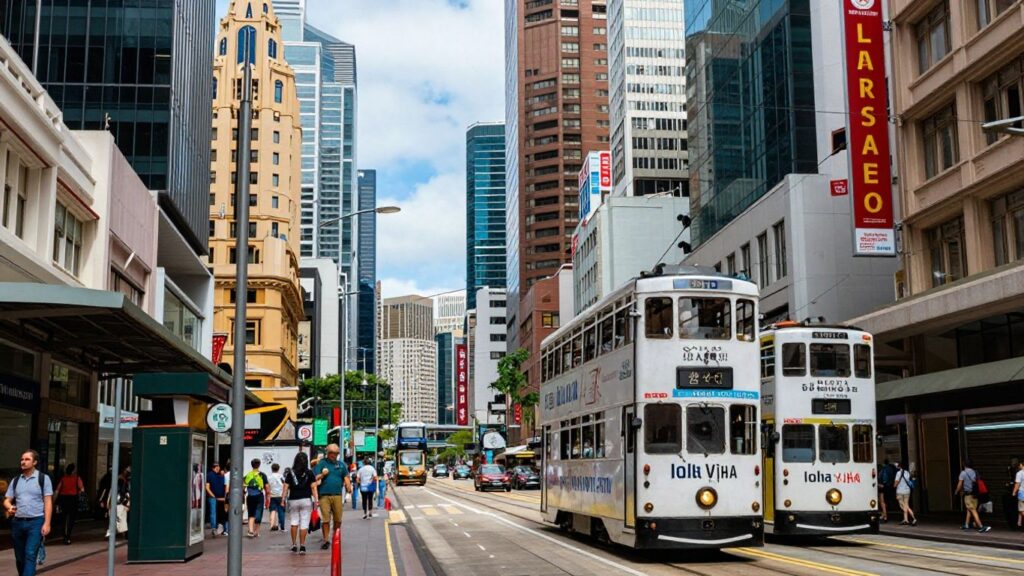
Thinking about where to put down roots in 2026? Melbourne and Hong Kong are both major global hubs, but they offer pretty different lifestyles and price tags. We’re going to break down the cost of living melbourne vs hong kong, looking at everything from rent and groceries to getting around and having a bit of fun. It’s not just about the numbers, though; it’s about what you get for your money.
Key Takeaways
- Hong Kong’s housing market is notoriously expensive, often significantly more so than Melbourne’s, making it a major factor in the overall cost of living.
- While both cities have vibrant food scenes, daily grocery and utility costs can vary, with Melbourne potentially offering more affordable options for basic necessities.
- Getting around in Melbourne might be more spread out, but Hong Kong’s public transport is efficient, though car ownership in both cities comes with substantial costs.
- Lifestyle and entertainment spending can be high in both Melbourne and Hong Kong, but the types of activities and their associated prices differ.
- Understanding the income needed for a comfortable life is key, as salary expectations and earning potential play a big role in how far your money goes in each city.
Housing Expenses: A Tale Of Two Cities
Right, let’s get down to brass tacks with housing, because let’s be honest, it’s usually the biggest chunk of anyone’s budget. When you’re looking at Melbourne versus Hong Kong, you’re looking at two very different beasts.
Melbourne’s Property Market Outlook
Melbourne’s property scene has been a bit of a rollercoaster, but by 2026, things are looking pretty stable, though still pricey. Demand’s been strong, and while supply has picked up a bit, it hasn’t quite caught up, especially in the more popular spots. Renting is definitely the go-to for a lot of people, and you’ll find a decent range depending on where you want to live. Inner-city apartments might set you back a bit more, but if you’re willing to head out to the suburbs, you can find some more affordable options. Buying a place? Well, that’s a whole other ballgame, with prices still pretty high, but maybe a bit more achievable than in Sydney, for example.
Here’s a rough idea of what you might be looking at for rent in Melbourne by 2026:
| Property Type | Median Weekly Rent (AUD) |
|---|---|
| 1-Bedroom Unit | $550 |
| 2-Bedroom Unit | $650 |
| 3-Bedroom House | $750 |
Keep in mind, these are just averages. Location, size, and any fancy extras like a balcony or parking will definitely bump these prices up.
Hong Kong’s Unrivalled Housing Costs
Now, Hong Kong. If you thought Melbourne was expensive, buckle up. Hong Kong’s housing market is legendary for being one of the most costly on the planet. Space is at a premium, and that scarcity drives prices sky-high. You’re often looking at much smaller living spaces for a similar price point compared to Melbourne. Even a tiny studio in a decent area can cost a pretty penny. The demand is just relentless, with a huge population packed into a relatively small area. It’s a situation where you really have to weigh up what’s most important to you – being close to the action or having a bit more room to breathe (and pay less).
The sheer density of Hong Kong means that every square metre of living space comes at a significant cost, making it a constant challenge for residents to find affordable accommodation.
Rental Affordability Comparison
When you put them side-by-side, the difference is pretty stark. Melbourne offers more bang for your buck in terms of space and, generally, lower rental prices. You can often find a larger apartment or even a small house for what you might pay for a compact flat in a less central part of Hong Kong. Utilities in Melbourne are also generally more predictable and less of a shock to the system than in Hong Kong, where everything from electricity to water can add up quickly. It really comes down to your priorities. If you need more space and a more relaxed vibe, Melbourne is likely your winner. If you thrive on the energy of a densely populated city and don’t mind a smaller footprint, Hong Kong might still be on the cards, but be prepared for the financial hit.
Here’s a quick comparison of typical monthly rental costs (estimated for 2026):
- Melbourne:
- 1-bedroom apartment (city centre): $2,200 – $2,800 AUD
- 1-bedroom apartment (outside centre): $1,800 – $2,300 AUD
- Hong Kong:
- 1-bedroom apartment (city centre): $10,000 – $15,000 HKD (approx. $2,000 – $3,000 AUD)
- 1-bedroom apartment (outside centre): $7,000 – $10,000 HKD (approx. $1,400 – $2,000 AUD)
As you can see, while the AUD equivalent might look similar in some cases, the actual living space you get for that money is vastly different.
Daily Living Costs: Groceries And Utilities
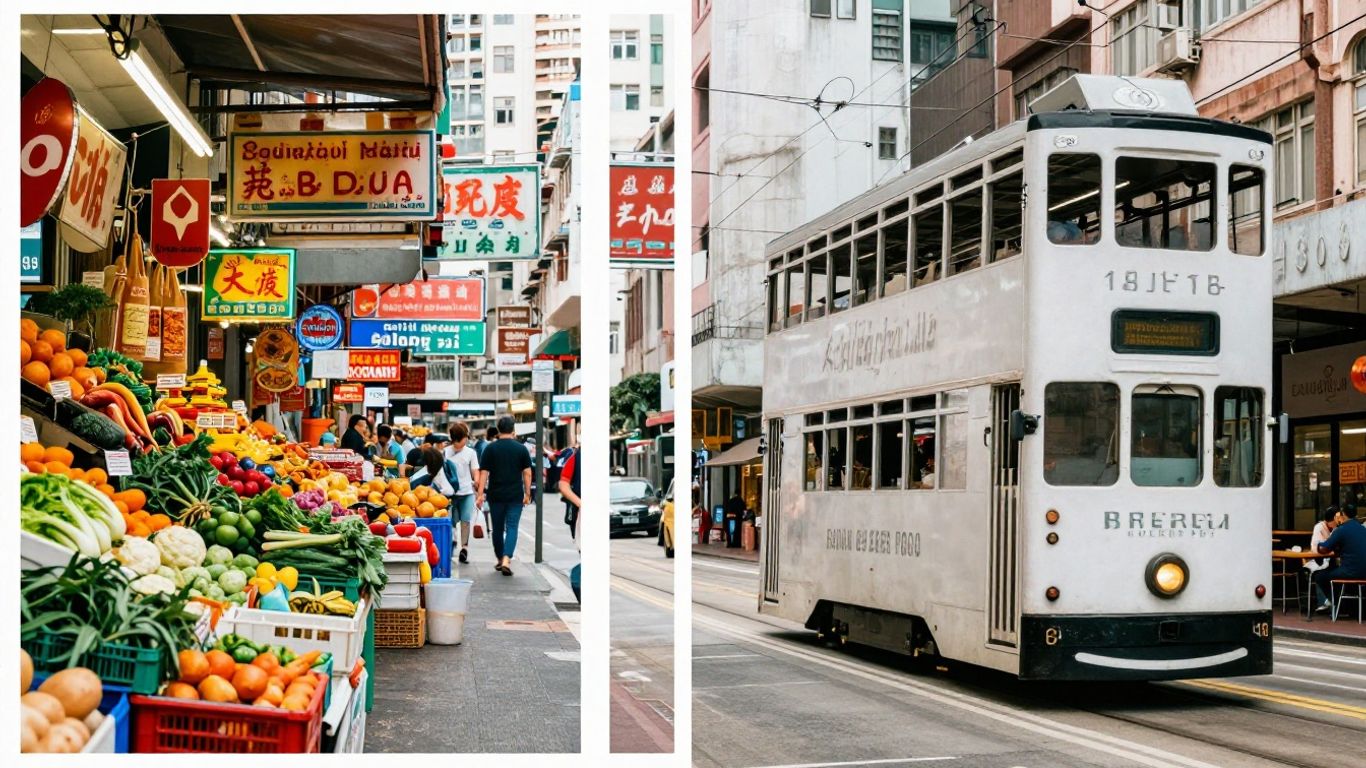
Right, let’s talk about the everyday stuff – what you’ll be shelling out for food and keeping the lights on. It’s easy to get caught up in the big ticket items like rent, but these daily expenses really add up, don’t they?
Supermarket Spending in Melbourne
Melbourne’s supermarkets can be a bit of a mixed bag. While you can find some decent deals, especially if you’re savvy with specials and local markets, the overall cost of groceries is generally a touch higher than what you might be used to in some other parts of the world. Think fresh produce, dairy, and meat – these are often where you’ll see the prices creep up. It’s not uncommon for a single person to spend around $100-$150 a week on groceries, and for a family, that can easily jump to $250-$400.
Here’s a rough idea of what you might pay for some staples:
- Milk (1 litre): ~$2.50
- Loaf of bread (500g): ~$4.10
- Rice (1 kg): ~$3.80
- Eggs (dozen): ~$7.00
- Chicken fillets (1 kg): ~$13.00
- Apples (1 kg): ~$4.80
Grocery Bills in Hong Kong
Now, Hong Kong is a different beast altogether. Because so much of its food is imported, you’re often looking at higher prices for everyday items. Freshness is key there, and that often comes with a premium. While you can find local markets with more affordable options, especially for seasonal produce, the general supermarket shop can feel quite expensive. Expect to fork out a fair bit more for your weekly shop compared to Melbourne, especially for imported goods and certain meats.
Household Utility Outlays
Keeping your home running involves a few different bills. In Melbourne, you’re looking at electricity, gas, water, and internet. These costs can fluctuate depending on your usage, the size of your home, and the providers you choose. For a typical household, you might be budgeting anywhere from $400 to $560 per month for all these services combined. Internet plans, especially the faster NBN ones, are a significant chunk of this. Hong Kong’s utility costs can also be substantial, influenced by factors like air conditioning usage in its humid climate and the density of its housing, which can affect energy efficiency.
It’s worth doing a bit of research on utility providers once you’ve settled on a place. Sometimes switching between companies can save you a decent amount of money over the year, and it’s usually a pretty straightforward process.
Here’s a general breakdown for a Melbourne household:
- Electricity: $150–$250/month
- Gas: ~$70/month
- Water: ~$115/month
- Internet (unlimited NBN): ~$85/month
- Mobile phone plan: $20–$40/month per person
Transportation: Getting Around
When it comes to getting from A to B in 2026, Melbourne and Hong Kong offer pretty different experiences, and the costs can stack up differently too.
Melbourne’s Public Transport Network
Melbourne’s got a pretty decent public transport system, mostly run by PTV (Public Transport Victoria). You’ve got trams, trains, buses, and even some regional coaches. The Myki card is your go-to for tapping on and off across all these services. It’s generally pretty reliable, especially within the inner suburbs and the CBD. If you’re commuting daily, you’ll want to look into the daily or weekly caps to keep costs down. A weekly fare cap for most zones sits around $50, which is handy if you’re travelling a lot. Single trips can vary, but expect to pay a few bucks each time depending on how far you’re going and if it’s peak hour.
- Trams: Iconic to Melbourne, they cover a huge area, particularly in the inner city.
- Trains: Connect the suburbs to the CBD and beyond.
- Buses: Fill in the gaps where trams and trains don’t reach.
- Myki Card: Your all-in-one travel pass.
Hong Kong’s Transit System
Hong Kong is famous for its public transport, and for good reason. It’s incredibly efficient and covers pretty much everywhere you’d want to go. The MTR (Mass Transit Railway) is the backbone, but you’ve also got buses, minibuses, trams (on Hong Kong Island), and ferries. The Octopus card is your best mate here, working across almost all transport modes, plus it’s handy for small purchases too. It’s super fast, and you can usually get where you need to be without too much fuss, even during busy times. Fares are generally quite reasonable, especially considering the speed and convenience.
- MTR: Fast, frequent, and extensive underground network.
- Buses & Minibuses: Cover routes not served by the MTR.
- Trams: A classic way to get around Hong Kong Island.
- Ferries: Great for hopping between islands or getting a harbour view.
The Cost of Owning A Vehicle
Owning a car in either city can be a whole different ballgame, cost-wise. In Melbourne, petrol prices can fluctuate, but generally, you’re looking at around $1.80-$2.20 per litre in 2026. Add to that registration, insurance, and the ever-present parking fees, especially in the city, and it adds up. Toll roads are also a thing, and if you’re driving through certain areas regularly, those daily costs can really bite. In Hong Kong, owning a car is often seen as a luxury. Parking is incredibly scarce and expensive, and car prices themselves are high due to taxes. While petrol might be a bit cheaper per litre than in Melbourne, the overall cost of parking, insurance, and potential tolls makes it a significant expense. For most people in Hong Kong, public transport is just far more practical and economical.
For many, the decision between public transport and car ownership in these cities boils down to lifestyle and budget. If you’re living centrally and don’t need to travel long distances regularly, relying on public transport in both Melbourne and Hong Kong is likely the most cost-effective approach. Owning a car becomes more of a consideration if you live further out in Melbourne or have specific needs that public transport can’t meet.
Lifestyle And Leisure: Entertainment And Dining
When you’re figuring out the real cost of living in a new city, you can’t forget about the fun stuff, right? It’s not all about rent and bills. Melbourne and Hong Kong both offer heaps of ways to unwind and enjoy yourself, but they definitely come with different price tags.
Melbourne’s Vibrant Dining Scene
Melbourne’s reputation for food is pretty solid. It’s been named the best city in the world for 2026, and a big part of that is its food scene. You can find everything from fancy restaurants to quirky little cafes tucked away down laneways. Eating out regularly can add up, though. A nice dinner for two, with a couple of drinks, might set you back around AUD $120-$150. Even a casual meal at a decent pub can be $30-$40 per person.
Here’s a rough idea of what you might spend:
- Coffee: AUD $4.50 – $5.50
- Casual Lunch: AUD $20 – $30
- Mid-range Dinner for Two: AUD $100 – $150
- Movie Ticket: AUD $22 – $25
Hong Kong’s Culinary Delights
Hong Kong is famous for its food, too, but it’s a different kind of vibe. It’s a global hub, so you get an incredible mix of authentic Cantonese dishes, international flavours, and Michelin-starred experiences. The sheer density of eateries is mind-boggling. You can grab a cheap and cheerful dim sum or noodle soup for next to nothing, but fine dining can be eye-wateringly expensive. Expect to pay more for a similar quality meal compared to Melbourne, especially in popular areas.
- Local Tea House Meal: HKD $80 – $150 (approx. AUD $16 – $30)
- Mid-range Dinner for Two: HKD $600 – $1000 (approx. AUD $120 – $200)
- Cinema Ticket: HKD $100 – $130 (approx. AUD $20 – $26)
Recreation And Fitness Costs
Keeping active is important, and both cities have options. In Melbourne, a gym membership might cost you around AUD $90-$120 per month. If you’re into sports, hiring a tennis court for an hour on the weekend could be about AUD $30.
While both cities offer plenty of ways to spend your leisure time, the cost can vary significantly. It’s worth looking into free activities like exploring parks, beaches, or free museum days to keep your budget in check.
Hong Kong has a similar range of fitness options, but prices can be higher, especially for private clubs. However, there are also many public parks and hiking trails that are free to use. The cost of owning a car is also a factor, with parking and fuel being quite expensive in Hong Kong, making public transport a more common choice for getting around.
Ultimately, while Melbourne might edge out Hong Kong for sheer affordability in dining and recreation, both cities offer world-class experiences if you know where to look and how to budget.
Essential Services: Healthcare And Education
Healthcare Access In Melbourne
Melbourne, like the rest of Australia, has a public healthcare system called Medicare. It’s pretty good, covering a lot of the basics, kind of like the NHS back in the UK, but it’s run a bit differently. If you’re on certain visas, you might get some reciprocal rights, but honestly, most people moving here end up getting private health insurance. Why? Well, it can help you skip the queues for non-urgent stuff and covers things like dental and glasses, which Medicare doesn’t always touch. For a family, you’re probably looking at anywhere from $150 to $400 a month for private cover, depending on what you choose and your age. The government does offer a rebate on some policies, which helps a bit, but it depends on your income.
Navigating Hong Kong’s Healthcare System
Hong Kong has a dual healthcare system. You’ve got the public sector, which is heavily subsidised and generally very efficient, but it can get pretty busy. Then there’s the private sector, which is quicker and offers more choice, but it comes with a much higher price tag. Many expats opt for private insurance to get faster access and more comfort. The cost can vary a lot, but it’s definitely something to factor into your budget. It’s worth looking into what your visa might require in terms of health cover too, as some visas need you to prove you have hospital cover.
Educational Expenses For Families
When it comes to schooling for the kids, Melbourne offers a few paths. Public schools are generally free for citizens and permanent residents, though temporary residents might have to pay fees. Your address often dictates which public school you can go to, so where you live really matters. Then there are the private schools, which can be quite pricey, ranging from a few thousand dollars a year for systemic schools (like Catholic ones) up to $45,000 or more for some of the top independent schools. These often have smaller classes and different curricula. For university or TAFE, domestic students can expect to pay between $4,000 and $15,000 a year, often with government loan schemes available.
Deciding on the right school system involves weighing up costs, location, and the type of education you want for your children. It’s a big decision with long-term implications for family life and finances.
Income Requirements For Comfortable Living
Melbourne’s Salary Expectations
So, you’re eyeing a move to Melbourne and wondering what kind of coin you’ll need to live a decent life there in 2026? It’s not quite Sydney prices, thankfully, but it’s still a major city, so you’ll need a solid income. For a single person, aiming for somewhere between AUD $90,000 and $110,000 a year is a pretty good ballpark figure to live comfortably. This should cover your rent, bills, food, a bit of fun, and still leave you with some breathing room. Families will obviously need more, probably looking at a household income north of $180,000, especially if you’ve got kids in private school or need childcare.
Hong Kong’s Earning Potential
Now, Hong Kong is a different beast entirely. It’s famously expensive, particularly when it comes to housing. To live a comfortable life there as a single person, you’re likely looking at needing an income of at least HKD $40,000 to $50,000 per month. That translates to a yearly income of around AUD $100,000 to $125,000, give or take, depending on the exchange rate. For families, the figures get even higher, and you’d be looking at needing a substantial household income to manage.
Bridging The Income Gap
When you stack Melbourne and Hong Kong up, it’s clear that Hong Kong demands a higher income, mainly driven by its sky-high housing costs. Melbourne offers a more balanced picture, though it’s certainly not cheap. The key takeaway is that while Melbourne might be more forgiving on the wallet, you still need a healthy salary to truly enjoy life there without constantly worrying about bills.
Here’s a rough idea of what you might need annually, just to give you a clearer picture:
- Single Person (Melbourne): AUD $90,000 – $110,000
- Single Person (Hong Kong): AUD $100,000 – $125,000 (approx.)
- Family (Melbourne): AUD $180,000+ (household)
- Family (Hong Kong): AUD $200,000+ (household, approx.)
Remember, these are just estimates for a ‘comfortable’ lifestyle. Your actual needs will depend a lot on your personal spending habits, where exactly you choose to live within each city, and whether you have dependents. It’s always better to aim a bit higher than you think you’ll need, just to be safe.
So, Melbourne or Hong Kong in 2026?
Alright, so we’ve crunched the numbers and looked at what life might cost in Melbourne and Hong Kong come 2026. It’s pretty clear that neither city is exactly a bargain. Hong Kong, as we’ve seen, is a real powerhouse when it comes to expenses, especially housing. Melbourne, while still pricey, seems to offer a bit more breathing room, particularly if you’re looking at rent or everyday living costs. Ultimately, the ‘cheaper’ city really depends on your priorities and how you plan to live. If you’re chasing career opportunities and don’t mind the hustle and bustle, Hong Kong might still be on the cards, but you’ll need a serious budget. If a more laid-back lifestyle with slightly less financial pressure is your goal, Melbourne is probably looking like the smarter bet. Either way, doing your homework before you pack your bags is a must.
Frequently Asked Questions
Is it heaps more expensive to live in Melbourne or Hong Kong?
Generally, Hong Kong is known for having sky-high housing costs, often more than Melbourne. While Melbourne isn’t cheap, especially for rent and property, Hong Kong’s property market is notoriously pricey. For everyday stuff like groceries and getting around, the costs can be closer, but Hong Kong often edges out Melbourne as the more expensive city overall, particularly when you factor in housing.
How much dosh do I need to earn to live comfortably in Melbourne in 2026?
To live a decent life in Melbourne without stressing too much about money, a single person would likely need to earn somewhere between $100,000 and $140,000 a year. This figure can change depending on where you live in the city, how you get around, and what you like to do for fun. Couples might get by on a bit less each, especially if they share expenses.
What’s the deal with rent in Hong Kong?
Renting in Hong Kong is famously expensive, often costing a huge chunk of your income. You’ll find that even small apartments in decent areas can set you back a fair bit each month. It’s definitely one of the biggest costs to consider if you’re thinking about living there.
Are groceries cheaper in Melbourne or Hong Kong?
This one’s a bit mixed. While both cities have a good range of supermarkets, the cost of your weekly shop can vary. Some reports suggest that while Melbourne’s grocery prices have been going up due to inflation, Hong Kong can also be quite pricey for everyday food items. It really depends on what you buy and where you shop in each city.
How easy is it to get around in Melbourne compared to Hong Kong?
Melbourne has a pretty good public transport system with trams, trains, and buses, making it easy to get around without a car. Hong Kong, on the other hand, is famous for its super-efficient and extensive public transport network, including MTR trains, buses, and ferries. Both cities offer good options, but Hong Kong’s public transport is often considered more integrated and faster for covering longer distances.
What are the biggest differences in daily living costs between these two cities?
The biggest difference is usually housing – Hong Kong’s rent and property prices are generally much higher than Melbourne’s. Beyond that, while costs for things like groceries, utilities, and transport can be similar, Hong Kong might feel a bit pricier overall for daily expenses, especially if you’re not used to its unique market. Melbourne tends to offer a bit more breathing room in the budget for everyday things, but it still adds up!