
Thinking about starting a business in Sydney? It’s a big move, and honestly, it can feel a bit overwhelming trying to figure out where to even start. There are heaps of different industries and opportunities out there, and not all of them are obvious. We’ve had a look at some of the businesses currently up for grabs, and pulled together a few that caught our eye. These are just a starting point, of course, but they might give you some ideas about what’s possible. Let’s check out some interesting business opportunities in Sydney.
Key Takeaways
- Rent N Ride Motorcycles offers a ready-to-go operation with growth potential in the motorcycle rental market.
- F45 Training Crows Nest is a fitness franchise opportunity in a sought-after North Shore location.
- A Wellness Hub in Central Sydney presents a chance to own a business in the growing health and wellbeing sector.
- A Card Production Business with over 15 years of operation has a strong client base and potential for expansion.
- Oliver Brown Franchise offers an easy-to-run cafe business in Sydney’s Inner West with an established customer base.
1. Rent N Ride Motorcycles
Thinking about getting into the motorcycle rental game in Sydney? Rent N Ride Motorcycles could be your ticket. It’s a business that’s already set up with a website, social media presence, and all the bits and pieces needed to get going straight away. The asking price is $49,500, but it’s negotiable, and that doesn’t include stock, so keep that in mind.
This kind of business taps into a few different markets. You’ve got tourists wanting to explore the city and its surrounds on two wheels, locals looking for a weekend adventure, or even people who need a bike for a short period. The potential for growth seems pretty solid, especially if you can expand the fleet or offer guided tours.
Here’s a quick look at what makes it appealing:
- Established online presence (website, social media)
- Walk-in ready operation
- Potential for fleet expansion
- Serves both tourist and local markets
When you’re looking at a business like this, it’s always a good idea to check out the competition and see what other motorbike businesses are for sale across Australia. You might find other opportunities that fit your vision, too.
Setting up a business like this involves more than just the initial purchase. You’ll need to consider insurance, maintenance schedules for the bikes, and how you’ll handle bookings and customer service. Understanding the local regulations for rental businesses is also key.
If you’re keen on exploring this sector, looking into existing motorcycle businesses for sale is a smart move. It gives you a real-world idea of what’s out there and what kind of investment might be required.
2. F45 Training Crows Nest
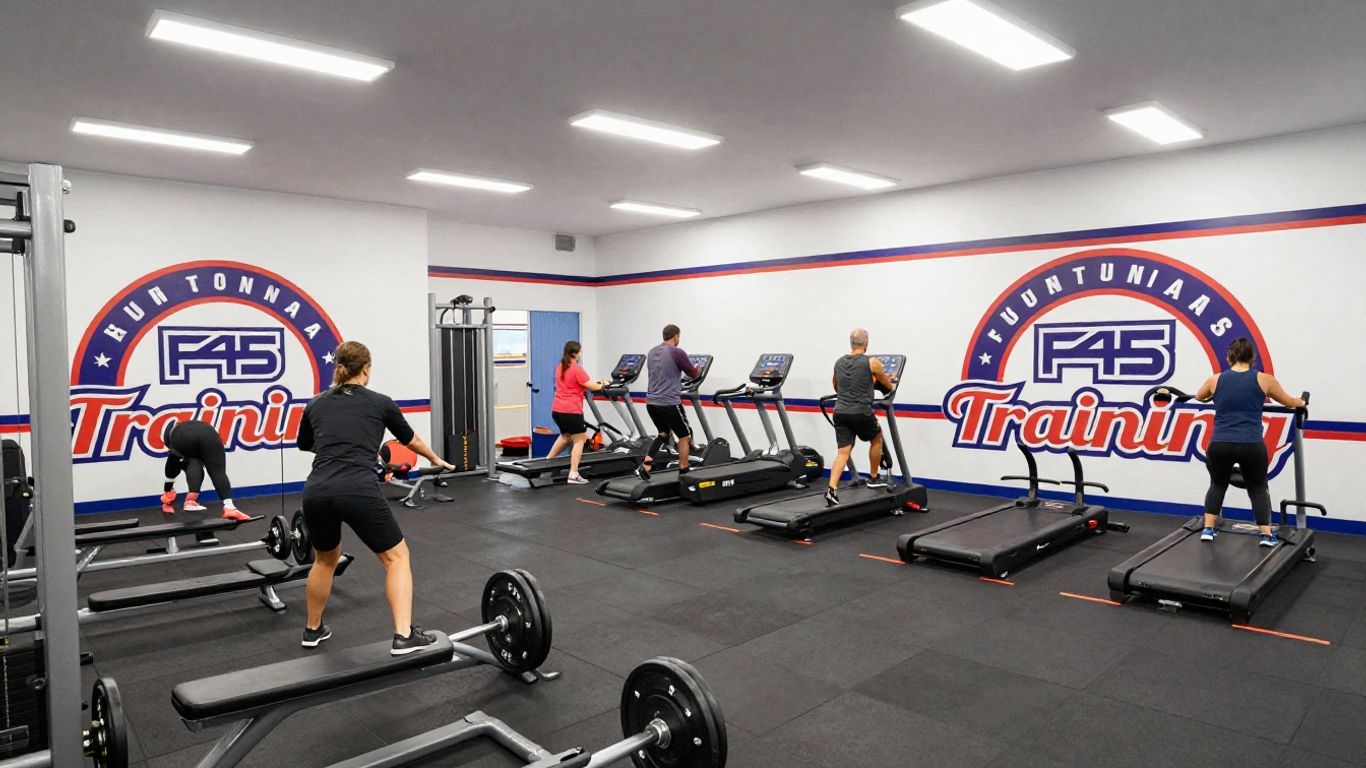
Thinking about getting into the fitness franchise scene? F45 Training Crows Nest is up for grabs, and it’s a pretty solid opportunity on Sydney’s North Shore. This isn’t just any gym; it’s a well-established F45 franchise.
What makes this particular F45 stand out is its location. Crows Nest is a busy spot, meaning plenty of potential clients walking by. The business is currently listed for $495,000, and that price tag includes a decent amount of equipment, valued at $185,000. So, you’re not starting from scratch with gear.
When you’re looking at a franchise like this, there are a few things to consider:
- Location: As mentioned, Crows Nest is a plus. Good foot traffic and visibility are key.
- Brand Recognition: F45 is a known name in the fitness world. People recognise the brand and its workout style.
- Equipment: The included equipment means a significant chunk of your initial setup costs are already covered.
- Operational Model: Franchises usually come with a proven system, which can make things easier when you’re first starting out.
Buying into a franchise means you’re getting a business model that’s already been tested. While it requires hard work, the framework is there, which can reduce some of the guesswork involved in starting a business from the ground up. It’s about adapting that proven system to your local market and making it your own.
If you’re keen on the fitness industry and want a business with a recognised brand, this F45 Training gym in Crows Nest could be worth a closer look. It’s a chance to own a piece of a popular fitness movement in a prime Sydney location.
3. Wellness Hub
Sydney’s always buzzing, and people are increasingly looking for ways to de-stress and look after themselves. That’s where a wellness hub comes in. Think of a place offering things like massage, float therapy, or maybe even infrared saunas. It’s about providing a sanctuary for people to recharge.
The demand for self-care services is definitely on the rise. People are more aware of their mental and physical health, and they’re willing to invest in it. This isn’t just a fad; it’s becoming a lifestyle for many.
If you’re thinking about buying into this sector, here’s what you might find:
- Diverse Service Offerings: A good wellness hub often has a mix of services. This could include things like:
- Massage therapy (deep tissue, Swedish, sports)
- Floatation therapy tanks
- Infrared sauna sessions
- Yoga or meditation classes
- Nutritional advice or consultations
- Membership Models: Many successful wellness businesses use membership packages. This gives customers a reason to come back regularly and provides a steady income stream for the business owner. Think about different tiers – maybe a basic package with one service a month, or a premium one with unlimited access.
- Location, Location, Location: Just like any business, where you set up shop matters. A spot with good foot traffic or easy access for your target demographic is key. Areas with a younger, health-conscious population or busy professionals looking for an escape are often good bets. You can explore day spa businesses for sale in the Sydney region to get a feel for what’s out there.
Running a wellness hub isn’t just about offering treatments; it’s about creating an experience. People are looking for a calm, welcoming environment where they can truly switch off. The atmosphere, the staff’s approach, and the overall feeling of the place all contribute to its success. It’s a business that can be really rewarding if you’re passionate about helping others feel their best.
There are opportunities to buy into established hubs, like one in Sydney’s Eastern Suburbs that’s for sale for $298,000 plus stock, or you might consider starting fresh with a new concept. Either way, it’s a growing market with plenty of potential.
4. Card Production Business
Thinking about getting into a business that’s pretty much always in demand? A card production business could be a solid choice. We’re talking about everything from business cards and loyalty cards to membership cards and even some specialised event passes. It’s a market that keeps ticking over because businesses, big and small, always need ways to present themselves professionally and keep track of customers.
The core of this business is printing, but it’s more than just ink on paper; it’s about providing a tangible piece of a company’s identity. You’re essentially helping other businesses make their first impression or maintain their brand. The good news is, you don’t necessarily need a massive setup to start. Many operations begin with good quality printing equipment and design software, and then scale up as demand grows. You can even start by focusing on a niche, like eco-friendly card stock or unique finishes.
Here’s a quick look at what goes into running a card production business:
- Design and Artwork: Working with clients to create or refine their card designs. This might involve using templates or creating custom graphics.
- Printing and Finishing: Using digital or offset printing presses, depending on the volume and type of cards. Adding finishes like lamination, spot UV, or embossing.
- Quality Control: Checking each batch for print accuracy, colour consistency, and any defects.
- Distribution: Packaging and delivering the finished cards to clients, whether locally or further afield.
It’s a field where attention to detail really matters. Getting the colours right, ensuring crisp text, and delivering on time are key to keeping clients happy. You’ll find a lot of opportunities in this space, with many promotional products businesses also offering card services. If you’re looking for a business that offers a steady stream of work and has room to grow, exploring promotional products businesses for sale might be a good starting point.
The demand for physical business cards, while sometimes overshadowed by digital methods, remains strong. Many professionals still see them as a vital networking tool and a physical representation of their brand. Offering a range of customisation options, from paper stock to special finishes, can really set a business apart in this competitive market.
When you’re looking at the technical side, things like choosing the right paper weight, understanding different printing techniques, and even offering services like variable data printing (where each card has unique information) can add significant value. You can also look into offering services for custom business cards with various shapes and finishes to cater to different client needs. It’s about providing a complete package that makes ordering cards easy and effective for your customers.
5. Kitchen Manufacturing Business
Thinking about getting into kitchen manufacturing? It’s a solid area to consider, especially with how much people invest in their homes these days. Sydney’s property market is always buzzing, and custom kitchens are a big part of that. You’re looking at a business that can be quite hands-on, dealing with everything from design and materials to the actual building and installation.
The demand for bespoke kitchens remains strong, driven by homeowners looking to personalise their living spaces. This isn’t just about slapping cabinets together; it’s about creating functional art for the heart of the home. You’ll need to understand materials like benchtops, cabinetry, and hardware, as well as the latest design trends. Plus, keeping up with building codes and regulations is a must.
Here’s a quick look at what goes into it:
- Design & Consultation: Meeting with clients, understanding their needs, and creating detailed plans.
- Material Sourcing: Finding reliable suppliers for wood, laminates, stone, hardware, and appliances.
- Manufacturing: Cutting, assembling, and finishing cabinets and components.
- Installation: Fitting the new kitchen into the client’s home, often coordinating with other trades.
- Project Management: Overseeing the entire process from start to finish.
There are definitely opportunities to find existing businesses for sale, which can give you a head start. You might find a place with established suppliers and a client list already in place. For example, there are often businesses focused on commercial kitchen equipment too, which is a slightly different but related market. Exploring options for kitchen manufacturing businesses for sale is a good first step.
Running a kitchen manufacturing business means you’re dealing with tangible products that people use every day. It requires a good mix of practical skills, business acumen, and customer service. The profit margins can be decent if you manage your costs and workflow effectively. It’s a trade that requires precision and a keen eye for detail, but the satisfaction of creating something beautiful and functional for clients is a big plus.
When you’re looking at buying into this sector, consider the location of the workshop, the machinery involved, and the existing team’s skills. Some businesses might focus on high-end custom builds, while others might cater to more budget-friendly options or even commercial kitchen supplies. Understanding the niche you’re entering is key to making a smart investment.
6. Schnitzel Takeaway
Fancy getting into the food game? A schnitzel takeaway business could be a solid bet, especially in Sydney. People love a good schnitzel, and a well-run takeaway spot can be pretty profitable. We’re talking about a business that’s already got a bit of a name for itself, maybe a place that’s been around for a while and has a steady stream of customers. It’s not just about slapping some crumbs on meat, though. You’ve got to think about the location, the menu variety, and how you’re going to get the food out to people quickly and still have it taste great.
Getting a takeaway business up and running means more than just cooking. You’re looking at managing staff, ordering supplies, keeping the place clean, and making sure your marketing is on point. Think about what makes a takeaway joint successful. It’s usually a combination of tasty food, good prices, and quick service. For a schnitzel place, that means perfectly cooked schnitzels, a decent range of sides, and maybe some special sauces.
Here are a few things to consider when looking at a schnitzel takeaway:
- Location, Location, Location: Is it in a busy area with lots of foot traffic? Easy parking is a bonus too.
- Reputation: Does it have good reviews online? Word of mouth is huge for food businesses.
- Operational Efficiency: How streamlined are the kitchen processes? Can they handle a rush?
- Menu Potential: Is there room to add other popular items or specials?
Buying an existing takeaway means you’re skipping a lot of the initial setup headaches. You get the equipment, the customer base, and the operational know-how already in place. It’s a chance to jump straight into making money, rather than starting from scratch.
There are definitely opportunities out there for a good schnitzel takeaway. You might find a fully equipped business for sale in a prime spot, ready for you to take over. It’s a chance to get into a popular food sector with a proven model. If you’re keen on the food industry, this could be your ticket. You can explore franchises like Schnitz or look for independent businesses that are already doing well, like a takeaway schnitzel business in Southern Sydney.
7. Designer Dress Hire Boutique
Sydney’s fashion scene is really buzzing right now, and a designer dress hire boutique fits right into that. Think about it – people want to look amazing for events, but buying a new designer outfit for every occasion just isn’t practical, or good for the planet. This is where a hire business shines.
The demand for accessible high fashion is definitely on the rise. It’s not just about the big events anymore; people are looking to rent for parties, formals, weddings, and even just fancy dinners. You’re essentially offering a revolving wardrobe of stunning pieces without the hefty price tag for the customer.
Here’s a quick look at what makes this kind of business tick:
- Inventory Management: Keeping track of stock, cleaning, and repairs is key. You’ll need a good system for this.
- Marketing: Getting the word out is vital. Think social media, collaborations with stylists, and maybe even partnerships with event planners.
- Customer Service: Making sure clients feel special and find the perfect dress is paramount. A good experience means repeat business and word-of-mouth referrals.
- Sourcing: Building relationships with designers or wholesalers to get a diverse and up-to-date collection is important.
A well-run designer dress hire boutique can be a really smart move in a city like Sydney. It taps into a desire for luxury and sustainability, offering a service that many people are looking for. It’s about providing a stylish solution for those special moments without the long-term commitment of ownership.
There are already some great examples of these businesses operating, showing there’s a market for it. You can find a variety of clothing hire businesses available for sale across Australia, which might give you some ideas about the market. One particular business in a prime Sydney location is already set up and ready to go, offering a turn-key operation for a new owner.
8. Cheese Cafe Restaurant

Fancy getting into the food game with a business that’s already got a strong following? A cheese cafe restaurant could be just the ticket. These places are more than just a spot to grab a bite; they’re often a destination for cheese lovers, offering a curated experience that goes beyond your average cafe.
Think about the appeal: a place where you can sample a huge variety of cheeses, maybe paired with local wines or craft beers. It’s a concept that can work as a daytime cafe and transform into a cosy restaurant by night. The key is offering something unique, like a wall of over 65 cheeses, alongside other artisan products. This kind of business model is pretty adaptable, catering to casual lunches, evening dinners, and even special events or catering. It’s a chance to build on an existing reputation, especially if you find a well-established cheese shop, restaurant, deli, events, catering, and retail business in a good spot.
What makes a cheese cafe restaurant stand out?
- Unique Product Offering: A diverse and high-quality cheese selection is non-negotiable.
- Atmosphere: Creating a warm, inviting space that encourages lingering.
- Menu Innovation: Showcasing cheese in creative ways, not just on a platter.
- Customer Service: Knowledgeable staff who can guide patrons through the cheese options.
When looking at opportunities, consider the location and the existing customer base. A place that’s already a regular haunt for locals is a massive head start. You’re not building from scratch; you’re stepping into a proven operation. It’s a solid way to get into the hospitality sector, especially if you’re looking for a restaurant business for sale in Sydney that offers more than just standard fare.
The success of a cheese cafe often hinges on the owner’s passion and ability to curate a memorable experience. It’s about more than just selling cheese; it’s about creating a community hub for food enthusiasts.
9. Timber Manufacturing Business
Sydney’s construction and manufacturing sectors are always on the lookout for reliable suppliers, and a timber manufacturing business could be a solid bet. Think about it – custom pallets, skids, and dunnage are pretty much essential for a huge range of industries, from logistics to building. There’s a consistent demand for quality timber products that keep goods moving safely and securely.
Setting up or buying into a timber manufacturing operation means you’re dealing with tangible goods that have real-world applications. It’s not just about cutting wood; it’s about precision engineering for specific needs. You’ll need to consider your equipment – planers, saws, maybe even CNC machines depending on the complexity of the work. Plus, sourcing your raw materials is key. Are you looking at local suppliers, or will you be importing? Each has its own pros and cons regarding cost and sustainability.
Here’s a quick rundown of what to think about:
- Client Base: Are you targeting big construction firms, smaller businesses needing custom packaging, or a mix of both?
- Equipment: What machinery do you need to get started or to upgrade an existing operation?
- Materials: Where will you source your timber, and what types will you focus on?
- Logistics: How will you get your finished products to your customers efficiently?
Many businesses in this sector already have established relationships with clients, which can make the transition smoother if you’re looking to buy. For instance, a profitable timber manufacturing business supplying custom pallets to repeat B2B clients across Sydney is often available, complete with a team and streamlined systems. This kind of setup offers a great starting point for growth.
The timber industry in Australia is quite robust, supported by both domestic demand and export opportunities. Understanding the nuances of timber grading, treatment processes, and compliance with Australian Standards is important for long-term success. Building a reputation for quality and reliability is paramount in this trade.
If you’re keen on exploring this space, you’ll find there are quite a few timber yard businesses available for sale across Australia, giving you options to find the right fit for your investment goals. It’s a sector that underpins a lot of other industries, so the demand is generally steady.
10. Oliver Brown Franchise
Thinking about jumping into the cafe scene? An Oliver Brown franchise could be a solid option. They’re known for their chocolate-themed treats, like waffles, crepes, and hot chocolates, which tend to be pretty popular. It’s a brand that people recognise, which can make things a bit easier when you’re starting out.
Buying into a franchise like Oliver Brown means you’re getting a ready-made system. This can take a lot of the guesswork out of setting up a new business. You’ll likely get support with things like site selection, store fit-out, training, and marketing. It’s not just about the name; it’s about the whole package designed to help you succeed.
Here’s a bit of what you might expect:
- Established Brand Recognition: Customers already know and often love the Oliver Brown name.
- Proven Business Model: Benefit from a system that has worked for other franchisees.
- Training and Support: Ongoing assistance from the franchisor to help you run the business.
- Supply Chain: Access to established suppliers for ingredients and products.
There are opportunities available, like an Oliver Brown franchise for sale in Inner-West Sydney that’s described as easy to run and already operating under management. This could be a good fit if you’re looking for a more hands-off investment. Alternatively, you might find options in other regions, such as Lake Macquarie in Regional NSW, with specific investment figures mentioned.
Setting up a franchise involves an initial investment, which covers the franchise fee, fit-out costs, and initial stock. It’s important to look at the total cost and understand the ongoing fees, like royalties and marketing contributions. Doing your homework on the specific location and market is also key.
When considering any franchise, it’s always a good idea to talk to existing franchisees. They can give you the real lowdown on what it’s like day-to-day. Plus, make sure you read all the franchise agreement details carefully before signing anything.
So, What’s Next?
Alright, so we’ve looked at a bunch of ways to get into the Sydney business scene. It’s a big place with lots going on, from cafes and shops to bigger tech stuff. Finding the right fit for you means doing your homework, like we talked about. Don’t just jump in. Think about what you can afford, what you’re good at, and what kind of lifestyle you want. There are heaps of opportunities out there, but they all need a bit of planning. Good luck with whatever you decide to do next!
Frequently Asked Questions
What kind of businesses are popular in Sydney right now?
Sydney’s got a mix of cool opportunities! Think things like renting out motorbikes, fitness centres like F45, or even places focused on health and well-being. There are also businesses making cards, building kitchens, and yummy food spots like schnitzel takeaways or cheese cafes. And if fashion’s your thing, a dress hire boutique could be a winner. Even franchises like Oliver Brown are doing well.
Is it hard to start a business in Sydney?
Starting a business here can feel like a bit of a puzzle at first, especially if you’re coming from overseas. You’ll need to sort out things like an Australian Business Number (ABN) and possibly GST. It’s a good idea to get some local advice to make sure you’ve got all your paperwork sorted, but lots of people do it successfully!
What are the biggest challenges when setting up shop in Sydney?
One of the main things to watch out for is the cost of living and doing business, especially in the city centre. Rent for offices and even apartments can be pretty high. Also, getting goods into or around Australia can cost more than you might expect because it’s so far from other places. Finding skilled workers, particularly in tech, can also be a bit of a challenge because everyone’s looking for the same talented people.
Are there good people to hire in Sydney?
Australia has a solid group of skilled workers, thanks to its good universities. Since everyone speaks English, there aren’t any language barriers. Many qualifications from places like the UK are recognised here too, which makes it easier to find people with the right skills for jobs in areas like engineering or medicine. However, for super specialised tech jobs, it can be a bit competitive.
Why would a business from the UK want to come to Sydney?
Australia’s economy is doing pretty well, and it’s seen as a stable place to do business. The legal system is similar to the UK’s, which makes things less confusing. Plus, there’s a free trade agreement between the UK and Australia that makes trading easier. Sydney is also a great spot to reach other countries in the Asia-Pacific region, and there’s a growing tech scene that’s really exciting.
What’s the business vibe like in Sydney?
Think friendly and pretty down-to-earth! While it’s a big business hub, things are generally a bit more relaxed and informal than in some other countries. People tend to use first names quickly and like to get straight to the point. Building good relationships and connections is important, a bit like having a good ‘mate’ – it’s all about working together and treating everyone as an equal.