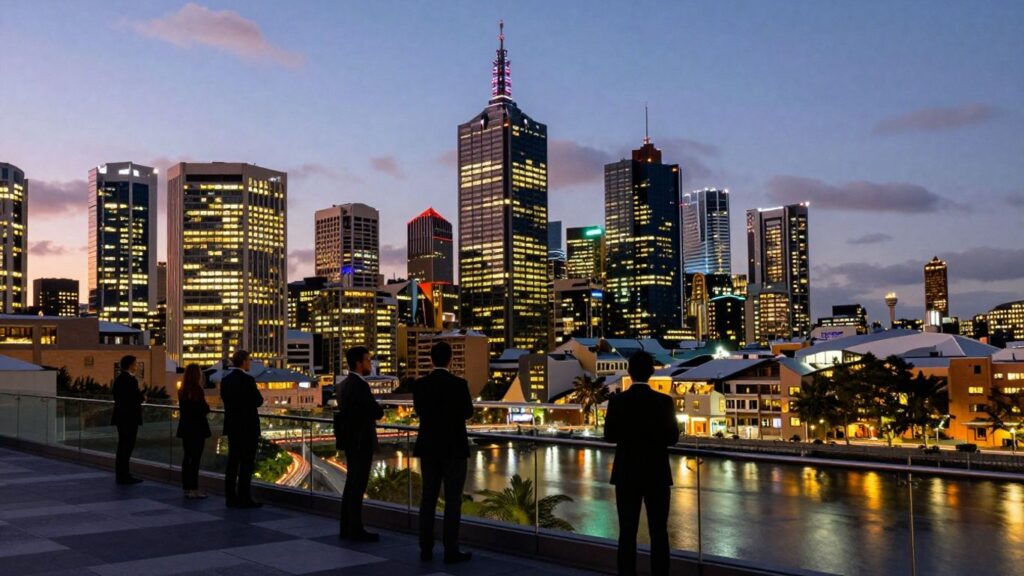
Thinking about your business in Melbourne in 2026? It’s a good time to look at how things are changing, especially with property and how we work. The city’s commercial spaces are shifting, and understanding these moves can really help your business plan ahead. Whether you’re looking for a new office, thinking about retail, or need industrial space, there are definitely opportunities. Let’s break down what’s happening and what it means for businesses right here in Melbourne.
Key Takeaways
- Melbourne’s office spaces are changing, with more focus on flexible designs for hybrid teams and adaptable leasing options becoming common.
- Look beyond the CBD for opportunities; emerging suburban hubs are growing, especially for retail and industrial businesses needing logistics and last-mile infrastructure.
- A strong professional profile, using dynamic visuals and inclusive design, is important for businesses wanting to stand out and attract attention in 2026.
- Workplace design is shifting towards collaboration and flexibility, with adaptable meeting areas and a focus on employee experience becoming priorities.
- Understanding local zoning laws, having a solid financial plan, and assessing long-term property value are key for successful business growth in Melbourne.
Melbourne’s Evolving Commercial Real Estate Landscape
Alright, let’s talk about what’s happening with commercial property in Melbourne. It’s a bit of a mixed bag out there in 2026, and honestly, it feels like things are shifting pretty quickly. We’re seeing some interesting trends that businesses really need to get their heads around if they want to make smart moves.
Navigating Office Vacancies and Fit-Out Costs
So, the office market? It’s definitely got its challenges. Across the CBD, Fringe, and South-Eastern Suburbs, vacancy rates have been a bit higher than we’re used to. In the first quarter of 2026, most areas actually saw more office space become empty rather than get snapped up. This means there’s more choice for tenants, but it also puts pressure on landlords. On top of that, fitting out a new office space can still cost a pretty penny. Prices for materials and labour haven’t exactly dropped, so businesses need to factor that in carefully when looking at new digs. The key is balancing the available space with the actual cost of making it work for your team.
- Consider the total cost: Rent plus fit-out. Don’t just look at the sticker price.
- Think about flexibility: Can the space be adapted if your needs change?
- Explore incentives: Landlords might be more willing to negotiate given the vacancy rates.
The office market is in a state of flux, with higher vacancies and ongoing fit-out expenses demanding careful financial planning and a clear vision for how the space will be used.
Designing Workspaces for Hybrid Teams
This is a big one. With so many people working from home some days and in the office others, the office itself needs to change. It’s not just about rows of desks anymore. We’re talking about spaces that encourage people to actually want to come in. Think about meeting rooms that work for both in-person and remote attendees, comfortable breakout areas, and quiet zones for focused work. It’s about making the office a destination, not just a requirement. Getting this right can make a huge difference to staff morale and productivity. It’s a bit of a puzzle, figuring out the right mix of spaces to suit everyone’s needs.
The Rise of Flexible Leasing Models
Forget those old 5- or 10-year leases. The market is leaning towards more flexible arrangements. Businesses are hesitant to lock themselves into long-term commitments when the future of work is still being figured out. This has led to a rise in shorter lease terms, serviced offices, and even companies sub-leasing space from larger organisations. It gives businesses more wiggle room to scale up or down as needed, without taking on massive financial risk. It’s a good time for tenants to look for terms that suit their current situation, and maybe even try out a new area before committing long-term. The Melbourne office market is showing signs of a rebound, making it an attractive prospect for long-term investors, but short-term flexibility is still key for many businesses.
Strategic Opportunities in Melbourne’s Property Market
Understanding Local Market Dynamics
Melbourne’s property scene is always buzzing, and knowing what’s happening on the ground is key for any business looking to set up shop or expand. It’s not just about finding a space; it’s about finding the right space that fits your business goals and the current economic climate. Think about what your business actually needs – is it a busy street front for retail, or a quiet industrial zone for manufacturing? Understanding these local dynamics means you’re already a step ahead. Melbourne’s commercial real estate market is predicted to be a strong performer in 2026, driven by population growth and significant infrastructure investments. These factors are creating a favorable environment for property investment in the city.
Location and Accessibility Factors
Location, location, location – you hear it all the time, and for good reason. Where you are can make or break your business. We’re talking about being close to where your customers are, but also making it easy for your staff to get to work. Public transport links and major road access are super important. If you’re a shop, being on a busy strip is great. If you’re an office, maybe being near a train station makes more sense. It’s about making things convenient for everyone involved.
- Customer Access: Is the location easy for your target audience to reach?
- Employee Commute: How will your team get to work? Consider public transport and parking.
- Supplier Logistics: If you deal with goods, how easy is it for deliveries and shipments?
- Neighbourhood Synergy: Are there complementary businesses nearby that could drive traffic?
Choosing the right spot involves looking at more than just the rent price. It’s about the whole package – who can get there, how easily, and what else is around.
Identifying Emerging Suburban Hubs
Don’t just think about the CBD. Melbourne’s suburbs are really starting to shine as independent economic centres. With more people working locally, there’s a growing demand for shops, cafes, and services right in their neighbourhoods. This means new mixed-use developments are popping up, blending living, working, and shopping into more connected precincts. It’s a big shift from the old commute-to-the-city model. The industrial sector is also seeing a lot of action, especially in the west, north, and southeast, with a big push for logistics and last-mile delivery centres. Businesses are keen to cut down on travel times and costs, positioning themselves near key transport routes. This demand is being met by new warehouses and distribution centres, sparking investment in well-placed industrial areas.
The Retail and Industrial Sector Outlook
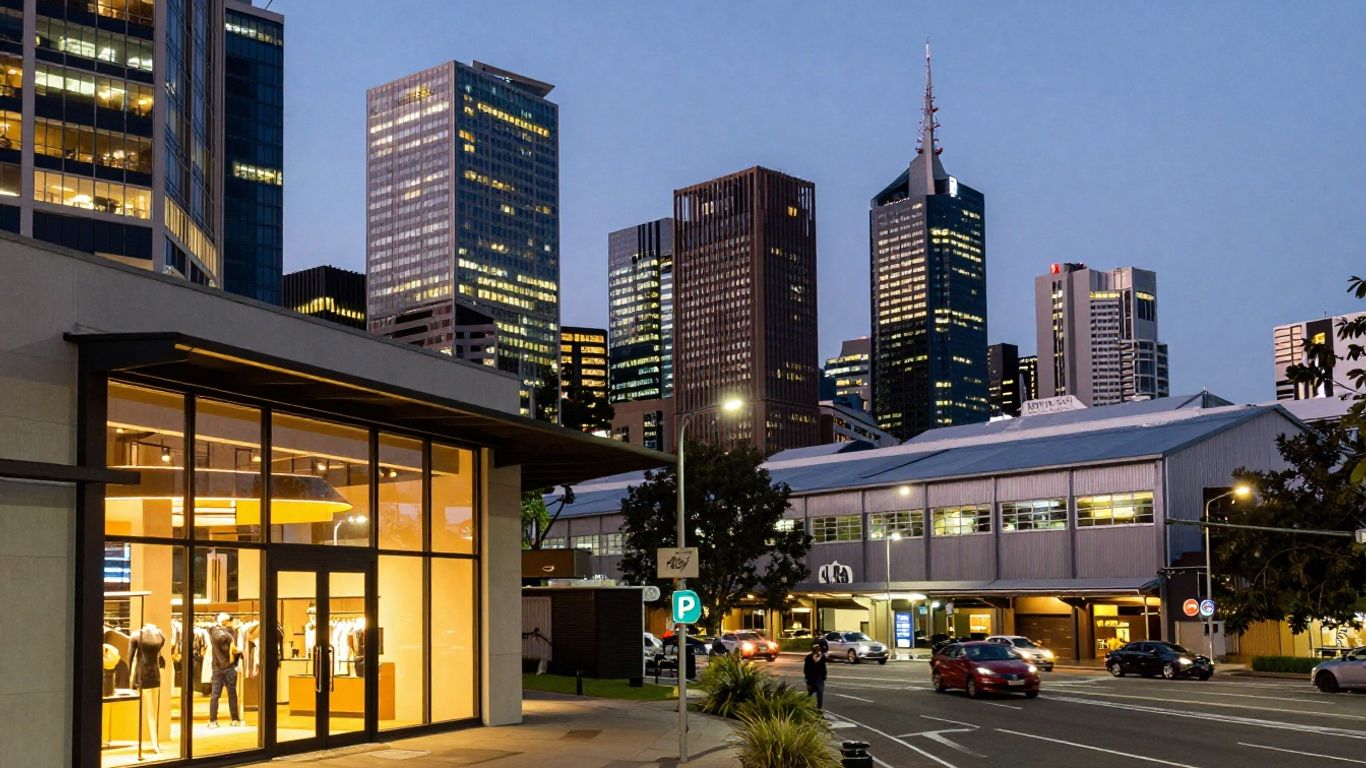
While the office market gets a lot of the headlines, Melbourne’s retail and industrial sectors are actually showing some serious staying power. It’s not all doom and gloom out there; in fact, there are some pretty solid opportunities brewing, especially if you’re looking beyond the CBD.
Resilience in Retail and Industrial Activity
Things are looking up for retail and industrial spaces. Non-discretionary spending, you know, the stuff people have to buy, has been growing steadily. This means shops selling essentials are doing alright. On the industrial side, it’s been a busy period too. We’ve seen a decent amount of money changing hands in property deals for industrial sites, with yields staying pretty stable. This suggests a healthy, ongoing demand for these types of properties.
Here’s a quick look at what’s been happening:
- Retail: Non-discretionary spending saw a 5% annual jump in early 2026, which is pretty good going. Discretionary spending, the ‘nice-to-have’ stuff, grew too, just not as fast.
- Industrial: Investment sales in this sector hit around AUD 210 million in the first quarter of 2026 from 11 deals over $5 million.
- Development: Six new retail projects were completed in the first quarter of 2026, showing that developers are still keen to build.
The way people shop is changing, and that’s creating new chances for businesses. Think about making the in-store experience really special, something the big online players just can’t copy. Being active on social media with genuine posts about your brand is also a smart move.
Growth in Logistics and Last-Mile Infrastructure
E-commerce isn’t slowing down, and that’s a massive win for the logistics and industrial sectors. Businesses are desperate to get goods to customers faster and cheaper. This means there’s a big push for warehouses and distribution centres, especially those that are close to where people live – that’s the ‘last-mile’ bit. We’re seeing a lot of new, purpose-built facilities popping up, particularly in Melbourne’s west, north, and southeast. Being near major transport routes is key here.
New Mixed-Use Developments
As more people live and work closer to home, we’re seeing a rise in neighbourhood hubs. These aren’t just strip shops anymore. Developers are creating mixed-use precincts that blend retail, office spaces, and even community areas. The idea is to make these places walkable and vibrant, like mini-cities within suburbs. This trend is great for businesses looking for a local presence that caters to residents’ daily needs and offers a better lifestyle balance.
Elevating Your Business Presence in 2026
Right, so you’ve got a cracking business idea, and Melbourne’s the place to be. But in 2026, just being good isn’t enough. You need to make sure people actually see you, and more importantly, understand what you’re all about. Think of your business presence like your personal introduction – you wouldn’t show up to a big meeting in your pyjamas, would you? It’s the same for your company. We’re talking about how you present yourself to the world, from your website to how you talk about your work.
The Importance of Professional Corporate Profiles
Look, a corporate profile is basically your business’s CV, but way more detailed. It’s where you lay out who you are, what you do, and why someone should care. A well-put-together profile can be the difference between getting that investor meeting or being overlooked. It needs to be clear, concise, and tell your story in a way that grabs attention. For Melbourne businesses in 2026, this means being digital-first. Your profile needs to look good and work well on phones and tablets, not just on a big desktop screen. It’s also about showing you’re not just in it for the money; people care about sustainability and how you treat your community these days.
Here’s what should be in a solid profile:
- Your Story: Why did you start this business? What’s your mission?
- What You Offer: Clearly explain your products or services. What problem do you solve?
- Your Team: Who are the brains behind it all? Highlight their experience.
- Your Wins: What have you achieved so far? Any awards or big partnerships?
- What’s Next: Where are you headed? Show you have a plan.
- Call to Action: What should people do after reading? Visit your website? Get in touch?
Dynamic Visual Storytelling for Engagement
Words are important, sure, but people are visual creatures. In 2026, just having a few stock photos isn’t going to cut it. You need dynamic visuals that tell a story. This could be through high-quality photos of your work, engaging videos that show your product in action, or even well-designed infographics that make complex data easy to digest. Think about how you can use visuals to convey your brand’s personality and values. It’s about creating an emotional connection, not just listing facts. For example, showing your team collaborating or a customer happily using your service can be far more powerful than just saying you have great customer service. This approach helps you stand out in a crowded market and makes your business more memorable. It’s about making people feel something about your brand.
In today’s digital world, a strong visual presence isn’t just nice to have; it’s a necessity for capturing attention and building trust. Your visuals should align perfectly with your brand’s message and values, creating a consistent and compelling narrative across all platforms.
Accessibility and Inclusive Design Practices
Making your business accessible isn’t just about ticking boxes; it’s about good business sense. In 2026, this means thinking about everyone. Your website, for instance, should be easy for people with disabilities to use. This includes things like having clear text, good colour contrast, and making sure it works with screen readers. It’s not just about compliance; it shows you care about all your potential customers and employees. Inclusive design means thinking broadly – considering different languages, cultural backgrounds, and varying levels of digital literacy. When you make your business welcoming and easy to engage with for everyone, you open yourself up to a wider audience and build a reputation as a considerate and forward-thinking organisation. It’s about making sure no one feels left out when interacting with your brand. This is also becoming increasingly important for local search visibility as search engines prioritise user experience.
Designing Workplaces for Collaboration and Flexibility
Rethinking Meeting Areas and Office Flow
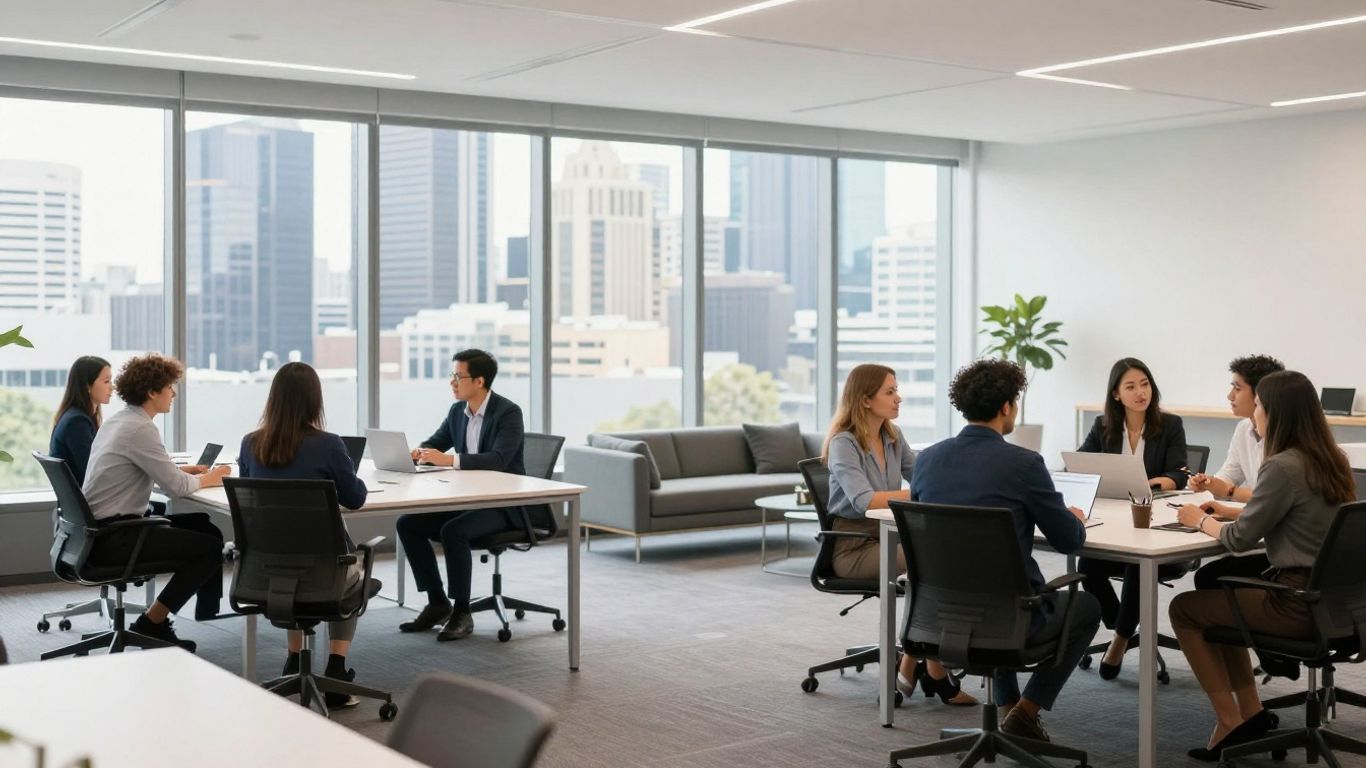
So, the way we work has changed, right? It’s not just about having desks anymore. We need spaces that actually help people get stuff done, whether they’re in the office full-time or just popping in a couple of days a week. This means looking at how meeting rooms are set up. Forget those massive, formal boardrooms that are empty most of the time. Think smaller, more adaptable spaces. Maybe some pods for quick chats, or areas with movable furniture that can be reconfigured for brainstorming sessions or focused work. It’s about making the office flow better, so people can move between different types of tasks without feeling stuck.
The goal is to create an environment that supports both focused individual work and spontaneous team interaction.
Here are a few ideas to consider:
- Modular Furniture: Pieces that can be easily moved and rearranged to suit different group sizes and activities.
- Tech Integration: Making sure there are plenty of power points and good Wi-Fi everywhere, especially in collaborative zones.
- Quiet Zones: Dedicated areas for people who need to concentrate without distractions.
- Breakout Spaces: Comfortable spots that encourage informal chats and idea sharing.
Prioritising Employee Experience
People are the heart of any business, and by 2026, they’ll expect their workplace to feel good. It’s not just about the pay cheque anymore; it’s about the whole experience. If your office feels drab and uninspiring, you’re going to struggle to keep your best people, and attracting new talent will be even harder. We’re seeing a big shift towards making offices more like places people want to be, not just places they have to be. This means thinking about things like natural light, comfortable seating, and maybe even some greenery. It’s about creating a positive vibe that makes people feel valued and motivated.
Creating a workplace that genuinely supports employee wellbeing and productivity is no longer a luxury, but a strategic imperative for businesses aiming to thrive in the competitive Melbourne market.
Creating Adaptable and Productive Environments
Flexibility is the name of the game. Your office space needs to be able to change as your business does. Maybe you’ll have more people working remotely some weeks, and then need more desks the next. Or perhaps a project requires a temporary team to work closely together. Instead of being locked into a rigid layout, think about spaces that can be easily adapted. This could mean using partitions that can be moved, or furniture that serves multiple purposes. The idea is to have a workspace that’s not just functional today, but can also handle whatever tomorrow throws at it. This adaptability directly impacts productivity because people can work in the way that suits them best, leading to better outcomes for everyone. It’s about building a flexible, people-centric work environment that can keep up with the pace of modern business.
Legal and Financial Considerations for Business Growth
Right, so you’ve got a business idea cooking in Melbourne, and you’re thinking about where to set up shop. Before you get too carried away with fancy office designs or prime locations, we really need to chat about the nitty-gritty – the legal stuff and the money side of things. It’s not the most exciting part, I know, but getting it wrong can seriously derail your plans.
Understanding Zoning and Regulatory Compliance
Melbourne, like any big city, has its own set of rules about what you can do where. Zoning laws dictate whether a particular spot is zoned for retail, commercial, industrial, or mixed-use. You don’t want to sign a lease for what looks like a perfect spot only to find out you can’t actually operate your business there. It’s a bit like trying to park a truck in a bicycle lane – it just doesn’t work. Building codes are another big one. Are there specific requirements for accessibility, fire safety, or even how much natural light your workspace needs? Ignoring these can lead to hefty fines and, worse, force you to do expensive renovations down the track. It’s always a good idea to have a chat with someone who knows the local regulations inside out before you commit to anything. For instance, understanding the latest financial advice updates can sometimes shed light on broader regulatory shifts that might impact your business structure.
Developing a Robust Financial Strategy
Money talks, doesn’t it? When you’re looking at property, whether it’s buying or leasing, you need a clear picture of your finances. This isn’t just about having enough cash for the deposit. Think about your cash flow – can your business consistently cover rent, utilities, and any ongoing maintenance? What about financing options? Are you looking at loans, or do you have investors lined up? It’s also about looking ahead. The 2026-27 Federal Budget has introduced some changes that could affect how you manage your money and plan for growth. You need a strategy that accounts for unexpected costs and allows for expansion. Don’t just aim to break even; aim for a healthy profit that allows your business to thrive.
Here are a few things to keep front of mind:
- Budgeting Realistically: Factor in not just the sticker price of rent or purchase, but also stamp duty, legal fees, fit-out costs, and ongoing operational expenses.
- Financing Options: Explore different avenues like bank loans, private investment, or government grants. Understand the terms and repayment schedules for each.
- Contingency Planning: Always set aside a portion of your budget for unforeseen circumstances – a leaky roof, a sudden drop in sales, or unexpected regulatory changes.
Making smart financial decisions early on is like laying a solid foundation for your business. It might seem tedious now, but it saves a world of headaches later.
Evaluating Long-Term Property Growth Potential
When you’re looking at a property, try to see beyond just the next year or two. What’s the potential for this place to grow with your business? Are there opportunities to expand within the building or nearby if you need more space? What’s happening in the surrounding area? Is it a growing suburb with new infrastructure planned, or is it a bit of a dead zone? Properties in areas slated for development or with a strong community feel often see their value increase over time. This is particularly relevant if you’re considering buying. Even if you’re leasing, understanding the long-term prospects of the location can influence your decision, especially if you’re looking at longer lease terms or the possibility of future expansion.
Wrapping It Up
So, looking ahead to 2026, Melbourne’s business scene is definitely shaping up to be interesting. Whether you’re thinking about where your team will actually work, or how to make your business stand out, it’s all about being smart and adaptable. The city’s commercial spaces are changing, with more focus on places that work for people, not just for show. Keep an eye on what’s happening in the suburbs too, as they’re becoming hubs in their own right. And for those starting out, making sure your business looks the part from the get-go is a big deal. Basically, if you plan ahead and stay aware of what’s going on, you’ll be in a good spot to do well here.
Frequently Asked Questions
What’s happening with office buildings in Melbourne?
Office buildings are changing! Some have empty spaces, and it costs a lot to fix them up. Businesses are trying to make them better for teams that work sometimes at home and sometimes in the office. They’re also looking at shorter lease options instead of long ones.
Are shops and warehouses still doing okay?
Yes, shops and warehouses are doing pretty well. People are buying more online, so places that help deliver things quickly are in demand. Also, new areas are popping up outside the city centre with shops and places to work, making neighbourhoods more lively.
Why is the location of my business so important?
Where you set up shop really matters. Being close to where people live, easy public transport, and busy streets can help your business get noticed and make it easy for customers and staff to get there.
How should I design my office space for my team in 2026?
Think about making your office flexible! Have areas for quick chats, quiet work, and easy tech use. Comfortable and adaptable spaces make people happier to come to work and help them do their best.
What are the legal things I need to think about for my business space?
You need to follow the rules about how land can be used (zoning) and building safety. It’s a good idea to get advice from experts to make sure you’re doing everything correctly and avoid any trouble.
How can my business look more professional?
Making your business look good is key! This means having a clear and attractive company profile, using cool pictures and videos to tell your story, and making sure your space is easy for everyone to use, including people with disabilities.