
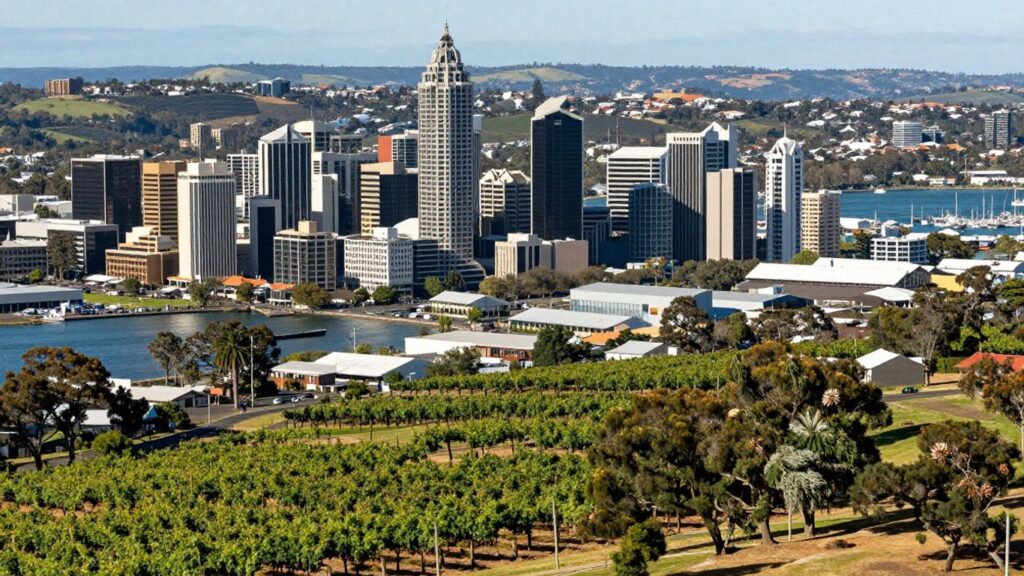
Thinking about starting or growing a business in South Australia? You’ve come to the right place. This state is really opening its doors to new ventures, with a government that’s keen to help things along. From competitive costs to a skilled workforce, there are plenty of good reasons why businesses in South Australia are finding their feet and taking off. Let’s have a look at what makes SA a great spot for your next business move.
Key Takeaways
- South Australia is actively encouraging new and growing businesses with supportive policies and lower operating costs compared to other parts of Australia.
- The state boasts a well-educated workforce, with universities consistently producing graduates ready to join various industries, especially in tech and renewable energy.
- There are significant opportunities for businesses to expand through exports, with dedicated support and resources available to help navigate international markets.
- South Australia is focusing on high-growth sectors like technology, renewable energy, and healthcare, creating demand for skilled professionals and offering career transition pathways.
- Government initiatives and programs are in place to assist small businesses in securing state contracts and to support companies looking to diversify or expand their export reach.
Establishing Your Business In South Australia
South Australia keeps popping up as a spot where starting a business actually feels doable — and for a good reason. The state has put its money where its mouth is, with support rolling in from all directions: government policies, a skilled pool of people ready to work, and a tech scene that keeps getting attention for the right reasons. Here’s a closer look at what makes South Australia such a confident pick for people wanting to build something new or grow what they’ve already started.
Pro-Business Policies and Competitive Costs
One big thing that stands out is how the numbers stack up. Labour costs in South Australia are usually about 10% less than the national average. That matters for anyone counting every dollar. The state’s operating costs in other areas — rent, utilities, even insurance — are competitive. Then there’s the backing from programs designed to help businesses at every stage, whether you’re just setting up or expanding.
| Cost Factor | South Australia | National Average |
|---|---|---|
| Labour | Lower | Higher |
| Office Rent | Lower | Mixed |
| Utility Expenses | Lower | Higher |
Other supportive policies and incentives include:
- Grants for innovation and research.
- Business assistance programs for start-ups and small business.
- Favourable tax structures to keep cash flow predictable.
- Easy processes for business name registration.
If you want a spot where your hard-earned money stretches further and where help isn’t just empty talk, South Australia fits that brief.
Skilled Workforce and Educational Pipeline
No business moves forward without good people, and this is where SA shines. Three world-class universities are putting fresh talent out into the market every year. TAFEs and other vocational training providers also offer practical skills that match what local industries need right now. The state has:
- Strong ties between education and industry, leading to industry-ready graduates.
- Special programs for upskilling existing employees so businesses aren’t left behind as things change.
- Migration pathways helping to fill skill gaps with overseas talent who want to call SA home.
All of this builds a deep bench of workers — from engineers to coders to tradespeople. Businesses here don’t have to look far for their next hire.
Vibrant Technology and Innovation Scene
This is where the fun starts. South Australia’s tech and research communities aren’t just putting on a show — they’re pulling in big names and serious investment. Lot Fourteen, for example, is an innovation precinct right in Adelaide, hosting everything from the Australian Space Agency to Amazon and Google offices. And with a fast 10-gigabit fibre network, the digital infrastructure is set for all sorts of experiments.
Growth in sectors like defence, space tech, and AI means it’s not just about the old industries anymore. There are partnerships everywhere between business and universities, driving new projects and bringing R&D into the mainstream.
You’re also never short on guidance or support, thanks to networks like those offered by small and family business advisors. Whether it’s tackling digital upgrades or knowing which incentive to chase, there’s solid advice within reach.
Whether you’re building a start-up in a spare room, buying into a franchise, or growing an established business, South Australia’s scene keeps giving both practical help and a sense of momentum you can actually feel.
Growth Opportunities for South Australian Businesses
South Australia is really pushing for businesses to grow, and there are some solid avenues to explore. It’s not just about starting up; it’s about finding those sweet spots where you can really expand.
Leveraging the Tech Boom for Small Businesses
The tech scene here is really taking off, and it’s not just for the big players. Small businesses can actually tap into this. Think about how digital tools can make your operations smoother or how you can offer new services online. The state government is keen to help small businesses get a bigger piece of the pie, especially when it comes to government contracts. The Industry Advocate is there to help local businesses connect with these opportunities. It’s about making sure our local companies get a fair go.
South Australia is actively supporting its small businesses to benefit from the growing technology sector and secure more government work.
Accessing State Government Contracts
Getting a slice of government work can be a game-changer for a business. It provides stability and can really boost your profile. The state government has initiatives to help local businesses, particularly small ones, bid for and win these contracts. It’s worth looking into what’s available and how you can position your business to be a strong contender. This can mean anything from supplying goods to providing services.
Industry Advocate Support for Local Enterprises
Having the Industry Advocate on your side is a big plus. They’re specifically there to help South Australian businesses, especially the smaller ones, get more government contracts. This means they can help you understand the tendering process and connect you with the right people. It’s a dedicated resource aimed at making sure local companies thrive. The Growth Accelerator Program is one example of how businesses can get support to scale up.
Here’s a quick look at how the Industry Advocate can help:
- Information: Understanding government procurement processes.
- Connection: Linking businesses with relevant government agencies.
- Advocacy: Championing local businesses in contract opportunities.
- Support: Assisting with tender preparation and submission.
Expanding Your Reach Through Exports
So, you’ve got a great business here in South Australia, and you’re thinking, ‘What’s next?’ For many, the answer is looking beyond our own backyard and tapping into international markets. It sounds like a big step, and honestly, it can be, but there’s a heap of support available to help you get there. The key is to be prepared and know where to find the right help.
Navigating International Markets with Export Advisers
Thinking about selling your products or services overseas for the first time? Or maybe you’re already exporting but want to crack into a new country? That’s where export advisers come in. They’re basically your go-to people for understanding the ins and outs of international trade. They can give you the lowdown on specific markets, help you figure out the best way to get your goods there, and even point you towards resources that can help with things like tariffs or shipping. It’s like having a seasoned guide for a journey you haven’t taken before.
Participating in Global Business Missions
These aren’t just fancy trips; global business missions are organised events designed to connect South Australian businesses with potential buyers and partners overseas. Imagine being part of a group that travels to a key international market, with scheduled meetings and networking opportunities already set up. It cuts down on a lot of the legwork you’d normally have to do to make those connections yourself. It’s a really practical way to get your business in front of the right people and see what opportunities are out there. You can find out about upcoming missions through the state government’s trade and investment channels.
Utilising Export Resources and Tools
Beyond personal advice and organised trips, there’s a whole suite of resources available to help you export. Think of things like market research reports, guides on export documentation, and information on trade agreements. The state government often provides access to these tools, sometimes even with funding assistance to help cover costs. For instance, businesses facing tricky international trade situations might find support through programs designed to help them navigate and overcome international market difficulties. Having these tools at your disposal can make a big difference in how smoothly you can operate in foreign markets.
Specialised Export Support Programs

South Australia goes all-in on exports, but let’s face it—not every business can just jump on a plane and start selling overseas. That’s where focused government and industry programs step up, smoothing out the bumps and making exporting a real possibility for companies at many stages.
Trade Resilience and Diversification Initiatives
With markets always shifting, it’s a good idea for any exporter to have some insurance against sudden changes. South Australia runs specific initiatives to help businesses hold steady and even grow, even when markets get rocky.
- Export advisers work alongside you to untangle all the paperwork and market quirks
- Businesses get access to programs like the Export Diversification Program, which gives advice, funding, and market intelligence
- There are workshops and tailored support to help you bounce back or shift focus if your main market takes a hit
Staying flexible and informed can make all the difference when your usual market dries up or hits a snag.
Programs for Food, Beverage, and Spirits
The food and beverage sector in SA punches above its weight overseas, but going global isn’t always easy. Luckily, there are programs made to back local producers every step, from branding to getting goods on international shelves.
Specialist programs often focus on branding and export logistics, so you spend less time on forms and more on your core work.
Here’s what’s typically offered:
- Growth programs for premium food and drinks to boost product visibility
- The Spirits Expansion Program supports new and niche makers in navigating global trends
- Industry-specific networking, export readiness training, and support for in-market events
Wine Export Growth and Ambassador Programs
South Australian wine is famous, but building a strong position overseas needs a bit more than just great grapes. Here are some practical ways the state helps wine businesses stay competitive:
| Program Name | Target Group | Support Offered |
|---|---|---|
| Global Wine Growth | Mid-to-large wineries | Tools & advice for priority/export markets |
| Wine Ambassadors Club | Export-ready wineries | Networking, international marketing |
- Ambassador programs put wine businesses in contact with global influencers
- Training for handling export regulations and contracts
- Regular events and tastings for introducing SA wines to new buyers
Don’t forget, you’ve also got the Export Ready Program in SA—made to get any business, whether you’re just thinking about exporting or already packing containers, into shape for the world stage.
Specialised export support is about more than just funding; it’s knowing you’ve got a network to fall back on, and that you’re not the only one figuring all this out.
High-Growth Industries Seeking Talent

South Australia is really pushing forward with some exciting new industries, and guess what? They’re on the lookout for people like you. It’s not just about having a job; it’s about finding a career in areas that are booming right now. If you’ve been thinking about a change or looking for your next big step, this is definitely the place to be.
Technology and Digital Sector Demands
The digital world is expanding like crazy, and South Australia is right in the thick of it. From figuring out how artificial intelligence works to keeping things secure online and making sense of all the data out there, businesses across the board – think finance, manufacturing, you name it – need people with tech skills. They’re particularly keen on finding folks who can work as data analysts, software developers, cybersecurity specialists, and cloud engineers. If you’re good at solving problems, thinking things through, paying attention to detail, or managing projects, you might find these roles are a great fit. Even if your background isn’t strictly tech, skills from areas like finance or logistics that involve data or improving processes can be a real advantage.
Renewable Energy and Clean Technology Careers
We’re becoming a bit of a powerhouse when it comes to clean energy, and that means lots of jobs are popping up. This sector, which includes wind, solar, and even hydrogen, is not only growing but also offers work that feels pretty meaningful. They need people to install solar panels, fix wind turbines, manage projects, and advise on sustainability. If you’ve got experience in project management, organising logistics, or dealing with safety and rules (maybe from mining or building sites), that’s super useful. Even if you’re from a trade background, like electrical or mechanical work, your technical know-how is valuable. And don’t forget sales and marketing – they’re needed too, to help get these clean energy ideas out there.
Healthcare and Social Assistance Expansion
This is already the biggest employer in South Australia, and it’s only set to get bigger. With an older population and more investment in medical tech, the need for healthcare professionals is growing. They’re looking for all sorts of people, from allied health professionals like physios and occupational therapists to aged and disability carers, nurses, and health service managers. If you’re someone who’s naturally empathetic, a good communicator, reliable, and organised, you’ll find plenty of opportunities here. The demand for skilled workers in this sector is significant, with many occupations experiencing national shortages.
Making a career shift doesn’t mean starting from zero. It’s about recognising the skills you already have and seeing how they can be applied in these growing fields. South Australia is actively creating an environment where these transitions are possible, supported by training initiatives and a strong job market.
It’s worth noting that a lot of these roles are experiencing skills shortages across the country, so getting into one of these fields in South Australia could be a smart move. If you’re looking to transition, it’s a good idea to look into state government initiatives that might help with training or finding opportunities.
Career Transitions and Recruitment
Thinking about a career change? You’re not alone. The job market’s always shifting, and lots of people are looking to move into new fields, especially with South Australia’s economy growing in areas like tech and green energy. The good news is, you probably have more skills than you realise. It’s all about figuring out what you’re good at and how those skills can be used in a different job.
Recognising Transferable Skills for New Roles
This is the big one. Don’t just think about your old job title. Instead, break down what you actually did. For example, if you managed a cafe, you weren’t just making coffee; you were handling stock, managing staff schedules, dealing with customers, and keeping things running smoothly. These are skills like ‘operational management’, ‘team leadership’, and ‘customer relations’. Writing these down in a way that makes sense for a new industry is key. Think about your problem-solving abilities, how you communicate, or if you’re good at organising things. These are the building blocks for a new career path.
Key Sectors for Career Pivots
South Australia is really pushing growth in a few key areas, and they need people. The technology and digital sector is booming – think data analysis, software development, or cybersecurity. Even if you’re not a coder, skills in project management or data handling from other fields can be really useful here. Then there’s renewable energy and clean technology. If you’ve worked in trades, construction, or even sales, your skills could be valuable in roles like solar installation or project coordination. The healthcare and social assistance sector is also expanding rapidly, especially with an ageing population. Roles for carers, nurses, and allied health professionals are in high demand, and many administrative or communication skills from other jobs can be applied here.
Partnering with Specialist Recruiters
Trying to make a big career jump on your own can be tough. That’s where specialist recruiters come in. They’re not just looking at your CV; they’re trying to see the potential in your transferable skills and match you with businesses that need them. They know the local market really well and can give you advice on where your skills might fit best. They can also help you understand what kind of training might be helpful to get you into a new field. It’s like having a guide who knows the shortcuts and can introduce you to the right people. They can be a great resource for finding opportunities you might not see otherwise, and they often have insights into South Australia’s top growth sectors.
Making a career change is a big step, and it’s smart to get help. Thinking about what you’re good at and where the jobs are is the first part. The next is figuring out how to present those skills and maybe pick up a few new ones. Specialist recruiters can be really helpful in bridging that gap and connecting you with employers who are looking for exactly what you have to offer, even if it’s in a new industry.
Here’s a quick look at how some common skills translate:
- Customer Service/Hospitality: Can move into administrative roles, coordination, or even caregiving. Your communication and people skills are gold.
- Administration/Office Management: Great foundation for project coordination, office management in new sectors, or even roles in healthcare administration.
- Trades/Manual Labour: Highly sought after in renewable energy (solar, wind), construction, and infrastructure projects. Safety and practical skills are key.
- Finance/Logistics: Excellent for data analysis roles, supply chain management, or project management in tech or energy sectors.
Remember, programs like Workforce Australia’s Career Transition Assistance are also available to help you build confidence and skills for the local job market.
So, What’s Next?
Alright, so we’ve looked at what makes South Australia a pretty good spot for businesses, whether you’re just starting out or looking to expand. It’s got a lot going for it – from the government backing and decent costs to the smart people coming out of the universities and a growing tech scene. Plus, it seems like a decent place to live, which is always a bonus. If you’ve been thinking about making a move or growing your venture, SA is definitely worth a closer look. It feels like the right time to get involved and see what you can build here.
Frequently Asked Questions
Why is South Australia a good place to start a business?
South Australia is a great spot for new businesses because it has low costs, helpful government policies, and a friendly business environment. The state also has strong infrastructure and a growing technology sector, making it easy for companies to grow and try new things.
What help is available for small businesses in South Australia?
Small businesses in South Australia can get support from the government, including advice, grants, and help from the Industry Advocate. There are also programs to help small businesses win state government contracts and grow their business.
How can South Australian businesses start exporting products?
Businesses in South Australia can get help from export advisers who know about international markets. There are also business missions, events, and special resources to help companies learn how to sell their products overseas.
Are there special programs for food, wine, and spirits exporters?
Yes, South Australia has programs just for food, wine, and spirits exporters. These programs help businesses grow in global markets, offer mentoring, and help promote local products like wine through the Wine Ambassadors Club.
Which industries in South Australia need more workers?
Industries like technology, renewable energy, and healthcare are growing fast in South Australia. They need workers in jobs such as software development, solar and wind energy, and health services.
How can I switch careers in South Australia?
If you want to change your career, you can look for jobs in growing industries and work with specialist recruiters. Many skills from other jobs can be useful in new roles, and recruiters can help match your skills to what businesses need.