
Thinking about where to put your money in 2026? If you’re looking for steady returns and a bit of safety, especially with the economy doing its usual ups and downs, then checking out the best investment bonds Australia has to offer might be a smart move. Bonds can be a good way to balance out riskier investments, giving you a bit more peace of mind. Let’s take a look at what’s available.
Key Takeaways
- Government bonds, like Treasury Bonds and Treasury Indexed Bonds, are generally seen as lower-risk options for Australian investors looking for stability.
- Corporate bonds might offer higher returns but come with more risk compared to government-issued debt.
- Exchange-traded bonds (like eTBs and eTIBs) offer a way to buy and sell government bonds on the ASX, sometimes with lower minimum investment amounts.
- When choosing bonds, consider factors like the issuer’s credit rating, the maturity date, and the yield to make sure they fit your investment goals.
- Bonds can help balance your investment portfolio by providing a more predictable income stream and reducing overall volatility, especially when stock markets are uncertain.
Treasury Bonds
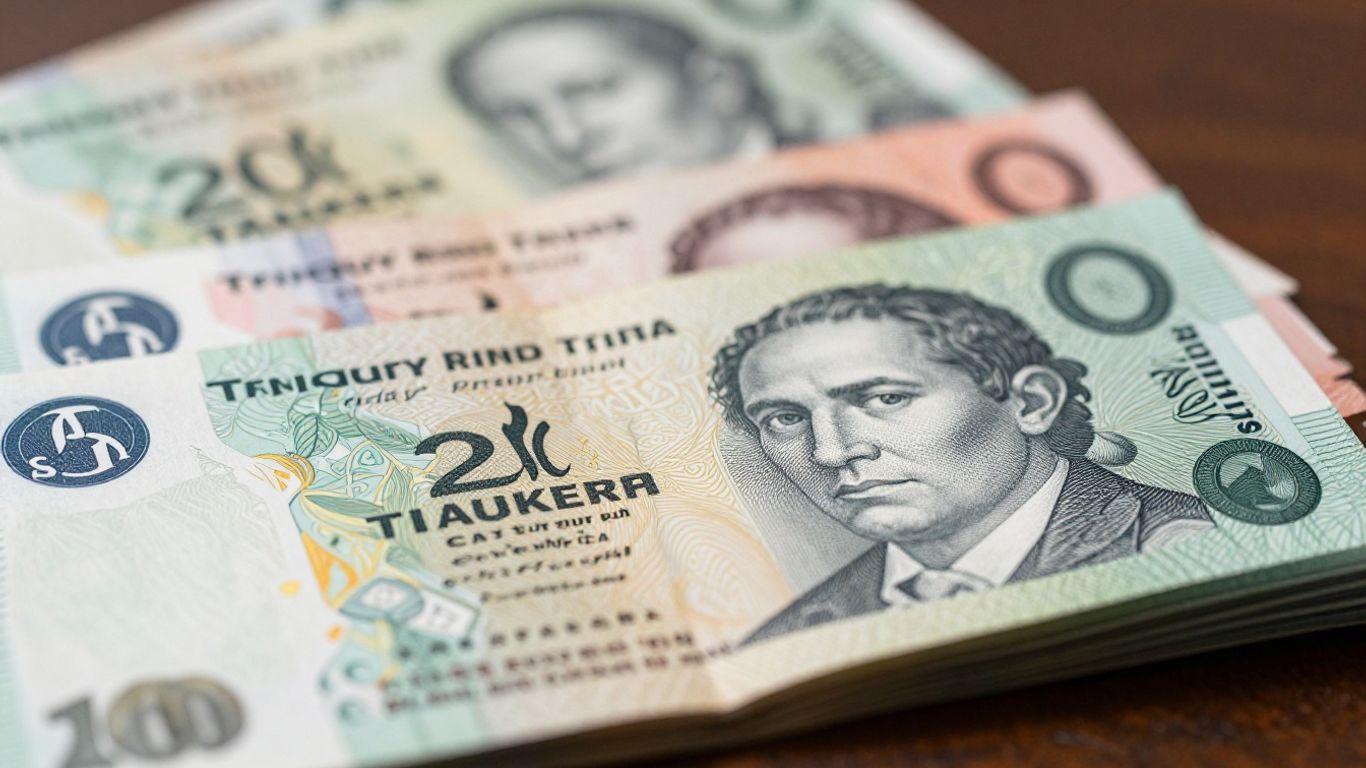
When we talk about investing in Australia, Treasury Bonds (TBs) are often one of the first things that come to mind for a lot of people. They’re basically IOUs from the Australian government, issued for medium to long-term periods, usually more than 10 years. Think of it as lending money to the government for a good chunk of time.
These are fixed-interest bonds. That means the interest rate you get, known as the coupon, is set when the bond is issued and doesn’t change throughout its life. So, you know exactly what you’ll be earning over the years. This predictability is a big drawcard for many investors looking for a steady income stream. Unlike corporate bonds, which can be a bit riskier because companies might struggle, government bonds are generally considered super safe. The government has a lot more ways to get its hands on cash if things get tight, which means the risk of them not paying you back is pretty low. Because of this lower risk, the returns are usually a bit lower too – you don’t get paid as much for taking less risk.
Here’s a quick rundown of what makes them tick:
- Issued by: The Australian Government.
- Maturity: Typically over 10 years, sometimes up to 30 years.
- Interest Payments: Fixed coupon payments, usually made every six months.
- Risk Level: Considered very low risk due to the government backing.
- Returns: Generally lower than riskier investments, but predictable.
It’s important to remember that while the coupon rate is fixed, the market price of a Treasury Bond can go up and down before it matures. If interest rates in the wider economy rise after you’ve bought your bond, the value of your existing, lower-interest bond might fall if you wanted to sell it on the market. Conversely, if rates fall, your bond could become more valuable. This is a key point to grasp when considering Australian bond yields and how they move. You can buy these bonds directly through the ASX or via an online trading platform, often with a minimum investment around $100 face value, though brokers might have different minimums. It’s a solid option for those prioritising capital preservation and a reliable income, especially in uncertain economic times. Understanding the basics of the bond market is always a good idea, particularly when global financial markets are a bit shaky.
While the idea of a ‘bull market’ in bonds sounds great, the reality for many long-term government bonds is that while yields have fallen over decades (meaning prices have risen), the actual returns have become more modest over time. Don’t expect the sky-high returns of the past; focus on the stability and predictable income they offer today.
Treasury Indexed Bonds
Treasury Indexed Bonds, or TIBs as they’re often called, are a bit different from your standard fixed-rate bonds. These are designed to help your investment keep pace with inflation. Basically, the value of your TIB and the interest payments you receive are adjusted based on changes in the Consumer Price Index (CPI). This means that if prices go up across the board, your bond’s value and the income it generates should also go up, helping to protect your purchasing power. It’s a way the government tries to offer a bit of security against rising costs.
When you’re looking at TIBs, it’s good to know they’re issued by the Australian Government, which generally means they’re considered pretty safe. They’re a type of debt security, so you’re essentially lending money to the government for a set period. In return, you get those inflation-adjusted interest payments and your principal back when the bond matures. The interest rate itself, the coupon, doesn’t change, but the amount it’s applied to does, thanks to that CPI adjustment. This is a key difference from regular Treasury Bonds where the interest payment is fixed for the life of the bond.
Here’s a quick rundown of what that means for you:
- Inflation Protection: The primary drawcard is that TIBs aim to preserve the real value of your investment against rising prices.
- Government Backing: Like other Australian Government bonds, they carry a high credit rating, making them a lower-risk option compared to corporate bonds.
- Adjustable Returns: While the coupon rate is fixed, the actual dollar amount of interest paid fluctuates with the CPI.
- Maturity Value: At maturity, you receive the face value of the bond, adjusted for inflation over its term.
Investing in Treasury Indexed Bonds can be a sensible move if you’re concerned about inflation eroding the value of your savings. They offer a way to maintain the real return on your investment, which is particularly appealing in uncertain economic times. While they might not offer the highest returns compared to riskier assets, their stability and inflation-hedging qualities make them a solid choice for a portion of a diversified portfolio.
If you’re interested in buying these, you can often find them through platforms that allow you to trade exchange-traded Treasury Indexed Bonds. The minimum investment for these exchange-traded versions is typically around $100 face value, though buying through a broker might involve different minimums and fees. It’s worth checking out the latest Treasury Bond issuance figures to get a sense of the market.
Treasury Notes
Treasury Notes, often just called T-Notes, are a pretty common way for the Australian government to borrow money. Think of them as a loan you’re giving to the government for a set period, usually between one and ten years. They’re considered a pretty safe bet because, well, it’s the government, right? They’re not going to suddenly go bust like a small business might.
When you buy a Treasury Note, you’re essentially agreeing to lend the government a certain amount of cash. In return, they promise to pay you regular interest payments, usually twice a year, and then give you your original investment back when the note matures. The interest rate, or coupon, is fixed when the note is issued, so you know exactly what you’ll be earning throughout its life. This predictability is a big draw for a lot of investors, especially those who want a steady income stream without too much fuss.
Here’s a quick rundown of what you generally get with Treasury Notes:
- Maturity Periods: Typically range from 1 to 10 years, offering flexibility for different investment horizons.
- Interest Payments: Usually paid out semi-annually, providing regular income.
- Fixed Coupon Rate: The interest rate is set at issuance and doesn’t change, offering certainty.
- Government Backing: Considered low-risk investments due to the backing of the Australian government.
It’s worth remembering that while T-Notes are safe, their prices can still fluctuate on the secondary market before they mature. If interest rates go up after you buy your note, the market value of your existing note might dip a bit because newer notes will be offering a higher interest rate. Conversely, if rates fall, your note could become more valuable. This is something to keep in mind if you think you might need to sell your T-Note before its official end date. The yields on government debt can give you an idea of how the market is valuing these types of investments at any given time.
Investing in Treasury Notes can be a solid part of a diversified portfolio. They offer a balance of security and predictable income, making them a go-to for many looking to preserve capital while earning a modest return. They’re a straightforward way to participate in the fixed-income market without taking on significant risk.
Treasury Discount Securities
Treasury Discount Securities (TDS) are a bit different from your usual bonds. Instead of paying regular interest, you buy them at a price lower than their face value, and then when they mature, you get the full face value back. The difference between what you paid and the face value is essentially your profit. Think of it like buying something for $90 that you know will be worth $100 in a year. It’s a short-term thing, usually with a maturity of one year or less, making them a handy option if you’ve got some cash you want to put to work for a short period without locking it up for ages.
These securities are issued by the Australian government, so they’re generally considered pretty safe. The government needs funds for various things, and selling these short-term securities is one way they do it. Because they’re short-term and backed by the government, the returns aren’t usually sky-high, but they offer a predictable outcome. You know exactly what you’ll get back at maturity, assuming you hold onto it.
Here’s a quick rundown:
- How they work: You purchase them at a discount to their face value.
- Maturity: Typically one year or less.
- Return: The profit is the difference between the purchase price and the face value received at maturity.
- Risk: Generally low, as they are government-backed.
When you’re looking at your investment options for 2026, TDS could fit into a portfolio if you’re after something low-risk and short-term. They’re not going to make you rich overnight, but they can provide a stable, albeit modest, return. It’s worth checking out the current yields available, as these can fluctuate based on market conditions. You can often buy these through brokers, similar to other government securities, so it’s worth comparing fees and minimum investment amounts. Remember, even with government-backed investments, it’s always a good idea to do your homework and understand exactly what you’re buying into. The Australian Treasury sometimes releases information on upcoming securities, which can be useful to keep an eye on.
Investing in Treasury Discount Securities means you’re essentially lending money to the government for a short period. The government uses these funds for its operations, and in return, you get your money back with a small profit. It’s a straightforward transaction, designed for stability rather than high growth.
Infrastructure Bonds
Infrastructure bonds are a bit different from your typical government bonds. Instead of funding general government operations, these are specifically used to finance big-ticket infrastructure projects across Australia. Think roads, bridges, public transport, and even utilities. They’re a way for investors to put their money into the physical backbone of the country.
These bonds can be issued by various entities, including government bodies or private companies involved in infrastructure development. The idea is to raise capital for projects that are often too large or too long-term for standard financing. The returns on these bonds are generally tied to the success and revenue generated by the specific infrastructure project they fund.
Why would you consider them? Well, the outlook for infrastructure investment in 2026 is looking pretty solid. Things like the growing need for power and data, driven by advancements in AI, are pushing demand. Plus, the push towards decarbonisation and supportive government policies are creating more opportunities in this sector. It means there’s a real need for these kinds of projects to get off the ground.
Here’s a quick rundown of what makes them tick:
- Purpose: Fund essential infrastructure development and upgrades.
- Issuer: Can be government agencies or private corporations.
- Risk Profile: Generally considered moderate, depending on the project’s specifics and the issuer’s financial health.
- Returns: Often linked to the project’s performance, offering potentially higher yields than some government bonds.
Investing in infrastructure bonds means you’re not just looking for a financial return; you’re also contributing to tangible improvements in the country’s infrastructure. It’s a way to align your investments with national development goals. Many Australian pension funds are already putting significant amounts into infrastructure, showing confidence in its growth potential.
When you look at infrastructure bonds, it’s important to check out the specific project they’re backing. Some might be for new renewable energy plants, while others could be for upgrading existing road networks. The details matter for understanding the potential risks and rewards.
Defence Bonds
Defence Bonds are a bit of a niche, but interesting, option for investors looking to support Australia’s defence initiatives. Essentially, when you buy a Defence Bond, you’re lending money to the government specifically to fund major defence projects. It’s a way to get involved in the nation’s security spending while potentially earning a return.
These bonds offer a way for everyday Australians to contribute to significant defence procurement and development. Think of it as investing in the country’s future security capabilities. While they might not be as widely discussed as Treasury bonds, they serve a specific purpose in government financing.
- Directly fund national defence projects.
- Provide exposure to Australia’s defence industry.
- Offer a fixed-income investment with government backing.
The interest rate on Defence Bonds is generally fixed for the life of the bond, providing predictable income. Like other government securities, they are considered relatively safe investments. However, it’s always wise to check the specific terms and conditions, including maturity dates and any potential early redemption rules, before committing your funds. Understanding the investment outlook for fixed income can help you gauge how these types of bonds might fit into your broader strategy.
Investing in Defence Bonds means your money is earmarked for specific national security initiatives. It’s a unique blend of patriotic contribution and financial investment, offering a steady return while supporting the country’s defence capabilities.
Corporate Bonds
While government bonds are often the first thing people think of when they hear the word ‘bonds’, companies also issue their own debt. These are called corporate bonds. Basically, when you buy a corporate bond, you’re lending money to a company, just like you would lend money to the government when you buy a government bond. The company promises to pay you back the original amount you lent them on a specific date, and in the meantime, they’ll pay you regular interest.
The main difference between corporate bonds and government bonds comes down to risk and reward. Because companies aren’t backed by the government, they’re generally seen as a bit riskier. If a company runs into serious financial trouble, there’s a higher chance it might not be able to pay back its debts compared to a government. To make up for this extra risk, corporate bonds usually offer higher interest rates, or yields, than government bonds. It’s a bit of a trade-off: potentially more return for a bit more risk.
Here’s a quick rundown of what to expect:
- Higher Yields: As mentioned, companies typically offer better interest rates to attract investors, compensating for the increased risk.
- Variety of Issuers: You’ll find corporate bonds from all sorts of companies, from big, well-established ones to smaller, growing businesses. This means there’s a wide range of credit quality and risk levels to consider.
- Credit Ratings Matter: Just like with government bonds, the credit rating of the company issuing the bond is super important. Ratings agencies assess how likely the company is to repay its debts. A higher rating (like AAA or AA) means lower risk and usually a lower yield, while a lower rating (like BBB or below) means higher risk and potentially a higher yield.
- Maturity Dates: Corporate bonds also have set maturity dates, when you get your principal back. These can vary quite a bit, from just a year or two to much longer terms.
When you’re looking at corporate bonds, it’s a good idea to check out how different ones stack up. You might find that some bond ETFs, like the iShares Core Composite Bond ETF, offer exposure to a mix of corporate and government debt, which can help spread out your risk.
Investing in corporate bonds means you’re essentially betting on a company’s ability to succeed and repay its debts. It’s a way to potentially earn more income than with government bonds, but you need to be comfortable with the added risk that comes with lending to a private entity. Always do your homework on the specific company and its financial health before investing.
It’s worth noting that you can buy corporate bonds directly from the company (though this is less common for individual investors) or through brokers and managed funds. Some investors also look at bond funds or ETFs that hold a basket of corporate bonds, which can simplify the process and offer diversification.
Exchange Traded Treasury Bonds
So, you’re looking at Exchange Traded Treasury Bonds, or eTBs as they’re often called. Think of these as a way to get your hands on Australian Government Bonds without all the usual fuss. They trade on the Australian Securities Exchange (ASX) just like shares, which makes them pretty easy to buy and sell if you’ve got a brokerage account.
The main drawcard here is accessibility; you can get started with as little as $100 face value. This is a big deal compared to some other ways of buying government debt directly, which can have much higher minimums.
Here’s a quick rundown of what you might want to know:
- How they work: eTBs are essentially loans you’re giving to the Australian Government. In return, they pay you a fixed interest rate, known as the coupon, usually twice a year. When the bond reaches its expiry date (maturity), you get your original investment back.
- Trading: Because they’re traded on the ASX, their price can go up and down based on what’s happening in the market. If interest rates generally go up, the price of existing bonds with lower fixed rates might fall. Conversely, if rates fall, older, higher-rate bonds can become more attractive.
- Risk: While Australian Government Bonds are generally considered very safe because they’re backed by the government, they aren’t completely risk-free. The main risk is interest rate changes affecting the market price if you decide to sell before maturity. Inflation can also eat into the real return you get.
Investing in eTBs means you’re essentially lending money to the government. They promise to pay you back with interest. It’s a pretty straightforward arrangement, but like anything, it’s good to know how the market can influence the value of your investment before you commit.
If you’re keen to get involved in the Australian Government bond market, eTBs offer a convenient and accessible method to do so. They’re a solid option for those looking for a relatively stable investment, especially when considering the potential impact of rising yields and global risks on the broader market in 2026.
Exchange Traded Treasury Indexed Bonds
Exchange Traded Treasury Indexed Bonds, or eTIBs, are a bit of a niche but interesting option for investors looking to protect their capital against inflation. Unlike regular Treasury Bonds where the interest rate is fixed, with eTIBs, the principal amount you invested, and therefore the interest payments you receive, actually adjust with the Consumer Price Index (CPI). So, if inflation goes up, the value of your investment and the interest it pays also goes up. This makes them a handy tool for trying to maintain your purchasing power over time.
Buying these bonds is pretty straightforward. You can pick them up on the ASX, just like shares, through an online broker. The minimum investment is quite accessible, usually around $100 of the face value, making them available to a wider range of investors. You can buy them in small increments, but if you’re going for larger amounts, you might deal directly with a broker. The coupon payments, which are the interest you get, are typically made quarterly. The total traded volume for treasury indexed bonds in May 2026 was quite substantial, showing there’s definitely activity in this market [a4cf].
Here’s a quick rundown of what to keep in mind:
- Inflation Protection: The main drawcard is that they’re linked to inflation, so your investment’s real value should hold up.
- Accessibility: You can buy and sell them on the ASX, and the minimum investment is relatively low.
- Quarterly Payments: You’ll receive interest payments every three months.
- Market Fluctuations: While they protect against inflation, their market price can still move around based on interest rate changes and overall market sentiment, especially if you decide to sell before maturity.
It’s worth remembering that even though they’re government-backed, their market value can change. If interest rates rise, the price of existing bonds, including eTIBs, might dip. Conversely, if rates fall, they could become more attractive. So, while they offer a layer of protection against rising prices, they aren’t entirely immune to market forces.
Investing in eTIBs means you’re essentially betting that inflation will continue, and you want your returns to keep pace with it. They’re not designed for rapid growth but more for steady, inflation-adjusted returns, which can be a good component of a balanced portfolio if that’s your goal.
Australian Government Bonds

When we talk about investing in Australia, Australian Government Bonds often pop up as a pretty solid choice, especially when things get a bit wobbly in the wider economy. Basically, when you buy one, you’re lending money to the government. They promise to pay you back the original amount, called the principal, after a set time, and they’ll also pay you regular interest payments along the way. It’s a way for the government to raise funds for all sorts of things, from building roads to managing unexpected costs.
Many people see these bonds as a safer bet compared to, say, shares. They can help balance out the riskier parts of your investment portfolio and even give you a bit of extra income. Plus, Australia has a pretty good reputation globally for managing its economy, which adds to the appeal.
Here’s a quick look at what you might find:
- Treasury Bonds: These are the standard bearer, offering fixed interest payments over a longer term.
- Treasury Indexed Bonds (TIBs): These are a bit different because their interest payments change with inflation, based on the Consumer Price Index (CPI).
- Treasury Notes: Think of these as the short-term cousins, maturing in less than a year.
- Treasury Discount Securities: Similar to Treasury Notes, these are also short-term, but they’re sold at a discount to their face value and don’t pay regular interest.
The appeal of government bonds often grows when interest rates on offer are better than what you’d get from a bank. It’s a way to get a steady, predictable cash flow, which is handy when market returns are uncertain. You can buy these bonds through brokers on the ASX, or sometimes directly from state governments. For instance, you can find ETFs that hold a collection of these bonds, like the SPDR S&P/ASX Australian Government Bond ETF (GOVT), which gives you broad exposure.
Before you jump in, it’s smart to look at the credit rating of the issuer – higher ratings mean less risk of default. Also, consider the maturity date (when you get your principal back) and the yield (your return). Longer maturities and lower credit ratings usually mean higher yields, but with more risk.
When considering your investment, remember that bond prices can move. If interest rates go up after you buy a bond, its market value might drop, which matters if you plan to sell before it matures. On the flip side, if rates fall, your bond might become more valuable. It’s a bit of a balancing act, and understanding these dynamics is key to making a good choice for your financial goals. You might even find specific government bonds maturing in 2026, like the AU2CLT100760 issuance, which could align with your investment timeline.
Wrapping It Up
So, looking at 2026, it seems Australian bonds are shaping up to be a pretty sensible choice for a lot of people. With the economy doing its usual ups and downs, having something stable in your investment mix makes a lot of sense. Whether you’re after that steady income or just want to cushion the blow if the share market gets a bit wild, bonds can do that. Remember, though, it’s not a one-size-fits-all deal. Have a good think about what you want to get out of your investments and maybe have a yarn with a financial advisor. Doing your homework on the specific bonds available, like checking out what the ASX or the Australian Office of Financial Management has to say, is always a good move too. Don’t forget to read all the fine print before you commit.
Frequently Asked Questions
What exactly is a bond?
Think of a bond as an IOU. When you buy a bond, you’re basically lending money to the government or a company. They promise to pay you back the original amount after a set time, and in the meantime, they’ll pay you regular interest, like a thank you for the loan.
Are Australian Government Bonds safe?
Generally, yes, Australian Government Bonds are considered quite safe. This is because the government is very reliable when it comes to paying back its debts. They’re a good choice if you’re looking for a more stable investment compared to things like shares.
How do bonds help balance my investments?
Bonds can be like a steady hand in your investment portfolio. While shares can go up and down a lot, bonds tend to be more stable. This means if the share market takes a tumble, your bonds can help cushion the blow, keeping your overall investments more balanced.
Can I buy bonds easily in Australia?
You sure can! You can buy Australian Government Bonds through online share trading platforms or sometimes directly from state governments. There are also special types of bonds you can buy and sell on the stock exchange, making them easier to access for everyday investors.
What’s the difference between a Treasury Bond and a Treasury Indexed Bond?
A regular Treasury Bond pays a fixed interest rate that doesn’t change. A Treasury Indexed Bond, on the other hand, adjusts its interest payments based on inflation. So, if prices go up, the interest you get from an indexed bond might also go up to keep pace.
Do I get regular payments from bonds?
Yes, most bonds provide regular interest payments, often paid every six months. This gives you a predictable stream of income, which can be really handy for planning your expenses, especially when other investments might be unpredictable.