Key Takeaways
Transitioning to solar hot water heating is a significant investment that pays off through reduced utility bills and long-term energy savings. Understanding the total cost involves accounting for hardware, installation, and available government support.
- Solar systems rely on renewable energy to offset ongoing electricity dependence.
- Tank size and collector efficiency are primary drivers of system costs.
- Government rebates like STCs can significantly reduce the initial purchase price.
- Professional installation ensures safety and long-term performance compliance.
- Seasonal maintenance is essential to preserving the life of your unit.
Understanding the components of a solar hot water system price
Investing in a solar thermal system requires a clear view of how hardware and engineering combine to create a functional and cost-effective unit. While prices fluctuate based on technology and local demand, understanding specific cost drivers helps clarify the total outlay. From the storage unit to the roof-mounted panels, every piece plays a specific role in your daily water supply.
Storage tank capacity and material costs
The central storage tank acts as your primary water reservoir, and its volume typically scales with the number of occupants in a home. Premium materials like stainless steel or high-grade glass-lined steel offer superior longevity but come with an increased price tag. When you consider home improvement projects such as these, remember that the tank is the foundation of your investment.
Collector types: flat plate vs. evacuated tubes
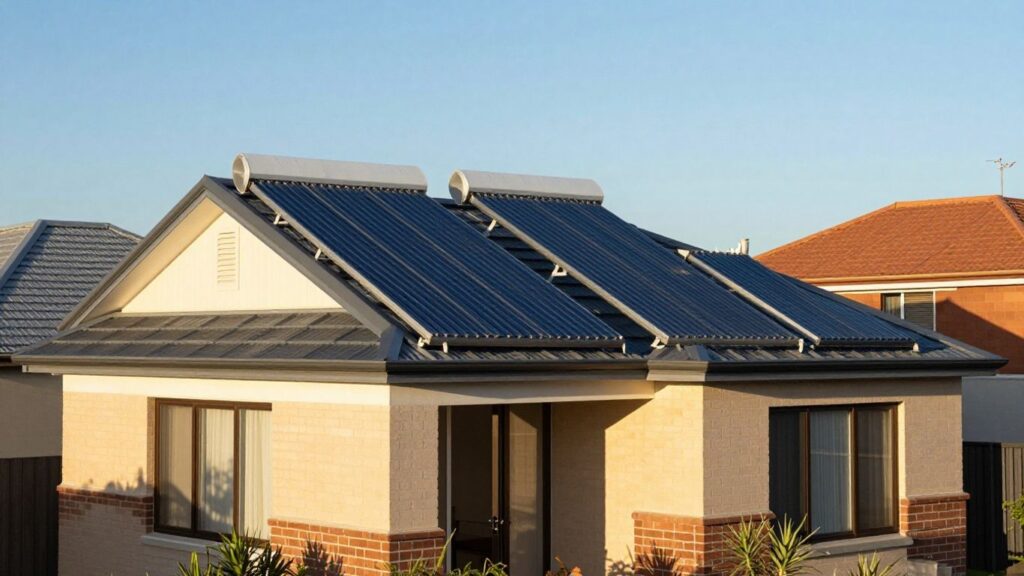
Solar collectors are the heart of the system, responsible for transferring heat from the sun to your water. Flat plate collectors are standard, cost-effective solutions for most regions, while evacuated tubes offer better performance in cooler climates. Choosing between them often highlights the difference between upfront affordability and year-round performance efficiency.
| Collector Type | Efficiency Rating | Cost Level | Maintenance Need |
|---|---|---|---|
| Flat Plate | Moderate | Lower | Low |
| Evacuated Tube | High | Higher | Moderate |
| Integrated Passive | Low | Lowest | Minimal |
The data provided shows how collector choices influence efficiency. A solar water heater upgrade requires selecting the right technology for your specific environmental conditions and household demand.
Associated hardware and connection piping
Beyond the major components, the hardware required for stable plumbing is often underestimated. You need specialized insulation for piping to prevent heat loss, as well as sensors and controllers to manage system flow. Ensuring high-quality copper and fittings will help prevent slab leak vulnerabilities, protecting both your plumbing system and your building foundation.
Comparing installation costs across Australia
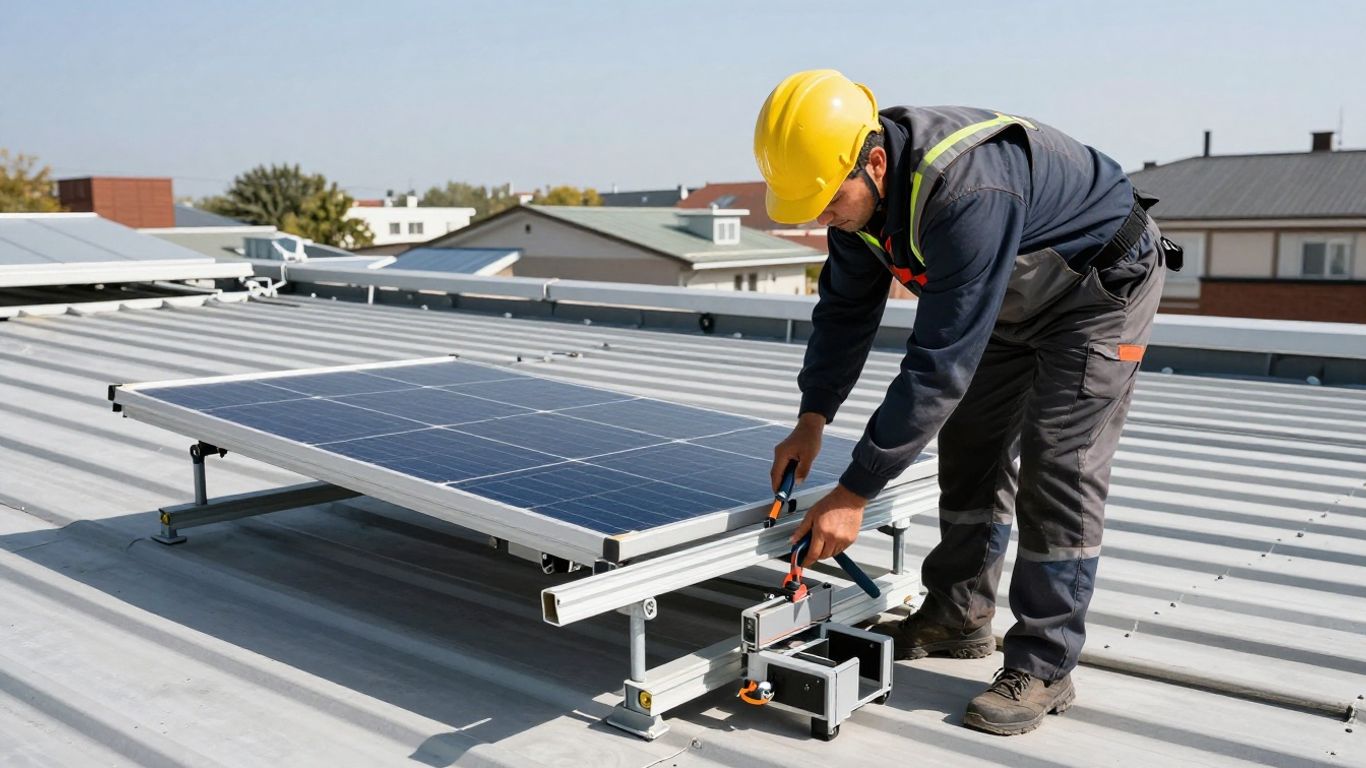
Installation costs vary significantly depending on where you reside and the complexity of your property layout. Access to skilled tradespeople and local logistics can influence the final quote provided by your chosen firm. Homeowners should plan for a range of professional fees associated with labor and site preparation.
Labor rates and tradesperson availability by state
Labor costs fluctuate based on regional demand and the availability of licensed specialists. In remote areas, you might face additional charges for permit travel, whereas major urban centers maintain competitive rates due to a larger pool of qualified contractors. When evaluating these costs, remember that professional installation is the key to an efficient solar water heater implementation.
Site-specific challenges and roof reinforcement
Installing heavy collectors on an existing roof often requires additional framing or reinforcement to meet building safety standards. If your current roof structure cannot support the weight, installers must undertake structural upgrades before proceeding with the solar setup. These specialized repairs are separate from the core system cost but are mandatory for a compliant install.
Plumbing upgrades required for older buildings
Older homes may feature outdated piping diameter or pressure relief configurations that struggle to integrate with modern solar technology. Retrofitting these systems requires skilled labor to ensure everything functions within safety parameters. While Maui wedding planning is about luxury, home plumbing and hotel discounts are about pragmatic optimization of your domestic resources.
Leveraging government rebates and financial incentives
Navigating the financial landscape of solar installations is easier with a working knowledge of available subsidies. Government schemes are designed to lower the barrier to entry, moving the needle on your solar hot water system price significantly in the right direction. Always verify the current status of these benefits before finalizing your purchase agreement.
Understanding small-scale technology certificates (STCs)
Small-scale technology certificates are tradable assets that effectively reduce your upfront investment at the point of sale. These certificates reward you for generating renewable energy, which contractors usually discount from your quote immediately. The number of certificates you receive depends on the displacement of electrical grid usage, meaning larger, more efficient systems often attract higher financial rewards.
State-specific solar grants and rebate eligibility
Many state agencies offer additional incentives that operate alongside national programs for added savings. These grants might come in the form of interest-free loans or direct cash rebates specifically targeting households aiming for a lower carbon footprint. Checking your local state energy department ensures you capture every available discount currently in effect.
Impact of environmental zones on total rebate values
Australia is partitioned into different environmental zones based on solar irradiance and average annual temperatures. These zones directly influence the size of your rebate, as systems in high-sunlight regions are viewed as more effective at carbon displacement. Knowing your zone is critical for predicting how much of the initial cost is covered by federal or regional grants.
Evaluating long-term maintenance and operating costs
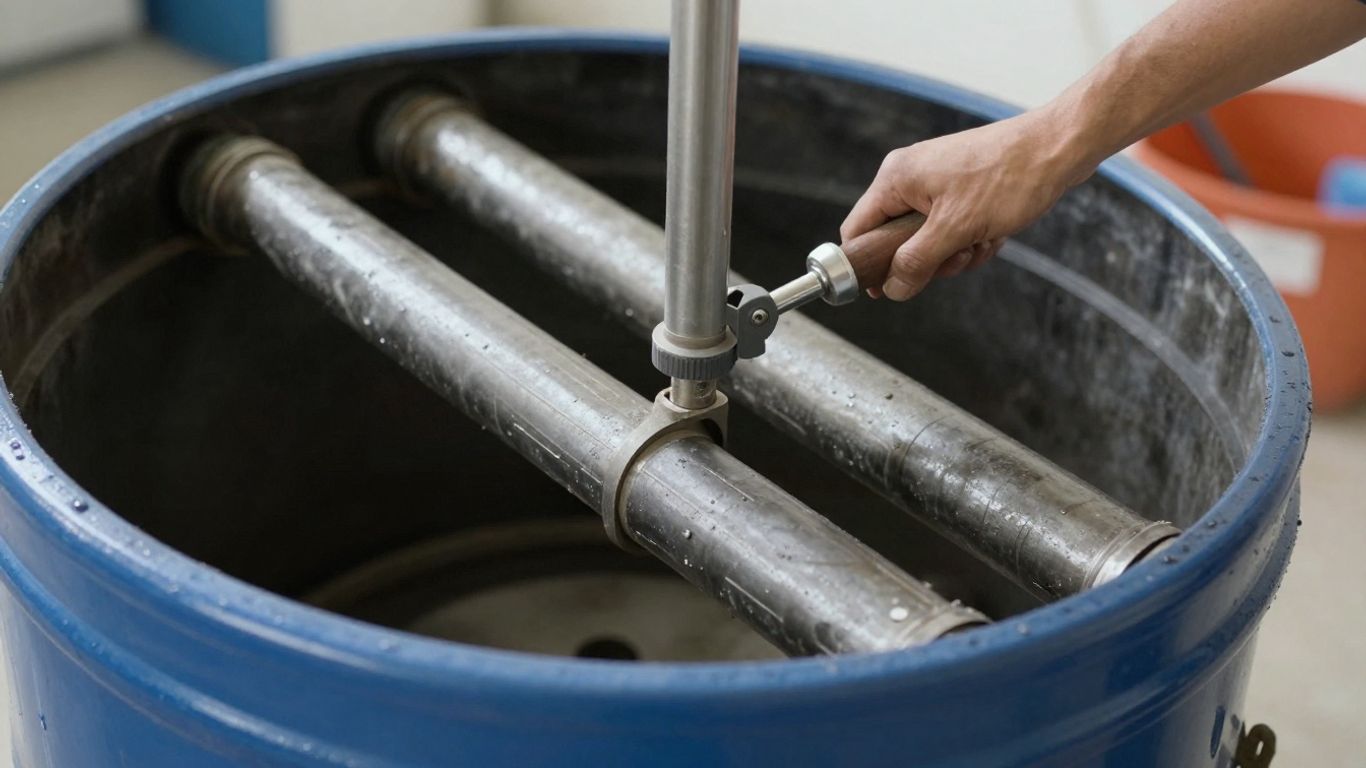
Maintaining your solar unit is the best way to ensure the expected service life remains realistic. Most households perform basic checks to verify that water temperature is steady and that pressure release valves are functioning. A well-maintained unit is a reliable solar water heater that serves your household for many years without failure.
Frequency and cost of anode replacements
Anodes are sacrificial elements that prevent the corrosion of the inner tank lining and must be checked every few years. Neglecting this simple replacement can drastically shorten the tank lifespan, leading to expensive full-system failure. Regularly scheduling this service is one of the most cost-effective ways to protect your long-term efficiency.
Managing seasonal performance drops
During periods of low solar yield, such as winter or prolonged cloudy intervals, your system will rely more heavily on its backup electric or gas booster. While this is normal, homeowners should monitor their booster activity to ensure they are getting the best performance from their panels. Understanding the Texas home listing of costs is easier than predicting annual weather, but the same principle of preparation applies to your energy bill.
Expected service life and warranty trade-offs
Investing in a system with an extended warranty often reduces your concern over potential repair costs during the first decade. Always look for coverage that includes both the tank and the solar collectors to ensure full protection. While premium warranties come at a higher price, they provide peace of mind that a basic entry-level package simply cannot match.
Solar hot water versus heat pump water heaters
Comparing different types of energy-efficient water heating helps homeowners decide which path yields the best long-term value. Solar thermal systems and heat pump models both excel at reducing power bills. Choosing between them depends on your property layout, your budget constraints, and your local climate profiles.
Upfront purchase price comparison
Solar thermal units typically carry a higher initial cost due to the roof-mounted installation and specialized collector hardware. Heat pump water heaters are generally more affordable at the start because they don’t require intrusive roof modifications. Both options require a substantial investment, but the initial barrier to entry is almost always lower with a heat pump setup.
Energy efficiency and ongoing electricity savings
Both systems offer significant utility savings compared to standard resistance heating. Solar systems leverage the sun directly, which is entirely free, while heat pumps pull heat energy from the surrounding air. When sunlight is abundant, the solar system is hard to beat, though modern heat pumps are remarkably consistent performers in various ambient conditions.
Climate suitability and performance limitations
If you live in a region with excellent sun exposure, solar hot water is a natural choice. Heat pumps, however, provide more stability in regions where cloud cover is frequent and temperatures drop consistently below freezing. Selecting the option that best fits your climate ensures that you don’t face unexpected performance drops throughout the calendar year.
Tips for obtaining accurate quotes from installers
Securing a fair price begins with gathering detailed estimates from reputable contractors. Transparency is your most effective tool when negotiating the final cost of your home infrastructure. Always insist on a line-item breakdown so you understand exactly what you are paying for.
Comparing itemised quotes for pricing transparency
Always ask for quotes that separate labor, hardware, and any permit fees required for completion. This breakdown allows you to compare like-for-like options from different providers, ensuring you aren’t paying for hidden overheads. You can also look for CEC-accredited installers to ensure they follow national standards for quality and safety.
Vetting installers for CEC accreditation and trade history
Professional history and accreditation are vital indicators of a contractor’s reliability. Choosing an installer with a proven record of successful rooftop projects reduces the likelihood of future leaks or ineffective plumbing connections. Never rely on the cheapest quote alone; balance price against the expertise and history of the business you hire.
Accounting for local council permit and inspection fees
Local councils often require specific permits for solar installations, particularly if the work affects structural integrity or electrical mains. These costs vary by council and must be factored into your total budget before the installation date. Make sure your chosen installer handles the application process, ensuring that all paperwork is completed accurately.
Conclusion
Making the switch to solar hot water is a smart financial move that balances upfront costs with long-term energy savings. By considering your specific needs, taking advantage of state and federal incentives, and hiring qualified professionals, you can ensure a smooth transition that lowers your household carbon footprint and provides reliable service for years to come.
Frequently Asked Questions
How long does a solar hot water system typically last?
Most modern solar hot water systems are designed to provide between 15 and 20 years of reliable service with proper maintenance. The longevity of your unit often depends on the quality of the tank, the environment where you live, and whether you keep up with scheduled anode replacements.
Can I install a solar system on any roof?
While most roofs are suitable, professional installers must confirm that your structure can support the weight of the water-filled collectors and tanks. They will also evaluate the orientation and pitch of your roof to ensure your collectors can maximize solar gain throughout the day.
Does a solar system require high maintenance?
Solar hot water is relatively low maintenance compared to other home systems, though it is not maintenance-free. Basic annual checks of the pump and valves are recommended, along with periodic tank anode replacements every few years to prevent internal corrosion.
Will my hot water run out on cloudy days?
Every solar system includes a backup booster, which is typically electric or gas, to ensure you have hot water even when the sun is not shining. This booster automatically engages when the water temperature drops below a preset level, providing consistent access to hot water regardless of the weather.
Are there hidden costs to watch for when getting quotes?
Always verify that your quote includes electrical work, plumbing modifications, and permit application fees. Some installers provide a "base" price that excludes these essential services, which can lead to unexpected budget blowouts later in the project.
Can I claim rebates for replacement systems?
Eligibility for rebates and STCs depends on the specific program guidelines in your state at the time of purchase. Most government programs apply whether you are installing a system in a new home or replacing an obsolete, inefficient water heater with a modern solar alternative.
Is it better to choose flat plate or evacuated tubes?
The best choice depends on your specific local climate and budget. Flat plate collectors offer excellent value for most Australian homes, while evacuated tubes are generally preferred in colder climates where keeping heat in the collectors is more challenging during winter months.