Key Takeaways
Choosing the right D cell depends on the device, how often it is used and whether convenience or long-term value matters most.
- Check the device manual before choosing a battery chemistry or capacity.
- Alkaline batteries suit many everyday devices, while NiMH batteries can reduce waste with regular use.
- Higher mAh ratings generally indicate more stored charge in rechargeable batteries, but output also matters.
- Do not mix old and new batteries, or different chemistries, in the same device.
- Store, recycle and replace D batteries carefully, especially in Australia’s warm conditions.
Understand what D batteries are used for
D batteries are large cylindrical cells designed for devices that need more current or longer running time than smaller household batteries can usually provide. They are commonly sold as either single-use or rechargeable cells, with chemistry affecting voltage, capacity and performance. Although many modern products use built-in lithium-ion packs, D batteries remain useful in torches, radios and other equipment. Understanding the device first makes the buying decision much simpler.
Common devices that require D batteries
D cells are often found in large torches, portable radios, lanterns, megaphones, some toys and selected emergency or camping equipment. They are also used in certain older appliances and instruments, so the shape alone is not enough to identify a suitable replacement. Look inside the battery compartment or consult the manual for the required size and number of cells.
A device designed for two, three or four D batteries needs the correct total voltage as well as the correct physical fit. If the compartment specifies LR20, that generally refers to an alkaline D cell, while R20 identifies a zinc-carbon version. Those labels are useful clues, but the manufacturer’s instructions should take priority.
Why D batteries suit high-drain equipment
The larger body of a D cell can hold more active material than an AA or C cell, giving suitable designs greater stored energy and the ability to support devices for longer periods. That does not mean every D battery performs identically. A cheap cell in a demanding torch may disappoint, while a suitable rechargeable cell can be a better choice for equipment used frequently.
The device’s current demand matters just as much as its physical size. Motors, bright lights and speakers may draw power in bursts, so a battery with consistent discharge performance is often preferable to one chosen only for a large printed capacity. Match the battery to the workload, not just the shelf price.
D batteries compared with AA and C batteries
D cells are wider and longer than C cells, and both are substantially larger than AA cells. They are not interchangeable, even if a device could theoretically operate at a similar nominal voltage. Adapters can change the physical fit in some products, but they do not turn a smaller cell into a higher-capacity D battery.
For a quick comparison, the practical difference is usually about available energy, space and weight. A D battery can run for longer in an appropriate device, while AA batteries are easier to carry and more widely used in compact electronics. The best size is the one specified by the equipment, rather than the one that happens to be cheapest.
Checking device compatibility before buying
Before purchasing, read the battery label in the compartment and check the manual for chemistry, voltage, quantity and any rechargeable-battery warning. Some devices are designed around 1.5-volt primary cells and may behave differently with 1.2-volt NiMH rechargeables. Also check whether the charger or power accessory has separate requirements.
A useful reference on standard sizes, terminal design and common chemistries is this D battery guide. It can help decode unfamiliar labels, but it should supplement rather than replace instructions supplied with the device.
Compare the main types of D batteries
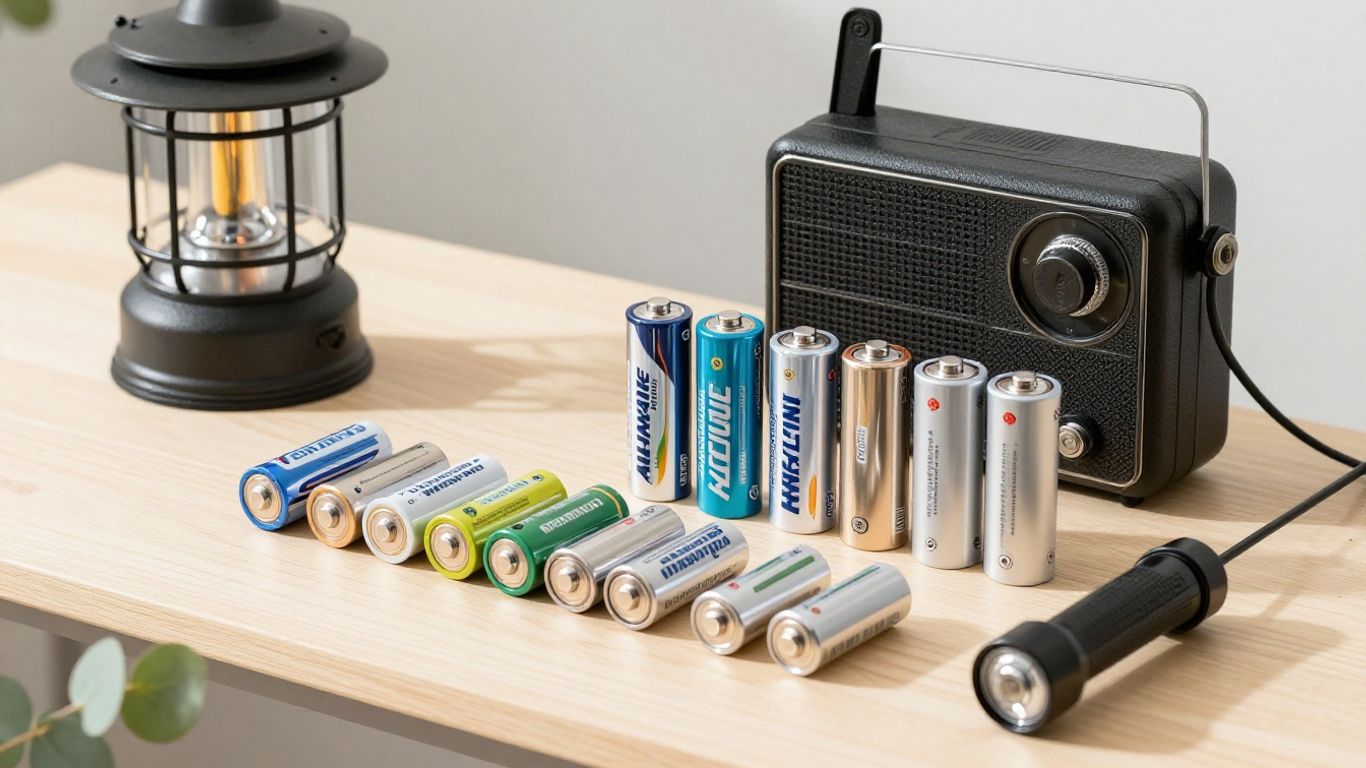
D batteries are available in several chemistries, and each has a different balance of price, capacity, shelf life and environmental impact. Alkaline is the familiar general-purpose option, while NiMH is usually considered when cells will be charged repeatedly. Lithium and zinc-carbon cells have more specific roles. The right answer depends on use, storage and the device’s tolerance for different discharge behaviour.
Alkaline D batteries for everyday use
Alkaline D batteries are a practical choice for many household devices, including lanterns, radios and toys. They are widely available, do not require a charger and normally provide a nominal 1.5 volts. For equipment used occasionally, that simplicity can outweigh the higher lifetime cost of disposable cells.
When comparing products, consider the device’s drain and the expected storage period rather than relying only on a familiar logo. Energizer MAX D, for example, is described as an alkaline D battery for everyday electronics and high-drain devices, with a stated shelf life of up to 10 years in the supplied product information.
Rechargeable NiMH D batteries for frequent use
Nickel-metal hydride, or NiMH, D batteries are designed to be charged and used repeatedly. Their nominal voltage is commonly lower than that of alkaline cells, so check compatibility before switching. They can make sense for lanterns, radios, toys or other equipment that consumes batteries regularly.
Capacity varies widely between rechargeable D cells. The product label should state the mAh rating, charging instructions and whether the cell is ready to use. A suitable charger is essential, and rechargeable batteries should not be treated as a drop-in replacement when the manual rules out their voltage or performance characteristics.
Lithium D batteries for long-term storage
Lithium D cells are not all the same: some are rechargeable, while others are specialised primary batteries. They can offer useful storage characteristics and strong performance in selected equipment, but availability and compatibility vary. Do not assume that a lithium-labelled cell is suitable simply because it fits the compartment.
Read the chemistry marking, nominal voltage and temperature guidance carefully. For emergency kits, compare the manufacturer’s stated shelf life with your storage needs and keep spare cells in their original packaging. A device manual remains the safest source for deciding whether a particular lithium chemistry is acceptable.
Zinc-carbon D batteries for basic applications
Zinc-carbon D batteries are an older, generally lower-cost chemistry suited to modest-drain applications. They may be adequate in a simple clock, basic torch or low-demand device, but they are less attractive where long running time or strong burst performance is required. Their lower purchase price does not necessarily make them the best value over repeated replacements.
If choosing zinc-carbon cells, use them in equipment that does not place a heavy load on the battery and monitor them during storage. Remove them from devices that will sit unused for a long period, since a leaking cell can damage contacts and surrounding plastic.
Choose the right capacity and performance
Capacity is only one part of battery performance. A rechargeable D battery may advertise a high mAh figure but still be a poor match for a device that needs a particular voltage or discharge rate. Primary batteries are often described by expected runtime rather than a directly comparable capacity figure. Reading the complete specification prevents misleading comparisons.
Understanding mAh ratings in rechargeable D batteries
The mAh rating means milliamp-hours, a measure of how much charge a rechargeable battery can store under specified test conditions. A higher number may support longer runtime, but real-world results depend on the device, discharge rate, battery age and temperature. Two cells with similar ratings may therefore perform differently in practice.
Look for the rated capacity, not just an informal marketing phrase such as “long lasting”. For example, the supplied information for EBL D Size Rechargeable Batteries states a 10,000 mAh capacity and NiMH chemistry. That is a product specification, not a guarantee of identical runtime in every device.
Comparing voltage and discharge performance
Most alkaline D cells have a nominal voltage of 1.5 volts, while NiMH D cells are commonly rated at 1.2 volts. The device may tolerate that difference, or it may show reduced brightness, volume or operating time. Some electronics also need a battery that can deliver current steadily when a motor or speaker starts.
Check whether the manufacturer lists operating voltage, maximum discharge current or a recommended chemistry. If the information is unclear, choose the chemistry specified in the manual rather than guessing from capacity alone. This is especially sensible for multi-cell equipment, where small differences are multiplied across the set.
Matching battery output to device demands
Start by classifying the equipment as low, moderate or high drain. A wall clock and a small radio usually place different demands on a battery from a high-output torch or motorised toy. The device manual may state expected runtime, recommended cells or a minimum performance level.
For regular use, keep a simple record of when batteries are installed and when they need replacement. These practical observations can be more useful than a headline capacity because they reflect your actual device, habits and local conditions. If performance drops quickly, investigate the device as well as the battery; dirty contacts or a fault can mimic a weak cell.
When high-capacity batteries are worth the cost
High-capacity rechargeable cells are most useful when a device is used often enough to justify their purchase price and the charger can maintain them properly. They are less compelling for an emergency torch that is used once a year, where a fresh primary battery may be simpler. Consider the number of cells required, expected charging cycles and replacement cost.
The comparison becomes clearer when viewed over time. A four-cell device used weekly may repay rechargeable batteries relatively quickly, while an occasional-use device may not. Capacity should support a sensible routine, not encourage buying the largest number printed on the packet.
Decide between single-use and rechargeable batteries
Disposable and rechargeable D batteries each solve a different problem. Single-use cells are convenient, widely available and easy to keep as emergency spares. Rechargeables require a charger and a little more attention, but can reduce the number of cells purchased when usage is high. A household’s pattern of use matters more than a blanket rule.
Calculating the long-term cost of each option
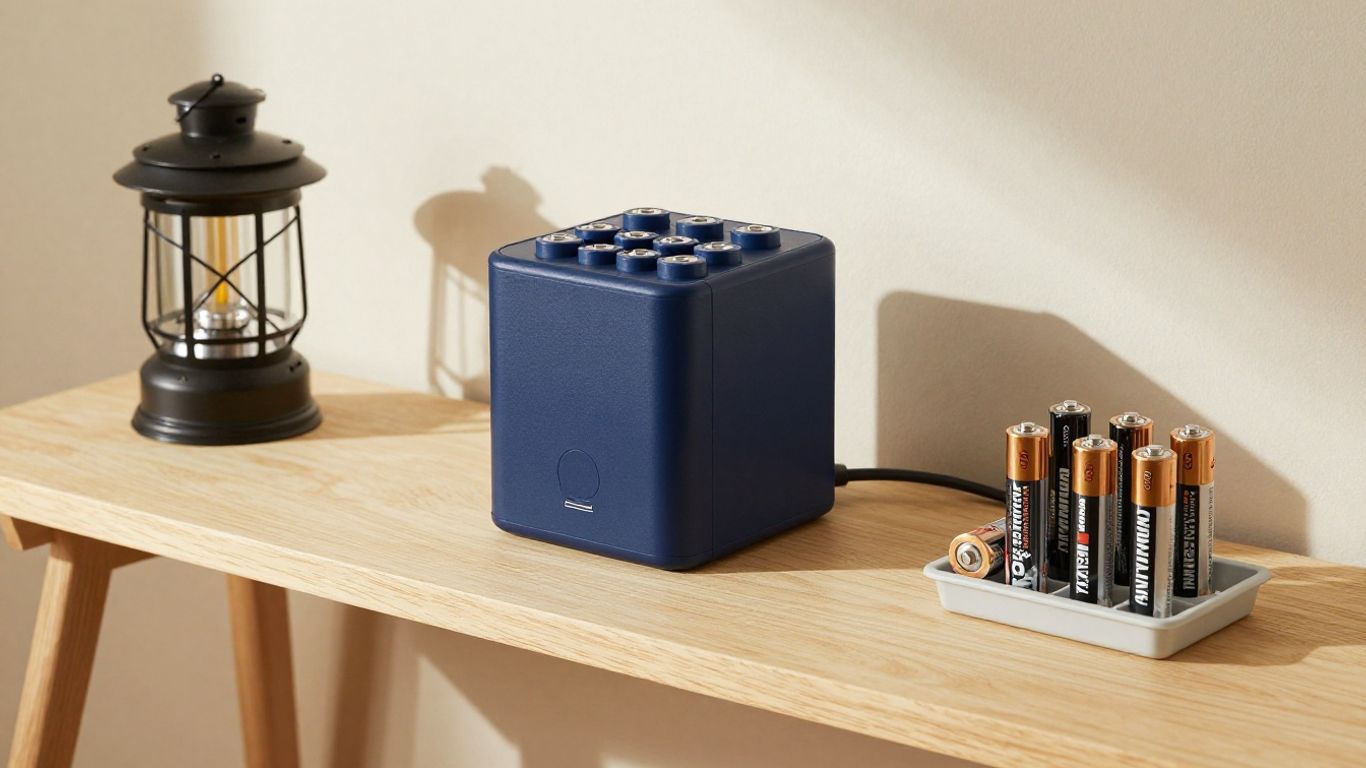
To compare value, estimate the number of battery sets used each year, the price of each set and the expected service life of a rechargeable system. Include the cost of a compatible charger and allow for cells that eventually lose capacity. The cheapest packet at the checkout is not necessarily the cheapest option over several years.
A simple calculation can include:
- The purchase price of the initial batteries.
- The number of replacements expected annually.
- Charger cost and likely charging frequency.
- Recycling or disposal arrangements.
After making the estimate, compare it with convenience. A rechargeable system may save money for a frequently used lantern, but a disposable set can be perfectly reasonable for a rarely used household backup.
Choosing a suitable D battery charger
Use a charger designed for the exact chemistry and size of the cells. It should provide clear charging indicators and, ideally, independent channels so each battery is assessed separately. Follow the stated charging current and never use a charger that relies on guesswork or an improvised connection.
Do not charge primary alkaline, zinc-carbon or non-rechargeable lithium batteries. For NiMH cells, allow ventilation around the charger and remove the batteries when the charging cycle is complete if the manufacturer instructs you to do so. A charger that suits AA cells may not safely accommodate D cells or their higher capacity.
Avoiding problems with mixed battery types
Never combine old and new batteries, different brands with noticeably different states of charge, or disposable and rechargeable cells in one device. Their voltage and internal resistance can differ, causing uneven discharge. In a multi-cell appliance, the weaker cell may be pushed beyond its safe operating condition.
Replace the complete set at the same time and keep spare batteries together by type. If a device has been stored for months, inspect the cells before use rather than assuming they are all still equal. This small habit reduces leaks and inconsistent performance.
When disposable batteries are more practical
Disposable D batteries remain practical for infrequent use, emergency kits, remote locations and devices that specify primary cells. They are also convenient when the equipment may need to operate immediately and no charged replacements are available. Buy a modest supply and rotate it rather than storing more cells than you can use before their expiry.
For broader household preparedness, the planning mindset behind World Backup Day is also useful here: prepare before a failure, keep essential spares accessible and know how you will recover. The subject is different, but the routine of checking and replacing stored supplies is much the same.
Use and store D batteries safely
Safe battery use is mostly routine, but routine matters. Install cells carefully, keep contacts clean and remove batteries from equipment that will not be used for an extended period. Heat, moisture and physical damage can all shorten storage life. If a cell looks swollen, split, rusty or wet, do not put it into service.
Inserting batteries with the correct polarity
Match the positive and negative symbols in the battery compartment exactly. The raised nub is normally the positive end, while the flat end is negative, but the markings on the device should guide installation. Never force a cell into place or bend a spring to make an incorrect size fit.
If a device uses several D batteries, check every cell before closing the compartment. Reversed batteries can prevent operation and may create heat, especially when other cells continue to drive current through the set. Replace the cover securely so the cells remain stable during movement.
Preventing leaks, overheating and corrosion
Remove batteries from equipment that will be stored, transported or left unused for a long time. Keep cells dry and away from loose metal objects such as coins, keys and tools, which can short the terminals. Do not crush, puncture, solder or expose batteries to direct flame.
If leakage occurs, avoid touching the material with bare skin and follow the device or battery maker’s cleaning guidance. Corroded contacts may need careful cleaning, but badly damaged equipment should be assessed rather than repeatedly refitted with new cells. Never recharge a battery that is labelled non-rechargeable.
Storing spare batteries in Australian conditions
Store spare D batteries in a cool, dry place away from direct sun and sources of heat. Australian garages, sheds and vehicles can become very hot, making them poor long-term storage locations. Keep cells in their retail packaging or a suitable organiser so the terminals cannot contact metal.
Avoid storing batteries loose in a drawer where they can rub against tools or other cells. Check stored batteries periodically for damaged packaging, corrosion or an approaching expiry date. A small, labelled container indoors is usually safer and easier to manage.
Replacing batteries in multi-cell devices
When a device uses multiple D cells, replace the full set with matching batteries of the same chemistry and similar age. Mixing a partly used cell with fresh cells can create uneven loading and reduce runtime. Follow the device instructions for the number of batteries and the correct sequence.
After installation, test the device normally and watch for unusual heat, odour or intermittent operation. If a new set fails quickly, stop using the equipment and inspect the contacts, switch and battery compartment. The fault may be in the device rather than the cells.
Buy, maintain and dispose of D batteries responsibly
Price comparisons are useful, but they should include capacity, chemistry, expected use and end-of-life handling. A reliable purchase is one that fits the device, can be stored safely and will not leave you with more cells than you need. Australian availability also varies between supermarkets, hardware stores, specialist battery retailers and council services.
Comparing pack sizes, brands and warranties
Choose a pack size that matches the number of cells in the device and your likely replacement schedule. Larger packs can reduce the per-cell price, but only if the batteries will be used or stored correctly. Compare the stated chemistry, voltage, capacity where applicable and shelf life rather than relying on packaging colour.
A warranty may be relevant for rechargeable batteries or chargers, particularly where the product has a stated cycle life or performance specification. Energizer Industrial D is described in the supplied information as a wholesale product with a guaranteed minimum shelf life of four years. Treat that as the stated product claim, and check the retailer’s current terms before buying.
Checking expiry dates and signs of damage
Inspect every packet for an expiry or best-before date, damaged wrapping and evidence of leakage. Avoid cells that are dented, swollen, wet or heavily corroded. A low price is not worthwhile if the batteries have been stored poorly or are close to the end of their recommended shelf life.
Rotate older stock into suitable devices first, while keeping emergency supplies clearly labelled. Do not open a packet until needed if the packaging helps protect the terminals. If a battery has been exposed to extreme heat or moisture, replace it rather than taking chances.
Recycling used D batteries in Australia
Do not place loose batteries in household recycling or general rubbish where they may short-circuit, leak or create a hazard. Many Australian councils, retailers and community recycling programmes accept household batteries, although collection rules vary by location. Keep used cells in a non-metal container and tape terminals if the collection service recommends it.
Check your council or state recycling guidance for the nearest drop-off point and accepted battery types. If a device contains a built-in battery, follow the manufacturer’s or retailer’s instructions instead of dismantling it yourself. Proper collection allows materials to be handled through the appropriate waste stream.
Reducing waste with rechargeable battery systems
Rechargeables can reduce waste when they are used regularly and charged with the correct equipment. Buy only the number needed, label sets if useful and retire cells that no longer hold charge reliably. Recycling still matters because rechargeable batteries eventually reach the end of their useful life.
The same careful comparison used for other household purchases helps here: consider frequency, total cost, storage and disposal. Even unrelated local guides, such as soccer ball sizing, illustrate the value of matching a product to its actual use rather than buying by appearance alone. For battery shopping, that means choosing the chemistry and capacity your equipment can genuinely use.
Conclusion
The best D battery is not automatically the largest, newest or cheapest. Check the device requirements, choose a chemistry suited to its workload, and compare the complete cost of disposable and rechargeable options. Store cells carefully, replace multi-cell sets together and use Australian recycling services where available.
Frequently Asked Questions
Are D batteries bigger than C batteries?
Yes. D batteries are physically larger than C batteries and are generally used where a device needs more stored energy or longer running time. They cannot be substituted unless the device is specifically designed for an adapter or alternative size.
Can rechargeable D batteries replace alkaline D batteries?
Sometimes, but not always. Rechargeable NiMH D cells commonly have a lower nominal voltage than alkaline cells, so check the device manual before switching chemistry.
What does mAh mean on a rechargeable D battery?
Milliamp-hours indicate the battery’s rated charge capacity under stated test conditions. A higher mAh figure can support longer runtime, but actual results depend on the device, discharge rate, temperature and battery age.
Can I mix old and new D batteries?
It is best not to. Mixing batteries with different charge levels or ages can cause uneven discharge, reduced performance, leakage or overheating. Replace the complete set in a multi-cell device.
How should spare D batteries be stored?
Keep them in a cool, dry indoor location away from direct sunlight, heat and loose metal objects. Original packaging or a suitable organiser helps protect the terminals and makes stock easier to rotate.
Can I put D batteries in household recycling?
Usually not. Battery collection rules vary across Australia, so use a council, retailer or community drop-off service that accepts household batteries. Store used cells safely until they can be delivered.
Should batteries be removed from unused devices?
Yes, particularly when the device will be unused for an extended period. Removing the batteries reduces the risk of leakage and corrosion damaging the compartment.