
Key Takeaways
Choosing AA batteries is easier when you compare the device, battery chemistry, pack size and total cost rather than simply selecting the cheapest shelf price.
- Match the battery type to the device’s power demands and the manufacturer’s instructions.
- Calculate the cost per battery before comparing small and large packs.
- Check packaging, expiry information and stock status before buying.
- Store batteries away from heat, moisture, children and loose metal objects.
- Recycle used batteries where suitable collection points are available.
Understanding the AA batteries available at Woolworths
AA batteries are a common household purchase, but the different chemistries are designed for different patterns of use. When comparing aa batteries woolworths listings or shelf options, start with the device rather than the packaging colour. A clock, camera and outdoor sensor may all use AA cells while placing very different demands on them.
Alkaline, rechargeable and lithium options
Alkaline batteries are a straightforward choice for many everyday devices, while rechargeable AA batteries make more sense when the same equipment is used frequently. Lithium AA batteries can suit some devices and conditions, but compatibility should be checked carefully because not every product is designed for every chemistry. The safest starting point is the device manual or the guidance printed inside its battery compartment.
A battery catalogue such as this online battery range can help you compare the available sizes and charging products, although the product details and local availability should still be checked before ordering. Avoid assuming that a higher price automatically means longer service in every device.
Common pack sizes and use cases
Pack size is mostly a question of how often you use the batteries and whether you want spares on hand. A small pack can be sensible for an occasional replacement, while a larger pack may suit a household with several remotes, torches or children’s toys. Keep spare cells in their original packaging so they are easy to identify and less likely to contact metal objects.
Comparing well-known battery brands
Brand comparisons are most useful when the batteries have the same chemistry, size and intended use. Look for clear information about the battery type, quantity and compatibility rather than relying only on a familiar name. An example that may appear in deal coverage is the Energizer Max AA 16-pack; treat any advertised price as time-sensitive and check the current listing before making a decision.
Checking expiry dates and packaging condition
Before paying, inspect the pack for crushed corners, tears, corrosion or signs of dampness. Check the expiry or best-before information, especially if you are buying several packs for occasional use. Batteries that look swollen, wet or damaged should not be placed in a device, even if the date appears acceptable.
Choosing the right AA batteries for your devices
The best AA battery is the one that suits the device’s demand, operating environment and expected use. Low-drain equipment can behave differently from a camera flash or motorised toy, so a single household rule rarely works well. Read the device instructions first, then compare the practical options available at Woolworths.
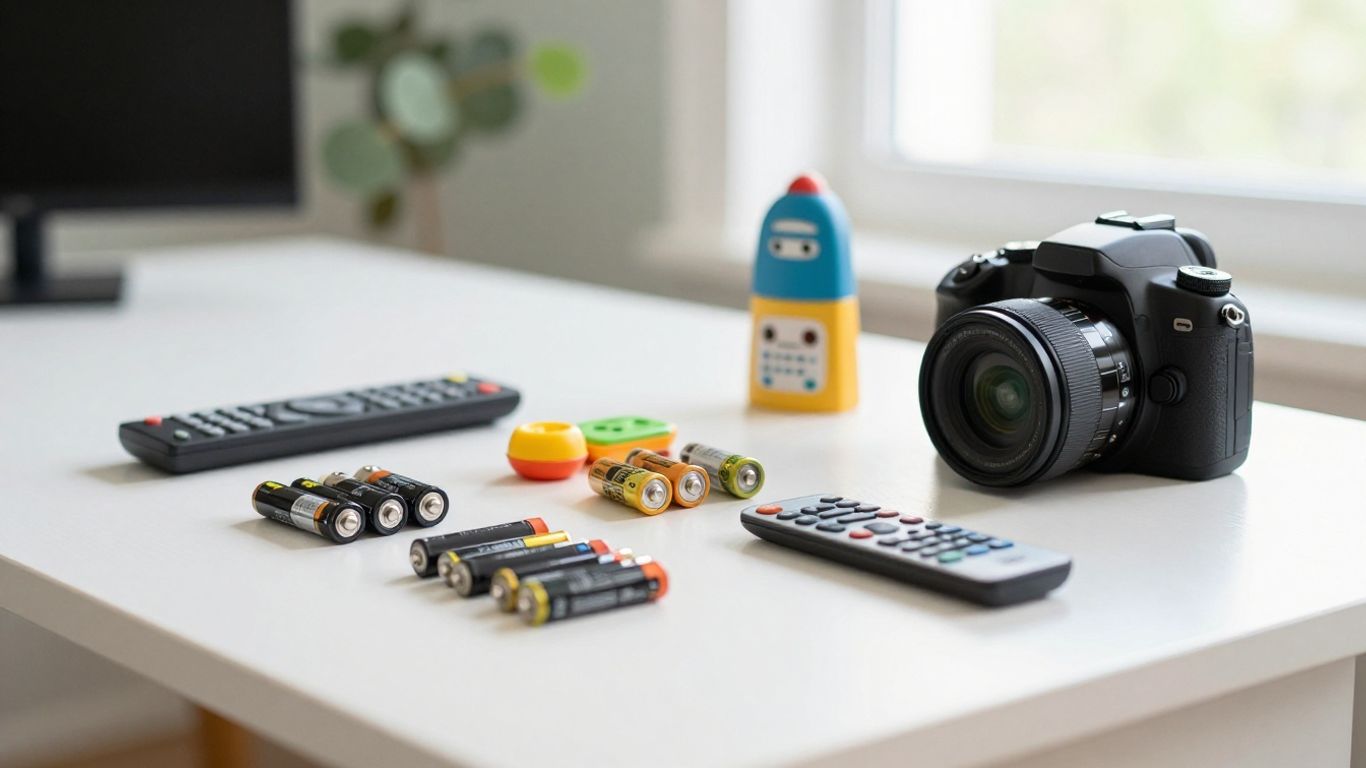
Low-drain devices such as clocks and remotes
Clocks, basic remotes and some wireless accessories generally use power gradually. For these devices, a standard compatible alkaline cell may be convenient, particularly when replacements are infrequent. If a clock stops unusually quickly or a remote becomes unreliable, check for dirty contacts and confirm that the batteries were inserted in the correct direction before buying another pack.
High-drain devices such as cameras and toys
Cameras, flashes, game controllers and motorised toys can draw power more quickly, especially during repeated use. Choose a battery type approved for the device and consider rechargeables if the equipment is used often. Usage pattern matters most: a pack that seems economical for a rarely used remote may become expensive when fitted to a toy used every afternoon.
Devices used outdoors or in demanding conditions
Outdoor equipment may face cold, heat, moisture and vibration, all of which can affect performance. Keep batteries dry and follow the device maker’s instructions for the conditions in which it can operate. A sealed container can protect spare batteries during transport, but it should not be used to store cells that are already leaking or damaged.
Matching battery type to manufacturer recommendations
Manufacturer guidance should take priority over general buying advice. Check the required size, chemistry and voltage, and do not substitute a different type simply because it fits physically. For broader decision-making habits, the idea of principled decisions is useful here: follow the non-negotiable safety and compatibility requirements before considering price.
If you are unsure, take a photo of the device label or battery compartment and compare it with the product information before buying. A short pause at this stage can prevent leaks, poor performance or damage.
Comparing AA battery prices at Woolworths
Shelf price is only one part of the comparison. A larger pack may have a lower unit price, but it is not good value if the batteries sit unused until their date passes. When checking aa batteries woolworths prices, compare like with like and consider how many cells your household is likely to use.
Calculating the cost per battery
Divide the pack price by the number of batteries to get a simple cost-per-cell figure. Then compare packs with the same chemistry and, where possible, similar stated use. This makes a special easier to judge and helps prevent a low headline price from hiding a smaller quantity.
Assessing larger packs and multipack value
Large packs can be convenient for homes with several battery-powered devices, but storage matters. Before buying, count the equipment you actually use and estimate how many replacements it needs over the next year. A practical grocery budgeting approach, such as this smart shopping guide, also applies to small household items: unit pricing and planned use are more helpful than impulse buying.
A simple comparison table can make the arithmetic clearer:
| Pack | Price | Batteries | Cost per battery |
|---|---|---|---|
| Small pack | $6.00 | 4 | $1.50 |
| Standard pack | $9.00 | 8 | $1.13 |
| Large pack | $15.00 | 16 | $0.94 |
The figures above are examples only, not current Woolworths prices. The useful point is the method: calculate the unit cost, then decide whether the number of batteries is realistic for your household.
Comparing specials, promotions and everyday prices
Promotions can be worthwhile when the product, quantity and expiry information suit your needs. Check whether the promotion applies online, in a particular store or for a specific pack size. Independent deal pages can be useful for spotting offers, but confirm the current price and stock through the retailer before relying on an old listing.
Considering rechargeable batteries over repeated purchases
Rechargeables may reduce repeat purchases when a device uses AA batteries regularly. They also require a compatible charger and a little planning, since cells need to be charged before use. For occasional emergency replacements, disposable batteries may remain simpler; for frequent use, compare the initial purchase with the likely number of future cycles.
Buying AA batteries online or in store
Buying online can save a trip, while an in-store purchase is useful when a device needs a replacement immediately. Woolworths product pages may show pack sizes, prices and delivery choices, but those details can change by location. Search carefully for AA rather than assuming that a general batteries result contains the right size.

Finding batteries through the Woolworths website
Use the site search and filter results by battery size, pack quantity and product type. Open the full product description before adding an item, particularly if the result includes chargers, AAA cells or mixed packs. If you are comparing several options, note the unit price and chemistry in a quick phone note rather than relying on memory.
Checking product availability and substitutions
Online stock is usually connected to a selected store, delivery area or fulfilment location. A product shown in search results may be unavailable for your address, and a substitution may not have the same chemistry or pack size. Review the order before payment and remove a substitute if it does not match the device instructions.
Understanding delivery and collection options
Delivery and collection choices depend on the address, store and order conditions displayed at checkout. If batteries are needed for a same-day repair, confirm the promised time rather than assuming that an available listing means immediate collection. Keep the confirmation handy until the pack has been checked on arrival.
What to do when a preferred pack is unavailable
If your first choice is unavailable, compare another pack with the same size and chemistry instead of switching automatically to an unfamiliar type. You can also buy a smaller pack and reassess later, particularly if the device is used only occasionally. For unrelated online purchasing questions, presentation practice is a reminder that clear preparation helps; the same principle applies to checking compatibility before ordering.
Using and storing AA batteries safely
Most battery problems come from incorrect installation, poor storage or leaving exhausted cells inside equipment. Keep batteries in their packaging until needed and follow the polarity markings in the device. If a product becomes hot, leaks or smells unusual, stop using it and handle it cautiously.
Preventing leaks and damage to devices
Do not mix old and new batteries, or different chemistries, in the same device. Remove batteries from equipment that will be stored for a long period, such as seasonal decorations or rarely used torches. If corrosion is visible, avoid touching it with bare hands and follow the device manufacturer’s cleaning advice.
Storing batteries in a cool, dry place
A cupboard away from direct sun, heaters and damp areas is generally more suitable than a car, shed roof or bathroom. Keep batteries upright where practical and leave them in their retail packaging. Do not freeze batteries or expose them to high temperatures in an effort to extend their life.
Avoiding mixed battery types and charge levels
Use matching cells together, particularly in devices that take two or more batteries. Mixing a partly used battery with a new one can cause uneven performance and may increase the chance of leakage. Rechargeable cells should be charged with the appropriate charger and not combined casually with disposable batteries.
Keeping batteries away from children and loose metal objects
Loose batteries can be dangerous if swallowed and can short-circuit when they contact coins, keys or other metal items. Store them in a closed, high cupboard and keep damaged or leaking cells separate from household objects. When carrying spares, use a case or the original packaging rather than a pocket or drawer.
Recycling and replacing used AA batteries
A battery that no longer powers a device reliably should be removed rather than left in place. Disposal options vary across Australia, so check local guidance instead of putting every type in the household recycling bin. Planning a return or drop-off also reduces the chance that used cells collect in a drawer.
Recognising when batteries need replacing
Dim lights, weak motors, intermittent remotes and devices that reset can all indicate low power. First check the contacts and installation direction, then replace the full set if the device uses multiple cells. Remove old batteries promptly when equipment will not be used again soon.
Preparing batteries for disposal
Keep used batteries separate from new ones and avoid crushing, opening or burning them. If local guidance recommends it, cover the terminals with non-conductive tape before transport, especially when carrying loose cells. Follow the instructions of the collection service, since requirements can differ by battery type.
Finding battery recycling points in Australia
Battery recycling points may be available through council facilities, retailer programs or specialist collection services. Search your council website for current instructions and accepted battery categories before travelling. Do not assume that a general kerbside recycling service accepts loose household batteries.
Reducing waste with rechargeable alternatives
Rechargeable batteries can reduce the number of disposable cells used over time when the same devices are powered frequently. They are not automatically the best choice for every appliance, so consider purchase cost, charging habits and manufacturer guidance. For occasional use, buying only the number of disposable batteries you need may be the simpler way to avoid waste.
Conclusion
The right AA battery purchase comes down to compatibility, realistic usage and careful comparison. Check the chemistry and pack size, calculate the cost per cell, confirm availability and store unused batteries safely. That approach makes choosing aa batteries woolworths options more straightforward without paying for capacity or features you will not use.
Frequently Asked Questions
Are all AA batteries interchangeable?
No. AA cells can differ in chemistry, voltage, rechargeable status and performance characteristics. Check the device instructions before substituting one type for another.
Are rechargeable AA batteries cheaper in the long run?
They can be when used frequently, but the comparison should include the charger, replacement cycles and charging habits. For occasional use, disposable batteries may be more convenient.
How should spare AA batteries be stored?
Store them in a cool, dry place, preferably in their original packaging and away from direct sunlight. Keep them separate from loose metal objects and out of children’s reach.
Can old and new AA batteries be used together?
It is better not to mix old and new batteries in the same device. Replace the complete set with matching cells to reduce uneven performance and leakage risk.
What should I do with leaking batteries?
Stop using the device, avoid direct contact with the leaked material and follow local disposal guidance. Do not place leaking cells loose in a drawer or household recycling bin.
Can AA batteries go in kerbside recycling?
Many kerbside recycling systems do not accept household batteries. Check your council’s current guidance and use an approved battery collection point where available.
How can I compare battery pack prices fairly?
Divide the total price by the number of cells, then compare packs with the same chemistry and intended use. Also consider expiry dates, storage needs and how quickly your household will use them.