
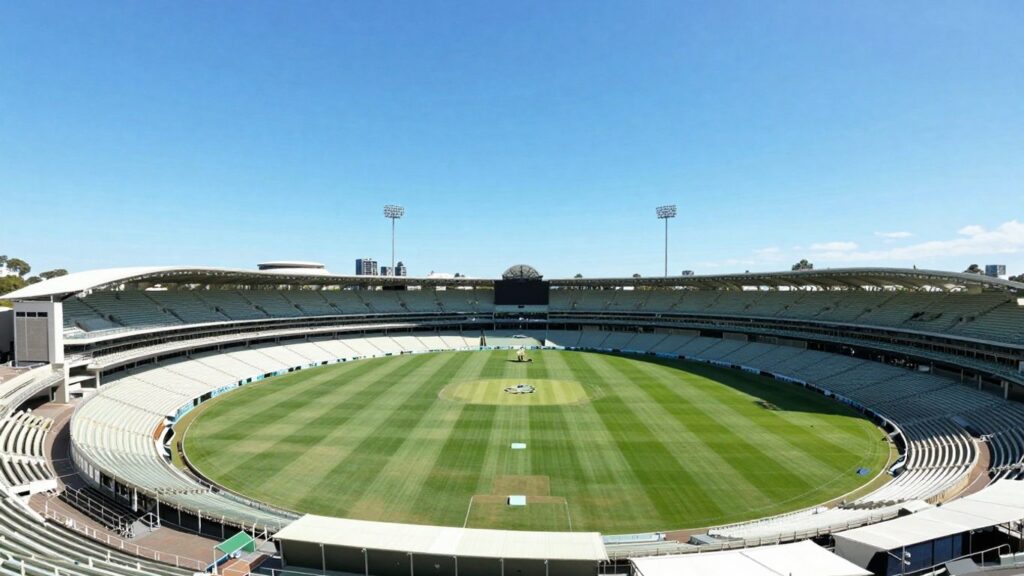
Ever wondered why the Melbourne Cricket Ground is called the ‘G’ or why the Gabba has such a reputation? The australia cricket ground name is more than just a label; it’s a piece of history, a reflection of culture, and sometimes, a nod to a bit of local flavour. From the hallowed turf of the MCG to the fiery atmosphere of the Gabba, these grounds are where some of Australia’s greatest sporting moments have unfolded. Let’s take a look at how these iconic places got their names and what they mean to us.
Key Takeaways
- The names of Australian cricket grounds often have roots in their history, location, or significant events, reflecting the evolution of the sport in the country.
- Home ground advantage is a real thing, with certain grounds like the Gabba known for their unique conditions that can intimidate visiting teams.
- Nicknames like ‘The G’ for the MCG and ‘The Gabba’ are part of the cultural fabric, adding personality and familiarity to these sporting landmarks.
- The business side of cricket grounds involves sponsorships and naming rights, which can sometimes change the official moniker but rarely erase the popular nicknames.
- Historically, the naming of grounds was influenced by clubs, colonies, and the growing sense of national identity, with the australia cricket ground name becoming a symbol of pride.
The Evolution Of Australia’s Cricket Grounds
From Humble Beginnings To Iconic Venues
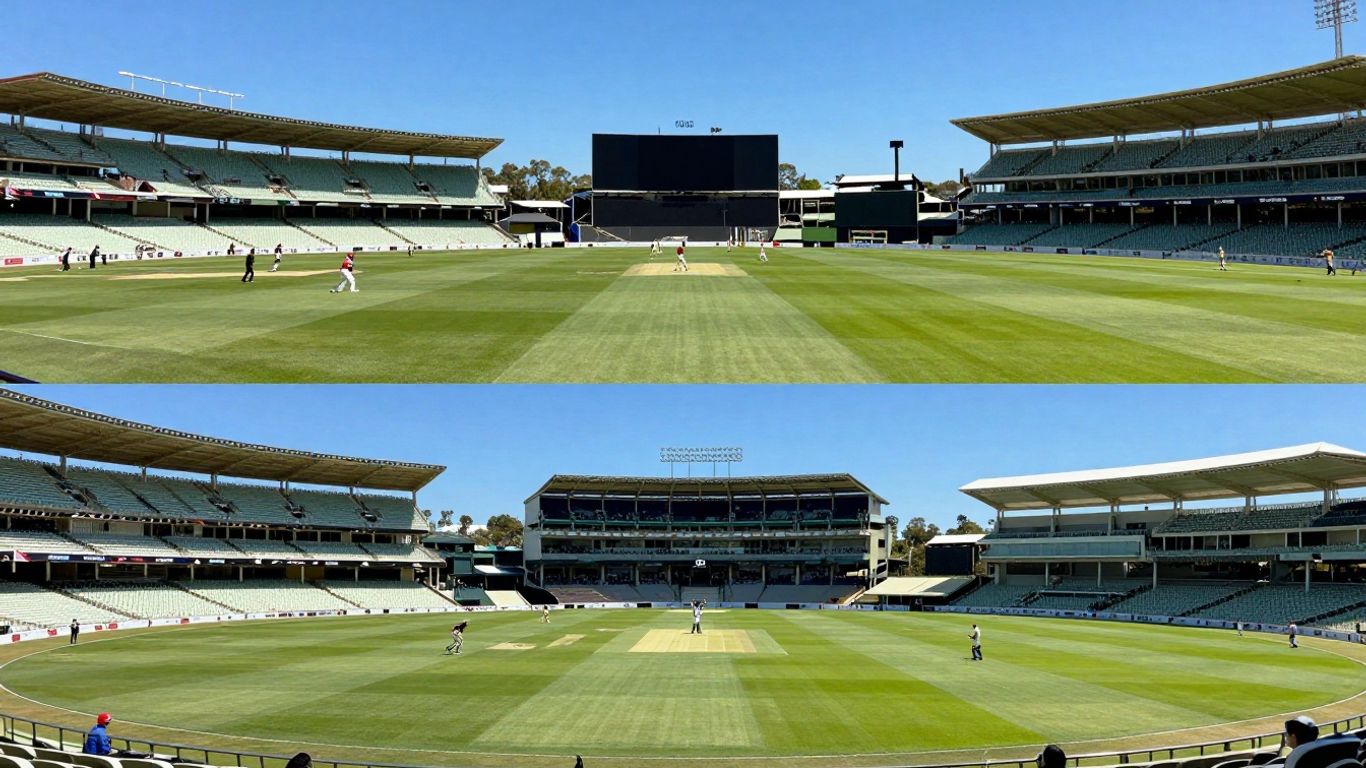
Cricket in Australia didn’t always have the glitzy stadiums we see today. Back in the day, grounds were often just patches of grass, sometimes shared with other sports or even livestock. Think more dusty outfields and basic stands than manicured perfection. The Melbourne Cricket Ground (MCG), for instance, started out as a simple paddock. It was the Melbourne Cricket Club, a powerhouse even then, that really pushed for better facilities. They were the big players, the ones with the money and the clout to make things happen.
It wasn’t until much later, around the late 1800s, that any real attempt at a national cricket body even popped up. Before that, it was pretty much a colony-by-colony affair. The idea of a unified Australian team, let alone a proper national ground, was a long way off. Early tours to England were significant, not just for the cricket, but for the prestige and the cash involved. Players needed the backing of solid institutions, and the MCC often filled that role.
The Significance Of Home Ground Advantage
Having a familiar ground can make a heap of difference. It’s not just about the pitch conditions, which can vary wildly, but also the crowd, the atmosphere, and even the little quirks of the venue. Think about the Gabba in Brisbane – it’s known for its lively pitch and the way it can really test visiting batsmen. That’s a classic example of a home ground having a tangible impact on the game. Players get used to the bounce, the wind, the outfield speed, and that comfort can translate into better performance.
Iconic Australian Cricket Ground Name Landmarks
Over the years, certain grounds have become more than just places to play cricket; they’ve become landmarks. The MCG, the SCG, the Gabba – these names evoke memories of epic matches, legendary players, and unforgettable moments. They’re woven into the fabric of Australian sporting history. Each has its own story, its own character, and its own place in the hearts of fans. They represent the journey of Australian cricket, from its early days to the global powerhouse it is today.
Understanding The Baggy Green’s Legacy
The Origins Of The Baggy Green Cap
The story of the Baggy Green isn’t quite as old as you might think. For a long time, it wasn’t really a big deal. Back in the 70s and 80s, there wasn’t even copyright or trademark protection on it. This meant companies could just slap it on their ads without giving anything back to cricket. Imagine a beer company using it on their stubbies – that actually happened in the 90s! Cricket Australia saw this and thought, ‘Hang on, that’s our symbol!’ They realised they had no legal claim over it.
It wasn’t until the late 90s that things started to change. Some administrators even thought about ditching the Baggy Green for a new cap they could control. But by then, players were starting to really embrace it. Mark Taylor brought in the idea of players wearing it for the first session of a Test, and Steve Waugh made it a tradition to present new players with their cap on debut. So, just as the suits were considering getting rid of it, the players were making it a sacred part of the game.
Symbolism And National Identity
So, what does the Baggy Green actually symbolise? Well, it’s a bit like a blank canvas. It means different things to different people, which is probably why it’s become so popular. For the players, it represents a special bond, a sense of belonging within the team. You hear stories about players getting really attached to their caps, even having superstitions about them. It’s that feeling of being part of something bigger.
For the administrators, it became a way to create something tangible, something they could market and control. And for us fans? It’s a connection to all the great moments and players in Australian cricket history. It’s like a badge of honour, a symbol of the game we love. It’s interesting how something that wasn’t even really a ‘thing’ until relatively recently has become such a powerful emblem of Australian sporting identity.
The Baggy Green has evolved from a simple piece of headwear into a potent symbol of national pride and sporting achievement. Its journey reflects a broader shift in how Australian cricket has come to value and protect its heritage.
The Baggy Green In Modern Cricket
Today, the Baggy Green is more than just a cap; it’s practically a national treasure. Getting your Baggy Green is a massive moment for any cricketer. It’s seen as the ultimate honour, a sign that you’ve made it to the absolute top.
Here’s a look at how the cap’s significance has grown:
- Player Presentation: New Test debutants are now formally presented with their Baggy Green by a former player, a ceremony steeped in tradition.
- Symbol of Excellence: Wearing the Baggy Green signifies a place in an elite club, representing the history and spirit of Australian cricket.
- Commercial Protection: Cricket Australia now holds trademarks for the Baggy Green, preventing unauthorised commercial use and ensuring its status as a protected symbol.
It’s funny to think that this iconic item only really got its official status and widespread recognition in the last couple of decades. It just goes to show how traditions can be built and how symbols can gain meaning over time, becoming deeply ingrained in our culture.
Famous Australian Cricket Ground Nicknames
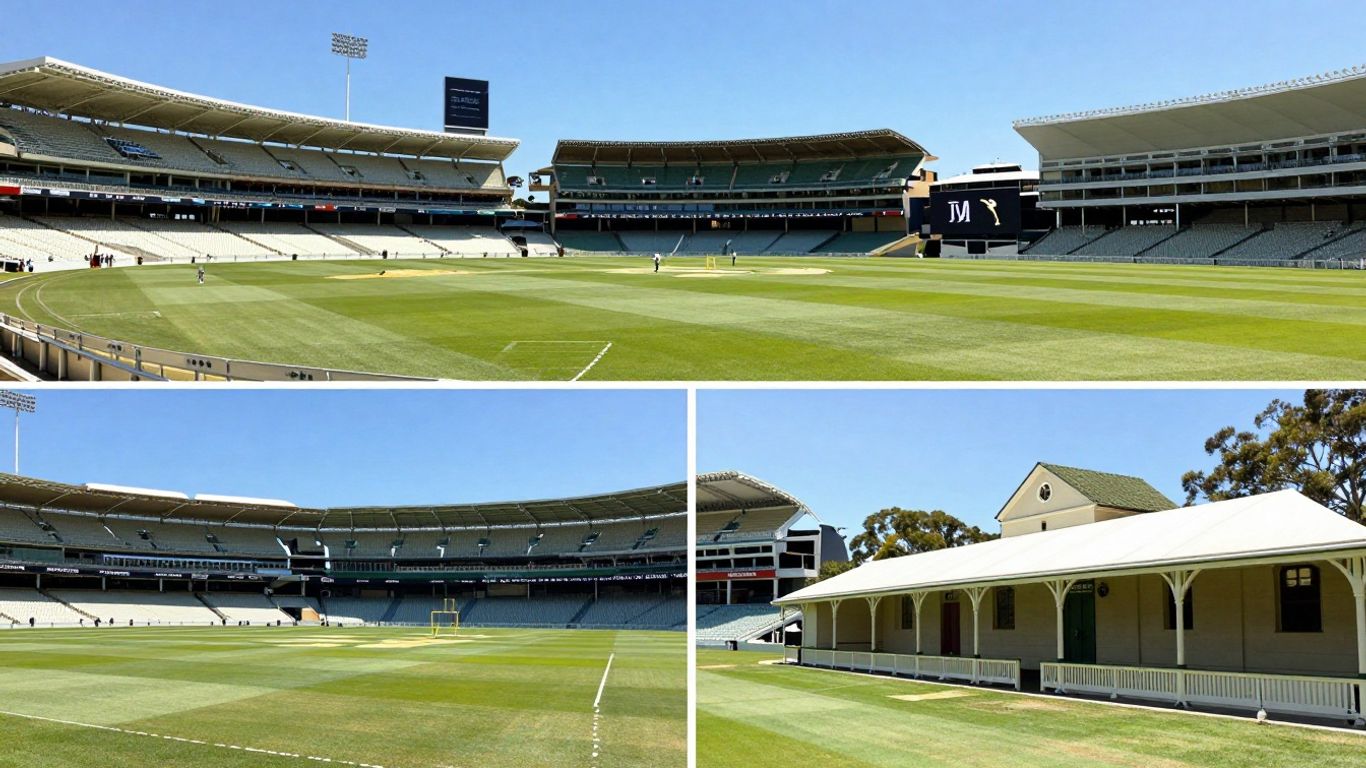
Right then, let’s talk about the nicknames our beloved cricket grounds have picked up over the years. It’s not just about the official names, is it? These nicknames give grounds a bit of personality, a bit of history, and a whole lot of character. They’re the ones you hear in the pub, on the radio, or from your mates down at the local. They’re part of the lingo, really.
The G: More Than Just A Ground
When you say ‘The G’, everyone knows you’re talking about the Melbourne Cricket Ground, or the MCG as it’s officially known. It’s a bit like calling your best mate by a shortened version of their name – it just feels more familiar, more intimate. This place is massive, a real cathedral of sport, and ‘The G’ just rolls off the tongue. It’s hosted some ripper matches, from Ashes Tests to World Cups, and the nickname has stuck because, well, it’s just easier and sounds a bit more Aussie, doesn’t it?
The Gabba’s Fiery Reputation
Then there’s ‘The Gabba’ in Brisbane. Officially the Brisbane Cricket Ground, but no one really calls it that, do they? ‘The Gabba’ comes from its location in Woolloongabba. This ground’s got a bit of a reputation, especially for how the pitch plays. It can be a bit lively, a bit unpredictable, and that’s where the nickname really fits. It’s a place where fast bowlers have historically relished the bounce and carry. Teams often find it a tough nut to crack, especially early in a series. It’s earned its nickname through sheer performance and the unique challenges it throws at visiting teams.
Beyond The Big Two: Other Notable Grounds
While The G and The Gabba are probably the most famous, other grounds have their own little monikers too. You might hear about the ‘WACA’ (Western Australian Cricket Association Ground) in Perth, though that’s more of an abbreviation than a true nickname. It’s known for its fast, bouncy pitches, much like The Gabba, but perhaps with its own distinct flavour. Then there’s Adelaide Oval, often just called ‘Adelaide Oval’, but it’s got a certain charm and history that makes it special. Each ground, with or without a catchy nickname, holds its own place in the heart of Australian cricket fans.
The Business Of Cricket Grounds
Sponsorship and Naming Rights
These days, you can’t really talk about big sporting venues without mentioning the money side of things. Cricket grounds are no different. Think about it, who’s paying for all that turf, the stands, the fancy scoreboards? A lot of it comes down to naming rights. Companies fork out serious cash to have their name plastered all over a stadium. It’s a pretty smart move for them, right? Instant brand recognition every time the news shows a match or fans are talking about the ‘XYZ Stadium’ for the Big Bash. It’s a win-win, or so they say. The cricket bodies get a financial boost, and the sponsors get their name out there to millions of eyeballs.
Commercialisation Of Cricket Venues
It’s not just the name of the ground that’s up for grabs. The whole place becomes a bit of a commercial hub. You’ve got food and drink stalls, merchandise shops, and sometimes even corporate boxes that are basically mini-businesses themselves. They’re always looking for ways to squeeze a bit more revenue out of the venue. Think about all the advertising around the boundary ropes, the digital billboards flashing away – it’s a constant stream of commercial activity. It makes you wonder how much of the traditional cricket experience is left when it’s surrounded by so much business.
The Economic Impact Of Major Grounds
These big cricket grounds aren’t just for playing games; they’re serious economic engines for their cities. When a major international match or a big tournament comes to town, it brings in tourists, creates jobs for hospitality staff, security, and everyone involved in running the event. Local businesses, like hotels and restaurants, get a nice bump in trade too. It’s a whole ecosystem that springs up around these venues. The money spent by fans, the broadcast rights, the sponsorship deals – it all adds up to a significant contribution to the local and national economy. It’s more than just sport; it’s a business that supports a lot of people.
The drive for commercial success means grounds are constantly evolving, not just in their facilities but in how they operate. It’s a balancing act between keeping the traditional fans happy and attracting new revenue streams to keep the game thriving.
Historical Cricket Ground Naming Conventions
Early Naming Practices
Back in the day, naming cricket grounds wasn’t exactly a flashy affair. Often, they were just called what they were – the local cricket ground, or named after the club that owned it. Think of places like the Melbourne Cricket Ground, which started out as just that, a ground for cricket in Melbourne. It was pretty straightforward, really. No fancy corporate sponsors or celebrity endorsements back then. The focus was on the game itself, not the branding.
The Influence Of Clubs And Colonies
As cricket grew, so did the grounds, and so did the naming. Clubs often had a big say, naturally. If a club was the main tenant, their name might get attached, or a prominent figure within the club could be honoured. In the colonial era, you’d also see names reflecting the local administration or prominent figures of the time. It was a way of marking territory and showing who was in charge, or who was important in that particular colony. It wasn’t uncommon for grounds to be named after governors or important landowners.
National Identity In Ground Names
Later on, especially as Australia started to find its feet as a nation, there was a shift. We began to see grounds named to reflect a sense of national pride. Honouring Australian sporting legends, like Sir Donald Bradman, became a thing. It was a way of saying, ‘This is ours, this is Australian.’ It tied the physical space to the national story and the heroes of the game. It’s like these grounds became monuments, not just for cricket, but for the country’s sporting achievements.
Here’s a look at how some grounds got their names:
- Melbourne Cricket Ground (MCG): Started as the Melbourne Cricket Club’s ground.
- Sydney Cricket Ground (SCG): Initially the Royal Sydney Cricket Ground, reflecting its early colonial status.
- The Gabba (Brisbane Cricket Ground): Named after the suburb of Woolloongabba it’s located in.
The naming of these grounds often tells a story about the place and the time it was established. It’s a mix of practicality, local pride, and eventually, national sentiment.
The Cultural Significance Of Cricket Venues
Grounds As Sporting Cathedrals
Australian cricket grounds are more than just patches of grass and stands; they’re practically sacred spaces for many fans. Think of the Melbourne Cricket Ground (MCG) or the Sydney Cricket Ground (SCG) – these places hold so much history and have witnessed some of the most epic moments in the game. They’re where legends were made and where generations of families have gathered to cheer on their team. These venues are woven into the fabric of Australian identity, acting as modern-day cathedrals for our national summer sport. It’s where we come together, united by our passion for cricket, creating memories that last a lifetime. The roar of the crowd, the smell of the sausage sizzle, the sheer drama unfolding on the pitch – it all adds up to something pretty special.
Fan Culture And Match Day Experience
Going to a cricket match is a whole experience, isn’t it? It’s not just about the 22 blokes on the field. It’s about the atmosphere. You’ve got the die-hard fans, the ones who turn up rain or shine, decked out in their team colours. Then there are the families, enjoying a day out, maybe introducing the next generation to the game. The traditions are a big part of it too. Think about the ‘Barmy Army’ from England, or the passionate local supporters creating their own chants and rituals. It’s this collective energy that makes match day so vibrant.
Here’s a look at what makes the match day experience so unique:
- The Spectacle: From the opening ceremony to the final wicket, there’s always something happening.
- The Social Aspect: Catching up with mates, sharing a beer, and debating the finer points of the game.
- The Traditions: Singalongs, wave the flags, and the iconic ‘wave’ going around the stands.
- The Food and Drink: A classic part of the day, whether it’s a meat pie or a coldie.
The Australia Cricket Ground Name As A Brand
These days, the names of our cricket grounds are pretty much brands in themselves. Take the Gabba in Brisbane – it’s got a reputation for being a tough place for visiting teams, a real fortress. Or the WACA in Perth, known for its fast, bouncy pitch. These aren’t just geographical locations anymore; they’re associated with specific playing conditions and historical battles. The iconic Australian cricket ground name has become a shorthand for a certain type of cricket experience, recognised not just here but around the world. It’s a clever bit of branding that adds to the mystique and allure of Australian cricket.
The way we talk about our grounds, the stories we tell about them, and the memories we attach to them all contribute to their cultural weight. They become more than just venues; they transform into symbols of our sporting heritage and national pride.
More Than Just a Name
So, as we’ve seen, the names of our cricket grounds, from the iconic MCG to the beloved Gabba and all the others in between, aren’t just labels. They’re tied up in history, in memories, and in what makes Australian cricket, well, Australian. It’s a bit like the baggy green cap itself – it started as just a piece of kit, but now it means so much more. These grounds have hosted epic battles, seen legends born, and given us countless moments to cheer about. They’re part of the fabric of the game down here, and understanding their stories helps us appreciate the whole picture a bit better. It’s pretty cool, really.
Frequently Asked Questions
What’s the deal with the ‘Baggy Green’ cap?
The ‘Baggy Green’ is the nickname for the traditional cap worn by Australian Test cricketers. It’s a really important symbol of Australian cricket, representing the players and the history of the game. It wasn’t always called the ‘Baggy Green’, and its meaning has grown over time, especially in the last few decades. It’s become a big part of what it means to play for Australia.
Are there any famous nicknames for Australian cricket grounds?
Yeah, definitely! The Melbourne Cricket Ground is often called ‘The G’, and the stadium in Brisbane is famously known as ‘The Gabba’. These nicknames are used by fans and commentators all the time and give the grounds a bit of personality.
How did Australian cricket grounds get their names in the old days?
Back in the day, grounds were often named after the clubs that owned them or the areas they were in. Sometimes, important people or even colonies might have influenced the names. It was a bit different from today, where sponsorships play a big role.
Why is playing at home such a big advantage in Australian cricket?
Home ground advantage is massive! The crowd is on your side, you know the conditions like the back of your hand – the pitch, the weather, everything. It can really give the home team a boost and make it tough for the visiting team.
Has the meaning of playing for Australia changed over time?
It seems like it has. In the past, maybe it was more about the individual players and the game itself. Now, with things like the ‘Baggy Green’ becoming such a strong symbol and commercial deals, it feels like it represents more of a national brand and identity.
Do cricket grounds make a lot of money?
Big cricket grounds are definitely businesses. They make money through ticket sales, food and drinks, and often through naming rights deals where companies pay to have their name on the ground. This money helps pay for the upkeep of the grounds and supports cricket in Australia.