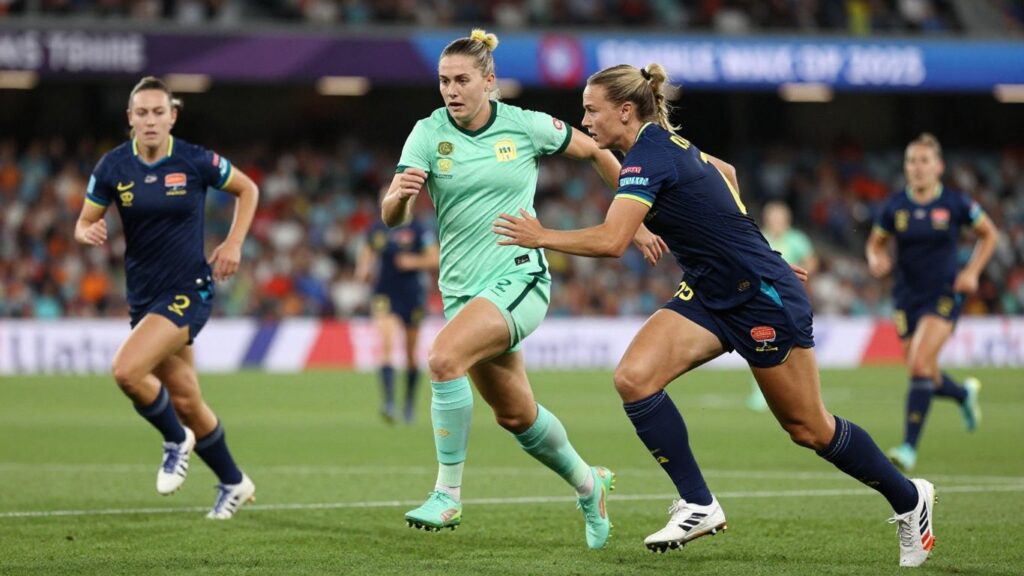
The Australia women’s team, affectionately known as the Matildas, are gearing up for the 2026 AFC Asian Cup, hosted right here on home soil. After a massive showing at the 2023 World Cup, the excitement is building again. This tournament is a massive opportunity for the team to go all the way and bring home some much-needed silverware. Let’s dive into what the road ahead looks like for the Australia women’s team.
Key Takeaways
- The Australia women’s team is aiming to win the 2026 AFC Asian Cup, a major tournament hosted in their home country.
- Sam Kerr, a veteran and record goalscorer, remains a central figure, but the team also relies on emerging talent.
- Despite past successes, the domestic league faces challenges, impacting player development and retention.
- The 2023 World Cup significantly boosted the profile of women’s football in Australia, creating high expectations for this tournament.
- Winning the Asian Cup would be a significant achievement, building on the momentum and national support generated by recent World Cup performances.
The Australia Women’s Team’s Asian Cup Journey
Road to the 2026 AFC Asian Cup
It feels like ages ago, but the Matildas are back on home soil for the 2026 AFC Asian Cup, and the buzz is real. This tournament isn’t just another competition; it’s a massive chance for the team to really cement their place in history, especially after the incredible run at the last World Cup. We’re talking about a pathway to the next World Cup in Brazil and the 2028 Olympics qualifiers too, so there’s a lot on the line.
Matildas’ Quest for Continental Glory
Winning the Asian Cup has been a long time coming. The last time Australia lifted the trophy was way back in 2010, and honestly, it feels like it’s about time for another one. The team’s been so close in recent years, with a couple of heartbreaking losses in finals. This time, playing at home, with the crowds expected to be massive, feels like the perfect opportunity to finally bring that silverware back.
Here’s a look at how the Matildas have fared in recent Asian Cup finals:
| Year | Opponent | Result | Notes |
|---|---|---|---|
| 2014 | Japan | Loss (1-0) | Close match |
| 2018 | Japan | Loss (1-0) | Another tight contest |
| 2022 | China | Loss (3-2 on penalties) | Went to penalties after a draw |
Building on World Cup Momentum
The energy from the 2023 World Cup was something else, wasn’t it? It felt like the whole country got behind the Matildas, and that kind of support is a game-changer. The players have talked about how amazing that atmosphere was, and they’re really hoping to capture that same feeling for this Asian Cup. It’s about taking that passion and turning it into a winning performance on home turf.
The Matildas have a real shot at making history here. It’s not just about winning a trophy; it’s about building on the incredible momentum from recent years and showing everyone what Australian women’s football is all about. The support from the fans could be the extra boost they need to go all the way.
Key Players and Their Impact
Sam Kerr’s Legacy and Current Form
It’s hard to talk about the Matildas without mentioning Sam Kerr. She’s been the face of Australian women’s football for ages, and honestly, it feels like she’s been around forever, but she’s still only in her early thirties. This Asian Cup feels like a big moment for her, maybe even the big moment. Remember back in 2010 when she was just a teenager, scoring her first international goal in the very tournament Australia won? She’s the only one left from that squad. Now, she’s back on home soil, leading the charge. The hope is that this tournament will be the one where all the near misses and tough games lead to a massive win for her and the team. It would be a fitting end to a career that’s already changed so much for women’s sport here.
Emerging Talents in the Squad
While Kerr is the undisputed star, there’s a whole new wave of talent coming through. Players like Mary Fowler and Amy Sayer are really starting to show what they’re made of. They’ve got that youthful energy and a real hunger to prove themselves on the big stage. You can see them learning from the experienced players, but they’re also bringing their own flair and ideas to the game. It’s exciting to watch them develop and see how they’ll contribute to the team’s success, not just in this tournament but for years to come. They’re the future, and they’re looking pretty bright.
Veteran Experience Leading the Charge
It’s not all about the young guns, though. The Matildas have a solid core of experienced players who know what it takes to compete at this level. Think players like Alanna Kennedy, who can still bang in a goal or two from centre-back, or Emily van Egmond, who pulls the strings in midfield. Their calm heads and game smarts are super important, especially when things get tough. They’ve been through the ups and downs, and they know how to keep the team focused. They’re the glue that holds everything together, guiding the newer players and making sure everyone’s on the same page. It’s a good mix of old and new, really.
Challenges and Opportunities Ahead
Domestic League Development
The Matildas’ success on the world stage has definitely put a spotlight on women’s football here in Australia, which is fantastic. But, and it’s a pretty big ‘but’, the domestic league, the A-League Women (ALW), is still finding its feet. We saw a huge jump in interest after the World Cup, with crowds and TV numbers going way up. But, more recently, things have dipped a bit. It’s a bit of a worry when you see that the majority of players still need a second job to get by. The players themselves reckon the ALW isn’t as good as some leagues overseas, which is a shame because there’s so much potential here. The Professional Footballers Australia (PFA) has put out reports saying the league needs more focus to really become one of the best. It’s a balancing act, for sure, trying to keep the national team momentum going while building a strong, sustainable domestic competition.
Navigating Player Injuries and Availability
Injuries are just part of the game, aren’t they? For any team, especially one with big ambitions like the Matildas, keeping key players fit is a constant headache. We’ve seen it before, players getting hurt at the worst possible time, and it can really throw a spanner in the works. It’s not just about the big names either; depth in the squad becomes super important. When you’ve got a tournament like the Asian Cup on home soil, you want your best players available, but you also need players ready to step up if someone’s out. It means the coaching staff have to be smart about managing workloads and having solid backup plans. It’s a tough one, and something every team has to deal with.
The Pressure of Home Expectations
Playing at home is a massive advantage, no doubt about it. The roar of the crowd, the familiar surroundings – it all adds up. But with that comes a whole heap of pressure. Everyone expects the Matildas to go all the way, especially after the buzz from the last World Cup. It’s like, this is our chance to win a major trophy on home soil, and that’s a big ask. The players have talked about it; they want to win silverware for the fans and for themselves. It’s a great opportunity, but the weight of expectation can be heavy. You just hope they can channel that energy positively and use it to their advantage, rather than letting it get to them. It’s a fine line between being motivated and being overwhelmed, and hopefully, they find that sweet spot.
The journey to the top is never straightforward. For the Matildas, the path to continental glory is paved with both exciting possibilities and significant hurdles. Building on the incredible momentum from past successes is one thing, but translating that into sustained domestic growth and navigating the unpredictable nature of player fitness presents ongoing challenges. The nation’s hopes are high, and while that’s a testament to how far the team has come, it also adds a layer of pressure that can be felt keenly on the pitch.
Historical Context of the Australia Women’s Team
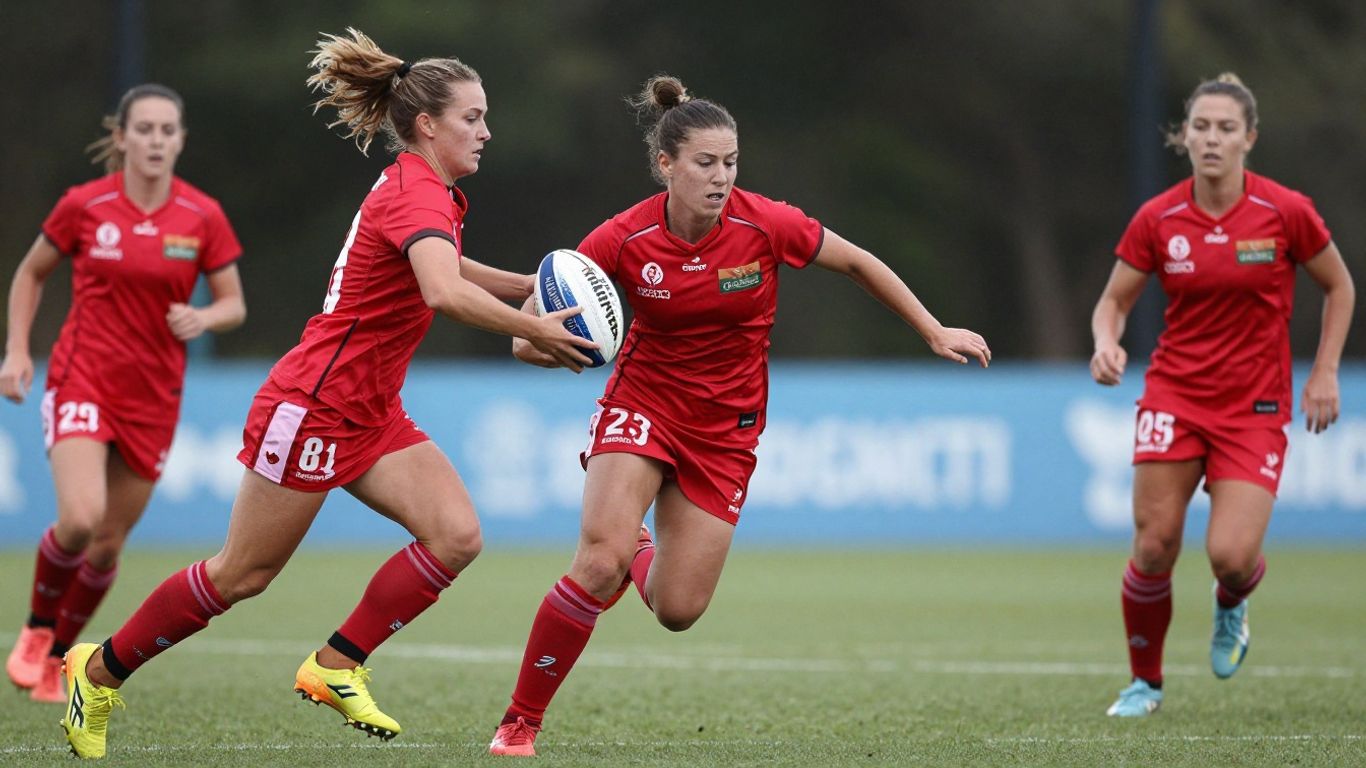
Reflecting on Past Asian Cup Campaigns
The Matildas have a long history with the Women’s Asian Cup, first competing in the tournament back when it was still part of the Oceania Football Confederation. They’ve had their ups and downs, for sure. Australia’s sole Asian Cup title came in 2010, a moment of triumph that still resonates today. It was a hard-fought victory, especially considering they were runners-up in 2006 when they hosted the tournament for the first time. That 2006 final, a penalty shootout loss to China, was a tough one to swallow, particularly on home soil. Looking back at footage from those earlier tournaments, you can really see how much the game has changed, not just in terms of player skill but even the style of play and, let’s be honest, the hairstyles!
Here’s a quick look at their past performances:
- 2006: Runners-up (hosted in Australia)
- 2010: Champions
- 2014: Third Place
- 2018: Runners-up
- 2022: Third Place
The journey to this point hasn’t always been smooth sailing. There have been moments of brilliance, but also periods where progress felt slow. Yet, each campaign has added a layer to the team’s story, shaping the Matildas into the force they are today.
The Evolution of Women’s Football in Australia
It’s wild to think about how far women’s football has come in Australia. Back in the day, it wasn’t always easy for female players to get the recognition or support they deserved. But things have shifted, especially in recent years. The Matildas’ incredible run in the 2023 World Cup really put women’s soccer on the map like never before. Suddenly, everyone was talking about them, and that buzz has had a ripple effect. We’re seeing more young girls getting involved, and the domestic league, the A-League Women, has seen a huge jump in interest, at least for a while. It’s a testament to the players’ hard work and the growing passion for the sport across the country. The team even took strike action back in 2015 to push for better conditions, showing their determination to improve the game for future generations. This push for equality is a big part of their history.
Milestones and Record-Breaking Achievements
Over the years, the Matildas have notched up some seriously impressive achievements. Winning the Asian Cup in 2010 was a massive milestone, and it’s still the only major international trophy they’ve lifted. Sam Kerr, who was part of that winning squad, remains a key figure and is the only player from that 2010 team still actively playing for the Matildas. Their consistent appearances at the FIFA Women’s World Cup, showcasing their presence on the global stage, are also a big deal. They’ve reached the quarter-finals multiple times, proving they can mix it with the best. The team has also been recognised for their efforts to close the pay gap with the men’s team, reaching an agreement in 2019 that was a significant step forward. The recent surge in public interest, particularly after the 2023 World Cup, has led to record-breaking attendance figures and TV viewership, highlighting the growing impact of the national team and women’s football in Australia.
Fan Support and National Impact
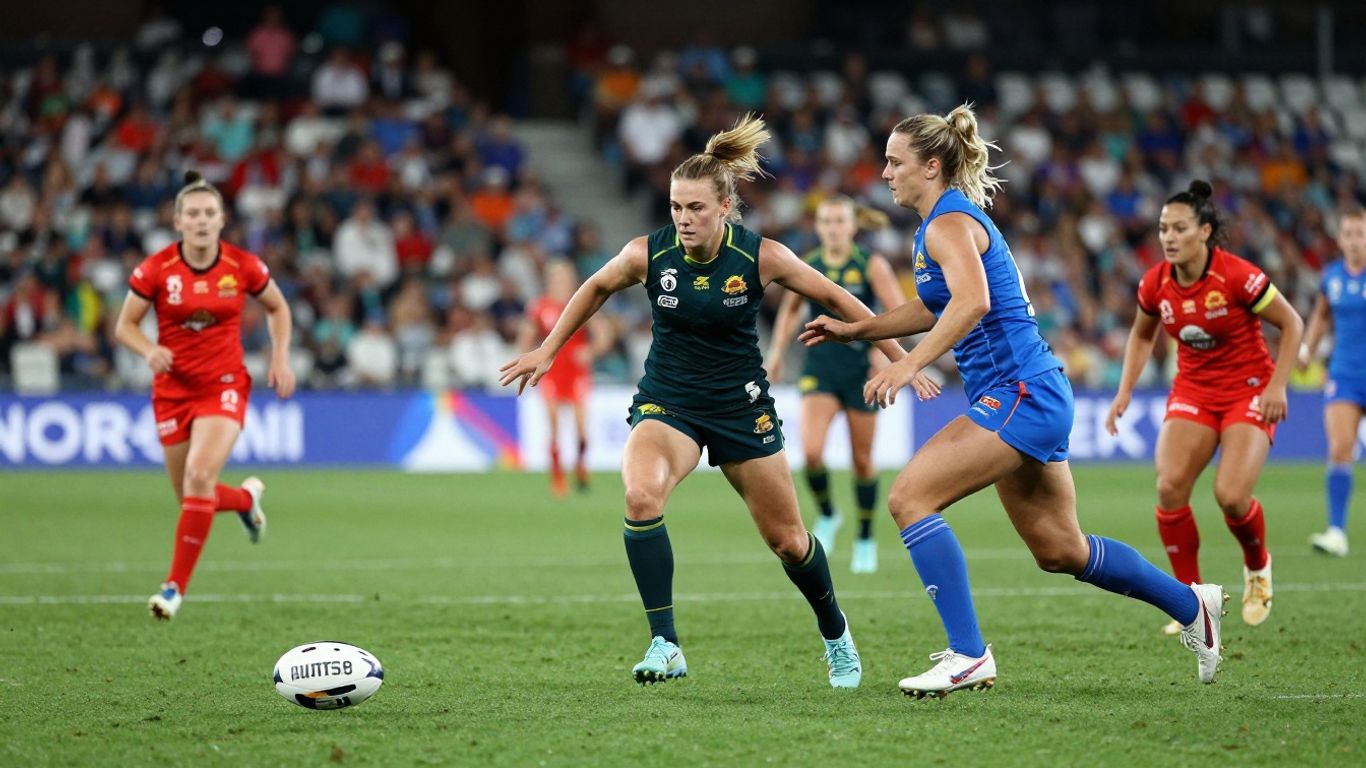
The buzz around the Matildas has been something else, hasn’t it? After the 2023 World Cup, you couldn’t escape it. It felt like everyone, everywhere, was talking about the team. National TV viewership went through the roof when they made it to the quarter-finals – seriously, over 11 million people tuned in! That tournament really changed things for women’s football in Australia. It wasn’t just about the games; it was about the feeling, the shared excitement across the country.
Gauging Public Interest for the Tournament
Now, with the Asian Cup on home soil, there’s a real hope that this energy carries over. Ticket sales have been pretty strong, with over 150,000 snapped up before the tournament even kicked off. The goal is to fill out Sydney’s Stadium Australia for the final, which would be a massive statement. It’s a chance for the fans to show their continued support and for the team to feel that home crowd advantage, something they’ve spoken about wanting to replicate from the World Cup days.
The Transformative Effect of the 2023 World Cup
That World Cup run was a game-changer. It wasn’t just about the wins on the field; it was about how it made people feel. Suddenly, women’s soccer was front and centre. We saw huge increases in people playing the sport, especially women and girls. The domestic league, the A-League Women, also saw a massive jump in attendance and viewership. It really felt like a turning point for the sport in Australia.
The momentum from the World Cup is undeniable, but the challenge now is to keep that going. It’s about more than just a few big tournaments; it’s about building a sustainable future for the game.
Hopes for a Memorable Home Campaign
This Asian Cup is a big opportunity. Not only is it a chance to win a major trophy on home soil, but it also offers a pathway to future tournaments like the World Cup and the Olympics. The players are keen to make the most of it, especially after seeing the incredible support during the World Cup. They’re hoping the fans turn out in force again and make this a tournament to remember. It’s a chance to build on the legacy of past teams and inspire the next generation. The team’s journey is a reflection of the growing passion for women’s football, and this tournament is a key part of that story, building on the foundations laid by previous teams like the one that played Iran [a3f9].
Here’s a look at how the domestic league has been tracking:
| Season | Attendance Increase | TV Viewership Increase | Club Memberships Increase |
|---|---|---|---|
| 2023-24 | 108% | 133% | 611% |
It’s clear that the World Cup had a huge impact, but the focus now is on maintaining that growth and making sure the domestic league continues to thrive. The players are pushing for professionalisation, hoping to create a league that can compete on a global stage and keep talent here in Australia.
What’s Next for the Matildas?
So, that’s a wrap on the latest news surrounding the Matildas’ journey. It’s been a bit of a rollercoaster, hasn’t it? From the highs of the World Cup buzz to the nitty-gritty of domestic league struggles, there’s a lot going on. While winning the cup would be amazing, it feels like the real win is the growing support and the pathway being built for future players. We’ve seen how much passion there is for the game, and hopefully, that continues to grow. It’s exciting to think about what the next chapter holds for this team, and we’ll be watching to see how they keep pushing forward.
Frequently Asked Questions
When is the 2026 AFC Women’s Asian Cup happening in Australia?
The tournament kicks off on Sunday, March 1, 2026, with Australia playing the Philippines. The whole competition will run for three weeks across Australia.
Who are the key players to watch for the Matildas?
While Sam Kerr is a massive star and legend for the team, there are also exciting younger players stepping up. The experienced players in the squad are also super important for leading the team.
What’s the significance of hosting the Asian Cup for the Matildas?
Hosting the tournament means playing in front of home crowds, which is a huge boost! It’s also a chance to win a major trophy on home soil, something fans have been dreaming about, especially after the excitement of the 2023 World Cup.
How has the Matildas’ success impacted women’s football in Australia?
The team’s performances, especially at the World Cup, have really got people excited about women’s football. More girls are playing, and the domestic league is seeing bigger crowds and more interest, though there are still challenges to keep that going.
What are the Matildas’ chances of winning the Asian Cup?
The Matildas are definitely aiming to win it, especially since they’re playing at home. They’ve got a strong squad, but teams like Japan are also very good, so it will be a tough competition.
Has Australia won the Women’s Asian Cup before?
Yes, the Matildas won their first and only Asian Cup back in 2010. They were also runners-up in 2006 when they last hosted the tournament.