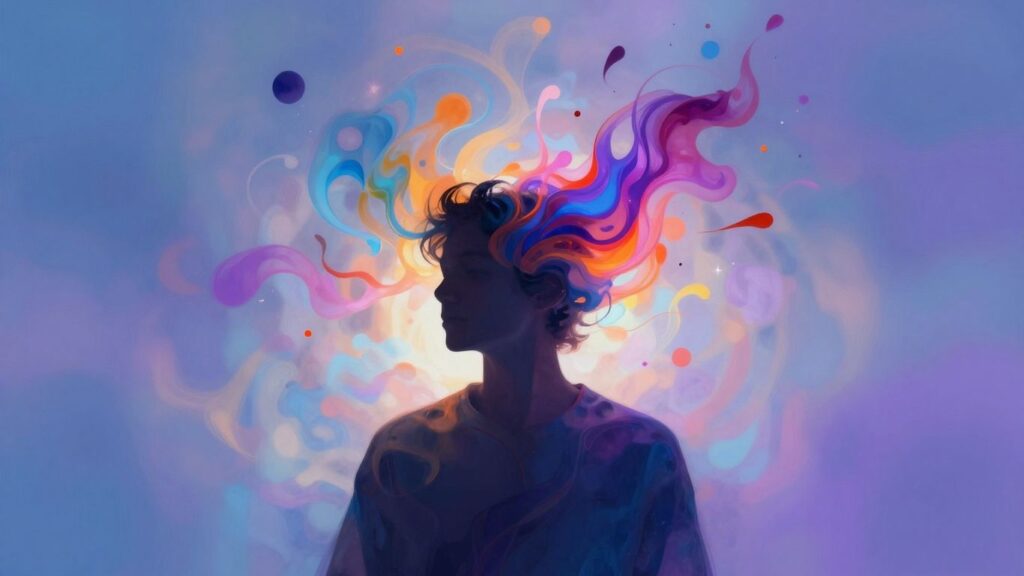
You know, sometimes we just need a bit of a break from the everyday grind. Life can get pretty hectic, and it’s easy to feel a bit disconnected. But what if I told you there’s a simple, often overlooked way to find some calm and even a bit of wonder? It turns out that engaging with art, whether you’re looking at it or making it, can do wonders for your mind and soul. It’s not just about pretty pictures; there’s a real benefit of art that can genuinely make a difference in how you feel.
Key Takeaways
- Art helps us connect with our feelings and see things in new ways, offering a quiet space for reflection.
- Creating art, no matter how simple, is a journey that can lead to personal growth and a better understanding of ourselves.
- Simply spending time with art can activate pleasure centres in the brain and help lower stress levels.
- Finding joy and wonder through art provides a much-needed escape from daily worries and anxiety.
- You can easily bring art into your life by observing it mindfully or trying simple creative activities, focusing on the process, not just the end result.
Unlocking Emotional Resonance Through Art
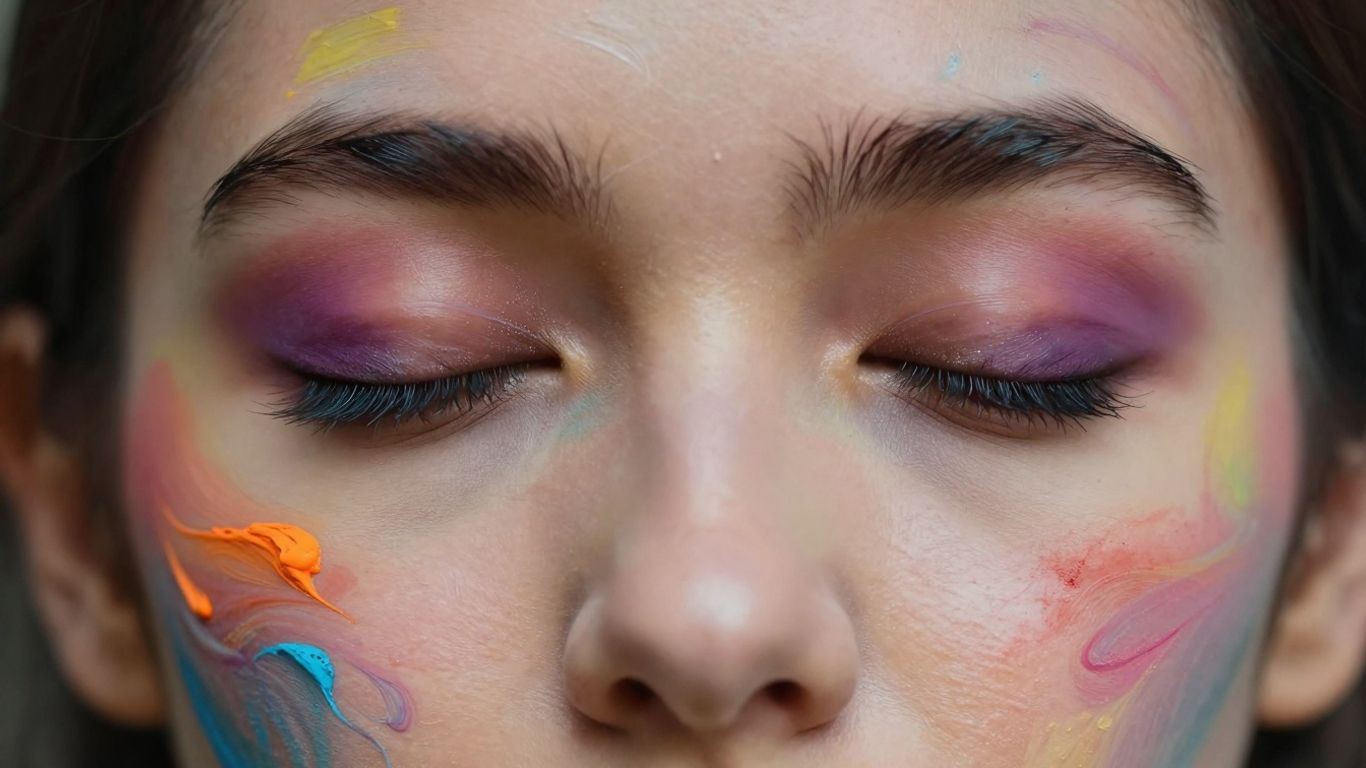
Sometimes, art just hits you, doesn’t it? It’s like a quiet conversation between you and the canvas, or the sculpture, or whatever it is. It can bring up feelings you didn’t even know were lurking around. Think about it – a painting can make you feel a certain way, maybe calm, maybe a bit sad, or even excited, all without a single word being spoken. It’s this ability to connect with our inner world that makes art so special.
Connecting With Your Inner Feelings
Art has this knack for tapping into what’s going on inside us. It’s not always obvious, but a piece of art can act like a little nudge, reminding you of a memory, a sensation, or an emotion you’d perhaps forgotten about. It’s like finding a lost photograph that brings back a flood of feelings. This connection isn’t just about looking; it’s about feeling.
Art as a Mirror to the Unseen
Artists often try to show us things we can’t quite see or articulate ourselves. They put their own feelings, ideas, and observations into their work. When you look at it, it’s like looking into a mirror that reflects not just your face, but your inner self too. You might see a bit of your own struggle, your own joy, or your own quiet moments captured on the canvas. It’s a way of making the invisible, visible.
Finding Peace in Visual Contemplation
Just sitting with a piece of art, really looking at it without any distractions, can be incredibly peaceful. It’s a chance to slow down your busy mind. You can focus on the colours, the shapes, the textures, and let everything else fade away for a bit. It’s a form of mindfulness, really. You might find yourself noticing details you missed before, and in that quiet observation, a sense of calm can settle in.
Art doesn’t always need to be loud or dramatic to have an impact. Sometimes, the quietest pieces speak the loudest to our hearts, offering a gentle space for reflection and emotional discovery.
Here’s a simple way to approach looking at art:
- What colours do you see? Notice the dominant colours and any subtle shades.
- What shapes stand out? Are they sharp and angular, or soft and rounded?
- How does it make you feel? Don’t overthink it, just note the first emotion that comes to mind.
- Does it remind you of anything? A place, a person, a memory?
This kind of mindful looking can be a surprisingly effective way to tune into your own emotional landscape.
The Transformative Power of Creative Expression
Art as a Journey of Growth and Healing
Remember when you were a kid and you just made stuff without worrying if it was ‘good’ or not? That’s the core of it, really. When we get back into creating things, whether it’s scribbling in a notebook, banging out a tune on an old guitar, or even just arranging some flowers, we’re actually starting a personal journey. It’s not about becoming the next Picasso; it’s about giving yourself a space to figure things out. Sometimes, the act of making something can help untangle those messy feelings we’ve been carrying around. It’s like your hands are doing the talking when your words just won’t come out right.
- Processing difficult emotions: Putting feelings onto paper or into a song can make them feel less overwhelming.
- Discovering hidden strengths: You might surprise yourself with what you can do when you just try.
- Building resilience: Working through a creative block or a piece that doesn’t turn out as planned teaches you to keep going.
Fostering Empathy Through Shared Art
It’s pretty amazing how art can bridge gaps between people. When you share something you’ve made, or even just talk about a piece of art you love, you’re opening a door for someone else to understand a bit of your world. And when you look at someone else’s creation, you get a peek into their experiences, their joys, and their struggles. It’s a way to connect on a level that goes beyond just small talk. Think about it: seeing a painting that makes you feel a certain way, or hearing a song that perfectly captures a mood you’ve felt – that’s empathy in action. It reminds us we’re not alone in our feelings.
Creating together, or even just appreciating art side-by-side, can build understanding and kindness. It’s a quiet way to say, ‘I see you, and I get it.’
Embracing Creativity for Personal Insight
Getting creative isn’t just about making pretty things; it’s a fantastic way to get to know yourself better. When you’re in the middle of a creative project, you’re often making decisions, solving little problems, and expressing yourself without even realising it. This process can reveal patterns in your thinking or highlight things you care about deeply. It’s like holding up a mirror to your own mind. You might discover you have a knack for colour, or a way with words, or a unique perspective that you hadn’t noticed before. It’s about paying attention to what you’re drawn to and what comes naturally, and using that as a guide to understand yourself more fully.
Art as a Powerful Tool for Wellness
You know, sometimes we forget that art isn’t just for galleries or fancy homes. It’s actually a pretty handy tool for just feeling better, day-to-day. Think about it – when you’re feeling a bit frazzled, just looking at something beautiful, or even making something yourself, can really take the edge off. It’s like a little mental holiday.
Activating the Brain’s Reward Pathways
It turns out, our brains actually light up when we engage with art. A study by Girija Kaimal at Drexel University found that just doing some visual art, any kind really, gets the ‘reward pathway’ in our brain going. This is the same system that makes us feel good when we eat tasty food or achieve something. So, when you spend a bit more time looking at a painting – even just a few extra seconds beyond the usual eight – you’re actually giving your brain a little boost. It’s not just about pretty pictures; it’s about how they make us feel inside.
Reducing Stress Through Mindful Observation
Ever find yourself just staring out the window, lost in thought? Art can do something similar, but in a more focused way. When you really look at a piece of art, paying attention to the colours, the shapes, the textures, you’re practising mindfulness without even realising it. This kind of focused attention can really help to quiet down that noisy inner chatter that often leads to stress. It pulls you out of your worries and into the present moment. It’s a simple way to give your mind a break from the usual grind.
Enhancing Mental Health with Creative Activity
Getting creative yourself is another big one. It doesn’t matter if you’re a seasoned artist or can barely draw a stick figure. The act of making something, anything, can be incredibly good for your mental health. Studies show that even short bursts of creative activity can lower stress hormones like cortisol and make you feel more relaxed. Plus, it’s a fantastic way to express yourself when words just don’t cut it. You can work through feelings, discover new things about yourself, and just generally feel a bit more balanced. It’s a bit like talking things out, but with paint or clay or even just a pen and paper.
Art offers a unique way to step away from the pressures of everyday life. It provides a space for quiet reflection and can help us process emotions that are hard to put into words. This engagement, whether passive or active, contributes positively to our overall sense of well-being.
Here are a few ways art can help:
- Lowering stress hormones: Engaging with art can reduce cortisol levels.
- Boosting mood: The brain’s reward centres are activated, leading to feelings of pleasure.
- Improving focus: Mindful observation of art trains attention and reduces mental clutter.
- Facilitating self-expression: Creating art provides a non-verbal outlet for emotions and experiences.
Finding Joy and Wonder in Artistic Engagement
Sometimes, life feels like a bit of a grind, doesn’t it? We get caught up in the daily to-do lists, the bills, the endless stream of news. It’s easy to forget that there’s a whole lot of good stuff out there, waiting to be noticed. Art can be a fantastic way to step out of that rut and find some genuine happiness and amazement.
Art as a Respite from Daily Stressors
Think about it: when was the last time you truly switched off from all the noise? Art offers a real break. It’s like a little holiday for your brain. Instead of worrying about what’s next, you can just be present with a painting, a sculpture, or even a piece of music. It pulls you away from the everyday worries and lets you breathe.
Cultivating Awe-Inspiring Experiences
There’s something special about seeing something that just makes you go, ‘Wow!’ Art can do that. It can be a massive landscape that makes you feel tiny and amazed, or a tiny, intricate piece that shows incredible skill. These moments of awe aren’t just fleeting feelings; they can actually shift your perspective. They remind you that there’s more to life than just the immediate problems.
- Seek out art that sparks your curiosity. This could be anything from vibrant, abstract colours to detailed, realistic scenes.
- Visit local galleries or museums. Even a short visit can make a difference.
- Explore art online. There are countless artists sharing their work, so find ones that speak to you.
The Antidote to Anxiety and Overthinking
If your brain ever feels like it’s running a marathon of worries, art can be the calm at the end of the race. It encourages a different kind of thinking, one that’s more open and less rigid. When you’re looking at art, especially something a bit unusual or playful, it can help you let go of that need to control everything and just enjoy the moment. It’s a gentle nudge towards a more relaxed state of mind.
Art has a way of reminding us of the simple, beautiful things we often overlook. It’s not about being an expert or having all the answers; it’s about allowing yourself to feel something new and wonderful.
It’s amazing how a splash of colour or an unexpected shape can just lift your spirits. Finding these moments of joy and wonder through art isn’t a luxury; it’s a really good way to look after yourself.
Integrating Art into Your Daily Life
Making art a regular part of your week doesn’t need to be a big production. You can start small, really small. Think about just taking a few minutes each day to really look at something. It could be a painting on your wall, a cool photo on your phone, or even the pattern on your favourite mug. Just notice the colours, the shapes, and how it makes you feel inside. It’s a simple way to pause.
Simple Steps for Mindful Art Observation
- Dedicate a few minutes daily: Set aside a short period, maybe during your morning cuppa or before bed, to focus on a single artwork.
- Engage your senses: Look closely at the details. What colours do you see? What textures does it seem to have? Are there any shapes that stand out?
- Reflect on your feelings: How does the artwork make you feel? Does it remind you of anything? There’s no right or wrong answer here.
Art Journaling for Emotional Expression
Sometimes, words just don’t cut it, do they? That’s where art journaling comes in. It’s not about creating a masterpiece; it’s about getting your thoughts and feelings out onto paper. Grab a notebook and some pens or pencils. You can doodle, sketch, write, or even stick in bits of collage. The goal is to let whatever’s inside come out, without judgment. It’s a private space for you to explore what’s going on in your head and heart.
Embracing the Creative Process Over Perfection
This is a big one, and honestly, it took me a while to get my head around it. We’re often taught that art needs to be ‘good’ or ‘perfect’. But that’s just not true. The real magic happens in the doing, in the messy middle. Whether you’re painting, writing, or even just arranging some flowers, focus on the experience itself. Enjoy the feel of the brush, the flow of the words, the arrangement of the petals. The outcome is secondary to the journey of creation. It’s about learning, experimenting, and giving yourself permission to just make something, whatever it turns out to be.
The Science Behind Art’s Impact on the Brain
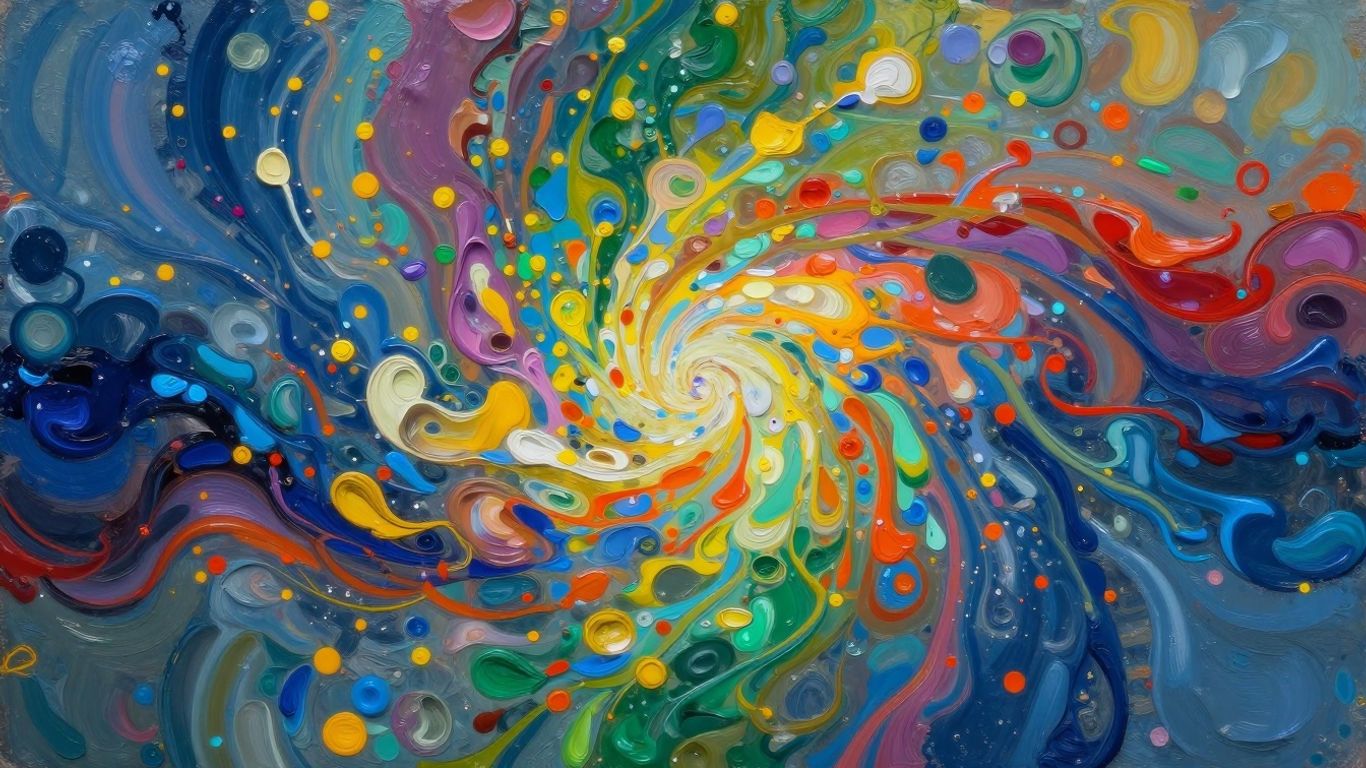
It’s pretty amazing when you think about it – how looking at a painting or listening to a song can actually change what’s happening inside your head. Scientists are digging into this, and it turns out art isn’t just for decoration or entertainment; it’s actively rewiring our brains. When we engage with art, whether we’re making it or just looking at it, specific parts of our brain light up. Viewing well-known paintings activates the orbitofrontal cortex, a specific area of the brain. This suggests a direct neurological response to visual art. It’s like a workout for your grey matter, and the benefits are pretty significant.
Rewiring Your Brain Through Creative Expression
Think of your brain like a network of pathways. The more you use a certain pathway, the stronger it gets. Creative expression, like painting, drawing, or even playing an instrument, creates new connections and strengthens existing ones. This process can actually change the physical structure of your brain over time. It’s not just about feeling good; it’s about building a more resilient and adaptable brain. This can be particularly helpful when we’re dealing with difficult times or trying to learn new things. The act of creating something, anything, helps us build new neural pathways.
Regulating Your Nervous System with Art
Ever felt that sense of calm wash over you when you’re absorbed in a creative task or just quietly observing a piece of art? That’s your nervous system responding. Art can help shift us from a state of stress (the ‘fight or flight’ response) to a state of relaxation and calm. This is because engaging with art can lower cortisol levels, which is our body’s main stress hormone. It encourages slower breathing and a more relaxed heart rate. It’s a natural way to find balance.
Here’s how art can help regulate your nervous system:
- Mindful Observation: Focusing on the details of a piece of art pulls you into the present moment, away from worries.
- Creative Flow: Getting lost in the process of making art can induce a state of ‘flow’, which is deeply restorative.
- Sensory Engagement: The colours, textures, and forms in art stimulate our senses in a gentle, often soothing way.
Art provides a unique avenue for processing emotions and experiences that might be difficult to articulate verbally. It offers a safe space for exploration and release, contributing to overall emotional equilibrium.
Neuroaesthetics for Improved Health and Wellbeing
Neuroaesthetics is the field that studies the biological and neurological basis of aesthetic experiences. It’s looking at how our brains respond to beauty and art. The findings are pretty exciting. It suggests that engaging with art isn’t a luxury, but something that’s actually good for our health. It can help with things like memory, focus, and even our social connections. The more we understand this connection, the more we can intentionally use art to support our wellbeing. It’s about recognising that art is a fundamental part of being human and has tangible benefits for our minds and bodies. For a deeper dive into why art matters, check out Get the Picture.
So, What’s the Takeaway?
Look, it’s pretty clear that art isn’t just for fancy galleries or people who can draw perfect circles. It’s something we can all tap into, whether we’re staring at a painting or just doodling in a notebook. It’s like a little bit of magic for your brain and your soul, helping you deal with all the everyday stress and just feel a bit more… you. So next time you’re feeling a bit off, or just want to add a splash of colour to your day, remember that art is right there, waiting to lend a hand. Give it a go, you might be surprised at what you find.
Frequently Asked Questions
How can looking at art make me feel better?
Looking at art can be like a mini-holiday for your brain! When you spend a bit of time with a painting or sculpture, it can help you chill out and forget about your worries for a while. It’s like giving your mind a break and letting it soak in something nice, which can really lift your mood.
Do I need to be good at art to get these benefits?
Not at all! You don’t need to be a famous artist to enjoy art’s benefits. Just the act of looking at art or trying a bit of doodling yourself can help your brain feel good and reduce stress. It’s more about the experience than being perfect.
Can art help me understand my feelings?
Definitely! Sometimes art can show us things about ourselves that we didn’t even realise. It’s like a mirror reflecting our inner world, helping us connect with our emotions in a way that words sometimes can’t.
How can I start using art for my own well-being?
It’s super easy to start! Try spending a few extra minutes looking closely at a piece of art each day, or grab a notebook and do some simple drawings or scribbles to get your feelings out. Even just playing with colours can make a difference.
Is there science that proves art is good for my brain?
Yep, there’s heaps of science! Studies show that when you look at or make art, it actually lights up the ‘happy’ parts of your brain. It can also help calm you down and make you feel more relaxed, almost like a natural stress reliever.
Can art help me feel less anxious?
Absolutely. Engaging with art can be a fantastic way to distract yourself from anxious thoughts. Focusing on colours, shapes, or the creative process itself can help quiet a busy mind and bring a sense of peace and wonder, making those worries feel a bit smaller.