

Feeling the pinch when you hit the checkout? You’re definitely not alone. With the cost of living going up, figuring out the best way to save money on groceries is on everyone’s mind. It can feel a bit overwhelming, but the good news is, there are plenty of simple, practical tricks Aussies can use to keep more cash in their pockets without living on beans and toast. Let’s get into some smart strategies that actually work.
Key Takeaways
- Planning your meals for the week is a solid way to cut down on impulse buys and stop food from going to waste.
- Always check the unit price on the shelf label – that little number can show you the real bargain, not just the sticker price.
- Buying fruit and veg when it’s in season and local often means fresher food for less cash.
- Don’t be afraid to swap big-name brands for store or generic labels; you could save a heap.
- Shopping at different supermarkets on their sale days can really add up the savings.
1. Meal Planning
Right, let’s talk about getting your meals sorted before you even step foot in the supermarket. Meal planning might sound a bit much, like something only super-organised people do, but honestly, it’s a game-changer for your wallet and your sanity. It’s your secret weapon against impulse buys and wasted food.
Think about it: when you’ve got a plan, you know exactly what you need. No more wandering the aisles grabbing random stuff because it looks good. You can actually check what you’ve already got hiding in the pantry or freezer – you’d be amazed what you find! Then, you build your meals around those ingredients. This simple step stops you buying things you already own.
Here’s a quick rundown to get you started:
- Plan for the week: Jot down what you’ll eat for breakfast, lunch, and dinner. Weekdays are usually easier to plan for than weekends.
- Use what you have: Base your meals on ingredients you already have on hand.
- Share ingredients: Try to pick recipes that use similar ingredients to minimise waste and shopping list items.
- Batch cook: Make a big batch of something like bolognese or curry and freeze portions for busy nights.
- Don’t forget snacks and lunches: These often get overlooked but can add up.
Planning your meals ahead of time means you’re less likely to grab expensive takeaway or pre-packaged meals when you’re tired and hungry. It gives you control over what you’re eating and how much you’re spending.
2. Unit Pricing
Ever feel like you’re getting ripped off at the supermarket? One of the sneakiest ways this happens is by not paying attention to the unit price. You know, that tiny little number on the shelf label that tells you the price per kilogram, litre, or 100 grams? It’s your best mate when trying to figure out the real value of what you’re buying.
Think about it: a bigger pack might look like a better deal because the total price is higher, but is it actually cheaper per unit? Often, it’s not. For example, a 1kg bag of pasta might cost $3.00, but if the unit price is 30 cents per 100g, that’s $3.00 for the kilo. Now, a 2kg bag might be $5.00. If the unit price is only 25 cents per 100g, you’re actually saving $1.00 for that extra kilo. See? The bigger pack is cheaper per unit.
Here’s how to get the most out of unit pricing:
- Always check the unit price: Don’t just glance at the total price. Look for the price per 100g, per kg, or per litre.
- Compare different sizes: Even within the same brand, different pack sizes can have vastly different unit prices.
- Compare different brands: Sometimes a different brand, even if it looks a bit less fancy, can be significantly cheaper per unit.
- Consider your needs: Only buy in bulk if you’re sure you’ll use it all before it goes off or you get sick of it. A cheap unit price means nothing if half of it ends up in the bin.
It might seem like a bit of extra effort at first, but once you get the hang of it, checking unit prices becomes second nature. It’s a simple change that can lead to some serious savings over time, especially on staples you buy regularly like rice, pasta, cleaning supplies, and toiletries.
This is where you can really start to see the savings add up. It’s not about buying the cheapest thing all the time, but about understanding what you’re actually paying for each bit of product. It takes a bit of practice, but it’s a game-changer for your grocery budget.
3. Seasonal And Local Produce
Picking up fruit and veggies when they’re in season is a no-brainer for saving cash. Think about it – when produce is abundant, it’s naturally cheaper. You’re not paying extra for it to be shipped from halfway across the world or grown in a fancy heated greenhouse. This is where you can really make your grocery budget stretch.
Shopping at local farmers’ markets is a fantastic way to get your hands on super fresh stuff, often at better prices than you’ll find at the big supermarkets. Plus, you’re supporting Aussie farmers, which is always a good thing. You’ll find different things are a bargain depending on the time of year. For instance, in winter, you’ll see heaps of root veggies like carrots and potatoes, plus all the citrus fruits and lovely greens like broccoli. Come summer, it’s all about stone fruits, berries, and those juicy tomatoes and cucumbers.
Here’s a rough idea of what to look out for:
- Winter: Root vegetables (carrots, potatoes, sweet potatoes), citrus (oranges, lemons), broccoli, cauliflower, leafy greens.
- Spring: Asparagus, peas, strawberries, cherries, leafy greens.
- Summer: Stone fruits (peaches, plums), berries, tomatoes, zucchini, cucumbers, corn.
- Autumn: Apples, pears, pumpkins, squash, leafy greens.
Buying produce that’s in season can slash your grocery bill by up to a third compared to buying it when it’s out of season. It just makes sense to go with what’s readily available and at its best.
It’s a simple shift that makes a big difference to your weekly shop. You get tastier food and save money, all while supporting local growers. Check out your local farmers’ markets for the freshest seasonal finds.
4. Reduce Food Waste
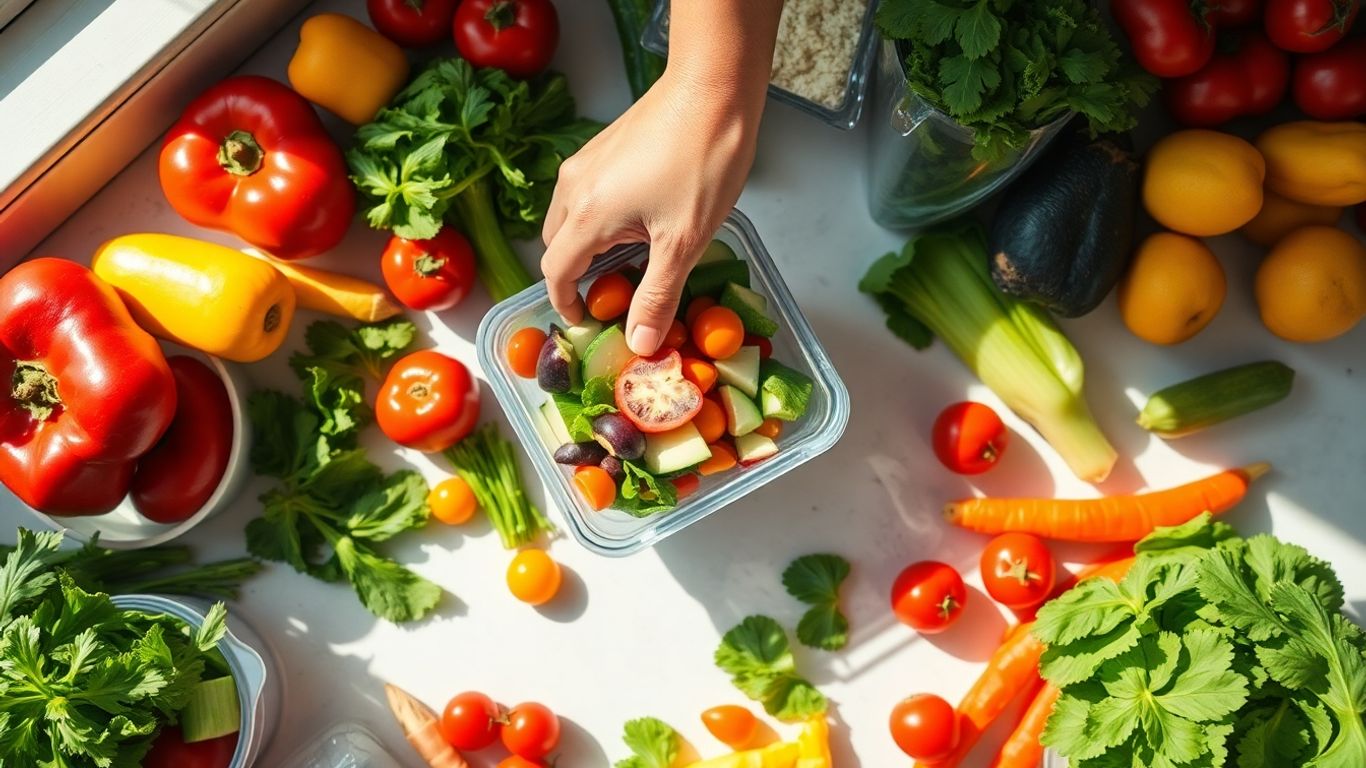
It’s pretty shocking when you think about how much food we chuck out in Australia each year. We’re talking about good food that could have been eaten, but ends up in the bin. This isn’t just a waste of food, it’s a waste of the money you spent on it, and all the resources that went into growing and transporting it. Making a conscious effort to use what you buy is one of the smartest ways to save cash on groceries.
So, how do we stop this from happening? It starts with being a bit more mindful in the kitchen and at the shops.
- Understand your dates: "Best before" is about quality – the food might still be fine to eat after this date, just maybe not at its absolute best. "Use by" is about safety, so stick to that one for things like meat and dairy.
- Store things properly: Keeping your fruit and veggies in the right spot in the fridge, or using airtight containers for leftovers, can make a big difference to how long they last.
- Get creative with scraps: Those carrot tops or broccoli stalks? They can be great for making stock. Stale bread can become croutons or breadcrumbs.
- Plan a ‘use it up’ meal: Once a week, have a meal where you just use up whatever bits and bobs are left in the fridge. It’s a great way to clear out the old and make space for the new.
- Freeze wisely: If you know you won’t get to something before it goes off, freeze it! Portioning leftovers into small containers makes them easy to grab for a quick lunch or dinner later on.
Wasting food is like throwing money straight into the bin. By being a bit more organised and thinking about how you use your ingredients, you can easily cut down on what you throw away and keep more cash in your pocket. It’s a win-win, really.
5. Generic And Store Brands
Right, let’s talk about supermarket own-brands and generic labels. For ages, I was a total brand snob, thinking that the fancy packaging meant better quality. Turns out, I was mostly wrong, and my wallet was definitely feeling it. Research shows that if you swap out branded products for the supermarket’s own versions, you can save a pretty decent chunk of change – we’re talking around 41% on average, which is almost half price for stuff that’s often made in the same factories anyway.
Think about it: milk, cleaning supplies, bread, frozen veggies, even pantry staples like flour and sugar. These are all areas where you can usually find a generic option that does the job just as well. It’s not about buying the cheapest, nastiest thing; it’s about being smart and realising that you don’t always need to pay extra for a name you recognise.
Here are some common swaps that usually offer good savings:
- Dairy: Milk, yoghurt, cheese – the store brands are often just as good.
- Pantry Staples: Rice, pasta, flour, sugar, tinned tomatoes. These are pretty hard to mess up, so generic is usually fine.
- Cleaning Products: Dish soap, laundry detergent, surface cleaners. Why pay more for a brand name when the generic stuff cleans just as effectively?
- Frozen Vegetables: Often a great way to get your veggies in, and the store brands are usually much cheaper than the big names.
The key here is to try them out. You might be surprised at how little difference you notice, especially in everyday items. Don’t be afraid to pick up the store brand next time you’re shopping, especially for things you use a lot of. You can always switch back if you’re not happy, but chances are, you won’t even notice the difference.
6. Strategic Shopping Across Multiple Stores
Sticking to just one supermarket might be costing you more than you think. It’s a common habit, but honestly, it’s worth breaking if you want to see some real savings stack up. Different stores have different specials running each week, and if you’re not checking them out, you’re probably missing out on some bargains.
The real trick is to become a bit of a savvy shopper, hopping between a few places to grab the best deals. Think of it like a treasure hunt for your groceries! You might find your usual supermarket has a good price on milk, but another store down the road has half-price veggies. It takes a little extra time, sure, but the savings can add up pretty quickly.
Here’s a rough guide to when the specials usually change over:
- Coles & Woolworths: New deals typically kick off on Wednesdays.
- Aldi: They have their special buys on Wednesdays and Saturdays.
- IGA: You’ll usually see their new catalogues come out on Wednesdays too.
It’s a good idea to have a quick look at the online catalogues from Monday night or Tuesday to plan your route for the week. This way, you can hit up each store when they have the best prices on the things you actually need.
It might seem like a hassle at first, but once you get into the rhythm of checking catalogues and planning your stops, it becomes second nature. You’ll be surprised how much you can save by just being a little bit strategic about where you do your shopping.
Don’t forget to factor in your travel time and costs, though. If you’re driving miles out of your way for a tiny saving, it might not be worth it. But for most of us, a quick trip to a couple of nearby stores can make a noticeable difference to the weekly bill.
7. Bulk Buying
Buying in bulk can definitely save you a few bob, but you’ve got to be smart about it. It’s not just about grabbing the biggest pack of anything you see. Think about what you actually use and if you can store it properly.
The real savings come when you focus on non-perishable items or things you can freeze. Things like rice, pasta, oats, and canned goods are usually safe bets. If you’ve got the freezer space, buying larger packs of meat or frozen veggies can also be a winner, just make sure you portion them out straight away so you don’t end up with one giant frozen block.
Here are some ideas for smart bulk buys:
- Pantry Staples: Rice, pasta, flour, sugar, oats, lentils, dried beans.
- Canned Goods: Tomatoes, beans, tuna, coconut milk.
- Freezer Favourites: Frozen vegetables, berries, meat portions (if you can freeze them properly).
- Household Essentials: Toilet paper, laundry detergent, cleaning supplies (if you have storage).
It’s also worth considering teaming up with mates or family. If you see a massive pack of something that’s a great price but more than you’ll use, split it! You both get the savings, and you don’t end up with excess stuff cluttering up your cupboards.
Just remember to check those ‘best before’ dates. Buying a huge amount of something only to have it go off before you can use it is a surefire way to waste money, not save it. Plan your meals around what you buy in bulk to make sure it all gets eaten.
8. Online Shopping
Shopping online can be a real game-changer for your grocery budget. It’s not just about the convenience of getting your shopping delivered to your door, though that’s a big plus. By cutting out those impulse buys you make when you’re wandering the aisles, you can save a surprising amount of cash each year. Think about it – no more grabbing that extra chocolate bar or that fancy cheese you didn’t plan for. Plus, many Aussie supermarkets offer subscription plans for delivery. If you’re doing your shopping weekly, the savings on delivery fees alone can quickly add up to more than the subscription cost.
Here’s how online shopping can help you save:
- Price Comparison Made Easy: You can easily compare prices across different brands and even different stores without leaving your couch. This helps you find the best deals without the legwork.
- Sticking to Your List: When you shop online, you tend to stick to your pre-made list. It’s much harder to be tempted by special offers or new products when you’re not physically in the store.
- Time Savings: While not directly saving money, the time you save not travelling to and from the shops, and then browsing, can be put to better use, or you can simply relax. This time can be seen as a valuable commodity.
- Access to Deals: Online stores often have exclusive deals and discounts that you might not find in physical stores.
While the convenience of online shopping is fantastic, it’s worth keeping an eye on delivery fees. Some services charge per delivery, which can add up if you’re not careful. Looking into subscription models or minimum spend requirements for free delivery can make a big difference to your overall savings. Also, be mindful of the environmental impact of frequent deliveries and try to consolidate your orders where possible.
9. Smart Protein Choices
Meat can really eat into your grocery budget, can’t it? Australia’s dietary guidelines suggest we try to include more plant-based proteins like lentils, beans, tofu, and nuts in our meals. Think of lean meats more as a flavour booster than the main event. It’s a good way to cut costs and boost your health.
Here are some budget-friendly protein options:
- Eggs: Super versatile and easy on the wallet.
- Legumes: Lentils, chickpeas, and all sorts of beans are filling and cheap.
- Tofu: A great plant-based option that absorbs flavours well.
- Canned Fish: Tuna and salmon are convenient and often on special.
- Cheaper Meat Cuts: Think chuck steak or lamb shoulder for slow cooking – they’re flavourful and tender when cooked low and slow.
When you do buy meat, make it count. Using smaller amounts of quality protein can still give you that rich flavour and satisfaction without blowing the budget. Think about dishes like a hearty beef bolognese or a simple chicken stir-fry where the meat is part of a larger, flavourful meal.
Focusing on plant-based proteins and using meat more sparingly can significantly reduce your weekly grocery spend. It’s not about cutting out meat entirely, but about being more mindful of how much you use and choosing more affordable, nutrient-dense alternatives when possible.
10. Budgeting
Alright, let’s talk about the big one: budgeting. It sounds a bit dry, doesn’t it? Like something you have to do, not something that actually helps. But honestly, getting a handle on where your money goes is probably the most powerful thing you can do to save cash. It’s not about never having fun; it’s about making sure your money is actually working for you.
The first step is just knowing. You need to track your spending for a month. Every single coffee, every online purchase, every bill. Just write it down or use an app. You’ll probably be a bit shocked at what you find, but that’s good! Awareness is key.
Once you know where it’s all going, you can start making a plan. There are heaps of ways to do this, but here are a few ideas:
- The 70/20/10 Rule: Simple stuff. 70% for your everyday living costs (rent, food, bills), 20% for savings and paying off debt, and 10% for fun stuff – guilt-free spending!
- Zero-Based Budgeting: This is for the super organised. Every single dollar you earn gets assigned a job. Income minus expenses equals zero. It sounds intense, but it means you’re in total control.
- Envelope System: A bit old school, but effective. You put cash for different spending categories (like groceries, entertainment) into separate envelopes. When the cash is gone, you stop spending in that category for the week.
Don’t forget to build in some ‘fun money’. A budget that’s too strict is one you’ll ditch pretty quickly. Plan for those coffees with mates, that movie night, or even a weekend getaway. Just make sure it’s part of the plan!
Automating your savings and bill payments is a game-changer. Set it and forget it. This way, you’re not relying on willpower, which, let’s be honest, can be a bit flaky sometimes. Making the right financial move the default setting makes life so much easier.
And remember, your budget isn’t set in stone. Life changes, so your budget should too. Have a look at it every month or so. See what’s working, what’s not, and adjust accordingly. Small wins add up, so celebrate them!
Wrapping It Up: Your Money-Saving Journey
So there you have it, a bunch of ways to keep more of your hard-earned cash. It’s not about living like a hermit, it’s just about being a bit smarter with your spending, whether that’s planning your meals, checking unit prices, or even just grabbing those generic brands. Little changes can really add up over time, and honestly, it feels pretty good knowing you’re in control of your finances. Give a few of these tips a go and see how much you can save. You might be surprised at how much extra cash you have for the fun stuff!
Frequently Asked Questions
How much can I really save by switching to store brands?
Switching to store or generic brands can lead to some pretty decent savings. Some research suggests Aussies can save around 41% on everyday items like milk, cleaning supplies, and pantry staples by ditching the fancy labels for the supermarket’s own. That’s a big chunk of change back in your pocket!
Is shopping at Aldi actually cheaper?
You bet! Shopping at Aldi can often save you a good chunk of money, with some people finding they save up to 25% compared to the bigger supermarkets. Plus, if you’re willing to pop into a couple of different stores to grab specials, you can save even more. Just remember to check when the new specials drop each week at different stores.
How does buying seasonal fruit and veggies help my budget?
Buying fruit and veggies when they’re in season is a no-brainer for saving cash. They’re usually way cheaper because there’s plenty of them around. Think juicy berries in summer or hearty root veggies in winter. Plus, shopping at local markets often means fresher produce and supporting Aussie farmers.
Why is reducing food waste so important for saving money?
It’s a bit shocking, but Aussie households chuck out heaps of food every year, which is like throwing away money! By planning meals, storing food properly, and using up leftovers, you stop buying food you don’t need and prevent perfectly good food from ending up in the bin. It’s a win-win for your wallet and the planet.
What are some smart protein choices that won’t break the bank?
Meat can be pricey, so mixing in more affordable protein sources is a smart move. Eggs, legumes like lentils and beans, tofu, and canned fish are all budget-friendly options. Even cheaper cuts of meat can be great for slow-cooked meals. Using smaller amounts of meat as a flavour boost instead of the main event also helps save.
How can online grocery shopping help me save money?
Online shopping can be a secret weapon against overspending. You’re less likely to make impulse buys when you’re not wandering the aisles. Plus, it’s super easy to compare prices online and stick to your shopping list. Some supermarkets even offer subscription plans for free delivery, which can add up to big savings if you shop online regularly.