Key Takeaways
Transitioning to solar power in Queensland requires a balanced approach to government incentives, component quality, and expert installation. Homeowners in Brisbane can achieve significant savings by navigating the competitive market while ensuring their selected system meets specific household energy needs.
- Government incentives such as STC rebates significantly reduce the initial cost of solar installations.
- Accurate price comparison involves looking at the itemised costs rather than just the total figure.
- Choosing an installer with verified credentials is key to obtaining long-term performance and service.
- Onsite roof assessments remain a necessity for ensuring accurate generation estimates.
- Solar energy output in Brisbane is highly stable due to the region’s abundant annual sunshine.
Understanding government solar incentives in Queensland
Navigating the landscape of renewable energy support in Queensland provides a strong foundation for any homeowner considering a new system. By correctly applying for available financial support, you can substantially offset the initial outlay of your purchase. The combination of federal and state-sponsored schemes helps making an informed decision about your future energy independence.
STC rebates and upfront system discounts
Small-scale Technology Certificates serve as the primary federal incentive for residential systems by providing a point-of-sale discount on your installation price. These certificates are generated based on the expected energy production of your system over its lifetime and represent a tradable commodity that installers typically claim to lower your invoice immediately.
Queensland government interest-free energy loans
State-level support programs offer specific financial flexibility for residents looking to upgrade their home energy setup. These loans provide a structured repayment path that avoids the burden of high-interest credit lines, allowing for the adoption of more advanced systems or integrated battery solutions without an immediate cash flow strain.
Eligibility criteria for household solar subsidies
Qualifying for these financial benefits typically requires meeting strict standards regarding system size, component quality, and the location of your property. Applicants must often ensure their chosen solar package deals comply with modern safety standards and are installed by licensed professionals to maintain eligibility for these incentives.
How to identify legitimate solar deals in Brisbane
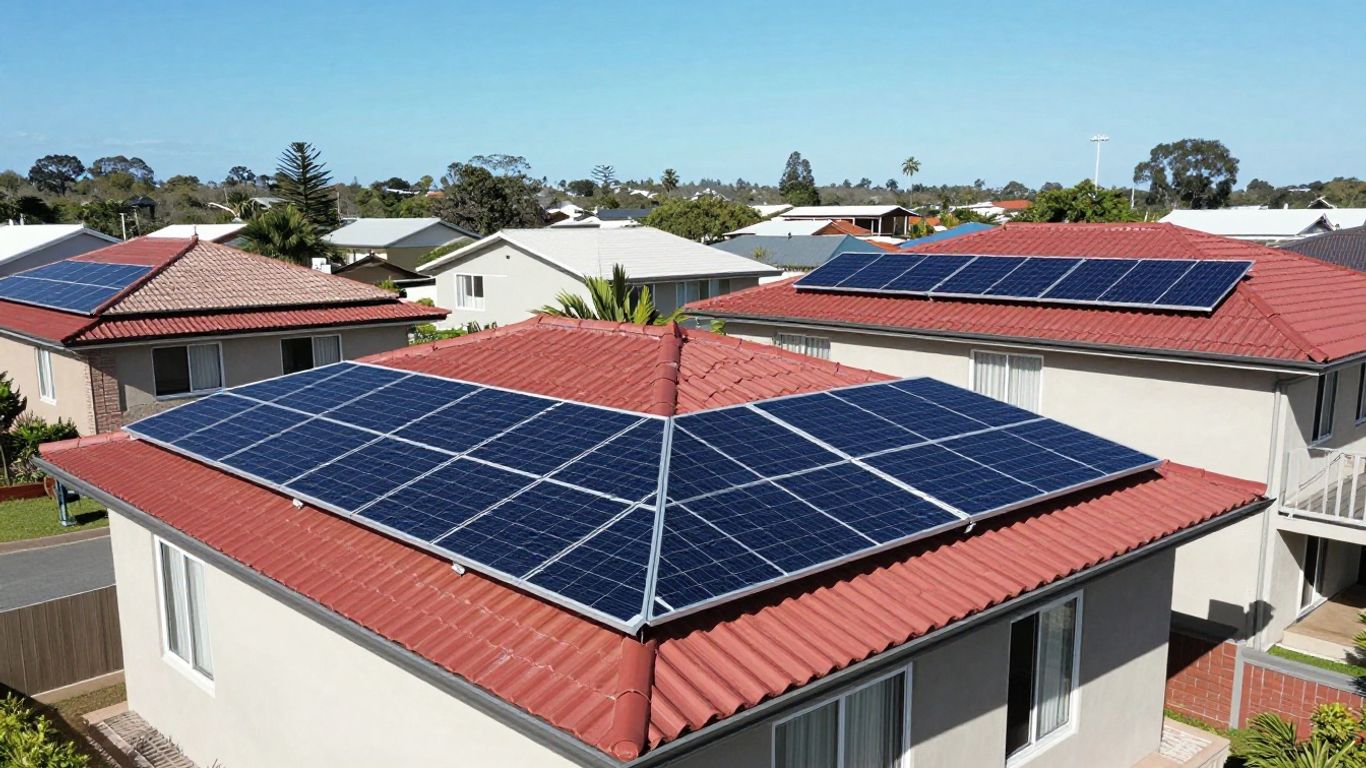
Finding a reliable provider among the many solar power solutions available in the city requires looking past aggressive marketing messages. Legitimate offers will always focus on transparent pricing and technical specifications that align with your specific roof profile. Understanding the nuances of these offers separates high-quality long-term investments from transient, low-cost alternatives.
Red flags in high-pressure solar sales tactics
Avoid any provider who insists on immediate signing or pushes for non-refundable deposits without conducting a site visit first. Genuine professionals respect your time and provide comprehensive documentation that outlines the full scope of work, expected energy savings, and any potential technical limitations specific to your home.
Evaluating the tier rating of solar panel components
When comparing hardware, the tier rating often serves as a proxy for the manufacturer’s financial stability and the expected reliability of the panels. A higher-tier panel typically promises better durability in humid conditions, which is especially relevant for maintaining performance during Queensland’s summer months.
Distinguishing between manufacturer and workmanship warranties
A common point of confusion for homeowners involves the difference between the core hardware protection and the installer’s guarantee on labor. You must ensure that your contract clearly outlines how both solar installers in Brisbane and the component manufacturers will contribute to future service claims, ensuring your system remains protected from both faulty parts and improper installation techniques.
Comparing quotes for Brisbane solar installations
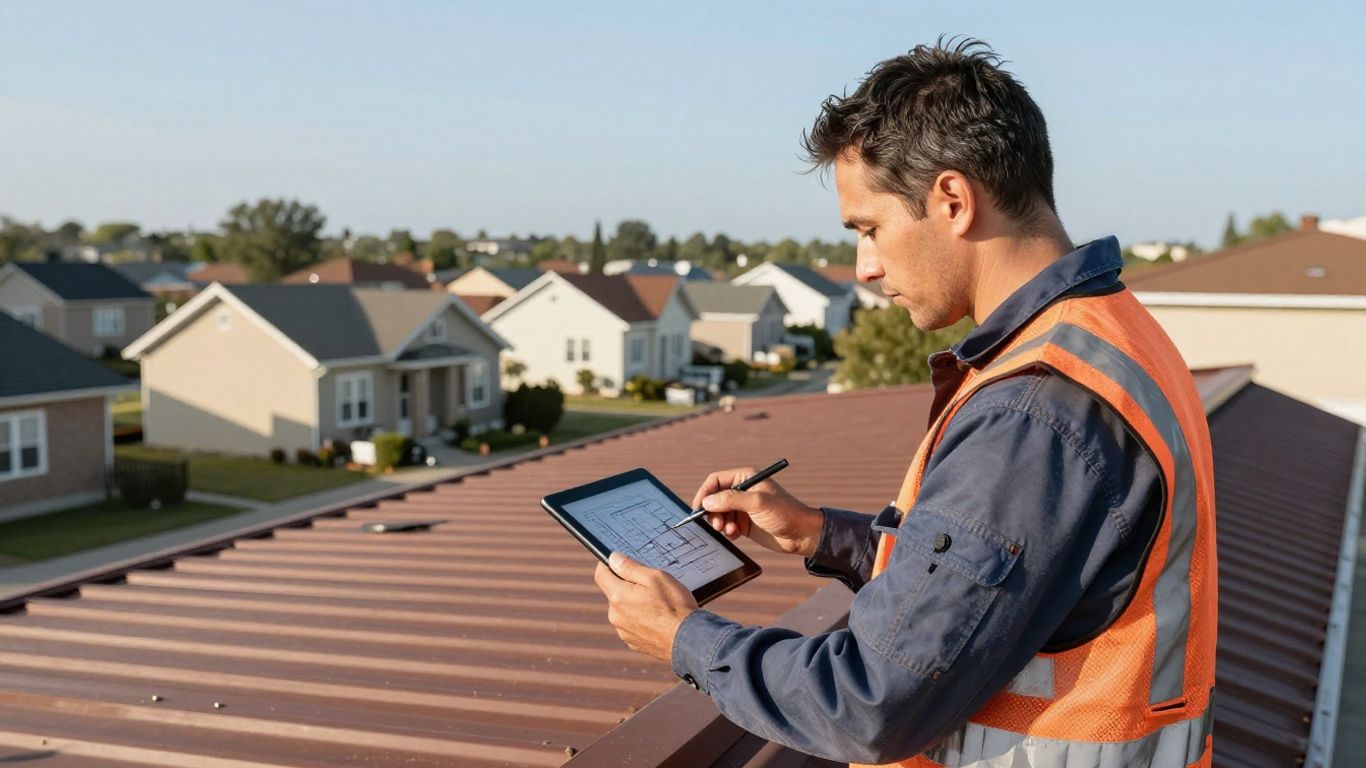
Reviewing quotes is the most effective way to judge the true value of your potential investment, as prices usually vary between different solar installer in Brisbane configurations. It is helpful to organize these figures side-by-side to understand exactly what you are paying for regarding labor, equipment, and permits. This process allows you to spot where costs might differ due to component quality or additional service offerings.
Identifying costs in an itemised solar quote
An itemised quote should explicitly separate the hardware costs, such as the panels and inverter, from the labor fees associated with the electrical and installation service. Below is a breakdown of typical cost components that you should find inside an itemised quote:
| Itemized Quote Component | Relative Cost Expectation | Priority Level |
|---|---|---|
| Solar Panel Hardware | Medium to High | High |
| Inverter Unit | Medium | High |
| Labour and Installation | Moderate | Medium |
| Balance of System Components | Low | Medium |
| Council and Regulatory Fees | Fixed | High |
By ensuring each line item is clearly defined, you can compare different offers on an equal footing. This level of detail helps prevent hidden fees from appearing later while providing you with a clear roadmap of exactly where your funds are being allocated.
Balancing expected power output with total system cost
Maximizing your investment is rarely about getting the lowest price, but rather finding the best energy production for every dollar spent. It is better to focus on the cost-per-watt efficiency to understand if you are buying a system that will provide enough yield to cover your specific peak usage hours.
The role of onsite roof assessments in final pricing
Physical inspections are vital because factors like shade from trees, roof orientation, and structural integrity can significantly change the complexity of the installation. Professionals who skip this step often provide low-ball estimates that rapidly balloon into higher costs once work actually begins on your property.
Selecting a reputable solar installer in Brisbane
Choosing the right partner is just as critical as selecting the right hardware, as the quality of the workmanship determines the system’s longevity. A qualified team will prioritize safety standards and explain how to apply expert tips regarding system maintenance and general operations. The following list identifies the essential steps for vetting potential firms:
- Verify that the company holds current Clean Energy Council accreditation for all on-site electricians.
- Read independent customer reviews that specifically mention long-term system stability and support.
- Confirm the company is a locally based entity within Brisbane to ensure faster response times for technical issues.
- Ask for proof of valid business insurance to protect your property during the installation process.
By following these verification steps, you minimize the risk associated with offloading your home’s energy needs to an unvetted party. Taking the time to look into the background of a company will typically pay for itself through years of reliable, maintenance-free energy production and peace of mind.
Verifying Clean Energy Council accreditation
The industry-standard mark of professionalism is formal accreditation, which confirms that technicians follow strict design and safety protocols. You can verify this status independently to ensure your project is being managed by individuals who understand the technical standards required for local grid connections.
Researching local company history and customer feedback
A company that has spent years working in the local community will have a track record of stability and proven performance. Look for mentions of professional conduct and post-installation support in their portfolio of past work, rather than relying solely on flashy advertisements or generic marketing claims.
Essential questions to ask before signing a contract
Before you commit, ask about the expected timeline for the permit process and how the company handles unexpected roof maintenance issues identified during the install. Clear, direct answers to these questions are a strong indicator of a trustworthy partner who values their reputation and cares about your project outcome.
Maximising the value of your solar investment
Once the system is active, your behavior determines how much money remains in your pocket each month compared to previous electricity bills. Success relies on aligning your appliance usage with the hours when your panels are most actively feeding energy into the local electrical grid.
Optimising energy usage for Queensland feed-in tariffs
By adjusting when you run high-consumption devices, like dishwashers or pool pumps, you can ensure that you consume your own generated power rather than paying to import it from the grid during expensive peak periods. Following this simple shift, you can use automation order cues to help refine your efficiency and stop relying on manual adjustments alone.
Determining if a battery is right for your budget
While adding storage increases your upfront costs, it can be a useful way to extend the reach of your solar power into the evening hours. Evaluate your typical evening energy consumption against the cost of a modern battery unit to calculate if the payback period aligns with your long-term financial objectives.
Monitoring system performance to ensure promised savings
Regularly checking your inverter display or associated monitoring app allows you to track your daily output and verify that it hits the expected targets for your location. If you notice a sudden dip in power generation, it could be an early warning sign that your panels need a quick cleaning or that a minor mechanical issue requires professional attention.
Conclusion
Investing in solar power via a well-researched, professional installation provides a reliable way to stabilize your electricity costs while moving toward energy independence. By leveraging government incentives, carefully comparing quotes, and choosing a reputable partner, you can ensure your home’s system continues to deliver value and performance for years to come.
Frequently Asked Questions
Does weather impact the performance of solar panels in Brisbane?
Brisbane offers excellent conditions for solar power due to high levels of annual sunshine, though excessive heat can occasionally reduce efficiency. The systems are designed to withstand these conditions and operate effectively across all seasons, providing consistent power throughout the year.
Are there specific subsidies for battery systems in Queensland?
While federal STC rebates primarily cover the panel system, state-level programs and interest-free loan options often include storage components. Researching the latest updates to regional energy programs will reveal any current financial support available for your battery purchase.
How long should a solar installation process take to complete?
A standard residential solar installation typically takes between one and two days once all mandatory permits and grid connection approvals are finalised. The timeline can vary depending on the complexity of your roof structure and the overall size of the system being installed.
Is it necessary to clean solar panels regularly?
Most systems in Brisbane benefit from the occasional rainfall to clear away dust, but occasional cleaning helps maintain peak efficiency. If you notice a persistent drop in total energy production that does not correlate with cloudy weather, it might be time to inspect the panels for debris.
Can solar panels work during a grid power outage?
Standard grid-tied solar systems automatically shut down during a power outage to protect linesmen working on the grid. To maintain power during an outage, you would need a hybrid system equipped with an integrated battery and advanced power management capabilities.
Do north-facing roofs work best for solar efficiency?
While north-facing roofs generally maximize exposure to sunlight in the southern hemisphere, east and west-facing arrays can still be highly effective. The total system design, including the local micro-climate and your specific peak energy usage hours, often dictates the optimal placement for your home.
Can I add more panels to my system at a later date?
Expanding an existing system is possible, but it requires verifying that your current inverter has sufficient capacity to handle the increased load. You would also need to ensure that the new equipment remains compatible with your existing setup to maintain safety and performance standards.