
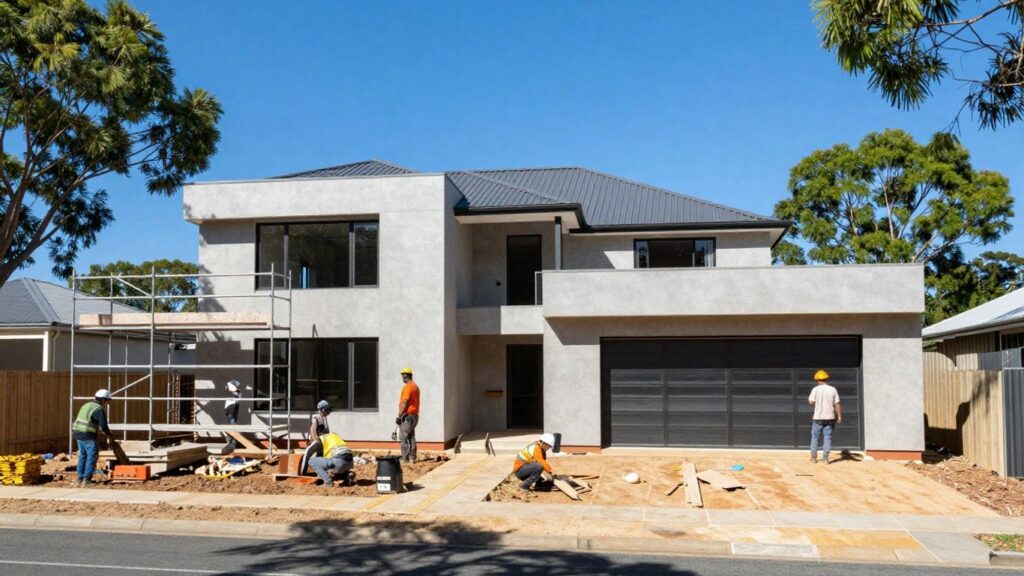
Thinking about buying or building your first home in Queensland? The building grants QLD 2025 scheme could give you a real head start. This grant is designed to help first home buyers get into the market, whether you’re looking at a new build, an off-the-plan apartment, or even a place that’s been substantially renovated. There are some rules and deadlines to keep in mind, though. This guide breaks down who can apply, what properties count, how to get your paperwork sorted, and what’s changed for 2025. Let’s get into the nitty-gritty so you don’t miss out.
Key Takeaways
- The building grants QLD 2025 offers up to $30,000 for eligible first home buyers who buy or build a new home under $750,000.
- Applicants must be at least 18, Australian citizens or permanent residents, and have never owned property in Australia before.
- You must live in the home as your main residence for at least six months within the first year after it’s finished or settled.
- Applications can be sent in through your lender or directly to Revenue Queensland, but you’ll need to get your timing and paperwork right.
- The grant amount is set to drop back to $15,000 after 30 June 2025, so signing a contract before then could mean double the money.
Understanding Building Grants QLD 2025: What’s on Offer
This grant is back in a big way for 2025, and for many first home buyers in Queensland, it could be a complete game changer. Queensland’s Building Grant is offering $30,000 to eligible first home buyers who sign a contract for a brand-new property, build, or substantial renovation by 30 June 2025. Here’s how it works this year, what’s changed, and who can benefit.
Overview of the Current Grant Amounts
| Grant Amount | Contract Signed Between |
|---|---|
| $30,000 | 20 November 2023 – 30 June 2025 |
| $15,000 | Before 20 November 2023 or after 30 June 2025 (unless extended) |
- $30,000 is the largest amount the state has ever offered through this program.
- The payment is tax-free, and you don’t need to pay it back.
- The grant can go towards your deposit, closing costs, or paying down your mortgage, depending on how you buy or build.
A boost like this can be the difference between getting into the property market and missing out—so if you’re ready to build or buy, make sure you act before the deadline.
Key Dates and Deadlines to Note
- 20 November 2023: Date the $30,000 offer kicked off.
- 30 June 2025: Final day to sign a purchase or build contract and still be eligible for the $30,000 grant.
- After 30 June 2025: Grant is currently set to roll back to $15,000, but the government could still extend the higher amount—it’s up in the air.
- Completion/Settlement can happen after the deadline, but contract must fall inside this window.
Don’t leave applications to the last second, as processing can take time, especially if documentation is missing.
Types of Properties That Qualify
You can use the QLD Building Grant for:
- Brand-new homes that have never been sold or lived in, including stand-alone houses, townhouses, or new apartments.
- Off-the-plan purchases (buying in a development still under construction).
- Substantially renovated homes (major structural changes, not just cosmetic updates).
- Owner-builder projects, so long as they meet the usual legal standards.
Importantly:
- Established, previously lived-in homes typically don’t qualify for this grant.
- Total value cap applies: The house and land together must be less than $750,000—so if you stretch above that, you miss out.
- Regional and metro areas are both included—there’s no location restriction within Queensland.
- It can’t be used for simple renovations or investment properties—you need to live in the home yourself.
If you’re eyeing off a shiny new apartment, planning to build a family home, or even taking on a substantial renovation as an owner-builder, this grant could seriously help cover your upfront costs. Planning ahead and staying organised with contracts and paperwork means you’re far more likely to get the most from this opportunity.
Who Qualifies for Building Grants QLD 2025?
Looking to snag the QLD Building Grant for 2025? You’ll need to tick a few key boxes. It’s not just about wanting a new pad — there are set rules around who can apply, especially if it’s your first jump into the property market. Let’s break down what you’ll need in plain English.
Applicant Age and Citizenship Requirements
At least one applicant must be an Australian citizen or permanent resident, and everyone applying needs to be 18 or older. If you apply as a couple (married or de facto), both of you have to meet these criteria.
| Requirement | Description |
|---|---|
| Minimum Age | 18 years |
| Citizenship/Residency | Aussie citizen or permanent resident (at least one applicant) |
A few reminders:
- If you’re applying with someone else, both of you need to have never owned a home in Australia before.
- You can only receive the grant once — there are no second chances if you move again.
First Home Buyer Status Explained
The grant is meant for people who’ve never owned land or a residential property anywhere in Australia. Not just QLD — the rule covers the whole country. Here’s the gist:
- Neither you nor your spouse/partner can have previously had a property in their name.
- Haven’t received a First Home Owners Grant in any other state.
- Absolutely no past property ownership — even as an investor or if you inherited a block decades ago.
If you tick every box and this is really your first swing at homeownership, you’re in with a shot.
Residency and Occupancy Obligations
This rule catches out more buyers than you’d think: you must actually move in and live there.
- Move in within 12 months of settlement (or when construction finishes).
- Stay for at least six continuous months as your main home.
- The property can’t be rented out or left empty — they’re strict and do random checks.
If you don’t move in on time or rent the place out early, you may have to pay the grant back — and sometimes with a penalty. Queensland doesn’t mess around with these residency rules.
Quick Recap Checklist
- [ ] At least 18 years old
- [ ] Australian citizen or permanent resident
- [ ] Never owned property in Australia
- [ ] Will live in the new home for at least 6 months in the first year
Missing any of the above? Unfortunately, you’ll have to sit this round out. But if you meet all the conditions, you’re well on the way to unlocking that $30,000 boost for your first home.
Property Criteria for Building Grants QLD 2025
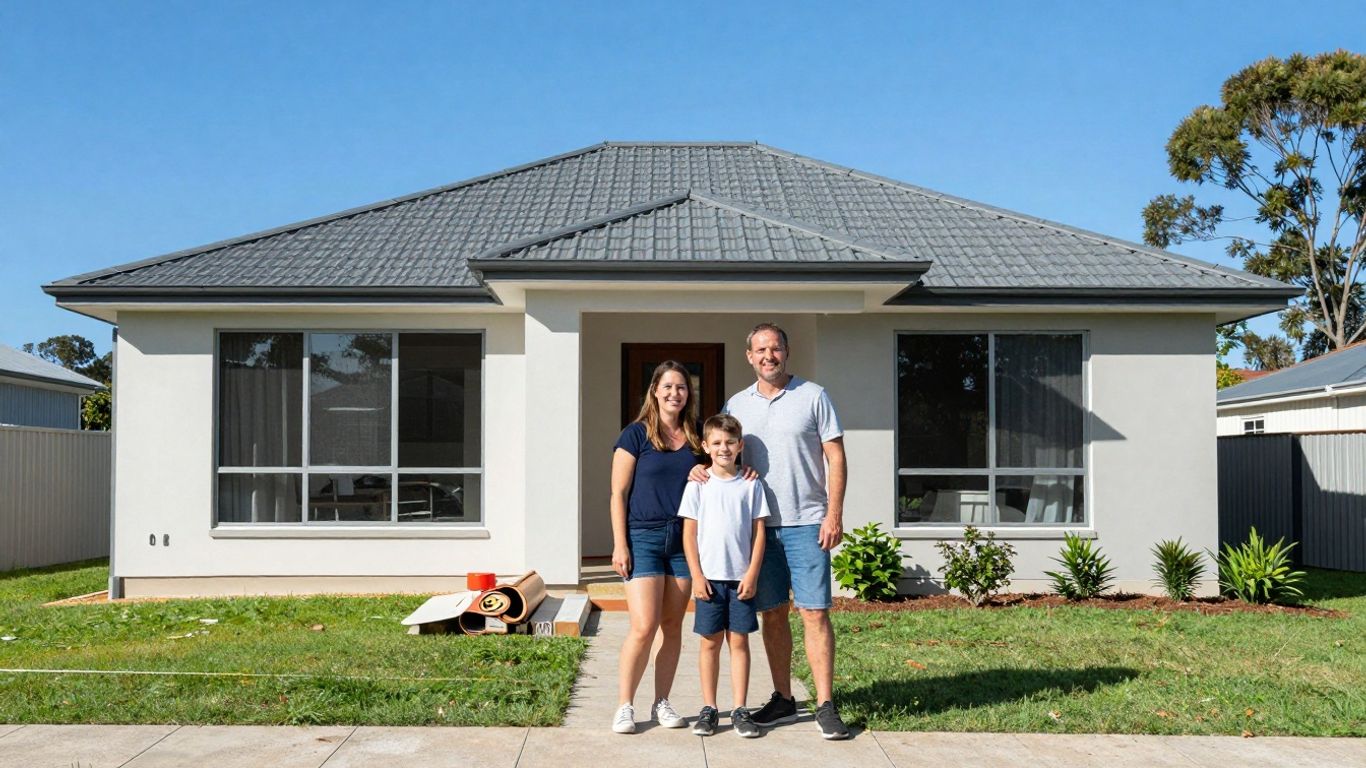
For the 2025 round of Building Grants in Queensland, there are some very specific property rules you need to know before you start filling out paperwork. If you get these wrong, you could see your application knocked back. Let’s break down the types of properties that count, the price caps, and what it means for folks going the owner-builder route.
New Builds, Off-the-Plan and Substantial Renovations
Your property needs to fit into one of a few set categories:
- Brand new builds: These include houses, apartments, and townhouses that haven’t been lived in or sold before. It covers homes built by developers and also custom builds arranged privately.
- Off-the-plan purchases: Buying an apartment or townhouse that’s still under construction counts here, just make sure it’s genuinely new.
- Substantially renovated homes: Not every reno qualifies—there need to be major structural changes, not just cosmetic updates like painting. The foundations and most of the building should be replaced or reworked. The property can’t have been lived in since the renovation finished.
- Owner-builder projects: If you build the home yourself, you’ll need to show you meet local council building requirements.
Remember, cosmetic touch-ups don’t cut it—if you want your renovation to count, it needs to be a true gut-job, not just a new kitchen benchtop.
Property Value Caps and How They Apply
There’s a strict cap on what your new home can be worth if you want to score the grant. For 2025, here are the numbers that matter:
| Property Type | Maximum Value (incl. land) |
|---|---|
| New Build | $750,000 |
| Substantially Renovated | $750,000 |
| Off-the-Plan Purchase | $750,000 |
| Owner-Builder | $750,000 |
- The cap includes both land and construction costs.
- It applies at the time you sign the contract, not at the time of completion.
- If you go even a dollar over the limit (once all costs are checked), you miss out.
Differences for Owner-Builders and Substantially Renovated Homes
It gets a bit messy here, so pay attention if you’re building yourself or buying a renovated house:
- Owner-builders: You’re seen a little differently. The grant will use the date you finish laying the slab or foundations as your "contract" date. All evidence of costs—receipts, invoices—need to be ready for inspection.
- Substantially renovated homes: These only count if the bulk of the structure has been replaced, not just a few walls knocked out. You’ll need clear paperwork from the builder/developer showing what was done. No shortcuts.
- Developer-built vs private build: For off-the-plan or developer-builds, the official contract price is usually clear. With private builds or complex renovations, be ready to provide heaps of paperwork showing all costs and stages.
To sum up: the rules for eligible properties aren’t flexible, and the government checks the details closely. Double-check your contracts, and get all the paperwork sorted early, especially if you’re not going down the standard developer-build path.
How to Apply for Building Grants QLD 2025 Successfully
Applying for a building grant in Queensland might look intimidating at first, but it’s really about having the right documents ready and picking the right way to submit everything. Here’s a straightforward guide to make the process less stressful.
Documentation Needed for Application
To cut out any drama, get all your paperwork in order before you start the application. That way, you won’t have to chase up missing bits later. Here’s what you’ll need:
- Proof of identity for every applicant (typically a passport or driver licence)
- The signed contract of sale (for new homes or off-the-plan), or building contract (for new builds)
- Building approval documents, if you’re building or renovating
- Evidence of Australian citizenship or permanent residency (for at least one applicant)
- Any applicable documents showing progress on your build (like a slab laid or foundations in)
It helps to use the document checklist on the Revenue Queensland website to double-check everything before you hit submit.
Steps to Lodge Your Grant with Revenue Queensland
You’ve got two options when it comes to sending in your application:
- Through your lender: Most major banks handle this for you while you’re sorting your loan. They package up your application and send it off to Revenue Queensland. This is usually the quickest way.
- Direct to Revenue Queensland: If you’re not using a lender or your lender isn’t an approved agent, you can send your application straight to Revenue Queensland through their online system.
A quick table to break it down:
| Method | Who it’s for | Speed |
|---|---|---|
| Through lender | Applicants taking a home loan/mortgage | Fastest |
| Direct to QRO | Self-funded or not using an approved lender | Can take longer |
Timing Your Application for Maximum Benefit
You don’t want to leave things until the last minute. Timing is important, especially if you’re hoping the grant will help with your costs at settlement or on your first progress payment.
- Applying early gives you the best shot at having the money ready when you need it.
- If you’re buying, the grant can be paid at settlement. If you’re building, it’s usually released once the slab’s poured or your first progress draw is due. Owner-builders get paid after foundations are laid.
- The deadline for applications is generally 12 months from your settlement (for purchases) or from the completion date (for new builds). Missing this window means you could lose your chance at the grant.
You can only apply for the grant once per property—even with multiple applicants—so make sure you’ve included everyone who needs to be listed on the initial application.
A little planning right now gets you that much closer to the funds landing in your account when you actually need them. Bit of effort upfront means way less stress later on.
Tips for Maximising Your Building Grants QLD 2025 Benefits
Combining the Grant with Stamp Duty Concessions
Getting the Building Grant is already a boost, but you can pull even more value from it if you line things up with other discounts. For instance, Queensland aims plenty of help at first home buyers—if it’s your first place and you stay below the stamp duty threshold, you might actually pay no stamp duty at all. Here’s how the benefits can stack up:
| Benefit | Threshold | Maximum Saving |
|---|---|---|
| Building Grant | ≤ $750,000 | $30,000 |
| Stamp Duty Exemption | ≤ $500,000 | Up to ~$15,925 |
| Stamp Duty Discount | $500,001–$550,000 | Varies |
- Make sure the contract price (build + land) sits at or under the caps.
- Timing really matters—if grant values are set to change soon, try and sign before deadlines.
- Sometimes pushing for a slightly lower price on the property can mean thousands in extra benefits.
With careful planning, you could walk away from settlement owing way less than you would’ve expected—sometimes it works out to your deposit covering costs that stamp duty would’ve eaten up.
Using the Grant Towards Your Deposit and Costs
The Queensland grant can help slash what you need to save before the bank says yes. While lenders usually want to see at least 5–10% deposit, the grant counts towards your total funds.
Here’s a quick checklist for making your deposit go further:
- Use the grant to bridge the gap between your savings and the deposit.
- Allocate part of the grant to cover legal, building and government fees.
- Remember that the grant is paid at settlement or after the build starts—so be ready to front a deposit from your own funds and be reimbursed after.
If your lender’s cool with it, you can have the grant transferred straight into the settlement account. That makes life easier because you’re not waiting weeks for a rebate.
Working with Lenders and Brokers to Streamline Approval
Don’t try to muddle through all the paperwork alone. Mortgage brokers do this stuff every day—they know the forms needed, lender quirks, and even which banks process grant applications fastest.
A good broker will:
- Check your eligibility for all grants and concessions.
- Submit your grant application alongside your loan, so funds are ready at settlement.
- Chirp up if you’ve missed a document or tick-box, saving you from frustrating delays.
If you’re not using a broker, talking directly to the bank’s home loan team can help too—they usually have people trained in handling government grant paperwork.
Taking shortcuts with paperwork or missing a key form can slow down your grant, or worse, have it knocked back. It’s worth a quick phone call with a broker or lender to double-check what’s required before you hit ‘submit.’
By bundling your grant application with a savvy plan and seeking expert help, you cut stress and boost your chances of settling smoothly and on time.
Important Changes to Building Grants QLD 2025
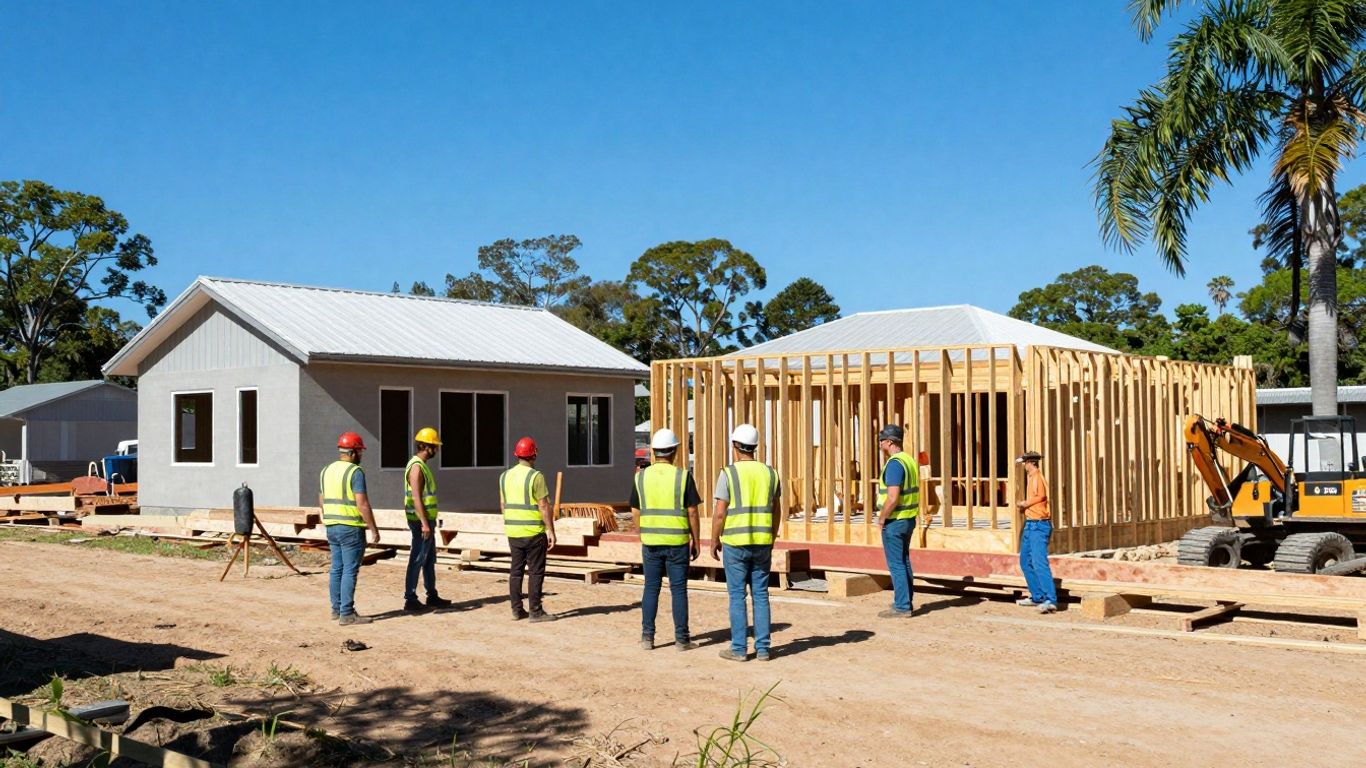
The landscape for Building Grants in Queensland has shifted in 2025, with a handful of updates that make a big impact for first home buyers and builders. Let’s break down what’s new and what you’ll want to pay close attention to if you’re thinking of buying or building a home this year.
Increases in Grant Amount and Time-Limited Offers
The biggest news: The grant value doubled from $15,000 to $30,000, but it’s not here forever. This boosted payment is only for contracts signed between 20 November 2023 and 30 June 2025.
| Grant Contract Date | Grant Amount |
|---|---|
| Before 20 Nov 2023 | $15,000 |
| 20 Nov 2023 – 30 Jun 2025 | $30,000 |
| After 30 Jun 2025 | $15,000?* |
*May change if the government extends the boost.
- You must sign your building or purchase contract by 30 June 2025 to get the $30,000.
- Doesn’t matter if the build or settlement finishes later—the contract date is what counts.
- The government might extend this, but as of now, don’t bank on it.
This $30,000 bonus is the most generous grant in Australia right now for building or buying a new home. Missing the cut-off could mean halving your support.
Recent Eligibility Adjustments and Extensions
There have been a few tweaks to who can access the grant, as well as more flexibility on eligible properties. Here’s the scoop:
- The grant covers not just brand-new homes, but also substantially renovated properties; as long as no-one has lived in it since the work was finished.
- Owner-builders also qualify, but your eligibility is counted from when foundations are officially laid.
- The $750,000 cap (total for land plus build) still applies. Go a dollar over, and you’re out—double check builder extras!
- No change to citizenship or residency requirements: one applicant must be an Australian citizen or permanent resident.
- There’s no income test—you can earn any amount and still qualify.
Stamp Duty Relief for First Home Buyers
2025 also brought a huge change for transfer duty (stamp duty):
- First home buyers of new properties or builds now get complete stamp duty exemption—no value cap.
- For established (older) homes, stamp duty concessions remain but are not as generous and are capped.
- This means huge extra savings if you’re building, especially in higher price brackets.
Quick snapshot:
- New build/new property: $0 stamp duty for first-timers (no limit on price)
- Existing homes: Duty concession applies up to a capped value
- You must live in the property as your main home within 12 months for at least six months
These changes together mean a first home buyer could come out tens of thousands of dollars ahead compared to previous years. It’s actually made building your first home in QLD one of the most affordable options in the country right now.
To sum it up, if you’re planning to build or buy new in Queensland, watch the contract date closely—and double check what’s included in your contract price before you sign. The bigger grant and stamp duty waiver could easily tip the scales in your favour, but only if you meet all the requirements before these offers change again.
Common Pitfalls and How to Avoid Losing the Grant
No one wants to get excited about building their dream home, claim the building grant, and then end up repaying it (plus penalties) because of a simple mistake. Still, it happens more often than you’d expect, and usually for reasons that could have been avoided with a bit of prep. Here are the main traps people fall into, and how to make sure you don’t lose out on the grant in Queensland.
Meeting the Principal Place of Residence Requirement
QLD building grants come with clear rules: you must move in and actually live there. The government checks this:
- You usually need to reside in the new home for a continuous period (normally 6-12 months).
- Renting the property out or flipping it before this period is up is a fast way to forfeit your grant.
- Revenue Queensland can request proof, like utility bills or bank statements showing your address matches the property.
Residency rules aren’t a box-ticking exercise. They’re enforced, so stay organised and keep your evidence in case you’re audited or contacted months after move-in.
Avoiding Errors in Application
It seems minor, but lots of grants go begging (or get clawed back) due to paperwork mistakes. Here’s a quick checklist to keep you out of trouble:
- Double-check everything you upload—make sure names, dates, and property details match what’s on your contract and your ID.
- Submit all the supporting documents. Missing a single form (or sending a blurry image) could delay, or worse, result in rejection.
- Know your deadlines. If you apply late, there’s very little leeway. Mark it in your calendar, and consider working with a broker if you aren’t confident.
Consequences of Breaching Grant Conditions
Losing the grant isn’t just inconvenient; it can hit your hip pocket hard. Here’s what can happen:
| Breach Type | What Happens Next |
|---|---|
| Didn’t meet live-in requirement | You’ll have to pay back the full grant, often plus interest |
| Provided false or incomplete info | You may be referred for investigation and owe penalties |
| Used the property incorrectly | Repayment and possible future ineligibility for government offers |
Mistakes might feel small, but grant authorities can be strict. With larger sums at stake in 2025 and extra government focus, the risk is higher.
If you run into unexpected life issues (like job transfers) during your required occupancy, reach out to Revenue Queensland—they do consider hardship. For longer-term projects, keep an eye on things that could affect your status, like insolvency in the construction industry. Structural issues can trip up even experienced builders, so always check the latest updates on structural issues in construction.
- Stay organised with your documentation from day one.
- Don’t be tempted to stretch the rules.
- Ask for advice before making any move that could affect your eligibility.
Remember, the goal is to secure your new home, not to face surprise costs down the track. Plan as if they’ll check up—most of the time, they will.
Conclusion
So, that’s the wrap on the 2025 Queensland building grants. If you’re a first home buyer, this is a pretty rare chance to get a big boost towards your own place—especially with the $30,000 grant still on offer (for now, at least). Just remember, the rules are strict: you need to be a true first-timer, actually move in, and keep the paperwork tidy. The deadlines matter, too—don’t leave it until the last minute or you might miss out. If you’re unsure about anything, check the government website or chat to your lender or broker. It’s a bit of effort, but for that kind of money, it’s worth it. Good luck with your house hunt, and here’s hoping you’re unpacking boxes in your new home soon!
Frequently Asked Questions
Who can get the Building Grants QLD 2025?
To get the Building Grants QLD 2025, you must be a first home buyer. This means you and your partner can’t have owned a home in Australia before. At least one person applying must be an Australian citizen or have permanent residency. You also need to be 18 or older.
What types of homes are covered by the grant?
You can use the grant for a brand-new house, townhouse, apartment, or a home that’s been heavily renovated. Off-the-plan homes and homes built by owner-builders also count, but the total value (including land) must be under $750,000.
How much money can I get, and when do I need to sign the contract?
If you sign your contract between 20 November 2023 and 30 June 2025, you can get $30,000. If you sign before 20 November 2023, it’s $15,000. After 30 June 2025, the grant drops back to $15,000 unless the government extends the higher amount.
How do I apply for the grant?
You can apply through your bank or lender when you get your loan, and they’ll send your application to Revenue Queensland. If you don’t use a lender, you can apply online straight to Revenue Queensland. You’ll need to show ID, your contract, and proof of citizenship or residency.
What happens if I don’t move in or rent out the home?
You must move into your new home within 12 months of finishing it or settling, and live there for at least six months. If you rent it out or don’t move in, you could lose the grant and be asked to pay it back, sometimes with extra penalties.
Can I use the grant with other help, like stamp duty discounts?
Yes! You can use the grant along with stamp duty savings and other government help for first home buyers. This can make buying your first home even cheaper and help cover your deposit or extra costs.