Key Takeaways
A home battery can be a useful Australian energy investment, but the right system depends on your solar array, inverter, household load and expectations for backup.
- Battery-Box systems are modular, so capacity can be matched more closely to household demand.
- High-voltage and low-voltage designs suit different inverter and solar-system arrangements.
- Usable capacity, power output and backup configuration matter as much as the advertised storage size.
- Installation quality, approved equipment combinations and warranty conditions deserve careful checking.
- A battery is most likely to add value when it stores surplus solar that the household can use later.
What BYD batteries are and how the range differs
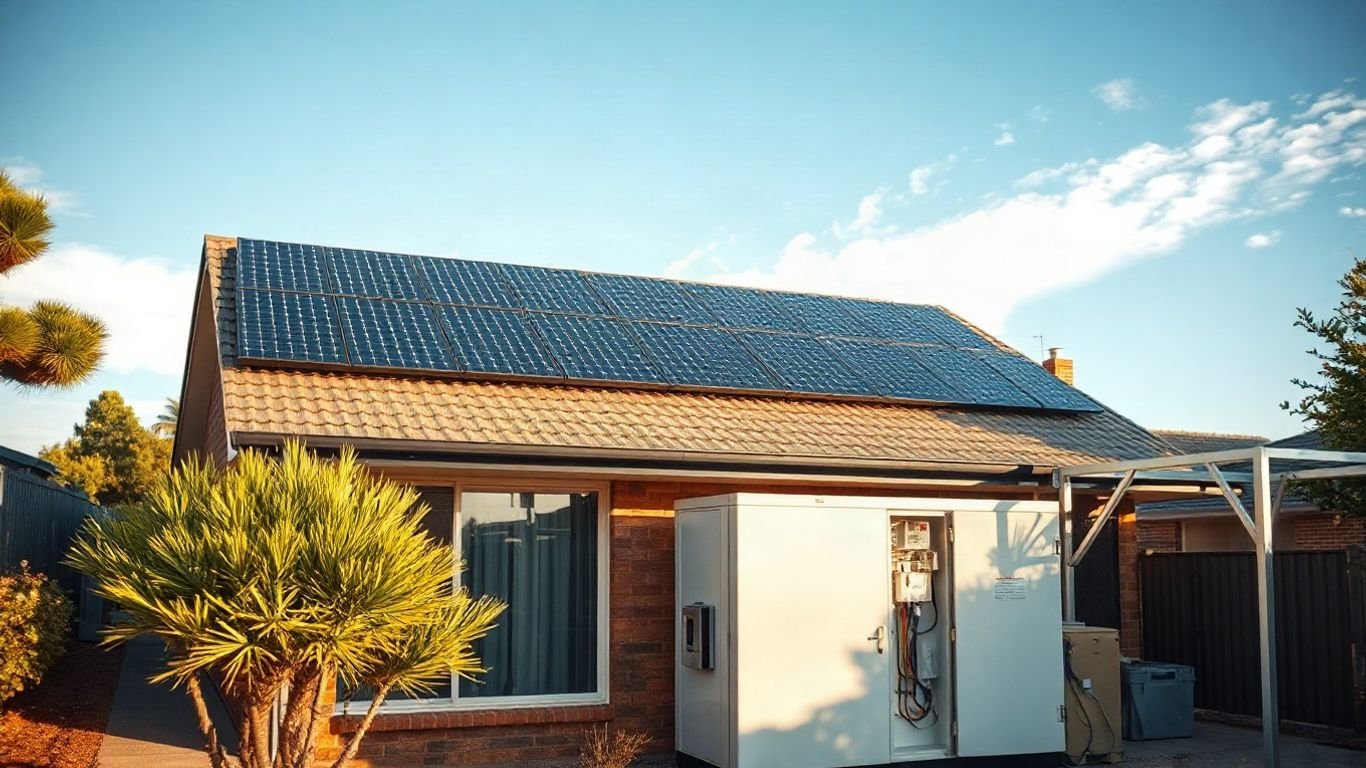
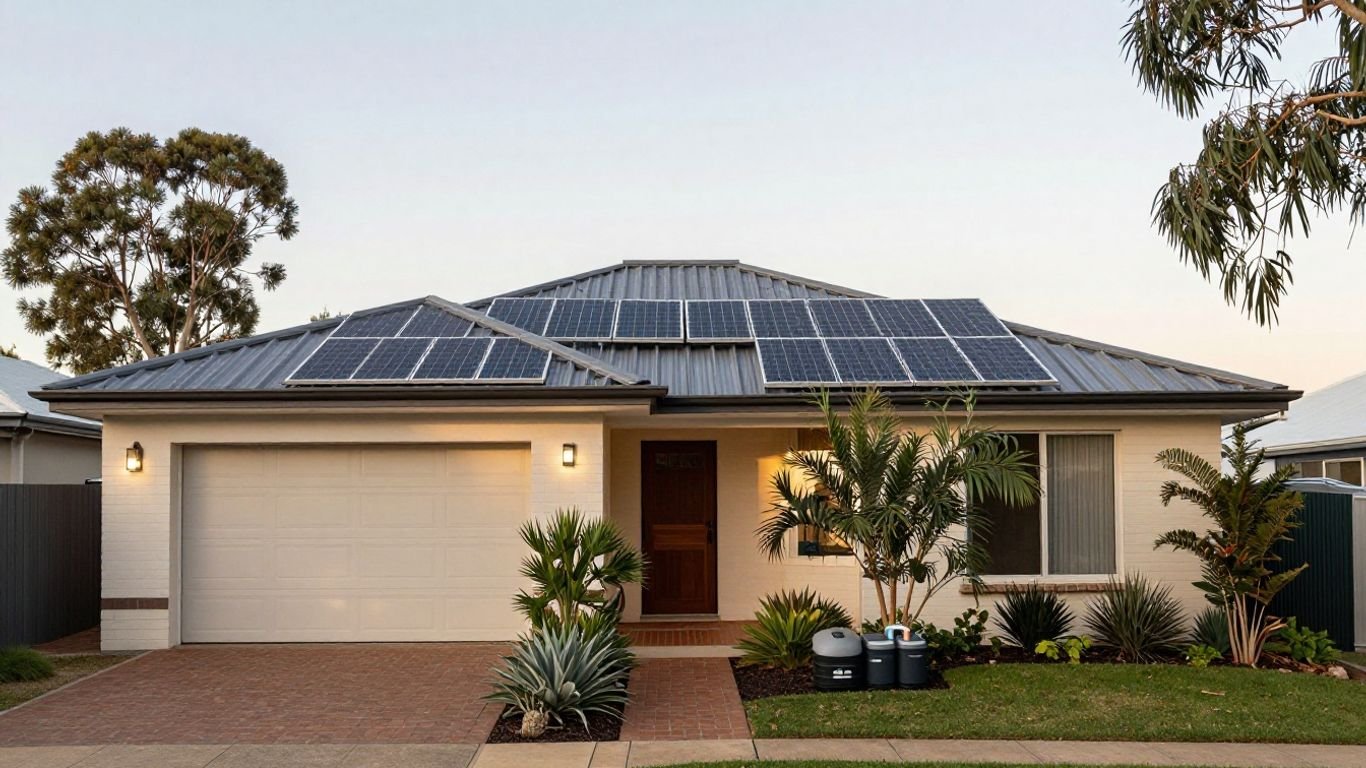
This byd batteries review looks at the range as a group rather than treating every model as interchangeable. Residential storage is built around battery modules, control equipment and an inverter, and those parts need to work together. A larger nominal capacity does not automatically mean more useful energy or better value. Australian buyers should compare the complete installed system, not just the battery cabinet.
The product family includes high-voltage tower systems and lower-voltage options, with the exact specification changing by model and approved inverter pairing. That makes the first step fairly practical: work out how much electricity the home uses after sunset, then ask an installer which configuration can deliver it safely and within the system limits.
BYD Battery-Box Premium HVS and HVM explained
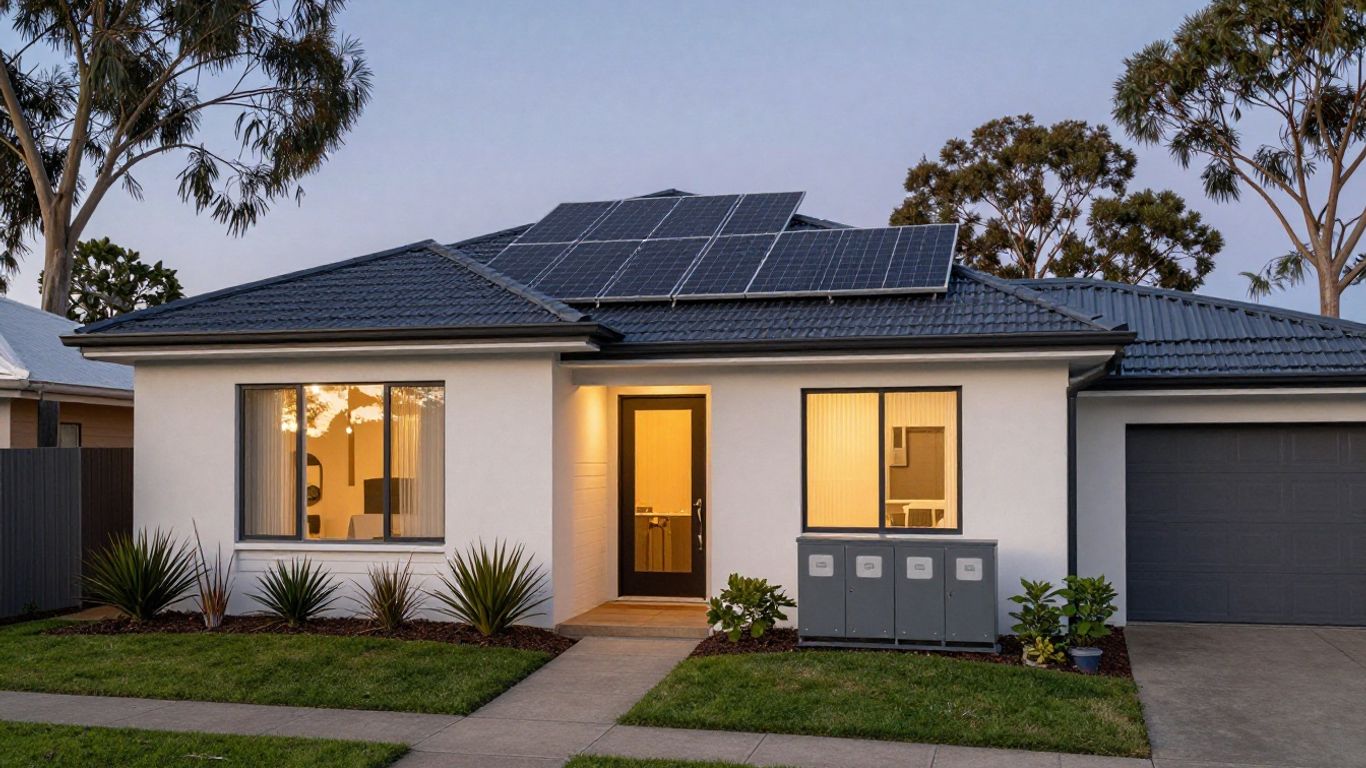
The Battery-Box Premium HVS and HVM are modular high-voltage storage systems. Their stackable format allows a system to be assembled from multiple battery modules, rather than requiring one fixed-size unit for every home. The HVS and HVM names should not be treated as interchangeable labels; the voltage architecture, module arrangement and compatible inverter combinations need to be confirmed for the specific installation.
For a homeowner, the practical benefit is sizing flexibility. A small household may not need the same storage tower as a large family with electric hot water, air conditioning and evening cooking. It is also worth asking whether future expansion is allowed, how many modules can be used, and whether adding modules later affects commissioning or warranty requirements.
Low-voltage options for smaller solar systems
Low-voltage storage can be relevant where a solar system or inverter has been designed around a lower battery voltage. It may also suit a smaller installation where the design priorities are straightforward integration and an appropriate power rating rather than the highest possible storage size. The choice is not simply a matter of selecting the cheapest battery: inverter compatibility and the electrical design come first.
An installer should explain the proposed battery voltage, continuous power and backup arrangement in plain language. If the home has modest evening consumption, oversizing the battery can leave a large portion of its capacity unused for much of the year. Conversely, a small battery may fill quickly and provide limited help through the evening peak.
Usable capacity, modular expansion and system limits
Advertised capacity and usable capacity are different measures. A battery may retain some charge as a reserve, while inverter limits, temperature and operating settings can also affect how much energy reaches household circuits. Ask for the expected usable kilowatt-hours and the continuous output, rather than relying on the headline capacity alone.
Expansion is useful when the household’s energy pattern changes, but it is not always as simple as adding another module. The control unit, inverter, installation space and approved maximum system size all matter. The following comparison is a useful starting point, although the installer should confirm the current datasheet for the selected model.
| Consideration | Why it matters | Question to ask | Common mistake |
|---|---|---|---|
| Nominal capacity | Indicates the battery’s stated storage size | What is the usable capacity? | Comparing headline figures only |
| Continuous power | Shows how much load can run at once | Can it handle the home’s evening peak? | Confusing energy size with power |
| Expansion | Determines whether storage can grow later | Are additional modules approved? | Assuming every tower is expandable |
| Inverter pairing | Controls charging, discharging and system operation | Is this exact combination approved? | Buying the battery before the inverter |
These distinctions make a price comparison more meaningful. A slightly smaller system with suitable power and high daily use may perform better financially than a much larger system that rarely cycles fully.
Blade battery technology and what it means in practice
The Blade battery is a battery design associated with electric vehicles, not a blanket description of every residential Battery-Box product. Public discussion of the design focuses on long, narrow cells and tightly packed construction, while a teardown reported in the supplied coverage highlighted a trade-off between compact structural packaging and ease of servicing. Those observations should not be transferred automatically to a home-storage model.
For a household buyer, the useful lesson is to separate cell technology from the complete installed product. Ask which chemistry and enclosure apply to the actual residential model, how faults are serviced, and what happens at end of life. A familiar technology name does not replace model-specific documentation.
How BYD batteries perform in everyday use
Daily performance is shaped by the whole energy system. Solar generation varies with roof orientation, cloud cover and season, while household demand changes with work patterns, hot-water heating and heating or cooling. A battery can shift surplus daytime generation into the evening, but it cannot remove every loss or guarantee independence from the grid.
The most useful review therefore looks beyond laboratory efficiency. Consider how often the battery charges, how much power it can provide at once, whether backup is included, and how the system behaves on a hot summer afternoon. Those details are usually more revealing than a single efficiency percentage.
Round-trip efficiency and real-world energy losses
Round-trip efficiency describes the energy retained after charging and then discharging a battery. Losses occur in the battery, inverter, cabling and control equipment, so the energy exported into storage will be higher than the energy later available to the home. The exact result depends on the equipment and operating conditions.
This matters when estimating savings. A household that sends a small amount of surplus solar into storage may gain less than one that regularly has substantial daytime excess and a predictable evening load. A good quote should show the assumed annual solar production, battery throughput and usable energy, rather than promising a generic payback period.
Charge and discharge power for household demands
Capacity answers how much energy can be stored; power answers how quickly it can be delivered. A home may have enough stored energy for the evening but still need grid support when several high-load appliances start together. Electric cooking, pumps, air conditioning and hot-water systems should be considered individually.
The inverter often determines the practical power available to the home. That is why a battery comparison should include continuous output and surge behaviour, not just kilowatt-hours. If the system is intended to run selected appliances during an outage, the installer should identify those circuits before the purchase is finalised.
Backup performance during grid outages
Backup is a system design choice, not an automatic consequence of installing storage. Some systems continue to operate only when the grid is available, while others use additional equipment to isolate the home and supply nominated circuits. A whole-home backup arrangement can require more power, more hardware and a larger budget than essential-load backup.
Before signing, ask whether the proposed system provides backup, which circuits are covered, how quickly it changes over and whether solar can recharge the battery during an outage. These answers should be written into the scope of work. A battery sized for bill reduction may not be sized for a home that expects to run large appliances through a long blackout.
Performance in Australia’s heat and changing seasons
Australian conditions make seasonal planning particularly relevant. Solar output and household demand can move in opposite directions: summer may bring strong generation but heavy cooling loads, while winter can reduce solar production as heating demand rises. The battery’s installation location, ventilation and temperature operating range should be assessed on site.
Owners can also improve day-to-day results by shifting flexible loads into sunny hours. Running a heat-pump water heater, pool pump or dishwasher during solar production may be more efficient than storing every spare kilowatt-hour and retrieving it later. For practical battery care and charging guidance, readers can also consult these battery safety tips, while remembering that the installed system’s manual takes priority.
Installation, compatibility and system design
A battery is not a standalone appliance in the way a fridge is. It becomes part of an electrical system involving solar panels, an inverter, a switchboard, protection equipment, monitoring and, where requested, backup circuits. The design needs to suit the home’s existing equipment and the local installation requirements.
That is why two homes with identical electricity bills can receive different recommendations. One may need a new hybrid inverter, another may be suited to an AC-coupled retrofit, and a third may need switchboard or wiring work before storage is practical. The quote should describe these dependencies clearly.
Inverter compatibility and approved combinations
Compatibility should be checked at the exact model level. A battery may work with selected hybrid inverters but not every inverter from the same manufacturer, and firmware or commissioning requirements can change. The relevant question is whether the proposed battery, control unit and inverter combination is approved for the intended configuration.
The Battery Box HVL coverage is a useful example of why this check matters: the system is described as a modular, DC-coupled product paired with selected SMA, Solis or GoodWe hybrid inverters. That information should be treated as product-specific, not as evidence that every battery can use those brands. Ask the installer to list the approved combination on the proposal.
Single-phase and three-phase home considerations
The home’s electrical supply affects how energy is distributed and how backup can be arranged. Single-phase and three-phase properties may need different inverter configurations, and not every system supplies all phases in the same way during an outage. Large homes with three-phase pumps, workshops or electric vehicle charging need particular care.
A site assessment should identify the main switchboard, solar phase arrangement and priority circuits. It should also clarify whether stored energy can be used across the home as the owner expects. A technically sound battery can still disappoint if its power is connected to the wrong loads or the backup scope was misunderstood.
Indoor, outdoor and space requirements
The installation area needs suitable clearance, access and protection from avoidable environmental exposure. The installer should consider wall construction, drainage, direct sun, ventilation and the route for cables. Outdoor placement may be possible for a particular product, but the manufacturer’s requirements and Australian electrical rules determine what is acceptable.
Leave room for servicing as well as the initial installation. A cramped corner behind outdoor equipment may look convenient but can make inspections harder later. Noise, appearance and proximity to living areas are also reasonable household considerations, especially where the battery will sit beside a bedroom or neighbouring property.
Solar retrofits versus new installations
A new solar-and-battery installation allows the inverter, panels and battery to be designed together. A retrofit has to work around existing equipment, roof generation and switchboard capacity. It can still be sensible, particularly when the current solar system is in good condition, but the conversion path and additional losses should be explained.
Ask for two proposals if the decision is unclear: one retaining as much existing equipment as possible and one replacing or redesigning the relevant components. Comparing annual savings, backup capability, installation work and warranty responsibility is more useful than comparing battery prices alone.
Safety, durability and warranty coverage
Safety depends on chemistry, enclosure design, controls, installation and ongoing operation. No battery should be judged from chemistry alone, and no warranty should be read as a promise that every failure or installation issue will be covered. Australian households should use an accredited installer and keep the manuals, commissioning records and invoices.
A sensible review also considers what happens after installation. Monitoring should make unusual behaviour easier to spot, while a clear service pathway matters if the system reports a fault. The information supplied at handover is part of the product experience.
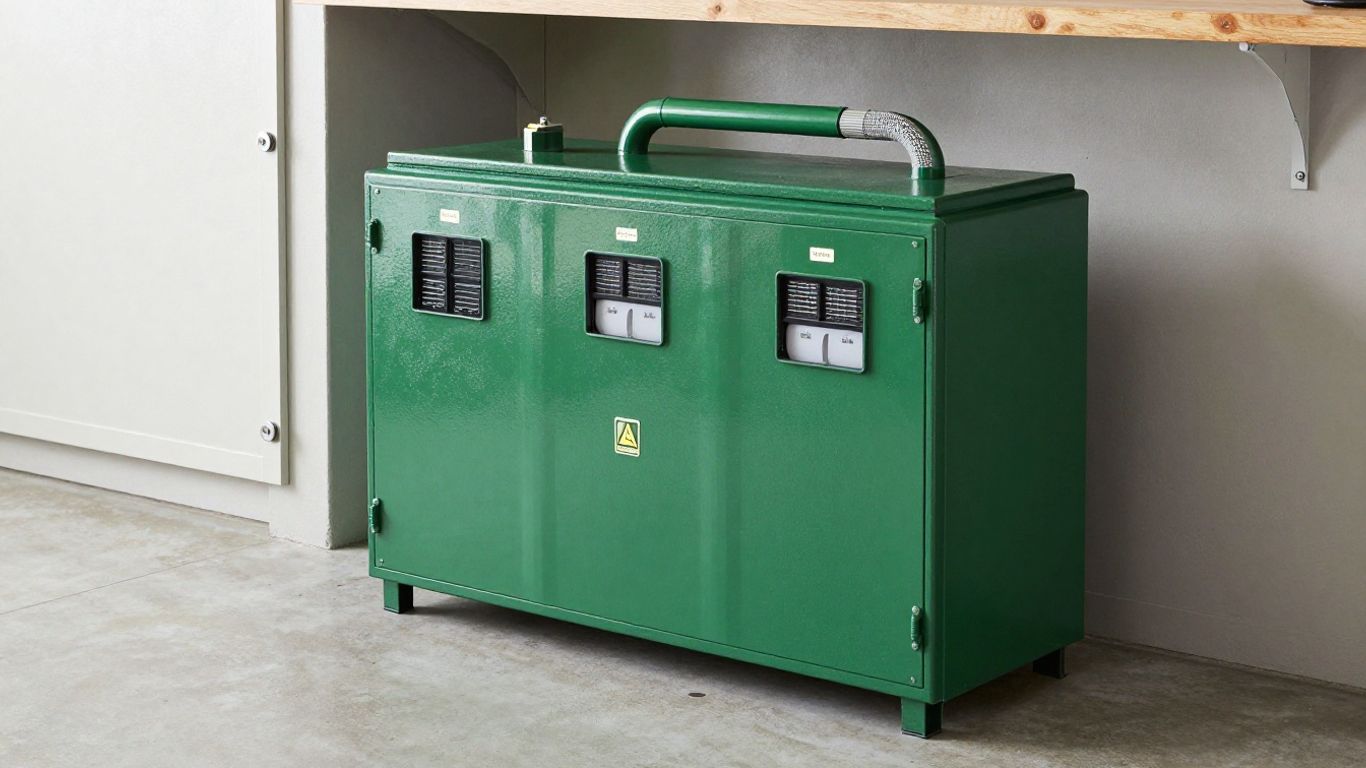
Battery chemistry and thermal safety
The supplied BYD battery review coverage says lithium iron phosphate, or LFP, chemistry is used for stationary applications because of its safety and stability characteristics. That is useful background, but the specification for the model being quoted should still be checked directly. Chemistry is one part of the risk profile; enclosure, protection controls, clearances and installation quality also matter.
Keep combustible materials away from the installation and do not alter the system yourself. If the battery shows damage, unusual heat, odour or repeated fault messages, follow the manufacturer’s instructions and contact the installer rather than continuing to operate it.
Protection systems and monitoring features
Battery systems use control and protection equipment to manage charging, discharging and faults. Monitoring can help an owner see generation, household consumption and battery state, although the amount of information varies between systems and apps. A screen full of data is only useful if the household understands what action, if any, it requires.
At handover, ask how to read the normal operating range, what an alert means and who should be contacted first. It is also worth checking whether internet access is needed for remote monitoring and whether the system continues its core function if the home’s connection is unavailable.
Expected lifespan and degradation
Every rechargeable battery gradually loses capacity through use and age. The rate depends on cycling, temperature, depth of discharge and operating settings. Household usage can therefore be more important than a headline lifespan claim when estimating long-term value.
Treat forecasts as estimates rather than guarantees. A quote should state the assumptions behind expected annual throughput and savings, while the owner should avoid sizing the system around an unusually high or unusually low month. Regular monitoring can reveal whether actual performance is broadly tracking the original design.
Warranty conditions, exclusions and support
Warranty documents deserve the same attention as the sales quote. Check the term, capacity-retention provisions, throughput limits, approved installation requirements, geographic conditions and the process for making a claim. Separate product, inverter and workmanship warranties may involve different parties.
Keep records of installation, maintenance and fault notifications. Support quality can vary by installer, so ask who handles the first response and whether replacement, labour and transport are treated separately. The most reassuring warranty is one whose conditions the homeowner can actually understand.
BYD battery pricing and running costs
There is no single Australian installed price for a home battery. The total depends on capacity, inverter choice, switchboard changes, backup hardware, cable runs, labour and site access. Online estimates can help set a rough starting point, but a local written quote is needed before judging value.
Running costs are usually modest compared with the purchase price, yet they should not be ignored. Monitoring, repairs outside warranty and eventual replacement all affect the ownership calculation. The central financial question is how much surplus solar can be stored and used at a time when the home would otherwise buy electricity.
Purchase and installation costs in Australia
A quote should separate the battery, inverter, installation labour, electrical work, backup equipment and any applicable fees. That makes it easier to compare competing proposals that appear to offer the same storage size but include different scopes. Ask whether commissioning, system registration and user training are included.
Be cautious with a payback period presented as a fixed outcome. Tariffs, feed-in rates, household consumption and battery cycling can all change. A better estimate shows conservative and optimistic scenarios, with the assumptions visible rather than hidden in a single attractive number.
How capacity affects value for money
Bigger is not automatically better. A battery that fills regularly from surplus solar and discharges into evening demand can be productive, while an oversized system may sit partly unused. The right capacity also depends on whether the household wants bill reduction, backup, or a combination of both.
Compare usable storage with the home’s after-sunset consumption and the battery’s power rating. If the household’s demand is highly seasonal, it may be worth considering how often the system will cycle in winter and summer rather than using an annual average alone.
Electricity savings and solar self-consumption
Battery savings come mainly from using more of the home’s own solar electricity and buying less from the grid. They are strongest where daytime surplus is consistent and evening consumption is substantial. Exporting surplus solar can still have value, so the calculation should compare the avoided purchase price with the feed-in income that is given up.
Simple load-shifting may deliver part of the benefit without a battery. Running flexible appliances during solar hours, improving hot-water scheduling and reviewing electricity tariffs can change the economics. A battery should be assessed after those practical measures, not as a substitute for understanding the household’s energy pattern.
Government incentives and financing considerations
Government support, certificates and finance offers can change over time and may depend on location, equipment and installer eligibility. Confirm current rules through official Australian or state sources before including an incentive in the household budget. Do not assume that an offer advertised in one state applies everywhere.
Finance can make the upfront payment easier but adds interest and fees. Compare the financed total with the cash price, and check whether the expected energy savings are sufficient to cover repayments. Household budgets should leave room for ordinary maintenance and unexpected electrical work as well.
How BYD compares with competing home batteries
A fair comparison needs a common set of measures. Storage size, usable capacity, continuous power, backup design, compatibility, warranty conditions, installation cost and after-sales support all belong in the same conversation. Brand familiarity alone does not show whether a system suits a particular home.
The comparison is also shaped by architecture. Some systems are modular and assembled to suit the installation, while others are sold as more integrated units. Neither approach is universally superior; the better choice is the one that matches the solar system, electrical supply and household priorities.
BYD versus Tesla Powerwall
The supplied comparison coverage frames the choice partly around high-voltage and low-voltage battery approaches, as well as backup and energy independence. In practical terms, buyers should compare the complete system rather than looking only at the battery enclosure. The inverter arrangement, backup circuits and installer support can change the result.
A useful shortlist should ask which option fits the existing solar system, how much usable energy is available, what power can be delivered at once and what the installed price includes. The BYD and Tesla Powerwall comparison provides a starting point for understanding those broad differences, but a site-specific quote remains necessary.
BYD versus Sungrow and other modular systems
Modular systems can be compared on how closely they can be sized to demand, whether they can be expanded, and which inverters they accept. The comparison should remain model-specific: a manufacturer may offer several battery families with different voltage ranges, capacities and installation rules.
Look for consistent figures across quotes. If one supplier gives nominal capacity and another gives usable capacity, the numbers are not directly comparable. The same applies to backup power, warranty throughput and whether installation changes are included in the advertised price.
Where BYD offers better value
A modular high-voltage design may offer value when the home needs a tailored storage size and the proposed inverter pairing is already supported. It can also be attractive when the system is being designed alongside new solar rather than forced into an unsuitable retrofit. Those are potential advantages, not universal outcomes.
Value should be tested against the household’s actual load profile. A lower purchase price is less compelling if the system cannot run priority appliances, requires expensive extra electrical work or has support arrangements that do not suit the owner.
Situations where another battery may be a better fit
Another system may suit a home better where the preferred backup arrangement, inverter compatibility or installation footprint is unavailable. A household that wants a very simple integrated product may prioritise different features from one that wants modular expansion. Existing solar equipment can also narrow the realistic options.
The best decision is usually made by collecting comparable proposals from qualified installers. For broader household budgeting, it can help to review Australian money-saving strategies alongside the energy estimates, since the battery should fit the wider financial plan rather than compete with essential expenses.
Conclusion
A byd batteries review should end with a practical rather than absolute verdict: these systems may suit Australian homes that can use stored solar regularly and have an inverter, backup plan and installation design that match the selected model. Check usable capacity, power, compatibility, safety requirements, warranty conditions and the full installed cost before signing. The strongest battery decision is the one built around the household’s real energy habits.
Frequently Asked Questions
Are home batteries worth it in Australia?
They can be worthwhile when a household has regular surplus solar and meaningful evening electricity use, but the result depends on tariffs, installation cost, battery performance and usage patterns. A personalised estimate is more reliable than a general payback claim.
How much battery storage does an average home need?
There is no single ideal size. Start with after-sunset consumption, available solar surplus, desired backup loads and the battery’s usable capacity and power. A smaller system that cycles regularly may be better value than one that is rarely filled.
Can a battery power a house during a blackout?
Only if the system has an appropriate backup function and the necessary isolation and switchboard equipment. Some arrangements cover selected essential circuits, while others are designed for broader backup. Confirm the scope before installation.
Does a solar battery work during winter?
It can, but winter solar production may be lower and heating demand may be higher. The battery may charge less often or provide less stored energy during extended cloudy periods. Seasonal generation and consumption should be included in the system estimate.
What is the difference between nominal and usable capacity?
Nominal capacity is the stated amount of energy associated with the battery, while usable capacity is the amount available to the home under the system’s operating settings. Reserves, conversion losses and protection limits can make the usable figure lower.
Do batteries need regular maintenance?
They generally need monitoring, clear access and professional attention if an alert or fault appears. Owners should keep the area unobstructed, follow the operating manual and arrange qualified servicing when required. DIY changes can create safety and warranty problems.
What should I ask a battery installer?
Ask for usable capacity, continuous power, backup circuits, approved equipment combinations, installation inclusions, warranty responsibilities, expected savings and the process for faults. Request those details in writing so competing quotes can be compared fairly.