
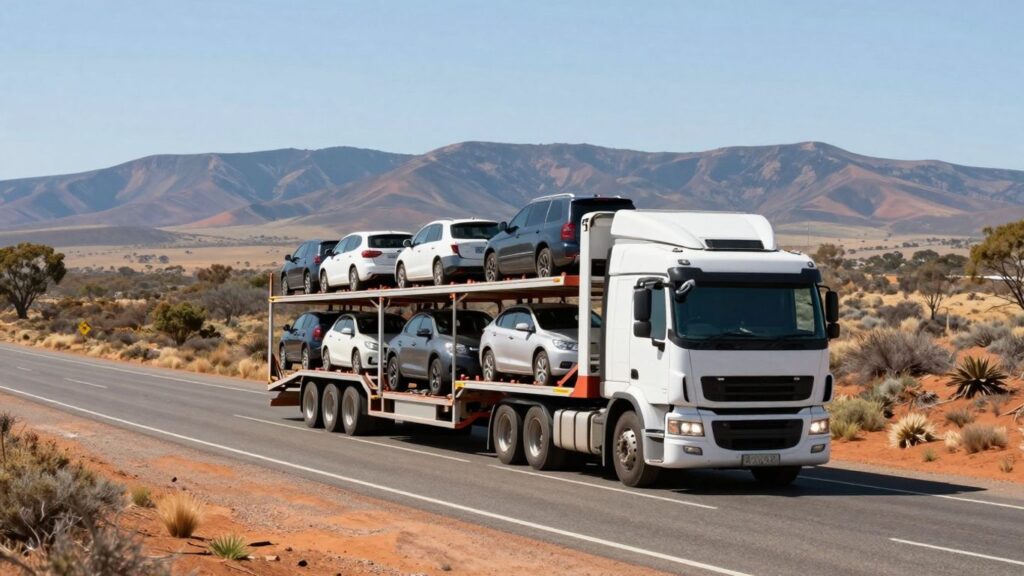
Moving your car across Australia can seem like a big job, especially with the distances involved. Whether you’re relocating for work, selling a car interstate, or helping out a mate, getting your vehicle from A to B without a hitch is the goal. This guide is here to break down car transport Australia, making the whole process less of a headache and more straightforward. We’ll cover what you need to know, from picking the right service to getting your car ready for the trip.
Key Takeaways
- Australia’s huge size means professional car transport services are often the most practical way to move vehicles between states.
- You’ve got choices when it comes to how your car is moved, like open or enclosed carriers, and whether it’s picked up and dropped off at your door or a depot.
- Getting your car ready involves a good clean, removing personal stuff, and documenting its condition before it gets picked up.
- Picking the right company is important – look at their experience, what other customers say, and make sure you understand the insurance and pricing.
- The cost of moving your car depends on how far it’s going, the type of vehicle, and the transport method you choose.
Understanding Interstate Car Transport Australia
Moving your car between states in Australia can feel like a big deal, especially with the sheer size of this country. It’s not like popping down the road, is it?
Navigating Australia’s Vast Distances
Australia is massive, covering over 7.6 million square kilometres. This means driving your car from, say, Perth to Sydney isn’t just a weekend trip; it’s a serious undertaking. Think about the fuel, accommodation, and time off work. It quickly adds up, and honestly, it can be a bit of a headache. That’s where professional car transport services come in handy. They’re set up to handle these long hauls.
Why Choose Professional Car Transport?
So, why not just drive it yourself? Well, besides the obvious time and cost savings, professional transport takes a lot of the stress out of the equation. You don’t have to worry about wear and tear on your car from a long drive, potential breakdowns in remote areas, or finding safe places to stop overnight. It’s about peace of mind, really. Plus, if you’re buying a car from interstate or selling one, it’s often the most practical way to get it to its new owner.
Key Services for Vehicle Relocation
When you look into car transport, you’ll find a few main types of services:
- Open Car Carriers: These are the most common. Think of a big truck with multiple levels where cars are driven on. It’s usually the most budget-friendly option.
- Enclosed Car Carriers: For those who want extra protection, especially for classic cars, luxury vehicles, or anything particularly valuable. These carriers are fully enclosed, shielding the car from weather and road debris.
- Door-to-Door Service: They pick up your car from your home or office and drop it off at the destination address. Super convenient, but often costs a bit more.
- Depot-to-Depot Service: You drop your car off at a designated depot and pick it up from another one at your destination. This can be a more economical choice if you have the time and flexibility.
The whole process is designed to make moving your vehicle across the country as straightforward as possible, even if it’s your first time. Companies handle the logistics so you don’t have to.
It’s worth noting that prices can vary quite a bit. Factors like how far the car needs to travel, the type of carrier you choose, and even the time of year can all influence the final cost. We’ll get into that more later.
Choosing Your Car Transport Method
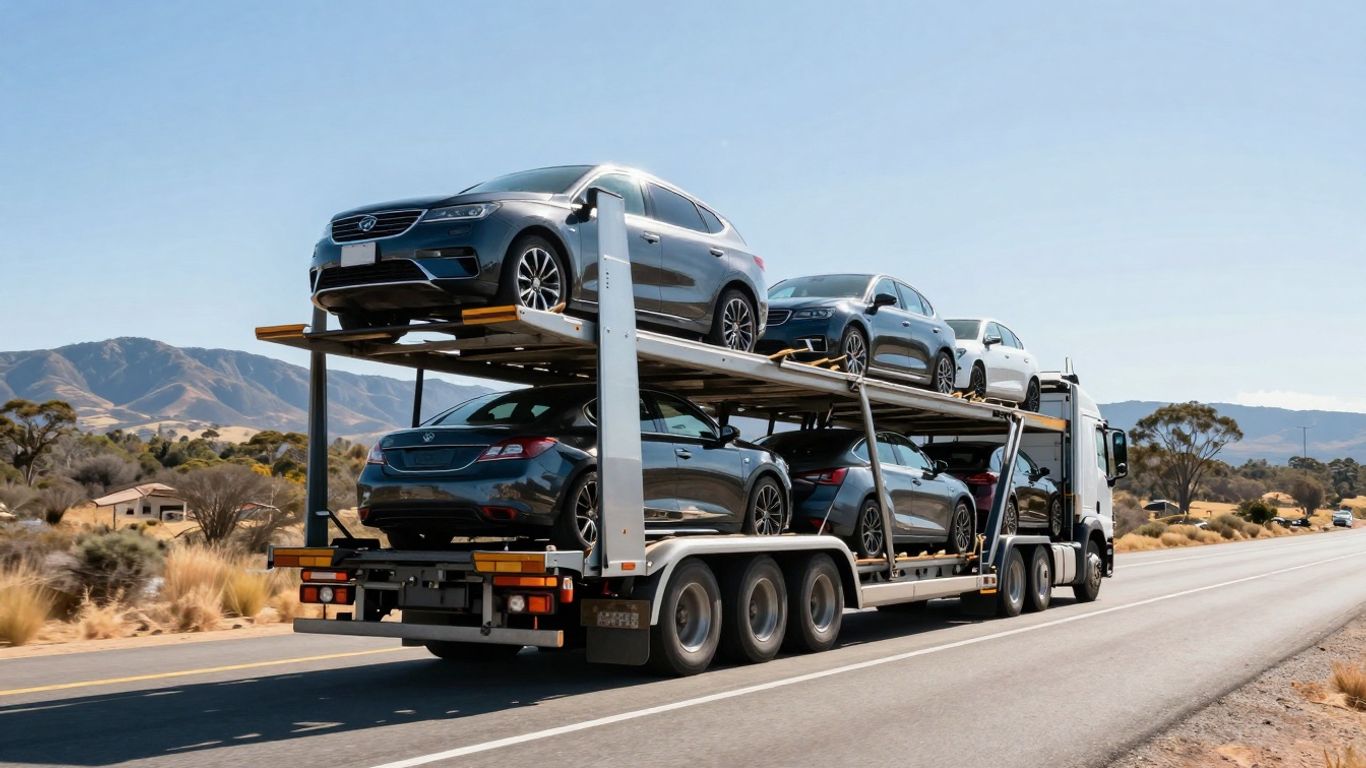
So, you’ve decided to move your car interstate – good on ya! Now comes the part where you figure out how it’s actually going to get there. It’s not just a one-size-fits-all deal, and picking the right method can save you a bit of coin and a whole lot of hassle. Let’s break down the main choices you’ll be looking at.
Open vs. Enclosed Car Carriers
This is probably the biggest decision you’ll make regarding the actual transport. Think of it like this: open carriers are like the big, multi-level car transporters you see on the highway. They’re efficient and generally the most budget-friendly option. Your car will be exposed to the elements, sure, but for most standard vehicles and trips, it’s perfectly fine. They’re great for getting a car from A to B without fuss.
Enclosed carriers, on the other hand, are like a private, secure box for your car. They offer maximum protection from weather, dust, and any road debris. If you’re moving a classic beauty, a high-value sports car, or something a bit special, this is the way to go. It costs more, no doubt, but for peace of mind with a prized vehicle, it’s often worth the extra.
Door-to-Door vs. Depot-to-Depot
Next up, how do you want the pick-up and drop-off to work? Door-to-door service is pretty self-explanatory. They’ll come to your house, grab your car, and drop it off right at your new doorstep. It’s super convenient, especially if you’re already swamped with moving other things. It saves you time and effort, which can be a lifesaver.
Depot-to-depot means you’ll need to get your car to a designated depot (like a storage yard or transport hub) and then pick it up from another depot at your destination. This usually shaves a bit off the price because the transport company doesn’t have to factor in the extra travel time and fuel for those specific pick-ups and deliveries. It might mean a bit more organising on your end, but if you’re looking to cut costs, it’s a solid option.
Understanding Transport Costs
Alright, let’s talk money. The price you get quoted isn’t pulled out of thin air. Several things play a role:
- Distance: Obvious, right? The further the journey, the more it’ll cost. Perth to Sydney is going to be pricier than Melbourne to Adelaide.
- Vehicle Type: A standard sedan is easier to fit and move than a large 4WD or a modified vehicle. Special handling means special costs.
- Transport Method: As we discussed, enclosed transport costs more than open carrier.
- Flexibility: If you can be flexible with pick-up and delivery dates, you might snag a better deal. Need it there yesterday? That’ll likely cost extra.
It’s always a good idea to get a few quotes from different companies. Don’t just go for the cheapest one straight off the bat. Look at what’s included, check their reviews, and make sure you know exactly what you’re paying for. Sometimes, a slightly higher quote from a reputable company like CEVA Car Carrying can save you headaches down the track.
When you’re comparing quotes, make sure they’re clear and don’t have hidden fees. Ask for a full breakdown before you commit. Good communication from the company is also a big plus, especially if it’s your first time doing this.
Preparing Your Vehicle for Transit
Getting your car ready for its interstate journey is a bit like packing for a big trip – you want to make sure everything’s in order before you hand it over. It’s not just about making it look good; it’s about safety and making the whole process smoother for everyone involved.
Essential Pre-Transport Checks
Before the transport company even lays eyes on your car, there are a few things you should absolutely check. Think of it as a quick health check for your vehicle. Making sure your car is in good working order will prevent unexpected issues during transit.
Here’s a quick rundown:
- Fluids: Top up all essential fluids like oil, coolant, and windscreen washer fluid. Low levels can cause problems.
- Battery: Ensure the battery is charged and secure. A dead battery can make things difficult if the car needs to be moved manually at either end.
- Tyres: Check tyre pressure and make sure there are no obvious leaks. Properly inflated tyres are safer and reduce wear.
- Fuel: Leave a small amount of fuel in the tank – just enough for the vehicle to be moved at the depots if needed, but not so much that it adds excessive weight or risk. Most companies recommend around a quarter of a tank.
- Alarms & Immobilisers: Disable any aftermarket alarms or immobilisers. An unexpected alarm going off during transit can be a real nuisance and potentially cause issues.
It’s always a good idea to let the transport company know if your vehicle has any specific quirks or if it’s not running perfectly. They might have specific procedures for non-running vehicles.
Cleaning and Decluttering Your Car
This step is more important than you might think. A clean car makes it much easier for both you and the transport company to spot any existing damage before it gets loaded. Plus, nobody wants their car arriving full of your random bits and bobs!
- Interior: Remove absolutely everything from the cabin and boot. This includes personal items, floor mats (if you want to be extra thorough), child seats, and anything else you wouldn’t want to get lost or damaged. Transport companies are generally not responsible for items left inside.
- Exterior: Give the car a good wash. Pay attention to the bodywork, windows, and wheels. This makes it easier to document any pre-existing scratches or dents.
- Personal Belongings: Don’t leave anything valuable or sentimental in the car. This is also a good time to remove any toll tags or parking permits that might incur charges during transit.
Documenting Vehicle Condition
This is your proof of the car’s condition before it travels. It’s a vital step that protects you and helps the transport company too. Taking clear photos and notes is key.
- Photos: Take high-resolution photos of your car from all angles. Get close-ups of any existing scratches, dents, or paint chips. Don’t forget to photograph the interior, dashboard, and odometer.
- Notes: Write down any existing damage you notice. Be specific – "small scratch on the rear passenger door" is better than "some damage on the door".
- Inspection Report: When the transport company inspects your car before loading, they’ll likely have their own report. Go through this carefully with the driver and make sure it accurately reflects the condition you’ve documented. If you disagree with anything, note it down and get it signed by both parties. This documentation is super important for interstate car shipping claims if anything were to happen.
By taking these steps, you’re setting yourself up for a much less stressful car transport experience. It shows you’re organised and helps ensure your vehicle arrives just as you expect it to.
Selecting a Reputable Transport Company
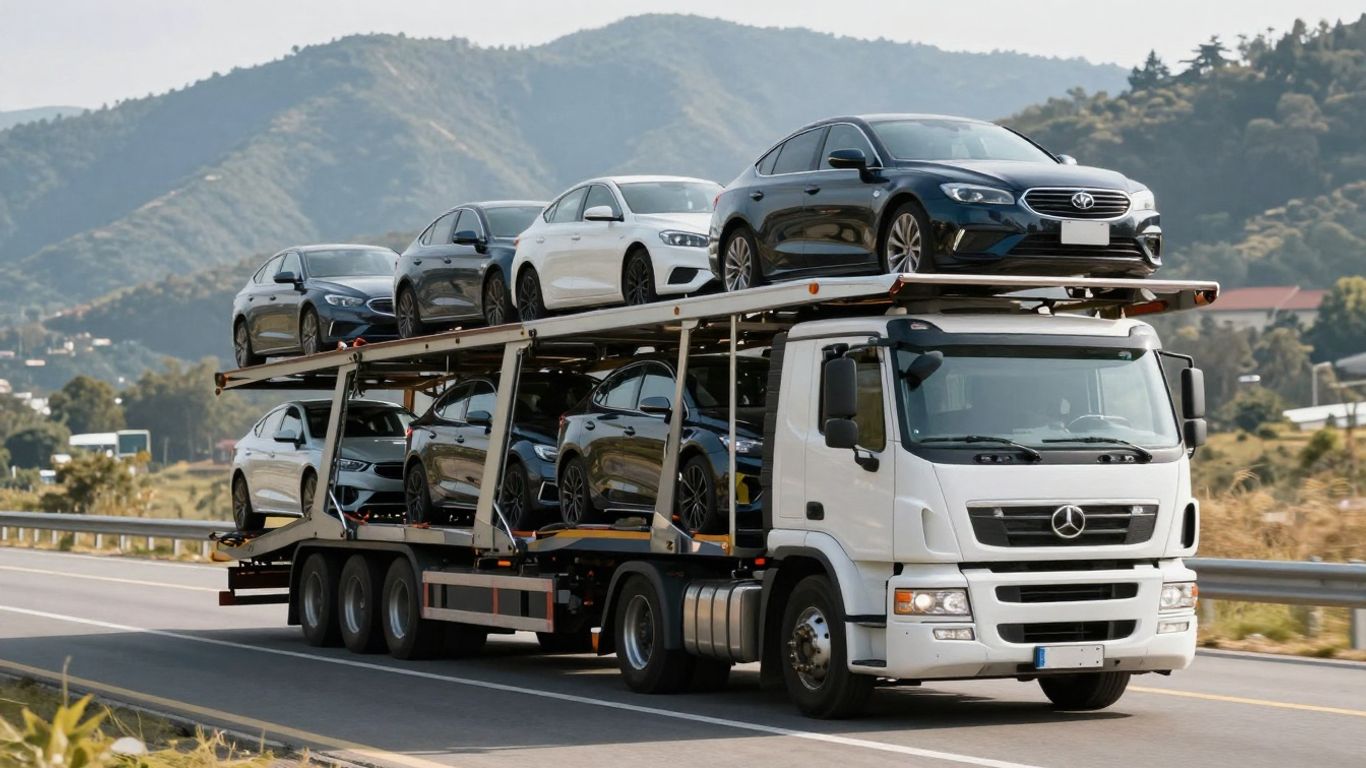
Picking the right mob to shift your car interstate is a big deal. It’s not just about finding the cheapest quote, though that’s tempting. You want a company that knows its stuff and won’t leave you pulling your hair out.
Experience and Track Record
Look for companies that have been around the block a few times. Years in the business usually means they’ve ironed out the kinks and know how to handle pretty much anything that comes their way. A solid history suggests they’re reliable and have systems in place for when things don’t go exactly to plan. It’s like choosing a mechanic – you want someone who’s seen it all before.
Customer Reviews and Testimonials
Don’t just take their word for it. See what other people are saying. Online reviews can give you a real peek behind the curtain. Are people happy with the service? Was communication good? Did the car arrive on time and without any drama? A quick search can save you a lot of headaches down the track. Keep an eye out for patterns in the feedback – a few bad reviews might be a fluke, but a lot of them? That’s a red flag.
Insurance and Transparent Pricing
This is super important. You need to know exactly what you’re paying for and what happens if something goes wrong. Ask for a full breakdown of the costs – no surprises later on. Also, get the lowdown on their insurance. What does it cover? What doesn’t it cover? Make sure you’re comfortable with the level of protection they offer for your vehicle during the journey. A company that’s upfront about pricing and insurance is usually a good sign they’ve got nothing to hide.
The Car Transport Process Explained
So, you’ve decided to get your car moved interstate. It sounds like a big deal, right? But honestly, once you break it down, it’s pretty straightforward. Most companies have a pretty standard way of doing things, and knowing what to expect makes the whole thing much less stressful. It’s all about a few key stages, from when you first book it to when you finally get your keys back.
Booking and Paperwork Essentials
First up, you’ll need to get in touch with a transport company. They’ll ask for all the usual details: where the car is now, where it needs to go, and when you’d ideally like it picked up and delivered. This is also the time to mention if your car isn’t running or if it’s a bit unusual in size. They’ll then sort out the paperwork. This usually involves a booking form, and they might need proof of ownership and your ID. It’s important to be upfront about everything here so there are no surprises later on.
Vehicle Inspection and Loading
When the transport truck arrives, the driver will do a thorough inspection of your car. They’ll note down any existing scratches, dents, or other damage. Taking your own photos and notes at this stage is a really good idea, just to have your own record. This inspection is super important because it protects both you and the transport company if anything were to happen during the move. After the inspection, they’ll carefully load your car onto the carrier. If you’re using an enclosed carrier, it offers a bit more protection from the elements during the journey.
Delivery and Post-Transport Checks
Once your car reaches its destination, there’s another inspection. This is the final check to make sure everything is as it should be. You’ll compare the condition of the car to the initial inspection report. If everything matches up, you sign off, and you’re good to go. It’s always worth giving your car a quick once-over yourself too, just to be absolutely sure. If you’re looking for a secure way to move your vehicle, consider enclosed car transport for that extra peace of mind.
Factors Influencing Transport Pricing
Distance and Vehicle Specifications
The further your car needs to travel across Australia, the more it’s going to cost. Shipping a car from Sydney to Melbourne is going to be significantly cheaper than sending it from Perth to Brisbane, for example. It’s just basic maths, really – more fuel, more driver time, more wear and tear on the truck.
Then there’s the vehicle itself. A standard sedan or hatchback is usually the most straightforward to transport. But if you’ve got a larger vehicle, like a big 4WD, a ute with a canopy, or something a bit unusual like a classic car that needs special care, you’re likely looking at higher costs. These might need different equipment or more careful loading and unloading, which adds to the price.
Transport Type and Delivery Flexibility
When you book your car transport, you’ll usually have a choice between open carriers and enclosed ones. Open carriers are the most common – think of the big trailers you see on the highway with multiple cars stacked on them. They’re generally the most budget-friendly option.
Enclosed carriers, on the other hand, are like a big box on wheels. They offer a lot more protection from the weather, dust, and any road debris. This makes them a good choice for more expensive or delicate vehicles, but they do come with a higher price tag.
Your flexibility with pickup and delivery times can also play a role. If you need your car moved by a specific date or want it there ASAP, that’s usually considered an express service and will cost more. If you can be a bit flexible and let the transport company work it into their schedule, you might be able to snag a better deal.
Seasonal Demand and Special Requirements
Just like flights or accommodation, car transport prices can fluctuate depending on the time of year. During peak periods, like school holidays, Christmas, or even the end of the financial year when businesses are moving things around, demand for transport services can go up. When more people want to move their cars, prices can naturally increase.
Sometimes, you might have specific needs that aren’t standard. This could be anything from needing to transport a vehicle that isn’t running, or perhaps you have specific collection or drop-off instructions that fall outside the usual door-to-door service. These kinds of special requirements can sometimes add to the overall cost because they might need extra planning or resources from the transport company.
Here’s a quick look at how some factors might affect the price:
- Distance: Perth to Sydney vs. Melbourne to Geelong.
- Vehicle Size: Standard sedan vs. large SUV or custom vehicle.
- Transport Method: Open carrier vs. enclosed trailer.
- Urgency: Standard delivery vs. express service.
- Time of Year: Peak holiday season vs. off-peak times.
Wrapping Up Your Interstate Car Move
So, moving your car across the country doesn’t have to be a massive headache. We’ve gone through the basics, from picking the right way to move your car to getting it ready for the trip. Remember, a bit of planning goes a long way. Taking the time to sort out the details, choose a good company, and get your car prepped means you can relax a bit more. Whether it’s a long haul or a shorter hop, getting this part right saves you stress and probably some cash down the track. Happy travels!
Frequently Asked Questions
How much does it cost to move a car interstate in Australia?
The price can change a fair bit depending on how far your car needs to travel, the type of car it is, and whether you choose an open or enclosed carrier. Generally, you might expect to pay anywhere from $800 to $2,300 for a trip between states. Shorter trips within a state are usually cheaper, maybe around $250 to $400.
What’s the difference between open and enclosed car carriers?
Think of an open carrier like a big open trailer that carries multiple cars. It’s the most common and usually the cheapest way to go. An enclosed carrier is like a big box on wheels, giving your car extra protection from the weather and road gunk. This option costs more but is better for fancy, classic, or valuable cars.
Do I need to do anything to my car before it gets picked up?
Yeah, a bit! It’s a good idea to give your car a good clean inside and out. This makes it easier to spot any existing scratches or dents. Also, take out all your personal belongings – things left inside might get damaged or go missing. Make sure the battery is charged and fluids are topped up. Let the transport company know if your car isn’t running properly.
What’s better: door-to-door or depot-to-depot transport?
Door-to-door is super convenient because they pick up your car from your place and drop it off right where you need it. Depot-to-depot means you’ll need to take your car to a specific location to be picked up and then go to another spot to collect it. Depot-to-depot can sometimes be cheaper, but door-to-door saves you time and hassle.
What happens when the car arrives at its destination?
When your car gets to its new home, the transport company will do a final check. You should be there to look over your car with them. This is to make sure it’s in the same condition it was when they picked it up. It’s important to check for any new scratches or damage and sign off on the delivery.
How do I pick a good car transport company?
Look for companies that have been around for a while and have good reviews from other customers. Make sure they have proper insurance to cover your car during the move. Always get a clear quote that explains all the costs upfront, so there are no nasty surprises later on.