

Thinking about a career change or wanting to help people more directly? A Certificate IV in Mental Health could be just the ticket. It’s a qualification that really sets you up to support folks going through tough times with their mental wellbeing. You’ll learn a bunch of practical stuff that employers are looking for, and it opens doors to jobs where you can genuinely make a difference. Plus, it’s not as hard to get into as you might think.
Key Takeaways
- This certificate course teaches you how to support people with mental health issues and associated challenges.
- You’ll learn to work within legal and ethical guidelines, and use trauma-informed approaches.
- It’s a great stepping stone for roles like Community Support Worker or Mental Health Outreach Worker.
- Study options are flexible, often with no exams, and work placement is usually included.
- There are generally no strict academic entry requirements, just a minimum age, and prior experience can be recognised.
Embark On Your Certificate IV In Mental Health Journey
Thinking about a career where you can genuinely help people? The Certificate IV in Mental Health might just be your ticket. It’s not just about getting a qualification; it’s about learning how to make a real difference in someone’s life when they’re going through a tough time. This course is designed to give you the practical skills and confidence to support individuals facing mental health challenges.
Empower Others Through Compassion
At its heart, working in mental health is about connecting with people. You’ll learn how to approach individuals with empathy and respect, understanding that everyone’s journey is unique. It’s about building trust and creating a safe space where people feel heard and supported. This isn’t something you can just read about; it’s a skill you develop through learning and practice.
Transform Lives With Professional Skills
This certificate goes beyond just being kind. You’ll gain specific, job-ready skills that are recognised in the industry. We’re talking about learning how to communicate effectively, understand legal and ethical guidelines, and provide practical support. It’s about turning your desire to help into a professional capability.
Here’s a look at some of the core areas you’ll cover:
- Understanding Mental Health Conditions: Get a clearer picture of common mental health issues and how they affect people.
- Support Strategies: Learn practical ways to assist individuals in their recovery and wellbeing.
- Legal and Ethical Practice: Know your responsibilities and how to work safely and appropriately.
Dive Into Core Mental Health Support
This course gets right into the nitty-gritty of mental health support. You’ll explore how to work with people from all walks of life, recognising their individual needs and circumstances. A big part of this is learning about trauma-informed care, which means understanding how past experiences can impact someone’s present wellbeing and how to respond in a sensitive way. You’ll also look at how to assess someone’s overall needs, considering everything from their social situation to their emotional and physical health.
Working in mental health requires a solid foundation of knowledge and practical skills. This certificate provides that, preparing you for the realities of the role and the satisfaction that comes with making a positive impact.
Key Skills Developed In Your Certificate IV In Mental Health
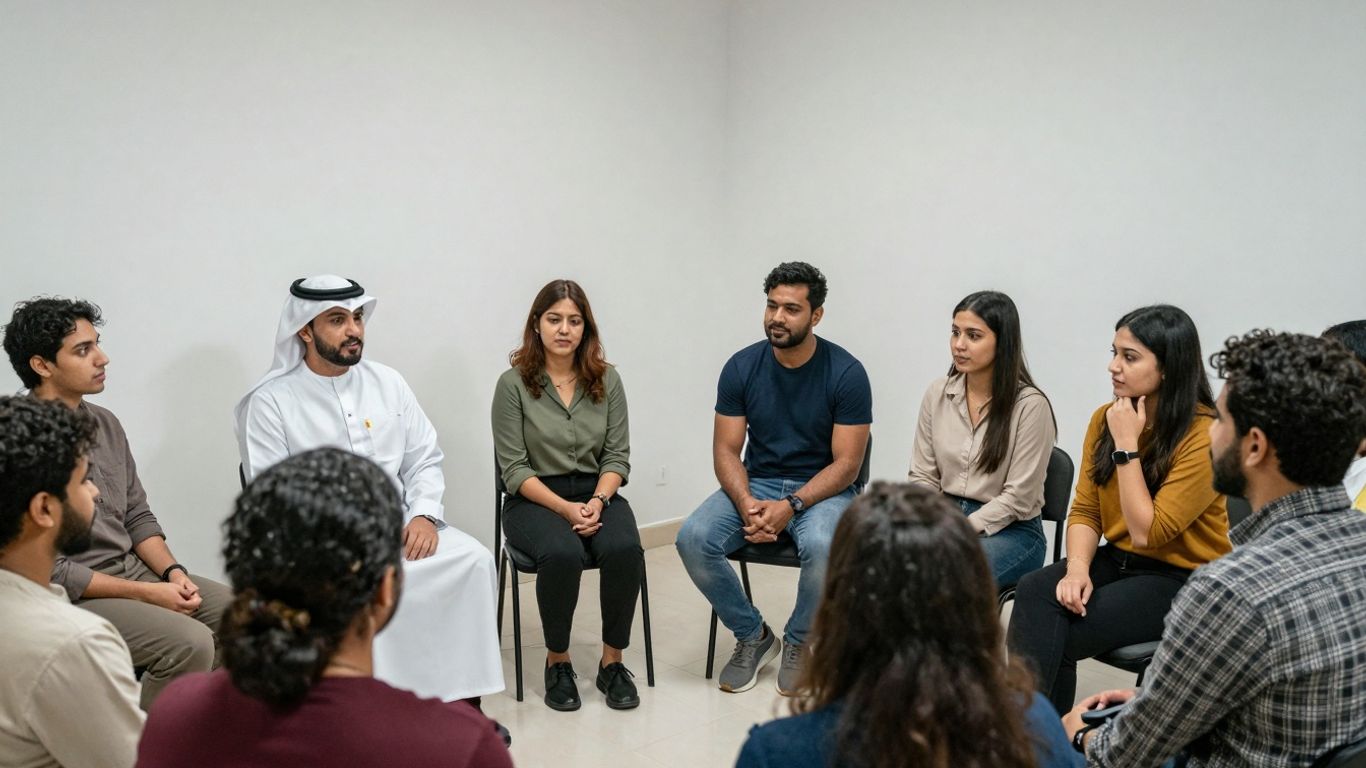
Work Legally And Ethically
This part of the course is pretty important. You’ll learn how to keep things above board, making sure you’re always doing the right thing by the people you’re helping and by your workplace. It covers understanding all the rules and regulations that apply to mental health work, and how to stick to them. Plus, you’ll get a handle on ethical responsibilities, which means knowing what’s right and wrong in tricky situations.
Trauma-Informed Care Strategies
Working with people who’ve experienced trauma requires a special approach. This section teaches you how to recognise the signs of trauma and how to interact with individuals in a way that doesn’t re-traumatise them. It’s all about creating a safe space and understanding that past experiences can really shape how someone behaves and feels. You’ll also learn about looking after yourself, because this kind of work can be tough.
Assess Co-Existing Needs
People often have more than one issue going on at the same time, like mental health challenges alongside other problems. This skill is about figuring out what someone really needs. You’ll learn how to talk to people, listen properly, and work out the best way to help them get the support they require. It involves looking at the whole picture, not just one part.
Promote Social, Emotional, And Physical Wellbeing
This is about helping people live better lives overall. You’ll learn ways to encourage individuals to look after their social connections, manage their emotions, and keep their bodies healthy. It’s not just about treating problems, but about helping people thrive. Think of it as building up their resilience and helping them find balance in their lives.
You’ll gain practical skills that make a real difference. It’s not just theory; it’s about knowing how to act and communicate effectively in challenging situations. This qualification sets you up to be a confident and capable support worker.
Career Pathways With A Certificate IV In Mental Health
Community Rehabilitation and Support Worker Roles
Completing this Certificate IV really sets you up for a bunch of different jobs. One common path is becoming a Community Rehabilitation and Support Worker. In this role, you’re basically a key support person for individuals navigating mental health challenges. You’ll be working with them in their own environments, helping them with daily tasks, connecting them with services, and generally supporting their recovery journey. It’s hands-on work, and you’ll see the direct impact you’re making.
Mental Health Outreach and Intake Positions
Another avenue is stepping into Mental Health Outreach or Intake roles. This often involves being one of the first points of contact for people seeking help. You might be out in the community, connecting with individuals who might not otherwise access services, or you could be working in an office setting, assessing needs and directing people to the right support. It requires a good head for listening and figuring out what someone needs quickly and effectively.
Advance Your Career Prospects
This qualification isn’t just about getting a job; it’s about building a career. Many people start with this certificate and then find they want to specialise further or move into more senior roles. It’s a solid foundation that shows employers you’re serious about mental health support. Plus, with the growing need for mental health professionals, having this nationally recognised certificate can really make your resume stand out. It opens doors to roles that might have been out of reach before, and often, these roles come with better pay and more responsibility.
Here’s a look at some typical job titles you might aim for:
- Community Support Worker
- Mental Health Support Worker
- Community Rehabilitation Worker
- Outreach Officer
- Assistant Community Services Worker
The mental health sector is always looking for dedicated individuals. This certificate gives you the practical skills and the formal recognition employers are looking for, making it a smart move for anyone passionate about helping others.
Flexible Study Options For Your Certificate IV In Mental Health
Study Anywhere, Anytime
Life’s busy, right? We get it. That’s why this Certificate IV in Mental Health is designed to fit around you, not the other way around. You can access your course materials 24/7, meaning you can study when it suits you best – whether that’s early morning, late at night, or during your lunch break. No need to rush to a classroom; your learning journey is right there at your fingertips, accessible from wherever you have an internet connection.
No Exams, Diverse Assessments
Forget the stress of traditional exams. This course focuses on practical skills and real-world application. Instead of high-pressure exams, you’ll be assessed through a variety of methods. Think open-book quizzes, creating portfolios, making videos, and written assignments. This approach helps you demonstrate what you’ve learned in ways that are more relevant to the actual work you’ll be doing in mental health support.
Guaranteed Work Placement Opportunities
Getting hands-on experience is a big part of this qualification. We partner with leading organisations to help arrange your work placement. This means you’ll get valuable real-world experience in a setting that’s convenient for you. It’s a fantastic way to build your confidence, network with professionals, and see firsthand what it’s like to work in mental health support. This practical component is key to graduating industry-ready.
The course includes a minimum of 120 hours of work placement. This isn’t just a box-ticking exercise; it’s your chance to apply your new skills in a supportive environment and make a real difference while you learn.
Enrolment And Entry For Certificate IV In Mental Health

No Formal Education Prerequisites
Thinking about a career change into mental health support but worried about not having a specific degree? Good news! You don’t need a formal education background to get started with the Certificate IV in Mental Health. This course is designed to be accessible, meaning you can jump in based on your interest and passion for helping others, rather than past academic achievements. It’s all about what you can bring to the role now and what you’re keen to learn.
Minimum Age Requirement
There’s a simple age requirement to enrol, and that’s being at least 18 years old. This ensures you’re ready for the responsibilities that come with working in this field. It’s a straightforward rule, but an important one for everyone involved.
Recognition Of Prior Learning Options
Got life experience or previous work that touches on mental health support, even if it wasn’t a formal qualification? You might be able to get credit for that. The Recognition of Prior Learning (RPL) process looks at the skills and knowledge you’ve already picked up through work, volunteering, or even just life itself. It’s a way to acknowledge what you already know and potentially speed up your journey to getting qualified. If you think this might apply to you, it’s definitely worth looking into how it works.
Getting started is simpler than you might think. The focus is on your willingness to learn and your commitment to supporting people. Don’t let past educational paths hold you back from a career that truly matters.
Unlock Your Potential With A Certificate IV In Mental Health
Gain Nationally Recognised Accreditation
Getting a Certificate IV in Mental Health means you’re not just learning; you’re getting a qualification that’s recognised all over Australia. This isn’t some short course that’ll be forgotten. It’s a proper credential that shows employers you’ve got the skills and knowledge they’re looking for. Think of it like getting a solid foundation for your career. It opens doors to jobs where you can genuinely help people, and that’s a pretty big deal.
Access Premium Job Recruitment
Once you’ve got that Certificate IV, you’ll find that job hunting gets a bit easier. Many places that hire mental health support workers specifically look for people with this qualification. It can put you ahead of others who might have experience but no formal training. You might even find yourself eligible for roles that pay a bit better or have more responsibility, just because you’ve got that piece of paper.
Start Your Meaningful Career Today
So, if you’ve been thinking about a career where you can make a real difference, this is a good place to start. It’s about more than just a job; it’s about supporting people when they need it most. The course gives you the practical skills to do that effectively. Plus, with flexible study options, it’s easier than ever to fit it around your life. It really is a chance to build a career that feels good and does good.
This qualification is designed to give you the practical skills needed to work in the mental health sector. It covers important areas like legal and ethical practices, and how to support people with complex needs. You’ll learn how to communicate effectively and build relationships, which is key when working with individuals facing challenges.
Here’s a quick look at what you’ll achieve:
- Formal Recognition: Obtain a nationally recognised qualification.
- Skill Development: Learn practical skills for mental health support.
- Career Advancement: Become eligible for a wider range of job opportunities.
- Meaningful Work: Prepare for a career that has a positive impact on others.
Ready to Make a Difference?
So, if you’ve been thinking about a career where you can genuinely help people, this Certificate IV in Mental Health might just be the ticket. It’s a solid way to get the skills employers are looking for, and you don’t need a fancy degree to get started. Plus, with flexible payment options and the chance to get hands-on experience through work placement, it’s more accessible than you might think. Why not take that first step today and see where it leads?
Frequently Asked Questions
What exactly will I learn in this Certificate IV in Mental Health course?
This course is all about helping people with their mental health. You’ll learn how to talk to people, understand what they need, and support them through tough times. It covers important stuff like how to be fair and safe when you’re working, how to help someone who’s been through something difficult, and how to look after their overall well-being. You’ll also learn about legal rules and how to work with others to give the best support.
What kind of jobs can I get after finishing this course?
Once you’ve got this certificate, you’ll be ready for heaps of jobs! You could become a support worker in the community, help people who need outreach services, or work in places that help people get back on their feet. It’s a great way to start a career where you can really make a difference in people’s lives.
Do I need to have finished Year 12 or have any special qualifications to start?
Nope, you don’t need any fancy school certificates to begin! The main things are that you’re at least 18 years old and ready to learn. If you’ve already got some experience in helping people, that’s great too, as we can look at recognising that.
How will I get hands-on experience?
We know how important real-world experience is. That’s why this course includes a guaranteed work placement. We’ll help you find a spot where you can practice your new skills in a real setting, usually for at least 120 hours. It’s a fantastic way to build confidence and connections.
Are there exams, or is it assessed differently?
Forget about stressful exams! This course uses a bunch of different ways to check what you’ve learned. Think open-book tests, quizzes, putting together a portfolio of your work, and written assignments. It’s all about showing what you know in ways that suit different learning styles.
Can I study this course whenever I want?
Absolutely! We know life is busy, so we’ve made this course super flexible. You can study online, anytime and anywhere you have internet access. This means you can fit your learning around your work, family, or other commitments.