Trying to figure out how to get funding for your community project in Queensland can feel like a full-time job. There are so many grants out there—some for wellbeing, some for the environment, others for manufacturing or youth programs. It gets confusing fast. In 2026, with the cost of living going up and a few elections on the horizon, knowing where to look and how to apply for community grants QLD could make all the difference for your group or business. This guide breaks down what’s out there, who can apply, and how to give your application the best shot.
Key Takeaways
- Community grants QLD support a huge range of projects, from mental health and wellbeing to environmental action and youth programs.
- The Made in Queensland program is still open, offering big funding for manufacturers ready to adopt new tech or processes.
- You don’t have to stick with government grants—corporate funds like Coles Nurture Fund and foundation support are options too.
- Writing a strong application means being clear about your goals, showing you’ve planned your budget, and explaining how your project will help the community.
- Election years can affect when grants are open or closed, so keep an eye on deadlines and any changes in government priorities.
Navigating Queensland’s Funding Landscape
Finding the right money for your community project in Queensland can feel like searching for a needle in a haystack. There are heaps of grants out there, but figuring out which ones fit your needs takes some effort. It’s not just about government programs either; businesses and private foundations also put money into community work. Knowing where to look and what they’re after is half the battle.
Understanding Community Grants QLD
Community grants in Queensland are basically funds given to organisations or groups to help them carry out projects that benefit the local community. These can range from small local initiatives to larger state-wide programs. The goal is usually to support things like social wellbeing, environmental protection, arts and culture, or youth development. Each grant will have its own specific aims and rules, so it’s important to read the fine print.
- Eligibility: Who can apply? (e.g., non-profits, local councils, specific community groups)
- Focus Areas: What kind of projects are they looking to fund? (e.g., mental health, environmental conservation, education)
- Funding Amounts: How much money is available, and are there any co-contribution requirements?
- Application Deadlines: When do you need to get your application in by?
The landscape of community funding is always shifting. Staying informed about new programs and changes to existing ones is key to not missing out on opportunities that could make a real difference to your project.
Key Funding Opportunities for Queenslanders
Queensland has a variety of funding streams available. For instance, the ‘Made in Queensland’ program is a big one for manufacturers looking to upgrade their tech and boost competitiveness. Then there are grants focused on wellbeing, like those supporting mental health initiatives or programs for young people. Environmental groups can also find support for conservation efforts.
Here’s a quick look at some types of opportunities:
- Manufacturing: Grants like ‘Made in Queensland’ help businesses adopt new technologies. (e.g., robotics, Industry 4.0)
- Wellbeing & Social: Funding for projects that improve mental health, social connection, and support vulnerable groups.
- Environment: Grants for conservation, wildlife protection, and sustainable practices.
- Youth Development: Programs aimed at supporting young people through education, training, or recreational activities.
Maximising Your Grant Application Success
To give your application the best shot, you need to be clear about what you want to achieve and why it’s important. Make sure your project aligns perfectly with the grant’s objectives. A well-thought-out budget and a clear plan showing the positive impact your project will have are also super important. Don’t just say you’ll make a difference; show them how.
- Know Your Grant: Research the funder’s priorities thoroughly.
- Clear Objectives: Define specific, measurable, achievable, relevant, and time-bound (SMART) goals.
- Strong Justification: Explain the need for your project and its expected outcomes.
- Realistic Budget: Detail all costs and ensure they are justified.
- Evidence of Impact: Show how you’ll measure success and what the community benefits will be.
Securing Support for Community Initiatives
When you’re looking to get a community project off the ground in Queensland, finding the right funding can feel like a big hurdle. But there are definitely avenues out there specifically designed to help initiatives that focus on making our communities stronger and healthier. It’s all about connecting people, improving wellbeing, and looking after our environment.
Projects Focused on Wellbeing and Connection
Lots of grants are available for projects that aim to boost mental health and social connections. Think about programs that bring people together, whether it’s through shared activities, creative workshops, or just providing a safe space to chat. These kinds of initiatives are really important, especially in areas that have faced tough times like floods or fires. They help people feel less alone and build up their resilience.
- Creative Workshops: Offering art, music, or craft sessions can be a great way for people to express themselves and connect.
- Support Groups: Peer-led groups for specific needs, like mental health challenges or recovery from events, can make a huge difference.
- Community Gatherings: Simple events that encourage social interaction, like shared meals or skill-sharing days, build strong bonds.
Many programs focus on creating safe, inclusive environments where people can share experiences and support each other. This is particularly vital for groups who might otherwise feel isolated.
Environmental and Conservation Grants
Queensland’s natural beauty is something we all want to protect. There are grants available for groups working on conservation, environmental restoration, and sustainability. This could involve anything from cleaning up local waterways and coastlines to protecting native wildlife and habitats. These grants are key to maintaining our unique ecosystems for future generations.
Some examples of what these grants might fund include:
- Local waterway clean-up drives.
- Projects focused on restoring mangrove areas or native bushland.
- Initiatives to monitor and protect endangered species.
- Programs promoting sustainable practices within the community.
Youth Development and Support Programs
Young Queenslanders are our future, and there are specific funding streams aimed at supporting their development and wellbeing. Grants can help fund programs that offer mentoring, skill-building workshops, or safe spaces for young people to connect and grow. This is especially important for youth in areas that have experienced hardship, helping them build confidence and positive pathways. You can find out more about local council grants that might support these kinds of projects community events.
These programs often aim to:
- Improve mental health and emotional regulation.
- Develop practical life skills and confidence.
- Encourage social inclusion and positive peer relationships.
- Provide support during times of community-wide stress or disaster recovery.
Manufacturing and Innovation Grants in Queensland
The ‘Made in Queensland’ Program
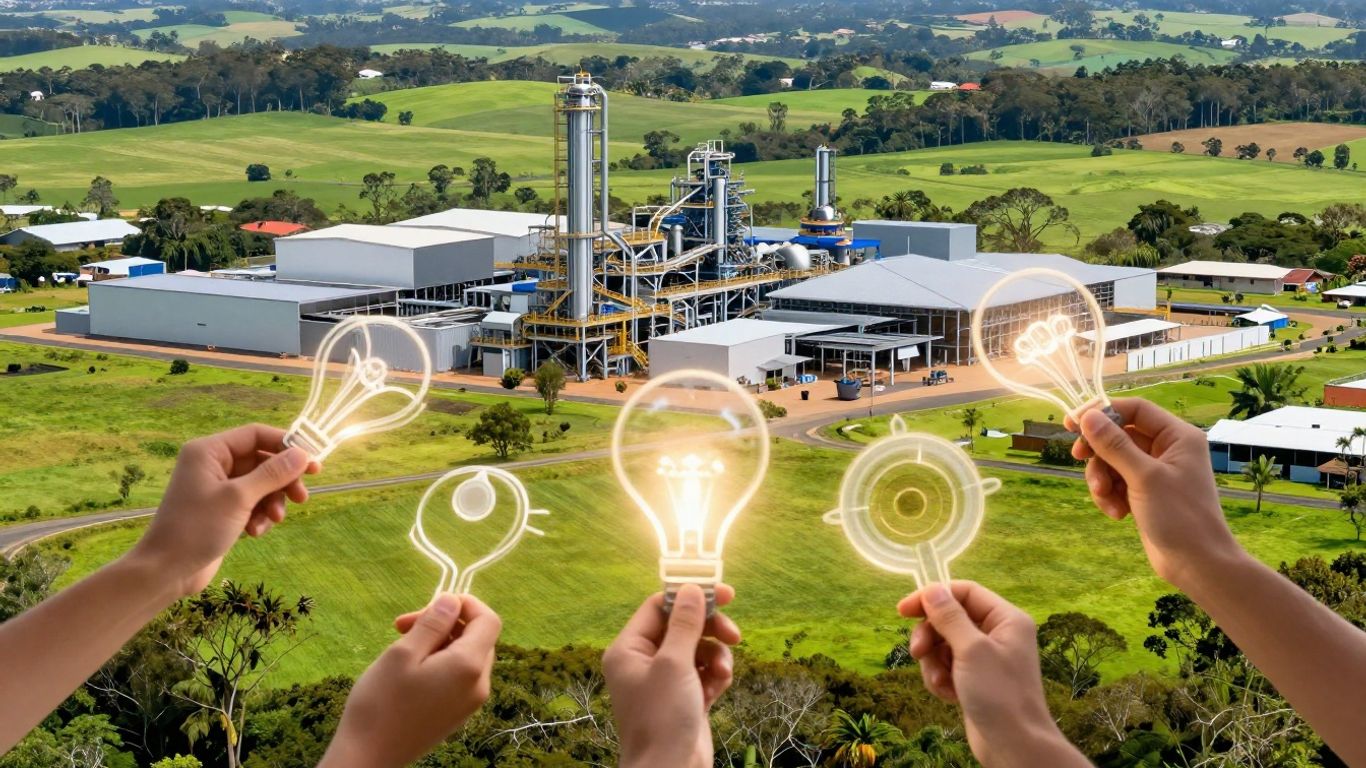
So, you’re running a manufacturing business in Queensland and looking to get ahead? The ‘Made in Queensland’ program is definitely worth a look. It’s all about helping small to medium-sized manufacturers get their hands on new tech and processes to really boost their competitiveness. The goal is to get you producing more efficiently and maybe even selling overseas. They’re keen to see businesses adopt things like advanced robotics, Industry 4.0 or 5.0 tech, or even just better systems and strategies. It’s not just about buying new gear, though; it’s about transforming how you operate.
Here’s a quick rundown of what they’re looking for:
- Introducing new equipment or technology: This should be something leading-edge that you’re not already using.
- Implementing new systems or processes: Think about how you can streamline operations.
- Developing strategic plans: Sometimes, a solid plan is the first step to big changes.
- Embracing digital transformation: Getting into data analytics, interconnected factories, that sort of thing.
Funding is available from $50,000 up to $2.5 million, but you’ll need to chip in dollar-for-dollar. The total funding pool is a decent $20 million, so there’s a fair bit to go around. Just remember, your project needs to be based right here in Queensland.
Adopting New Technologies and Processes
This is where the real game-changing stuff happens. Grants are often focused on helping businesses bring in technologies that are a step up from what’s currently out there. We’re talking about things that can make your production faster, cheaper, or just plain better. It could be anything from advanced automation to new software that helps you manage your whole operation more smoothly. They want to see that you’re not just tinkering but making a significant shift towards future-proofing your business.
Investing in new tech isn’t just about keeping up; it’s about getting a leg up on the competition and building a more resilient business for whatever comes next. It can feel like a big leap, but the support is there to help make it happen.
Boosting Competitiveness and Job Creation
Ultimately, these grants are designed to have a ripple effect. By helping manufacturers become more efficient and innovative, the government hopes to see a stronger manufacturing sector overall. This often translates into creating more skilled jobs right here in Queensland. When businesses can compete on a global scale, they’re more likely to grow, expand, and hire more people. It’s a win-win: businesses get the support they need to thrive, and the state benefits from a robust economy and more employment opportunities.
Exploring Diverse Funding Streams
Government grants are great, but they’re not the only game in town when you’re looking for money for your community project. There’s a whole heap of other places to look, and sometimes these can be a really good fit for what you’re trying to achieve.
Beyond Government: Corporate and Foundation Support
Lots of big companies and private foundations in Queensland have their own funding programs. They often want to support local initiatives that align with their business values or community goals. Think about businesses that operate in your area, or foundations that focus on causes like education, health, or the environment. Finding these can take a bit of digging, but the rewards can be substantial.
Private Ancillary Funds (PAFs), for example, are set up by individuals or families to give to charities. They’re not open to the public, so it’s about finding those specific PAFs whose interests match your project. To get money from a PAF, your organisation usually needs to be a Deductible Gift Recipient (DGR), which means people can claim tax deductions for donating to you. It’s worth checking out resources like the Australian Taxation Office (ATO) website for more on DGR status.
Industry-Specific Funding Avenues
Some industries have their own dedicated funding pools. If your project is in a particular sector, like agriculture, defence, or renewable energy, there might be grants specifically for that. For instance, programs might support businesses looking to adopt new technologies or improve their manufacturing processes within a certain industry. Keep an eye on industry bodies and government departments related to your field – they often list these opportunities.
Here’s a quick look at some areas where specific funding might pop up:
- Defence Industry: Grants can help small to medium businesses develop capabilities, buy equipment, or train staff for defence projects.
- Clean Energy: Funding might be available for projects that boost the supply chain for things like solar panels or batteries, especially if you’re working with international partners.
- Critical Technologies: Support for developing new solutions in areas like biosecurity, health, transport, or energy networks, often requiring collaboration between industry and research.
Regional Development and Community Investment
Don’t forget about funding that’s focused on specific regions within Queensland. Local councils, regional development bodies, and even some larger businesses might have programs aimed at boosting local economies, creating jobs, or improving community facilities in their area. These can be fantastic opportunities if your project has a strong local impact. They often understand the unique challenges and opportunities of a particular town or district better than a statewide program might.
When you’re looking for funding, it’s always a good idea to do your homework. Understand what each funder is looking for and how your project fits their goals. A well-researched approach makes a big difference.
Preparing Your Grant Proposal
Defining Project Scope and Objectives
Getting your grant proposal ready means you really need to nail down what your project is all about. What exactly are you trying to achieve? Be super clear here. Think about the specific goals you want to hit. It’s not just about saying you want to ‘help the community’; you need to say how you’ll help and what success looks like.
- Clearly state the problem your project addresses. What’s the gap you’re filling?
- Outline your project’s main goals. What are the big picture outcomes?
- List specific, measurable objectives. How will you know you’ve succeeded? (e.g., ‘Increase participation by 20%,’ ‘Reduce waste by 15%’).
- Describe the activities you’ll undertake. What steps will you take to reach those objectives?
Think of this section like a roadmap. The grant provider needs to see exactly where you’re going and how you plan to get there. If it’s fuzzy, they’re less likely to come along for the ride.
Budgeting and Financial Planning
This is where you show you’ve thought about the money side of things. You need to break down all the costs involved in your project. Be realistic and detailed. Don’t forget things like staff time, materials, venue hire, or even printing costs.
Here’s a basic idea of what to include:
| Expense Category | Description | Amount |
|---|---|---|
| Personnel | Project Manager (0.5 FTE), Admin Support (0.2 FTE) | $65,000 |
| Materials & Supplies | Art supplies, printing, stationery | $5,000 |
| Venue Hire | Community hall rental (10 days) | $2,000 |
| Marketing & Promotion | Social media ads, flyers | $1,500 |
| Total Project Cost | $73,500 |
Remember to also mention any other funding you’ve secured or are applying for. This shows you’re not putting all your eggs in one basket and that others believe in your project too.
Demonstrating Community Impact
So, why should anyone care about your project? This is your chance to show the real difference it will make. Who benefits, and how? Think about the people, the environment, or whatever your project is aimed at improving. Quantify your impact wherever possible. Numbers speak volumes.
- Identify your target beneficiaries. Who are you helping directly?
- Explain the positive changes your project will bring. Will it improve health, create jobs, boost local culture, or protect the environment?
- Describe how you’ll measure success. How will you track the impact you’re having?
- Include any supporting evidence. Letters of support from community groups or testimonials can really strengthen your case.
Future Trends in Grant Funding
There’s a lot going on with grant funding in Queensland – it’s not the same as it was a few years ago. The types of projects that get funded are shifting as priorities, technology, and the economy change. If you want your community project or business idea funded in 2026, it’s worth seeing what new directions are emerging. Here’s what’s coming up:
The Rise of Sustainability and Climate Action Grants
It’s hard to miss how much grant funding now goes into sustainability, especially projects that show a strong impact on climate action. You’ll see grants focused on:
- Renewable energy (like solar PV and innovative battery tech).
- Community projects reducing emissions (carbon abatement pilots, even at the local level).
- Tech that tracks, measures, or reduces environmental impact.
- Upgrading infrastructure to improve energy efficiency.
| Program | Max Funding | Project Focus |
|---|---|---|
| Solar Sunshot (ARENA) | Open rounds | Solar PV manufacturing & supply chains |
| Carbon Innovation Grant (WA) | $1.5 million | Innovative carbon abatement tech |
| Quad Clean Energy Supply Chain | $2.5 million | Battery/solar/hydrogen supply chain build |
Queenslanders increasingly expect local projects to address climate and sustainability, and funders are responding with more options than ever for groups with green ideas.
Technological Advancements and Digital Inclusion
If you’ve got a project that embraces new tech or helps more people get connected, it’s a good time to apply. Grants now often support:
- Community education about digital skills.
- Upgrades to digital infrastructure, especially in rural/regional areas.
- Projects making use of AI, data analytics, or smart hardware for good causes.
Here’s what to look for in tech-focused grant rounds:
- Does the grant encourage adoption of new technology or support innovation?
- Is inclusion a core part of the brief, or does it focus on bridging digital divides?
- Are there specific target groups (kids, older people, First Nations, small businesses)?
Adapting to Economic Shifts and Inflationary Pressures
Prices are going up, and so is competition for every dollar in grant funding. Funders are changing how they support projects. You might see:
- Higher dollar values per grant, but more selective rounds.
- Priority for projects with strong co-investment or cost-sharing plans.
- Emphasis on projects that address cost of living.
| Economic Trend | Impact on Grants |
|---|---|
| Inflation | Larger grant amounts, tighter allocation |
| Cost of living rises | Interest in projects supporting wellbeing |
| Supply chain issues | Support for local jobs, manufacturing |
- Start your planning early – rounds are opening and closing faster, with short deadlines.
- Keep an eye on election cycles; program priorities can flip after a government change.
- Don’t be afraid to apply for joint grants or team up with other orgs – collaboration is a big plus now.
Staying on top of new trends doesn’t guarantee funding, but it puts you a big step ahead when deciding where to put your energy.
Wrapping Up
So, that’s a look at some of the funding possibilities out there for Queenslanders in 2026. It can feel like a lot to sort through, I know. But remember, these grants are there to help good ideas get off the ground and make a real difference in our communities. Don’t get discouraged if the first application isn’t a winner. Keep an eye on deadlines, tailor your applications, and don’t be afraid to ask for help if you need it. There’s a good chance the right funding is out there waiting for you.
Frequently Asked Questions
What kind of community groups can get grants in Queensland?
Lots of different groups can get grants! If you’re running a project that helps your local community, like supporting wellbeing, protecting the environment, or helping young people, you might be eligible. This includes charities, non-profits, and even some local clubs.
Are there grants for businesses making things in Queensland?
Yes, definitely! The ‘Made in Queensland’ program is a big one. It’s designed to help local manufacturers get better at what they do by using new technology and becoming more competitive. There are other grants too, especially for businesses looking to innovate and grow.
What if my project is about nature or helping animals?
Great question! Queensland has grants specifically for environmental projects. These can help with things like protecting wildlife, cleaning up natural areas, or working on conservation efforts. You’ll find opportunities to make a real difference to our environment.
How do I make my grant application stand out?
To make your application shine, be super clear about what your project will achieve and why it’s important. Have a solid plan for how you’ll spend the money and, most importantly, show how your project will positively impact the community. Details matter!
Are there grants for young people in Queensland?
Absolutely. There are specific programs aimed at supporting youth development. These grants can fund initiatives that help young people learn new skills, get involved in their communities, or receive support for their wellbeing. It’s all about investing in the future generation.
What if I can’t find a government grant that fits?
Don’t worry if government grants don’t seem quite right. There are other places to look! Many businesses and private foundations offer grants. Sometimes, industry groups or regional development organisations also have funding opportunities. It’s worth exploring all the different avenues.