Key Takeaways
- The average cost 5kw solar system varies based on hardware quality and local labor rates.
- Roof orientation and structural integrity are primary factors in determining total installation costs.
- Small-scale Technology Certificates (STCs) significantly reduce the upfront investment for residential solar.
- Payback periods typically range from six to nine years depending on energy consumption patterns.
- Regular maintenance, monitoring, and future-ready inverter technology are essential for long-term savings.
Current market pricing for 5kW solar systems
Average price ranges for residential installations
When exploring the estimated costs of a 5 kW solar panel system in 2026, homeowners should anticipate significant fluctuations based on specific site requirements. Prices often reflect the hardware included, professional labor, and the specific regulatory landscape of different regions.
Regional cost variations across Australian states
Installation costs are heavily dictated by the local market dynamics in different Australian states, reflecting variations in labor demand and supply. In states with high solar density, competition among installers can sometimes drive competitive pricing, whereas remote locations may face additional costs for transport and specialized regional expertise.
Premium versus budget-tier equipment pricing
The choice between premium and budget components serves as the most effective way for homeowners to control their total system investment. Using entry-level panels might lower the initial expense but often involves sacrifices in modular efficiency or degraded warranty coverage compared to premium brands.
Factors influencing the total installation price
Roof orientation and structural complexity
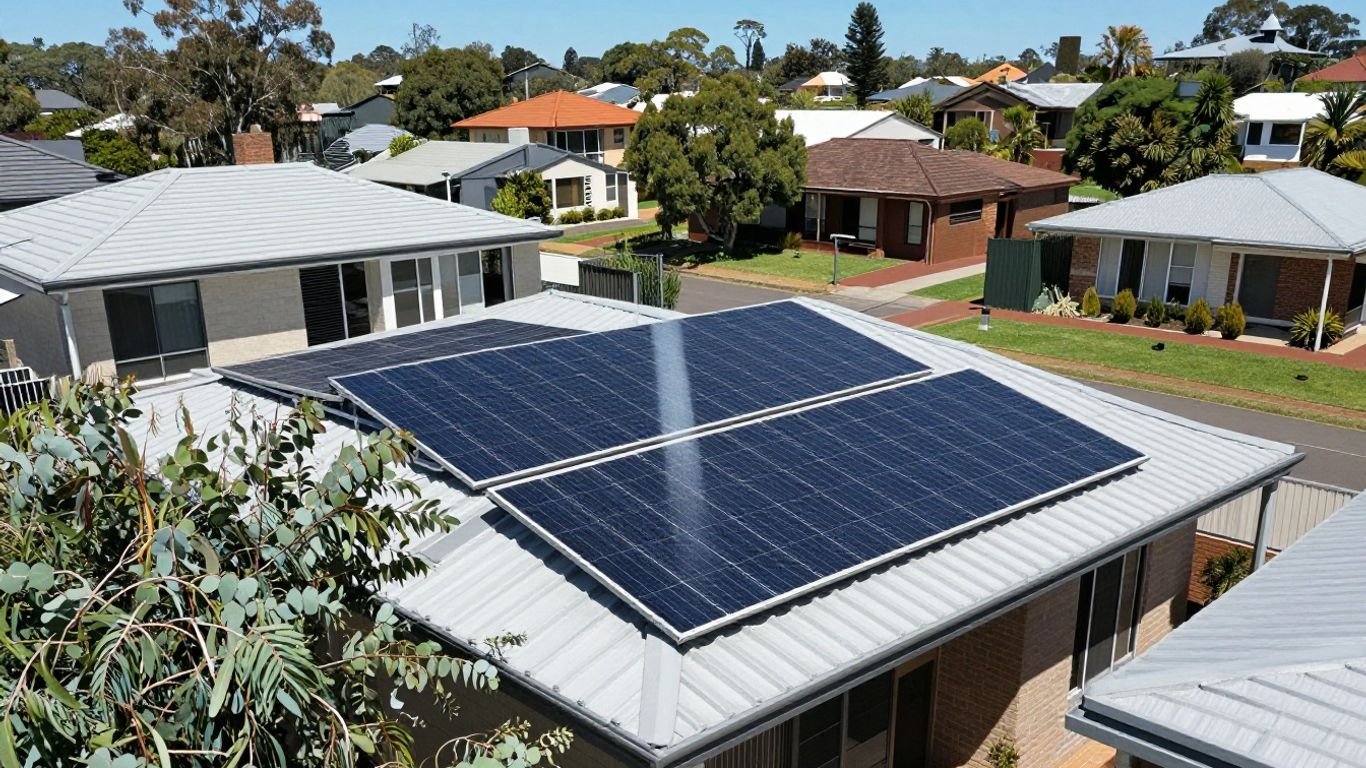
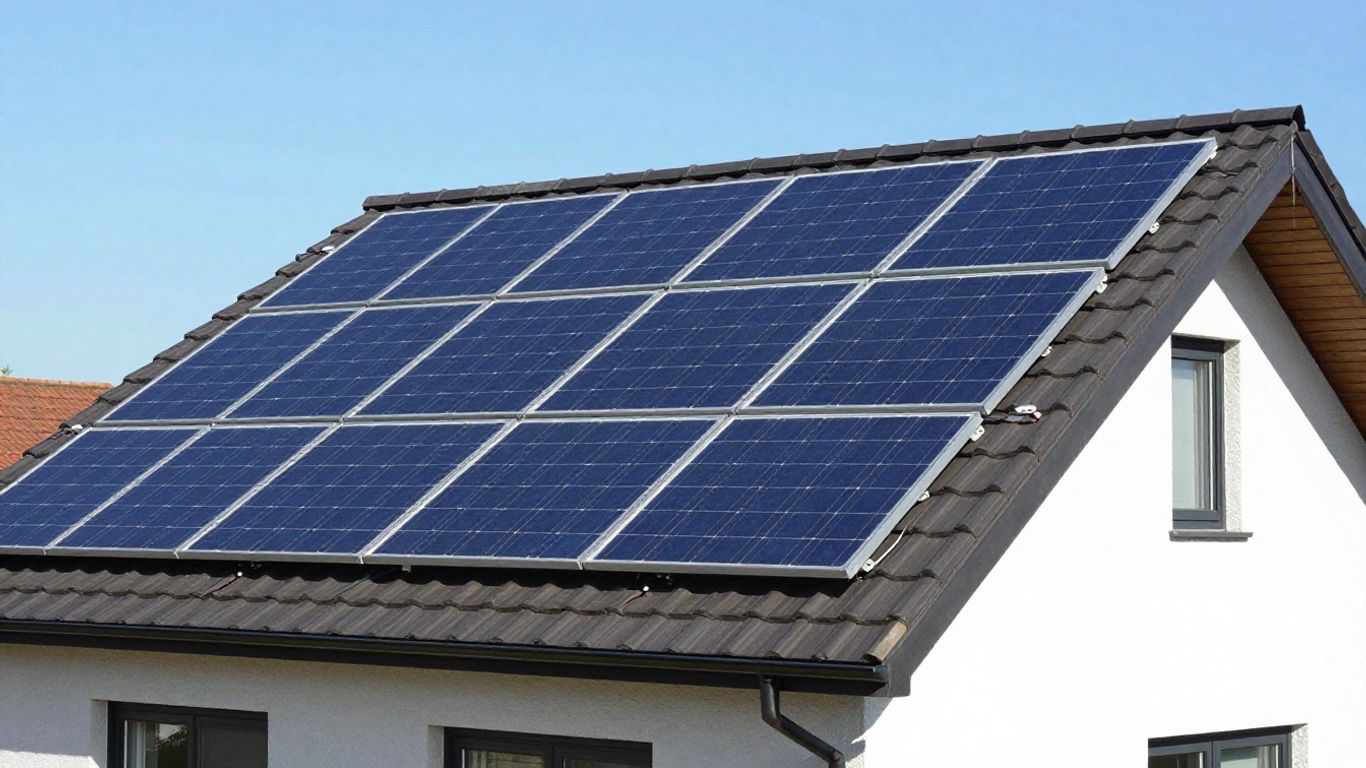
The efficiency of any solar array depends heavily on the orientation of your roof, which dictates the total light harvest throughout the day. Roofs that require significant structural reinforcement or specialized mounting due to pitch, material, or heritage status will inevitably drive up the labor component of the final invoice.
Switchboard compliance and electrical upgrades
Older homes often require electrical switchboard upgrades to safely handle the integration of high-capacity solar inverters and feed-in requirements. This essential work ensures that the system meets modern grid safety standards, preventing bottlenecks or electrical failures during peak generation periods.
Choice of inverter technology and string configurations
The configuration of your inverter architecture significantly affects how the system performs under partial shading or varying day-time conditions. Below are the common choices available:
| Inverter Technology | Best Use Case | Performance Benefit |
|---|---|---|
| String Inverter | Unobstructed sunny roofs | Cost-effective and simple |
| Micro-inverters | Partial shading scenarios | Independent panel optimization |
| Hybrid Inverters | Future-ready battery storage | Flexible energy management |
Selecting the right setup ensures that the system logic aligns with your household’s unique energy layout, preventing premature degradation of the components.
Government incentives and financial rebates
Understanding Small-scale Technology Certificates (STCs)
The federal STC program acts as a major financial bridge, effectively discounting the upfront purchase price of qualified systems. These certificates create a market-based incentive that acknowledges the clean energy generation capacity of the residential setup, which manufacturers or installers typically factor directly into the quote.
State-specific solar rebate and loan programs
Various states offer additional financial assistance through interest-free loans or targeted rebates designed to accelerate solar uptake for local families. These initiatives help resolve liquidity hurdles, allowing more homeowners to distribute the project costs over manageable repayment windows instead of a single, large payment.
Impact of feed-in tariffs on total system cost
While feed-in tariffs do not change the physical purchase price, they influence the long-term cost balance by offsetting remaining electricity bills. High tariffs can render a smaller, more budget-friendly system far more viable than an oversized, expensive alternative that might deliver power at times the grid does not require.
Calculating return on investment and energy savings
Estimating annual electricity bill reductions
A 5kW system acts as a persistent energy producer, with owners often seeing significant long-term savings reflected in their monthly utility statements. Evaluating these reductions requires comparing your baseline consumption against the typical output characteristics of your system.
The influence of household consumption patterns
Your actual savings depend far more on the timing of energy usage than the raw system capacity. Households that run major appliances during daylight hours derive the maximum immediate economic benefit from their solar production. This core strategy, colloquially known as self-consumption, minimizes the reliance on imported energy during high-tariff periods of the day.
Calculating the expected payback period
To calculate the break-even point, you must divide the net system cost—after all rebates—by the annual value of the saved electricity and fed-in credits. Most Australian households can achieve a positive net return within about seven years, assuming optimal site conditions and sustained electricity consumption.
Hidden costs and long-term maintenance considerations
Permitting, administration, and grid connection fees
Beyond hardware, professional installers incorporate administrative fees for council permits and grid connection agreements into their total project pricing. These processes are vital for legal compliance and utility verification, so homeowners should clarify these line items before signing any contracts.
Budgeting for system monitoring and cleaning
Like any asset, a solar system requires proactive care to sustain peak output levels throughout the year. Dust, leaf litter, and airborne pollutants can accumulate on panels, potentially causing shading that impacts overall efficiency.
Future-proofing with battery-ready inverter installations
Investing in a hybrid inverter today allows for an easier integration of battery storage when prices for energy density drops. Below are simple steps for successful planning:
- Ensure your current inverter is battery-ready according to manufacturer specifications.
- Verify there is physical space in your storage area for a wall-mounted battery unit.
- Request a consultation about wiring connections to prevent dual installation costs later.
Properly planning for hardware upgrades now protects the initial investment by allowing for modular, scalable growth as household technology needs eventually mature.
Conclusion
Investing in a 5kW solar system remains one of the most effective paths for Australians to gain energy independence while reducing the financial strain of rising utility bills. By balancing equipment quality, site-specific structural factors, and available government rebates, you can secure a system that provides substantial value over its decades-long lifespan. Careful planning, informed decisions about inverters, and an understanding of your own consumption behavior ensure that your solar journey starts effectively and yields high returns for years to come.
Frequently Asked Questions
Is a 5kW system sufficient for a family home?
A 5kW system is generally well-suited for a small-to-medium family home, though its sufficiency depends heavily on your daily kilowatt-hour demand for heating, cooling, and appliances.
How does shade impact panel efficiency?
Shade on even a single panel can disproportionately lower the output of a traditional string system, which is why optimizing your roof layout and exploring micro-inverter options is recommended.
Do I need council approval to install solar?
Most residential installations on standard homes do not require complex council approval, but you must ensure your system complies with local grid connection standards and safety regulations set by your electricity distributor.
What happens to the system during a power outage?
Standard grid-tied solar systems are designed to automatically shut down during grid outages for safety reasons, unless you have specifically installed an off-grid or hybrid solution capable of islanding.
Can I install solar on a flat roof?
Yes, flat roof installations are common, though they often require specialized mounting racks and tilted frames to ensure the panels operate at their most efficient angle to the sun.
Will dust and heavy rain affect performance?
While light rain can help clear dust naturally, heavy accumulations of debris require manual cleaning, as persistent dirt will block solar cells and degrade the efficiency of your investment.
Is wireless monitoring necessary for my system?
Wireless monitoring is highly recommended as it provides real-time visibility into your energy usage and alerts you immediately if the system performance drops due to a technical error or hardware fault.