
Thinking about getting your kids into gymnastics? It’s a fantastic sport that builds strength, coordination, and confidence. If you’re curious about what delta gymnastics has to offer, you’ve come to the right spot. We’ll walk you through what it’s all about, from the first steps in the gym to maybe even competing down the track. It’s more than just flips and tumbles; it’s about learning life skills too. So, let’s dive into the world of delta gymnastics and see if it’s the right fit for your aspiring athlete.
Key Takeaways
- Get started with delta gymnastics by understanding its core ideas and taking those first steps in the gym.
- Master basic moves like the cartwheel on the beam, focusing on strength, balance, and building confidence through practice.
- Explore the competitive side of delta gymnastics, learning about competing, teamwork, and celebrating wins.
- Discover how delta gymnastics teaches valuable life lessons like discipline, handling challenges, and being part of a community.
- Learn about progressing through different skill levels and finding specialised training opportunities within delta gymnastics.
Embarking On Your Delta Gymnastics Journey
So, you’re thinking about diving into Delta Gymnastics? That’s fantastic! It’s more than just flips and tumbles; it’s about building a strong foundation, both physically and mentally. This whole journey starts with understanding what makes Delta Gymnastics tick. It’s a place where kids learn to push their limits, sure, but also where they learn to be resilient and confident.
Understanding The Delta Gymnastics Philosophy
The core idea behind Delta Gymnastics is pretty straightforward: to help young athletes grow in a supportive environment. It’s not just about winning medals, though that’s a nice bonus. It’s more about the process – the hard work, the perseverance, and the sheer joy of mastering a new skill. Coaches here focus on developing well-rounded individuals, not just gymnasts. They believe in the power of positive reinforcement and creating a space where every child feels seen and encouraged.
First Steps In The Gym
Walking into your first Delta Gymnastics session can feel a bit daunting, but don’t sweat it. The initial focus is usually on getting you comfortable with the basics. Think of it like learning the alphabet before you write a novel. You’ll likely start with simple movements, getting a feel for the equipment, and learning how to listen to your coaches. Safety is always number one, so expect a lot of instruction on proper form and how to use everything correctly. It’s all about building good habits from the get-go.
Here’s a rough idea of what your first few sessions might look like:
- Warm-up: Getting your body ready to move with some light cardio and stretching.
- Basic Tumbling: Practicing rolls, jumps, and maybe some simple handstands on soft mats.
- Apparatus Familiarisation: Getting acquainted with things like the balance beam (at a low height!) and the vaulting table.
- Cool-down: Gentle stretches to help your muscles recover.
Essential Gear For Delta Gymnastics
When you’re starting out, you don’t need a whole heap of fancy gear. The most important thing is comfortable clothing that allows you to move freely. Think leotards or snug-fitting shorts and a t-shirt. You’ll also want to have your hair tied back securely, especially if it’s long, to keep it out of your face. Most gyms will provide chalk for your hands if needed, and you’ll likely be training in bare feet or special gymnastics shoes. It’s always a good idea to check with your specific Delta Gymnastics centre about their recommended attire, but generally, less is more when you’re starting out.
The journey of a thousand miles begins with a single step, and in gymnastics, that step is often a carefully guided one, focusing on safety and building confidence before attempting anything too daring.
Mastering Fundamental Skills At Delta Gymnastics
The Art Of The Cartwheel On The Beam
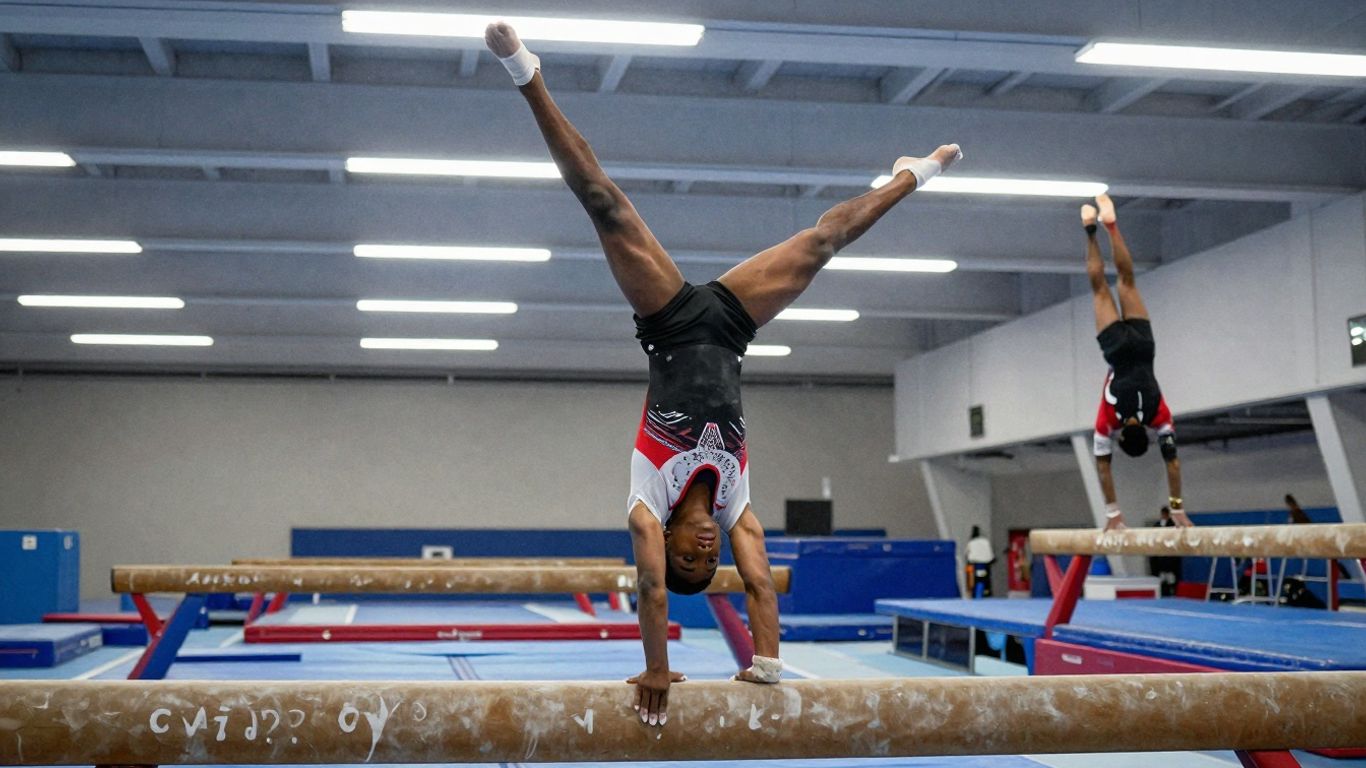
Getting a cartwheel right on the beam is a big deal. It’s not just about looking good; it’s a real test of your balance and how well you can focus. You’ve got to get your hands down just so, swing your legs over, and land on your feet without wobbling off. It takes heaps of practice, and honestly, a bit of guts.
Here’s a breakdown of how to get there:
- Start low and slow: Don’t jump straight onto the beam. Practice your cartwheel on a soft mat first. This way, you can get the feel of the movement without the scary thought of falling.
- Hand placement is key: When you’re on the beam, make sure your hands hit the surface firmly and in the right spot. Think about pushing off your hands to get your body moving.
- Practice makes perfect (almost): Work on the individual bits. Handstands help with strength, and balance drills will make you steadier. The more you do these, the easier the whole cartwheel will feel.
- See it to do it: Close your eyes and imagine yourself doing a perfect cartwheel on the beam. It sounds a bit out there, but visualising success can really help your confidence.
Remember, every gymnast, no matter how good they are now, started with the basics. Falling is part of learning, so don’t get too down if you don’t nail it straight away. Keep at it!
Developing Strength And Balance
Gymnastics is basically a sport built on strength and balance. You need strong arms and legs to do the flips and holds, and incredible balance to stay upright on narrow surfaces or stick a landing. It’s a constant cycle of building up your physical power and refining your control.
Think about it like this:
- Core Power: Your tummy and back muscles are super important. They hold everything together. Exercises like planks and leg raises are your best friends here.
- Leg Strength: For jumps and landings, strong legs are a must. Squats and lunges will get you there.
- Upper Body: Push-ups, pull-ups (if you can manage them!), and even just holding yourself in a handstand build the arm and shoulder strength you need.
- Balance Drills: Standing on one leg, walking heel-to-toe on a line, or holding poses like the ‘arabesque’ all train your body to stay steady.
Building Confidence Through Practice
Confidence in gymnastics doesn’t just appear out of nowhere. It’s earned, rep by rep, skill by skill. When you finally nail a move you’ve been struggling with, that feeling is amazing. It shows you what you’re capable of and makes you eager to try the next thing.
Here’s how practice builds that inner belief:
- Small Wins Add Up: Focus on mastering smaller parts of a skill before trying the whole thing. Each little success builds momentum.
- Repetition is Your Friend: The more you repeat a movement correctly, the more natural it becomes. This reduces the fear of messing up.
- Coach’s Encouragement: Listen to your coach. They see your progress and can offer the right words to keep you motivated when things get tough.
It’s a bit like learning to ride a bike. You might fall off a few times, scrape your knees, and feel a bit wobbly, but each time you get back on, you get a little bit better and a little bit braver. That’s exactly how it is with gymnastics skills.
The Competitive Spirit Of Delta Gymnastics
Navigating The Competitive Landscape
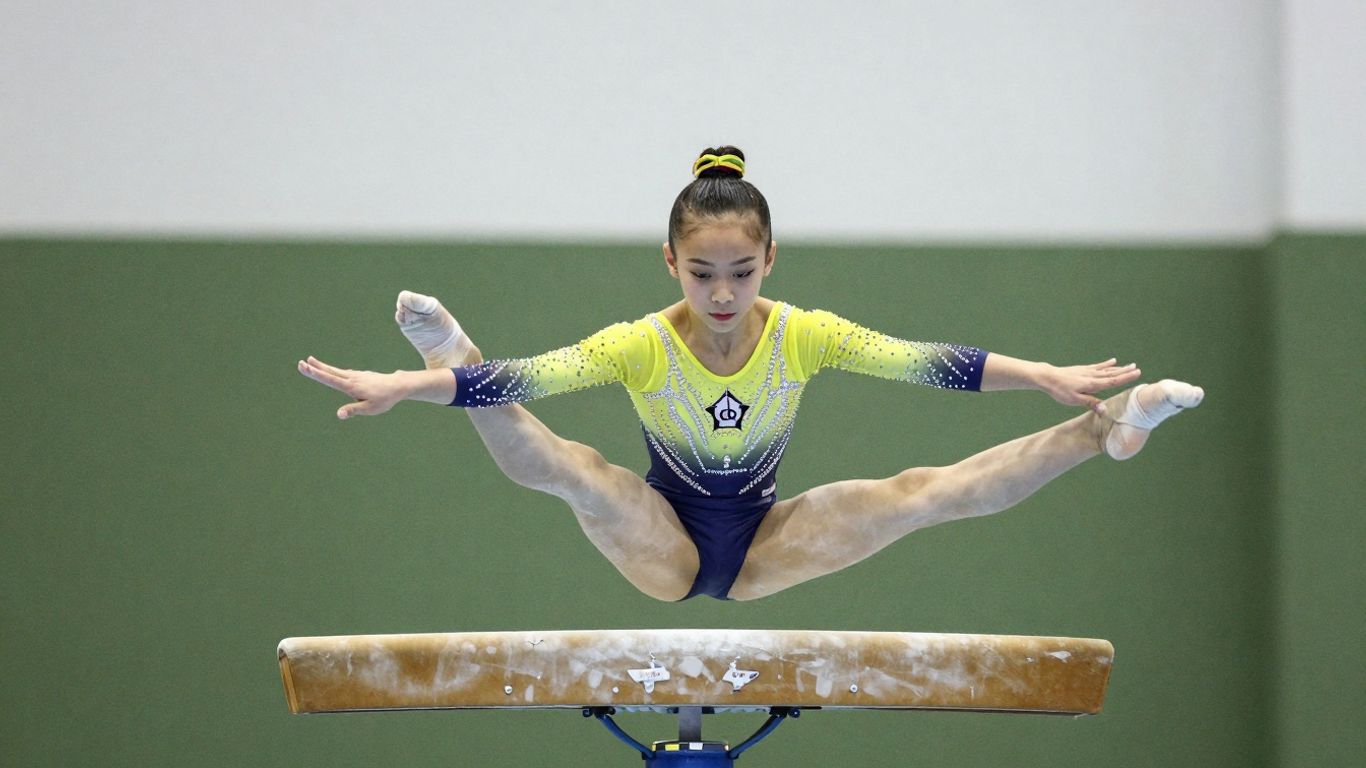
So, you’ve been flipping and tumbling at Delta Gymnastics, and now you’re eyeing the competition scene. It’s a whole different ballgame, but in the best way possible. Think of it as a chance to show off all those hours you’ve put in, not just against yourself, but against other athletes who are just as passionate.
Competitions at Delta aren’t just about who gets the highest score. They’re about pushing your limits and seeing what you’re truly capable of. You’ll learn to handle the pressure, to focus when it really counts, and to perform your best even when there are a lot of eyes on you. It’s a bit nerve-wracking at first, sure, but that feeling when you nail a routine you’ve worked hard on? Unbeatable.
Here’s a quick look at what you might expect:
- Understanding the scoring: Each routine is broken down into different parts, and judges look for specific skills, execution, and artistry. It’s not just about doing the moves; it’s about doing them well.
- Different levels: Competitions usually have different levels, so you’ll be competing against others with similar skills. This makes it fairer and more fun for everyone.
- The atmosphere: Expect a buzz of energy! It’s exciting to see so many gymnasts together, all supporting each other while also giving it their all.
Competitions are where you really see how far you’ve come. It’s a chance to test your skills, learn from others, and grow as an athlete. Don’t be afraid to step onto the competition floor; it’s where some of the most rewarding moments happen.
Teamwork And Sportsmanship
While gymnastics might look like an individual sport, especially when you’re up on the beam or the floor, there’s a huge team element at Delta. You’re not just training for yourself; you’re part of a squad. Cheering on your teammates, celebrating their successes, and offering a hand when they stumble – that’s what it’s all about.
Good sportsmanship is a big deal here. It means respecting your fellow competitors, the judges, and the rules of the game. Even if you don’t win, shaking hands and congratulating those who did shows real character. It’s about playing fair and being a good sport, win or lose.
Think about it like this:
- Support your mates: When someone else is competing, be their biggest fan. Your cheers can make a real difference.
- Be gracious: Whether you win or lose, show respect. Acknowledge the effort of everyone involved.
- Learn from everyone: Watch other gymnasts, see what they do well, and take inspiration from them.
Celebrating Achievements
Every little win, every personal best, every time you conquer a skill that used to scare you – it all deserves a celebration. At Delta Gymnastics, we make sure to acknowledge the hard work and dedication that goes into every step of your journey.
Whether it’s a ribbon at a local meet, mastering a new flip, or simply showing up with a positive attitude day after day, these achievements are important. They build confidence and remind you why you started gymnastics in the first place. We love seeing our athletes shine, and we’re always here to cheer you on, no matter the size of the accomplishment.
- Recognising progress: We celebrate not just the big competition wins, but also the personal milestones achieved in training.
- Team celebrations: After competitions, we often get together to share stories and congratulate everyone on their efforts.
- Encouragement: Positive reinforcement is key. We make sure every athlete feels seen and appreciated for their commitment.
It’s this mix of individual drive and team spirit that makes the competitive side of Delta Gymnastics so special. You learn to push yourself, support others, and celebrate every bit of progress along the way.
Beyond The Apparatus: Life Skills In Delta Gymnastics
Discipline And Dedication
Gymnastics at Delta isn’t just about flips and tumbles; it’s a crash course in sticking with things. You show up, you put in the work, even when your muscles are screaming and you’d rather be anywhere else. That’s discipline. And dedication? That’s showing up day after day, week after week, chipping away at that skill that feels impossible right now. It’s about understanding that progress isn’t always a giant leap, but often a series of small, consistent efforts. Think of it like building a house – you can’t just plonk the roof on; you need a solid foundation, brick by brick.
Overcoming Challenges
Let’s be real, gymnastics throws curveballs. Maybe you’re terrified of a new skill, or you’ve hit a plateau and can’t seem to get any better. This is where the real learning happens. It’s not about avoiding the tough stuff, but about facing it head-on. You learn to break down big problems into smaller, manageable steps. You figure out what works for you, maybe trying a different approach or asking your coach for a new perspective. Every time you push past a fear or a frustration, you’re building resilience that you’ll use way beyond the gym floor.
The Delta Gymnastics Community
It’s not just you and the mats. At Delta, you’re part of something bigger. You’ve got your training buddies who are going through the same highs and lows. You cheer each other on, you commiserate when things get tough, and you celebrate every win, big or small. This sense of belonging is pretty special. It teaches you about teamwork, about supporting others, and about how much stronger you are when you have a good crew behind you. It’s like a second family, really, all working towards common goals.
The lessons learned here – the grit, the perseverance, the ability to bounce back – they stick with you. They shape how you handle schoolwork, friendships, and whatever life throws your way after you hang up your leotard.
Here’s a look at how different aspects of training build these life skills:
- Skill Progression: Learning a new skill often involves multiple steps. You might spend weeks mastering the basics before even attempting the full move. This teaches patience and the value of a step-by-step approach.
- Handling Mistakes: Falling off the beam or not landing a tumble perfectly is part of the process. Instead of giving up, you learn to analyse what went wrong and try again. This builds a healthy relationship with failure.
- Team Support: Watching your teammates succeed and offering encouragement helps you understand the power of collective effort and shared joy.
- Coach Feedback: Taking constructive criticism from your coach and applying it shows you how to learn from others and adapt your methods.
Advancing Your Skills With Delta Gymnastics
Progressing Through Skill Levels
So, you’ve got the basics down and you’re feeling pretty good about your progress at Delta Gymnastics. That’s awesome! But what’s next? Well, it’s all about moving up through the different skill levels. Each level builds on the last, introducing new challenges and more complex moves. Think of it like levelling up in a game, but with more chalk dust and less screen time.
Here’s a general idea of how it works:
- Beginner: You’re learning the absolute fundamentals – how to fall safely, basic jumps, and maybe your first cartwheel on the floor.
- Intermediate: You’re getting comfortable with more advanced skills like handstands, walkovers, and starting to work on apparatus like the beam and bars.
- Advanced: This is where things get really exciting. You’re tackling flips, twists, and intricate routines that require serious strength, flexibility, and control.
The key is consistent practice and listening to your coaches. They’re the ones who know when you’re ready to move on.
Specialised Training Opportunities
Once you’ve hit a certain level, Delta Gymnastics might offer some specialised training. This is where you can really start to focus on what you love or what you’re naturally good at. Maybe you’re a natural on the floor exercise, or perhaps you’ve got a knack for the uneven bars. Specialised programs let you hone those specific talents.
These can include:
- Apparatus-specific clinics: Deep dives into mastering skills on the vault, bars, beam, or floor.
- Acrobatic workshops: Focusing on tumbling passes and aerial skills.
- Strength and conditioning sessions: Tailored workouts to build the power and endurance needed for higher-level gymnastics.
It’s a great way to get that extra edge and really push your boundaries.
Preparing For Higher Levels
Moving into the higher levels of gymnastics, whether it’s for competitive teams or just personal achievement, takes a bit more planning. It’s not just about showing up to class anymore. You’ll need to think about:
- Routine development: Working with coaches to choreograph routines that showcase your best skills and meet the requirements for your level.
- Mental preparation: Gymnastics is as much a mental game as a physical one. Learning to manage nerves and stay focused during routines is super important.
- Physical conditioning: You’ll likely need to put in extra work outside of regular classes to build the strength, flexibility, and stamina required.
Getting ready for the next stage means being disciplined with your training, paying close attention to technique, and always being open to feedback from your coaches. It’s a journey that requires patience and a whole lot of effort, but the rewards are definitely worth it.
It’s a big step, but with the support of Delta Gymnastics, you’ll be well on your way.
Ready to Flip?
So, there you have it! Gymnastics is a pretty amazing sport, full of challenges and rewards. Whether you’re just starting out or have been at it for a while, there’s always something new to learn and master. Remember to have fun with it, listen to your coaches, and celebrate every little win along the way. Who knows, you might just surprise yourself with what you can achieve. Now, go on and get those leotards ready – your gymnastics adventure awaits!
Frequently Asked Questions
What’s the main idea behind Delta Gymnastics?
Delta Gymnastics is all about helping young athletes grow, not just in their gymnastics skills, but as people too. It’s a place where they learn to be strong, confident, and respectful, while having a blast doing it!
What should I wear to my first gymnastics class?
For your first session, comfy clothes that let you move freely are best. Think shorts or leggings and a t-shirt or leotard. Most gyms have specific rules, so it’s a good idea to check with them beforehand. You might also need gymnastics shoes or just go barefoot, depending on the gym’s preference.
Is it hard to learn skills like a cartwheel on the beam?
Learning new skills, especially on the beam, can be tricky at first! It takes practice, patience, and a bit of bravery. Coaches help you break down moves like a cartwheel, starting on the floor and then moving to the beam. With regular training, you’ll build up the strength and balance needed to nail it!
What’s the deal with competitions in gymnastics?
Competitions are a chance to show off what you’ve learned and push yourself. It’s not just about winning, though! It’s also about supporting your teammates, showing good sportsmanship, and celebrating everyone’s hard work. It’s a super exciting part of gymnastics.
What kind of life lessons can I learn from gymnastics?
Gymnastics teaches you heaps of important stuff for life! You learn to be really dedicated, to stick with things even when they’re tough, and to bounce back from mistakes. Plus, being part of a gymnastics club means you’re in a supportive community where you make good mates.
How do I know when I’m ready to move up to harder skills?
Gymnastics programs usually have different levels. Your coach will watch your progress and let you know when you’ve mastered the skills for your current level and are ready to tackle more advanced challenges. It’s all about progressing safely and having fun as you get better!