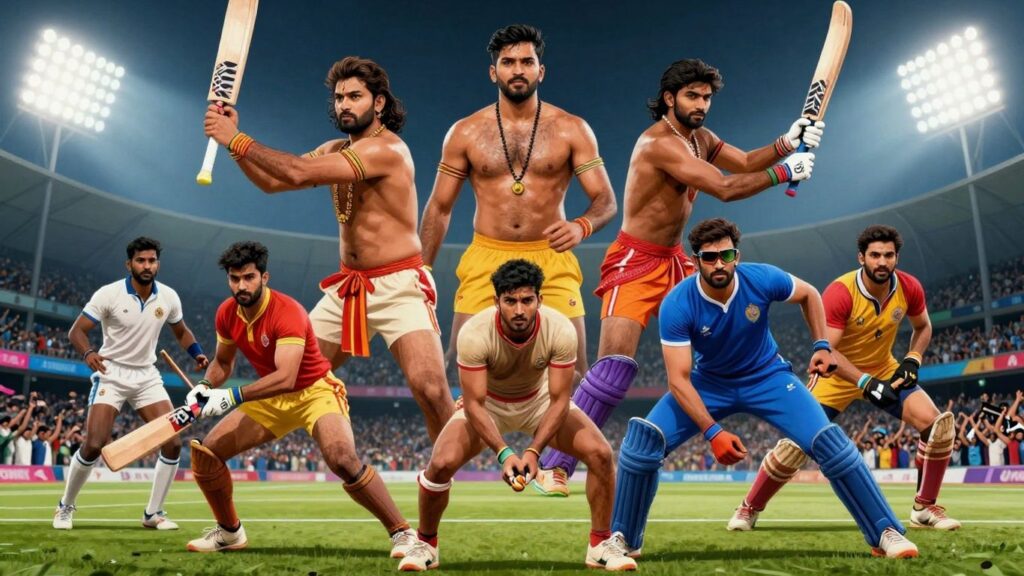
India’s sporting journey is a fascinating tale, stretching from ancient times right up to today’s global competitions. It’s a story about how games played in villages evolved, how new sports arrived, and how the nation is now aiming for the top in various fields. We’re going to chart this development of sports in India, looking at everything from traditional pastimes to the big international events we see now. It’s a look at how sports have shaped the country and how the country is shaping sports.
Key Takeaways
- India’s sporting history includes ancient indigenous games, the introduction of Western sports during colonial times, and a significant shift towards a multi-sport culture post-independence.
- Cricket has held a dominant position, but recent years have seen a rise in the popularity and professionalisation of other sports like Kabaddi, Badminton, and Athletics.
- Revitalising traditional Indian sports is a focus, with efforts to integrate them into education and promote them through media and government initiatives.
- The modern sporting landscape is marked by professional leagues, technological advancements, and a growing ambition for success on the global stage, including the Olympics.
- Government policies and infrastructure development are playing a key role in supporting the overall development of sports in India and achieving future sporting goals.
Ancient Roots and Colonial Influence
Indigenous Games of Early India
Long before cricket bats or footballs arrived on Indian shores, the subcontinent was buzzing with its own unique games. Think back to the Indus Valley Civilisation – evidence suggests activities like wrestling and archery were already part of life. Then you’ve got the Vedic texts, which mention things like dice games. These weren’t just ways to pass the time; they were often tied to survival, training, and community rituals. Games like Kabaddi and Kho-Kho, which we still see today, were played across villages, demanding quick thinking and teamwork. Even wrestling, or ‘Malla-Yuddha’, was a serious affair, deeply embedded in the culture and often depicted in ancient stories.
- Wrestling (Malla-Yuddha): A test of strength and skill, often with deep cultural significance.
- Archery: Practiced for hunting and warfare, requiring precision and focus.
- Kabaddi & Kho-Kho: Team games demanding agility, strategy, and quick reflexes.
- Dice Games: Popular for recreation and sometimes associated with fortune and fate.
These early games were often played with whatever was at hand, using natural materials and requiring little in the way of fancy equipment. They were accessible and deeply connected to the daily lives and social structures of the people.
The Arrival of Western Sports
When the British arrived, they brought a whole new sporting playbook with them. Cricket, football, and tennis started making their way into India, initially through colonial clubs and military barracks. These weren’t just new pastimes; they often came with a sense of prestige. The introduction of these Western sports marked a significant shift in the Indian sporting landscape. While some embraced them, they also began to overshadow the traditional games that had been played for centuries. It was a bit like a new trend taking over, and the old favourites started getting pushed to the side.
Social Hierarchies in Colonial Sports
It wasn’t just about the games themselves; it was also about who got to play them and where. Colonial sports often reflected the social pecking order of the time. Cricket, for instance, became a bit of a status symbol. Playing it, or even just being part of a cricket club, could signal your social standing. The elite, both British and Indian, gravitated towards these sports, often setting up exclusive clubs and gymkhanas. This meant that access wasn’t always equal. While these institutions did help in structuring sports and organising competitions, they also reinforced existing social divisions, making it harder for many to participate.
The introduction of Western sports during the colonial era wasn’t a neutral event. It carried with it social and cultural baggage, often favouring the elite and inadvertently marginalising indigenous games and the communities that played them. This created a sporting hierarchy that would take decades to challenge and change.
The Evolution of Indian Sports Post-Independence
Early Victories and Emerging Stars
After India gained independence in 1947, the nation’s sporting journey really kicked off. Hockey, in particular, was a massive early success story. The men’s hockey team absolutely dominated, snagging Olympic gold medals consistently from 1948 all the way through to 1956. It was more than just winning games; it was a powerful statement of a new, free India making its mark on the world stage. Think legends like Dhyan Chand and Balbir Singh Sr. – their skills were just incredible, a real mix of natural talent and solid teamwork that mirrored the spirit of a nation finding its feet.
This period also saw the establishment of key institutions. The National Institute of Sports in Patiala opened its doors in 1961, aiming to really nurture young athletic talent. Around the same time, the All India Chess Federation got going, which was a big step in getting chess organised properly across the country. Hockey kept up its winning streak, grabbing another gold at the 1964 Tokyo Olympics. Even in boxing, we started seeing more success, with Padam Bahadur Mall winning gold at the Asian Games in Jakarta, followed by others like Hawa Singh. It was a slow but steady build, showing that India could compete and win across different sports.
The early post-independence years were a crucial time for sports in India. It wasn’t just about individual achievements, but about using sport as a way to build national pride and identity. The focus was on establishing a foundation for future success, even if resources were limited.
The Rise of Cricket’s Dominance
While other sports were making headway, 1983 was a game-changer. That’s when India won the Cricket World Cup, captained by Kapil Dev. Honestly, this win was massive. It wasn’t just a trophy; it completely shifted how people saw cricket. It went from being a sport with colonial roots to something that felt truly Indian. This victory sparked a huge interest in cricket, leading to more investment in sports infrastructure and eventually the creation of the Ministry of Youth Affairs & Sports (MYAS). It really set the stage for cricket to become the national obsession it is today, influencing everything from grassroots participation to professional leagues. It’s funny how a single event can change the whole sporting landscape, isn’t it? This win really cemented cricket’s place in the hearts of millions, and you can still feel its impact today.
Diversifying Sporting Horizons
Even with cricket’s massive popularity, other sports weren’t completely forgotten. Think about PT Usha narrowly missing an Olympic bronze in 1984 by the tiniest margin – just 0.01 seconds! It showed the raw athletic talent we had. Then, in 1988, Vishy Anand became India’s first Grandmaster in chess. That was huge for chess in India, making it way more popular and respected. These moments, spread across athletics, chess, and even sports like billiards and badminton where Prakash Padukone won the All England Open in 1980, showed that India was slowly becoming a more diverse sporting nation. It wasn’t just cricket anymore; other sports were starting to get noticed and celebrated. This diversification was the quiet groundwork for the multi-sport nation India is becoming now. It’s a good sign, really, showing we’re not putting all our eggs in one basket anymore. We’re starting to see talent emerge in all sorts of areas, which is fantastic for the future of Indian sports.
Revitalising Traditional Sports
The Rich Tapestry of Indigenous Games
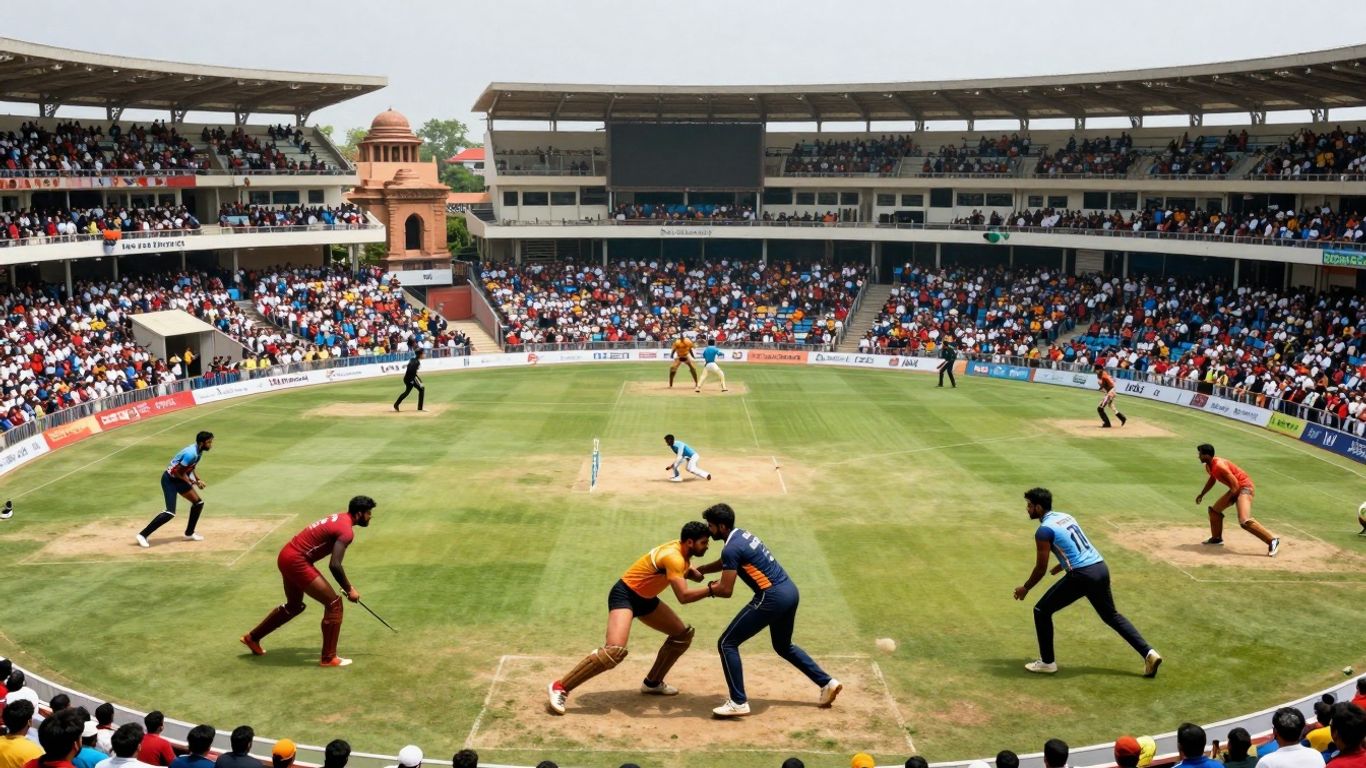
India’s got a heap of traditional games, way more than just cricket and hockey, you know? These aren’t just old-timey pastimes; they’re actually woven into the country’s history and culture. Think wrestling like Malla-Yuddha, which has roots going back to ancient texts, or Gatka, the Sikh martial art from Punjab that’s often seen at festivals. Then there’s Mallakhamb, this amazing mix of yoga and acrobatics on a pole or rope that looks both tough and graceful. Even simple games like Gilli Danda and Carrom, which don’t need much fancy gear, are still played by heaps of people, especially in smaller towns and villages. These games often teach more than just physical skills; they’re about community, respect, and sometimes even have moral lessons built in, like the old version of Snakes and Ladders.
Challenges to Traditional Sports
It’s a bit of a shame, but a lot of these awesome traditional sports are struggling to keep up. One big issue is that many are super local, only really known in one specific region. This makes it hard for them to get noticed on a national level, let alone internationally. Plus, let’s be honest, some of them are a bit tricky to explain or show on TV compared to, say, a fast-paced football match. They don’t always translate well to a screen-friendly format, which makes them harder to get sponsors for. And then there’s the whole modern preference thing – kids these days are often more into video games or the big global sports that are everywhere. It’s tough for traditional games to compete for attention when there’s so much else going on.
The lack of proper support is a major roadblock. Without dedicated funding, good training facilities, and coaches who really know their stuff, these sports can’t grow. It’s like trying to grow a plant without water or sunlight – it just won’t thrive.
Strategies for Revival and Preservation
So, what can we actually do to bring these games back? Well, states could really step up and promote their own local sports, maybe through tourism or special heritage events. Imagine seeing a big boat race festival in Kerala or a Gatka demonstration in Punjab – that’d be pretty cool. Schools could also play a part by including some of these indigenous games in their physical education classes. Getting kids involved early is key to building pride and keeping the traditions alive. We also need to get smarter about how we show these sports. Look at Kabaddi – the Pro Kabaddi League totally transformed it into something exciting for TV. We need more of that kind of innovation. And of course, money talks. Providing scholarships, setting up training centres, and even encouraging partnerships between the government and private companies could make a huge difference. It’s about making sure these games have a future, not just a past.
Here’s a quick rundown of what needs to happen:
- State-Level Promotion: Each state should champion its unique traditional sports.
- School Integration: Incorporate indigenous games into school sports curricula.
- Media Adaptation: Develop TV-friendly formats for traditional sports.
- Financial Backing: Secure funding through scholarships, academies, and public-private partnerships.
- Documentation: Record and archive these games for future generations.
Modern Sporting Landscape and Global Ambitions

Beyond Cricket: A Multi-Sport Nation
Crikey, it feels like only yesterday that India was known for, well, just cricket. But things are changing, aren’t they? We’re seeing a real shift, a move away from that one-sport obsession. Think about it – Neeraj Chopra winning silver in the javelin at the Paris Olympics last summer. That wasn’t just one bloke throwing a stick; it was a massive moment for Indian sports. It showed we’re not just happy to show up anymore; we want to win on the world stage, across the board.
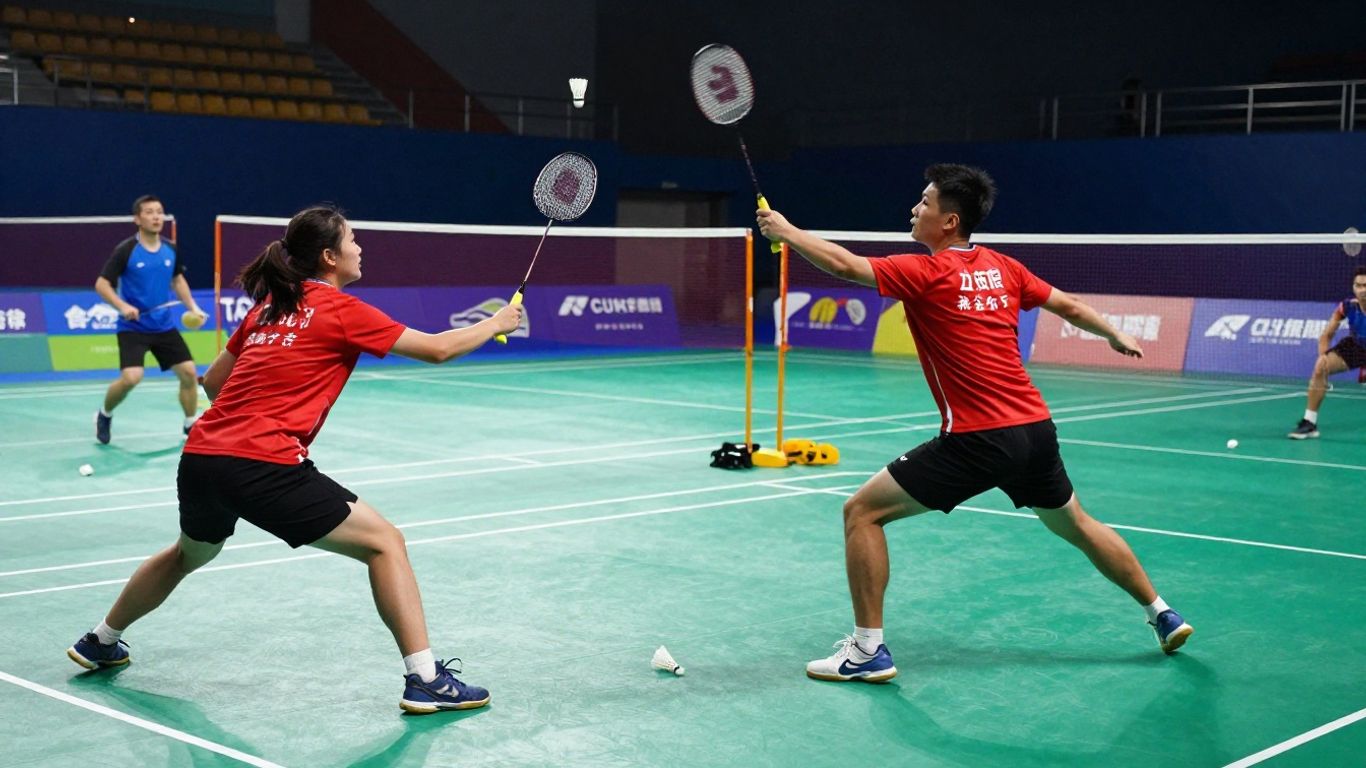
It’s not just about the big international events, either. Look at the Pro Kabaddi League. It’s gone from a bit of a backyard game to one of the most-watched sports on TV. And it’s not alone. Kho-kho is getting its own professional leagues, and traditional wrestling, Kushti, is making a serious comeback. Even chess, with young guns like R Praggnanandhaa and Gukesh Dommaraju, is seeing Indian players dominate globally. It’s a real mix of old and new, all happening at once.
The Impact of Professional Leagues
These professional leagues are a game-changer, no doubt about it. They’re giving sports that weren’t in the spotlight before a proper platform. Take the Pro Kabaddi League, for instance. It’s not just about the players; it’s about the whole spectacle, the fan engagement. Brands are jumping on board too, seeing the potential beyond just cricket. We’re seeing new leagues pop up for sports like pickleball, which is pretty wild to think about.
Here’s a quick look at how some of these leagues are shaping up:
- Pro Kabaddi League: Transformed a traditional sport into a televised spectacle, attracting huge viewership and sponsorship.
- World Pickleball League (India): An example of bringing a global sport into India’s franchise model, aiming for early-mover advantage.
- Emerging Esports Leagues: With online gaming regulations shifting, esports is becoming a legitimate career path and a major spectator sport.
The rise of these professional leagues is creating a whole new ecosystem. It means more opportunities for athletes, more entertainment for fans, and new avenues for businesses to get involved. It’s a positive cycle that’s really helping to diversify India’s sporting identity.
Technological Advancements in Sports
And then there’s technology. It’s creeping into every part of sports, from how athletes train to how we watch the games. You’ve got companies developing sensors that can track every little detail of a cricket shot, giving players and coaches heaps of data to work with. It’s not just about brute strength anymore; it’s about precision and analysis.
Even finding a place to play is getting easier. Apps now let you book sports venues online, connecting players and making it simpler to get a game going. It’s all about making sports more accessible and more professional, whether you’re a pro athlete or just playing for fun on the weekend. It’s a far cry from just kicking a ball around in the street, though that still has its place, of course!
Governmental Support and Future Outlook
Policy Initiatives for Sports Development
The Australian government’s commitment to sports development is really ramping up, with a new National Sports Policy (NSP 2025) that’s actually got some teeth. Unlike older policies that were more like suggestions, this one means business, holding states and sports bodies accountable. It’s all about building athletes from the ground up, making sports more accessible for everyone, and even looking at sports entrepreneurship. They’re also trying to get more women, people with disabilities, and folks from less privileged backgrounds involved. Plus, they want sports integrated into school right from the get-go, aligning with the new education plans. It’s a pretty big shift, aiming for a more inclusive and competitive sporting nation.
Some of the key programs making this happen include:
- Khelo India Programme: This is the big one for grassroots development, finding talent and building facilities everywhere.
- Target Olympic Podium Scheme (TOPS): This focuses on giving our top athletes the support they need to win on the world stage.
- KIRTI Scheme: Recognising and rewarding athletes who are doing great things at both state and national levels.
The push for better sports governance and development is a multi-faceted approach, combining policy frameworks with on-the-ground initiatives. This integrated strategy aims to create a sustainable sporting ecosystem for years to come.
Infrastructure Growth and Investment
There’s a serious chunk of change being poured into sports infrastructure across the country. We’re talking about a massive investment, with a significant portion of the sports ministry’s budget going directly into projects. This isn’t just about building a few stadiums; it’s about creating facilities in smaller towns and rural areas too, so more people have a chance to play and train. The goal is to have world-class facilities available to athletes at all levels, from local clubs to national training centres. This investment is seen as vital for nurturing future champions and improving the overall standard of sports in India. It’s a long-term play, and the hope is that it will pay off with more medals and a healthier, more active population. The government is also looking at private partnerships to help speed things up, which is a smart move. We’re seeing companies getting involved, which is great for sports development in Uttar Pradesh and beyond.
India’s Olympic Aspirations
Let’s be honest, India’s Olympic journey has had its ups and downs. While we’ve seen some incredible individual performances, particularly in sports like athletics and shooting, there’s a clear ambition to do better across the board. The government is really pushing for this, with plans to bid for major international events and a strong focus on improving our performance at the Olympics. It’s not just about winning medals, though that’s a big part of it; it’s about building a sporting culture that values participation and excellence. The recent successes in sports like lawn bowls and javelin have certainly boosted morale and shown what’s possible when athletes get the right support. The aim is to build on these wins and make India a consistent force in global sports. It’s a big dream, but with the current focus on grassroots development and elite athlete support, it feels more achievable than ever before. The country is really looking towards the 2036 Olympics with a lot of hope.
The Road Ahead
So, looking back, it’s pretty clear India’s sports scene has come a long way. We’ve gone from simple village games played under the sun to athletes smashing records on the world stage. It wasn’t always a smooth ride, with new sports often overshadowing the old, and sometimes, support just wasn’t there. But things are changing. With initiatives like Khelo India and the growing popularity of leagues for games like Kabaddi and even traditional wrestling, we’re seeing a real shift. It’s not just about winning medals anymore, though that’s great too. It’s about remembering where we came from, celebrating our unique games, and building stronger communities through sport. The future looks bright, and it’s exciting to think about how India will keep making its mark, both at home and globally, by honouring its past while embracing the future.
Frequently Asked Questions
What were some popular traditional Indian games before the British arrived?
Long before fancy stadiums and global sports, India had heaps of fun games! Think Kabaddi, where you try to tag opponents while holding your breath, and Kho-Kho, a fast-paced chase game. There was also Gilli-Danda, a bit like a very basic baseball with sticks, and wrestling, which was super important for strength and skill.
How did the British change sports in India?
When the British came, they brought their own sports like cricket, football, and tennis. They often set them up in exclusive clubs, and sometimes, who you were in society mattered more than your skills to get picked for a team. This meant some sports became more popular with certain groups of people.
Is cricket still the only big sport in India?
For a long time, cricket was king! But things are changing big time. Games like Kabaddi are now super popular thanks to professional leagues, and athletes are winning medals in athletics, wrestling, chess, and even lawn bowls at big international events. India is definitely becoming a nation that loves many different sports.
Why are traditional Indian sports struggling to get attention?
Lots of traditional games are only known in certain areas and don’t get much national spotlight. They can also be a bit tricky for TV viewers to understand at first, making them harder to make popular like global sports. Plus, sometimes they don’t get enough funding or proper training places.
What is being done to bring back traditional Indian sports?
There are some great efforts happening! Schools are starting to teach traditional games in PE classes, and some states are promoting them at festivals. Organisations are also trying to make them more exciting for TV, kind of like how Kabaddi became a hit with its own league. Giving them more money and support is also key.
What are India’s big goals in international sports?
India is aiming high! They want to win more medals at the Olympics and other major games. The government is investing a lot in building better sports facilities and finding new talent. They’re even bidding to host the Olympics, showing they’re serious about becoming a major player on the world sports stage.