Thinking about packing your bags and heading off to somewhere new? Maybe you’re an Aussie looking at Finland, or just curious about how these two countries stack up. We’re going to break down the finland cost of living vs australia, looking at everything from your weekly shop to where you’ll lay your head at night. It’s not just about the dollars and cents though, we’ll touch on what life’s actually like on the ground.
Key Takeaways
- When comparing the finland cost of living vs australia, Finland generally comes out cheaper, especially for rent, groceries, and dining out.
- Australia has higher housing costs, with rent being significantly more expensive than in Finland.
- While both countries offer high living standards, Australia’s everyday expenses like food and utilities tend to be higher.
- Finland offers considerable discounts for students, making it potentially more affordable for those studying.
- Both nations are ranked highly for happiness and quality of life, but Finland has a notably smaller gender gap and a more egalitarian society.
Finland Cost Of Living Vs Australia: A Financial Showdown
Alright, let’s get down to brass tacks and figure out how your wallet might feel in Finland compared to back home in Australia. It’s not just about the big ticket items; it’s the everyday stuff that really adds up, isn’t it?
Everyday Expenses: Groceries and Dining Out
When you’re just trying to grab some tucker, Finland generally comes out a bit cheaper than Australia. Think about your weekly shop – bread, milk, cheese, eggs – you’ll likely find those prices a bit kinder on the hip pocket in Finland. Even things like chicken breast and most fruits and veggies tend to be less expensive there. Eating out follows a similar trend. While a nice meal out is a treat anywhere, you’re probably looking at paying less for it in Finland. Students in Finland even get a decent shake with discounts on food and travel, which is a nice bonus.
Here’s a rough idea of what you might expect:
| Item | Finland (approx. €) | Australia (approx. A$) |
|---|---|---|
| Loaf of Bread | 1.70 | 1.61 |
| 1kg Boneless Chicken | 8.46 | 6.74 |
| 1kg Apples | 1.56 | 2.77 |
| 1kg Potatoes | 0.83 | 1.87 |
| Meal for 2 (Mid-range) | 30.00 | 35.00 |
Keep in mind these are just averages, and prices can swing depending on where you shop and what brands you go for.
Housing Costs: Renting and Owning
This is where things can get pretty interesting. Renting a place in Finland is generally a fair bit cheaper than in Australia. Whether you’re looking for a spot right in the city centre or a bit further out, you’ll probably find the rent index is significantly lower in Finland. For example, a one-bedroom apartment in a downtown area might cost you around €586 in Finland, while in Australia, you could be looking at closer to A$776. Owning property is a whole other ballgame, but for renters, Finland offers a more affordable entry point. You can check out the low rent index for Finland to get a clearer picture.
Essential Utilities and Connectivity
When it comes to keeping the lights on and staying connected, Finland also tends to be more budget-friendly. Basic utilities for an apartment, including electricity, heating, water, and gas, are usually less than what you’d pay in Australia. And if you’re a data fiend, you’ll be pleased to know that internet connections, even faster ones, are considerably cheaper in Finland. So, while you might be spending less on rent and food, you’re also likely to save a bit on those monthly bills.
Here’s a quick comparison:
- Utilities (65m² apartment): Finland is typically around €88, while Australia can be over €101.
- Internet (50+ Mbps): Expect to pay about €18 in Finland versus a hefty €47 in Australia.
So, financially speaking, Finland seems to offer a bit more breathing room for your everyday expenses and housing compared to Australia.
Navigating Daily Life: Beyond The Price Tag
Student Life and Perks
If you’re a student heading to Finland, you’re in for a bit of a treat. Student unions are a big deal over there, and they often have heaps of discounts and deals lined up for members. Think cheaper public transport, discounted meals at student cafeterias (which are actually pretty decent, by the way), and even deals on gym memberships. It’s not just about saving a few bucks, either; it’s about feeling like you’re part of a community.
Here’s a quick rundown of what you might expect:
- Student Union Membership: Usually a small annual fee, but it unlocks a bunch of benefits.
- Food Discounts: Cafeterias in universities and colleges are often subsidised.
- Transport Deals: Public transport passes can be significantly cheaper for students.
- Leisure Activities: Access to sports facilities and sometimes even cultural events at reduced prices.
It’s a system that really tries to make life a bit easier for students while they’re studying.
Understanding Wages and Disposable Income
Okay, so we’ve talked about prices, but what about what people actually earn? This is where things get interesting, because a country can look expensive on paper, but if people are earning good money, they can still live pretty comfortably. In Finland, wages are generally decent, especially in skilled professions. However, it’s not quite the same as the ‘she’ll be right’ attitude you might find back home in Australia. People tend to be a bit more reserved with their spending, even if they have the cash.
It’s easy to get caught up in just the numbers – how much things cost. But you’ve also got to look at what’s left in your pocket after you’ve paid for everything. That’s the real measure of how well you’re doing.
The Impact of Taxation
Now, let’s talk about the taxman. Finland has a progressive tax system, which means the more you earn, the higher your tax rate. It’s definitely higher than what many Aussies are used to. This higher tax take is what helps fund all those public services like healthcare and education that Finland is known for. So, while your take-home pay might look a bit smaller than you’d expect, remember that a lot of your big expenses are already covered or heavily subsidised. It’s a trade-off, for sure. You pay more in tax, but you get a lot of social support in return.
Lifestyle and Living Standards
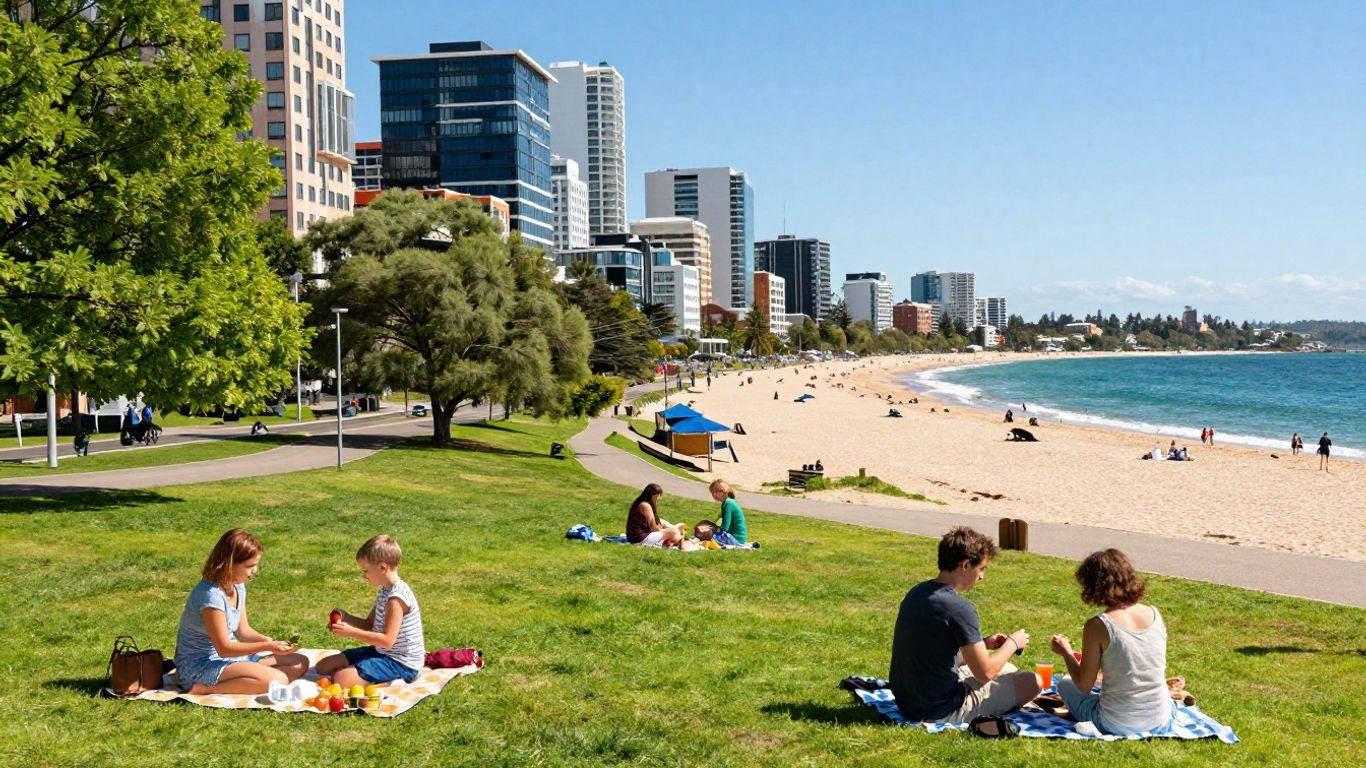
So, how do Finland and Australia stack up when it comes to just, you know, living your life? It’s not all about the dollars and cents, is it? We’re talking about the general vibe, the quality of life, and what you actually get to do with your time.
Happiness Rankings and Quality of Life
Both Finland and Australia generally score pretty well when it comes to how happy people are and the overall quality of life. Finland, though, often pops up near the very top of global happiness reports. It’s not just about having money; it’s about feeling secure, having good public services, and a sense of community. Australia also does well, but sometimes the sheer cost of living can put a dampener on things, even with good wages. It’s a bit of a trade-off, really.
Embracing Nature and Outdoor Activities
This is where things get interesting. Finland has a stack of forests and lakes – seriously, thousands of them. They’re big on getting outdoors, whether it’s hiking, cross-country skiing in winter, or just enjoying the long summer days. It’s a pretty ingrained part of their culture. Australia, on the other hand, has the beaches, the outback, and a whole different kind of natural beauty. Aussies love their outdoor lifestyle too, think surfing, camping, and barbecues. It’s just a different flavour of nature.
Cultural Quirks and National Identity
Finns are often described as being quite reserved, but they have a deep appreciation for things like sauna culture and a good cup of coffee. They value honesty and directness, which can sometimes come across as blunt to outsiders. Australians are generally seen as more laid-back and friendly, with a strong sense of mateship. They’ve got a unique sense of humour, often self-deprecating. It’s these little differences that make travelling and living in a new place so fascinating.
While both countries offer a high standard of living, the way that standard is experienced can differ. Finland’s approach often prioritises social well-being and equality, while Australia leans into a more individualistic, resource-rich lifestyle. It’s about what you value most in your day-to-day.
Here’s a quick look at some aspects:
- Finland: Known for its extensive public services, emphasis on work-life balance, and strong social safety net. Think efficient public transport and readily available healthcare.
- Australia: Offers a generally sunny climate conducive to outdoor activities, a strong sporting culture, and a more relaxed pace of life in many areas, though city living can be hectic.
- Shared: Both nations rank highly for safety and have access to clean environments, contributing to a good overall quality of life for their residents.
Education and Societal Values
When you’re looking at moving to a new country, especially for study or work, the education system and the general vibe of society are pretty big deals, right? Finland and Australia have some interesting differences here.
Educational Opportunities and Equality
Finland’s education system is often held up as a gold standard, and for good reason. It’s built on this idea that everyone, no matter where you live or what your parents do, should get a fair crack at a good education. It’s all state-funded, which helps keep things pretty level. Kids don’t even start formal schooling until they’re seven, and they don’t get formal grades until later. Teachers usually only spend about four hours a day in the classroom. It’s a system that really trusts students to be independent learners.
Australia’s system is a bit more varied. While there are great schools, where you end up can depend a lot on your postcode and your family’s background. There’s more emphasis on testing from a young age, and teachers often have longer days in the classroom. It’s not necessarily ‘bad’, but the Finnish model aims for a more uniform playing field for all students.
Here’s a quick look at some stats:
| Feature | Finland | Australia |
|---|---|---|
| Starting School Age | 7 years | 5-6 years |
| Formal Grades Start | 8th Grade | Early Primary |
| Teacher Classroom Hours | Approx. 4 hours/day | Approx. 5-6 hours/day |
| Funding | 100% State-funded | Mix of State and Federal |
| High School Graduation | 93% | Varies by state, generally high |
Gender Equality and Societal Progress
Both Finland and Australia generally score well on gender equality compared to many other countries. However, Finland often pops up at the very top of global rankings for gender equality and overall societal progress. There’s a strong cultural emphasis on equal opportunities for everyone, and this is reflected in everything from parental leave policies to workplace representation. It feels like a society that’s really worked hard to make sure everyone has a chance to succeed, regardless of gender.
Australia has made significant strides too, but there can still be gaps, particularly in leadership roles and pay equity. The conversation around gender equality is ongoing, and while there’s a lot of awareness, achieving full parity across the board is still a work in progress.
Finnish vs Australian Social Norms
This is where things get really interesting, and maybe a bit subjective. In Finland, there’s a strong sense of personal space and quietness. People tend to be more reserved initially, but once you get to know them, they’re incredibly loyal and genuine. They value honesty and directness, which can sometimes come across as blunt to outsiders. Academic freedom is a big thing in their universities – students are expected to take charge of their own learning, and evaluations often involve projects and essays rather than just big exams.
Australians, on the other hand, are often stereotyped as being more laid-back, friendly, and outgoing from the get-go. There’s a strong ‘mateship’ culture. While universities also encourage independence, the assessment styles might lean more towards traditional exams compared to Finland’s project-based approach. It’s a different flavour of independence, perhaps.
The Finnish approach to education really highlights a deep respect for the individual. Students are treated like adults from the get-go, trusted to manage their own learning paths. This contrasts with systems where there might be more oversight and structured testing throughout. It’s less about ticking boxes and more about genuine personal development.
Finland also has some pretty unique cultural quirks, like their love for quirky sports events – think mobile phone throwing or swamp football! It shows a society that doesn’t take itself too seriously and enjoys a good laugh.
Geographical Considerations
When you’re thinking about packing your bags and heading off to Finland or Australia, the sheer size and where these places actually are on the map can make a pretty big difference. Australia, for starters, is a massive continent, like, really massive. It’s about 23 times bigger than Finland. Imagine trying to drive across Australia – it’s a serious undertaking. Finland, on the other hand, is way up north in Europe, smack bang in the middle of things, making it easier to hop over to other countries. A flight from, say, India to Helsinki is about 8 hours, but getting to Melbourne from India? That’s a solid 15 hours in the air. So, if you’re planning on doing a lot of travelling around your new home country or to nearby places, Finland’s location is a definite plus.
Country Size and Location
Australia’s sheer size means that getting from one side to the other can take ages, and the distances between major cities are huge. This can impact travel costs and how long it takes to get things done. Finland, being much smaller and centrally located in Europe, makes travel and logistics a lot simpler. Think about it: you can easily pop over to Sweden or Estonia for a weekend trip from Finland, which isn’t exactly an option from Perth to Sydney.
Climate and Environmental Factors
These two countries have wildly different climates. Australia is known for being pretty dry overall, with a lot of its land getting less than 500mm of rain a year, making it the driest inhabited continent. You’ve got everything from scorching deserts to tropical rainforests, and yeah, some of the wildlife can be a bit intense. Finland, however, is a land of forests and lakes – over 70% of the country is covered in trees, and it boasts nearly 188,000 lakes. The climate is more temperate, with distinct seasons, including cold, snowy winters and mild summers. This means different opportunities for outdoor activities and different considerations for daily life, like heating your home in winter.
Island Nations and Archipelagoes
While Australia is a continent in itself, it’s also an island surrounded by thousands of smaller ones. Finland, too, has a massive archipelago, with over 179,000 islands. This means coastal living and island communities are a part of both countries’ identities, though in very different ways. Finland’s islands are often more accessible and integrated into the mainland’s lifestyle, especially around the Baltic Sea. Australia’s islands, like Tasmania, are significant landmasses in their own right, offering unique environments and communities.
The vastness of Australia presents unique challenges and opportunities compared to the more compact and centrally located Finland. This geographical disparity influences everything from travel times and costs to the very nature of the environment you’ll be living in.
So, Which One Wins for Your Wallet?
Alright, so we’ve had a good look at how Finland and Australia stack up when it comes to the cost of living. It’s pretty clear that for Aussies thinking of heading over to Finland, your dollar is likely to stretch a bit further. Rent, groceries, even just grabbing a meal out – it all seems to come in cheaper over there. Plus, Finland’s got that whole egalitarian vibe going on, which is a nice bonus. While Australia’s got its own charms and a pretty sweet lifestyle, if you’re watching your pennies, Finland is looking like the more budget-friendly option. Just remember to factor in flights and all the other bits and bobs, but yeah, for day-to-day living, Finland seems to have the edge for us Aussies.
Frequently Asked Questions
Is Finland actually cheaper than Australia for Aussies?
Yeah, generally speaking, Finland is a bit easier on the wallet for Aussies. Things like rent, eating out, and even your weekly groceries tend to cost less in Finland. Plus, if you’re a student, Finland offers some pretty sweet discounts on heaps of stuff, which makes a big difference.
What’s the deal with housing costs down under compared to Finland?
You’ll find that finding a place to live, whether you’re renting or buying, is significantly pricier in Australia. We’re talking about housing costs being nearly 40% higher than what you’d expect to pay in Finland. So, if you’re trying to save some cash, Finland might be the go.
Are everyday things like food and going out more expensive in Australia?
Yep, pretty much. Grabbing your weekly shop or heading out for a meal is usually more expensive Down Under. Groceries can be about 16% more, and if you’re dining out, expect to fork out around 14% extra compared to Finland. It all adds up!
What about utilities and internet costs?
When it comes to keeping the lights on and staying connected, Finland is generally cheaper. Internet plans can be a fair bit more expensive in Australia, and while utility costs are similar, Finland often comes out a little ahead in terms of affordability.
How do wages and taxes stack up between the two countries?
While Australian wages are often higher, meaning more disposable income, taxes can also be a bit higher depending on your situation. Finland has a strong social safety net supported by taxes, but Australia’s tax rates for individuals can be quite reasonable, especially compared to some European countries.
Are there any hidden costs or benefits I should know about?
Definitely! Students in Finland get heaps of perks like discounts on transport and food, and they can work part-time. Also, both countries are super happy places to live, but Finland is known for its amazing nature access with ‘everyman’s rights’, letting you roam freely in forests and pick berries – something you don’t quite get in the same way in Australia.