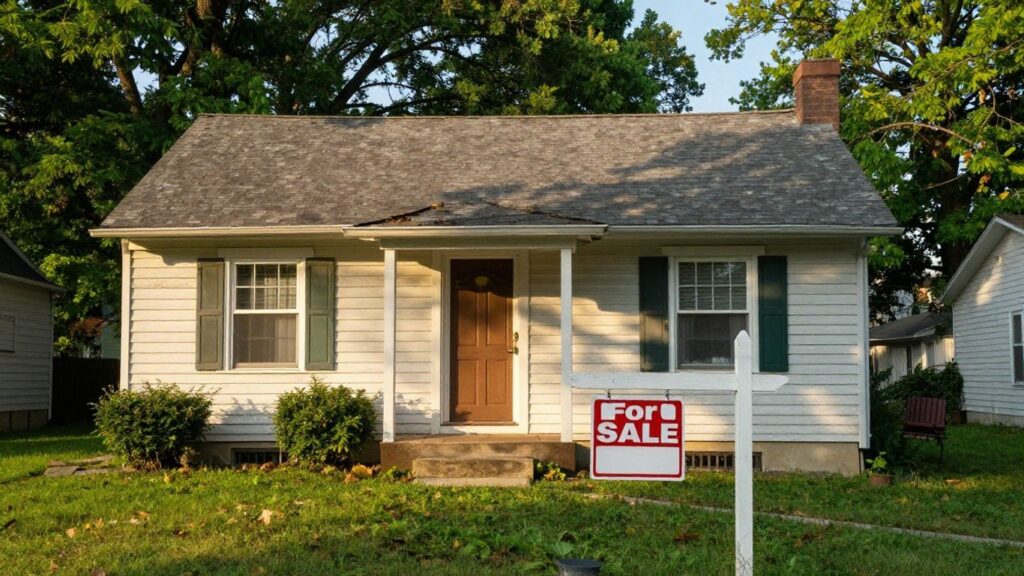
Looking for a deal on a home in Michigan? You might have heard about foreclosure homes, and yeah, they can be a good way to snag a property for less. But it’s not always straightforward. There are a few things you need to know before you jump in, especially if you’re new to this. This guide is here to help you figure out where to look, what to watch out for, and how to actually buy one of these foreclosure homes without too much hassle.
Key Takeaways
- Foreclosure homes can offer significant savings, but they also come with risks like potential repair costs and outstanding liens.
- Finding foreclosure homes involves checking government and bank listings, online auction sites, and working with experienced real estate agents.
- The buying process for foreclosure homes can differ from traditional sales, often requiring quick decisions and sometimes cash offers.
- Financing foreclosure homes might need specific options like hard money loans or renovation loans, as traditional mortgages can be tricky.
- Thorough inspections and budgeting for unexpected repairs are vital when considering foreclosure homes to avoid costly surprises.
Understanding Foreclosure Homes in Michigan
Foreclosure properties pop up across Michigan, offering unique opportunities for both seasoned buyers and newcomers looking for a deal. But before jumping in, it’s worth knowing how the foreclosure system actually works here—and what that means whether you’re selling, buying, or just curious about the process.
Key Differences Between Judicial and Non-Judicial Foreclosures
In Michigan, the type of foreclosure you may face depends mostly on the terms in your loan documents. There are two main paths:
- Judicial Foreclosure: Here, the lender needs to go through the courts. This is more common with land contracts and mortgages that don’t have a ‘power of sale’ clause. This route is slower and often gives the homeowner more time before the sale happens. For a glimpse at the full process and what judges look for, check out this overview of the judicial foreclosure process.
- Non-Judicial Foreclosure: If your mortgage includes a power of sale clause (which most do in Michigan), the lender can skip court altogether. This makes things much quicker for the lender—and more urgent for anyone living in the property. Non-judicial sales follow strict notification rules and tend to move along more briskly. You can see how the ‘power of sale’ impacts property owners in Michigan’s foreclosure process.
| Type of Foreclosure | Court Involved? | Speed of Process | Typical Use Case |
|---|---|---|---|
| Judicial | Yes | Slower | Land contracts |
| Non-Judicial | No | Faster | Most mortgages |
Typical Stages in the Foreclosure Process
Foreclosure doesn’t happen in a single leap. Here are the main steps:
- Late Payments: You fall behind on mortgage payments, usually by 90 days or so.
- Notice of Default: The lender issues a notice, giving you a heads-up and a chance to catch up.
- Foreclosure Initiation: Depending on your loan, either a court case is filed (judicial) or notice is posted and published (non-judicial).
- Redemption Period: Michigan law often provides some time after the sale for the owner to reclaim the property. The length varies depending on how much is still owed and the size of the parcel.
- Auction or Sheriff’s Sale: The property is sold, sometimes right on the courthouse steps or at a public auction.
- Eviction (if needed): If the home isn’t vacated by the end of the redemption period, the new owner can move to evict.
Even when a home changes hands through foreclosure, it’s not always a quick fix for the new owner. Expect some legal waiting periods, and rarely—surprise tenants who haven’t left yet.
Impact of Foreclosure on Homeowners and Buyers
For homeowners, foreclosure hits credit scores hard, sometimes dropping them by 100 points or more. It also means you might not be able to get a new home loan for several years. There’s also the emotional stress of losing your property and, sometimes, the rush to move out with little notice.
From a buyer’s perspective, there are bargains to be found, but also risks. Properties may not have been maintained, and there could be hidden debts (like unpaid taxes or utility bills) attached to the house. On the plus side, the competition at auctions means you might snap up a house for under market value.
- Credit score drops
- Lengthy waiting periods to get a new loan
- Emotional and financial upheaval for owners
- Bargain prices for buyers, but extra risks
- Possible ‘zombie’ properties where the process drags out and houses stand vacant
For many buyers, understanding the basics of how foreclosure works in Michigan is the first and most practical step towards making a smart purchase or sale.
Where to Find Foreclosure Homes Across the State
Alright, so you’re keen on snagging a bargain on a foreclosure here in Michigan. It’s a smart move, but finding those hidden gems takes a bit of know-how. Forget just driving around hoping to spot a ‘For Sale’ sign on a distressed property; you need a strategy.
Top Michigan Locations for Bargain Foreclosures
While deals can pop up anywhere, some areas in Michigan tend to have more foreclosures than others. Keep an eye on cities that have faced economic challenges, as these often see a higher number of distressed properties. Places like Flint, for instance, have historically had a higher vacancy rate, which can sometimes translate to more opportunities for buyers looking for a deal. Wayne County is also working hard to reduce foreclosures, but properties do come up. It’s always a good idea to research local market trends and economic indicators for specific towns you’re interested in.
Government and Bank Property Listings
Banks and government agencies are often the ones holding onto these foreclosed properties. You can sometimes find listings directly on their websites. Many larger banks have an ‘REO’ (Real Estate Owned) department that lists properties they’ve repossessed. Government entities, like the Department of Housing and Urban Development (HUD), also sell foreclosed homes, often through specific auction processes. These can be a good starting point, though they often come with their own set of rules and procedures.
Using Online Resources and Auction Platforms
These days, the internet is your best mate for finding foreclosures. There are dedicated websites that aggregate foreclosure listings from various sources, including banks, government agencies, and even pre-foreclosure notices. You’ll also find platforms that specialise in property auctions, both online and in-person. Bidding at auction can be a fast way to buy, but it often means you need to be prepared to pay cash and can’t do a thorough inspection beforehand. It’s a bit of a different ballgame compared to a standard home purchase, so do your homework on how these auctions work. You might even find a real estate agent who specialises in these types of sales to help you navigate the process.
Buying a foreclosure isn’t always straightforward. You might not get to inspect the property thoroughly before you buy, and there could be outstanding debts like unpaid taxes or liens that you unexpectedly become responsible for. It’s a good idea to have a solid budget for potential repairs, as these homes often need a bit of TLC.
Here are some common places to look:
- Bank REO Websites: Major banks often have sections on their websites dedicated to foreclosed properties they own.
- Government Websites: Look into HUD homes, VA foreclosures, and other government-backed property sales.
- Online Auction Sites: Platforms like Auction.com or local auctioneer sites list properties going up for bid.
- Real Estate Listing Portals: Many general real estate sites (like Zillow or Realtor.com) have filters or sections for foreclosures.
- Local Real Estate Agents: Agents experienced in foreclosures can be invaluable resources.
Navigating the Purchasing Process for Foreclosure Homes
So, you’ve spotted a foreclosure that looks like a real steal. Awesome! But before you start picking out paint colours, let’s talk about actually buying one. It’s not quite like walking into a regular open house, that’s for sure.
How to Make Offers and Negotiate With Sellers or Banks
Making an offer on a foreclosure is a bit different. If it’s a bank-owned property (often called an REO, or Real Estate Owned), you’re dealing with the bank’s asset managers. They’ve got their own set of rules and timelines, and honestly, they’re not usually in a rush. Expect your offer to be reviewed by a few different people, which can take weeks, not days. Banks need to show their shareholders they got the best possible price, so don’t be surprised if they come back with a counter-offer. If they won’t budge on the price, see if they’ll throw in some closing cost credits or maybe a slightly better interest rate if you’re getting a loan through them. Sometimes, they’ll even have a minimum marketing period before they can accept any offers.
Key Steps in Bank-Owned and Auction Purchases
Buying a bank-owned property usually involves a bit more paperwork and patience. You’ll want to get pre-approved for financing first, and sometimes, it helps if you get that pre-approval from the same bank that owns the property. They might be more willing to work with you. Remember to do your homework on comparable sales in the area and factor in any repair costs. You don’t want to overpay, even if it looks like a bargain initially.
When it comes to auctions, things move much faster and are often cash-heavy. You might not even get to step inside the house before bidding, which is a big risk. It’s a good idea to have your financing sorted out beforehand, whether that’s cash or a specific type of loan. You’ll be competing with seasoned investors, so know your numbers.
- Bank-Owned (REO) Properties:
- Get financing pre-approval.
- Research comparable sales and budget for repairs.
- Be prepared for a lengthy offer review process.
- Negotiate on price, closing costs, or interest rates.
- Auction Properties:
- Secure cash or have a loan ready.
- Understand you likely can’t inspect the property beforehand.
- Be ready to bid competitively.
- Know the total costs, including auction fees.
Buying a foreclosed home can be a fantastic way to get into the market or snag an investment property, but it’s not for the faint of heart. You’re often buying ‘as-is,’ meaning you’re responsible for all the repairs and any outstanding issues. That’s why a solid inspection and a realistic budget for fixes are non-negotiable.
Why Professional Guidance Is Essential
Honestly, unless you’ve done this a few times before, getting professional help is a smart move. A real estate agent who specialises in foreclosure sales can be a lifesaver. They know the ins and outs of dealing with banks and auctioneers, can help you find suitable properties, and might even have access to listings you wouldn’t find otherwise. They can also help you navigate the process and make sure you’re not missing any important steps or getting into a deal that’s too risky. It’s like having a guide through a bit of a maze. You’ll also want to understand the difference between judicial and non-judicial foreclosures, as the process can vary significantly based on state laws.
Financing Options for Foreclosure Homes
Securing Traditional Mortgages for Foreclosed Properties
Buying a foreclosed home often means you’re looking for a good deal, and that’s where financing comes in. While some foreclosures might require cash, many can still be purchased with a traditional mortgage. The key is understanding that lenders might see these properties as a bit riskier, so you’ll likely need a solid credit score and a good handle on your finances. Getting pre-approved for a mortgage before you even start looking is a smart move. It tells you what you can afford and makes your offer stronger when you find that perfect place. Sometimes, banks that own foreclosed properties might even offer financing, but it’s always worth shopping around to get the best rate.
The Role of Hard Money and Renovation Loans
If a foreclosed home needs a bit of work – and let’s be honest, many do – traditional mortgages might not cover the full cost. This is where renovation loans and hard money loans come into play. Renovation loans, like the FHA 203k or Freddie Mac CHOICERenovation loans, are designed to bundle the purchase price and the cost of repairs into one loan. This can be a lifesaver for fixer-uppers. Hard money loans, on the other hand, are typically short-term loans from private lenders. They’re often used by investors who plan to renovate and quickly resell the property. Rates can be higher, but they offer speed and flexibility, especially if you’re buying at auction where quick cash is often needed. They can be a good way to finance the purchase and initial repairs before refinancing into a more traditional loan later.
Exploring FHA 203k and Freddie Mac CHOICERenovation Loans
For those looking to buy a foreclosed property that needs some TLC, the FHA 203k loan is a fantastic option. It allows you to finance both the purchase of the home and the cost of its renovation into a single mortgage. This means you don’t have to come up with separate funds for repairs. Similarly, Freddie Mac offers the CHOICERenovation loan, which also helps finance the purchase and necessary upgrades. These loans are particularly useful because they can make properties that might otherwise be out of reach more accessible. You’ll need to ensure the property meets FHA or Freddie Mac standards, but they can be a great way to get into a home and improve it at the same time. It’s worth talking to a mortgage broker who understands these specific loan types to see if they’re a good fit for your situation. Securing mortgage preapproval is a vital first step, regardless of the loan type you pursue.
When considering financing for a foreclosure, remember that the property’s condition can significantly impact your loan options. Properties sold ‘as-is’ might require different financing than those that have had some basic repairs done. Always factor in potential repair costs when determining your budget and the type of loan you’ll need.
Here’s a quick look at some financing avenues:
- Traditional Mortgages: Best for properties in good condition, requiring good credit and a down payment.
- Renovation Loans (FHA 203k, Freddie Mac CHOICERenovation): Ideal for fixer-uppers, combining purchase and repair costs.
- Hard Money Loans: Short-term, high-interest loans often used by investors for quick purchases and renovations.
- Cash: Sometimes required for auction properties, offering the simplest transaction but requiring immediate funds.
Risks and Rewards of Buying Foreclosure Homes
There’s no denying that buying a foreclosure in Michigan can mean getting a place for a serious bargain. Many folks are drawn to these properties because the upfront price tag looks a lot better than a traditional home. Still, these benefits come along with a few big risks that are easy to overlook if you’re focused on the deal itself.
Here’s a breakdown of the main pros and cons when considering foreclosure homes:
| Potential Savings | Common Pitfalls |
|---|---|
| Lower purchase price | Hidden repair costs |
| Less competition | Unable to inspect property |
| Fast transaction times | Possible liens or debts |
| Potential for profit | "As-is" condition |
- Buying at a discount often means you’ll have to take on extra repairs and maintenance that regular homes don’t need.
- Foreclosures are usually sold “as-is”, so you’ll be the one fixing up everything from leaky pipes to old wiring.
- If you buy through auction, there’s a real chance you can’t even walk through the place before you commit your cash.
It’s really easy to get caught up in the excitement of a low price, but you should slow down and figure out what the risks look like for your own situation.
The Importance of Inspections and Budgeting for Repairs
If you’re able to inspect the home, jump at that chance. Inspections are limited or even impossible in many foreclosure sales, but if you’re looking at a bank-owned property, you may be allowed a closer look. Budgeting for repairs is a must, even if you think you’ve found a great deal. Surprise repairs can quickly eat up your savings, especially if the place has sat empty or suffered from neglect.
- Always factor in at least 10-20% of the purchase price for fixing things – it adds up quick.
- If you can, bring a contractor or experienced tradie to your inspection for a second opinion.
- Prioritise repairs that impact safety or the livability of the property before cosmetic upgrades.
Understanding Outstanding Liens and Legal Concerns
What makes foreclosures different from standard sales isn’t just the repair risks – there are often legal concerns, too. Some properties might come with unpaid rates, contractor liens, or even left-behind debts that you’d have to cover as the new owner. Not doing a proper title check could leave you on the hook for someone else’s old bills. As pointed out in Purchasing a foreclosed home, hidden debts can quickly turn a bargain into a burden.
- Always get a full title search before signing anything.
- Check for unpaid tax bills, water charges, and any bankruptcy proceedings.
- Consider paying a conveyancer or solicitor to go over all the paperwork.
Foreclosure bargains exist, but don’t assume they’re a safe bet. Treat every property as a unique case, and look well past the sticker price.
Tips for First-Time Foreclosure Home Buyers
Buying a foreclosed home in Michigan isn’t like buying a standard property. It’s a process that comes with plenty of hurdles—but also the potential for great deals if you approach it right. Here’s how you can set yourself up for success as a first-timer.
Working With Agents Experienced in Foreclosure Sales
Finding an agent who knows the ins and outs of foreclosed properties can make a world of difference. Here’s why:
- They’ll walk you through complex paperwork, making sure nothing’s missed.
- Experienced agents often have the inside scoop on upcoming listings before they go public.
- They can warn you about issues unique to foreclosures, like title problems or buying at auction.
Don’t just pick any real estate professional—target someone who has done plenty of these deals before. The buying steps for a foreclosure are different from the usual process, so that know-how becomes really valuable fast.
Researching Comparable Sales and Setting a Realistic Budget
Foreclosure homes can seem like a bargain on paper, but hidden costs lurk everywhere. Compare recent sales of similar homes (known as comps) in the area so you know if a listed price actually makes sense. Here’s a quick rundown on what to check:
| Step | What to Consider |
|---|---|
| Find Comparables | Look for homes nearby, same size and condition |
| Factor in Repairs | Budget extra for renovations, even the surprises |
| Stick To Your Max | Decide your limit and be strict |
- Always add a buffer for possible repairs—most foreclosures are sold ‘as-is.’
- Get quotes from local contractors before you commit (if you can access the house).
- Stick to your budget, no matter how competitive things get.
Preparing for Competition and Delays in the Purchase Process
It’s no secret: there’s a crowd hunting for bargain homes, so you might run into competition. Auctions can be over in minutes, and even bank-owned deals have pressure from investors and flippers. A few things to expect:
- Bidding wars often pop up, especially on properties with high potential.
- Paperwork can crawl, since banks move slower than regular sellers.
- Delays are normal—don’t schedule big life events (like moving) too tight to your expected close date.
Patience and perseverance are must-haves when buying your first foreclosure. There will be setbacks, but staying organised and level-headed makes all the difference.
A little planning today beats a lot of regret later on. Foreclosed homes can be tricky, but a good plan and experienced help puts you ahead of the curve.
So, What’s the Go?
Look, finding a bargain on a foreclosure in Michigan isn’t exactly a walk in the park these days. The market’s changed, and those super cheap deals aren’t as common as they used to be. But that doesn’t mean they’re impossible to find. You just need to be smart about it. Do your homework, maybe get a good agent on your side, and be ready for a bit of a challenge. Remember, these places often need work, and sometimes paying cash is the only way. It’s definitely not for everyone, but if you’re up for it, a good deal could still be out there waiting for you.
Frequently Asked Questions
What exactly is a foreclosure home?
A foreclosure home is a house that a bank or lender takes back because the owner couldn’t keep up with their mortgage payments. It’s like the bank is taking ownership to try and get their money back, often by selling it.
Are foreclosure homes always a good deal?
Not always! While you can sometimes find them for a lot less than a regular house, they often need a lot of fixing up. You might end up spending more on repairs than you saved on the purchase price.
Can I get a normal home loan for a foreclosure?
It can be tricky. Some banks might let you use a regular loan, but others might want you to pay cash, especially if the house needs a lot of work. Special loans like the FHA 203k or Freddie Mac CHOICERenovation loans can help cover repairs too.
Where are the best places in Michigan to find foreclosure homes?
Cities like Flint often have a higher number of vacant homes, which can sometimes mean more foreclosures. It’s good to check government listings, bank websites, and online auction sites too.
What are the biggest risks when buying a foreclosure?
You usually can’t inspect the house before buying, so you might not know about hidden problems. Also, there could be other debts attached to the house, like unpaid taxes or fees, that you might have to pay.
Should I get a real estate agent to help me buy a foreclosure?
It’s a really good idea, especially if it’s your first time. Agents who know about foreclosures can help you find properties, understand the complicated paperwork, and make sure you’re not overpaying for a fixer-upper.