
Key Takeaways
Navigating the acquisition of distressed real estate requires a blend of legal caution and financial readiness to secure an asset below market value. The following points summarize the essential strategy for prospective investors:
- Mortgagee-in-possession sales differ significantly from standard private treaties due to the bank’s limited liability and the property’s ‘as-is’ status.
- Identifying these opportunities involves leveraging public notices, specialist agents, and consistent monitoring of major property market listings.
- Due diligence is non-negotiable, requiring comprehensive title searches and independent building inspections to expose hidden structural liabilities.
- Auction success hinges on firm pre-approval, as these sales are typically unconditional and require immediate deposit payment upon the fall of the hammer.
- Investors must factor in secondary costs including stamp duty, renovation requirements, and potential legal delays when assessing feasibility.
Understanding mortgagee-in-possession properties in Australia
When a borrower defaults on their loan obligations, the lender may eventually take legal possession of the asset to recoup outstanding debt. This process, while legally rigorous, presents unique avenues for those searching for value in a competitive market. Understanding the nuances of these transactions helps prospective buyers navigate the specific legal and physical status of such properties.
How a property becomes a mortgagee-in-possession
A property enters this status after a significant period of mortgage default where the bank exhausts all recovery efforts. The lender issues formal notices to the borrower, and if the arrears remain unresolved, they obtain a court order to take possession of the premises. This sequence is strictly regulated by law to protect equity while allowing the financier to liquidate the security asset.
Difference between standard home sales and foreclosure
Unlike an owner-occupier sale, the bank is generally not required to provide standard disclosures regarding past repairs or specific property history. This distinction shifts the burden of exploration entirely onto the buyer, who must rely on independent assessments rather than vendor declarations.
Risks associated with bank-owned assets
Investors often face unforeseen challenges with inherited property conditions that remain undocumented during a standard sale. The assets may suffer from neglect or, in some cases, intentional damage caused by disgruntled occupants during the vacate process. Banks prioritize speed and liquidity, meaning they are unlikely to entertain requests for minor repairs or staging refinements before the exchange of contracts.
Where to find foreclosure properties for sale
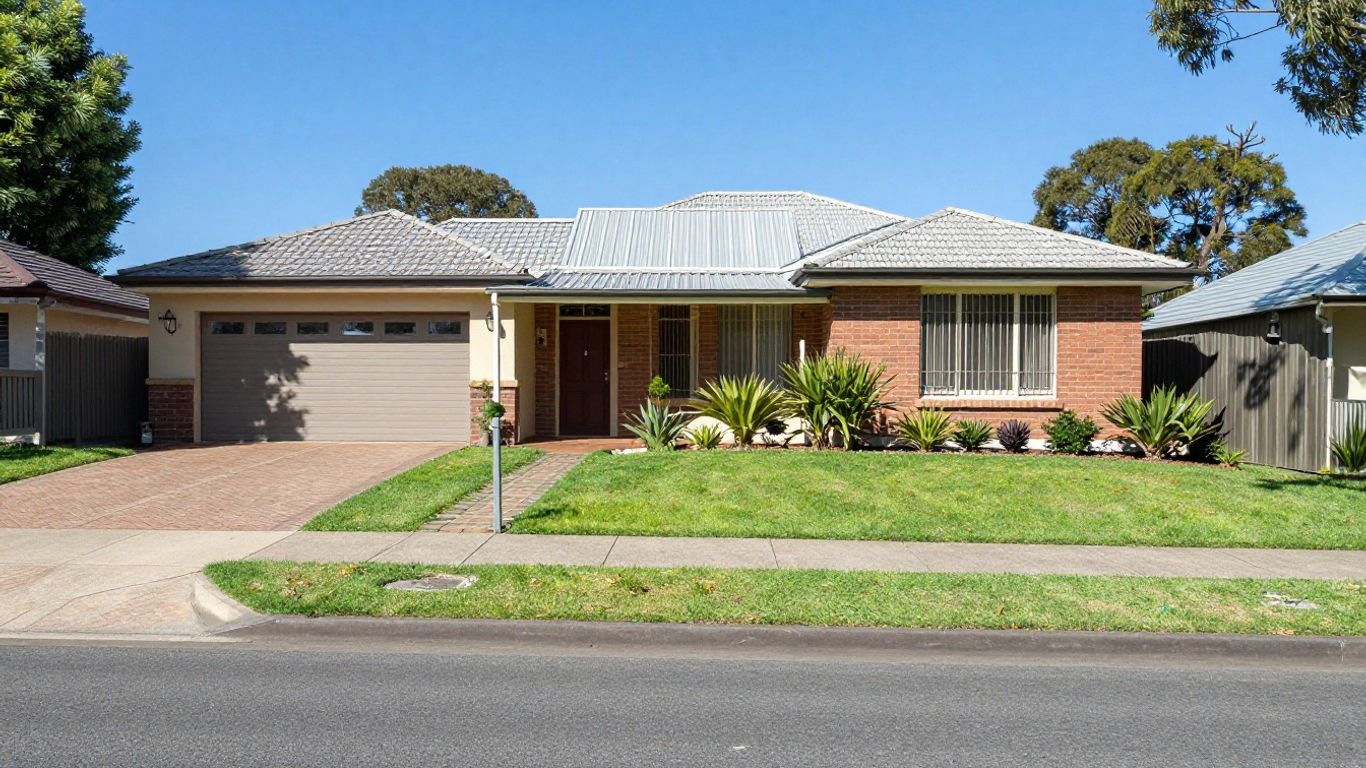
Finding these opportunities requires a proactive approach, often reaching beyond mainstream real estate platforms to identify assets before they hit the open market. While a few properties appear in general searches, many distressed assets are channeled through specific legal or industry-focused pathways that demand consistent attention from a dedicated purchaser.
Monitoring major real estate portals
Most buyers begin by identifying listings tagged as ‘mortgagee sale’ or ‘instructions to sell’ on major industry websites. You can occasionally browse through homes for sale on platform aggregate sites, although these often see high competition from established property groups. Constant monitoring is necessary because the best-priced assets often move rapidly from listing to auction or private sale.
Contacting local real estate agents specializing in distressed sales
Developing relationships with local agents is a strategic move, as many banks rely on trusted brokers to manage the sale of their repossessed inventory. If you want to refine your strategy, you might explore various effective lead magnet frameworks to better communicate your intent to agents. Expressing interest in distressed assets allows these professionals to notify you before a property is officially listed, providing a competitive edge over the broader market.
Checking public auction listings and legal notices
Legal records and court notices frequently publish details about upcoming property liquidations and statutory auctions. It is vital to scan these sources, as they often contain information about properties that have not yet reached public advertisement. This stage mirrors mortgage foreclosure proceedings in legal systems, where the notice of sale is the definitive signal that an asset is ready for acquisition.
Networking with local property developers
Experienced investors frequently rely on their construction network to hear about distressed projects that may not make it to public platforms. They often leverage experts such as Afro Eatery management contacts if they are also active in local area development, as they may have insights into nearby distressed sites. This informal exchange of intelligence often proves more effective than scanning public advertisements alone.
Conducting due diligence on distressed assets
Thorough investigation is the responsibility of the purchaser, and proceeding without it is a recipe for financial disaster. Because banks provide minimal information, buyers should treat every aspect of the asset as unproven until they have confirmed it through qualified third-party inspections and official document verification.
Reviewing the contract of sale for specific clauses
The contract for a mortgagee sale frequently includes non-standard clauses that may limit the seller’s liability, particularly concerning chattels or existing site issues. Investors should engage legal counsel to scrutinize these documents to ensure they understand exactly what is contained within the Signature Solitaire Collection purchase agreement or any relevant sales contract document. A meticulous legal review prevents you from inheriting unforeseen obligations tied to the land or the original mortgage holder.
Importance of professional building and pest inspections
Never waive a professional inspection simply to appear more competitive at an auction, as repairs for structural failures or pest infestations can easily vanish your investment margin. It is safer to walk away from a deal than to acquire a property with severe internal decay. Consider the potential renovation costs often associated with these assets, as outlined in the following comparative outlook for projected expenditure:
| Assessment Area | Typical Risk Indicator | Estimated Mitigation Scope |
|---|---|---|
| Structural Integrity | Sagging roof or cracks | Full engineer investigation |
| Electrical Hazards | Frayed or dated wiring | Complete system rewire |
| Plumbing Systems | Major sewer line issues | Invasive drain line inspection |
By systematically reviewing these areas, you ensure that the price you pay accurately reflects the actual state of the building.
Conducting a title search for outstanding encumbrances
A title search reveals whether there are secondary mortgages, caveats, or easements on the property that could impede your ownership rights. This document tracks the legal history and confirms the identity of the party with the authority to initiate the sale. Clearing these hurdles before auction day ensures that the transfer of title can proceed without unexpected legal complications.
Verifying zoning and regional council compliance
Confirm that the property’s current use matches its zoning designation by reviewing regional council records directly. Some distressed homes have been modified without necessary building approvals, and these irregularities can lead to enforcement notices later. Checking these files ensures you are not buying the responsibility of an unauthorized structural or utility conversion.
Navigating the auction process for foreclosed homes

Participating in a mortgagee-in-possession auction differs significantly from standard public auctions because the terms are almost universally unconditional. Understanding this environment prepares you for the high-pressure atmosphere often found in the auction room where buyers compete for underpriced assets.
Preparing your finances and formal pre-approval
Securing formal pre-approval is the single most critical step before entering the bidding process. You must have your financial position confirmed by a lender who is aware that you are targeting distressed listings. This prevents scenarios where your funding falls through, potentially resulting in the loss of your deposit and legal penalties.
Understanding the unconditional nature of auction bids
Bidding at these auctions is considered an unconditional commitment, meaning you are legally bound to complete the purchase, regardless of whether you have managed to secure post-auction finance or uncovered new defects. You have no cooling-off period following the auction. This reality demands that your research be flawless, as your bid signifies a commitment to settle on the terms the bank has specified without departure.
Strategies for bidding at a mortgagee auction
Successful bidders often enter the process with rigid spending limits to prevent emotional over-bidding. Many professional investors assign a ceiling price based on a thorough valuation, refusing to increase their offer once that figure is met. This discipline helps maintain the profit margin, as winning at any price does not guarantee a successful investment outcome.
Dealing with immediate deposit requirements
Upon winning the bidding, you will be expected to pay the deposit immediately, commonly as a bank cheque or secure electronic transfer. Having these funds accessible and ready for transfer is a prerequisite that many amateurs overlook. Failing to have your funds prepared can lead to unnecessary complications or even the default of your bid on the day of the sale.
Financial considerations and securing funding
Financing a property in this state involves managing higher risk profiles and ensuring that your budget supports potential emergency repairs. Banks are generally cautious about lending on distressed properties, meaning your financial documentation must be more exhaustive than in a standard purchase.
Challenges in obtaining traditional home loans for distressed properties
Lenders may be hesitant to finance properties that they perceive as risky, especially if the property falls outside of typical lending criteria. You should prepare to explain your renovation strategy and how you plan to bring the property up to a marketable standard. Seeking to externaliser votre prospection or streamline your own financial management is a wise way to save effort when negotiating loan terms.
Budgeting for immediate structural repairs and renovations
Always maintain a contingency fund of at least 10 to 15 percent of the purchase price specifically for repairs that are not initially obvious. You will frequently find that once you gain physical possession, the cost of bringing the home back to a livable status exceeds your early estimates.
Impact of stamp duty and state-specific acquisition costs
Stamp duty and other state-based acquisition taxes represent a significant portion of your capital outlay that cannot be recouped through renovation. Always calculate these taxes as part of your total acquisition cost, rather than seeing them as separate entities. Failure to account for these taxes in your final budget will inflate your costs and lower your actual return on investment.
Evaluating the true market value versus asking price
It is easy to become blinded by a low starting price compared to other market listings. Investors must conduct their own comparative market analysis to establish the actual property value. While there is a specific Texas foreclosure homes for sale search set available in some markets, your focus should remain on the local Australian market reality, comparing similar properties in the exact suburb and neighborhood.
Avoiding common pitfalls in the purchase process
Avoiding pitfalls requires a focus on systemic risks that often manifest during the settlement of a distressed property. Successful investors protect their positions by anticipating these delays and negotiating for realistic timelines where possible.
Estimating the cost of hidden interior or structural damage
Most buyers fail to account for the true cost of hidden issues, such as moisture in walls or faulty foundations that only become visible after a building has been empty for months. You should consider the following tasks to minimize your risk of buying a money pit:
- Enlist a structural engineer to perform a thorough review of the load-bearing beams and foundation stability.
- Obtain a detailed quote for a full electrical and plumbing safety audit from a licensed tradesperson.
- Verify the existence of historical permits for any extensions or renovations conducted by the previous owners.
- Calculate the time it will take for your contractors to reach the site, as skilled labor is often in high demand following a major market correction.
These four steps help you avoid common oversights that typically destroy the profitability of property renovations.
Managing vacant possession delays and legal hurdles
If the former occupant refuses to leave, the eviction process can drag on, jeopardizing your settlement timelines and adding substantial legal costs. Ensure your contract includes clear instructions regarding vacant possession and potential remedies if the bank fails to deliver the property in the agreed-upon state.
Assessing the competitive landscape of local property investors
Be aware that you are competing against seasoned professionals who have developed reliable systems for identifying and fixing distressed assets quickly. They often win because they have pre-arranged capital and contractors ready to strike the moment a property enters the market. Instead of trying to beat them at their own game, look for segments of the market where their focus is weaker, or identify regions where you can build better localized relationships.
Conclusion
Buying bank-owned properties remains a powerful strategy for those willing to commit the time, due diligence, and capital required to manage the inherent risks. By maintaining a disciplined financial approach, prioritizing rigorous inspections, and surrounding yourself with the right experts, you can turn a distressed asset into a highly profitable investment. Focus on building your knowledge of the local auction environment to ensure that you are prepared when the right opportunity finally presents itself.
Frequently Asked Questions
Can anyone purchase a property that has been repossessed?
Yes, these properties are usually open to the general public, but you must ensure you are prepared to meet the specific requirements of the bank’s chosen auction method or sales process.
Why do banks not provide a warranty for the property?
Banks are merely the mortgagee exercising their power of sale to recover lost funds, and they generally do not have the historical knowledge or interest in assuming liability for the physical state of the building.
Is it possible to get a loan for a property in poor condition?
It can be difficult to get traditional financing for homes that are not habitable, so you may need to speak with specialty lenders who provide investment loans for renovation projects.
Do I need a lawyer for a mortgagee-in-possession sale?
It is strongly advised to have a legal professional review the contract, as these sales contain specific clauses that protect the seller and may shift significantly more risk onto the buyer than a standard treaty.
What happens if I win the auction but cannot settle?
Defaulting on a settlement after the auction can lead to the loss of your deposit and further legal action against you, so you must always ensure your financing is completely finalized before making any bids.
How accurately should I estimate repair costs?
Always maintain a significant buffer in your budget, often adding 10 to 20 percent on top of your initial quotes for materials and labor, as renovations often reveal more underlying work once the process begins.
Are these auctions always cheaper than private sales?
While they are often targeted as bargains, competitive bidding can sometimes drive the final price up to the property’s current market value, reinforcing the need for strict valuation limits.