So, you’re thinking about hitting the road Down Under? Awesome! Australia’s a massive place, and figuring out how to get around in Australia can feel a bit daunting at first. Whether you’re planning a quick trip or a epic journey across the red dirt, having a bit of a plan makes all the difference. This guide’s got your back, covering everything from making sure your car’s up to scratch to finding your way when you’re miles from anywhere. Let’s get you sorted for an unforgettable adventure.
Key Takeaways
- Get your vehicle properly serviced before you go, paying close attention to tyres, fluids, and brakes. A breakdown out there is no joke.
- Download offline maps and navigation apps like WikiCamps and Fuel Map Australia. Phone signal is a luxury you won’t have most of the time.
- Plan your fuel stops carefully and always carry extra fuel. Don’t wait until the gauge is on empty to look for a servo.
- Be aware of road conditions and wildlife. Stick to main roads if you’re not in a 4WD, and avoid driving at dawn and dusk when animals are most active.
- Pack for all weather, even in summer, as temperatures can drop significantly at night. Always let someone know your travel plans and expected check-in times.
Getting Your Wheels Ready For The Road
Right then, before you even think about hitting the open road, especially if you’re planning on venturing beyond the city limits, giving your vehicle a solid once-over is a must. This isn’t like a quick trip to the shops; the Aussie landscape can be pretty unforgiving on your car. A bit of prep work now can save you a heap of hassle later on.
Essential Vehicle Servicing
Think of this as your car’s pre-adventure check-up. You want to make sure all the important bits are in good nick. A full service is the way to go. Make sure your mechanic has a good look at:
- Oil and filters: Fresh oil keeps the engine running sweet and helps with cooling, which is a big deal when you’re out in the heat.
- Brakes: You need reliable stopping power, no question. Especially if you encounter any unexpected situations or steep descents.
- Coolant: Top it up and check for any leaks. Overheating is a real risk, and you don’t want to be stuck waiting for an engine to cool down.
- Belts and hoses: Give them a good inspection for cracks or signs of wear. A busted belt or hose can leave you stranded faster than you can say ‘fair dinkum’.
- Wiper blades: You might hit dust storms or sudden downpours, so clear vision is pretty important.
Don’t be shy when you pick up a rental vehicle. Ask when it was last serviced and what exactly was checked. Make sure it comes with a usable spare tyre and all the gear you need to change it.
Understanding Your Vehicle’s Capabilities
Not every car is cut out for every road. A standard two-wheel-drive is generally fine for the main highways, but if you’re eyeing off unsealed tracks or heading off the beaten path, you might need something a bit more robust, like a four-wheel-drive. Don’t trust those GPS shortcuts that suggest roads that aren’t maintained or are only suitable for specific vehicles. If a sign says ‘4WD only’, take it seriously. It’s there for a reason, and ignoring it can lead to some serious trouble, like getting bogged or damaging your vehicle.
Know your vehicle’s limits. Sticking to sealed roads or well-maintained gravel tracks is the safest bet for most cars. If you’re not sure, it’s always better to be cautious and stick to the main routes. Getting stuck miles from anywhere is a genuine risk out here.
Tyre Checks And Spares
Your tyres are literally the only thing between you and the rough Aussie ground. They’ll cop a beating from sharp rocks, gravel, and the relentless heat. Treat your rubber with respect.
Here’s what you absolutely need to check before you leave and regularly on the road:
- Tread depth: Make sure all your tyres, including the spare, have plenty of tread left. Worn tyres are a recipe for a blowout.
- Tyre pressure: Check it when the tyres are cold. The right pressure helps with handling and stops them from overheating. You might need to adjust it for different road conditions, but always stick to what the manufacturer recommends.
- Sidewalls: Look for any cuts, bulges, or damage. Sidewall damage is a serious risk.
- Spare tyre: Ensure it’s properly inflated and know where your jack and wheel brace are. Better yet, practice changing a tyre in your driveway before you go. Consider carrying a second spare if you’re heading into really remote areas or planning to tackle unsealed roads. It might seem like overkill, but it could save your trip.
Mastering Navigation In Remote Areas
Righto, so you’re heading out bush. The first thing you gotta get your head around is that your phone signal is gonna pack it in faster than a politician’s promise. Don’t get caught out with a useless brick in your hand when you’re miles from anywhere. Having a solid plan for how you’ll find your way around is non-negotiable.
Downloading Offline Maps
Forget relying on live data. Before you even think about leaving the bitumen, get your maps sorted. You’ll want to download the areas you’re travelling through on a couple of different apps. This way, if one app throws a wobbly, you’ve got a backup. It’s like packing an extra pair of undies – you hope you don’t need it, but you’re damn glad it’s there if you do.
- Google Maps: Yep, even Google can be your mate out here, but only if you download the regions beforehand. Go to the menu, find ‘Offline maps’, and select the areas you’ll be covering.
- Maps.me or HERE WeGo: These are solid alternatives that are built for offline use. Download them, then download the maps for your route.
- WikiCamps Australia: While not strictly a navigation app, it’s a lifesaver for finding campsites, rest stops, and points of interest, and it works offline once you’ve downloaded the map data. Super handy for planning your next stop.
Essential Navigation Apps
Once you’ve got your offline maps downloaded, you still need to use them smart. Don’t just trust any old route that pops up. Outback roads can be tricky, and what looks like a shortcut on a screen might be a 4WD-only track or just plain non-existent.
- Cross-reference: If you’re unsure about a road, check it on multiple apps or, better yet, a good old-fashioned paper map if you’ve got one.
- Look for road conditions: Some apps might give you an idea of road quality, but don’t bank on it being up-to-date. If a road looks rough in person, it probably is.
- Don’t trust ‘shortcuts’: Seriously, if Google Maps suggests a dodgy-looking track, ignore it. Stick to the main routes unless you know exactly what you’re doing and have the right vehicle.
Remember, technology can be a fantastic tool for outback travel, but it’s not foolproof. Always have a backup plan, and don’t rely solely on your phone. A paper map and a good sense of direction are still incredibly useful skills to have.
The Value Of A Paper Map
While apps are great, they can glitch, run out of battery, or just plain not have the detail you need for some of the more obscure tracks. A good old paper map is your ultimate backup. It won’t run out of power, and it gives you a broader overview of the landscape that a phone screen just can’t match. It’s worth the small investment for the peace of mind alone, especially when you’re deep in the scrub and signal is a distant memory.
Fueling Your Journey Across The Continent
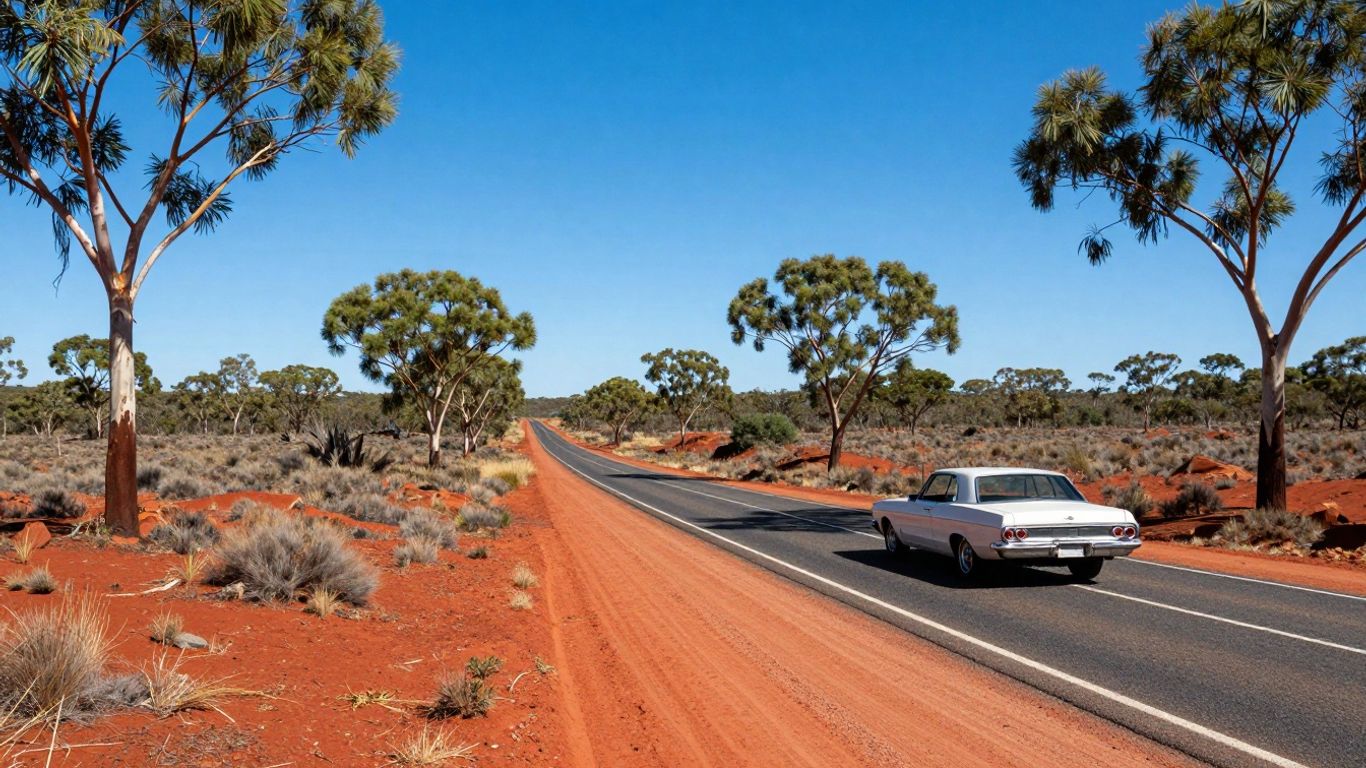
Right then, let’s talk about keeping your rig chugging along when you’re out in the vastness of Australia. Nothing puts a damper on an adventure faster than running on fumes, literally. You’ve gotta be smart about where and when you refuel, and seriously, don’t wait until the last minute.
Planning Fuel Stops
This is probably the most important bit of advice I can give you: don’t wait until your fuel gauge is hovering near empty before you start looking for a servo. Seriously. The distances between fuel stops out here can be massive, sometimes hundreds of kilometres. And it’s not just about distance; these places can have funny opening hours. Some roadhouses might shut up shop by mid-afternoon, and finding one open on a Sunday in the middle of nowhere? Good luck. The golden rule is simple: if you’re sitting on half a tank or less, fill ‘er up. Every single time. No exceptions. Apps like Fuel Map Australia can be a lifesaver here, showing you where the next station is and sometimes even current prices.
Carrying Extra Fuel
If you’re planning on venturing even a little bit off the main sealed roads, or if you’re heading into really remote areas, a jerry can or two of spare fuel is an absolute lifesaver. It gives you peace of mind and a buffer if you miscalculate or if a planned stop turns out to be closed. For most trips sticking to the main highways, one spare can is a good idea. If you’re going proper bush, maybe pack two. Just make sure you’ve got the right type of fuel for your vehicle and label the cans clearly. And for goodness sake, secure them properly so they aren’t rolling around your car!
Finding Remote Service Stations
Finding fuel in the remote parts of Australia requires a bit of foresight. Don’t assume every town marked on a map will have a service station. Many smaller communities might only have one pump, or it might be closed for extended periods. It’s always best to check ahead if you’re venturing into less populated areas. Roadhouses are your best bet in the outback, often operating 24/7, but even they can have unexpected closures. Relying on technology is good, but having a physical map and knowing the general locations of larger towns or known roadhouses can be a solid backup. If you’re unsure, ask locals or other travellers you meet along the way – they’re usually happy to share intel.
The distances between fuel stops can be enormous, sometimes hundreds of kilometres. It’s not just about distance; these places can have limited opening hours, especially on weekends or public holidays. Always err on the side of caution and top up whenever you have the opportunity, especially if your gauge is below half a tank.
Navigating Australia’s Unique Road Conditions
Dealing With Road Trains
Alright, so you’re cruising along, minding your own business, and then you see it – a behemoth stretching out behind you, or barrelling towards you. That’s a road train, mate. These aren’t your average trucks; they can be up to three trailers long, stretching for over 50 metres. Overtaking one requires serious planning and space. On single-lane roads, which are common out here, you’ll need to pull over and let them pass. If you’re the one overtaking, find a long, clear stretch, check your mirrors, and give it heaps of room. Remember, they kick up a lot of dust, so be patient and wait for the dust to settle before you pull back in. If one’s behind you, slow down a bit and move to the left to give them plenty of room to get past. They’re on a schedule, and you don’t want to be the reason they’re late.
Wildlife Awareness On The Road
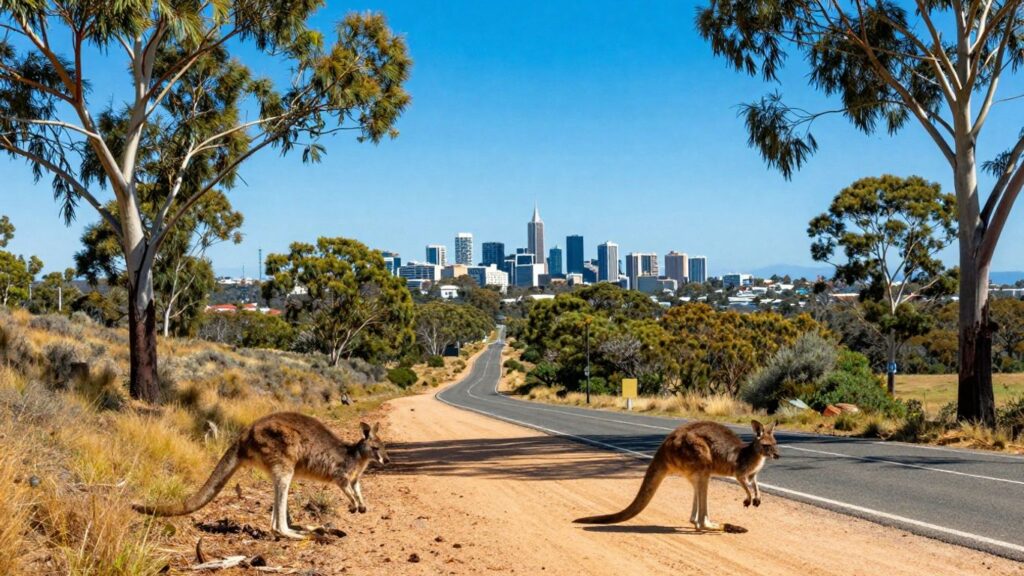
Kangaroos, emus, wombats, and even cattle can be a real hazard out here, especially at dawn and dusk. These critters don’t exactly look both ways before hopping across the road. Your best bet is to avoid driving during these peak times if you can. If you do see an animal, don’t swerve suddenly – that’s how you end up in a ditch or hitting another vehicle. Brake firmly but steadily. If you hit a larger animal, pull over when it’s safe to do so, check for damage to your vehicle, and if you’re okay, make a note of where you are. It’s a tough one, but these animals are part of the landscape, and we share the road with them.
Understanding Road Conditions
Australia’s roads can change dramatically. You might start on a smooth, sealed highway, but before you know it, you could be on a corrugated dirt track or a sandy path. Always check the latest road conditions before you head off, especially if you’re travelling in the wet season or remote areas. Signs warning of ‘4WD only’ or ‘unsealed road’ are there for a reason – don’t ignore them. A standard car can get bogged or damaged pretty quickly on rough terrain. If you’re unsure, stick to the main, sealed roads. It might add a bit of time, but it’s better than being stuck hundreds of kilometres from anywhere.
Here’s a quick rundown of what you might encounter:
- Sealed Roads: Generally good condition, but can have potholes or rough patches, especially after rain.
- Unsealed Roads (Gravel/Dirt): Can be smooth or very rough, corrugated, and dusty. Speed needs to be reduced significantly.
- Washed Out Sections: After heavy rain, some roads can be impassable. Always check local advice.
- Cattle Grids: Metal grates in the road to stop livestock. Slow down before crossing and be aware of potential damage to tyres if hit at speed.
When you’re out in the sticks, you’ll come across gates. If you go through one, make sure you leave it exactly as you found it. Open stays open, closed stays closed. It’s just common courtesy and keeps the local farmers happy.
Planning Your Outback Adventure
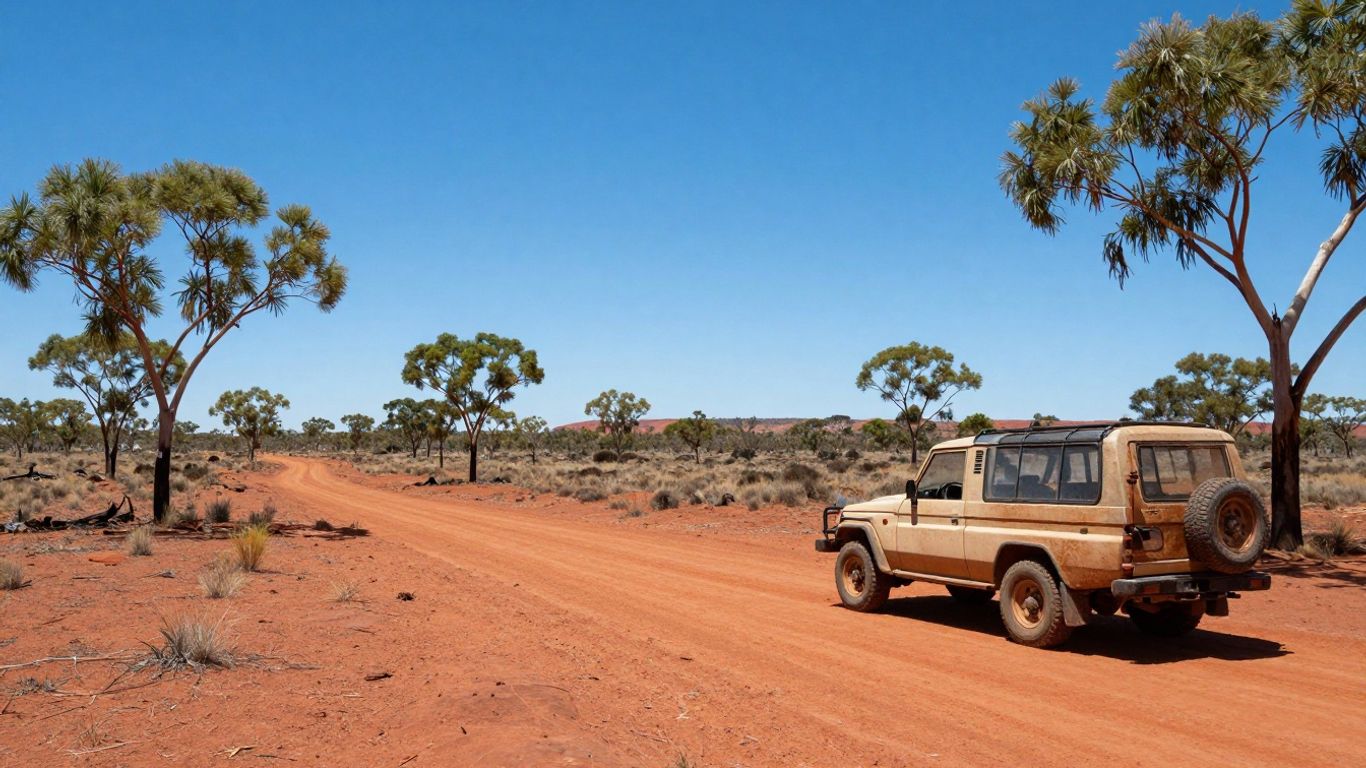
So, you’re keen to explore the Aussie outback? Awesome! It’s a massive, beautiful part of the country, but it’s also seriously remote. Getting around in Australia’s red centre isn’t like nipping down to the shops. You need to be prepared, know your vehicle, and have a plan. This guide will sort you out with the basics so you can have an epic trip without any dramas.
Sharing Your Travel Plans
This is a biggie, and honestly, it’s pretty simple. Before you even think about hitting the road, tell someone reliable exactly where you’re going. This includes:
- Your intended route, including any detours.
- Where you plan to stop and camp each night.
- When you’ll check in with them (e.g., daily via text or a call when you get signal).
If you miss a check-in, your contact person knows to start asking questions and can alert authorities if needed. It’s a safety net that could genuinely save your life. Don’t be that person who goes missing.
Choosing Safe Camping Spots
Finding a good spot to rest your head is more than just pulling over. Look for established campsites where possible. If you’re venturing off-grid, pick a place that’s:
- Away from dry creek beds – flash floods can happen.
- Visible from the road, if possible, for safety.
- Sheltered from strong winds.
Always check the local conditions and any signage. Some areas might have specific rules or hazards you need to be aware of.
Weather Considerations
The weather out here can be unpredictable. A bit of rain or wind can come up quickly. Having good gear, like a sturdy awning on your vehicle, can make a big difference to your comfort when the elements decide to make an appearance. Always keep an eye on the forecast, but be prepared for the unexpected.
The outback is a place of extremes. Heat, dust, and vast distances are the norm. Being prepared isn’t just about comfort; it’s about safety. Always err on the side of caution when it comes to planning your route, your supplies, and your communication.
Internal Travel And Getting Around
Australia is a seriously massive place, and getting from A to B can sometimes feel like a mission in itself. You’ll quickly realise that while driving is great for exploring specific regions, hopping between major cities or distant areas often means jumping on a plane. It’s just the reality of covering such vast distances.
Utilising Internal Flights
Honestly, for longer hauls, internal flights are your best mate. Trying to drive from, say, Sydney to Perth would take days and days of solid driving. Instead, a flight can get you there in about four hours. It’s a trade-off, sure – you miss some of the scenery – but it frees up your time to actually explore the places you’re going to. Think of it as a way to maximise your adventure time. You can easily find flights connecting major hubs like Sydney, Melbourne, Brisbane, and Perth, and even regional centres.
- Sydney to Melbourne: Around 1.5 hours
- Sydney to Cairns: Roughly 3 hours
- Melbourne to Perth: About 4 hours
These flights are pretty frequent, and booking in advance usually gets you a better deal. It’s a good idea to look into public transport in Australia once you land in a new city to get around locally.
Driving Distances Within Australia
If you do decide to drive between places, be prepared for some serious mileage. The distances are no joke. You can’t just pop to the next town for a loaf of bread; sometimes the next town is hundreds of kilometres away. This means planning your fuel stops is absolutely critical, and you need to be realistic about how far you can comfortably drive in a day. Don’t try to be a hero and push through exhaustion – it’s just not worth the risk.
Always factor in extra time for unexpected delays, whether it’s a detour, a road closure, or just stopping to take in an amazing view. Rushing through Australia is a recipe for disaster.
Coastal Drives Versus Outback Routes
When you’re planning your road trip, you’ll notice a big difference between driving along the coast and heading into the Outback. Coastal drives are often more scenic, with plenty of towns and attractions along the way. You’ll find more services, and the roads are generally well-maintained. Think the Great Ocean Road or the Pacific Highway. Outback routes, on the other hand, are a different kettle of fish entirely. You’ll encounter long, straight stretches of road, fewer towns, and a greater need for self-sufficiency. Carrying extra fuel and water is non-negotiable for Outback travel. You need to be prepared for anything, and that includes being your own support crew for significant portions of your journey.
So, You’re Ready for the Road!
Right then, you’ve got the lowdown on getting around this massive, beautiful country of ours. From making sure your ute’s up to scratch and knowing which apps won’t leave you stranded, to understanding how to deal with a road train or a mob of kangaroos, you’re pretty much set. The outback’s a special kind of place, it really is. It’s vast, it’s wild, and it demands a bit of respect, but the rewards? Unbeatable. Just remember to plan ahead, keep your wits about you, and embrace the adventure. You’ll come back with stories you won’t stop telling. Happy travels, legends!
Frequently Asked Questions
How do I make sure my car is ready for a big trip around Australia?
Before you head off, give your car a really good check-up. Get it serviced, making sure the oil, brakes, and all the important bits are in top shape. Don’t forget to check your tyres, including the spare, to make sure they’re not worn out and have the right amount of air. Also, know what your car can handle – a normal car is fine for main roads, but you’ll need a 4WD for rougher tracks.
What’s the best way to navigate when I can’t get phone signal?
Phone signal can disappear pretty quickly out in the bush, so don’t count on it! Download offline maps on apps like Google Maps or Maps.me before you leave. It’s also a smart idea to take screenshots of your route and maybe even carry a good old-fashioned paper map as a backup, just in case your technology fails.
How much fuel should I carry, and where can I find more?
Fuel stops can be really far apart, sometimes hundreds of kilometres. So, never let your fuel tank get too low. Always fill up when you see a service station, especially if you’re under half a tank. If you’re planning to go off the main roads, carrying an extra fuel can is a really good idea. Apps like Fuel Map Australia can help you find where the next fuel station is.
What should I do if I see a road train?
Road trains are super long trucks, often with multiple trailers, and they need a lot of space. If you see one coming, slow down and give it plenty of room. Overtaking them can be dangerous because of their length and the dust they kick up. It’s usually best to wait until it’s completely safe and you have clear visibility for a long way before you even think about passing.
How do I stay safe from wildlife on the road?
Animals don’t follow road rules! Always be ready to slow down or stop if you see any animals near the road, especially kangaroos, emus, or cattle, as they can be unpredictable. It’s best to avoid driving at dawn and dusk when many animals are most active. If you do see wildlife, keep your distance and never feed them, as it can make them dependent and aggressive.
What are the best places to camp in the outback?
You’ve got a few options for camping. There are rest stops along highways, which are basic but good for a quick overnight stay. Free camps are awesome spots that don’t cost anything, often found on public land or in small towns. If you want more comfort like showers and toilets, paid caravan parks or holiday parks are the way to go.