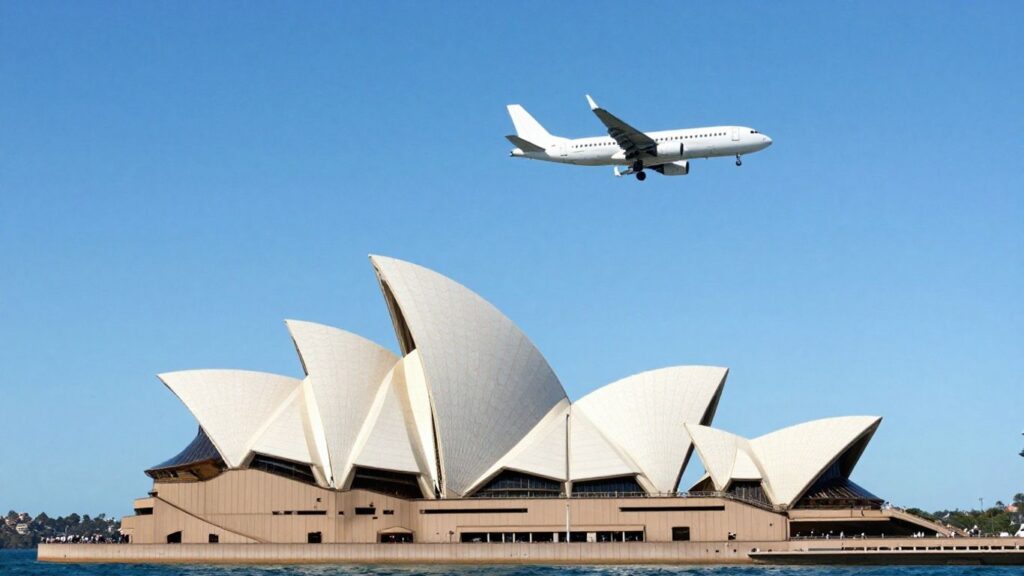
Thinking about heading Down Under? Getting from the USA to Australia in 2026 is totally doable, but it takes a bit of planning. This guide is here to help you figure out the basics, from visas to flights, and make sure your trip is a ripper. We’ll cover when to go, where to explore, and some handy tips to make your journey smoother. So, let’s get stuck into how to get to Australia from USA for your big adventure!
Key Takeaways
- Most US citizens need a visa, usually an ETA, which is pretty straightforward to get online. Always double-check the latest rules before you book.
- Flights can be pricey, so start looking around 2 to 8 months before you want to go. Being flexible with your dates can save you some serious cash.
- Australia’s seasons are the opposite of the US. Summer is December to February, perfect for beaches, while winter (June to August) can be cheaper and good for exploring the Outback or heading north.
- The country is massive! Pick a region or two based on your interests – maybe the iconic East Coast, the southern cities, or the amazing Red Centre.
- Pack smart for different climates, know your currency (they use the Aussie dollar), and don’t forget a travel adapter for your electronics. Tap water is generally safe to drink, so bring a reusable bottle.
Planning Your Journey: Key Considerations
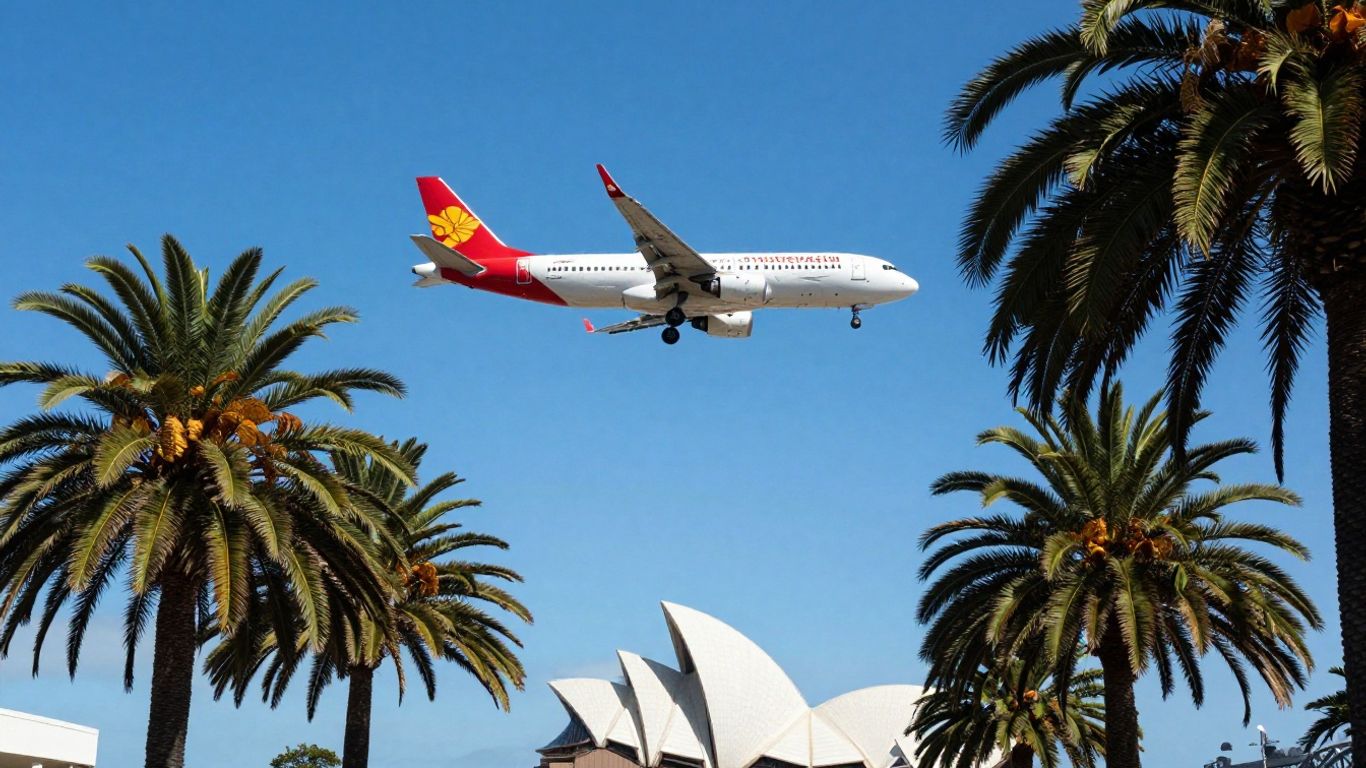
Right then, let’s get down to the nitty-gritty of actually getting yourselves to Australia from the US in 2026. It’s a fair old trek, so a bit of planning goes a long way. Don’t just wing it, yeah?
Understanding Visa Requirements for US Citizens
First things first, you’ll need to sort out your visa. Most US citizens heading to Australia for a holiday or a short business trip will need an Electronic Travel Authority (ETA). It’s pretty straightforward to apply for online, usually through an app or the Australian Department of Home Affairs website. Make sure you do this well before you plan to fly, as it can take a few days to get approved. Don’t leave it until the last minute, or you might find yourself stuck at the departure gate.
Navigating Flight Deals and Booking Windows
Flights to Australia are, let’s be honest, not cheap. The trick is to be smart about when you book. Aim for what some folks call the ‘Goldilocks Window’ – that’s generally about two to eight months before your flight. Booking too early or too late can mean paying way more than you need to. Keep an eye on flight prices; setting up alerts can be a lifesaver. If you’re flexible with your dates, you can often snag better deals, especially if you can travel during the shoulder seasons.
Choosing the Optimal Time to Travel
When you decide to go really depends on what you want to do. Australia’s a massive place, and the weather can be wildly different from one end to the other. If you’re dreaming of hitting the beaches and exploring the Great Barrier Reef, you’ll want to aim for the warmer months, which are December to February. However, this is also peak season, so expect bigger crowds and higher prices. If you’re more keen on exploring cities like Melbourne or Sydney, or perhaps heading to the Outback, the shoulder seasons – spring (September to November) and autumn (March to May) – often offer a sweet spot with milder weather and fewer tourists. Winter (June to August) can be a good bet for budget travellers, especially if you’re heading north where it’s still warm, or if you’re keen on seeing the desert landscapes.
Remember, Australia is in the Southern Hemisphere, so its seasons are the opposite of the US. Summer is December-February, Autumn is March-May, Winter is June-August, and Spring is September-November. Planning around this will make a big difference to your trip.
Here’s a rough idea of what to expect weather-wise:
| Region | Summer (Dec-Feb) | Autumn (Mar-May) | Winter (Jun-Aug) | Spring (Sep-Nov) |
|---|---|---|---|---|
| Northern Tropics | Hot & Humid (Wet) | Warm & Humid | Warm & Dry | Warm & Humid |
| Southern Cities | Hot & Sunny | Mild & Pleasant | Cool & Crisp | Mild & Sunny |
| Outback | Very Hot | Warm & Pleasant | Mild Days, Cold Nights | Warm & Pleasant |
Best Times to Visit Australia’s Diverse Regions
Australia’s a massive place, right? So, when you should pack your bags really depends on where you’re headed and what you’re keen to do. It’s not like you can just rock up anywhere and expect the same weather. Let’s break it down region by region.
Summer Adventures: Beaches and the Great Barrier Reef
If your idea of a holiday involves sand between your toes and a dip in the ocean, then Australia’s summer (December to February) is your go-to. This is prime time for hitting up the famous beaches along the coast, from Bondi in Sydney to the Gold Coast in Queensland. The Great Barrier Reef is also buzzing during these months. The water’s warm, making it perfect for snorkelling and diving. Just be aware, this is peak season, so expect more people and higher prices for flights and accommodation. It’s also worth noting that northern Australia experiences a wet season from November to April, so while it’s summer, you might get some rain up there.
Autumn Escapes: Mild Weather and Festivals
March to May is when things start to cool down a bit, especially in the southern parts of the country. This is autumn, and honestly, it’s a pretty sweet spot for a visit. The weather’s generally mild and pleasant – not too hot, not too cold – which is great for exploring cities like Melbourne or Adelaide. Plus, it’s shoulder season, meaning fewer crowds and potentially better deals on flights and places to stay. It’s also festival season in many areas, with food, wine, and arts events popping up all over. Think harvest festivals in wine regions like the Barossa Valley.
Winter Getaways: Exploring the Outback and Northern Tropics
June to August is winter in Australia, and while it’s chilly in places like Sydney and Melbourne (think cool days and cold nights), it’s a different story elsewhere. Up north, in places like Darwin and Cairns, it’s actually the dry season. This means sunny days and lower humidity, making it an ideal time to explore the tropical north, including Kakadu National Park. It’s also a fantastic time to head inland and explore the Red Centre, including Uluru. The extreme heat of summer is gone, making it much more comfortable for hiking and sightseeing. Winter is also generally the most budget-friendly time to visit Australia.
Spring Blooms: Wineries and Coastal Exploration
September to November brings spring, and it’s another fantastic shoulder season. The weather warms up nicely across most of the country, making it perfect for exploring. Wildflowers start to bloom, especially in Western Australia and Canberra, which hosts the famous Floriade flower festival. It’s a great time for coastal drives, visiting wineries (especially in South Australia and Victoria, as the grapes are growing), and enjoying outdoor activities before the summer heat kicks in. You might even get away with a wetsuit for a swim in some spots, but it’s generally not quite beach weather everywhere yet.
Remember, Australia is huge. What’s perfect for a beach holiday in Queensland might be a bit too cool for a city break in Melbourne during the same month. Always check the specific weather for the regions you plan to visit.
Structuring Your Australian Adventure
Australia’s a massive place, right? Trying to see it all in one go is like trying to eat a whole pavlova in one bite – not really doable. So, you’ve gotta break it down. Most folks coming from the States tend to focus on a few key areas, especially if it’s their first trip. It really comes down to what you’re after: city vibes, beach life, or getting a bit wild in the outback.
Iconic East Coast Explorations: Sydney to Cairns
This is the classic route, and for good reason. It packs in so much of what people imagine when they think of Australia. You’re talking about starting in Sydney, checking out the Opera House and Harbour Bridge, maybe even trying a bit of sandboarding or dolphin spotting up the coast. From there, it’s a journey north. You’ll likely hit places like Byron Bay for its chilled surf culture, then maybe Fraser Island for some 4×4 adventures and stunning lakes. Further up, the Whitsundays beckon with their incredible beaches and the gateway to the Great Barrier Reef. You can even get your PADI diving cert here, which is pretty neat. This stretch is perfect if you want a bit of everything – city buzz, beaches, rainforests, and that famous reef.
- Sydney: Harbour Bridge climb, Bondi Beach, maybe a day trip to the Blue Mountains.
- Fraser Island: Drive a 4×4, swim in Lake McKenzie, explore ancient rainforests.
- Whitsundays: Sail between islands, snorkel the Great Barrier Reef, hike to Hill Inlet.
- Cairns: Gateway to the reef, Daintree Rainforest, and Atherton Tablelands.
Planning this route often involves choosing between organised tours that handle the transport and accommodation, or going more DIY with buses and hostels. Either way, booking popular activities like reef trips or island tours in advance is a smart move, especially during peak times.
Southern Charms: Melbourne and Tasmania
If you’re more into culture, food, and a slightly cooler vibe, then heading south is your go. Melbourne is often called Australia’s cultural capital. Think laneway cafes, amazing street art, and a serious foodie scene. You can explore the city, take a trip down the Great Ocean Road to see the Twelve Apostles, or even catch a footy game if you’re around. Then there’s Tasmania, just a ferry or short flight away. It’s a bit of a hidden gem, offering rugged coastlines, unique wildlife like wombats and Tasmanian devils, and some seriously good local produce and wine. It’s a great contrast to the bustling east coast.
- Melbourne: Explore hidden laneways, visit the Queen Victoria Market, catch a tram.
- Great Ocean Road: Drive the scenic route, see the Twelve Apostles, look for koalas.
- Tasmania: Discover Cradle Mountain, visit Port Arthur, sample local whisky and wine.
Experiencing the Red Centre: Uluru and Beyond
This is the Australia you see in the postcards – vast, red, and ancient. The Red Centre is all about Uluru (Ayers Rock) and Kata Tjuta (The Olgas). It’s a spiritual heartland for Indigenous Australians, and spending time here is a chance to learn about their culture and history, which is thousands of years old. You can walk around the base of Uluru, watch the sunrise and sunset paint the rock in incredible colours, and explore the domes of Kata Tjuta. It’s a different kind of travel, more about connecting with the land and its stories. You’ll likely need to fly into Alice Springs or Ayers Rock Airport (Yulara) and then arrange transport or tours from there. It’s a bit more remote, so planning is key.
- Uluru: Witness sunrise and sunset, learn about its cultural significance.
- Kata Tjuta: Hike through the Valley of the Winds.
- Kings Canyon: Walk the rim for spectacular views.
No matter which region you choose, remember Australia is huge, so don’t try to cram too much into a short time.
Essential Travel Tips for Your Trip
Right then, let’s get down to the nitty-gritty of making your Aussie adventure go off without a hitch. It’s a big country, so a bit of prep goes a long way.
Packing Essentials for Australian Climates
Packing for Australia can feel like a puzzle, given how much the weather can change from one spot to another. You’ll want to pack layers, no matter when you go. Think light, breathable fabrics for the warmer bits, but always have a jumper or a fleece handy for those cooler evenings, especially if you’re near the coast or heading inland. Sun protection is non-negotiable – a wide-brimmed hat, good sunglasses, and a decent SPF are your best mates. Comfortable walking shoes are a must; you’ll be doing a fair bit of exploring on foot. If you’re venturing into the tropics or the Outback, a bit of insect repellent and maybe a small umbrella wouldn’t go astray.
Understanding Local Currency and ATMs
Australia uses the Australian Dollar (AUD). You’ll find ATMs pretty much everywhere in the cities and larger towns, from shopping centres to even some pubs. Most of them will take your regular bank cards from the States, but it’s always a good idea to give your bank a heads-up before you leave so they don’t flag your transactions as dodgy. Also, ask them about any foreign transaction fees – they can add up quicker than you’d think. If you’re planning on heading out to more remote spots, it’s wise to have a bit of cash tucked away, as ATMs can be few and far between.
Staying Connected: Power Adapters and Water Safety
Australia runs on 230V, and the plugs are a bit different to what you’re used to. They’re type I, with two flat pins angled in a V-shape, and often a third one for grounding. So, you’ll definitely need a travel adapter for your electronics. Most modern chargers for phones and laptops are usually compatible with the voltage, but it’s worth double-checking your devices. As for water, good news! Tap water is generally safe to drink all over Australia, and it’s pretty good quality too. Carrying a reusable water bottle is a great way to stay hydrated and cut down on plastic waste. If you’re heading way out into the sticks, bottled water is easy enough to grab, or you could even pack a water filter bottle just in case.
Don’t forget travel insurance. Seriously. It might seem like an extra expense, but if something unexpected happens – a missed flight, a medical hiccup, or even just needing to cut your trip short – it can save you a massive headache and a whole lot of cash. Make sure it covers medical stuff and any emergency evacuations, just to be safe.
Maximising Your Experience Down Under
So, you’ve planned your trip, booked your flights, and you’re ready to soak up all that Australia has to offer. But how do you make sure you’re getting the absolute most out of your time? It’s all about being smart with your choices and embracing the adventure. Don’t just see Australia, live it!
Joining Guided Tours for Seamless Travel
Look, sometimes trying to figure out public transport in a new country can be a bit of a headache, right? That’s where guided tours really shine. They take the stress out of getting around, especially if you’re hitting up multiple spots. Think about it: you hop on a bus, someone else drives, and you get to actually look out the window and enjoy the scenery. Plus, you often get to places you might not find on your own. For example, many tours offer trips to places like the Whitsundays, where you can sail around and see the Great Barrier Reef Marine Park. It’s a pretty sweet deal when you consider all the planning you skip.
Embracing Adventure Activities
Australia is basically a giant playground for anyone who likes a bit of a thrill. Whether you’re a seasoned adrenaline junkie or just looking to try something new, there’s heaps on offer. You could learn to surf on the famous beaches, or if you’re feeling really brave, get your PADI diving certification right on the Great Barrier Reef. Imagine that! For those who prefer staying dry but still want a rush, there are options like sandboarding or even exploring the Outback. It’s a fantastic way to push your boundaries and create some seriously unforgettable memories.
Here’s a quick rundown of some popular adventure types:
- Water Sports: Surfing lessons, diving courses, snorkelling trips, kayaking.
- Land Adventures: 4×4 tours (like on Fraser Island), hiking, rock climbing, sandboarding.
- Air Activities: Skydiving, scenic flights over the Outback or coast.
Immersing Yourself in Local Culture and Events
Beyond the big sights, the real magic of Australia is in its culture and local life. Don’t be afraid to wander off the beaten path a bit. Check out local markets, try some authentic Aussie tucker (food!), and if you can, time your visit with a local festival. There are heaps of events happening throughout the year, from food and wine festivals to arts celebrations. For instance, Darwin hosts a massive arts festival in winter, and Canberra has its famous flower festival, Floriade, in spring. Even if you’re just visiting a city, look up what’s on. You might stumble upon something amazing. It’s these experiences that really make your trip special and give you a true feel for the place. Planning your trip around some of these events can be a great way to extend your breaks and see more of the country.
When you’re travelling, especially for a long trip, it’s easy to get caught up in ticking off the ‘must-sees’. But sometimes, the best moments are the unplanned ones. Chatting with locals, trying a weird and wonderful local dish, or just sitting in a park and watching the world go by can be just as rewarding. Don’t be afraid to be a bit spontaneous; it often leads to the best discoveries.
So, You’re Off to Oz!
Right then, getting yourself from the States to Australia in 2026 is totally doable. We’ve gone over the visa stuff, the best times to go depending on where you’re headed and what you want to do, and even how to pack your bags. Remember, Australia’s massive, so plan your trip around the seasons and the specific spots you want to see. Whether you’re dreaming of surfing Bondi, exploring the Outback, or diving the Great Barrier Reef, there’s a perfect time and place for you. Don’t forget to book ahead, especially if you’re travelling during the busy bits, and keep an eye out for flight deals. It’s a big adventure, but totally worth it. Have a ripper time!
Frequently Asked Questions
Do I need a visa to go to Australia from the USA?
Yep, most folks from the US need a visa to visit Australia. Don’t stress though, getting an Electronic Travel Authority (ETA) is usually a pretty straightforward online process for short trips. Just double-check the latest rules before you book your flight, as things can change.
When’s the best time to visit Australia?
It really depends on where you’re going and what you want to do! For sunny beach days and exploring the Great Barrier Reef, summer (December to February) is tops. If you’re keen on milder weather and fewer crowds, spring (September to November) or autumn (March to May) are brilliant. For the Outback, aim for spring or autumn when it’s not too scorching hot or freezing cold.
How do I find cheap flights to Australia?
Booking your flights about 2 to 8 months before you fly is often the sweet spot for better prices. Being flexible with your travel dates by a few days can also make a big difference. Sometimes flying mid-week is cheaper than on the weekend. Keep an eye out for deals and consider signing up for flight alert services!
What should I pack for Australia?
Pack light layers! You’ll want comfy shoes for walking, swimmers for the beach, and good sun protection like a hat, sunglasses, and sunscreen – the Aussie sun is strong! A light jacket is handy for cooler evenings, and if you’re heading to the Outback or rainforest, bug spray and a small umbrella are a good idea too.
Is the tap water safe to drink in Australia?
You bet! Tap water is generally safe and good quality pretty much everywhere in Australia. It’s a great idea to bring a reusable water bottle and refill it as you go to save money and help the environment. If you’re heading way out into the sticks, bottled water is easy to find.
What kind of power adapter do I need for Australia?
Australia uses a Type I plug, which has two flat pins in a V-shape, and sometimes a third one for grounding. The voltage is 230V. Make sure your electronics can handle this, or bring a converter if needed. You can easily grab an adapter at the airport or in most electronics stores.