

Look, managing your money in Australia can feel a bit tricky sometimes, right? With everything going on, it’s easy to lose track of where your cash is actually going. But honestly, getting a handle on your finances doesn’t have to be a huge drama. It’s all about knowing the basic steps to budgeting and sticking with it. We’ll break down how to get started, what to watch out for, and some handy tools to make it less of a chore. Let’s get your money sorted.
Key Takeaways for Aussies
- Figure out your income and all your expenses to see where your money goes.
- Set a clear goal for your budgeting, like saving for a house or paying off debt.
- Build an emergency fund for those unexpected bills that always seem to pop up.
- Use apps and tools designed for Australians to make tracking easier.
- Check your budget regularly and tweak it as your life changes.
Understanding Your Australian Financial Landscape

Getting your head around your money situation here in Australia is the first big step. It’s not just about earning a pay cheque and then watching it disappear. You’ve got to know the lay of the land, so to speak. This means understanding a few key things that affect how your money works day-to-day.
Navigating Income Tax Considerations
Australia has a progressive tax system, which basically means the more you earn, the higher the percentage of tax you pay. It’s pretty important to know what tax bracket you’re in and what your marginal tax rate is. This directly impacts how much money you actually have left after tax – your net income. Don’t forget to look into potential tax deductions too. Things like work-related expenses or certain investments might reduce the amount of tax you owe. Getting a handle on this means you’re budgeting with your real, spendable money.
Staying Informed About Economic Trends
Keeping an eye on what’s happening with the economy generally can really help you make smarter money moves. Things like changes to interest rates from the Reserve Bank of Australia, or even global economic shifts, can affect your mortgage repayments, how your investments are doing, and even the price of your weekly groceries. Being aware means you can adjust your budget before things get tight. It’s about seeing the bigger picture and being prepared.
It’s easy to get caught up in the day-to-day spending, but taking a moment to understand the broader financial environment in Australia can save you a lot of stress down the track. Knowing how things like inflation or interest rates might impact your household budget is a smart move.
The Importance of Financial Literacy
Honestly, knowing how to manage your money well is a skill, and like any skill, it needs a bit of learning. Financial literacy covers a lot – saving, dealing with debt, investing, and of course, budgeting. The better you understand these things, the more confident you’ll feel about making decisions with your money. It’s not about being a finance whiz, but just having a good grasp of the basics so you can make your money work for you.
Here’s a quick rundown of why it matters:
- Know your numbers: Understand your income, expenses, and debts.
- Set clear goals: What do you want your money to do for you?
- Plan for the unexpected: Build up a safety net for emergencies.
- Make informed choices: Understand the impact of your spending and saving habits.
Building A Solid Budgeting Foundation
Alright, so you’ve got a handle on your income and expenses, which is a massive first step. Now, it’s time to actually build something solid with your money. This isn’t just about paying bills on time; it’s about setting yourself up for whatever the future holds, whether that’s a new car, a holiday, or just a bit more peace of mind.
Setting Realistic Budgeting Goals
First up, what are you actually trying to achieve with your money? Having a clear goal makes sticking to a budget way easier because you know what you’re working towards. It gives your spending and saving a purpose. Maybe you’re dreaming of a deposit for a house, want to ditch that credit card debt, or just want to feel less stressed about bills each month. Whatever it is, write it down.
Calculating Your Total Income Accurately
This part’s pretty straightforward, but you’ve got to be honest. Figure out exactly how much money is coming into your bank account each month after tax. This means your main job income, any side hustles, and even government payments if you get them. Don’t guess – grab your latest payslips to get the real numbers. It’s important to be realistic here; don’t count on bonuses or overtime if it’s not guaranteed.
Tracking Your Total Expenses Diligently
This is where most people find it a bit of a slog, but it’s super important. You need to track everything you spend money on. Break it down into the costs that stay the same each month, like rent or loan repayments, and the ones that change, like groceries, petrol, or that sneaky coffee run. Looking back at your bank statements and credit card bills from the last few months is a good way to get a clear picture of where your cash is actually going.
Here’s a rough idea of what your monthly expenses might look like:
| Expense Category | Estimated Monthly Cost |
|---|---|
| Housing (Rent/Mortgage) | $XXXX |
| Utilities (Elec, Gas, Water) | $XXX |
| Groceries | $XXX |
| Transport (Fuel, Public) | $XXX |
| Loan Repayments | $XXX |
| Entertainment/Social | $XXX |
| Health/Medical | $XXX |
| Other | $XXX |
Once you’ve got a good handle on your income and outgoings, you can start to see where your money is actually going. This is the first big step to taking control and making your money work for you, not just for paying the bills.
Maximising Your Budgeting Efforts
So, you’ve got your budget sorted, income calculated, and expenses tracked. That’s a ripper start! But just having a budget isn’t quite enough, is it? You’ve got to make it work for you, really squeeze every bit of good out of it. It’s about being smart with the plan you’ve made.
Utilising Technology and Budgeting Apps
Honestly, trying to keep track of everything manually these days feels a bit like trying to herd cats. Luckily, there are heaps of apps designed just for us Aussies that make this whole process way less painful. These digital helpers can link straight to your bank accounts, so you don’t have to type in every single coffee or grocery shop. They give you a clear picture of where your cash is actually going, often in real-time. You can set spending limits for different categories, like ‘eating out’ or ‘shopping’, and some will even give you a nudge if you’re getting close to your limit. It’s like having a little finance assistant in your pocket, always keeping an eye on things.
Regular Budget Reviews and Adjustments
Life in Australia isn’t static, and neither should your budget be. Things change – you might get a pay rise, your rent could go up, or maybe you decide to take on a new hobby. Whatever it is, you really should be looking at your budget at least once a month. See if your income or expenses have shifted and tweak the numbers in each category. This keeps your budget realistic and actually useful. It’s a good idea to compare what you planned to spend against what you actually spent. This helps you spot where you might be going off track and why.
Don’t just set and forget your budget. Think of it as a living document that needs your attention to stay relevant and effective. Regular check-ins are key to making sure it’s still serving your financial goals.
Engaging With Financial Advisors
Sometimes, you just need a bit of expert advice. If your finances are getting a bit complicated, or you’ve got some big goals like buying a house or planning for retirement, talking to a financial advisor can be a real game-changer. They can look at your specific situation and give you advice tailored just for you. They can help you make smart decisions about your money that you might not have thought of yourself. Don’t be shy about asking questions; that’s literally what they’re there for. Finding the right advisor can make a big difference to your long-term financial health.
Essential Savings Strategies For Aussies
Saving money in Australia isn’t just about cutting back on coffees; it’s about building a safety net and planning for the future. Let’s look at some practical ways to get your savings growing.
Building A Robust Emergency Fund
Life’s a bit unpredictable, isn’t it? One minute you’re fine, the next your car’s decided to pack it in, or you’ve had an unexpected medical bill. That’s where an emergency fund comes in. The goal is to have enough saved to cover 3 to 6 months of your regular living expenses. This fund should be kept somewhere easily accessible, like a high-interest savings account, so you can grab it when you really need it without having to sell off investments or rack up debt. It’s your financial shock absorber.
Allocating Funds For Healthcare Expenses
Australia has a great healthcare system, but out-of-pocket costs can still add up. Think about things like specialist visits, dental work, or even just the occasional prescription. It’s smart to set aside a bit of cash specifically for these health-related costs. This could mean a separate savings pot or factoring it into your regular budget. Looking into private health insurance extras can also help cover things like physio or optical, depending on what you need. It’s about being prepared for when your body needs a bit of TLC.
Investing In Your Superannuation
Your superannuation is basically your retirement nest egg, and it’s one of the best ways to save for the long haul, thanks to tax breaks and employer contributions. Don’t just let it sit there; give it some attention.
Here’s what you can do:
- Consolidate your accounts: If you’ve had a few jobs over the years, you might have multiple super accounts. Combining them can save you a bundle on fees and make it easier to keep track of.
- Check your investment options: Make sure your super fund’s investment strategy actually matches your comfort level with risk and what you want to achieve down the track.
- Consider extra contributions: If you can afford it, chucking in a bit extra from your pay or tax refunds can make a big difference to your balance over time.
Thinking about your super isn’t just for when you’re nearing retirement. The earlier you get on top of it, the more time your money has to grow. It’s a long-term game, but the payoff is pretty significant.
Regularly reviewing your super and making informed choices can seriously boost your financial future.
Smart Spending Habits For Australians
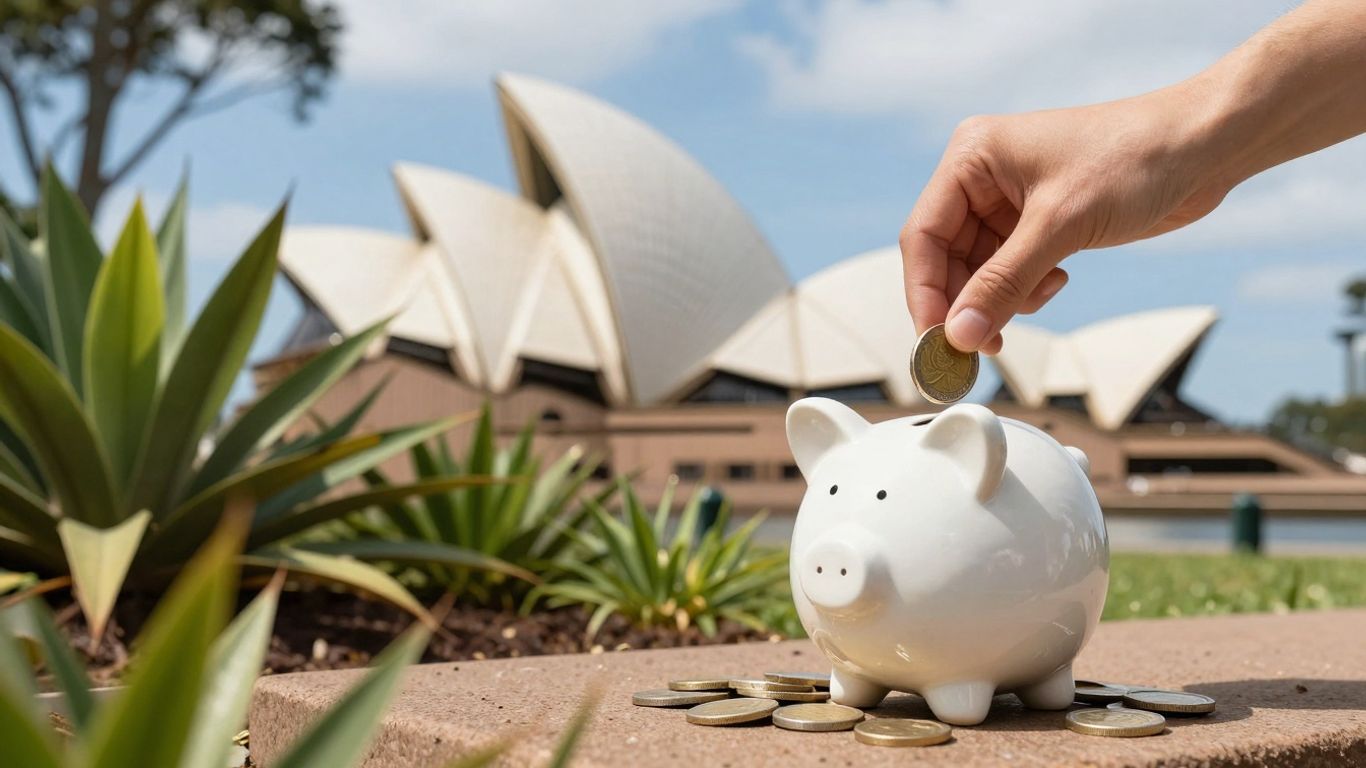
Making informed decisions about where your money goes, beyond just the immediate needs, is how you start to build real financial security. It’s about making your money work for you, not just for paying the bills.
Reducing and Managing Debt Effectively
Debt can feel like a big weight, and in Australia, it’s pretty common to have some form of it, whether it’s a mortgage, a car loan, or credit card debt. The key is to manage it smartly so it doesn’t control you. Tackling high-interest debt first is usually the best move. Think about credit cards or personal loans that charge a lot each year. Paying these down aggressively frees up your cash flow faster.
Here’s a simple approach:
- List all your debts: Write down who you owe, how much, and the interest rate for each. This gives you a clear picture.
- Prioritise high-interest debt: Focus extra payments on the debt with the highest interest rate first (the ‘avalanche’ method). Or, if you prefer quick wins, pay off the smallest debts first (the ‘snowball’ method).
- Consider consolidation: If you have multiple debts, look into debt consolidation loans or balance transfers to a lower-interest card. Just be mindful of any fees involved.
- Avoid new debt: While you’re paying off existing debt, try your hardest not to take on any new loans or increase credit card balances.
Managing debt isn’t just about paying it off; it’s about changing the habits that led to it in the first place. Being mindful of your spending and only borrowing when absolutely necessary makes a huge difference long-term.
Diversifying Your Investments Wisely
Once you’ve got a handle on your debt and have a bit of savings, thinking about investments is the next step to growing your wealth. Putting all your eggs in one basket is risky, so diversification is key. This means spreading your money across different types of investments.
Consider these options:
- Shares: Investing in Australian companies listed on the ASX can offer good returns, but they can also be volatile.
- Property: Real estate is a popular investment in Australia, but it requires a significant upfront cost and ongoing management.
- Bonds: These are generally considered safer than shares and can provide a steady income stream.
- Managed Funds/ETFs: These pool money from many investors to buy a range of assets, offering instant diversification.
It’s a good idea to chat with a financial advisor to figure out an investment strategy that suits your risk tolerance and financial goals. Remember, investing always involves some level of risk.
Insuring What Matters Most
Life in Australia can be unpredictable, and having the right insurance can save you from financial hardship when the unexpected happens. It’s about protecting yourself, your family, and your assets.
Key types of insurance to consider:
- Home and Contents Insurance: Protects your home and belongings against damage or theft.
- Car Insurance: Covers damage to your vehicle and liability to others.
- Health Insurance: While Medicare covers a lot, private health insurance can help with out-of-pocket costs for specialists, dental, and other treatments.
- Life Insurance/Income Protection: Provides a payout if you pass away or can’t work due to illness or injury, helping your family or covering your living expenses.
Popular Budgeting Tools For Australians
Alright, so you’ve got your budget sorted, but how do you actually keep track of it all without pulling your hair out? Luckily, there are some ripper apps out there designed specifically for us Aussies that can make managing your money a whole lot easier. These aren’t just fancy calculators; they’re designed to give you a clear picture of where your hard-earned cash is actually going.
PocketSmith For Financial Forecasting
If you’re someone who likes to plan ahead and see what your financial future might look like, PocketSmith is a pretty solid choice. It uses a calendar-style view, which is great for visualising upcoming bills, paydays, and other financial events. You can link it up to your Australian bank accounts, and it does a decent job of forecasting your cash flow. It’s good for setting longer-term goals and seeing if you’re on track.
Goodbudget For Envelope Budgeting
Remember the old-school envelope system where you’d put cash into different envelopes for different spending categories? Goodbudget is basically a digital version of that. You allocate your income into virtual ‘envelopes’ for things like groceries, rent, or entertainment. This makes it super clear how much you have left in each category, helping you stick to your spending limits. It’s a straightforward way to manage your money, especially if you find visualising your spending helps.
Pocketbook For Expense Insights
Pocketbook is another popular one, and it’s built with Australians in mind. Once you link your bank accounts, it automatically categorises your expenses, which saves a heap of time. You get insights into your spending habits, and it can even track your bills and send you alerts. It’s a user-friendly way to get a better handle on your day-to-day spending and make smarter choices.
Choosing the right tool really comes down to what works best for you. Think about how easy it is to use, whether it connects to your bank, and how much detail you want in your reports. Don’t be afraid to try a couple out to see which one clicks.
Ultimately, the best app in the world won’t do much if you don’t actually use it. Building good financial habits takes time and consistency. Regularly checking in with your finances, being honest about your spending, and making adjustments as needed are key to making progress. It’s about making your money work for you, not just for paying the bills.
Wrapping Up Your Money Journey
So, that’s the lowdown on getting your finances sorted here in Australia. It might seem like a lot to take in, but honestly, it’s all about taking it one step at a time. We’ve talked about figuring out where your cash is actually going, setting some sensible goals, and even looked at a few handy apps that can make life easier. Remember, this isn’t about never buying yourself a treat again; it’s about being smarter with your money. Keep at it, make those small changes, and you’ll soon feel a whole lot more in control. You’ve got this!
Frequently Asked Questions
What’s the main idea behind making a budget, mate?
Think of a budget as a game plan for your money! You work out how much cash you get each month and then decide where it should go – like for your rent, food, having some fun, and saving up. It helps make sure you don’t spend more than you earn and can help you save for awesome things.
How do I even start creating a budget?
First, pick a goal, like saving for a holiday or paying off a credit card. Then, figure out all the money you get after tax. Next, keep track of every dollar you spend for a month or two to see where it’s all going. Finally, make a plan for your money, deciding how much goes to bills, savings, and little treats.
Are there any helpful apps for budgeting in Australia?
Yeah, there are heaps of good apps you can use! PocketSmith is great for planning ahead, Goodbudget helps with the envelope system, and Pocketbook gives you insights into your spending. Some are better for planning, others for tracking. It’s all about finding one that feels right for you and makes managing your money less of a hassle.
Why is having an emergency fund so important?
Definitely! It’s super important to have some money tucked away for when things go wrong, like if your car breaks down or you get sick. Try to save enough to cover a few months of your essential bills. It’s like a safety net for unexpected stuff.
How should I factor health costs into my budget?
Think about your health expenses. Even with Medicare, you might have costs for things like seeing specialists, going to the dentist, or getting medicines. Having private health insurance or putting aside cash for these can save you a lot of stress and money later on. It’s smart to be prepared!
How often should I check and update my budget?
You really need to look at your budget regularly, maybe once a month. See if you’re sticking to the plan. If not, figure out why and make changes. Life changes, so your budget should too! If you’re unsure, it’s a good idea to chat with a money expert.