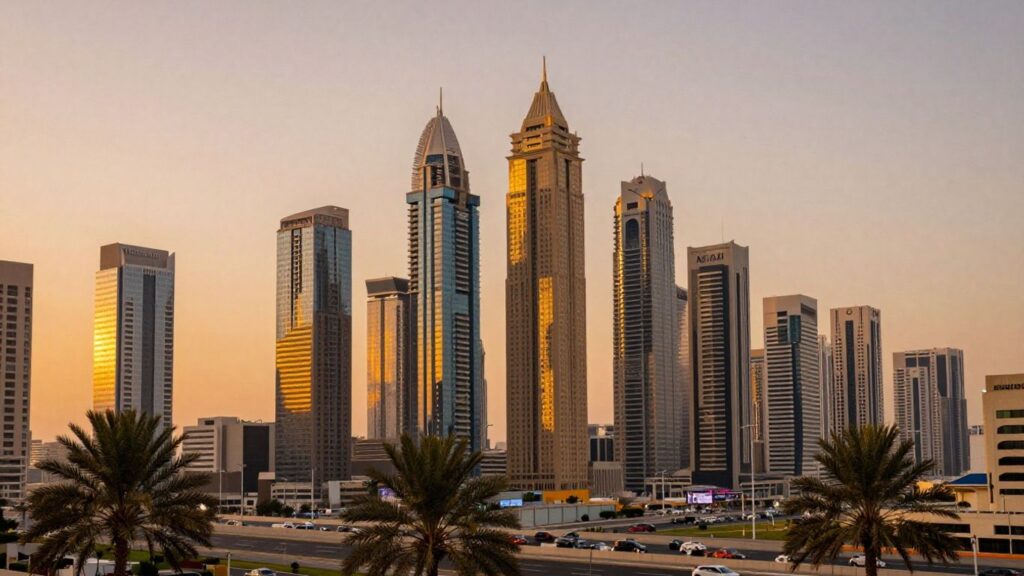
Thinking about putting your money into Dubai property in 2026? It’s a smart move, really. Dubai’s become a major player on the global stage, not just for holidays but for serious business and living too. The city’s growing fast, building new stuff all the time, and making it easier for people from all over to invest. Whether you’re looking to add to your existing investments or just starting out, there are loads of options. This guide is here to help you figure it all out, from what’s hot in the market right now to where the best spots are and how to actually buy something. We’ll cover the ins and outs so you can make a good decision about your investment in Dubai.
Key Takeaways
- Dubai’s property market in 2026 is solid, with steady growth thanks to more people moving there and new infrastructure projects.
- Off-plan properties continue to be a good bet for investors looking to get more bang for their buck.
- Prime locations like Dubai Marina, Downtown Dubai, and Palm Jumeirah offer distinct advantages for property investment.
- Understanding rental yields and the potential for a Real Estate Investment Visa can significantly boost your returns.
- New areas like Dubai World Central and a focus on smart, sustainable living present exciting future growth opportunities.
Navigating Dubai’s Evolving Property Landscape
Analysing 2026 Dubai Real Estate Trends
The property market in Dubai is looking pretty solid for 2026. It’s not the wild west of previous years; things have really settled down into a more stable, grown-up market. We’re seeing a big shift towards quality living – think communities that are good for the environment and have all the latest tech. People are really paying attention to sustainability now, which is great because it often means lower bills and a nicer place to live. Plus, with new transport links opening up, areas that weren’t considered prime before are becoming really attractive. It’s making the whole idea of what’s a ‘good’ location a bit more spread out. The whole buying process has also gotten way easier, especially for folks looking from overseas. You can do virtual tours and even handle paperwork online, which takes a lot of the hassle out of it. The market is experiencing moderating growth, which is a good sign of stability [6f5b].
The Strategic Advantage of Off-Plan Projects
If you’re keen on making a good chunk of money from your investment, looking at properties that haven’t been built yet – what they call ‘off-plan’ – is still a smart move in 2026. These projects are really popular and make up a big part of the sales. Developers are offering some pretty sweet deals to get people buying, which can mean a better price for you upfront. It’s a way to get in on the ground floor, so to speak, and potentially see a good jump in value by the time it’s finished. It’s a bit of a gamble, sure, but the rewards can be significant if you pick the right project.
Understanding Property Purchase Costs
When you’re looking at buying property here, remember the advertised price isn’t the final number. There are a few extra costs to factor in. The biggest one is the Dubai Land Department (DLD) fee, which is 4% of the property’s price. You also have to pay a registration fee to the trustee, usually a few thousand dirhams. Don’t forget the real estate agent’s commission, typically 2% plus VAT. If you’re getting a home loan, there will be bank fees and mortgage registration costs too. Then, once you own it, there are annual service charges for upkeep and amenities. It’s important to know all these figures upfront so you can budget properly.
Here’s a quick rundown of the main costs:
- Dubai Land Department (DLD) Transfer Fee: 4% of the property value.
- Trustee Registration Fee: AED 2,000 – AED 4,000 + VAT.
- Agency Commission: 2% of the purchase price + VAT.
- Mortgage Registration Fee (if applicable): 0.25% of the loan amount + AED 290.
It’s wise to have a clear picture of all associated expenses before you commit to a purchase. Unexpected costs can quickly eat into your potential returns if not planned for.
Prime Locations for Your Dubai Investment
Choosing where to put your money in Dubai is a big deal, and 2026 is shaping up to be an interesting year. It’s not just about picking a nice-looking building; it’s about understanding what makes an area tick and how it fits with your investment goals. Some spots are all about luxury living, others are buzzing commercial hubs, and some offer that relaxed, beachfront vibe. Let’s break down a few of the top contenders.
Waterfront Luxury: Apartments for Sale Dubai Marina
Dubai Marina is still a major drawcard, and for good reason. Imagine waking up to views of yachts and the sparkling Arabian Gulf – it’s pretty special. This area is packed with apartments, from sleek studios to expansive penthouses, and it’s a magnet for both tourists and long-term renters. The constant buzz, the abundance of cafes and restaurants, and the easy access to the beach make it a popular choice. For investors, this means a steady stream of potential tenants.
- High Rental Demand: The lifestyle here is a big selling point, attracting young professionals and couples.
- Diverse Property Options: You’ll find a wide range of apartment sizes and price points.
- Established Infrastructure: Plenty of amenities, transport links, and entertainment options are already in place.
The consistent demand for apartments for sale Dubai Marina makes it a solid bet for rental income.
The Prestige Factor: Properties for Sale Downtown Dubai
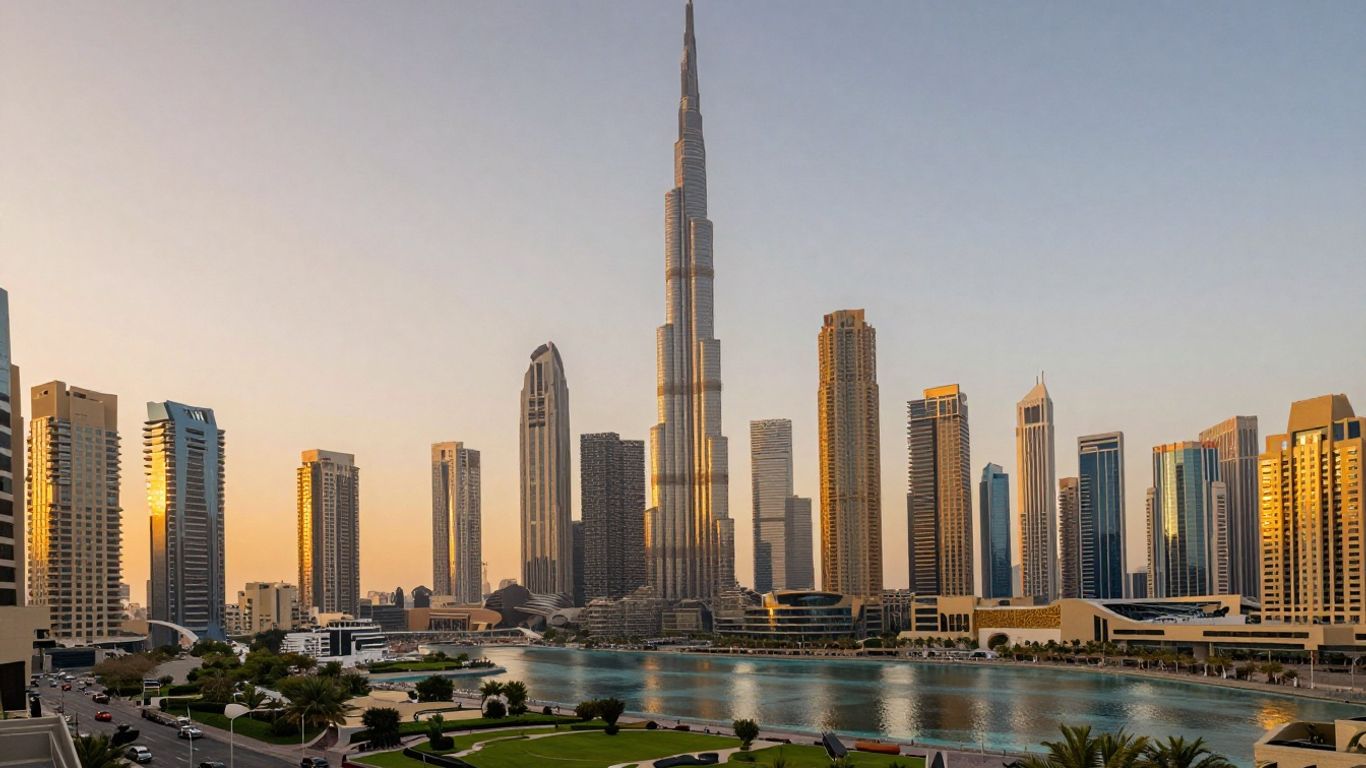
Owning property in Downtown Dubai is like having a piece of the city’s most famous postcard. With the Burj Khalifa, Dubai Mall, and the Dubai Opera right there, it’s the epicentre of action. This area isn’t just for tourists, though; it’s become a top spot for wealthy residents who want to be in the thick of it all. Because there’s not much new land being developed here, the existing properties tend to hold their value really well. It’s a place where you’re investing in prestige and a location that’s always in demand, whether for long-term leases or short-term holiday stays.
Downtown Dubai offers a unique blend of iconic landmarks and a vibrant urban lifestyle, making it a sought-after address for those who value convenience and a connection to the city’s pulse.
Iconic Investments: Palm Jumeirah Properties
No discussion about prime Dubai locations is complete without mentioning the Palm Jumeirah. This man-made island is world-famous and continues to attract significant attention. Properties here range from luxurious apartments with stunning sea views to opulent villas. The island offers a sense of exclusivity and a resort-like lifestyle that appeals to a global audience. While entry prices can be higher, the unique appeal of living on the Palm often translates into strong capital appreciation and attractive rental yields, especially for properties with direct beach access or prime views. It’s a location that truly embodies Dubai’s ambition and luxury. For those looking at key investment areas in Dubai, the Palm remains a consistent performer.
Maximising Returns on Your Investment
So, you’ve bought a place in Dubai, or you’re thinking about it. Great! But just buying it is only half the battle, right? The real win is making sure it actually makes you money. We’re talking about getting a decent return on what you’ve put in. It’s not just about hoping the value goes up; it’s about smart planning and keeping an eye on things.
Maximising Profits: Return on Investment Dubai Real Estate
When you’re looking at property in Dubai, thinking about the profit you’ll make is key. It’s not just about the purchase price. You need to consider all the costs involved – like taxes, fees, and ongoing maintenance. The goal is to have your income from rent, plus any increase in the property’s value, comfortably outweigh all those expenses. It’s a bit like running a business, really. You want more money coming in than going out. Dubai’s property market is known for its potential, but you still need to be savvy about it. For instance, understanding the tax situation can really help maximize your profits.
Understanding Rental Yields and Property Values
Rental yield is basically the income you get from rent compared to the property’s value. There are two main types: gross and net. Gross yield is simple – just the annual rent divided by the property price. But net yield is more realistic because it subtracts all your running costs, like service charges, property management fees, and repairs. You want a good net yield. Property values can go up and down, influenced by things like new developments, the economy, and even global events. Keeping an eye on these trends helps you decide when might be a good time to sell or if you should hold on. Some investors find success by selling off-plan properties at different stages of construction.
Here’s a quick look at how yields can stack up:
| Property Type | Gross Rental Yield (Est.) | Net Rental Yield (Est.) |
|---|---|---|
| Studio Apartment | 5-7% | 3-5% |
| 1-Bedroom Apt | 4-6% | 2.5-4.5% |
| 2-Bedroom Apt | 4-5.5% | 2-4% |
| Villa | 3-5% | 1.5-3.5% |
Note: These are estimates and can vary greatly based on location, condition, and management.
The Golden Ticket: Real Estate Investment Visa UAE
This is a big one for many people looking to invest. If you buy property in Dubai that meets certain criteria, you might be eligible for a residency visa. This isn’t just about living in Dubai; it can make managing your investment much easier, especially if you plan to rent it out long-term or use it yourself. It shows a commitment to the market and can be a real drawcard for tenants or future buyers too. It’s definitely something worth looking into if you’re planning a significant investment.
To get the most out of your investment journey, consider these steps:
- Figure out your goals: Are you after steady rental income, or hoping the property value shoots up?
- Know your numbers: Work out your budget, including all the extra costs beyond the purchase price.
- Pick the right spot: Research areas that are popular with renters and have good transport links.
- Choose a good developer: Stick with builders who have a solid track record.
- Plan your exit: Think about how and when you might sell the property down the track.
Investing in property is a marathon, not a sprint. It requires patience, ongoing research, and a willingness to adapt your strategy as the market shifts. Don’t get caught up in the hype; focus on solid fundamentals and long-term value.
Understanding the Legalities and Financing
Right then, let’s get down to the nitty-gritty of actually buying property in Dubai. It might seem a bit daunting, but honestly, it’s pretty straightforward once you know the rules. Dubai has put a lot of effort into making things clear for everyone, especially for folks from overseas looking to invest. Knowing the legal framework and how to sort out your finances is half the battle won.
Legal Framework: Expat Property Ownership Dubai
First off, the legal side. Dubai has a pretty solid system in place, overseen by bodies like the Dubai Land Department and RERA. For us expats, the good news is you can own property outright, but it’s usually within specific ‘freehold’ areas. This means you have full ownership rights – you can buy it, sell it, rent it out, no worries. It’s all about making sure your investment is secure. The laws are designed to protect your rights as a buyer, which is a big plus. You’ll want to get familiar with these regulations, maybe chat with a local property expert who knows the ins and outs. They can help you understand everything from registration to transfer, making sure you tick all the boxes. The government has put in place robust protections for offshore investors, which is reassuring. These safeguards are pretty impressive.
Financing Your Purchase: Home Loan Dubai for Expats
Now, how do you pay for it all? You’ve got a few options here. Some people prefer to pay cash if they can, which is the quickest way, no doubt. But for most of us, a mortgage is the way to go. Dubai has a decent mortgage market, with banks offering various products. It’s not always as simple as walking into any bank, though; some lenders are more open to expat applications than others. It’s worth shopping around and talking to a mortgage advisor who specialises in expat loans. They can help you compare interest rates and terms to find something that fits your budget. Developers also often have their own payment plans, especially for off-plan properties, which can spread out the cost over time. Understanding these property financing options is key before you even start looking.
Steps to Buy Property in Dubai
So, you’ve got the legalities sorted and your finances in order. What’s next? Here’s a general rundown of the process:
- Find Your Property: Work with a reputable real estate agent. They’ll help you find a place that matches your needs and budget, whether it’s an apartment, villa, or townhouse.
- Agree on Terms: Once you find the one, you’ll agree on the price and terms with the seller. This usually involves signing a Memorandum of Understanding (MoU).
- Secure Financing: If you’re getting a mortgage, finalise your loan approval at this stage.
- Property Transfer: This is where the official paperwork happens. You’ll typically go to a Dubai Land Department-approved trustee office to complete the transfer of ownership. You’ll pay the remaining balance and any fees.
- Registration: The property is officially registered in your name. Congratulations, you’re a Dubai property owner!
It’s always a good idea to have a lawyer or a conveyancer on your side, especially for the legal paperwork. They can double-check everything and make sure there are no hidden surprises. It’s better to be safe than sorry when you’re making a big investment like this.
Emerging Opportunities and Future Growth
Dubai isn’t just about glitz and glamour; it’s a city constantly looking ahead, and that means new avenues for investment are popping up all the time. Beyond the established property market, there are some really interesting sectors gaining traction that could be worth a look.
Future Growth: Dubai World Central Real Estate
Dubai World Central (DWC), now known as Dubai South, is shaping up to be a massive hub. Think logistics, aviation, and a whole new city. It’s designed to be a self-sufficient community, and with all the infrastructure being built, it’s attracting businesses and residents alike. Investing here early on could mean getting in on the ground floor of a major growth area. It’s a bit further out from the city centre, sure, but the connectivity is improving rapidly, and the sheer scale of development is impressive. This area is set to become a significant economic driver for the emirate.
Smart Homes and Tech-Enabled Luxury Living
We’re seeing a big push towards smart homes and integrated technology in new developments. It’s not just about having a fancy app to control your lights anymore. We’re talking about buildings that are more energy-efficient, secure, and convenient for residents. Think automated climate control, advanced security systems, and even integrated AI for managing your home. Developers are really leaning into this, and properties that offer these features are becoming more desirable. This trend is likely to continue as technology becomes more accessible and integrated into our daily lives. For investors, this means properties with built-in smart tech could command higher rental yields and see better capital appreciation.
Sustainable and Eco-Led Developments
There’s a growing awareness and demand for sustainable living, and Dubai is responding. Developers are increasingly focusing on eco-friendly building materials, energy-efficient designs, and green spaces. This isn’t just a niche market anymore; it’s becoming a mainstream expectation. Properties with green certifications or features that reduce environmental impact are gaining favour. This aligns with global shifts and Dubai’s own commitment to a greener future. It’s a smart move for the planet and, increasingly, for your wallet too.
Here’s a quick look at some promising sectors beyond traditional real estate:
- Renewable Energy: With Dubai’s focus on sustainability, opportunities in solar power and energy storage are growing. New regulations are pushing businesses towards greener practices, creating demand for related services.
- FinTech and Digital Assets: Dubai is becoming a hub for financial innovation, including cryptocurrencies and blockchain technology. The regulatory environment is becoming clearer, attracting businesses in this space.
- E-commerce and Logistics: The growth of online shopping means more demand for warehousing and fulfilment centres, especially with Dubai’s strategic location.
The UAE’s commitment to innovation and its forward-thinking policies are creating fertile ground for new business ventures. Investors looking for growth beyond traditional assets might find significant potential in these emerging sectors.
It’s worth keeping an eye on these areas as Dubai continues to diversify its economy and push the boundaries of urban development. Exploring these emerging opportunities could lead to some excellent returns. You might want to look into the lucrative business ventures in Dubai for 2026 to get a broader picture.
Exclusive Living and Premium Properties
Exclusive Living: Premium Villas Dubai
When we talk about premium villas in Dubai, we’re not just talking about houses; we’re talking about serious lifestyle statements. The demand for these high-end properties has really taken off, especially with a lot of wealthy folks moving to the city. Think places like Emirates Hills, which people often call the ‘Beverly Hills of Dubai’, or the super exclusive parts of Palm Jumeirah. These aren’t your average homes – they often come with private beaches, built-in cinemas, and all sorts of smart home tech. Plus, they’re usually on massive plots of land.
Because there’s only so much prime waterfront land available, the supply of these ultra-luxury villas is pretty limited. This scarcity is a big reason why their value tends to go up over time. In 2026, there’s also a growing trend of people buying plots or older villas just to knock them down and build their own custom mansions from scratch, turning them into modern architectural marvels.
The limited supply of prime land for ultra-luxury villas is a key factor in their capital appreciation, making them a sought-after asset for discerning investors.
Master-Planned Villa and Townhouse Communities
Beyond the standalone mansions, Dubai has also seen a boom in master-planned communities offering villas and townhouses. These developments are designed to provide a complete lifestyle, often including parks, schools, retail outlets, and recreational facilities right within the neighbourhood. It’s about creating a self-contained environment where residents can live, work, and play without needing to travel far.
These communities are particularly attractive to families and those seeking a sense of community. They offer a range of property types, from spacious villas to more compact townhouses, catering to different needs and budgets. The appeal lies in the organised infrastructure, consistent design aesthetic, and the shared amenities that enhance the living experience. For investors, these communities often represent a stable rental market due to their desirability among residents.
Here’s a quick look at what makes these communities stand out:
- Integrated Amenities: Access to pools, gyms, playgrounds, and sometimes even private beaches or golf courses.
- Security and Privacy: Gated entrances and a focus on creating a safe environment for residents.
- Community Feel: Designed to encourage interaction among neighbours through shared spaces and events.
- Consistent Quality: Master developers maintain high standards for construction and landscaping across the entire development.
Beachfront Vibes: Jumeirah Beach Residence Properties
Jumeirah Beach Residence, or JBR as everyone calls it, offers something pretty special: a beach resort kind of lifestyle right in the middle of a busy city. It’s always been a popular spot. You’ve got ‘The Walk’ with all its outdoor dining and shops, and ‘The Beach’ right there for easy access to the sea. It’s no wonder tourists love it, which makes properties here great for holiday lets.
Even though JBR is one of the older freehold areas, its properties hold their value quite well. A lot of the units are getting updated to keep up with newer buildings, giving investors a chance to buy older places and potentially add value through renovations. It’s a solid choice if you’re after that beachfront lifestyle and a property that’s always in demand. The area continues to attract significant interest, with many looking to invest in properties for sale in Dubai Marina and surrounding areas for their lifestyle appeal.
So, What’s Next?
Right then, we’ve gone through a fair bit in this guide, haven’t we? Dubai in 2026 is still a place with heaps of potential for anyone looking to put their money into property. It’s not just about the flashy buildings; it’s about a city that keeps growing and changing, making it a solid spot for investors. Remember, doing your homework is key. Knowing the areas, understanding the costs, and having a clear idea of what you want to get out of your investment will make all the difference. Whether you’re thinking about renting it out for a bit of extra cash or hoping the value goes up over time, a bit of smart planning goes a long way. So, get out there, do the research, and see if Dubai is the right move for your next property venture. It could be a real winner.
Frequently Asked Questions
Is 2026 a good time to buy property in Dubai?
Yeah, 2026 looks like a really good time to buy property in Dubai. The market is steady, not too crazy, and there are good rules to protect buyers. Plus, the money you can make from renting out your place is pretty good compared to other big cities around the world. It’s a solid choice for keeping your money safe and earning some extra cash.
Can people from other countries get a home loan in Dubai?
Definitely! If you’re not from the UAE, you can still get a home loan. Banks usually let you borrow a good chunk of the property’s price, like 60% to 75%. It’s a smart way to buy property without using all your own money. Just make sure you have a steady job and a good credit history.
What are the main costs when buying property in Dubai?
Besides the price of the house or apartment, you’ll have to pay a few other things. There’s a transfer fee to the Dubai Land Department, which is usually around 4% of the property price. You might also have to pay for a mortgage registration, agent fees, and some legal costs. It’s good to set aside a bit extra for these.
Do foreigners have to pay taxes on property they own in Dubai?
Good news here! Dubai doesn’t charge property tax, income tax on rent, or tax on profits when you sell. This means more of your earnings stay in your pocket, which is a big plus for investors.
What’s the deal with buying property that’s not built yet (off-plan)?
Buying off-plan means buying a property before it’s finished. It’s often a great way to get a good deal because developers offer special payment plans and sometimes lower prices. You can make payments over time as the building goes up, which can be easier on your wallet. Plus, these properties often see a good increase in value by the time they’re ready.
Can I get a visa if I buy property in Dubai?
Yes, you can! If you buy property worth a certain amount, usually over 1 million Dirhams, you might be eligible for a UAE residence visa, like the 10-year Golden Visa. This lets you live in Dubai for a longer time, which is pretty neat if you plan to spend a lot of time there or even move.