
Alright, so 2026 is just around the corner, and if you’re like me, you’re probably wondering where to put your hard-earned cash. The economy’s looking okay, apparently, and property prices are still climbing. It feels like a good time to get smart about our money, right? Forget playing it super safe; this year seems more about making some solid choices in things that’ll last. So, if you’re asking ‘what should I invest in 2026?’, stick around, because we’re going to look at some of the best investment options in Australia for the year ahead. There are always ups and downs, but some areas are definitely worth keeping an eye on.
Key Takeaways
- Keep an eye on AI and tech; ETFs make it easier for everyday folks to get involved.
- Renewable energy is big, especially solar, battery tech, and EV charging stuff. Good for the long run.
- Real estate is still a solid bet in Australia, offering real value and growth, especially in growing suburbs and regional spots.
- Look for affordable land and suburbs that are growing but haven’t hit peak prices yet.
- Regional towns are becoming more popular for both lifestyle and investment, so check out what’s happening there.
1. Artificial Intelligence And Technology
Alright, let’s talk about AI and tech in Australia for 2026. It’s not just about robots taking over; it’s about how businesses are changing and how we can get a piece of that pie. Think about it – companies are pouring money into things like cloud computing, making sure their systems are secure (cybersecurity, you know?), and automating tasks to be more efficient. This isn’t just for the big players anymore; everyday investors can actually get involved.
There are a few ways to jump in. You could look at specific Australian tech companies listed on the ASX. Some are doing really interesting work in areas like data centres, which are basically the backbone of all this digital stuff, or in IT distribution, getting all the hardware and software out there. It’s a pretty diverse field.
Here are some areas within AI and tech that are worth keeping an eye on:
- Data Centres: These are essential for storing and processing all the data AI relies on. Companies like NEXTDC are key players here.
- Semiconductor Technology: The tiny chips that power everything from your phone to advanced AI systems.
- Software and Analytics: Companies developing the AI algorithms and tools that make it all work.
- IT Services and Distribution: The businesses that connect technology providers with users.
The pace of technological advancement means that what seems cutting-edge today could be standard tomorrow. Staying informed about new developments and how they’re being applied by Australian businesses is key to spotting genuine investment potential.
It’s a sector that’s constantly evolving, so doing a bit of homework on individual companies and their specific contributions to the AI landscape is a good idea. It’s not just about picking the flashiest name; it’s about understanding the underlying technology and its market application. You can find a good overview of some of the top AI stocks on the Australian Securities Exchange if you want to start digging.
2. Renewable And Green Energy
The push towards sustainability isn’t just a trend; it’s a massive economic shift, and Australia is right in the thick of it. Investing in renewable and green energy in 2026 looks like a really solid bet. We’re talking about everything from solar farms and wind turbines to the tech that makes it all work.
Think about it: the world’s moving away from fossil fuels, and that means a huge demand for clean power. This isn’t just about doing good for the planet, though that’s a big part of it. It’s also about smart money. Australia’s potential to lead in clean energy is enormous, offering significant returns for early investors.
Here are a few areas within green energy that are particularly interesting:
- Solar Power: Still a powerhouse, with ongoing development in utility-scale projects and rooftop installations.
- Battery Technology: Essential for storing renewable energy, making it reliable even when the sun isn’t shining or the wind isn’t blowing.
- Electric Vehicle Infrastructure: As EVs become more common, the need for charging stations will skyrocket.
- Green Hydrogen: Emerging as a clean fuel source for transport and industry.
Companies like Brookfield Renewable are already making big moves in this space, showing just how much growth is on the horizon. The government and private sectors are pouring money into these projects, creating opportunities across the board. It’s a sector that’s not just growing, but fundamentally reshaping our energy landscape.
The transition to green energy is more than just an environmental imperative; it’s a significant economic opportunity. Australia’s abundant natural resources, coupled with technological advancements, position it favourably to become a global leader in renewable energy production and export.
While there are always risks with any investment, the long-term trajectory for renewable energy seems pretty clear. It’s a sector that’s set to benefit from global trends and government support for years to come. Australia’s economy stands to gain billions from this clean energy boom, so getting in now could be a smart move for your portfolio. Clean energy investment is definitely one to watch.
3. Real Estate And Land Investment

When Australians talk about building wealth, real estate and land investment always seem to come up. Property remains one of the most straightforward and proven options for investors in 2026. It’s not just about chasing price jumps or trendy suburbs—land gives you something real, with value that most people feel comfortable holding for years.
Here’s what investors are thinking about now:
- Demand is rising, especially with more people looking for stability outside the city. Owning land or a place to live feels safe.
- Regional towns and growth corridors are in the spotlight. These areas tend to have more affordable entry points but show strong population growth and new infrastructure projects.
- Competition is heating up in all the main sectors, like retail and industrial, with both seeing higher demand, which you can see reflected in market moves just this year (competition for assets will increase).
A look at projected median home prices in mid-2026:
| City | Median Price (2026) |
|---|---|
| Sydney | $1.83 million |
| Melbourne | $1.1 million |
There are a few things to keep in mind before jumping in:
- Always check the local infrastructure—schools, shops, and transport matter more than you think.
- Look at rental demand as well as resale value.
- Watch for changes in planning rules or zoning, as these can totally change the investment outlook in a suburb or town.
Things move fast in the property world, and what’s hot one season may cool quickly the next, especially with the market shifting towards more affordable, energy-efficient buildings (growth of affordable cities).
If you’re after stability with a bit of long-term growth, land and property investment in Australia is still a path worth looking into. Just be prepared to do your homework and keep an eye on local trends—there’s no real shortcut here.
4. Suburbs Where Lifestyle Meets Investment
It’s not just about the numbers when it comes to property, right? For a lot of us, where we live matters just as much as how our investment performs. This is where suburbs that nail the lifestyle-investment combo really shine. Think about places that offer more than just a roof over your head – we’re talking about areas with great parks, maybe a beach nearby, or even a buzzing community centre. These spots tend to attract people who want to settle down and enjoy life, which is good news for investors because it means steady demand for rentals and a solid market when it’s time to sell.
These kinds of suburbs often become desirable because they offer a balanced life, making them attractive to a wide range of buyers and renters.
Here’s what to look for:
- Community Facilities: Good schools, local shops, and public transport are a big plus.
- Recreational Opportunities: Access to parks, sports clubs, walking trails, or waterways.
- Natural Attractions: Proximity to beaches, lakes, or scenic landscapes.
- Vibrant Local Culture: Cafes, restaurants, and community events that make a place feel alive.
When you’re looking at areas like these, it’s worth checking out what’s happening in places like Melbourne, which has some great family-friendly suburbs that are also investment hotspots [f64f]. It’s about finding that sweet spot where people want to live, work, and play, which naturally supports property values.
Investing in suburbs that blend lifestyle with solid growth potential means you’re backing areas that people genuinely want to be in. This isn’t just about capital gains; it’s about investing in communities that are likely to thrive long-term because they offer a high quality of life.
It’s also worth noting that some of the most promising investment areas are emerging in places like Brisbane, where specific suburbs are showing strong signs of growth and good rental yields [5303]. The key is to look for areas that are developing well, have good amenities, and are becoming popular places to live. This combination often leads to a more stable and rewarding investment.
5. Affordable Lands With High Growth Potential
Looking for a way to get into the property market without breaking the bank? Well, you’re in luck. There are heaps of spots around Australia where you can snag some affordable land that’s set for some serious growth in the coming years. It’s not just about finding cheap dirt; it’s about spotting areas that are on the up and up, thanks to new infrastructure, growing populations, or just a general buzz about the place.
These pockets of opportunity are perfect for first-time buyers and savvy investors alike. They offer a chance to get a foot in the door with a smaller initial outlay, potentially leading to solid returns down the track. Think about areas that are just starting to get noticed, maybe a bit further out from the big city centres but with good transport links or planned community facilities.
Here’s what to keep an eye out for:
- Infrastructure Development: Look for areas where new roads, public transport, schools, or shopping centres are planned or under construction. This kind of development usually signals future growth and increased desirability.
- Population Influx: Towns that are seeing an increase in residents, whether from internal migration or people moving from busier cities, often have a stronger demand for housing, which can drive up land values.
- Lifestyle Appeal: Even affordable areas can have a great lifestyle. Proximity to natural attractions like parks, beaches, or even just a strong sense of community can make a place attractive to live in, boosting its investment potential.
It’s a bit like finding a diamond in the rough. You need to do your homework, but the rewards can be substantial. For those looking to invest strategically, exploring these affordable suburbs with growth potential can be a smart move.
Don’t just chase the cheapest land available. Focus on areas that have a clear trajectory for improvement and demand. A bit of research now can save you a lot of headaches and potentially make you a good bit of cash later on.
Consider areas that are becoming popular for rentvesting too. This strategy, where you rent where you want to live and invest elsewhere, is gaining traction, especially for those who want to get into the property market without immediate home ownership pressures. It’s a flexible approach that can work well in these developing regions.
6. Rising Regional Towns
Beyond the big smoke, there are some seriously good opportunities popping up in regional Australia. These aren’t just sleepy little towns anymore; they’re growing, attracting new people, and getting better infrastructure. It’s a bit of a sweet spot where you can get a better lifestyle and still make your money work for you. Many of these places are becoming magnets for people wanting a sea or tree change, which is driving up demand for housing.
Think about towns that are getting new shopping centres, better roads, or even just more community events. These things make them more attractive to live in, and that’s good news for investors. It’s not just about buying a house; it’s about buying into a community that’s on the up and up. We’re seeing a real trend of people looking for that balance between affordability and a decent quality of life, and regional towns are really delivering on that front. It’s worth keeping an eye on regional Australia’s property market for these kinds of shifts.
Here’s what to look for when considering a regional investment:
- Population Growth: More people moving in means more demand for housing, both to buy and rent.
- Infrastructure Development: New roads, public transport, schools, and hospitals signal a town that’s investing in its future.
- Lifestyle Appeal: Access to nature, recreational facilities like parks or lakes, and a strong community vibe are big draws.
- Economic Diversification: Towns that aren’t reliant on just one industry tend to be more stable.
Investing in regional towns isn’t about chasing quick wins. It’s about identifying places with solid fundamentals that are set for steady, long-term growth. Do your homework on local job markets and future development plans.
For example, places like Yarrawonga have been gaining traction. It’s got that lakefront appeal, a busy community, and ongoing development, making it a popular spot. It’s a good reminder that sometimes the best opportunities are found when you look a bit further afield. You might even find some great new land releases in areas like Glanmire Park that are perfectly positioned for this kind of growth.
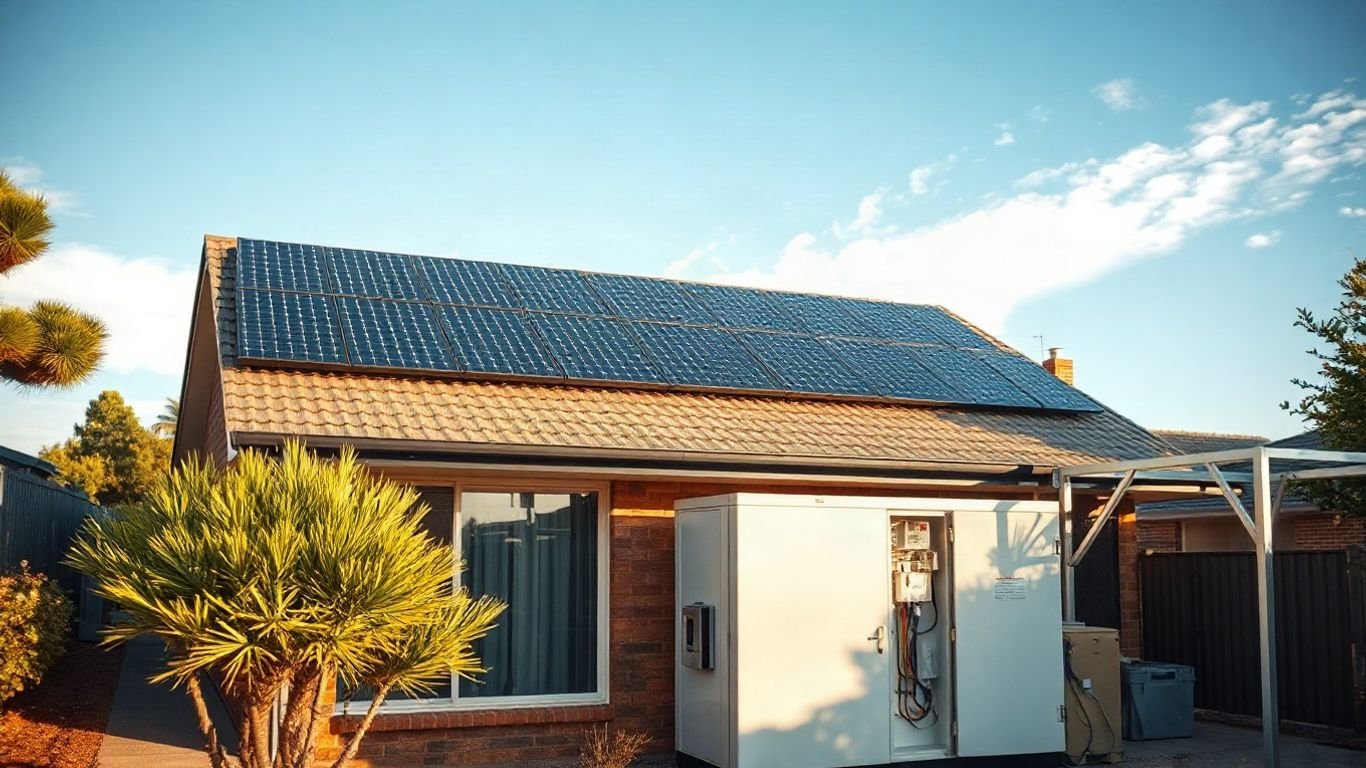
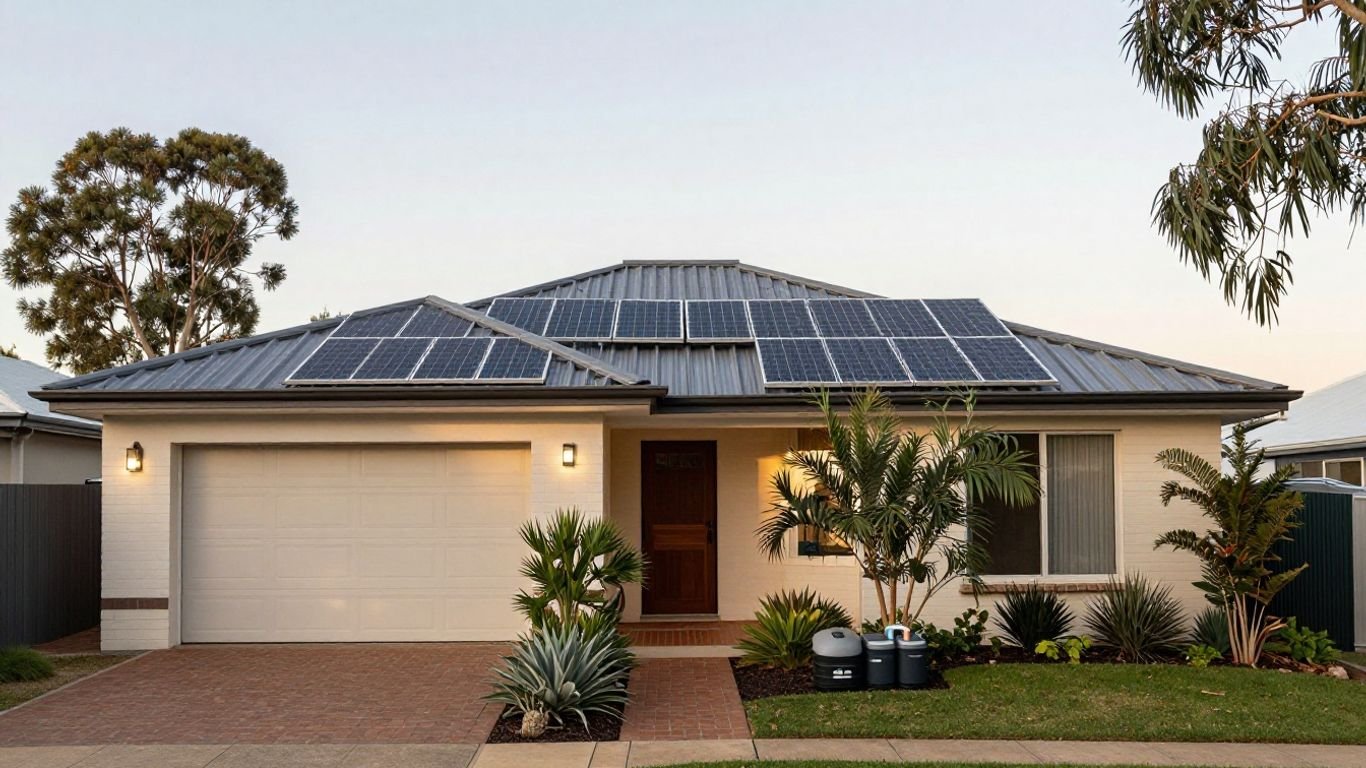
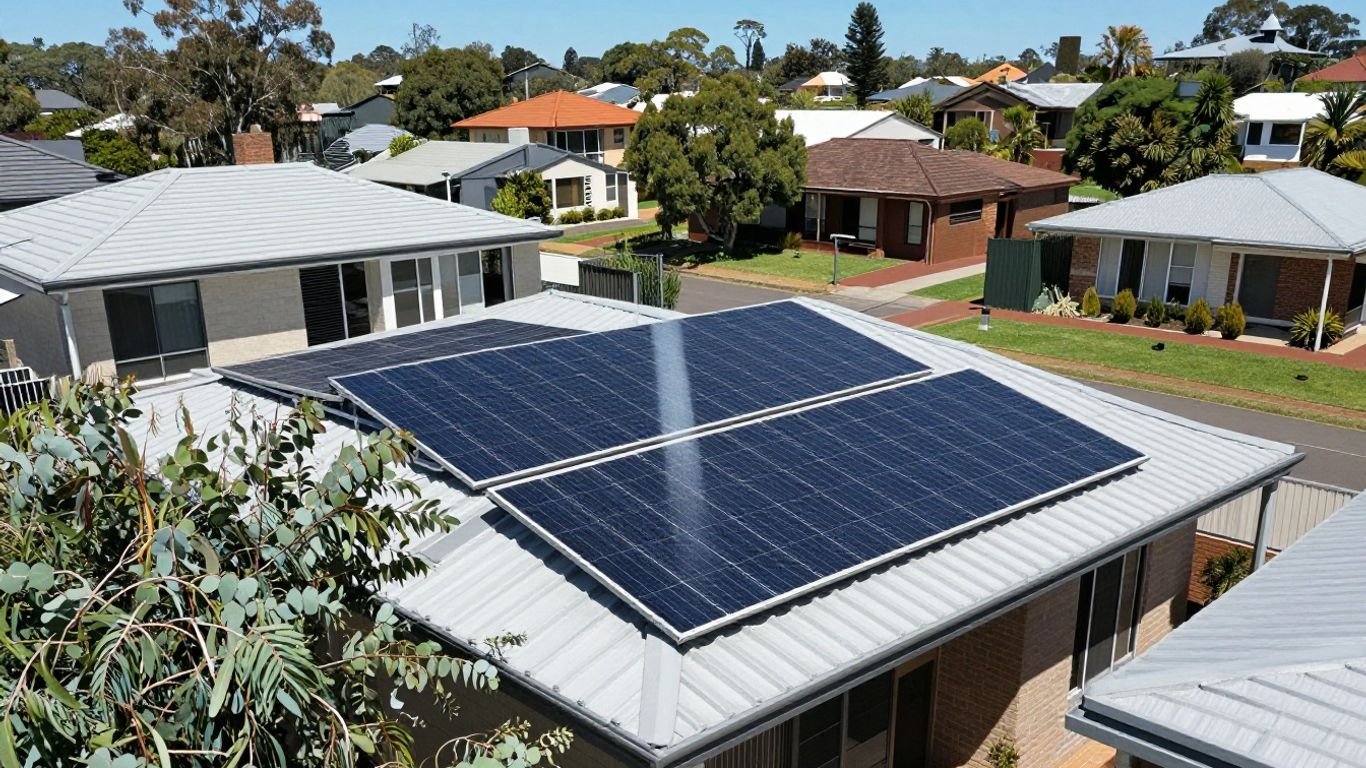
7. Solar Power
Solar power is starting to get a lot of attention in 2026, and for good reason. More Aussies are putting panels on their roofs and turning sunlight into savings. It’s not just about cutting down on electricity bills—solar is now a mainstream investment option, and it’s reshaping how people think about energy, both for the environment and their wallets.
Let’s take a quick look at what’s happening around the country:
| State/Territory | Capacity (MW) | Notable Growth |
|---|---|---|
| New South Wales | 9,500 | Market leader |
| Queensland | 8,200 | Fastest growing |
| Victoria | 7,000 | Steady uptake |
| Western Australia | 4,500 | Urban expansion |
| South Australia | 2,700 | Early adopter |
- Rooftop panels are being rolled out fast, especially in New South Wales and Queensland as Australia passes its 2030 solar target ahead of schedule.
- Solar farms are coming up in rural and regional pockets, drawing big investors and even local councils.
- The upfront cost of solar systems is dropping as technology improves, which opens doors for more households and even renters to get involved.
The vibe is definitely changing—going solar is less about being an eco-warrior and more about making a smart, future-proof decision. It can also boost a property’s appeal if you ever decide to sell down the track.
Solar shares, ETFs, and community investment schemes are also opening up, so you don’t even need your own roof to take part. It’s all about thinking longer term. By 2026, solar power isn’t just an alternative—it’s becoming the norm in energy investment.
8. Battery Technology
When most people think about investing in green energy, solar panels are usually the first thing to come to mind. But there’s another major piece of the puzzle: batteries. With so many solar panels and wind farms popping up, Australia really needs reliable storage tech to keep all that energy ready for use—even when the sun isn’t shining.
Battery technology is seeing massive growth in Australia, both in capacity and attention from investors. In 2025, the country installed about 11.4 gigawatt-hours (GWh) worth of batteries. For 2026, this number is expected to jump to 12.9 GWh, showing there’s big confidence in energy storage technology playing a leading role in future power grids. This isn’t just happening locally—the global market for battery storage is booming too. To put some numbers to it:
| Year | Battery Storage Installed (GWh) |
|---|---|
| 2025 | 11.4 |
| 2026 (projected) | 12.9 |
(Source: Battery storage capacity data)
Why put your money into battery technology now?
- Generous funding: Government schemes, like the expanded Cheaper Home Batteries Program, are making it easier (and cheaper) for regular Aussies to install home battery systems. This trend could boost demand for both home and large-scale battery setups (Home Batteries Program expansion).
- Rapid tech improvements: Every year, batteries get cheaper and more efficient, which means better returns for early investors and wider uptake across Australia.
- Huge role in renewables: Without good batteries, a lot of the clean energy produced would go to waste. That need will only grow as fossil fuels are phased out.
In the next few years, battery storage will probably move from being an ‘add-on’ for keen solar users to a must-have part of everyday Aussie energy life.
If you’re thinking about the future of Australia’s energy and want a spot in this sector early, battery tech could be one of the smartest investments to make before 2026 gets too far underway.
9. Electric Vehicle Infrastructure
The shift towards electric vehicles (EVs) isn’t just about the cars themselves; it’s also about building the network to support them. For investors, this means looking at the infrastructure that makes EVs practical. Think charging stations, battery swapping facilities, and the grid upgrades needed to handle the increased demand. As more Australians embrace electric motoring, the demand for accessible and reliable charging solutions is only going to grow.
Australia is actively investing in expanding its EV charging network. This includes government grants and private sector initiatives aimed at making charging more convenient, whether you’re at home, at work, or on the road. The expansion from 2026-27 is particularly noteworthy, signalling a sustained commitment to this sector.
Here are some key areas within EV infrastructure to consider:
- Public Charging Networks: This covers everything from fast chargers on major highways to slower chargers in shopping centres and residential areas. The convenience and speed of charging are major factors here.
- Home and Workplace Charging Solutions: Many EV owners prefer to charge at home overnight or at their workplace during the day. Companies providing installation and maintenance for these systems are well-positioned.
- Battery Technology and Swapping: While less common currently, battery swapping technology could offer a rapid alternative to charging. Investment in battery recycling and second-life applications is also a growing area.
- Grid Integration and Management: As EV charging becomes more widespread, managing the load on the electricity grid is vital. Solutions that help balance demand and supply, perhaps using smart charging technology, will be important.
The development of a robust electric vehicle infrastructure is not just a convenience; it’s a necessity for widespread EV adoption. Investors looking at this space are essentially backing the future of transportation in Australia.
While some discussions around road user charges for EVs have occurred, the focus for infrastructure investment remains on building out the necessary support systems. The growth in EV sales is a clear indicator of the future demand for these services. Keep an eye on companies involved in the installation and maintenance of charging equipment, as well as those developing smart grid solutions to support the influx of electric vehicles.
10. Cloud Computing

Cloud computing is shaping up as one of the biggest investment areas in Australia for 2026. Businesses across the country are shifting more of their data and apps online, which keeps pushing up demand for secure, scalable cloud platforms. This is causing a surge in spending on digital infrastructure and related tech, opening up all sorts of opportunities for investors who spot the right trends.
Here are a few reasons why cloud computing is looking attractive right now:
- Massive investment is flowing in, with tech giants putting billions into Australian data centres and cybersecurity, as seen with the recent commitment to boosting digital capacity by Microsoft.
- Cloud allows small and medium businesses to compete more easily by cutting upfront IT costs and making it easier to adapt as they grow.
- The rise of AI and advanced analytics means even more reliance on cloud-based tools.
Here’s a quick snapshot of Australian cloud infrastructure growth:
| Year | Estimated Spend (AUD, Billion) | Annual Growth Rate |
|---|---|---|
| 2024 | 12.0 | 13% |
| 2025 | 13.6 | 13% |
| 2026 (proj.) | 15.4 | 13% |
Expanding cloud computing isn’t just about storing files online; it’s now tied directly to smarter business systems, stronger cybersecurity, and the nationwide shift towards artificial intelligence.
Given the pace and volume of growth, cloud infrastructure, networking companies, and cyber security solutions tied to these platforms may all be standout investment options for those looking at Australia’s tech future.
Wrapping It Up
So, looking ahead to 2026, it seems like there are definitely ways to grow your money here in Australia. While tech and green energy are still looking pretty good, good old real estate is still a solid bet for building wealth. It’s not just about the money, either; property can give you a sense of security and a place to call your own. Whether you’re eyeing up a trendy suburb or a growing regional town, doing your homework is key. Don’t forget to spread your investments around a bit, keep an eye on what’s happening in different areas, and maybe chat with some local experts. Making smart choices now could really pay off down the track.
Frequently Asked Questions
Is it a good idea to invest in technology and AI in Australia in 2026?
Yes, investing in technology and artificial intelligence is a smart choice for 2026. These areas are growing fast, and many companies are using AI to improve their business. There are also many tech funds and ETFs in Australia that make it easy for everyday people to invest in these industries.
Why is real estate still considered a safe investment for Australians?
Real estate is seen as a safe investment because it is a physical asset that usually keeps its value over time. There is always demand for homes, especially in growing cities and towns. It also gives you a chance to make money through renting or by selling at a higher price later.
What makes green energy a good investment option?
Green energy, like solar and wind power, is becoming more popular as people look for cleaner ways to make electricity. The government and many businesses are putting money into these projects, which means there are more chances for investors to profit as the industry grows.
How can I find affordable land with high growth potential?
Look for suburbs and towns that are getting new roads, schools, or shopping centres. These improvements can make land more valuable. Areas that are still affordable but have new infrastructure or growing populations often offer the best chance for your investment to grow.
What are the benefits of investing in regional towns?
Regional towns are becoming more popular because they offer a good lifestyle and are often cheaper than big cities. As more people move to these towns, the demand for housing goes up, which can lead to higher property values and rental income for investors.
Should I spread my investments across different areas?
Yes, it is smart to not put all your money in one place. By investing in a mix of things like real estate, technology, and green energy, you can lower your risk and have a better chance to grow your money over time.