
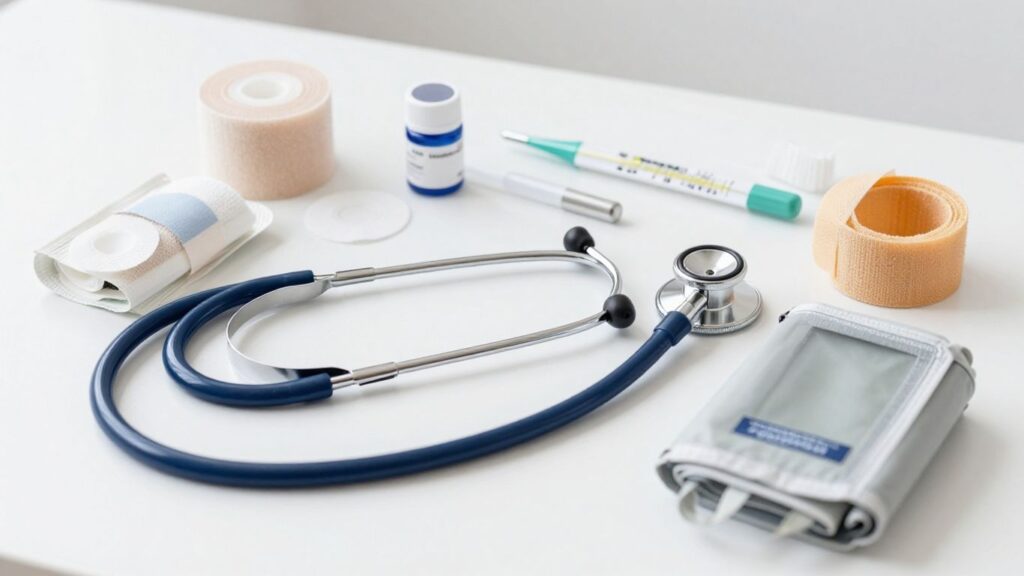
Working as a nurse in Australia means you’re on your feet a lot, and you need the right gear to get through those long shifts. From comfy shoes that won’t let you slip to a stethoscope that actually works, having good nurses equipment australia makes a big difference. Let’s talk about what you really need.
Key Takeaways
- When picking nursing shoes, think about comfort and safety first. Look for good grip and support to keep your feet happy all day.
- Scrubs should be comfortable and durable. Check if your workplace has specific colour or style rules before you buy.
- A good stethoscope is a nurse’s best friend. Acoustic ones are common, but electronic ones can help with faint sounds.
- Look after your stethoscope. Cleaning it regularly and storing it properly will make it last longer.
- You can buy nurses equipment australia from online stores or physical shops. Brands like Medshop and DocStock are good places to start.
Essential Footwear For Australian Nurses
Understanding The Importance Of Proper Footwear
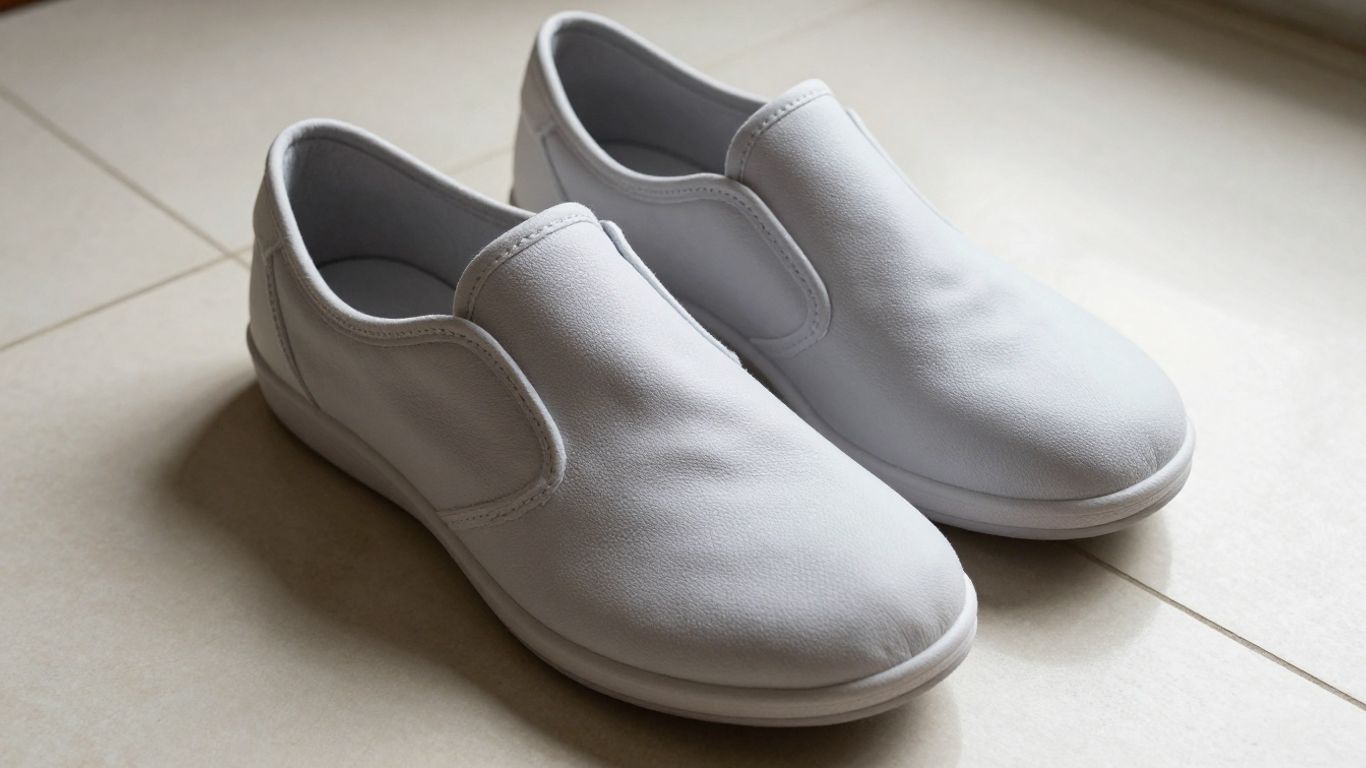
Look, being a nurse in Australia is no walk in the park. You’re on your feet for hours, running between patients, and dealing with all sorts of situations. That’s why the shoes you wear aren’t just an afterthought; they’re a serious piece of kit. Proper footwear is all about keeping you comfortable, safe, and able to do your job without your feet screaming at you by lunchtime. It helps with your posture, stops you from getting aches and pains, and generally makes those long shifts a bit more manageable. Think of them as your trusty sidekicks in the healthcare hustle.
Types Of Nursing Shoes
When it comes to nursing shoes, there’s a fair bit of variety. You’ve got your classic clogs, which are pretty popular because they’re easy to slip on and off and offer good protection. Then there are athletic sneakers, which a lot of nurses go for because they’re usually lightweight and have heaps of cushioning. Some brands even make specific shoes designed for healthcare workers, offering a good mix of support and comfort. It really comes down to what feels best for your feet and your specific role. For some great options, check out top picks for nurses.
Key Considerations For Nursing Shoes
So, what should you be looking for when you’re shoe shopping for work? First off, comfort is non-negotiable. You want good cushioning to absorb all that impact from being on your feet all day. Slip resistance is also a biggie – you don’t want to be doing the splits in a busy ward. Arch support is another thing to keep an eye on; it helps spread your weight evenly and stops your feet from getting sore. And finally, make sure they’re durable and easy to clean. Hygiene is key in healthcare, and you want shoes that can handle a bit of wear and tear and a good scrub down.
When you’re trying on shoes, do it later in the day. Your feet swell up a bit as the day goes on, so this way you’ll get a more accurate fit. Walk around in them for a bit in the store to see how they feel.
Here’s a quick rundown of what to prioritise:
- Comfort and Cushioning: Look for shoes that feel soft and supportive underfoot.
- Slip Resistance: Check the sole for good grip patterns.
- Arch Support: Ensure they support the natural curve of your foot.
- Durability: Choose materials that look like they’ll last.
- Easy to Clean: Smooth surfaces are generally easier to wipe down.
Choosing The Right Nursing Scrubs
Consider Workplace Requirements
Before you even start looking at different styles, have a quick chat with your workplace. Some hospitals or clinics have specific rules about what colour or type of scrubs you need to wear. It’s a bit of a bummer to buy a whole new set only to find out they’re not allowed. So, get the lowdown on any dress code first. This will save you time and hassle down the track.
Maintain A Professional Appearance
While comfort is a big deal, looking professional is also important. Your patients and their families need to feel confident in your care, and your uniform plays a part in that. Think about styles and colours that look neat and tidy. It doesn’t mean you can’t have a bit of personality, but it’s good to keep it professional.
Focus On Quality And Durability
Nurses are on their feet a lot, and scrubs go through a lot – think long shifts and frequent washing. You don’t want your scrubs falling apart after a few weeks. Look for good quality fabrics that can handle regular washing and wear. Materials that are breathable and don’t fade easily are a good bet. Some brands even offer guarantees on colour fastness, which is a nice bonus.
Added Extras For Scrubs
Beyond the basic fabric and fit, there are a few extra features that can make a difference. Pockets are a lifesaver for keeping essentials like pens, scissors, or your phone handy. Some scrubs come with special coatings, like antimicrobial or water-resistant finishes, which can add an extra layer of protection. It’s worth checking out brands like Dr. Woof Apparel for a good range of quality options.
Here’s a quick rundown of what to look for:
- Fabric: Breathable, durable, and easy to wash.
- Fit: Comfortable with enough room to move, but not too baggy.
- Pockets: Enough for your needs, placed conveniently.
- Special Features: Antimicrobial or water-resistant coatings if needed.
Choosing the right scrubs is about balancing comfort, professionalism, and practicality. They’re your work uniform, so investing in a good set that meets your needs and your workplace’s requirements makes a lot of sense.
Essential Stethoscopes For Nurses
A stethoscope is pretty much the most recognisable piece of kit a nurse has, isn’t it? It’s not just a tool; it’s like an extension of your ears, helping you listen in on what’s happening inside a patient. Picking the right one can make a real difference in your day-to-day work, from spotting subtle changes to just feeling more confident in what you’re hearing. There’s a fair bit to think about, from the basic types to what features actually matter.
Types Of Stethoscopes Explained
Stethoscopes generally fall into a couple of main categories, with some specialised versions thrown in for good measure. Knowing the difference helps you choose what’s best for your needs.
- Acoustic Stethoscopes: These are your classic stethoscopes. They work by transmitting sound waves from the patient’s body through the tubing to your ears. They usually have two sides to the chestpiece: a diaphragm for picking up higher-pitched sounds like lung and bowel sounds, and a bell for lower-pitched sounds, such as certain heart murmurs.
- Electronic Stethoscopes: These are a bit more high-tech. They use electronic sensors to pick up sounds, amplify them, and then transmit them to your ears. This can be a real game-changer when you’re trying to hear faint sounds or in noisy environments. Many also come with features like noise reduction and the ability to record sounds, which is handy for teaching or telemedicine.
- Specialty Stethoscopes: Beyond the main two, you’ll find stethoscopes designed for specific jobs. Think cardiology stethoscopes with super-sensitive acoustics for detailed heart checks, paediatric stethoscopes with smaller chestpieces for little ones, or even veterinary ones with extra-long tubing.
Top Features To Look For
When you’re looking at stethoscopes, a few things really stand out as important for nurses:
- Sound Quality: This is number one, obviously. You want a stethoscope that lets you hear clearly without a lot of background noise. Look for good acoustic sensitivity.
- Comfort: You’ll be wearing this thing for hours, so comfort is key. Angled earpieces that fit well, a lightweight design, and tubing that doesn’t feel stiff all add up.
- Durability: Nursing is a busy job, and your equipment needs to keep up. A sturdy build means it’ll last longer, saving you money and hassle in the long run.
- Dual-Lumen Tubing: Some stethoscopes have tubing that splits into two separate paths from the chestpiece to the earpieces. This can help reduce friction noise and improve sound transmission.
Maintenance And Care Tips
Looking after your stethoscope means it’ll serve you well for years. It’s not complicated, but a little effort goes a long way.
- Cleaning: The best way to keep it clean is with a 70% isopropyl alcohol wipe. Just give the earpieces and chestpiece a good wipe down after each patient. Never submerge your stethoscope in liquid, as this can damage the materials.
- Storage: Try to keep it out of direct sunlight and away from extreme heat. Storing it in a protective case when you’re not using it is a good idea to prevent damage.
- Regular Checks: Have a quick look at the tubing and connectors now and then for any signs of wear or cracks. If the eartips feel worn or uncomfortable, they’re usually easy to replace.
A well-maintained stethoscope not only performs better but also reflects a professional approach to patient care. It’s a small detail that can build confidence with both patients and colleagues.
Comfort And Safety In Nursing Shoes
Slip-Resistant Features
Working in a hospital or clinic means you’re going to encounter spills, whether it’s water, coffee, or something else entirely. That’s why having shoes with good grip is a big deal. You don’t want to be worrying about slipping and falling when you’re trying to help someone. Look for shoes that have a sole designed to stick to the floor, even when it’s a bit wet. It’s not just about avoiding a tumble; it’s about staying steady and confident as you move around.
Supportive And Comfortable Design
Long shifts on your feet can really take a toll. The right shoes should feel like they’re giving your feet a hug, not a punishment. This means looking for good cushioning, especially in the sole, to absorb all that impact. Arch support is also super important. It helps spread your body weight evenly, so you don’t end up with sore feet or aching legs by the end of your day. Make sure there’s enough room in the toe box so your toes aren’t squished together.
Durability And Easy Maintenance
Nurses’ shoes need to be tough. They’ll be worn for hours every day, often in demanding environments. You want something that will last and not fall apart after a few months. Plus, keeping things clean is a must in healthcare. So, pick shoes that are made from materials that are easy to wipe down and disinfect. This way, you can keep them looking good and hygienic without too much fuss.
Choosing the right footwear is more than just picking something that looks nice. It’s about investing in your own well-being and safety throughout your demanding shifts. Think about how much time you spend on your feet and what your feet go through each day. The right shoes can make a world of difference to your comfort and your ability to do your job well.
Understanding Stethoscope Functionality

Acoustic Vs Electronic Stethoscopes
When you first start looking at stethoscopes, you’ll notice there are two main types: acoustic and electronic. Acoustic ones are the classic kind you probably picture. They work by transmitting sound waves from the patient’s body through the tubing to your ears. They usually have a diaphragm for picking up higher-frequency sounds, like normal breath sounds, and a bell for lower-frequency sounds, such as certain heart murmurs.
Electronic stethoscopes, on the other hand, do things a bit differently. They use a sensor to pick up body sounds and then amplify them electronically. This can be a real game-changer when you’re trying to hear faint sounds or in noisy environments. Many electronic models also come with features like noise reduction and the ability to record sounds, which can be handy for teaching or if you need to share findings.
Specialty Stethoscopes
Beyond the basic acoustic and electronic types, there are stethoscopes designed for specific jobs. For instance, cardiology stethoscopes are built with really superior acoustics, letting you pick up the tiniest details in heart sounds. If you’re working with kids, a paediatric stethoscope has a smaller diaphragm, making it easier to get a good seal on a child’s chest. And for those working with animals, veterinary stethoscopes often have longer tubing so you can examine patients safely from a bit of a distance.
Using Your Stethoscope Effectively
Getting the most out of your stethoscope involves a few key things. First, make sure the earpieces are angled correctly for your ears – they should point forward, following the natural path into your ear canals. This small adjustment makes a big difference in how clearly you hear. When you place the chestpiece, remember to use the diaphragm for higher-pitched sounds like lung and bowel sounds, and switch to the bell for lower-pitched sounds, like some heart murmurs or vascular sounds.
It’s also good to know what you’re listening for. With the heart, you might be trying to detect murmurs, irregular rhythms, or extra beats. For the lungs, you’ll be listening for things like wheezes, crackles, or if breath sounds are diminished. And when listening to the abdomen, you’re checking for the presence or absence of bowel activity.
Regular cleaning with 70% isopropyl alcohol is important, but never dunk your stethoscope in liquid. Keep it out of direct sunlight and extreme heat to prevent the tubing from degrading. Replacing ear tips when they look worn out is also a good idea for hygiene and comfort.
Where To Buy Nurses Equipment In Australia
Online Retailers For Medical Supplies
When you’re on the hunt for nursing gear in Australia, the internet is your best mate. Online stores offer a massive selection, often with competitive prices and the convenience of home delivery. You can find everything from comfy, supportive shoes to durable scrubs and high-quality stethoscopes without leaving your couch. Many Australian-based online retailers specialise in medical supplies, meaning they understand what healthcare professionals need. They often stock well-known brands and might even have their own lines designed specifically for the demands of nursing work. Plus, you can usually find detailed product descriptions and customer reviews to help you make a good choice. It’s always a good idea to check if the retailer is Australian-based to potentially save on shipping costs and support local businesses.
Physical Stores For Scrubs And Shoes
Sometimes, you just need to see and feel things for yourself, right? Physical stores offer that hands-on experience. You can try on shoes to make sure they fit just right – remember, trying them on later in the day when your feet are a bit bigger is a smart move. You can also check the fabric and fit of scrubs before you buy. Many larger cities and regional centres have dedicated medical supply stores. These places are great because the staff usually know their stuff and can offer personalised advice. You might find a wider range of specific brands or styles in these brick-and-mortar shops compared to general department stores.
Brands Specialising In Nursing Gear
Several brands have built a solid reputation for creating gear specifically for nurses and other healthcare workers. When looking for footwear, brands known for slip-resistant soles, good arch support, and cushioning are worth considering. For scrubs, look for those made from breathable, durable fabrics that are also easy to clean. Some brands even offer extras like anti-microbial coatings or water-resistant finishes, which can be a real lifesaver in a busy environment. Don’t forget to check out brands that offer a good range of sizes and fits to ensure you find something that works for your body and your job. Some popular choices you might come across include:
- Elitecare: Known for reliable and practical nursing uniforms.
- Koi: Offers a range of fashionable and comfortable scrubs.
- Dr. Woof Athletikan: Focuses on supportive and slip-resistant footwear designed for long shifts.
Remember, Australian workplace health and safety guidelines might influence the type of footwear you need. Always check if your chosen shoes meet relevant safety standards for healthcare settings.
Wrapping Up
So there you have it, a look at some of the gear nurses in Australia might need. It’s not just about having the right tools, though, is it? It’s about making sure you’re comfortable and safe while you’re doing your important work. From comfy shoes that won’t let you slip, to practical scrubs that let you move freely, and of course, a reliable stethoscope to listen in on what’s going on inside. Having the right kit can really make a difference during those long shifts. It’s worth taking the time to find what works best for you and your day-to-day. After all, you deserve to be looked after too while you’re looking after everyone else.
Frequently Asked Questions
What makes nursing shoes essential in Australia?
In Australian hospitals and clinics, nurses are on their feet for long hours. Good nursing shoes provide the comfort and support needed to prevent foot pain and keep you going. They also often have special non-slip soles to prevent accidents on wet floors, which is super important in a busy healthcare setting.
Are there any rules about what nurses can wear in Australia?
Yes, some workplaces in Australia have rules about uniforms, including specific colours or styles of scrubs. It’s always best to check with your employer first to make sure you’re following their guidelines. This helps everyone look professional and part of the team.
What’s the main difference between acoustic and electronic stethoscopes?
Acoustic stethoscopes are the classic kind you see most often. They use a diaphragm and bell to pick up body sounds. Electronic stethoscopes are more advanced; they can make faint sounds louder and sometimes even record them, which can be really helpful for learning or sharing information.
How often should I clean my stethoscope?
You should clean your stethoscope regularly, especially the earpieces and chestpiece, after each use if possible. A good wipe down with a special cleaning solution (like 70% isopropyl alcohol) will keep it hygienic. Avoid getting the tubing wet or leaving it in the sun.
Where can I buy good quality nursing gear in Australia?
You can find nursing equipment like scrubs and shoes at many places in Australia. Online stores often have a huge selection, and there are also physical shops that specialise in medical supplies. Look for well-known brands that are known for being comfortable and durable.
What should I look for in comfortable nursing shoes?
When picking nursing shoes, comfort is key! Make sure they have good cushioning to soften the impact of walking, and look for decent arch support to help your feet feel good all day. Also, check that they have non-slip soles for safety and are made from materials that are easy to clean.