
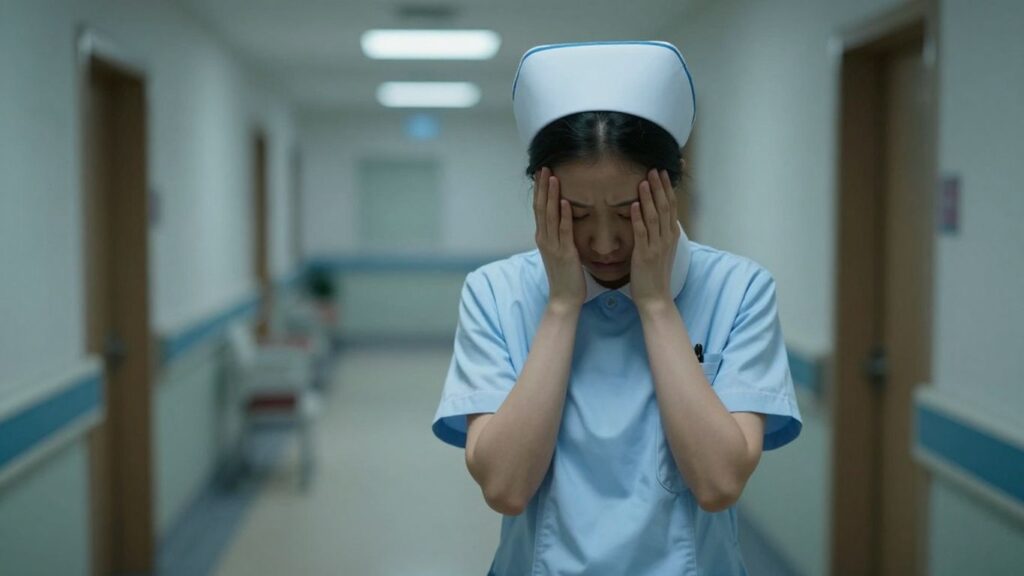
It feels like everywhere you look lately, there’s talk about nurses being stretched too thin. And honestly, it’s not just talk. We’re seeing some pretty concerning nursing burnout statistics australia, and it’s got everyone wondering if we’re heading towards a real crisis in healthcare. This isn’t just about nurses feeling a bit tired; it’s a complex issue with serious consequences for everyone involved.
Key Takeaways
- Nursing burnout in Australia is a widespread issue, going beyond simple tiredness to encompass emotional, physical, and mental exhaustion, impacting over 40% of nurses at times.
- Key factors driving this burnout include chronic understaffing leading to unmanageable workloads, the heavy emotional toll of patient care, and moral distress from ethical conflicts.
- The consequences are significant, affecting patient safety through increased errors, costing the healthcare system millions, and causing high staff turnover, which leads to a loss of experienced professionals.
- Recognising burnout early is vital, with signs including emotional exhaustion, detachment, physical symptoms like fatigue and illness, and a drop in job satisfaction and effectiveness.
- Addressing this crisis requires systemic changes, including greater investment in nursing, empowering nurses to advocate for better conditions, and acknowledging that nurse wellbeing is directly linked to patient health outcomes.
Understanding The Scale Of Nursing Burnout In Australia
It feels like everywhere you turn, you hear about nurses being stressed, overworked, and just plain exhausted. But what does that actually look like here in Australia? It’s more than just a bad day at work; it’s a serious issue affecting our healthcare system.
Defining Nurse Burnout: More Than Just Tiredness
When we talk about burnout, we’re not just talking about feeling a bit weary after a long shift. Burnout is a state of deep physical and emotional exhaustion. The World Health Organization even recognises it as a workplace phenomenon. It’s characterised by feeling drained of energy, developing a sense of detachment from your job, and feeling less effective in what you do. For nurses, this can show up in a few ways:
- Emotional Exhaustion: Feeling completely depleted, like you’ve got nothing left to give.
- Detachment: Becoming cynical or distant from patients and colleagues.
- Reduced Professional Efficacy: Doubting your own abilities and feeling like you’re not making a difference.
It’s a complex mix of physical, emotional, and mental strain that builds up over time.
The Growing Prevalence Of Burnout Across Australian Hospitals
Burnout isn’t a new problem, but it’s definitely gotten worse, especially after the challenges of recent years. Studies show that a significant number of nurses are feeling the heat. For instance, a survey of nurses in Australia found that nearly 40% were experiencing high levels of emotional exhaustion. This isn’t a small group; it’s a substantial portion of our nursing workforce. The pressure on our hospitals means nurses are often stretched thin, dealing with more patients and more complex needs than ever before.
The demands placed on nurses are immense. They’re expected to provide precise clinical care while also offering deep human compassion, often in environments that are short on resources and high on emotional intensity. When this pressure continues for extended periods without adequate support, burnout becomes a very real outcome.
Burnout Rates In Specific Nursing Specialities
While burnout can affect any nurse, some areas seem to be hit harder than others. Specialities like emergency care, intensive care units (ICUs), and oncology often report higher rates. These are the frontline areas where nurses deal with critical situations, trauma, and high patient acuity daily. The emotional toll in these areas can be particularly heavy, leading to increased burnout. It’s a tough reality for those working in these vital but demanding fields. The Australian College of Nursing is calling for more investment in registered nurses to help tackle these issues unlocking the potential of the nation’s nurses.
| Speciality Area | Reported Burnout Tendency |
|---|---|
| Emergency | High |
| Intensive Care | High |
| Oncology | High |
| General Wards | Moderate to High |
| Community Care | Moderate |
Key Drivers Fuelling Australia’s Nursing Burnout Crisis
Chronic Understaffing And Unmanageable Workloads
It feels like you can’t open a newspaper or scroll through social media these days without seeing something about nurses being overworked. And honestly, it’s not just a feeling. The numbers paint a pretty stark picture. We’ve got more people needing care, especially with our population getting older, but not enough nurses to go around. This means the nurses who are there are often juggling way more than they should be. Think about it: one nurse looking after a ward that really needs two, or even three. It’s a recipe for disaster, not just for the nurses but for everyone.
This constant pressure to do more with less leads to a situation where nurses are always on the back foot. They’re rushing from one patient to the next, barely having time for a quick break, let alone a proper meal. It’s exhausting, physically and mentally. The demand for nurses is growing, and without enough staff, the workload just keeps piling up. It’s a tough cycle to break.
The sheer volume of patients and the complexity of their needs, combined with insufficient staffing, creates an environment where mistakes are more likely and patient care can suffer. It’s a systemic issue that needs a serious look.
The Emotional Labour Of Caring For Others
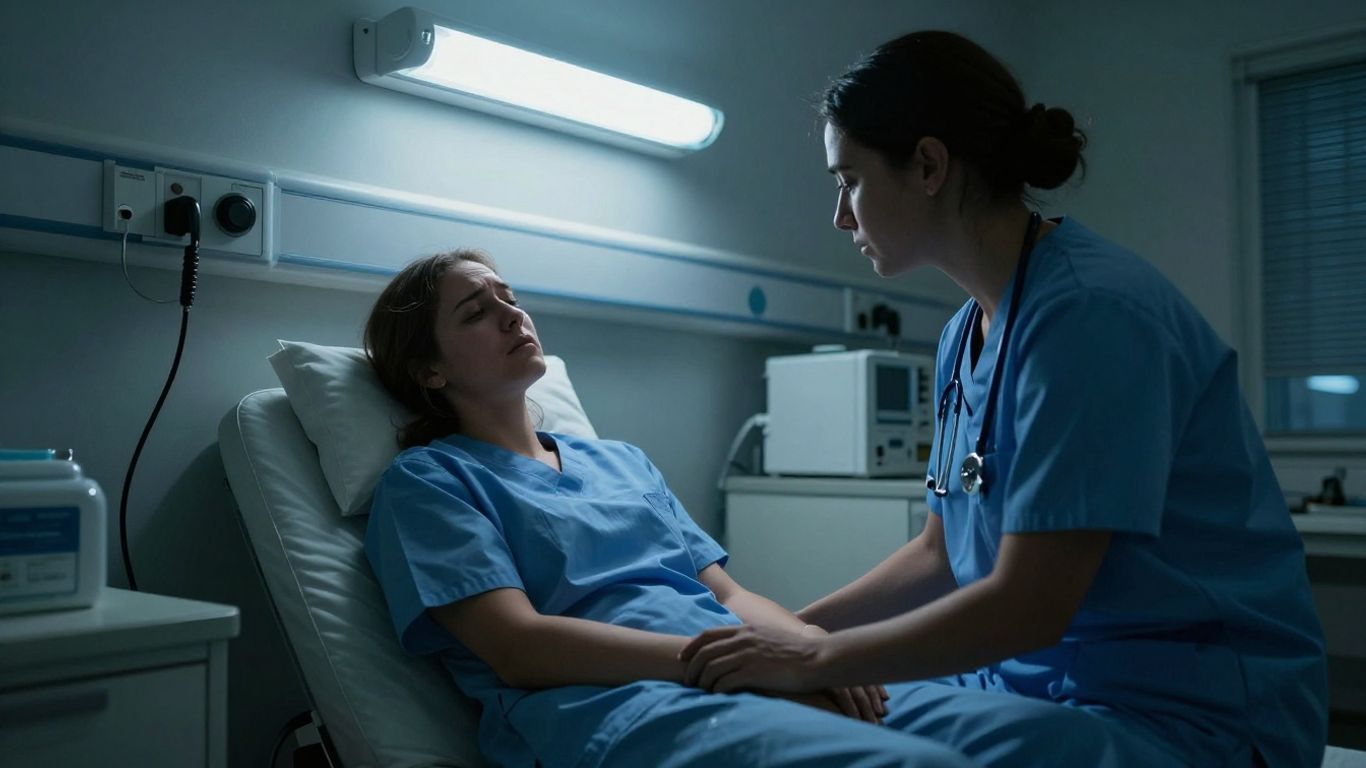
Nurses do more than just administer medication and check vital signs. A huge part of their job is the emotional side of things. They’re the ones holding hands, offering comfort, and delivering difficult news. They have to be strong and compassionate, even when they’re feeling drained themselves. This constant emotional output, day in and day out, takes a massive toll. It’s like running a marathon every single day, but with your heart and mind, not just your legs.
Imagine dealing with a patient who’s in a lot of pain, or a family who’s terrified about a loved one’s condition. Nurses have to manage their own feelings while also supporting others. It’s incredibly demanding. This emotional labour isn’t always recognised as part of the job, but it’s a massive contributor to burnout. It’s the quiet exhaustion that creeps in after weeks and months of being everyone’s rock.
Moral Distress And Ethical Conflicts In Nursing Practice
Sometimes, nurses find themselves in situations where they know what the right thing to do is, but they can’t actually do it because of hospital policies, staffing shortages, or a lack of resources. This is what we call moral distress. It’s that awful feeling of being stuck between your professional ethics and the reality of your workplace. For example, a nurse might feel they can’t provide the level of care a patient deserves because they’re spread too thin, or they might disagree with a treatment plan but feel powerless to change it.
This kind of conflict chips away at a nurse’s sense of purpose and can lead to feelings of guilt and frustration. It’s not just about being tired; it’s about feeling like you’re compromising your values. Over time, this can really wear a person down, making them question their career choice. It’s a heavy burden to carry, and it’s a significant reason why so many nurses are feeling the strain. The gap between what nurses are trained to do and what they can actually achieve in their daily work is a major source of stress, impacting their overall wellbeing and job satisfaction. This is a problem that affects nurses across New Zealand too, highlighting a broader issue in the region.
The Far-Reaching Consequences Of Nurse Burnout
It’s not just about nurses feeling a bit flat after a tough week. Burnout in nursing has some pretty serious ripple effects, impacting not just the nurses themselves but also the people they care for and the healthcare system as a whole. When nurses are running on empty, things start to slip, and that’s a problem for everyone.
Impact On Patient Safety And Care Quality
When nurses are exhausted and emotionally drained, their ability to provide top-notch care takes a hit. It’s like trying to run a marathon with no sleep – you’re just not going to perform at your best. This can lead to mistakes, like missed medication doses or failing to spot a patient’s condition worsening. It’s a tough reality, but studies have shown a direct link between nurse burnout and patient safety incidents. The more burned out a nurse is, the higher the chance of errors occurring. This isn’t just about a bad day; it’s about the cumulative effect of stress and exhaustion on clinical judgment.
- Increased likelihood of medication errors.
- Slower recognition of patient deterioration.
- Reduced attention to detail in care tasks.
- Less compassionate and empathetic patient interactions.
The strain on nurses means that the quality of care can suffer, leading to outcomes that could have been avoided with a well-rested and engaged workforce. It’s a cycle that needs breaking.
The Significant Economic Cost To Healthcare Systems
Burnout isn’t cheap. For hospitals and health services, the cost of dealing with a burned-out workforce is substantial. Think about it: when nurses leave because they can’t cope anymore, the organisation has to spend a fortune recruiting and training new staff. That’s a huge expense, not to mention the cost of agency nurses who often come in at higher rates and don’t have the same familiarity with the ward or patients. It all adds up, making investment in nurse wellbeing a financially smart move.
| Cost Area | Estimated Impact |
|---|---|
| Recruitment & Training | Tens of thousands of dollars per nurse |
| Agency Staff | Premium rates, less continuity of care |
| Lost Productivity | Reduced efficiency due to exhaustion |
| Compromised Care Quality | Increased complications, longer stays |
Staff Turnover And Loss Of Institutional Knowledge
When nurses burn out, they often leave. This constant churn is a massive drain on healthcare services. Each nurse who walks out the door takes with them a wealth of experience and knowledge about how things work in that specific hospital or unit. This ‘institutional knowledge’ is incredibly valuable for smooth operations and effective patient care. Losing it means that newer staff, or temporary replacements, have to learn from scratch, slowing things down and potentially impacting the quality of care. It also means that the remaining staff have to pick up the slack, which just adds to their own workload and stress, making them more likely to burn out too. It’s a vicious cycle that’s hard to escape without real change, and it’s something that affects patient care outcomes significantly.
Burnout can also lead to nurses experiencing trauma, especially in areas like aged care where they might witness difficult situations regularly. This exposure, alongside other workplace stressors, can have a profound impact on their mental health, contributing to their decision to leave the profession. You can read more about the impact of trauma on healthcare workers to understand this aspect better.
Recognising The Signs Of Burnout In Australian Nurses
It’s easy to dismiss feeling tired as just part of the job, but burnout is a whole different beast. It’s more than just a rough shift or two; it’s a persistent state of exhaustion that can really take a toll. Spotting the early signs is key to getting help before things get too serious.
Emotional Exhaustion And Detachment
This is probably the most talked-about symptom. Nurses experiencing emotional exhaustion feel completely drained, like they have nothing left to give. It’s not just physical tiredness; it’s a deep, soul-crushing weariness. This can lead to feeling detached from patients and colleagues, almost like you’re just going through the motions. You might find yourself becoming cynical or irritable, and that spark you once had for the job just seems to have vanished.
Physical Symptoms And Weakened Immunity
Burnout doesn’t just stay in your head; it shows up in your body too. You might notice persistent headaches, stomach issues, or trouble sleeping. Your immune system can also take a hit, making you more susceptible to colds and other illnesses. It’s like your body is constantly screaming for a break. This constant physical drain makes it even harder to cope with the demands of nursing.
Decreased Job Satisfaction And Professional Efficacy
When you’re burnt out, your passion for nursing can really dwindle. You might start questioning why you got into the profession in the first place. That sense of accomplishment you used to get from helping patients? It fades. You might feel less competent, even if you’re doing the same job you always have. This can lead to making more mistakes or feeling like you’re not making a real difference anymore. It’s a tough cycle to break out of, and many nurses start thinking about leaving the profession altogether. If you’re feeling this way, it’s worth looking into support for healthcare workers.
Burnout is a response to chronic workplace stress, not a personal failing. It’s a sign that the system needs attention, not that the individual is weak. Recognising these signs in yourself or a colleague is the first step towards finding solutions and preventing further harm.
Addressing The Nursing Burnout Crisis: A Call For Systemic Change
The Need For Structural Investment In Nursing
Look, we all know nurses are run off their feet. It’s not just about being tired after a long shift; it’s a deep-seated exhaustion that comes from constant pressure and not enough support. While individual coping strategies are helpful, they’re like putting a band-aid on a broken bone if the system itself isn’t fixed. We need real, structural changes, not just more mindfulness apps. This means proper investment in staffing levels, ensuring nurse-to-patient ratios are safe and manageable. It’s about creating workplaces where nurses feel valued and respected, not just expected to sacrifice their wellbeing for the sake of the system. Without this, we’re just going to keep seeing good nurses leave the profession, which only makes the problem worse for everyone.
Empowering Nurses To Advocate For Better Conditions
Nurses themselves have a massive role to play in turning this around. It’s about building strong teams, supporting each other, and not being afraid to speak up when things aren’t right. Setting boundaries between work and home life is also super important – taking your full breaks, using your leave, and actually switching off. It’s not selfish; it’s necessary for long-term survival in this demanding job. We need to move away from the idea that nurses should just ‘tough it out’.
- Build strong collegial relationships: Having a supportive network at work can make a huge difference.
- Set clear boundaries: Protect your personal time and avoid checking work emails when you’re off.
- Take your leave: Annual leave is there for a reason – use it to properly rest and recharge.
The Inseparable Link Between Nurse Wellbeing And Patient Health
It’s pretty straightforward when you think about it: if nurses are burnt out, they can’t provide the best care. It’s not rocket science. When you’re exhausted and stressed, mistakes are more likely, and that impacts patient safety. We’ve seen studies showing that countries with better nurse-to-patient ratios, like in Victoria, Australia, tend to have better patient outcomes. It’s a cycle – happy, healthy nurses mean healthier patients. Ignoring nurse wellbeing isn’t just bad for the nurses; it’s bad for the entire healthcare system and the people it serves. We need to remember that the global nursing shortage affects us all, and supporting our nurses is key to a functioning health service.
Addressing burnout requires more than just individual resilience. It demands a fundamental shift in how healthcare systems value and support their nursing workforce. This includes adequate staffing, supportive management, and a culture that prioritises psychological safety. Without these systemic changes, the crisis will continue to deepen, impacting both nurses and patients.
Future Projections For Nursing Shortages In Australia

Australia’s nursing workforce is in for a rough few years. Shortages aren’t just being predicted—they’re already here in some places, with more trouble expected as we move closer to 2030. Let’s break down what’s coming, why, and where the system will feel it the most.
The Growing Demand Driven By An Ageing Population
It’s no secret that Australia’s population is getting older. As the number of people aged over 65 keeps rising, so does the need for nurses—not just in hospitals, but also in aged care, home care, and community settings. Older people need more health care, more often. They live with chronic illnesses and require ongoing support, which pushes up demand year after year.
- More than 346,700 registered nurses were working nationwide in 2025.
- Every year, about 11,600 new RN jobs need filling, just to keep pace with demand.
- The bulk of new positions are being generated in aged care and community services.
- Rural and regional areas feel these shortages first and hardest, since they’re less able to “import” staff from urban centres.
Without significant changes, Australian health providers will struggle to keep up with basic care needs as the population greys and demand ramps up.
Projected Shortfalls Across Different Healthcare Sectors
By 2030, Australia is expected to face a shortfall of 123,000 registered nurses. Workforce planners are already warning about "critical shortages," especially in sectors like aged care, mental health and rural health.
Here’s a quick look at projected gaps:
| Year | Projected RN Shortage | Key Sectors at Risk |
|---|---|---|
| 2025 | 85,000 | Aged Care, Mental Health |
| 2030 | 123,000 | All Sectors (especially rural) |
Shortfalls come from a mix of factors:
- A large part of the existing workforce plans to retire within 5–10 years.
- Not enough new nurses are being trained—partly due to university and faculty shortages.
- Ongoing burnout and stress add to attrition, as nurses leave the profession or shift to part-time work.
If these trends keep up, the sector will see more unfilled shifts, heavier reliance on short-term agency staff, and riskier patient care.
The Role Of International Nurses In Bridging The Gap
With not enough new graduates and more nurses leaving, the spotlight’s on international recruits. Policy shifts are making it easier and faster for overseas-trained nurses to get registered and start working in Australia. In fact, many hospitals and aged care providers treat overseas RNs as a core part of their staffing plans.
Some benefits of recruiting internationally trained nurses:
- Quick access to skilled, experienced professionals
- Taps into a diverse pool of talent with a range of specialisations
- Offers a faster fix while local training capacity is built up
- Reduces pressure on overworked existing staff
But relying so heavily on international nurses is not a permanent fix; it needs to be paired with better retention of local nurses and expanded training for future growth.
Australia’s path forward is clear: unless the system grows training places, supports older nurses to stay on, and keeps recruiting from overseas, health providers everywhere—from big cities to country towns—will find it even harder to fill their rosters in the next decade. The nursing crisis isn’t looming. It’s already knocking at the door.
So, Are We Facing a Crisis?
Look, the numbers don’t lie. We’ve seen that burnout isn’t just a buzzword; it’s a real problem hitting Aussie nurses hard. It’s not just about them feeling knackered after a shift, either. It affects patient care, it costs the system a fortune, and honestly, it’s driving good people away from a job they care about. We’ve got a shortage looming, and if we don’t sort out the burnout issue, things are going to get a whole lot tougher for everyone. It’s not just about saying thanks on Nurse Week; it’s about making actual changes so our nurses aren’t just surviving, but thriving.
Frequently Asked Questions
What exactly is nurse burnout?
Nurse burnout is more than just feeling knackered after a long day. It’s when nurses feel totally drained, both physically and emotionally, because of constant stress at work. They might feel like they can’t cope anymore, start feeling distant from their job, and think they aren’t doing a good job, even if they are.
How common is nurse burnout in Australia?
It’s pretty common. Studies show a lot of nurses in Australia are feeling burnt out, especially after busy times like the COVID-19 pandemic. Some reports suggest that a big chunk of nurses are experiencing these feelings, and it’s a serious problem across different hospital areas.
What causes nurses to get burnt out?
Several things can lead to burnout. Often, it’s because there aren’t enough nurses for all the patients, meaning nurses have way too much to do. The emotional toll of caring for sick and distressed people, plus sometimes having to make tough choices that go against their gut feeling, also plays a huge part.
What are the signs that a nurse might be burnt out?
Signs can include feeling super tired all the time, getting sick more often, feeling stressed or down, and finding it hard to care about patients like they used to. They might also feel less happy with their job and start thinking about quitting.
Why is nurse burnout a big deal for patients?
When nurses are burnt out, it can affect patient care. They might make more mistakes, miss important signs that a patient is getting worse, or not have the energy to be as caring. This can lead to safety issues and poorer health outcomes for patients.
What can be done to help nurses who are burnt out?
We need big changes, not just small fixes. This means having enough nurses on staff, making sure workloads are manageable, and creating a work environment where nurses feel supported and valued. It’s also important for nurses to speak up about what they need and for everyone to remember that happy, healthy nurses provide better care.