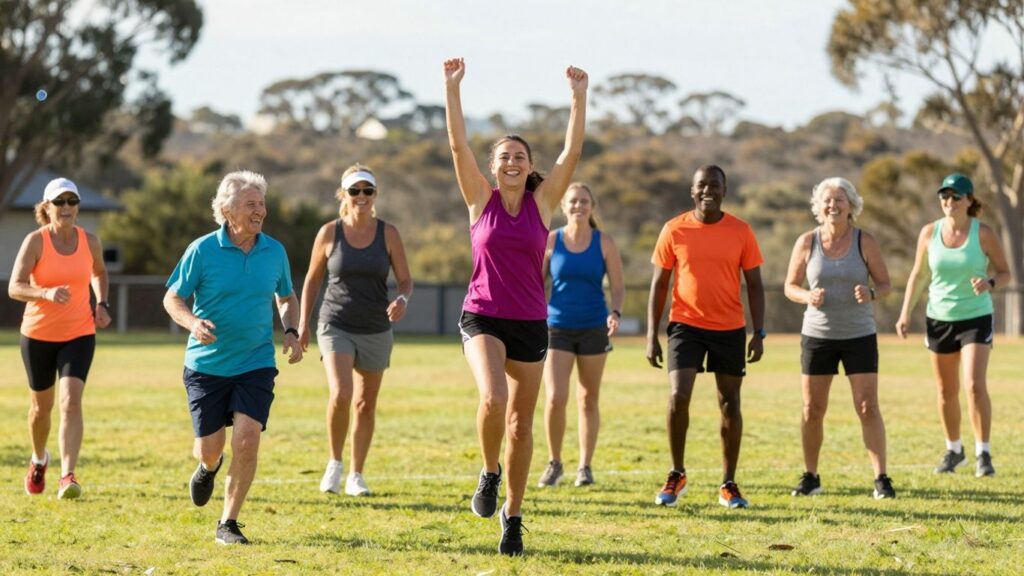
It’s interesting to see how Aussies are getting active these days. Gone are the days when sport just meant showing up for a Saturday game. Now, people are finding ways to move their bodies that fit their busy lives, whether that’s a solo run in the park or a casual kick of the footy with mates. This shift means sports organisations have a real chance to get more people involved, but they need to be smart about it. We’re looking at what’s popular, what’s stopping people, and how we can make sure everyone has a fair go at being active.
Key Takeaways
- More Aussies are choosing informal activities like solo runs or casual games with friends over organised sports.
- People are getting active in new places, with parks, streets, and even their own homes becoming popular spots.
- Traditional sports like basketball, football, and cricket are changing their formats to welcome more people, focusing on fun and flexibility.
- Barriers to participation still exist, especially around accessibility, but community facilities and a focus on enjoyment beyond just winning are helping.
- To boost participation in sports, organisers need to keep up with what people want, offer diverse options, and make sure everyone feels included.
Shifting Landscapes in Australian Sports Participation
G’day everyone! It feels like just yesterday we were all heading down to the local club for footy or netball every weekend. But if you’ve been paying attention, you’ll know things are changing, and not just a little bit. The way Aussies are getting active is really shifting, and it’s pretty interesting to see.
The Rise of Informal Activities
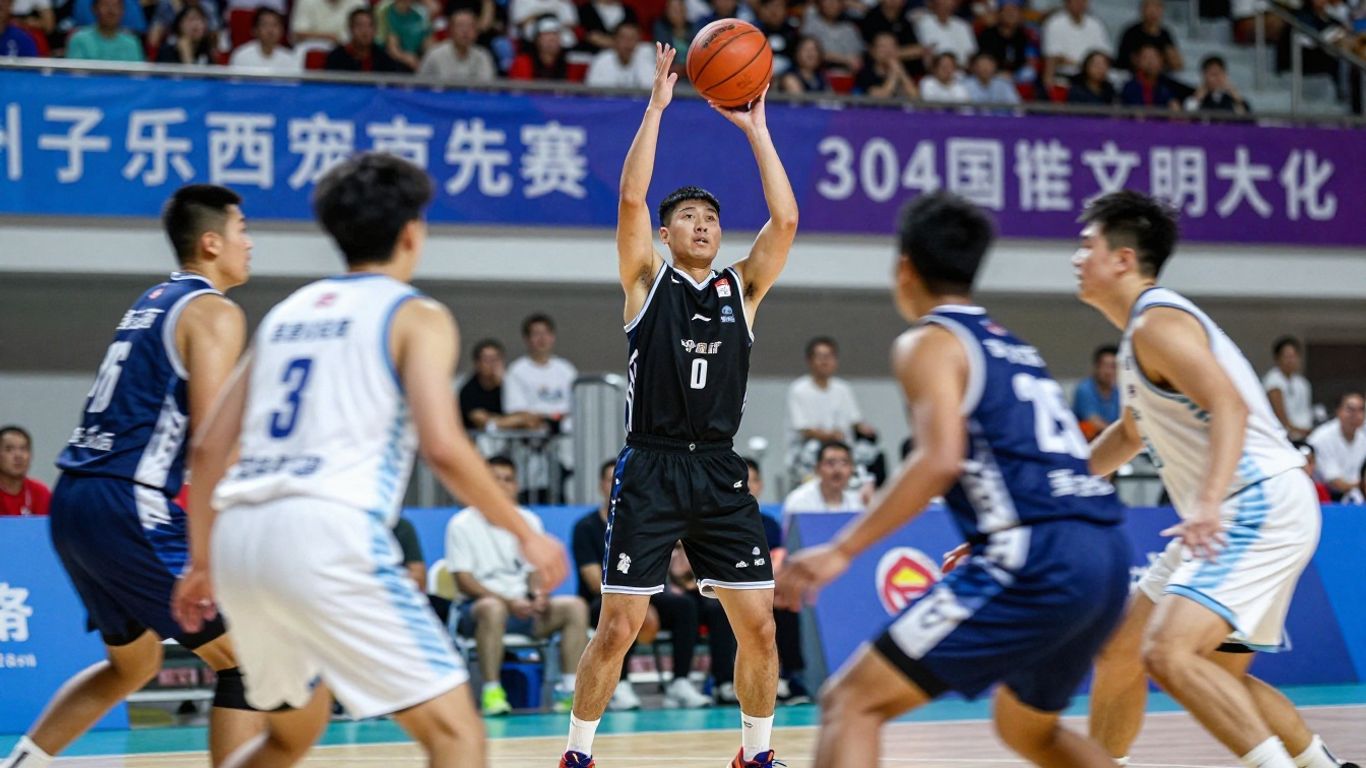
One of the biggest things we’re seeing is a massive jump in people doing sports and activities without the formal club structure. Think kicking a footy around at the park, shooting hoops in the driveway, or going for a bike ride with mates. It’s less about the organised competition and more about just having a go and having a bit of fun. For example, a good chunk of people playing basketball, like nearly half, are doing it informally. It’s a big change from the old days where if you played a sport, you were probably in a club.
Evolving Settings for Getting Active
So, where are people actually doing this stuff? Well, it’s not just the sports grounds anymore. Parks, beaches, even our own backyards are becoming the new stadiums. A recent survey showed that over 60% of adults are getting active outdoors, and about 30% are doing it at home. Gyms and sports centres are still popular, but they’re not the only game in town. This means sports organisations need to think outside the traditional clubhouse.
Impact of Societal Changes on Play
Life’s different now, isn’t it? We’re all busier, and what we want from our leisure time has changed. Plus, you can’t ignore what happened with COVID-19. It really shook things up, forcing a lot of organised sport to stop while people could still get out for a run or a walk. What we’re seeing now is that many people who got used to those more flexible, individual activities aren’t necessarily rushing back to the old club model. People want options that fit their lives, not the other way around.
The way Australians engage with sports and physical activity is moving beyond traditional club settings. This shift is driven by changing lifestyle preferences and has been accelerated by events like the pandemic, leading to a greater emphasis on informal and flexible participation opportunities.
New Opportunities for Increased Participation in Sports
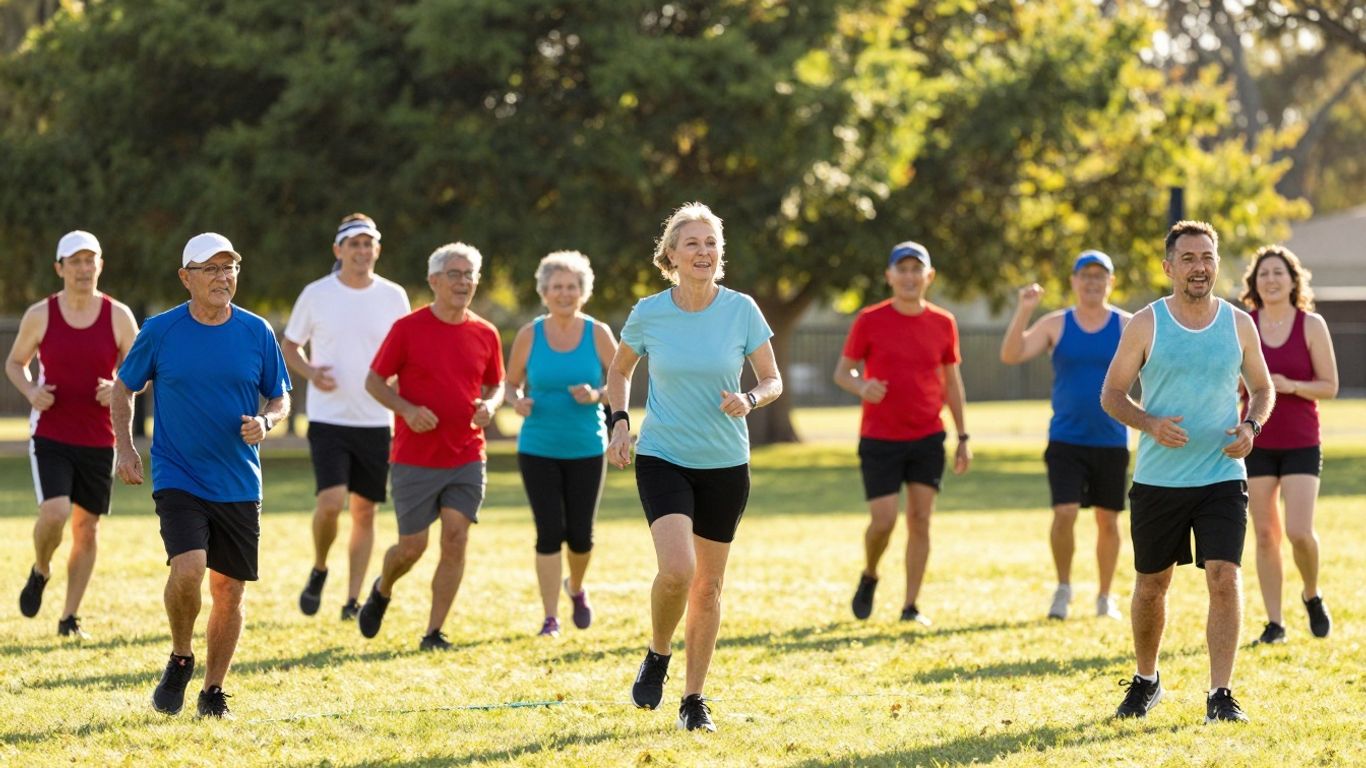
It’s pretty clear that the way Aussies want to get active is changing, and sports organisations need to keep up. The old-school model of just focusing on competitive club sport isn’t hitting the mark for everyone anymore. People are looking for different ways to play, and that’s where the real opportunities lie.
Adapting Traditional Sports Formats
Traditional sports are starting to realise they can’t just stick to the same old rules. Think about it – not everyone wants to commit to a full season with rigid training schedules. We’re seeing sports tweak their formats to be more flexible. This could mean shorter games, leagues that are more about socialising than winning, or even just offering more casual drop-in sessions.
- Shorter game formats: Like T20 cricket or modified basketball games.
- Social leagues: Less emphasis on intense competition, more on fun and mateship.
- Flexible scheduling: Allowing people to sign up for shorter periods or specific times that suit them.
Embracing Non-Traditional Programs
Beyond just tweaking existing sports, there’s a whole world of new programs popping up. These often focus on activities that are less about winning and more about just having a good time and being active with friends. It’s about meeting people where they are and offering something that fits their lifestyle, not the other way around.
The key here is to create environments where the primary goal is enjoyment and social connection, rather than solely focusing on skill development and competitive outcomes. This shift can open doors for individuals who might have felt intimidated by traditional sports structures.
Focus on Fun and Inclusivity
Ultimately, if it’s not fun, people won’t stick with it. And it needs to be welcoming to everyone, no matter their age, ability, or background. This means ditching the idea that sport is only for the super-fit or the naturally talented. It’s about creating spaces where everyone feels they belong and can have a go.
Here’s what that looks like:
- Inclusive language and marketing: Making sure everyone sees themselves represented.
- Modified rules for different abilities: So everyone can participate safely and enjoyably.
- Emphasis on participation over performance: Celebrating effort and enjoyment.
| Activity Type | Traditional Focus | New Opportunity Focus | Example |
|---|---|---|---|
| Club Sport | Competition, Winning | Fun, Social | Social netball league, casual soccer |
| Fitness | Performance, Weight Loss | Wellbeing, Community | Walking groups, park yoga sessions |
| Outdoor Recreation | Skill-based, Solo | Social, Accessible | Group cycling, bushwalking clubs |
Understanding Who Is Participating and Where
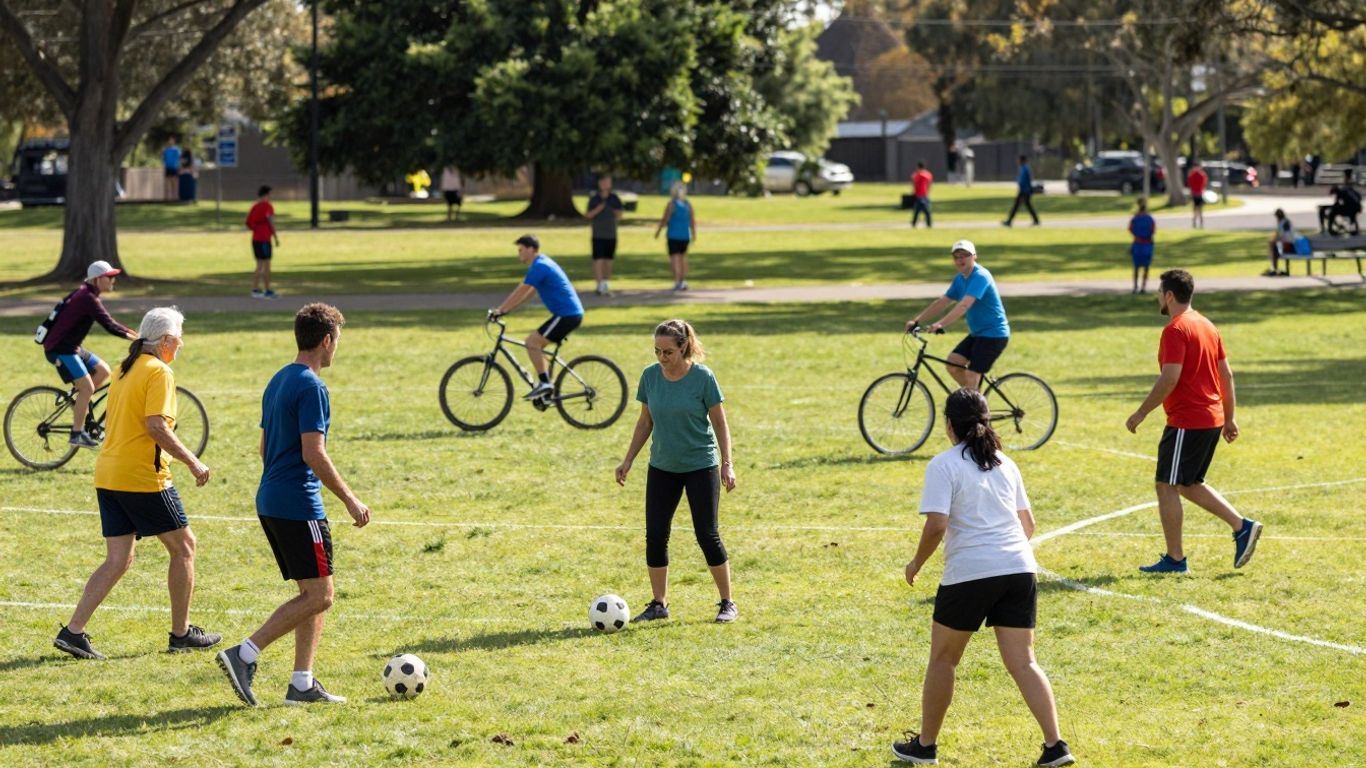
It’s pretty interesting to look at who’s actually getting out there and having a go, and where they’re doing it. Gone are the days when everyone just signed up for the local footy club and that was that. People are getting active in all sorts of ways now, and it’s not just about the traditional sports we grew up with.
Demographic Trends in Activity
When we break down who’s participating, we see some clear patterns. Age and gender still play a role, but it’s not as straightforward as it used to be. Younger folks might be drawn to different activities than older generations, and we’re seeing more women getting involved in sports that were once male-dominated. It’s a mixed bag, really.
Popularity of Public and Home-Based Exercise
| Activity Type | % of Participants |
|---|---|
| Park/Outdoor | 45% |
| Home | 30% |
| Gym/Fitness | 25% |
As you can see, getting active in public spaces like parks or even just at home is becoming super popular. It’s less commitment than joining a club, and you can often do it whenever suits you. Think jogging in the park, doing a home workout video, or just kicking a ball around with the kids.
Club-Based vs. Independent Engagement
- Club-Based: Still a big part of the sporting landscape, offering organised competition and a sense of community.
- Independent: This includes everything from solo runs to casual games with mates, often driven by personal preference and convenience.
- Hybrid: Many people now do a bit of both, maybe playing a team sport on weekends and going for a run during the week.
The shift towards more flexible and less formal ways of being active means that traditional club structures need to think about how they can cater to these changing preferences. It’s not just about winning trophies anymore; it’s about fitting activity into busy lives and finding enjoyment in the process.
Key Sports Driving Participation Growth
It’s interesting to see which sports are really pulling people in across Australia. While swimming consistently tops the charts for both kids and adults, a few other sports are showing some serious momentum. Basketball, for instance, seems to be a big winner, likely because it’s so adaptable. You can play it in organised leagues, casual park games, or even just shooting hoops with mates. That flexibility is a huge draw.
Then you’ve got the big football codes. Australian Rules Football and Rugby League are always popular, especially in certain states, but they’re also evolving. We’re seeing more modified versions and programs aimed at getting more people involved, not just the super-fit athletes. Cricket, too, is making an effort to be more accessible, with formats like T20 really opening the game up to new fans and players who might not have the time or inclination for traditional, longer matches.
Here’s a quick look at how some of these popular sports stack up for participation:
- Basketball: Known for its quick pace and easy-to-learn basics, making it a hit for all ages.
- Australian Rules Football: A uniquely Australian game with strong community roots, offering both competitive and social play.
- Cricket: Adapting with shorter formats and all-abilities programs to welcome more participants.
- Soccer: Continues to be a global favourite, with strong participation numbers across the country.
It’s not just about the sport itself, though. The way these sports are being offered is changing too. Think less about rigid, old-school club structures and more about flexible, fun, and inclusive ways to get active. This shift is probably why we’re seeing growth in sports that can easily fit into busy modern lives.
The traditional idea of sport, with its strict rules and long commitments, isn’t for everyone anymore. People want options that fit their lifestyle, whether that’s a quick game after work or a casual kick-around on the weekend. Sports that offer this kind of flexibility are the ones that are really seeing the numbers go up.
Barriers and Enablers for Active Australians
Addressing Accessibility Challenges
It’s great that so many Aussies are finding ways to stay active, but we can’t ignore the hurdles that stop some people from joining in. For a lot of us, it comes down to practical stuff. Think about the cost of joining a club, getting to training, or even just buying the right gear. These things can add up pretty quickly, especially if you’re on a tight budget. Then there’s the time factor. Life’s busy, right? Juggling work, family, and other commitments means fitting in sport can feel like a real squeeze. We need to make sure that opportunities are available at times that actually work for people.
The Role of Community Facilities
Local parks, community centres, and public sports grounds are absolute gold for getting people active. They’re often free or low-cost, making them super accessible. We’re seeing a big shift towards people using these spaces for informal get-togethers, like a casual kick of the footy or a walk with mates. It’s not always about formal clubs anymore. These public spaces are where a lot of the action is happening, and we need to keep them in good nick and easy to get to.
| Activity Setting | % of Adults Participating |
|---|---|
| Public Spaces (Parks, Streets, Beaches) | 61% |
| Home-Based | 29% |
| Gym/Fitness/Sports Centre | 28% |
Motivations Beyond Competition
Not everyone is driven by winning trophies or climbing the ladder. For many, the main drawcard is simply having a good time, catching up with friends, or just getting out and about for a bit of fresh air. This is why programs that focus on fun, social connection, and just moving your body are so important. Think about walking groups, social netball leagues, or even just casual park runs. These kinds of activities welcome everyone, regardless of their skill level or whether they’re super competitive. It’s about creating a positive vibe where people feel good about being active.
The data shows a clear trend: people are looking for flexibility and enjoyment in their physical activities. While organised sport still has its place, the rise of informal gatherings and community-based programs highlights a desire for less structured, more inclusive ways to stay fit. This means sports organisations need to think outside the traditional club model to capture a wider audience.
Future Directions for Sport Engagement
Aligning Opportunities with Preferences
It’s pretty clear that how Aussies want to get active is changing. We’re seeing a definite shift away from the old-school, super competitive club model for a lot of people, especially adults. The key takeaway here is that we need to keep an eye on what people actually want. If we want more people playing sport, we’ve got to offer things that fit their lives and what they enjoy. Think less about just winning and more about having a good time with mates, learning new skills, and just generally moving your body.
The Importance of Monitoring Trends
To make sure we’re offering the right stuff, we really need to keep tracking what’s happening. It’s not a ‘set and forget’ situation. We need to know where people are playing, what they’re playing, and why they’re choosing those options. This helps us spot new trends early on and adjust our strategies accordingly. It’s about being flexible and responsive to the community’s needs.
Here’s a snapshot of how participation settings have been shifting:
| Setting | 2017 (%) | 2023 (%) |
|---|---|---|
| Sports Club/Association | 55 | 48 |
| Public Space/Park | 20 | 25 |
| Home-Based | 15 | 18 |
| Fitness Centre | 10 | 9 |
Policy Implications for Sport Providers
So, what does this all mean for the people running sports programs and facilities? It means we can’t just stick to the old ways. We need to think broader.
- Diversify offerings: Create more flexible, less competitive options that focus on fun and social connection.
- Invest in accessible spaces: Public parks and community hubs are becoming more important, so let’s make sure they’re well-equipped and inviting.
- Collaborate across sectors: Sport and health promotion often work separately. We should look at how they can team up to encourage more physical activity overall.
The traditional sports club model, while still important for many, isn’t the only game in town anymore. We’re seeing a growing number of people looking for different ways to be active, often driven by social connections and the sheer enjoyment of movement rather than just winning. This means sport providers and policymakers need to be adaptable, creating a wider range of opportunities that cater to these evolving preferences and motivations.
Wrapping It Up
So, it’s pretty clear that Aussies are finding more ways than ever to get active, which is great news. It’s not just about the old-school club scene anymore; people are heading to parks, hitting the streets, and even getting moving at home. This shift means sports groups really need to keep thinking outside the box, offering different ways to play that suit everyone, whether you’re a seasoned pro or just starting out. Making sure there are plenty of spots and times available for all sorts of activities is key. The main thing is that sport is adapting, and that’s a good thing for keeping everyone involved and healthy.
Frequently Asked Questions
What’s the most popular way Aussies are getting active these days?
It looks like just going for a run or a casual kick of the footy with mates or family is more popular than organised sports for a lot of us. Many adults are also choosing to get active outdoors in parks or even at home.
Are more people playing organised sport now?
While informal activities are really popular, nearly six million adults still play organised sport. Plus, about a quarter of kids are active through sports clubs outside of school hours, showing that organised sport is still a big deal for many families.
Which sports are seeing the most Aussies join in?
Basketball is doing really well because it’s flexible, with options like 3×3 games and social leagues. Football (soccer), rugby league, and cricket are also changing things up to be more welcoming, offering different ways to play for everyone.
Why are traditional sports clubs not as popular for some people?
It seems like the old-school way of doing sports, which is often all about winning and requires a big commitment, doesn’t suit everyone anymore. Many people just want to have fun and play with friends, and traditional clubs might not always offer that.
What’s being done to help more people get involved in sports?
There’s a big push to make sports more flexible and inclusive. This means offering different types of programs, focusing on fun rather than just winning, and making sure there are enough places and times to play that work for busy lives. It’s all about breaking down barriers so everyone can join in.
Are there any groups finding it harder to participate in sports?
Yes, the data shows that people living with a disability, those who are unemployed, and retirees sometimes find it harder to get involved. Full-time students are actually the most active group, so there’s a focus on making sure everyone, no matter their situation, has a chance to play.