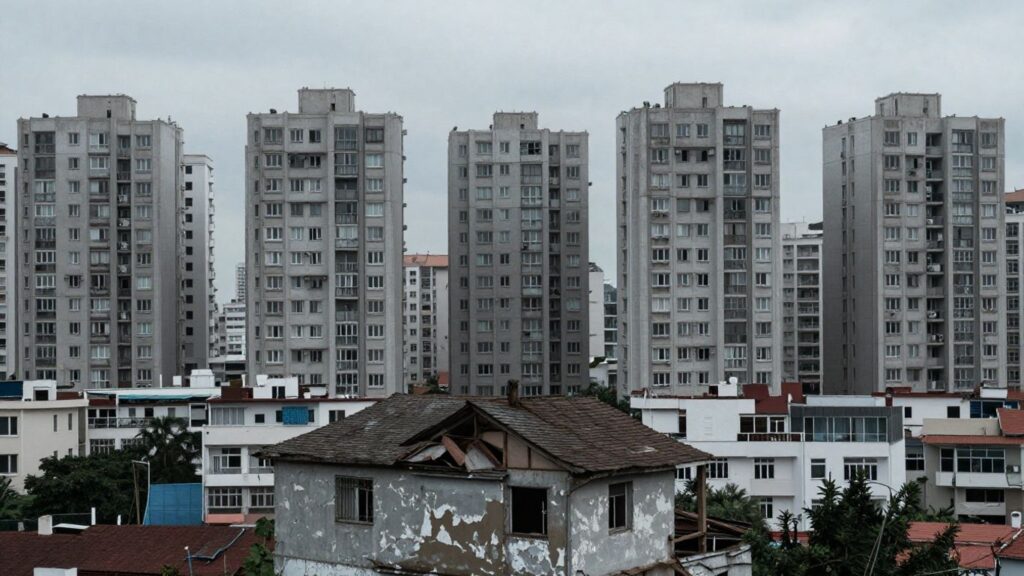
Blimey, trying to get a handle on Australia’s housing woes feels like wrestling a greased pig, doesn’t it? For ages, owning a home was the big Aussie dream, a solid bit of security. But now? It’s like the dream’s packed its bags and left town for a lot of people. New homes aren’t being built fast enough, and everyone and their dog seems to want a place to live. So, why is there a housing crisis in Australia? Let’s try and untangle this mess.
Key Takeaways
- The dream of owning a home is getting harder to reach for many Australians due to rising costs and limited supply.
- Not enough new homes are being built, while population growth means more people needing places to live.
- Things like high building costs, investor competition, and planning red tape are making it even tougher.
- The struggle for housing is hitting people hard, making renting a nightmare and widening the gap between the rich and poor.
- Fixing this needs more new homes, better support for social housing, and a look at tax rules that might be making things worse.
Why Is There A Housing Crisis In Australia?
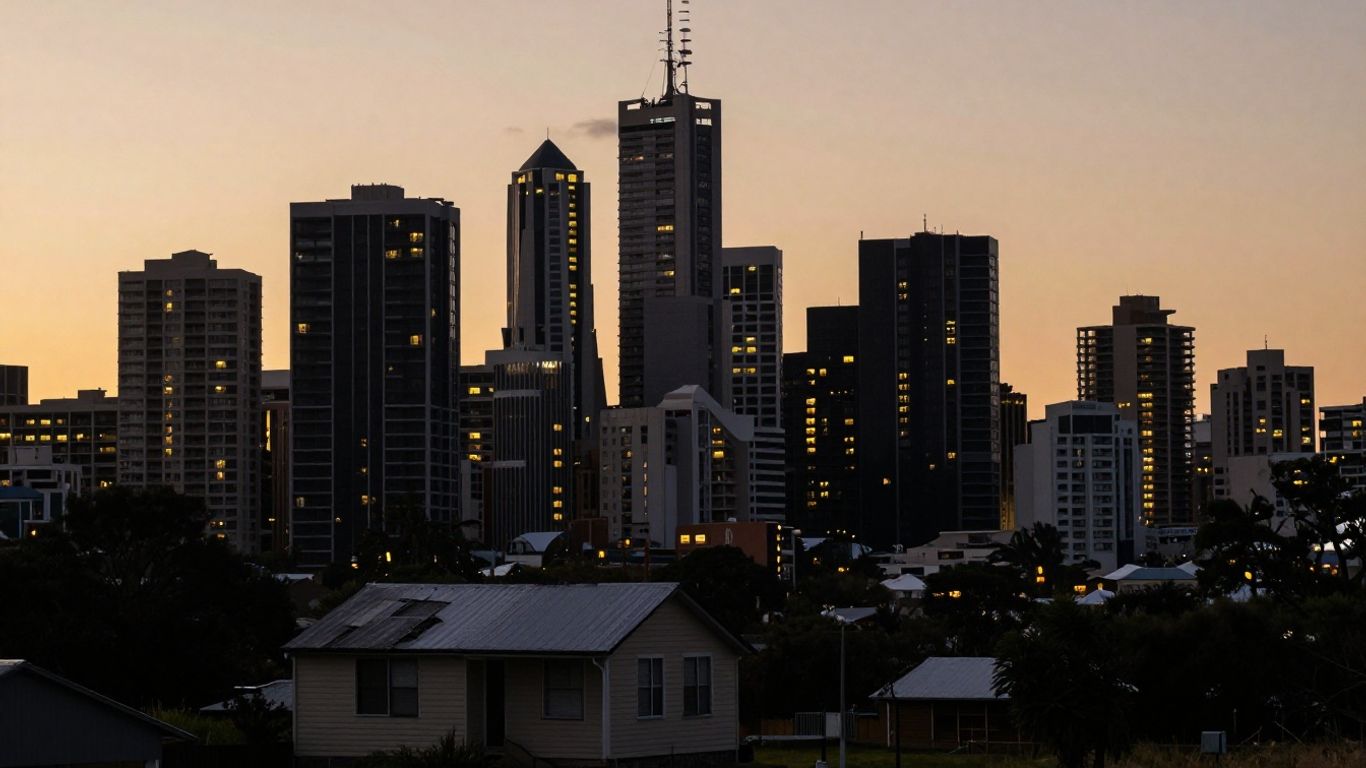
The Fading Australian Dream
For ages, owning a home was the big Aussie goal, right? It meant you’d made it, had a bit of security, and could maybe even pass something on. But honestly, that dream feels pretty shaky these days. It’s like the finish line keeps moving further away for a lot of people. We’re seeing fewer new houses being built, and at the same time, way more people wanting a place to live. It’s a tough combo.
It feels like the whole system’s geared towards making it harder for regular folks to get a foot in the door. You hear stories about people saving for years, only to see prices jump even more. It’s enough to make you question if that classic ‘Australian Dream’ is still even achievable for the next generation.
Supply Shortfalls And Construction Woes
So, why aren’t there enough houses? Well, a big part of it is that we’re just not building them fast enough. Approvals for new homes have dropped off a cliff over the last decade. Add to that, the builders themselves are having a rough time. We’ve seen a heap of construction companies go bust lately. This isn’t just a minor hiccup; it means projects get stalled or cancelled altogether, which just makes the shortage even worse.
It’s a bit of a domino effect. When builders go broke, it’s not just them who suffer. It means fewer homes get finished, and that puts even more pressure on the ones that are already there. Plus, the cost of materials and finding workers has gone through the roof, making it harder for builders to even get projects off the ground.
Record Population Growth And Demand Pressures
On the flip side of not enough houses, we’ve got a whole lot more people wanting them. Australia’s population has been growing really fast, mostly thanks to immigration. While that’s great for a lot of reasons, it definitely puts a strain on our housing supply. Imagine trying to fit more people into the same number of houses – it just doesn’t work.
This surge in demand means more competition for rentals and for homes to buy. It’s like a bidding war, but for your actual home. And when demand is high and supply is low, prices naturally go up. It’s basic economics, but when it’s your rent or mortgage going up, it feels anything but basic.
The core issue is a mismatch: we’re not building enough homes to keep up with the number of people who need them, and this imbalance is being made worse by a growing population.
Here’s a look at how approvals have been tracking:
| Year | Dwelling Approvals (per capita) |
|---|---|
| 2015 | 10.5 |
| 2020 | 8.2 |
| 2025 | 6.3 |
Note: Data is illustrative and represents a trend.
The Compounding Factors Driving Up Costs
Soaring Construction Expenses
Building a house in Australia these days feels like it costs an arm and a leg, and it’s not just your imagination. The price of materials like timber, steel, and concrete has shot up, making it way more expensive for builders to even get started. Then there’s the labour shortage – good tradies are in high demand, and they’re charging accordingly. This means fewer new homes are being built, and the ones that are, well, they’re just pricier from the get-go.
- Materials: Costs for key building supplies have seen significant increases.
- Labour: A shortage of skilled tradespeople drives up wages.
- Logistics: Getting materials to building sites can also add to the overall expense.
The ripple effect of these rising costs means that even if you’ve saved up a decent deposit, the final price tag for a new home can be a real shocker. It’s a tough cycle to break.
Investor Incentives And Market Competition
For years, the government has offered incentives like negative gearing and capital gains tax discounts. While these were meant to encourage investment in property, they’ve also made it easier for investors to buy up properties, sometimes before regular folks even get a look in. This means more competition for a limited number of homes, pushing prices and rents sky-high. It’s like a bidding war where the average person is often priced out.
Regulatory Hurdles And Planning Delays
Getting a new housing development off the ground isn’t as simple as just drawing up some plans. There are heaps of regulations, planning approvals, and zoning laws to navigate. Often, these processes take ages, with endless paperwork and multiple government departments involved. This red tape can significantly slow down the construction of new homes, adding to the overall supply shortage and, you guessed it, driving up prices even further.
The Human Cost Of Housing Insecurity
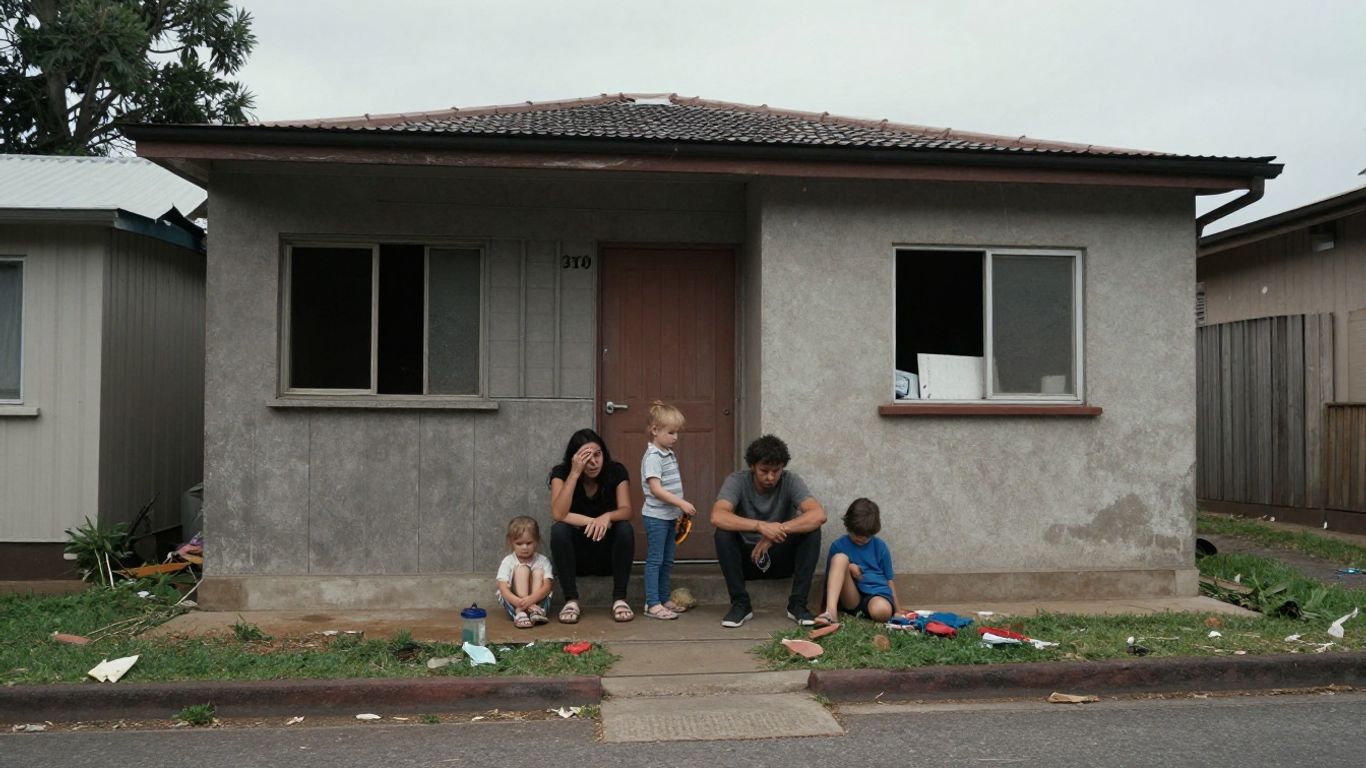
Rental Affordability Reaches Breaking Point
It’s getting pretty tough out there for renters, isn’t it? Finding a place that doesn’t eat up your entire pay cheque feels like a lottery win these days. For people on welfare, the situation is even worse. We’re talking about a tiny fraction of a percent of available rentals being affordable. That’s not a typo. It means a lot of people are constantly stressed about where they’ll live next month, or even next week. This isn’t just about being uncomfortable; it’s about not having a stable base to live your life from.
- Only 0.1% of rental properties are affordable for people on welfare.
- Minimum wage earners have a slightly better, but still grim, choice with only 0.7% of rentals within reach.
- Decades of policies favouring investors have made it harder for everyday Aussies to compete for homes.
The constant worry about rent increases and the fear of eviction takes a massive toll. It’s hard to plan for the future, focus on work, or even just relax when your home life is so uncertain.
Widening Wealth Inequality
This whole housing mess is really splitting the country into two groups: those who own property and those who don’t. If you bought a place years ago, you’ve probably seen its value shoot up, giving you a nice bit of security and wealth. But if you’re trying to get onto the ladder now, or if you’re renting, it feels like you’re running a race you can never win. The gap between the haves and have-nots is just getting bigger, and housing is a huge part of that. It’s making it harder for people to build up their own savings and feel secure.
Social Exclusion And Mental Wellbeing
When you can’t afford a decent place to live, it affects more than just your bank balance. It can make you feel isolated from your community. Imagine not being able to invite friends over because your living situation is cramped or unstable. Or having to move away from your support network because rent is too high. This kind of stress and instability really takes a toll on your mental health. It’s not uncommon for people struggling with housing insecurity to experience anxiety, depression, and a general feeling of hopelessness. Secure housing is so important for maintaining independence and overall well-being.
Here’s a look at how it plays out:
- Increased Stress and Anxiety: The constant pressure of finding and affording housing leads to significant mental strain.
- Social Isolation: Difficulty in maintaining stable housing can lead to detachment from social networks and community involvement.
- Reduced Opportunities: Housing insecurity can hinder access to education, stable employment, and personal development, limiting life choices.
Policy Responses And Political Stalemates
Fragmented Government Strategies
Trying to get a handle on this housing mess has been a bit like herding cats, hasn’t it? All levels of government have been chipping away at it, but it often feels like they’re not quite on the same page. We’ve seen plenty of talk about speeding up approvals and getting more homes built, which sounds good on paper. But then you’ve got different states with their own planning rules, and federal initiatives that don’t always line up. It’s a real mixed bag, and honestly, it makes it tough to see a clear path forward.
Debates Over Demand-Side Incentives
This is where things get really heated. For ages, things like negative gearing and the capital gains tax discount have been a big deal for property investors. Now, there’s a huge debate about whether these perks are actually making it harder for everyday Aussies, especially first-home buyers, to get a foot in the door. Some reckon we need to dial them back to level the playing field, while others argue it’ll just scare off the investment needed to build more homes. It’s a real sticking point, and neither side seems willing to budge much.
International Comparisons And Lessons
When you look overseas, you see some countries doing things a bit differently. Places like Canada and Germany, for example, have been a bit quicker with their planning processes and have put a lot more money into social housing. They’ve also managed to build more homes per person than we have here. It makes you wonder if we could pick up a few pointers from what they’re doing, or if our situation is just too unique. It’s worth a look, though, to see if there are any ideas we could adapt.
The sheer complexity of the housing crisis means that simple solutions are rarely effective. A coordinated approach, acknowledging the interplay between supply, demand, and existing market structures, is needed. Without this, policy efforts risk being piecemeal and ultimately falling short of addressing the core issues.
Here’s a quick look at some of the proposed policy ideas floating around:
- Streamlining Planning Laws: Making it quicker and easier to get building approvals.
- Boosting Social Housing: Increasing government investment in affordable and community housing.
- Revising Tax Incentives: Looking at how things like negative gearing affect the market.
- Setting Clear Targets: Establishing ambitious but achievable goals for new home construction.
It’s a tough gig, trying to sort out a problem that’s been brewing for so long. The political wrangling doesn’t help, and sometimes it feels like we’re stuck in a loop.
Navigating The Crisis: Resilience And Adaptation
It’s easy to feel a bit overwhelmed by the whole housing situation in Australia right now. You hear about soaring prices, rental stress, and the dream of owning a home slipping away for so many. But, you know, it’s not all doom and gloom. People and communities are actually coming up with some pretty smart ways to deal with it all and build a bit more security.
Exploring Alternative Housing Models
With the traditional path to home ownership getting tougher, folks are looking at different ways to live. Think co-housing, where people share spaces and responsibilities, or shared equity schemes that help with the deposit. Community land trusts are another idea, keeping housing affordable long-term. It’s about finding what works when the old ways aren’t cutting it anymore. We’re seeing a real push for innovative housing solutions that offer more stability.
The Importance Of Financial Literacy
When things feel uncertain, knowing your money stuff becomes a superpower. It’s not just about saving, but understanding how to make your money work for you, even in tough times. This means having a bit of an emergency fund, maybe looking at different ways to invest if you can, and not being afraid to ask for advice. It’s about building a stronger financial base so you’re not caught completely off guard.
Community-Led Housing Initiatives
Sometimes, the best ideas come from the ground up. Local groups and not-for-profits are stepping in to create housing that’s genuinely affordable. They often work closely with residents, building stronger communities along the way. These initiatives show that when people come together, they can make a real difference in providing safe and stable places to live.
The ongoing housing challenges mean that for many, the focus has shifted from long-term investment to immediate security. This requires a multi-pronged approach, combining individual resourcefulness with collective action and supportive policies.
Pathways To A More Secure Housing Future
It feels like every other week there’s another headline about housing prices or rental stress. It’s easy to get bogged down in the doom and gloom, but honestly, there are ways forward. We need to look at a few key areas to actually make a difference for people trying to find a place to call their own.
Accelerating New Home Construction
Let’s face it, we just don’t have enough houses. Building more homes is pretty much the most obvious first step. This isn’t just about slapping up any old building, though. We need to make it easier and faster for builders to get projects off the ground. Think streamlining all the red tape and planning approvals that seem to take forever. The government has set some big targets, like aiming to build 1.2 million homes by mid-2029, but hitting those numbers means actually fixing the bottlenecks that slow everything down. It’s a massive undertaking, and frankly, it needs a serious push.
Investing In Social And Affordable Housing
While building more homes is important, we also need to make sure there are options for people who can’t afford the going rate. This means putting serious money into social and affordable housing. These aren’t just charity projects; they’re vital for providing a safety net and making sure everyone has a decent place to live. It’s about creating stable communities and giving people a foundation to build their lives on. When people have secure housing, they’re more likely to stay in jobs, their kids do better in school, and overall, it just makes for a healthier society. We’ve seen in places like Brisbane how supportive housing models can make a real difference for those who need it most.
Rethinking Tax Policies And Home Ownership
Our tax system has a big impact on who can afford to buy a home. Things like negative gearing and capital gains tax discounts, while maybe intended to encourage investment, often end up making it harder for everyday people to get a foot in the door. We need to look at these incentives and see if they’re still serving us, or if they’re just pushing prices up for everyone else. It’s about creating a fairer playing field so that owning a home isn’t just for those who can already afford multiple properties. It’s a complex debate, but one that’s absolutely necessary if we want to bring back the idea of the Australian Dream for more people.
The market alone isn’t going to solve this. We need a combination of building more homes, making sure there are affordable options, and tweaking the financial rules so that buying a home is a realistic goal for more Australians, not just a pipe dream.
Where to from here?
So, yeah, Australia’s housing crisis is a pretty big deal, and it feels like it’s just getting worse. It’s easy to feel a bit hopeless when you look at all the reasons why it’s so tough to find a decent, affordable place to live. But it’s not all doom and gloom. We’ve seen some good things happening, like that organisation Micah Projects helping people straight from homelessness into homes. And the research shows that when governments step in, like during COVID with income support, it actually makes a difference. It proves that housing can be more than just a market thing; it can be treated like a basic need. We need more of that, more smart planning, and a real look at how we can build the kind of communities where everyone has a fair shot at a secure place to call home.
Frequently Asked Questions
What’s the ‘Australian Dream’ and why is it harder to achieve now?
The ‘Australian Dream’ used to mean owning your own home, which felt like a symbol of success and security. But these days, with house prices and rents going up so much, it’s become really tough for many Aussies, especially younger ones, to buy a place of their own. It’s like the dream is slipping away for a lot of people.
Why aren’t there enough houses being built in Australia?
There are a few big reasons. Building new homes has become super expensive because materials and workers cost more. Plus, getting permission to build can take ages due to red tape and planning rules. Sometimes, building companies even go bust, which stops projects before they’re finished, making the shortage even worse.
How does Australia’s population growth affect housing?
Australia’s population is growing really fast, mostly because lots of people are moving here. When more people need places to live, but there aren’t enough new houses being built, it’s like a big traffic jam for housing. This extra demand pushes prices and rents up for everyone.
Are things like negative gearing making housing more expensive?
Yeah, some people reckon so. Things like negative gearing and tax breaks for property investors can make it really attractive for people to buy lots of properties. This means there’s more competition for houses, and it can push prices up, making it harder for regular folks to get a foot in the door.
What are the real-life impacts of the housing crisis on people?
It’s pretty tough out there. Renters are struggling to find places they can afford, with very few rentals being cheap enough for people on lower incomes. This can lead to stress, people having to move a lot, and can even make the gap between the rich and poor even wider. It also affects people’s mental health and can make them feel excluded from society.
What can be done to fix the housing crisis?
There’s no single magic fix, but a few things could help. We need to build way more houses, which means making the building process quicker and cheaper. We also need more social and affordable housing for people who really need it. Some people also think we should look at changing tax rules that favour property investors so it’s fairer for first-home buyers.