Key Takeaways
An 18650 cell can be useful and long-lasting, but only when its specifications, condition and charging method suit the device. These practical points will help you make a safer choice.
- Check the cell’s chemistry, capacity, voltage and discharge requirements.
- Confirm the physical size, contacts and electrical configuration before fitting a cell.
- Use a compatible lithium-ion charger and inspect every battery before charging.
- Keep loose cells protected from short circuits, heat, moisture and impact.
- Recycle damaged or exhausted batteries through an appropriate Australian service.
What an 18650 battery is and how it works
An 18650 battery is a cylindrical rechargeable cell used in many portable devices and battery packs. The name describes its approximate dimensions rather than its capacity or quality. Most 18650 cells use lithium-ion chemistry, but their internal materials, protection circuits and intended applications can differ considerably.
Understanding the 18650 size designation
The numbers generally refer to a cell about 18 millimetres in diameter and 65 millimetres long. The final zero indicates a cylindrical shape. Real-world measurements vary slightly because some cells have a wrapper, a button-top contact or a protection circuit, so a cell labelled 18650 will not necessarily fit every 18650-powered device.
Check the manufacturer’s dimensions before buying a replacement. A protected or button-top cell may be longer than a flat-top unprotected cell, and that small difference can affect whether a spring, battery door or contact reaches correctly.
Comparing lithium-ion chemistry and battery formats
Lithium-ion cells are available with different cathode materials and performance characteristics. One cell may prioritise capacity and runtime, while another is designed to deliver higher current. Nominal voltage is commonly around 3.6–3.7 volts, with a full charge typically reaching 4.2 volts, but the device and charger must be designed for the specific chemistry.
The cylindrical 18650 format is only one battery shape. Pouches, prismatic cells and larger cylindrical formats can have different mechanical and electrical requirements. Treat the format as a starting point, not proof that two batteries are interchangeable.
Distinguishing protected, unprotected and reclaimed cells
A protected cell has a small electronic protection circuit, usually intended to help limit unsafe overcharge, over-discharge or excessive current. An unprotected cell relies on the device or battery-management system for those safeguards. Neither description automatically makes a cell suitable for every application.
Reclaimed cells may have been removed from old laptop packs or other equipment. Their history, remaining capacity and condition can be uncertain, so they are a poor choice where current demand is high or several cells must work together. For background on authentic cells, 18650 Battery Store describes its offer as Grade A 18650, 21700 and LiFePO4 batteries sourced from trusted suppliers.
How to choose the right 18650 battery
Choosing an 18650 battery starts with the device rather than the cell’s headline capacity. Read the equipment manual, inspect the existing battery and identify the required voltage and current. A cell that lasts longer on paper can still be unsuitable if it cannot safely provide the required output.
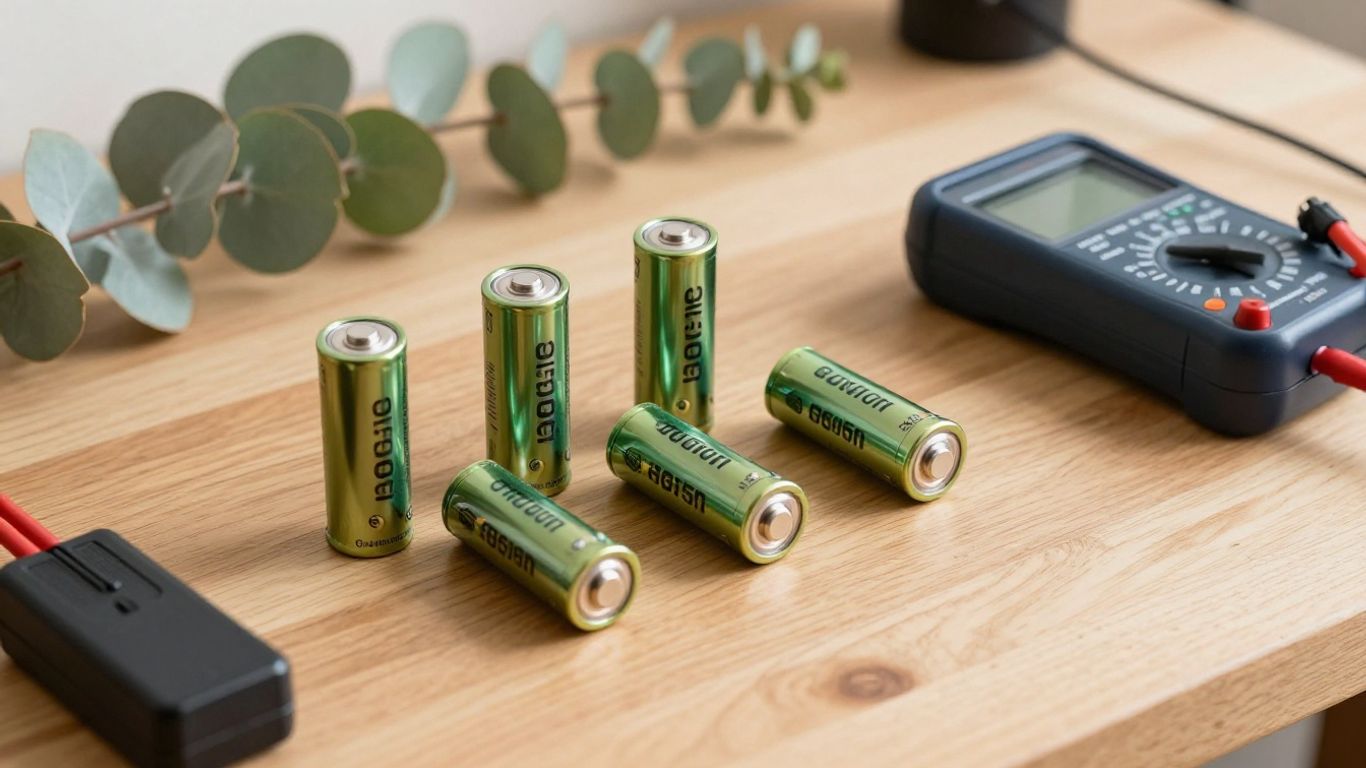
The 18650 battery collection at IMR Batteries illustrates why capacity and discharge ratings need to be considered together: its listed 18650 options include typically 2000mAh to 3500mAh capacities and continuous discharge ratings from 5A to 30A+.
Matching capacity, voltage and discharge requirements
Capacity is measured in milliamp-hours, or mAh, and gives a broad indication of runtime. It is not a guarantee, because actual runtime depends on load, temperature, battery age and the device’s cut-off settings. Voltage must match the equipment’s electrical design, while current capability must meet or exceed the demand.
For a low-drain torch, runtime may be the main consideration. For a power tool or other high-load equipment, a high-capacity cell with an inadequate discharge capability may run hot or suffer rapid voltage drop. Use the device maker’s requirements as the deciding reference.
Evaluating continuous discharge ratings
The continuous discharge rating indicates the current a cell is intended to provide over sustained use. It should not be confused with a brief pulse rating, which can be presented more prominently but may not reflect safe everyday operation. When a device specifies current, choose a cell with an independently credible continuous rating and a sensible margin.
A simple comparison table can make the trade-off clearer. These are general selection principles, not specifications for one particular cell.
| Priority | What to examine | Typical trade-off | Best question to ask |
|---|---|---|---|
| Runtime | Capacity in mAh | More capacity may mean less high-current performance | How long must the device run? |
| High load | Continuous discharge rating | High-drain cells may offer less capacity | What current does the device draw? |
| Fit | Length, diameter and terminal style | Protection can add length | Will the cell physically seat correctly? |
| Longevity | Cell quality, age and storage history | Fresh, genuine cells may cost more | Can the source verify the cell? |
The table is useful because it keeps the decision tied to the equipment. Avoid selecting solely by the largest mAh number or the most impressive current figure on a marketplace listing.
Checking genuine specifications and cell quality
Buy from a reputable supplier and look for a complete model number, clear technical data and consistent labelling. Counterfeit, old or mislabelled cells can have less capacity and current capability than advertised. A damaged wrapper, dented can or loose terminal is a reason to stop rather than negotiate a lower price.
Where cells will be used in a pack, buy matching cells from the same reliable source. Record purchase dates and avoid mixing unknown reclaimed cells with new ones. Source quality matters because a charger cannot correct a physically damaged or falsely rated cell.
Compatibility with devices and battery packs
An 18650 battery is not a universal replacement, even when it fits the compartment. Devices differ in contact design, protection requirements, voltage limits and software controls. Before inserting a cell, compare the original battery’s specifications with the replacement and follow the equipment maker’s instructions.
Confirming physical fit and contact design
Measure the compartment if there is any doubt. Flat-top and button-top cells make contact differently, while protected cells can be longer. A cell that needs force to fit, rattles loosely or prevents the battery door from closing should not be used.
Inspect springs, contacts and insulation for corrosion or damage. Never remove a wrapper or protection component to make a cell fit; that changes the safety characteristics of the battery.
Matching voltage to the device’s electrical requirements
A single lithium-ion 18650 cell is commonly treated as a nominal 3.6 or 3.7-volt source, but its voltage changes during use and rises to about 4.2 volts when fully charged. The device must be designed for that range. Substituting a different chemistry or voltage can damage electronics or create a dangerous charging condition.
Do not assume that a higher-capacity cell is electrically compatible. Capacity changes runtime, whereas voltage affects the device’s operating conditions. If the manual is unclear, consult the manufacturer or a qualified technician.
Understanding series and parallel configurations
Cells connected in series increase pack voltage, while cells connected in parallel increase available capacity and current capability. A multi-cell pack therefore needs more than a group of cells placed side by side: it needs suitable wiring, insulation, a battery-management system and, in many designs, balancing.
Cells in a pack should be closely matched in model, age, capacity and condition. Do not build or repair a high-energy pack without the relevant technical knowledge. A wiring mistake can create a short circuit or leave one cell overcharged while another remains undercharged.
Safe charging practices for 18650 batteries
Charging is the point where a good cell can become hazardous if the equipment or process is wrong. Use the charger specified for the battery type, place it on a stable non-flammable surface and remain alert while charging. Never charge a cell simply because its shape appears to match the charger.
Choosing a compatible lithium-ion charger
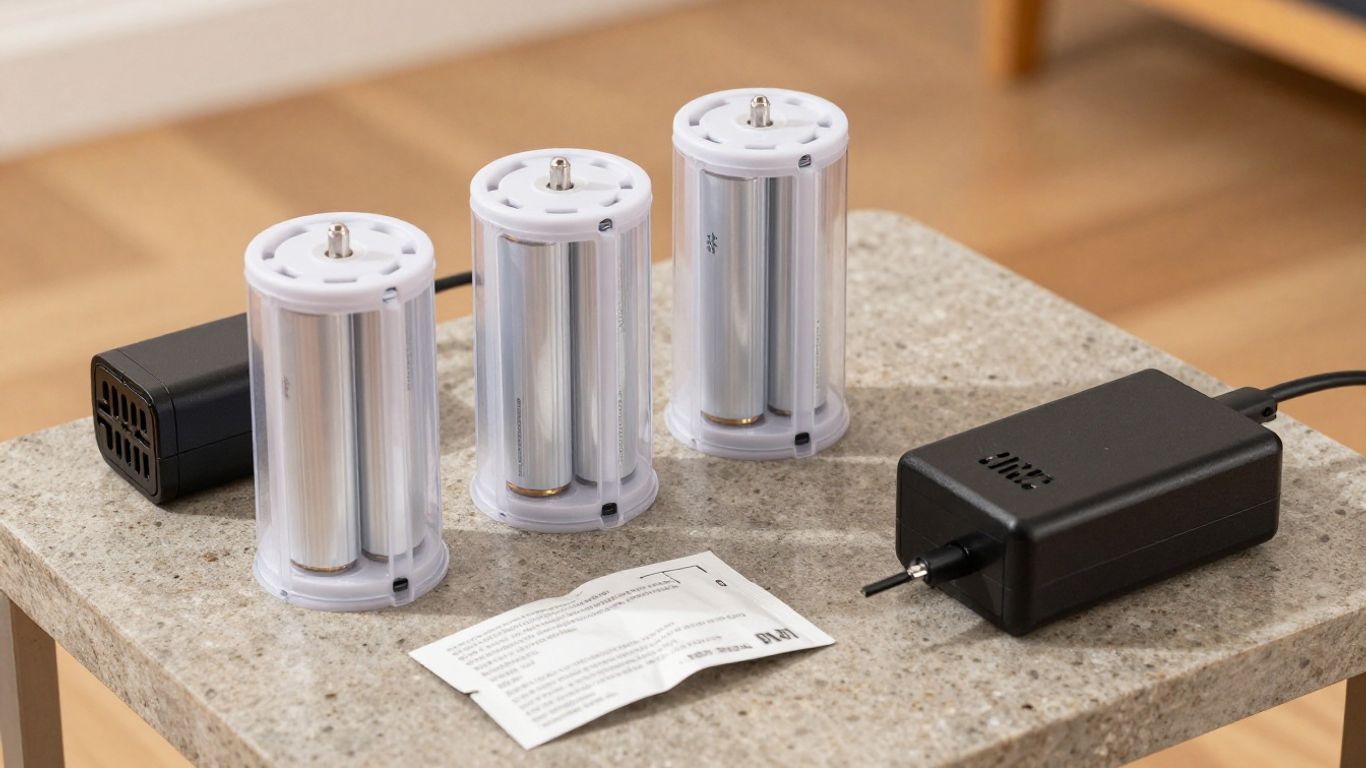
Use a charger designed for rechargeable lithium-ion cells and the correct number of cells. It should identify the battery type and apply the appropriate charging profile. Avoid improvised power supplies, damaged chargers and devices that rely on uncertain adapters.
A charger with independent bays is useful for loose cells, but it does not make mismatched or damaged batteries safe. Follow the charger’s instructions, keep ventilation clear and disconnect the batteries when charging is complete if the manufacturer advises this.
Inspecting cells before charging
Look for torn wrappers, exposed metal, dents, corrosion, leakage, unusual odour or swelling. Check that the positive terminal is intact and that the cell is not hot before placing it in the charger. A battery that was dropped, crushed or exposed to water should be assessed cautiously and not charged if its condition is uncertain.
The wrapper is an electrical insulator, not decoration. Replace a damaged wrapper through a competent battery service rather than covering serious damage with tape and treating the cell as new.
Recognising overcharging, overheating and other warning signs
Stop charging if a cell becomes unusually hot, swells, leaks, makes a hissing sound or develops a strong chemical smell. Move away from the battery if it appears to be venting and avoid touching it. If there is smoke or fire, call emergency services and do not handle the cell.
Heat during charging can indicate a faulty cell, poor contact or an incompatible charger. A charger that reports an error should not be repeatedly reset in the hope that the battery will eventually accept a charge.
Charging and monitoring batteries in multi-cell packs
Multi-cell packs should be charged with their intended charger and battery-management system. Charging individual cells from a pack without understanding the circuit can bypass balancing or protection. Packs should also be checked for uneven heating, physical damage and signs that one cell is behaving differently from the others.
Never leave a homemade or damaged pack charging unattended. If a pack has been modified, dropped or exposed to water, stop using it until a qualified person has inspected it.
Using 18650 batteries in common applications
The 18650 format appears in torches, electronics, tools, mobility equipment and custom packs because it offers a compact cylindrical form with rechargeable energy storage. The correct cell still depends on the particular product. Application labels such as “high drain” or “long runtime” are useful clues, not substitutes for the manufacturer’s specifications.
Flashlights, torches and portable electronics
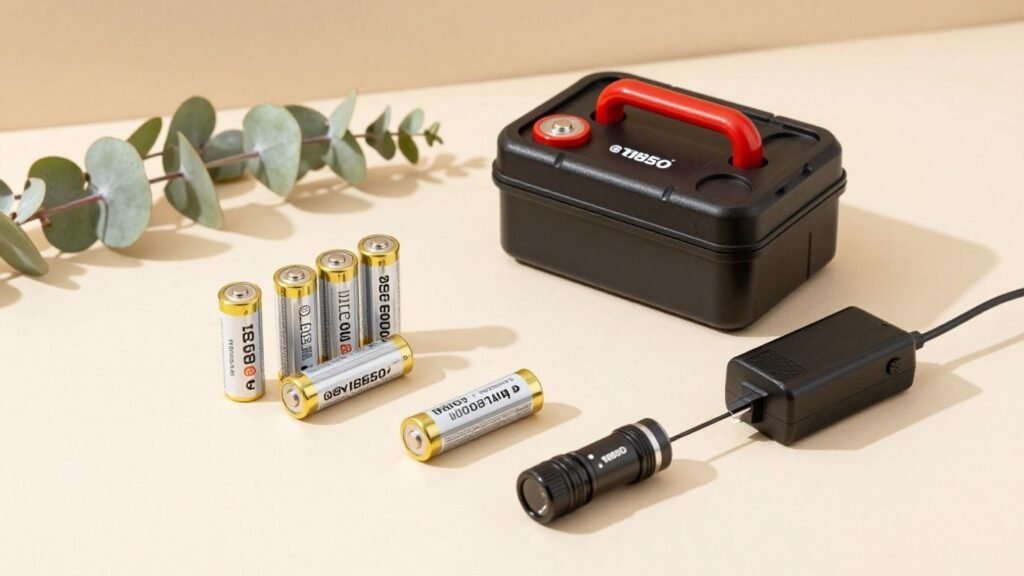
Many torches are designed around a particular cell length and terminal style. Some include their own charging circuit, while others require the cell to be removed and charged separately. Fenix 18650 solutions include rechargeable cells and torches, including options described as having built-in USB charging, but compatibility should still be checked for the exact model.
Use the torch’s recommended battery type and do not substitute a cell with a different protection arrangement unless the manual permits it. If the light flickers, becomes excessively hot or cuts out unexpectedly, remove the cell and investigate.
Vaping devices, power tools and personal equipment
High-demand equipment can draw substantial current, making the continuous discharge rating especially important. Vaping devices and power tools may also have specific requirements for protected or unprotected cells, charging and pack arrangement. Follow the product manual and avoid cells with damaged wraps.
For e-bikes and similar equipment, battery care is only one part of safe ownership; an Australian e-bike safety guide also covers charging practices, maintenance and road rules. Do not replace an integrated mobility battery with loose cells unless the pack is designed and serviced for that purpose.
DIY projects, battery packs and energy storage
DIY battery projects require careful cell matching, insulation, current protection and a suitable enclosure. Spot-welded connections, fuses and a battery-management system are generally preferable to improvised soldering and exposed wiring. Energy storage projects deserve extra caution because a larger pack contains more stored energy.
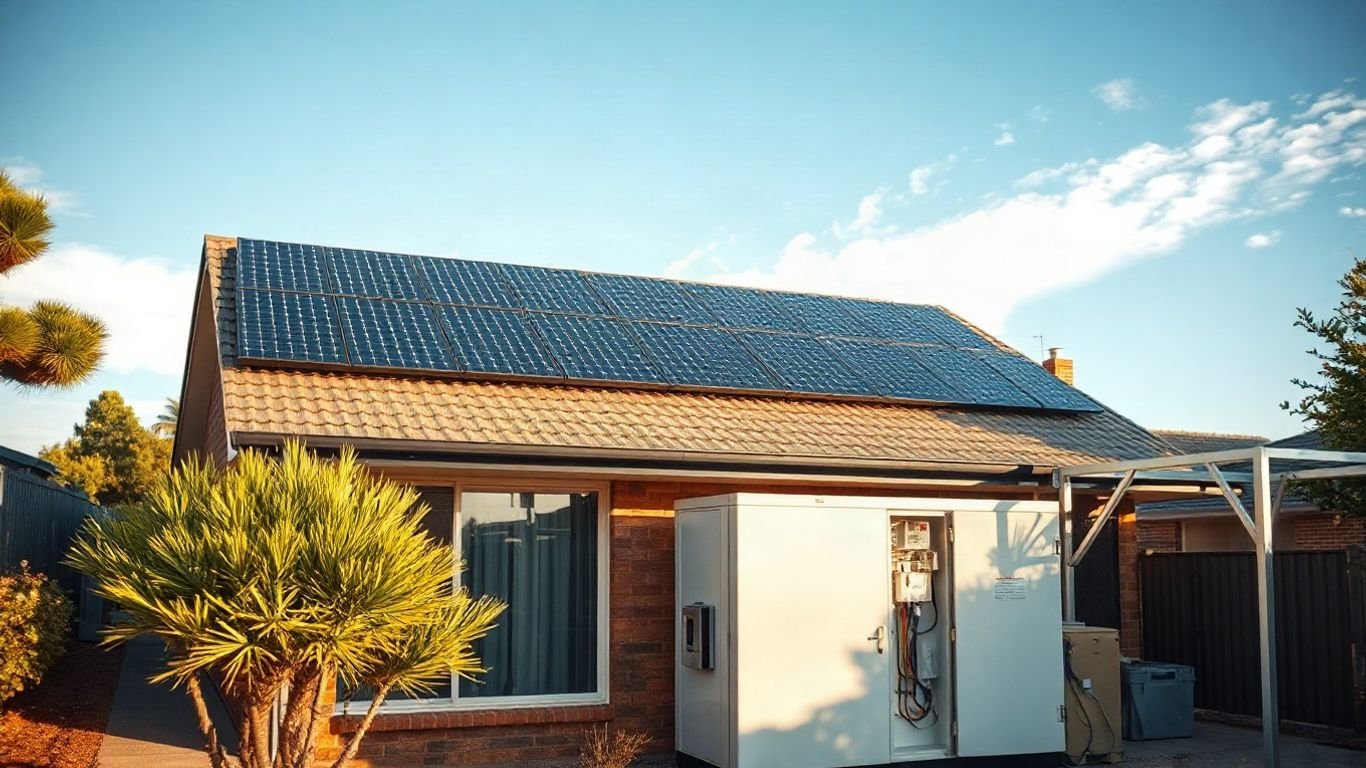
Before building, define the required voltage, capacity, current, charging method and fault protection. For broader home-energy comparisons, a guide to home battery systems discusses usable capacity, continuous power output and backup considerations, although those systems are not interchangeable with loose 18650 cells.
Storing, handling and transporting 18650 cells
Good storage prevents many avoidable incidents. Loose cells should never share a pocket, drawer or toolbox with keys, coins, screws or other conductive objects. Treat each battery as an active electrical component, even when it is not being used.
Preventing short circuits and physical damage
Keep individual cells in plastic cases or other purpose-made holders that cover the terminals. Do not stack loose batteries where their ends can touch, and do not carry them unprotected in luggage. Replace a wrapper that is damaged, but do not use a cell with a dented can, leaking material or other structural damage.
Handle cells gently and keep them away from sharp tools. A short circuit can produce rapid heating even when the battery looks small.
Selecting safe storage conditions
Choose a cool, dry and secure location away from children, pets, direct sunlight and flammable materials. A battery case is better than a metal container where cells could contact the container or each other. Keep original packaging when it provides terminal protection.
Store cells so that their condition and model can be identified. Mixing charged, empty, new and suspect batteries in one unmarked box makes later checks much harder.
Managing heat, moisture and long-term storage
Avoid leaving cells in a hot car, on a windowsill or near heaters. Moisture can corrode contacts and damage protection circuits, while heat accelerates ageing. For long-term storage, follow the cell maker’s guidance rather than leaving batteries permanently full or completely empty.
Inspect stored cells periodically for swelling, corrosion, wrapper damage or unusual odour. Separate anything that changes condition and do not return it to normal stock.
Transporting loose and installed batteries responsibly
Use a protective case for loose cells and prevent movement inside bags. Installed batteries should be switched off and secured against accidental activation where possible. For air travel, check the airline’s current rules before departure because spare lithium-ion batteries are commonly subject to restrictions.
Do not post or transport a visibly damaged, swollen or leaking cell through ordinary channels. Ask the relevant carrier or recycling service for instructions instead.
When to replace and recycle an 18650 battery
Rechargeable cells gradually lose capacity, but physical damage is a more urgent reason to stop using one. A battery that no longer provides useful runtime may simply be near the end of its service life; a hot, swollen or leaking battery is a safety issue. When in doubt, isolate it and seek advice.
Identifying swelling, leaks and damaged wrappers
A swollen cell, split wrapper, exposed can, corrosion, dent or leak should be removed from service. Do not puncture, crush, open or attempt to repair it. A wrapper replacement may be appropriate for minor insulation damage only when the cell itself is sound and the work is done correctly.
Never charge a cell showing these signs. Keep it away from combustible materials while arranging safe disposal.
Understanding declining capacity and performance
Ageing cells may run for less time, show a greater voltage drop under load or take unusual time to charge. If a device shuts down earlier than it once did, compare the cell with a known-good compatible battery rather than repeatedly deep-discharging it.
Capacity decline is normal, but performance that changes suddenly deserves closer inspection. Do not mix a weak cell with healthy cells in a multi-cell pack.
Safely isolating defective cells
If a cell is suspect, place it in a non-conductive battery case or otherwise prevent its terminals from touching metal. Keep it cool, dry and away from other batteries. Do not put a damaged lithium-ion cell in household rubbish or a kerbside recycling bin.
Tell the recycling facility that the item is a lithium-ion battery and disclose visible damage. If it is hot, smoking or actively leaking, move people away and contact emergency services rather than transporting it yourself.
Finding appropriate battery recycling options in Australia
Recycling arrangements vary between councils, retailers and state-based programs. Search your local council’s waste information, contact a battery stewardship service or ask a participating retailer whether it accepts rechargeable lithium-ion cells. Tape over terminals only if the receiving service recommends it and the battery is not hot or leaking.
Australians can also use practical local guides when checking disposal and household safety information. The aim is straightforward: keep lithium-ion cells out of general waste and hand them to a service equipped to manage them.
Conclusion
An 18650 battery is a capable but specialised power source. Match its electrical and physical specifications to the device, charge it with suitable equipment, protect it from damage and recycle it responsibly when its useful life is over.
Frequently Asked Questions
Is every 18650 battery rechargeable?
Most 18650 cells encountered in consumer devices are rechargeable lithium-ion cells, but the label alone is not enough to confirm chemistry or charging requirements. Check the cell and device documentation before charging.
Can I use any 18650 battery in a torch?
No. The torch may require a particular length, terminal style, protection arrangement, voltage range or discharge rating. Follow the torch manufacturer’s compatibility guidance.
What voltage is a fully charged 18650 battery?
Many standard lithium-ion 18650 cells reach about 4.2 volts when fully charged, with a nominal voltage around 3.6–3.7 volts. Other chemistries can differ, so identify the exact cell first.
Is a higher mAh rating always better?
No. Higher capacity can provide longer runtime, but the cell may not deliver enough current for a high-load device. Capacity, discharge rating, voltage and fit must be considered together.
Can I charge an 18650 battery with a USB cable?
Only if the device or charger is specifically designed to manage that cell and its lithium-ion charging profile. A cable connected to an unsuitable power source is not a safe substitute for a compatible charger.
How should loose 18650 cells be carried?
Carry each loose cell in a protective case that prevents terminal contact. Keep batteries away from coins, keys and other metal objects, and check airline or carrier rules before travelling.
Where should I recycle an old 18650 battery in Australia?
Start with your local council, a battery collection program or a participating retailer. Tell the service that the battery is lithium-ion, especially if it is damaged, swollen or leaking, and never place it in general household waste.