

Thinking about selling online in Australia? It’s a big market, and getting it right can make a real difference to your business. Whether you’re looking at big players like Amazon Australia or exploring other options, there’s a lot to consider. This guide is here to help you sort through the noise and figure out the best way to get your products in front of Aussie customers. We’ll cover everything from picking the right place to sell, to making sure your listings look great and your deliveries run smoothly. Let’s get started on your journey to selling online Australia.
Key Takeaways
- Choosing the right online marketplace in Australia depends on your business size, what you’re selling, and your goals. Some platforms are better for specific items, while others have a broader reach.
- Setting up on platforms like Amazon Australia requires understanding their fee structures, registration processes, and the specific market research needed to stand out.
- Great product listings are key. This means using clear, descriptive text, high-quality photos, and smart keywords to help customers find you.
- Getting your products to customers efficiently is vital. Look into reliable delivery partners and understand options like Fulfilment by Amazon (FBA) to manage your stock and shipping.
- Always be aware of Australian consumer laws and any prohibited items. Registering for an Australian Business Number (ABN) is a necessary step for most businesses.
Navigating Australian Online Marketplaces
So, you’re looking to sell stuff online in Australia? That’s a smart move. The e-commerce scene down here is pretty lively, and getting your products in front of people is easier than you might think, especially with the help of online marketplaces. These platforms are basically digital shopping centres where lots of different sellers set up shop. They handle a lot of the heavy lifting, like getting people to visit the site and processing payments, which is a big win when you’re just starting out.
Understanding The Australian E-commerce Landscape
The online shopping world in Australia is booming. More and more Aussies are clicking ‘buy now’ from the comfort of their own homes. While many people still buy from overseas, there’s a real opportunity for local sellers. People are looking for quick deliveries, and they’re also becoming more aware of where their products come from and if the brands are doing good things for the planet. Payment options are varied too, with PayPal still a favourite, but ‘Buy Now, Pay Later’ services are really taking off, especially with the younger crowd.
The Australian online market is growing fast, and buyers are looking for convenience, speed, and increasingly, ethical brands. Understanding these trends is key to figuring out where to sell.
Key Marketplaces For Selling Online Australia
When it comes to picking a marketplace, you’ve got a few big players. Each has its own vibe and attracts different kinds of shoppers. It’s worth doing a bit of homework to see which one fits your products best. Some popular spots include:
- eBay Australia: This one’s been around forever and is still a massive hit. It’s super easy to get started, and you can reach millions of buyers. They don’t sell their own stuff, so they aren’t competing with you. You can go with auctions or a ‘buy it now’ price.
- Amazon Australia: Though a bit newer to the scene, Amazon has grown incredibly fast. It’s a huge platform with a massive customer base, and they offer services like Fulfilment by Amazon (FBA) which can sort out your shipping.
- Catch: This is another big name in Australian online retail, offering a wide range of products.
- MyDeal: As the name suggests, this is a popular spot for finding deals on a variety of goods.
There are also more specialised places, like Etsy for handmade and vintage items, or TradeSquare for businesses selling to other businesses (B2B). Choosing the right place means looking at things like fees, who their customers are, and what selling tools they provide. You can explore some of the leading online marketplaces to get a better idea.
Choosing The Right Platform For Your Business
So, how do you pick the best spot for your business? Think about what you’re selling. Are they unique, handmade items? Etsy might be your go-to. Are they everyday goods that people buy in bulk? Amazon or eBay could be better. Also, consider the fees involved. Most marketplaces charge a percentage of each sale, and sometimes a listing fee too. It’s a good idea to compare these costs.
Here’s a quick look at some common marketplace features:
| Feature | eBay | Amazon Australia | Etsy |
|---|---|---|---|
| Primary Focus | General goods, auctions, fixed price | General goods, fast delivery | Handmade, vintage, craft supplies |
| Seller Fees | Final value fees, listing fees | Referral fees, FBA fees, monthly fees | Transaction fees, listing fees |
| Brand Building | Can be challenging | Moderate | Good for unique brands |
| Fulfilment | Seller manages | Seller or FBA | Seller manages |
Don’t forget to think about how much control you want over your brand and customer experience. Some platforms let you build a more distinct presence than others. It really comes down to your business goals and what you want to achieve online.
Setting Up For Success On Amazon Australia
Jumping onto Amazon Australia can feel like a big step, but honestly, it’s pretty straightforward once you break it down. It’s a massive platform, and getting your products in front of Aussie shoppers is the main goal here. So, let’s get you sorted.
Essential Market Research For Amazon Sellers
Before you even think about listing a single thing, you’ve got to do your homework. What are people actually buying on Amazon Australia right now? Are there heaps of sellers already doing the same thing, or is there a gap you can fill? Looking at Amazon’s Best Sellers list is a good starting point. It shows you what’s popular. Also, check out what competitors are doing – what are their prices like, how good are their descriptions, and what are customers saying in their reviews? This kind of info helps you pick products that have a decent chance of selling and figure out how to stand out. Don’t forget to look into potential suppliers too; finding reliable ones is key. You’ll want to check out local and international suppliers to see who offers the best quality and pricing.
Registering Your Amazon Seller Account
Alright, time to get official. You’ll need to sign up for an Amazon Seller account. Amazon offers two main types: Individual and Professional. If you’re just starting out and don’t plan on selling a huge amount each month, the Individual plan might be fine. You pay a fee for each item you sell. But if you’re serious about growing and plan to sell more than 40 items a month, the Professional plan is usually the way to go. It has a monthly fee, but you get unlimited sales and access to more tools. When you register, be ready to provide some business and personal details, including tax information. They have a verification process, so make sure you’ve got all your documents handy to make it smooth sailing.
Understanding Amazon’s Fee Structure
This is a big one, and you absolutely need to get your head around it if you want to make any money. Amazon doesn’t just let you sell for free, obviously. There are a few different fees to keep in mind:
- Referral Fees: This is a percentage of the total sale price, and it varies depending on the product category. So, selling electronics might have a different referral fee than selling clothing.
- Subscription Fees: If you choose the Professional selling plan, you’ll pay a monthly subscription fee. The Individual plan doesn’t have this, but you pay per item sold.
- Fulfillment Fees: If you use Amazon’s Fulfilment by Amazon (FBA) service, you’ll pay fees for storing your products in their warehouses and for picking, packing, and shipping orders.
- Other Potential Fees: Depending on your situation, there might be other fees like advertising costs or fees for optional services.
It’s a good idea to use Amazon’s Revenue Calculator tool to get a rough idea of how much you’ll be charged for specific products. Knowing these costs upfront helps you price your items correctly and figure out your profit margins.
You really need to factor in all these costs when you’re deciding on your product pricing. It’s easy to get excited about sales, but if you haven’t accounted for Amazon’s cut, you could end up selling things for less than you think.
Here’s a quick look at the main selling plans:
| Plan | Monthly Fee | Fee Per Item Sold | Max Items Per Month |
|---|---|---|---|
| Individual | $0 | Varies | 40 |
| Professional | $49.99 | $0 | Unlimited |
Remember, these fees are on top of any costs you have for sourcing your products and marketing them.
Optimising Your Product Listings
So, you’ve picked your marketplace and you’re ready to get your products out there. Great! But just chucking up a few photos and a quick description isn’t going to cut it, especially here in Australia. We’re a bit particular, you know? We like things clear, honest, and easy to understand. Making your listings shine is how you grab attention and convince people to buy. It’s not just about showing what you’ve got; it’s about telling a story and building trust.
Crafting Compelling Product Descriptions
Forget the jargon and the salesy fluff. Australian buyers appreciate straightforward talk. Think about what someone really needs to know before they click ‘buy’. What problem does your product solve? What makes it different from the next one? Use simple language and focus on the benefits. If you’re selling a handmade scarf, don’t just say ‘artisanal wool scarf’. Instead, try something like: ‘Keep warm this winter with this soft, 100% merino wool scarf, hand-knitted right here in Melbourne. It’s lightweight but super cosy, perfect for chilly mornings or a night out.’ See the difference? It paints a picture and tells them where it’s from.
- Be Honest: Don’t oversell or make promises you can’t keep. Authenticity builds trust.
- Focus on Benefits: How does your product make the buyer’s life better?
- Use Local Language: Mentioning your location can be a big plus for local buyers.
- Keep it Concise: People often skim. Get to the point quickly.
The Importance Of High-Quality Images
This is non-negotiable. Blurry, dark, or cluttered photos are a big turn-off. You need clear, bright images that show your product from different angles. Imagine you’re looking at it yourself – what would you want to see? If it’s clothing, show it on a model or a mannequin. If it’s furniture, show it in a room setting. For smaller items, a clean, plain background often works best. Make sure the colours are true to life.
- Good Lighting: Natural light is your best friend. Avoid harsh shadows.
- Multiple Angles: Show the front, back, sides, and any key details.
- Context: Show the product in use or in a relevant setting.
- Zoom-in Capability: If the platform allows, make sure close-ups are clear.
Leveraging Keywords For Visibility
Think about what terms someone would type into the search bar to find your product. If you’re selling a ‘camping tent’, they might also search for ‘4-person tent’, ‘waterproof tent’, ‘easy setup tent’, or even ‘tent for hiking Australia’. Sprinkle these keywords naturally into your title and description. Don’t stuff them in awkwardly; it needs to read well. Also, consider location-based keywords if you’re selling locally. For example, ‘vintage armchair Sydney’ or ‘baby clothes Brisbane’.
Local search terms are becoming more important. People often look for things ‘near me’ or in their specific city. If you can include terms like ‘Perth handmade jewellery’ or ‘Melbourne vintage clothing’ in your listing, you’re much more likely to be found by someone who’s ready to buy.
Here’s a quick look at how keywords can impact your listing:
| Keyword Type | Example | Why it Works |
|---|---|---|
| General | ‘Leather Wallet’ | Broad appeal, captures initial interest. |
| Specific Feature | ‘Bifold Leather Wallet RFID Blocking’ | Targets buyers looking for particular features. |
| Location-Based | ‘Wallet Sydney CBD’ | Attracts local buyers looking for immediate pickup. |
| Problem/Solution | ‘Slim Wallet for Front Pocket’ | Addresses a specific need or pain point. |
Mastering Logistics And Fulfilment
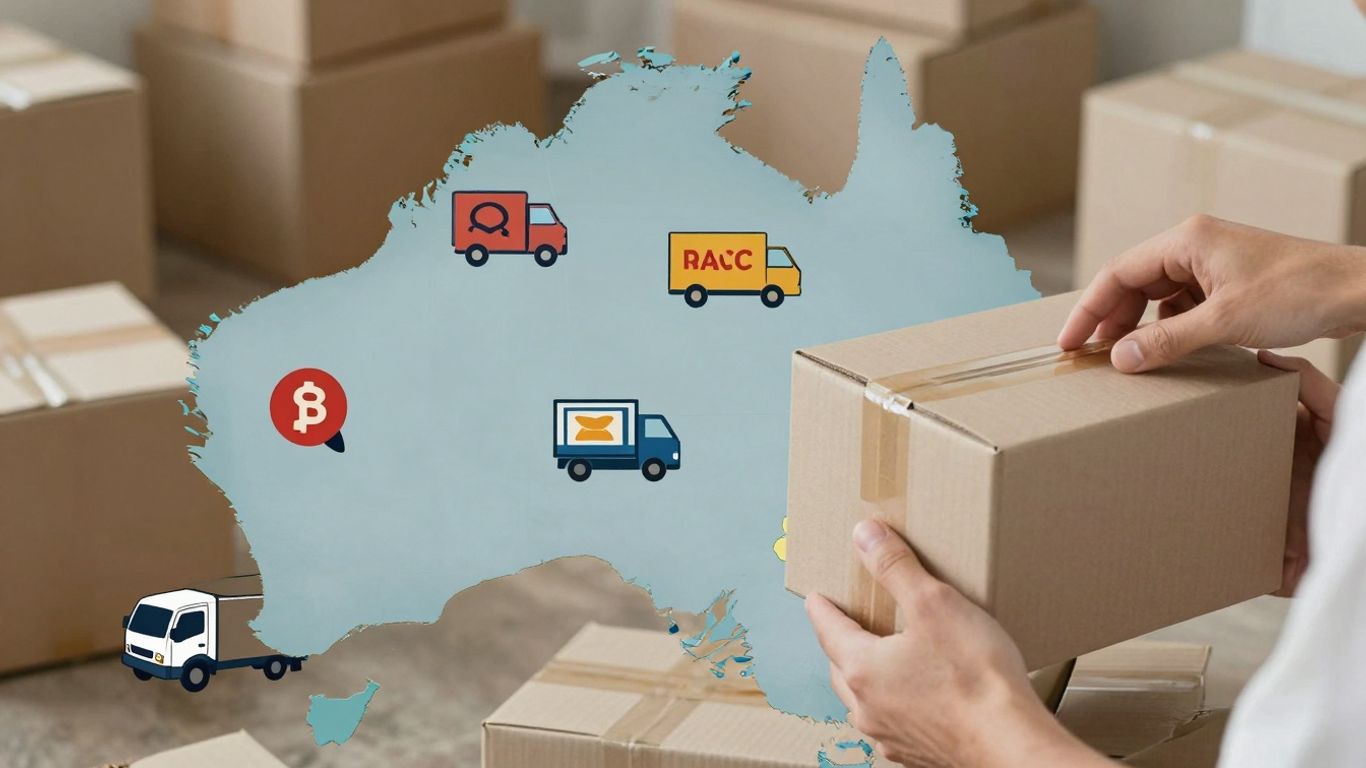
Getting your products from your door to your customer’s door in Australia is a big deal. It’s not just about packing a box; it’s about making sure it gets there on time, in one piece, and without costing you an arm and a leg. For online sellers here, especially those dealing with a lot of orders, figuring out the best way to handle shipping and storage is super important.
Efficient Delivery Systems For Australian Customers
Australia is a massive place, and getting things to customers in Perth from Sydney can take a while. This means you really need a plan for how you’re going to get your products to people quickly. Customers these days expect fast delivery, and if you can’t provide it, they’ll likely look elsewhere. Think about offering a few different shipping speeds – maybe a standard option and a faster one for those willing to pay a bit more. It’s all about managing expectations and meeting them.
- Speed is key: Aim for quick turnaround times from when an order is placed to when it’s shipped.
- Tracking is a must: Customers want to know where their stuff is. Provide tracking numbers.
- Clear communication: Let customers know about any potential delays before they happen.
Choosing The Right Logistics Partner
Unless you’re a tiny operation, you’ll probably need help with the physical side of things. This is where third-party logistics (3PL) companies come in. They can store your stock, pick and pack orders, and handle the shipping. Finding the right one is like finding a good mate for your business. You want someone reliable, who understands the Australian market, and whose prices make sense for your bottom line.
Some big names in Australian logistics include:
- Australia Post: They’ve been around forever and have a huge network.
- DB Schenker: Known for their warehouses and after-sales support.
- Aramex: They move a lot of parcels around the country.
Do your homework, get quotes, and see who fits best with your business size and needs.
The right logistics partner can make or break your online selling experience. They handle the nitty-gritty of getting products to customers, freeing you up to focus on selling more and improving your products. Don’t just pick the cheapest option; consider their reliability, reach, and customer service.
Understanding Fulfilment By Amazon (FBA)
If you’re selling on Amazon Australia, you’ve probably heard of FBA. It’s basically where you send your products to Amazon’s warehouses, and they do all the hard work of storing, packing, and shipping when someone buys your item. The big draw here is that your products become eligible for Amazon Prime, which is a massive sales booster. Amazon also handles customer service and returns for FBA items. It’s not free, of course; there are fees for storage and fulfilment, but for many sellers, the increase in sales and the time saved are well worth it. You’ll need to make sure your products meet Amazon’s strict labelling and packaging rules before sending them in, though.
Legal And Compliance Essentials

Getting your online business set up right from the start in Australia means paying attention to the legal stuff. It might not be the most exciting part, but it’s super important to avoid headaches down the track. Think of it as building a solid foundation for your business – you don’t want it crumbling later.
Navigating Prohibited Items In Australia
Before you even think about listing your first product, you need to know what you can’t sell. Australia has a list of prohibited and restricted items that can’t be imported or sold. This isn’t just about avoiding trouble; it’s about respecting the country’s regulations. Trying to sell something that’s banned can lead to your stock being seized, hefty fines, and even your selling account being shut down. It’s worth taking a bit of time to check the official government resources for the most up-to-date list. Some common examples include certain types of weapons, dangerous goods, and even some agricultural products that could harm local ecosystems.
Understanding Australian Consumer Laws
This is a big one. Australian Consumer Law (ACL) protects your customers, and by extension, it helps build trust in your business. The ACL sets out basic rights for consumers when they buy goods and services. These are often called consumer guarantees. For example, products must be of acceptable quality, fit for purpose, and match their description. If you sell something that doesn’t meet these guarantees, customers have rights to a repair, replacement, or refund. It’s not just about online sales; these laws apply across the board. Being aware of these rights means you can handle customer issues fairly and efficiently, which is good for your reputation.
Registering For An Australian Business Number (ABN)
If you’re running a business in Australia, you’ll likely need an Australian Business Number (ABN). It’s a unique 11-digit identifier for your business. Getting an ABN is pretty straightforward and can be done online. It helps you interact with other businesses and government agencies. Plus, it makes you look more legitimate to Australian customers. You’ll need it for tax purposes, like claiming GST credits if you’re registered for GST, and for dealing with suppliers. It’s a key step in formalising your business operations here.
Here’s a quick rundown of why an ABN is useful:
- Tax purposes: Essential for GST registration and tax returns.
- Business dealings: Required when invoicing other businesses or claiming fuel tax credits.
- Credibility: Shows customers and suppliers you’re a registered business.
- Online presence: Can help with getting an Australian domain name (.com.au).
Operating legally isn’t just about following rules; it’s about building a business that customers can rely on. Transparency and adherence to Australian standards will set you apart from sellers who cut corners.
Strategies For Growth And Visibility
Developing Your E-commerce Growth Strategy
So, you’ve got your products listed and you’re making sales. That’s awesome! But how do you keep that momentum going and actually grow your online business here in Australia? It’s not just about putting stuff online and hoping for the best. You need a plan, a bit of a roadmap, to figure out where you’re headed and how you’ll get there. Think about what makes your business special. Is it your unique products, your super-fast shipping, or maybe your amazing customer service? Whatever it is, lean into that. Your unique selling proposition is your superpower in the crowded online space.
Here are a few things to consider when building your growth plan:
- Know Your Numbers: Keep an eye on what’s selling well and what’s not. Look at your website traffic, your conversion rates, and how much it costs you to get a sale. This data tells you where to focus your energy and your money.
- Expand Your Reach: Are you only selling on one platform? Maybe it’s time to explore others. Or perhaps you could look at selling internationally if your products are suitable.
- Build a Community: People like to buy from brands they feel connected to. Think about social media, email newsletters, or even loyalty programs to keep customers coming back.
- Stay Ahead of Trends: The online world changes fast. Keep an eye on what new technologies are popping up and what your competitors are doing.
Effective Marketing And Advertising Tactics
Once you’ve got your strategy sorted, it’s time to shout about it! Getting your products in front of the right people is key. There are heaps of ways to do this, and what works best often depends on your budget and who you’re trying to reach.
- Paid Ads: Platforms like Google Ads and social media ads (Facebook, Instagram) can be really effective for getting immediate visibility. You can target specific demographics, interests, and even people who have visited your site before.
- Content Marketing: This is all about creating useful, interesting content that attracts people. Think blog posts, how-to guides, videos, or even just helpful social media updates. It builds trust and positions you as an expert.
- Email Marketing: Building an email list is gold. You can send out newsletters, special offers, or updates directly to people who are already interested in what you do. It’s a direct line to your customers.
- Influencer Marketing: Partnering with people who have a following in your niche can introduce your products to a whole new audience. Just make sure they’re a good fit for your brand.
The trick with marketing is to not just throw money at ads and hope for the best. It’s about understanding who your ideal customer is, where they hang out online, and what kind of messages will grab their attention. Test different approaches, see what gets the best return, and then double down on that.
Utilising Data For Continuous Improvement
Selling online isn’t a ‘set it and forget it’ kind of deal. The best sellers are always looking at their data to see what’s working and what’s not. It’s like having a cheat sheet for your business! You can find heaps of information within your marketplace accounts or your own website analytics.
Here’s a quick look at some key metrics to track:
| Metric | What it Tells You |
|---|---|
| Conversion Rate | How many visitors actually buy something. |
| Average Order Value | How much customers spend per purchase. |
| Customer Acquisition Cost (CAC) | How much it costs to get a new customer. |
| Return on Ad Spend (ROAS) | How much money you make for every dollar spent on ads. |
By regularly reviewing these numbers, you can spot opportunities. Maybe your conversion rate is low because your product descriptions aren’t clear enough, or perhaps your CAC is too high because you’re advertising on the wrong platforms. Small tweaks based on data can make a big difference over time. It’s all about learning, adapting, and getting better with every sale.
Wrapping Up Your Online Selling Adventure
So, there you have it. Selling online in Australia, whether it’s on a big marketplace like eBay or Amazon, or even a smaller, local spot, is totally doable. It might seem like a lot at first, with all the different platforms and rules, but once you get the hang of it, it’s pretty straightforward. Remember to do your homework on what people want, get your listings looking sharp, and make sure you can get those products to customers quickly. Don’t forget about the legal stuff either – nobody wants a fine. Keep learning, keep trying new things, and you’ll find your groove in the Aussie online selling scene. Good luck out there!
Frequently Asked Questions
What’s the best online shop to sell stuff in Australia?
It really depends on what you’re selling! Big names like Amazon Australia and eBay are super popular and reach heaps of people. If you’re into handmade or unique items, Etsy is a great shout. For specific things like homewares or fashion, places like Catch or The Iconic might be better. Do a bit of digging to see where your products will fit best.
Do I need a special number to sell online in Australia?
Yep, for most businesses, you’ll need an Australian Business Number, or ABN. It’s like a unique ID for your business. You can get one for free from the Australian government. It helps with taxes and makes you look legit to customers and other businesses.
What are the rules about what I can and can’t sell in Australia?
Australia has rules about certain items you can’t bring into the country or sell. Things like weapons, certain medicines, or even some food items might be restricted. It’s super important to check the official Australian Border Force website to see what’s on the prohibited list before you try to sell it.
How do I make sure my products get to customers quickly in Australia?
Getting your products to customers fast is a big deal for Aussies! You’ll want to look into reliable shipping companies that offer quick delivery options. Some sellers even use services like Amazon’s FBA (Fulfilment by Amazon), where Amazon handles the storage and shipping for you. Having a good delivery system makes customers happy.
Is it hard to set up a seller account on Amazon Australia?
Setting up an Amazon seller account is pretty straightforward. You’ll need to provide some business details and personal info. Amazon has different types of accounts, like individual or professional, depending on how much you plan to sell. Just follow their steps, and you’ll be up and running before you know it.
How can I make my products stand out online?
To make your products shine, use really good photos that show them off clearly. Write descriptions that are easy to read and explain why someone would want your product. Also, use words that people are actually searching for when they look for items like yours. This helps people find you!