
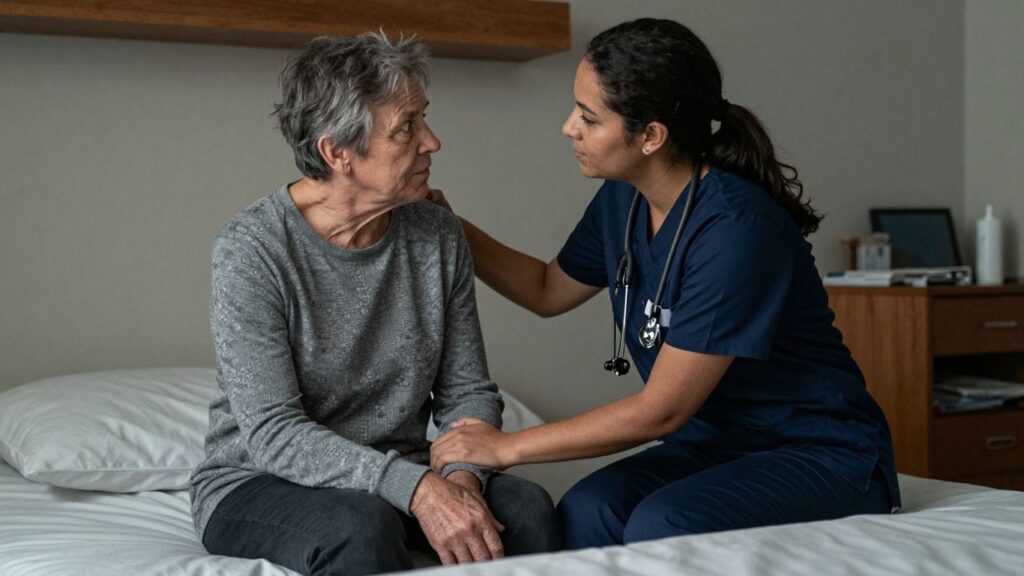
Thinking about a career helping people with their mental wellbeing in Australia? It’s a field that’s really growing, and getting the right qualifications can make all the difference. This guide breaks down the steps you’ll need to take to become a certified mental health professional, from understanding the demand to choosing your study path and what happens after you get your certification. It’s not always straightforward, but it’s definitely a rewarding path.
Key Takeaways
- The need for mental health professionals in Australia is high and continues to grow, offering job security and a chance to make a real difference.
- Educational pathways vary, from foundational Certificate IV and Diploma courses to specialised postgraduate studies, all contributing to mental health professional certification.
- Developing skills in areas like trauma-informed care, crisis intervention, and ethical practice is vital for working effectively with clients.
- The field offers diverse roles, including direct client support, community program management, and policy advocacy, with various options for mental health professional certification.
- Continuous professional development and practical experience are important after achieving initial mental health professional certification to stay current and grow in your career.
Foundational Mental Health Nursing Responsibilities
So, you’re keen to get into mental health work in Australia? That’s fantastic! The first big step is figuring out the right training. It’s not a one-size-fits-all situation, and different roles will need different qualifications. Think of it like building a house – you need a solid foundation before you start adding the fancy bits.
Understanding Accreditation Requirements
Before you even start looking at courses, it’s a good idea to know what the professional bodies expect. In Australia, various organisations oversee mental health practice, and they often have specific requirements for training and ongoing professional development. Staying aware of these accreditation standards means you’re on the right track from the beginning, making sure your qualifications will be recognised and respected.
Navigating Educational Pathways For Certification
Getting certified in mental health nursing isn’t always a straight line. There are different routes you can take, depending on your career goals. Some might aim for a general mental health support role, while others might specialise. It’s worth doing some digging to see which educational pathways align with the kind of work you want to do and the certifications you’re aiming for. This groundwork saves a lot of hassle down the track.
Foundational Qualifications: Certificate IV And Diploma
For many people starting out, a Certificate IV or a Diploma in Mental Health is the way to go. These courses give you a really good grounding in the basics. You’ll learn about common mental health issues, how to talk to people who are struggling, and the importance of looking after yourself while you’re helping others. They’re designed to get you job-ready fairly quickly.
Here’s a general idea of what these foundational courses cover:
- Understanding mental health conditions and their impact.
- Developing communication skills for supporting individuals.
- Learning about ethical practices and legal obligations.
- Recognising the importance of self-care in the profession.
Getting the right training is more than just a formality; it’s about equipping yourself with the knowledge and skills to provide safe, effective, and respectful care. It sets the stage for everything that follows in your career.
Core Clinical Mental Health Nursing Responsibilities
When we talk about the day-to-day work of mental health nurses, it really boils down to direct care and support. It’s about being present with individuals, helping them through tough times, and working towards their recovery. This isn’t just about listening; it’s about applying specific skills and knowledge in a way that’s sensitive to each person’s unique journey.
Trauma-Informed Care And Cultural Competence
Working with people who have experienced trauma requires a particular approach. You need to understand how past events can shape someone’s present behaviour and reactions. The goal is to create a safe environment where they feel respected and aren’t re-traumatised by the care they receive. This ties in closely with cultural competence. Australia is a diverse country, and recognising how different cultural backgrounds, beliefs, and values influence mental health is really important. A one-size-fits-all approach just doesn’t cut it here.
- Recognise the prevalence of trauma in individuals seeking mental health support.
- Adapt communication and interventions to be sensitive to past traumatic experiences.
- Understand and respect diverse cultural perspectives on mental health and wellbeing.
Being aware of how past experiences and cultural backgrounds shape a person’s view of mental health is key to providing effective and respectful care. It means stepping back and considering the whole person, not just their current symptoms.
Crisis Intervention And Counselling Techniques
Sometimes, you’ll be on the front lines, helping people through acute distress. Knowing how to respond calmly and effectively during a crisis, whether it’s a panic attack or a more severe situation, is vital. Beyond immediate crisis management, mental health nurses use various counselling techniques. These aren’t just generic ‘talk therapy’ sessions; they are structured approaches designed to help individuals explore their thoughts, feelings, and behaviours. Learning techniques like Cognitive Behavioural Therapy (CBT) or Motivational Interviewing gives you a toolkit to help people work through their challenges. It’s about finding the right fit for each person’s needs and goals, and supporting their recovery.
Direct Client Support Roles
This is often what people imagine when they think of mental health nursing. It’s about hands-on work with individuals and families. This can include:
- Mental Health Clinicians: Conducting assessments and developing treatment plans.
- Counsellors: Providing therapeutic support through various modalities.
- Case Managers: Coordinating care for individuals with complex needs, linking them with services.
- Crisis Intervention Workers: Offering immediate support during emergencies.
These roles are demanding, but they are also where you can see the most direct impact of your work. It’s about building relationships, offering support, and helping people navigate their mental health journey.
Ethical And Legal Mental Health Nursing Responsibilities
Working in mental health nursing in Australia means you’re not just caring for people; you’re also operating within a strict set of rules and laws. It’s a bit like being a referee in a game – you need to know the rulebook inside out to make sure everyone’s treated fairly and safely. This isn’t just about avoiding trouble; it’s about building trust and making sure the care you give is top-notch and legal.
Ethical Practices And Legislation
This is where things get serious. You’ve got to be across the laws that apply to mental health care in Australia. This includes things like the Privacy Act 1988, which is all about keeping personal information locked down tight. Then there are the professional codes of conduct for nurses – basically, the expected standards of behaviour. Knowing these rules protects both you and the people you’re supporting. It means always acting with integrity, respecting client rights, and making decisions that are not only clinically sound but also ethically and legally sound.
Client Confidentiality And Professional Boundaries
Keeping what people tell you private is a big deal. It’s not just about not gossiping; it’s a legal requirement. You need to be really clear about what information can be shared, with whom, and why. This also ties into professional boundaries. Think of it like a fence around your professional relationship – it keeps things safe and clear. You’re there to help, but you’re not their mate or family. Maintaining these boundaries means avoiding dual relationships and keeping the focus firmly on the client’s needs and recovery.
Reporting Obligations And Duty Of Care
Sometimes, you’ll be in a position where you have to report certain things. This is called mandatory reporting, and it’s there to protect vulnerable people. If you see or hear something that suggests a person, especially a child or someone unable to protect themselves, is at risk of harm, you have a legal duty to report it. Your duty of care is broader than just that, though. It means taking reasonable steps to avoid causing foreseeable harm to your clients. It’s about being proactive and vigilant in your practice.
Being aware of ethical considerations and legal frameworks isn’t just about ticking boxes. It’s about building trust and providing care that is both safe and effective. It means always putting the client’s well-being first, within the bounds of what’s legally and ethically permissible.
Broader Mental Health Nursing Responsibilities

Beyond the direct client care and immediate clinical settings, mental health nurses play a significant role in shaping the wider landscape of mental wellbeing in Australia. This involves looking at the bigger picture, influencing how services are delivered, and contributing to systemic improvements. It’s about moving beyond individual cases to impact communities and policy.
Community Program Management
Managing community-based mental health programs is a key area where nurses can make a substantial difference. This isn’t just about running a local support group; it’s about designing, implementing, and overseeing initiatives that aim to boost mental wellbeing across entire communities. Think about programs tailored for specific age groups, cultural backgrounds, or even particular challenges like post-natal depression or youth anxiety. Nurses in these roles coordinate teams, manage budgets, and work to make sure services are accessible and culturally appropriate for everyone who needs them. It’s about building a supportive network from the ground up.
Policy Development And Advocacy
For those with a passion for systemic change, contributing to policy development and advocacy is incredibly impactful. This involves working with government bodies, health organisations, and community groups to shape the guidelines and strategies that govern mental health care. Nurses can bring their frontline experience to the table, informing decisions about funding, service models, and public health campaigns. Advocating for better resources, reduced stigma, and more equitable access to care can lead to widespread improvements. It’s a way to influence mental health outcomes on a national scale.
Research And Advancing Understanding
Contributing to research is another vital aspect of broader mental health nursing. This could involve participating in studies, collecting data, or even leading research projects. By exploring new treatment approaches, understanding the effectiveness of different interventions, or investigating the social determinants of mental health, nurses help advance the knowledge base of the profession. This evidence-based practice is what drives progress and leads to better care for individuals and communities alike. The insights gained from research directly inform clinical practice and policy decisions.
The mental health sector is always evolving. New research emerges, societal needs shift, and best practices are continually refined. Nurses who engage in broader responsibilities are at the forefront of this evolution, helping to steer the direction of mental health care in Australia towards more effective, accessible, and compassionate outcomes for all.
Essential Skills For Mental Health Nursing Responsibilities
So, you’re looking at a career in mental health nursing here in Australia? That’s a big step, and a really important one. It’s not just about having a kind heart, though that’s a good start. You need a solid set of skills to actually help people effectively and safely. Think of it like building a house; you need the right tools and know-how for every stage.
The Critical Need For Support Services
It feels like everyone knows someone who’s struggled with their mental health these days, right? And that’s because the numbers back it up. Roughly half of all Aussies will face a mental health condition at some point in their lives. That’s a huge chunk of the population needing support. This means the demand for people who can actually help – trained professionals – is through the roof. We’re talking about needing more counsellors, psychologists, mental health nurses, and support workers just to keep up.
Key Skills And Knowledge For Mental Health Professionals
What does it take to be a good mental health nurse? It’s a mix of things, really. You need to know about different mental health conditions, of course, but also how to talk to people, how to keep them safe, and how to work with their families.
Here are some of the main skills you’ll need:
- Therapeutic Communication: This is more than just listening. It’s about asking the right questions, reflecting what you hear, and building trust so people feel comfortable opening up.
- Assessment Skills: You need to be able to figure out what’s going on with someone – their mood, their thoughts, their risks – and then decide on the best way to help.
- Crisis Management: Sometimes people are in a really bad way and need immediate help. Knowing how to de-escalate a situation and provide support during a crisis is vital.
- Understanding of Pharmacology: Knowing about the medications used to treat mental health conditions, their effects, and side effects is part of the job.
- Cultural Competence: Australia is a diverse country. You need to understand how different cultural backgrounds can affect someone’s mental health and how they seek help.
- Trauma-Informed Care: Many people seeking support have experienced trauma. Your approach needs to be sensitive to this, creating a safe environment.
Practical Experience And Hands-On Learning
Reading books and doing lectures is one thing, but actually being there with people is where the real learning happens. Most training programs will require you to spend time working in real settings, like hospitals or community centres, under the guidance of experienced nurses. This is where you put all that theory into practice. You’ll learn how to handle tricky situations, build rapport with clients, and really get a feel for the day-to-day work. It’s not always easy, but it’s absolutely necessary to become a confident and capable mental health nurse.
Working with people’s mental health requires a constant balance between empathy and professional boundaries. It’s about being present and supportive without becoming overly involved, always remembering your role and the client’s needs.
Professional Development In Mental Health Nursing

Achieving Mental Health Professional Certification
Getting your foot in the door as a mental health nurse in Australia usually starts with formal qualifications, but that’s just the beginning. To be recognised as a professional, you’ll often need to meet specific certification requirements. These aren’t just arbitrary hurdles; they’re designed to make sure you’ve got the right skills and knowledge to support people safely and effectively. Think of it as a stamp of approval that says you’re ready for the real work. The exact path can vary depending on the specific role and the organisation you’re looking to work with, but generally, it involves a combination of education, supervised practice, and sometimes ongoing training.
Continuous Professional Development
Once you’ve got your certification, the learning doesn’t stop. Honestly, it’s just getting started. The world of mental health is always changing – new research comes out, different ways of helping people emerge, and the challenges we face evolve. To stay current and provide the best care possible, you’ve got to keep learning. This usually means attending workshops, doing short courses, or even joining peer support groups where you can share experiences and learn from others. It’s about staying sharp and making sure your skills are up-to-date. It shows you’re serious about your career and the people you’re helping.
- Attending industry conferences and seminars.
- Completing online modules and short courses.
- Participating in regular supervision sessions.
- Engaging with professional journals and research.
The Rewarding Nature Of Mental Health Careers
It’s not always easy, this line of work. You’ll see people at their lowest points, and sometimes the progress can feel slow. But the flip side is incredibly powerful. Helping someone navigate a difficult period, seeing them find their feet again, or even just being a steady presence when they feel lost – that’s something special. It’s a career where you can genuinely feel like you’re making a tangible difference in someone’s life. The connections you build, the resilience you witness, and the personal growth you experience yourself are all part of what makes it so worthwhile.
The field of mental health nursing is dynamic. Staying curious and committed to ongoing learning is not just about career progression; it’s about providing the most effective and compassionate care possible to those who need it most.
Wrapping It Up
So, we’ve looked at what it really means to be a mental health nurse here in Australia. It’s a job that asks a lot of you, sure, but it’s also one where you can genuinely make a difference. From understanding the laws and ethics to knowing how to support someone through a tough time, it’s a complex role. But with the right training and a commitment to keep learning, you can build a really rewarding career. The need for these skills is only growing, so if you’re thinking about it, now’s a good time to get started.
Frequently Asked Questions
What kind of training do I need to work in mental health in Australia?
To start out, many people get a Certificate IV or a Diploma in Mental Health. These courses teach you the basics about common mental health problems and how to support people. As you go further in your career, you might do more specialised study.
Is it important to understand different cultures when working in mental health?
Absolutely! Australia is a multicultural place. Knowing about different cultural backgrounds, beliefs, and how they can affect someone’s mental health is really important. It helps you give better, more respectful care to everyone.
What does ‘trauma-informed care’ mean?
Trauma-informed care means understanding that many people you help might have gone through difficult or upsetting experiences. Your job is to be aware of this and create a safe, supportive environment where they feel respected and not hurt again by the way you interact with them.
What are some common jobs in mental health support?
There are many roles! You could be a mental health nurse, a counsellor helping people talk through their problems, a case manager who organises care plans, or someone who helps people in crisis situations. There are also jobs in managing community programs or even helping to shape policies.
Why is there such a big need for mental health workers right now?
More people than ever are talking about mental health and seeking help. Plus, there’s more awareness about how important mental wellbeing is. This means there are lots of job opportunities for people who want to help others.
Do I need to keep learning after I get my qualifications?
Yes, definitely! The world of mental health is always changing with new research and ideas. Continuing to learn and develop your skills is super important to stay up-to-date and be the best support you can be.