

Life throws a lot at us, doesn’t it? Sometimes it feels like you’re just trying to keep your head above water. But what if I told you that you’ve got more strength inside you than you think? This article is all about finding practical ways to heal yourself, build up your inner toughness, and feel more like you. We’ll look at simple things you can do every day to feel better and handle whatever comes your way. It’s about getting to know yourself better and taking charge of your own well-being.
Key Takeaways
- Get to know yourself better by paying attention to your thoughts and feelings. This helps you understand why you react certain ways and makes it easier to heal self.
- Being open about how you feel, even when it’s tough, can actually make you stronger. Sharing your experiences safely helps you heal self.
- Your body holds onto a lot of feelings. Trying things like gentle movement or breathing exercises can help release that tension and heal self.
- Setting up little routines each day, like taking a few minutes to breathe or think about what you’re thankful for, builds your strength over time.
- Changing how you think about tough situations can make a big difference. Instead of getting stuck on the negatives, look for the lessons and chances to grow.
Cultivating Self-Awareness For Deeper Healing
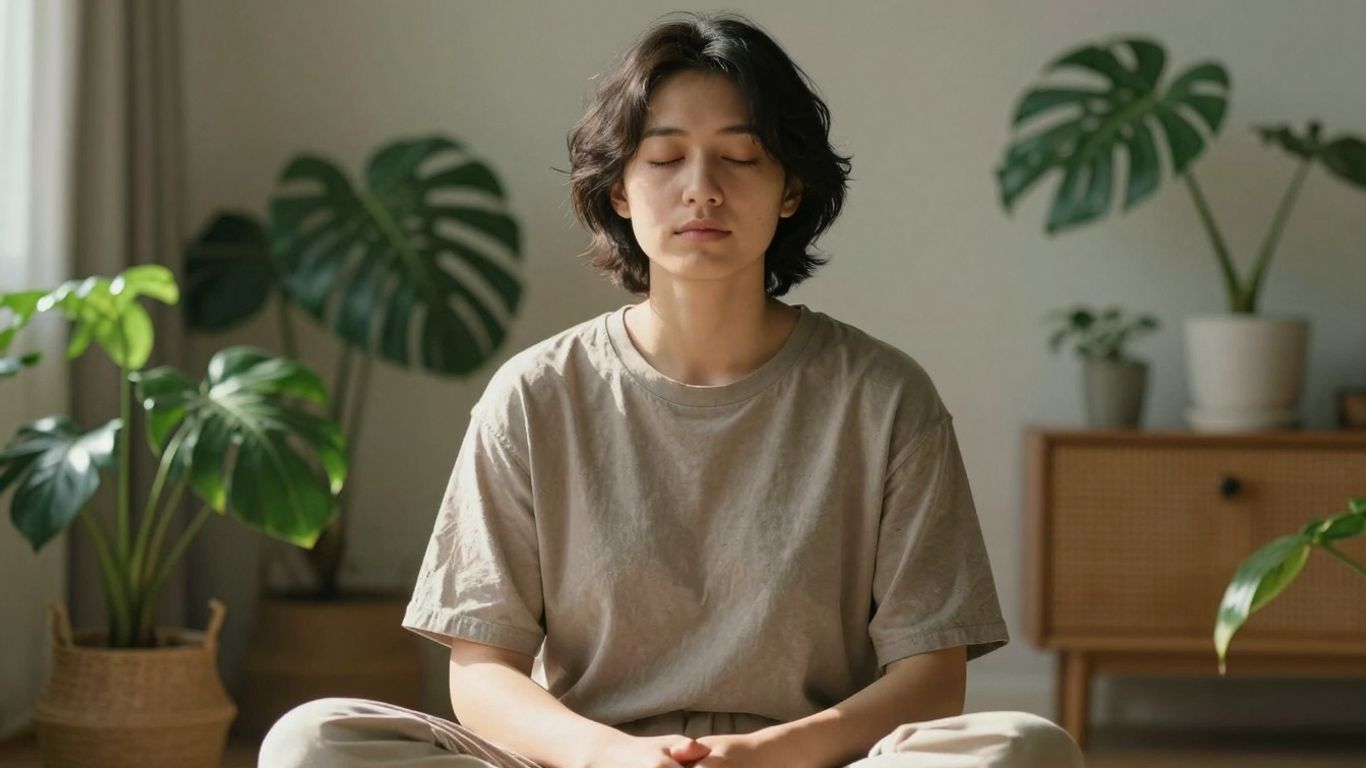
Getting to know yourself better is a bit like trying to understand a new mate. You wouldn’t just jump into deep chats straight away, right? You’d start by noticing things – how they react, what makes them laugh, what makes them quiet. It’s the same with yourself. Paying attention to your inner world is the first real step towards healing. It’s not about judging what you find, but simply observing. This awareness helps you see why you do the things you do, and how you tend to feel in different situations. It’s a bit of detective work on yourself, really.
Mindful Meditation For Inner Clarity
Meditation might sound a bit fancy, but at its core, it’s just about taking a moment to sit with yourself. Think of it as hitting the pause button on the usual chaos. You don’t need to empty your mind or anything like that – that’s a myth! Just focus on your breath for a few minutes. Notice when your mind wanders (it will!) and gently bring your attention back. Doing this regularly, even for just five or ten minutes a day, can really help clear the fog. You start to notice your thoughts without getting completely swept away by them. It’s like watching clouds drift by instead of being stuck in the storm.
Journaling Prompts For Emotional Insight
Sometimes, our feelings get all jumbled up inside. Writing them down can be a game-changer. It’s like untangling a knotty ball of yarn. Grab a notebook and just start writing. Don’t worry about grammar or making sense. Here are a few things you could ask yourself:
- What emotion has been showing up a lot lately, and what might it be trying to tell me?
- When I feel really stressed, what’s the first thing I usually do, and how does that work out for me?
- What’s one small thing that made me feel good today, even if it was tiny?
Writing things down gives you a chance to see your thoughts and feelings from a different angle. It’s a private space where you can be completely honest with yourself, no holds barred.
Noticing Recurring Emotional Patterns
Have you ever noticed that you tend to react the same way when certain things happen? Maybe you get really defensive when someone gives you feedback, or you tend to withdraw when you feel overwhelmed. These are emotional patterns. They’re not necessarily bad, but they can hold you back if you’re not aware of them. By paying attention through meditation and journaling, you start to spot these patterns. You might see that a certain situation always triggers a feeling of anxiety, or that you always try to please everyone. Once you see them, you can start to understand where they come from and decide if you want to keep responding that way, or if there’s a different, more helpful way to handle things.
Embracing Vulnerability To Heal Self
We often get told to be strong, to put on a brave face. But honestly, sometimes that just makes things worse, doesn’t it? Trying to pretend everything’s fine when it’s not is exhausting. True strength isn’t about never feeling weak; it’s about being able to show up as you are, even when you’re not feeling your best. That’s where vulnerability comes in. It’s not about airing all your dirty laundry to anyone who’ll listen, but about letting down the guard a bit, in safe spaces.
Expressing Feelings Authentically
This is about learning to put words to what’s actually going on inside. It’s easy to say ‘I’m okay’ when you’re really feeling a mess. Try to catch yourself and swap it out. Instead of ‘I’m fine,’ maybe try ‘I’m feeling a bit overwhelmed right now’ or ‘I’m a bit sad about that.’ It sounds simple, but it makes a huge difference in how you process things. It’s like giving your feelings a name, which makes them less scary.
Here are a few ways to start:
- Notice what you’re feeling before you speak. Is it anger, sadness, frustration?
- Try using ‘I’ statements. ‘I feel hurt when…’ is much better than ‘You always make me feel…’
- Don’t be afraid to say ‘I don’t know’ or ‘I need a moment’ if you’re not sure how to express yourself.
Sharing Personal Experiences Safely
This is where you pick your people. You don’t need to tell your whole life story to your workmate over the water cooler. Think about who in your life makes you feel heard and understood. It might be a close friend, a family member you trust, or even a therapist. Sharing a bit of what’s going on, even something small, can make you feel less alone. It’s about finding those safe harbours where you can be real without fear of judgment.
Building trust with others often starts with trusting yourself enough to be open. It’s a two-way street, and finding people who can hold space for your feelings is a big part of healing.
Exploring Fears Of True Self-Expression
So, why is it so hard to just say what we mean or show how we feel? Often, it’s because we’re worried. Worried about what others will think, worried about being rejected, or worried that if people see the ‘real’ us, they won’t like it. Maybe we’ve had experiences in the past where being open led to getting hurt. It’s worth asking yourself: what am I actually afraid of if I show my true feelings? Writing these fears down can help you see them more clearly and start to challenge them. It’s a process, and it takes time, but facing these fears is a massive step towards feeling more whole.
Harnessing Somatic Practices For Emotional Release
Sometimes, feelings don’t just stay in our heads, do they? They can get stuck in our bodies, like a knot in your shoulders or a tightness in your chest. Somatic practices are all about working with these physical sensations to help release that pent-up emotional energy. It’s about listening to what your body is trying to tell you and helping it let go of what it’s holding onto. This approach helps bridge the gap between your mind and your body, allowing for a more complete kind of healing.
Trauma-Informed Movement For Stuck Energy
When we go through tough times, our bodies can hold onto that stress. Trauma-informed movement is about gentle, mindful ways to encourage that stored energy to move. Think of it like shaking a rug to get the dust out – but for your emotions. It’s not about intense workouts, but rather about finding ways to encourage your body to release tension and stress safely. This could involve simple shaking exercises, gentle stretching, or even just noticing where you feel tension and breathing into it.
Breathwork To Calm The Nervous System
Our breath is a direct line to our nervous system. When we’re stressed, our breathing gets shallow and fast. Consciously changing our breath can signal to our body that it’s safe to relax. Practices like box breathing (inhaling for four, holding for four, exhaling for four, holding for four) or the 4-7-8 technique (inhale for four, hold for seven, exhale for eight) can really help to slow things down. It’s a simple tool, but incredibly effective for managing those moments when you feel overwhelmed. You can find lots of guided breathwork sessions online to help you get started with this technique.
Body Scans For Tension Awareness
Have you ever realised you’ve been clenching your jaw all day without even knowing it? A body scan is like a gentle check-in with yourself. You lie down or sit comfortably and slowly bring your attention to different parts of your body, just noticing any sensations – warmth, coolness, tightness, or ease. There’s no need to change anything, just observe. This practice helps you become more aware of where you might be holding onto stress or tension, which is the first step to being able to release it. It’s a way to get to know your physical self better and understand how emotions show up there.
These body-focused techniques aren’t about forcing anything. They’re about creating a safe space for your body to express and release what it needs to, at its own pace. It’s a gentle, yet powerful, way to process difficult experiences and reconnect with yourself.
Building Resilience Through Daily Rituals
Building resilience isn’t something that just happens; it’s more about creating habits that help you bounce back when things get tough. Think of it like training for a marathon – you wouldn’t just show up on race day, right? You build up to it. The same goes for your emotional strength. Making small, consistent efforts each day can make a massive difference over time.
Creating A Centering Morning Routine
Starting your day with intention can set a positive tone for everything that follows. It doesn’t need to be complicated. Even 15-20 minutes dedicated to yourself can be a game-changer. This is your time to ground yourself before the world starts demanding your attention. It’s about intentionally building a personal practice that shores up your emotional core.
Here’s a simple way to structure a centering morning routine:
- Grounding Breathwork: Spend a few minutes just focusing on your breath. Notice the inhale and exhale. This simple act can calm your nervous system right from the get-go.
- Journaling a Personal Affirmation: Write down a positive statement about yourself or your day. Something like, "I am capable of handling whatever comes my way today," or "I choose to approach today with patience."
- One Self-Care Act: This could be anything that feels good to you. Maybe it’s a short walk around the block, sipping a cup of tea mindfully, or doing a quick stretch. The key is that it’s an act of kindness towards yourself.
These small, repeated actions create a powerful ripple effect, reinforcing your ability to cope with stress and stay connected to who you really are.
Incorporating Gratitude Practices
It sounds simple, but actively appreciating what you have, rather than dwelling on what you lack, is a massive resilience booster. When you focus on the good things, even the tiny ones, you shift your perspective. It’s about ‘Stop, Look, and Go’ – pausing to notice the good, then moving forward with that appreciation.
Here’s a way to keep a gratitude journal:
| What I’m Grateful For | Day of the Week |
|---|---|
| My supportive friends | Monday |
| A warm cup of coffee | Tuesday |
| The sunshine today | Wednesday |
| A good book I’m reading | Thursday |
| My health | Friday |
Keeping this up, even when things are tough, is a gentle reminder of all the good stuff in your life. It’s a way to build emotional well-being.
Mindful Moments For Emotional Nourishment
Throughout the day, sprinkle in little moments of mindfulness. These aren’t big commitments, just brief pauses to check in with yourself. It’s about finding pockets of peace and self-connection amidst the chaos. These micro-practices, when done consistently, lead to macro-impacts on your overall resilience. They help you stay present and less overwhelmed by the daily grind.
Reframing Thoughts For Inner Strength
Sometimes, our own minds can be our biggest roadblocks, can’t they? We get stuck in these negative loops, telling ourselves we’re not good enough or that things will never get better. It’s like being stuck in a bit of a mental rut. But the good news is, we can actually learn to change how we think about things. It’s not about pretending everything is rosy, but about looking at situations with a bit more balance and seeing the possibilities for growth.
Challenging Negative Self-Talk
That inner critic can be pretty loud sometimes. It pipes up with all sorts of unhelpful comments. The first step is just noticing when it’s happening. When you catch yourself thinking something negative, like "I’ll never get this right," pause for a moment. Ask yourself if that thought is actually true, or if it’s just your inner critic having a field day. Often, these thoughts aren’t based on solid facts, but on old fears or assumptions. We can learn to challenge negative thoughts instead of just accepting them as gospel.
Developing Alternative Narratives
Once you start noticing those negative thoughts, you can begin to swap them out for something more helpful. It’s like rewriting a story in your head. Instead of "This is a disaster," you could try "This is a tough situation, but I can learn from it." It takes practice, but consciously choosing a different way to see things can really shift your perspective. Think about it like this:
- Automatic Thought: "I messed up that presentation."
- Challenge: "Did I really mess up everything? What parts went okay?"
- Alternative Narrative: "That presentation didn’t go as smoothly as I’d hoped, but I got through it, and I learned what I need to work on for next time."
Viewing Setbacks As Growth Opportunities
Life throws curveballs, and sometimes we stumble. It’s easy to see these moments as failures, but what if we looked at them differently? Every setback, every mistake, can actually be a chance to learn something new about ourselves and the world. It’s about building that mental flexibility to bounce back, not just to where we were, but to a stronger place.
It’s not about avoiding difficult times, but about developing the inner resources to face them head-on and come out the other side with more wisdom and strength. This shift in perspective is key to building lasting resilience.
Remember, changing your thought patterns is a skill, and like any skill, it gets better with consistent effort. Be patient with yourself as you practice these new ways of thinking.
Nurturing Your Inner World Through Self-Care
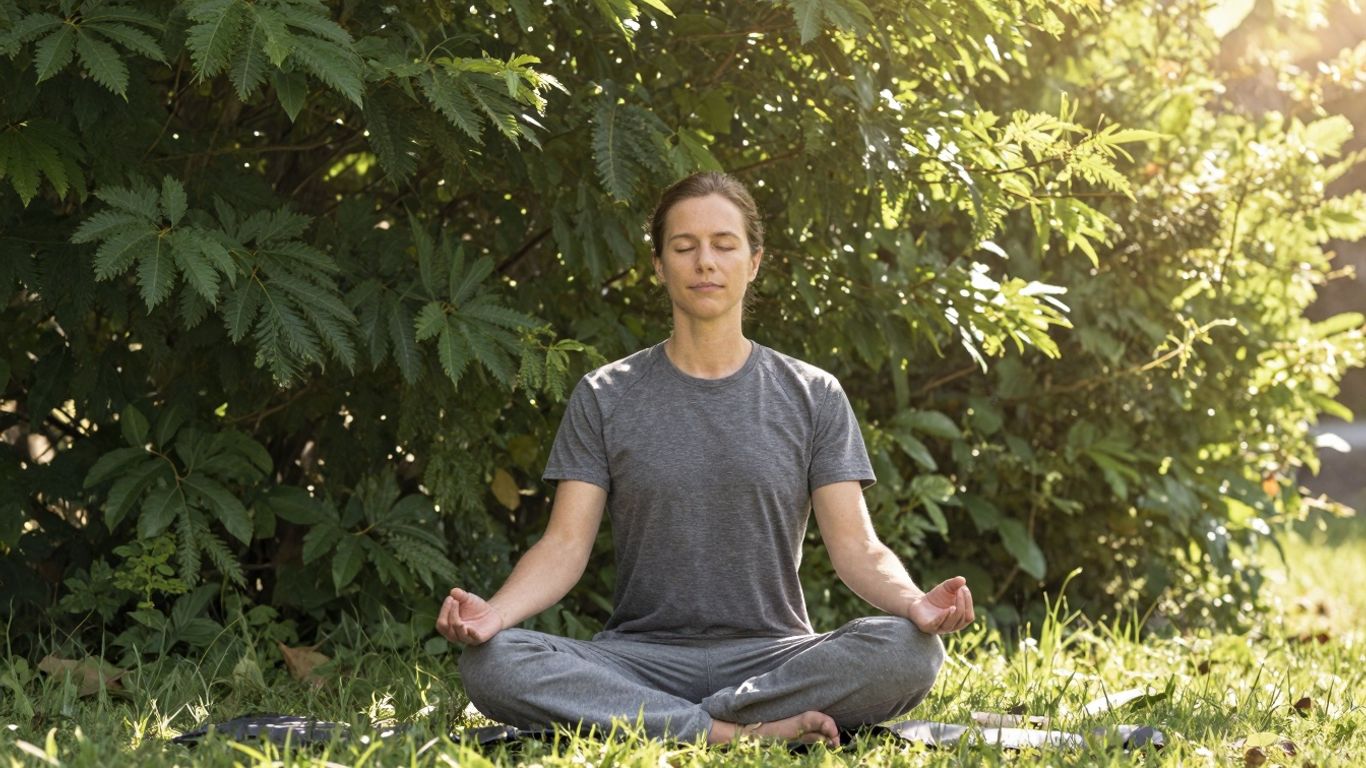
Sometimes, life just throws a lot at you, doesn’t it? It feels like you’re juggling a million things, and before you know it, your own needs are at the bottom of the pile. That’s where looking after your inner world comes in. It’s not selfish; it’s actually pretty vital for keeping your head above water.
Prioritising ‘Me Time’ For Recharge
This is all about carving out moments just for you. It doesn’t have to be a whole weekend away (though that would be nice!). Even 15 minutes with a cuppa and a good book, or a quiet walk around the block, can make a difference. Think of it like charging your phone – you can’t expect it to run on empty, and neither can you. Making self-care a regular thing helps you handle stress better. It’s about actively choosing activities that refill your cup, rather than waiting until you’re completely drained.
Engaging In Joyful Activities
What genuinely makes you happy? It might be listening to music, pottering in the garden, or even just watching a silly movie. Whatever it is, make time for it. It’s easy to get caught up in responsibilities and forget the things that bring a smile to your face. These aren’t just frivolous pastimes; they’re important for your mental and emotional health. They remind you that life isn’t all about obligations.
Practicing Kindness Towards Yourself
This one can be tough. We’re often our own harshest critics, aren’t we? When things go wrong, or we don’t meet our own expectations, it’s easy to beat ourselves up. Practicing self-kindness means talking to yourself like you would a good mate. Acknowledge that you’re doing your best, and that it’s okay to not be perfect. It’s about offering yourself the same understanding and compassion you’d give to someone else. This approach helps build your emotional resilience.
Here are a few ways to start being kinder to yourself:
- Acknowledge your efforts: Notice the things you do accomplish, no matter how small.
- Forgive mistakes: Everyone messes up. Learn from it and move on without dwelling.
- Listen to your body: Rest when you’re tired, eat nourishing food, and move in ways that feel good.
- Celebrate small wins: Did you get out of bed on a tough day? That’s a win!
Looking after yourself isn’t a luxury; it’s a necessity. When you consistently make time for activities that bring you joy and practice self-compassion, you build a stronger foundation for dealing with life’s ups and downs. It’s about showing up for yourself, day in and day out.
Your Resilience Journey Continues
So, that’s a wrap on exploring ways to build up your inner strength. Remember, this isn’t about suddenly becoming someone who never feels down. It’s more about learning how to handle those tough moments when they pop up, and doing it in a way that helps you grow. Think of each challenge as a chance to get to know yourself a bit better, to find that quiet strength you already have. Start small, pick one thing that feels doable, and just keep at it. Every time you choose to face a feeling instead of running from it, you’re doing yourself a massive favour and building a stronger connection with who you really are.
Frequently Asked Questions
What does it mean to be resilient?
Being resilient means you can handle tough times and bounce back when things get difficult. It’s like having an inner strength that helps you get through challenges without falling apart. It’s not about never feeling sad or stressed, but about knowing how to manage those feelings and keep going.
How can I become more self-aware?
To be more self-aware, try paying attention to your thoughts and feelings without judging them. Things like meditation, where you focus on your breathing, or journaling your thoughts can really help you understand yourself better. Noticing what makes you feel certain ways is a big part of it.
Is it okay to show my feelings?
Absolutely! Showing your feelings, even the difficult ones, is actually a sign of strength, not weakness. It’s called being vulnerable. When you share how you really feel with people you trust, it helps you feel less alone and more connected to others and yourself.
What are ‘somatic practices’?
Somatic practices are ways to use your body to help release stress and emotions. Think of things like gentle movement, yoga, or even just focusing on your breathing. Sometimes, feelings get stuck in our bodies, and these practices help them move through, making you feel more relaxed and free.
How do daily routines help with resilience?
Having simple daily routines, like a calm morning ritual or taking a moment to be thankful, can make a huge difference. These small habits act like anchors, helping you feel steady and in control, especially when life gets chaotic. They’re like little boosts of strength throughout your day.
Can I really change how I think?
Yes, you can! It’s about learning to notice when you’re having negative thoughts and then challenging them. You can try to think of things in a more positive or helpful way. Seeing tough situations as chances to learn and grow, rather than just failures, is a big part of building inner strength.