So, you’re thinking about making the move to Aotearoa, eh? That’s pretty exciting! Before you start picturing yourself on a beach or hiking up a mountain, it’s a good idea to get a handle on the money side of things. Figuring out the cost of living in New Zealand per month for 2026 is a big step, and honestly, it’s not a simple number. It really depends on where you end up and how you like to live your life.
Key Takeaways
- The average monthly cost of living in New Zealand, not including rent, is about NZD $1,730 for one person or NZD $6,230 for a family of four.
- Housing is a major expense, with rents in big cities like Auckland and Wellington costing a fair bit more than in smaller towns.
- Groceries can add up, but shopping smart at places like Pak’n Save and cooking at home can help keep these costs down.
- While you can own a car, public transport is generally a more budget-friendly way to get around cities.
- Spending on fun stuff like going out and hobbies varies a lot, but it’s easy for these costs to creep up if you’re not watching them.
Understanding Your Monthly Cost Of Living In New Zealand
So, you’re eyeing up a move to Aotearoa and wondering about the dollar signs? It’s a smart move to get a handle on what living in New Zealand might actually cost you each month, especially for 2026. It’s not a simple answer, mind you, because it really swings depending on your situation and where you decide to hang your hat.
Average Monthly Expenses For Individuals And Families
Let’s break down what you might be looking at. For a single person, the basics – think food, getting around, utilities, and a bit of fun – could land you around NZD $1,730 a month, and that’s before you even factor in rent. For a family of four, those same essentials could add up to roughly NZD $6,230 monthly, again, excluding housing costs. It’s a big difference, and it highlights how household size really impacts the budget.
Here’s a rough idea of those baseline costs:
| Expense Category | Single Person (NZD) | Family of Four (NZD) |
|---|---|---|
| Food & Groceries | $600 | $1,500 |
| Transportation | $200 | $500 |
| Utilities & Internet | $150 | $300 |
| Leisure & Dining | $300 | $800 |
| Miscellaneous | $480 | $1,130 |
| Total (Excl. Rent) | $1,730 | $6,230 |
Key Factors Influencing New Zealand Living Costs
Loads of things can nudge these numbers up or down. Your location is a massive one. Living in a major city like Auckland or Wellington will almost certainly cost more than setting up shop in a smaller town. Then there’s your personal lifestyle – are you someone who whips up meals at home most nights, or do you enjoy trying out new cafes and restaurants regularly? Your choices here make a real difference to your bank balance.
- Where you live: Big city versus a smaller town.
- Your spending habits: Eating out often versus cooking at home.
- Household size: One person versus a family.
- Accommodation type: Renting a whole house versus sharing.
It’s worth remembering that while some costs, like groceries, can feel a bit higher than what you might be used to, other things like wages can be competitive. It’s all about balancing the books.
Comparing New Zealand’s Expenses To Other Countries
How does New Zealand stack up globally? Compared to places like the UK, you’ll find many everyday costs, including dining out and utilities, are pretty similar. However, groceries tend to be a bit pricier here. If you’re coming from somewhere like India, you’ll notice a significant jump in the cost of living, with expenses being considerably higher across the board. For instance, monthly living costs (excluding rent) for a single person in New Zealand might range from NZD $3,500 to $4,600. This is quite a bit higher than the UK’s estimated NZD $2,310 to $2,850 for the same period. So, while New Zealand offers a fantastic lifestyle, it’s wise to be prepared for the financial side of things. You can get a better idea of the average monthly expenses for different household sizes.
Navigating Housing Expenses In New Zealand
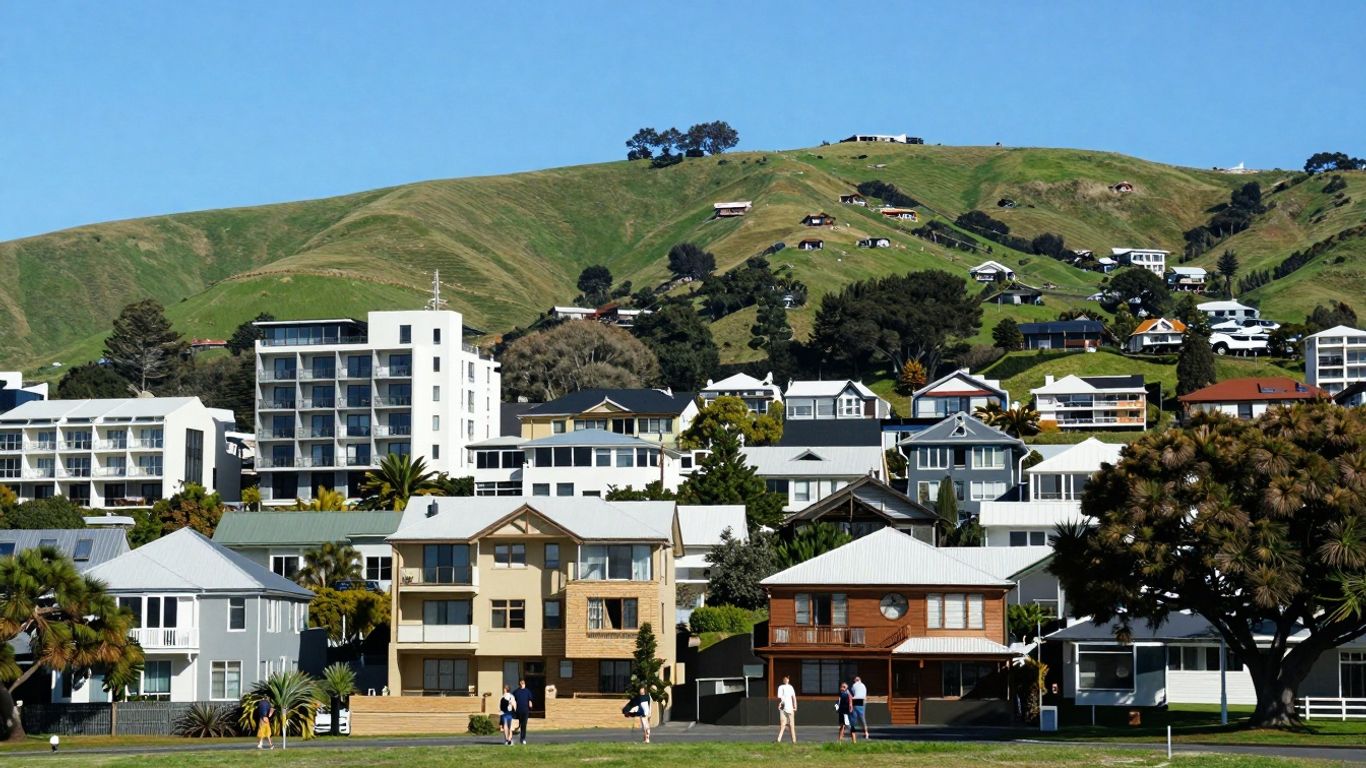
Finding a place to live is probably going to be one of your biggest expenses when you’re figuring out the cost of living in New Zealand for 2026. It’s not just about the rent itself, but where you choose to put down your roots. Big cities like Auckland and Wellington are definitely going to cost you more than smaller towns or regional areas. It’s a bit of a trade-off, really – more jobs and buzz in the cities, but a higher price tag for your roof over your head.
Rental Costs In Major Cities Versus Smaller Towns
Rent prices can swing quite a bit depending on whether you’re looking in a bustling city centre or a more laid-back regional spot. For instance, you’ll likely pay more for a place in Auckland or Wellington compared to somewhere on the West Coast. It’s always a good idea to check out resources like Tenancy Services to get a feel for the market rent in different areas before you start your search.
Here’s a rough idea of what you might expect for median weekly rents in 2026:
| City/Region | Median House Rent (Weekly) | Median Unit Rent (Weekly) |
|---|---|---|
| Auckland | NZD $650 | NZD $570 |
| Wellington | NZD $595 | NZD $560 |
| Christchurch | NZD $540 | NZD $500 |
| Dunedin | NZD $595 | NZD $500 |
| West Coast (Regional) | NZD $460 | NZD $420 |
Shared Housing vs. Private Rentals
When it comes to renting, you’ve got a couple of main paths: going solo in a private rental or sharing with others. Sharing, often called flatting, is super popular, especially with students and young professionals. It can slash your monthly rent by a good 30-50%, which is a massive saving. You’ll split bills and responsibilities, but you’ll also have less privacy. Private rentals, on the other hand, give you your own space, but they come at a premium, particularly in those sought-after city locations.
- Shared Housing (Flatting):
- Significantly cheaper monthly costs.
- Shared utility bills and household chores.
- Less personal space and potential for housemate dramas.
- Private Rentals:
- Full privacy and control over your living space.
- Higher rental costs, especially for studios or one-bedroom apartments.
- You’re responsible for all bills and maintenance.
Urban vs. Suburban Living
Choosing between city life and a quieter suburban existence will also impact your wallet. Urban areas, with their job opportunities and vibrant atmosphere, generally command higher rents. Suburban areas, or smaller towns, often offer more affordable housing options, though you might find yourself with a longer commute or fewer immediate amenities. If you’re planning to relocate, understanding these differences is key to budgeting for your new home. You might find it helpful to look into estimated costs for relocating to get a clearer picture.
The type of place you end up calling home will have a big impact on your budget. A standalone house, even a smaller one, will generally cost more to rent than an apartment or a unit. Units are often a good middle ground, offering a bit more space than a studio but usually coming in cheaper than a full house. If you’re just starting out or on a tighter budget, looking at shared accommodation or smaller units in areas slightly outside the absolute city centre can make a huge difference to your overall monthly expenses. Remember that initial setup costs can also add up. You’ll likely need to pay a rental bond, which is usually four weeks’ rent, plus any fees for setting up utilities and internet. Planning for this upfront is key to avoiding nasty surprises.
Food And Grocery Expenses
Let’s be honest, food is a big part of life, and in New Zealand, it can really add up if you’re not paying attention. While eating out is a nice treat, your weekly grocery shop is where you can really make or break your budget. Planning your meals and shopping smart are your best mates here.
Average Grocery Bills For Singles And Families
Figuring out exactly how much you’ll spend on food each month is tricky because it depends on what you eat, how often you cook, and where you do your shopping. But to give you a ballpark idea:
- For a single person who cooks most meals at home, you’re likely looking at somewhere between $320 and $480 per week. That works out to roughly $1,280 to $1,920 per month.
- For a family of four, this figure can easily double or even triple, depending on the ages of the kids and their appetites. A rough estimate might be $800 to $1,200+ per week, so $3,200 to $4,800+ per month.
Here’s a quick look at what some common items might cost you:
| Item | Average Cost (NZD) | Notes |
|---|---|---|
| Milk (1 litre) | $3.12 | Price can vary by brand and type |
| Bread (500g loaf) | $3.23 | Standard white loaf |
| Rice (1kg) | $3.03 | Basic white rice |
| Eggs (dozen, large) | $10.82 | Can fluctuate based on season |
| Chicken Fillets (1kg) | $16.12 | Boneless, skinless |
| Apples (1kg) | $4.69 | Seasonal availability affects price |
| Tomatoes (1kg) | $8.20 |
Remember, these are just averages. Shopping at discount supermarkets like Pak’nSave will generally be cheaper than places like New World or Countdown, though prices can vary between branches too.
Tips For Smarter Grocery Shopping
Keeping your food bill down doesn’t mean you have to live on beans and toast. It’s all about being a bit strategic:
- Meal Planning is Key: Before you even think about heading to the supermarket, sit down and plan out your meals for the week. This helps you make a precise shopping list and stops you from buying things you don’t actually need. Plus, it cuts down on food waste.
- Check the Weekly Specials: Supermarkets put out flyers or have apps showing their weekly deals. Build your meal plan around what’s on special that week – you can save a decent chunk of change this way.
- Buy in Bulk (Wisely): For non-perishable items like rice, pasta, or canned goods that you use regularly, buying larger packs can often be more economical. Just make sure you have the space to store them and that you’ll actually use them before they expire.
- Loyalty Programs: Sign up for supermarket loyalty cards. While they might not seem like much, the points and discounts can add up over time, especially if you shop at the same place regularly.
- Consider Frozen or Canned: Sometimes, frozen vegetables or canned fruits can be cheaper than fresh, especially when they’re out of season, and they’re just as nutritious.
Eating out in New Zealand can be quite pricey. A simple meal at an inexpensive restaurant might cost around $25, while a three-course meal for two at a mid-range place could easily set you back $130 or more. If you’re planning on dining out often, make sure you factor this into your monthly budget, as it can quickly become a significant expense.
Transportation Costs In New Zealand
Getting around New Zealand is a big part of your monthly budget, no doubt about it. How you travel really changes the numbers, so it’s worth thinking about.
Public Transport Options And Pricing
If you’re in one of the main cities like Auckland, Wellington, or Christchurch, public transport is usually your best bet for keeping costs down. Buses and trains are pretty common, and they’re generally reliable. For a single trip, you might be looking at around NZD $4.00, but if you’re using it regularly, a monthly pass makes a lot more sense. These can set you back about NZD $120 to $200 a month, depending on the city and how far you need to go. Students often get a bit of a discount too, which is handy.
Here’s a rough idea of what you might expect:
- Monthly Pass: NZD $120 – $200
- Single Journey: NZD $4.00
- Student Discounts: Often available
Most regions have a dedicated transport card, which is usually cheaper than paying cash. These cards also offer discounts for seniors, children, and people with disabilities. Some cities also offer monthly passes, which allow unlimited travel for a set period.
Your location makes a huge difference. Living right in the city centre usually means you can walk or use public transport easily, keeping those daily travel costs low. However, if you’re living further out in the suburbs to save on rent, your commute time and cost will likely increase.
Owning A Vehicle: The Added Expenses
Now, if you’re living out in a smaller town or a suburb where public transport is a bit sparse, you might find yourself needing a car. This is where the costs really start to climb. It’s not just the purchase price, of course. You’ve got fuel, which isn’t exactly cheap these days (think around NZD $2.80 per litre), plus insurance, regular maintenance, and registration. All up, owning a car can easily cost you NZD $500 to $800 or even more each month. It gives you freedom, sure, but it’s a significant chunk of change.
Here’s a breakdown of the extra costs to consider:
- Fuel: Prices fluctuate, but expect around NZD $2.80 per litre.
- Warrant of Fitness (WoF): A mandatory safety check.
- Vehicle Registration: Annual licensing fees.
- Insurance: While not compulsory, third-party insurance is recommended.
- Maintenance: Regular servicing and unexpected repairs.
Owning a car offers flexibility but comes with a substantial ongoing financial commitment beyond the initial purchase. It’s a trade-off between housing costs and transport expenses, and you’ve got to figure out what works best for your wallet and your lifestyle.
Utility Bills And Internet Charges
Right then, let’s talk about the bills that keep the lights on and you connected. These are the non-negotiables, the monthly costs that just keep ticking over, whether you’re living solo or sharing a place.
Essential Services: Electricity, Water, And Heating
Your power bill can be a bit of a wild card, especially when the weather decides to do its thing. Winter heating, in particular, can really bump up the numbers. For a standard place, you might be looking at around NZD $230 a month for electricity, water, and heating all rolled into one. Of course, this figure changes a fair bit depending on how much you’re using and what time of year it is. Families will naturally see higher bills than individuals, mostly because there’s more space to heat and more people using the water.
Here’s a rough idea of what you might expect:
- Electricity, Water, Heating (for an 85m² apartment): Around NZD $234.36
- Individual share in a flat: Can range from NZD $150 – $300 for electricity alone, plus water and gas.
It’s a good idea to keep an eye on your usage, especially when it gets colder. Simple things like turning off lights when you leave a room or taking shorter showers can actually make a difference.
Water is usually supplied by your local council, and costs can vary by region. If you’re renting, your landlord typically covers fixed wastewater charges, but you’ll be on the hook for any metered water usage. Always check with your landlord or property manager about who’s responsible for what.
Staying Connected: Mobile And Broadband Costs
Staying connected these days is pretty important, and New Zealand’s internet and mobile plans aren’t exactly the cheapest. Most people opt for unlimited data plans for their broadband, which usually sit somewhere between NZD $70 and $110 each month. For your phone, a plan with calls and about 10GB of data might set you back around NZD $56. It’s worth shopping around to see who has the best offer, as some providers even bundle power and internet together. You can compare providers to see who has the best offer online.
The cost of your internet will depend on the type of connection and how much data you use.
- Broadband Internet (60 Mbps+): Around NZD $85.81
- Mobile Plan (Calls + 10GB Data): About NZD $56.29
Living with flatmates can really help spread the cost of utilities. Instead of one person footing the whole bill for internet, electricity, and water, you split it. This makes those monthly expenses much more manageable. For example, a flat’s internet might cost NZD $80-$100 in total, which is way less per person than if you were living alone. It’s a good idea to have a clear system for paying these bills so everyone knows what they owe and when.
Entertainment And Lifestyle Spending
Beyond the absolute must-haves like rent and food, how much you spend on having a good time in New Zealand can really change from person to person. It’s the part of your budget where you have the most say, really. Whether you’re someone who loves hitting up the latest gigs, trying out fancy restaurants, or just catching up with mates at the local pub, these choices add up. It’s good to have a rough idea of what you’re looking at so you don’t get any nasty surprises.
Leisure Activities And Dining Out
So, what does a bit of fun actually cost? Well, it varies a lot, doesn’t it? A casual meal for two at a mid-range place might set you back around $130, and a single cinema ticket is usually about $20 these days. If you’re into live music, concert tickets can be all over the shop, from maybe $15 for a local band to well over $150 for a big international act. Museums and galleries are often pretty good value, with many offering free entry or just asking for a donation.
Here’s a rough idea of what some common leisure activities might cost:
- Cinema Ticket: Around $20
- Casual Meal for Two: Roughly $130
- Mid-range Bottle of Wine (Supermarket): About $16
- Concert Ticket: $15 – $150+ (depends heavily on the artist)
- Museum/Gallery Entry: Often free or donation-based, up to $30
For a single person, budgeting somewhere between $300 to $500 a month for these kinds of lifestyle extras is a reasonable starting point. Families will likely need to set aside more, perhaps $800 to $1,200, depending on how often they’re out and about.
When you’re planning your monthly budget, it’s smart to set aside a specific amount for entertainment. This stops you from overspending on impulse. Decide on a maximum amount you’re willing to spend each month on entertainment and stick to it. Prioritise what’s most important to you – is it dining out, going to gigs, or maybe a sports club membership? Look for deals like happy hours or early bird specials.
Fitness And Hobbies: Costs To Consider
Keeping active and pursuing your interests also comes with a price tag. A standard gym membership might cost you about $65 a month. If you’re into something like tennis, hiring a court for an hour could be around $25. Of course, hobbies can range from free, like going for a run in the park, to quite expensive if it involves specialised equipment or classes.
- Gym Membership (Monthly): Around $65
- Tennis Court Hire (1 hour): Approximately $25
It’s all about finding that balance. You don’t want to feel like you’re missing out on life, but you also don’t want to be stressed about money. Sometimes swapping a pricey night out for a picnic in the park or a board game night with friends can be just as enjoyable and much kinder to your wallet. New Zealand has heaps of free activities, like amazing hiking trails and beautiful beaches, which are fantastic ways to have fun without spending a fortune.
Budgeting Tips To Save Money In New Zealand
Reducing Housing And Grocery Bills
Look, living in New Zealand is pretty sweet, but it can definitely put a dent in your wallet if you’re not careful. Housing is usually the big one, right? If you’re renting, seriously consider getting flatmates. Splitting the rent, especially in places like Auckland or Wellington, can knock off a good chunk – maybe 30% to 50% less than going solo. It’s not for everyone, but the savings are massive.
When it comes to food, cooking at home is your best mate. Grabbing a bite out, even at a casual cafe, adds up super fast. Planning your meals for the week before you hit the supermarket is a game-changer. It stops you from buying random stuff you don’t need and cuts down on food waste. Try to do a big shop at places known for decent prices, like Pak’nSave, and always keep an eye on those weekly specials. Signing up for supermarket loyalty cards can also snag you some discounts.
Smart Spending Habits For Daily Life
Owning a car here can be a real money drain with fuel, insurance, and all those unexpected repairs. If your city has a decent public transport system, give it a go. Buses and trains are generally way cheaper than running a car, especially if you can get a monthly pass. For shorter trips, walking or cycling is free, good for you, and you get to see more of your local area. It might take a bit longer, but the savings really do add up.
Honestly, the best way to get a handle on where your money is going is to actually track it. There are heaps of apps out there, like PocketSmith or Sorted NZ, that can help you see your spending patterns and set savings goals. It might sound a bit tedious, but seeing it all laid out can be a real eye-opener. You might be surprised where you can cut back. Plus, it helps you stick to your budget and avoid those impulse buys that can derail your savings.
It’s all about finding a balance. You don’t want to feel like you’re missing out, but you also don’t want to be stressed about money. Consider swapping a pricey night out for a picnic in the park or a board game night with friends. There are heaps of free activities available, like hiking trails and beaches, which are fantastic ways to enjoy New Zealand without spending a fortune.
Here are a few more ideas to keep in mind:
- Limit subscriptions: Go through all your memberships and streaming services. Cancel anything you’re not really using. Stick to the absolute essentials.
- Explore free activities: New Zealand has so much natural beauty. Think hiking trails, beaches, public parks, and community events. Make the most of them!
- Buy second-hand: For things like furniture, electronics, or even clothes, check out Trade Me or local op shops. You can often find great bargains.
So, What’s the Bottom Line?
Alright, so we’ve crunched the numbers on what it actually costs to live in New Zealand for 2026. It’s pretty clear that it’s not exactly a budget holiday, especially if you’re comparing it to places like India. Whether you’re going it alone or looking after a whole crew, those monthly bills for rent, food, getting around, and just, you know, life, can really add up. We’ve seen figures for singles starting around NZD 1,730 (and that’s without rent!) and families needing closer to NZD 6,230. But hey, it’s not all doom and gloom. By being smart about where you choose to live, cooking more meals at home, and keeping an eye on those supermarket specials, you can definitely make it work. It’s all about planning ahead and knowing where you can trim the fat so you can actually enjoy what Aotearoa has to offer without stressing about every single dollar.
Frequently Asked Questions
Is New Zealand a pricey place to live?
Compared to some countries, like India, New Zealand can feel a bit more expensive. Think of it this way: the everyday costs, not even including rent, can be about double what you might be used to. For a single person, you’re looking at roughly $1,730 NZD each month just for the basics.
What makes the cost of living change in NZ?
Loads of things! Where you choose to live is a big one – Auckland will cost more than a smaller town. Also, how you live matters – do you cook at home a lot or eat out often? How you get around town makes a difference too. Even the time of year can affect things like your power bill.
How does living in NZ stack up against Australia or Canada?
New Zealand’s living costs are generally higher than in countries like the UK, especially for groceries. When you compare it to Australia, some costs might be similar, but others could be higher. It’s a bit of a mixed bag, and it really depends on what you’re buying and where you are.
What’s the biggest expense when living in New Zealand?
Hands down, housing. Whether you’re renting or buying, your place to live will likely be your biggest monthly cost. Big cities like Auckland and Wellington are way pricier than smaller towns. Sharing a place can cut down costs a lot, though!
Can I save money on food in New Zealand?
Definitely! Eating out adds up fast. Cooking most of your meals at home is a great way to save. Shopping at cheaper supermarkets like Pak’n Save and keeping an eye out for weekly deals can also make a big difference to your grocery bill.
Is public transport a good way to save money?
For getting around cities, yes! Public transport is usually cheaper than owning and running a car. If you’re a student, you might even get special discounts. If you live in a smaller town or a suburb with fewer bus routes, a car might be more necessary, but it comes with extra costs like fuel and insurance.