

Teaching in Australia is a pretty rewarding gig, right? But let’s be real, it’s also one of the most stressful jobs out there. We’re talking about serious pressure from all sides – heaps of work, tricky student behaviour, and expectations that sometimes feel impossible to meet. It’s no wonder so many teachers are feeling the strain, and with shortages getting worse, we really need to get a handle on what’s going on. This article looks at the big picture of stress in teachers across the country.
Key Takeaways
- Stress in teachers is a big deal in Australia, with many reporting unmanageable workloads and high levels of burnout, especially early career teachers, primary school teachers, and those in rural areas.
- The main things causing stress for teachers include heavy workloads, dealing with student behaviour and parent expectations, and the sheer amount of administrative tasks they have to do.
- While individual teachers can work on managing their stress, the school environment plays a huge role; schools need to create supportive cultures and leaders must help manage workloads.
- The pandemic has added extra pressure, forcing teachers to adapt quickly to new ways of teaching and worrying about student well-being, which has worsened existing stress levels.
- Addressing systemic issues like excessive data collection, unrealistic expectations from parents and professionals, and dealing with incivility or bullying in schools is vital for reducing stress in teachers.
Understanding the Roots of Teacher Stress in Australia
Identifying Key Stressors: Workload, Student Behaviour, and Expectations
It feels like everyone’s talking about how stressed teachers are these days, and honestly, it’s not hard to see why. When you look at what’s actually happening in classrooms across Australia, a few big things keep popping up as major headaches. First off, there’s the sheer amount of work. Teachers are constantly juggling lesson planning, actual teaching, marking papers, and then some. It’s a lot, and often, there just aren’t enough hours in the day to get it all done without feeling like you’re falling behind.
Then you’ve got student behaviour. While most kids are great, dealing with persistent disruptions or challenging behaviour can really take a toll, day in and day out. It drains your energy and makes it harder to focus on teaching. And let’s not forget about expectations. Parents, the school administration, even the wider community – they all have ideas about what teachers should be doing, and sometimes those expectations feel pretty unrealistic, adding another layer of pressure.
Workload Stress: Feeling like there’s too much to do and not enough time
This is a big one. Teachers often report feeling swamped by their responsibilities. It’s not just about the hours spent in front of the class; it’s the prep work, the marking, the reports, the meetings, and the constant need to adapt. Many feel like they’re running on a treadmill that’s set too fast, with no way to catch their breath.
- Lesson planning and curriculum development
- Marking assignments and providing feedback
- Administrative duties and paperwork
- Attending staff meetings and professional development
- Communicating with parents and guardians
Student Behaviour Stress: Dealing with disruptive or aggressive behaviour
Classrooms are dynamic environments, and while most students are engaged and respectful, managing challenging behaviour can be incredibly draining. This isn’t just about a momentary lapse in concentration; it can involve persistent disruptions, defiance, or even aggression. Dealing with these situations takes a significant emotional and mental toll on educators.
The constant need to manage classroom behaviour, alongside academic demands, can leave teachers feeling depleted and less effective in their primary role of educating students.
Expectation Stress: Managing high or unrealistic demands
Teachers are often expected to be miracle workers. They face pressure from multiple directions – parents wanting the best for their child, school leadership setting performance targets, and the broader community’s views on education. Sometimes, these expectations don’t quite align with the resources or time available, creating a significant source of stress.
| Source of Expectation | Common Demands |
|---|---|
| Parents | Academic progress, behaviour management, individual attention |
| School Administration | Student results, compliance, school initiatives |
| Community | Well-rounded students, discipline, societal values |
The Escalating Crisis of Stress in Teachers
It’s pretty clear that teaching in Australia is getting tougher. The pressure cooker environment in many schools means teachers are often dealing with a trifecta of demands that can feel overwhelming. This isn’t just about a few bad days; it’s a growing problem that’s making the job incredibly difficult.
Escalating Stress Levels and Burnout Rates
Reports from around the country are painting a grim picture. Teachers are feeling the heat more than ever. Studies show a significant rise in stress, which, if not managed, can quickly lead to burnout. Burnout isn’t just feeling tired; it’s a state of emotional, physical, and mental exhaustion that makes it really hard to function, let alone teach well. When you’re constantly running on empty, something’s bound to give.
- Teachers are reporting higher stress levels than in previous years.
- Burnout is becoming more common, impacting both well-being and job performance.
- The constant demands are leading to a feeling of being perpetually overwhelmed.
The sheer amount of work, coupled with challenging student behaviour and unrealistic expectations, creates a perfect storm for stress. It feels like there’s never enough time to get everything done, and the emotional toll of dealing with difficult situations day after day is significant.
Teacher Shortages Exacerbated by Stress
And here’s the kicker: this stress is directly contributing to the teacher shortage we’re seeing across the country. When the job becomes overwhelmingly stressful, experienced teachers start looking for the exit. This means fewer experienced educators in our classrooms, which, in turn, puts even more pressure on the teachers who remain. It’s a vicious cycle that we desperately need to break. We’re seeing a real impact on the profession’s sustainability.
| Teacher Group | Reported Stress Levels (Relative) |
|---|---|
| Early Career Teachers | High |
| Primary School Teachers | High |
| Rural/Remote Teachers | High |
The Lingering Effects of the Pandemic
Let’s not forget the massive curveball the COVID-19 pandemic threw at everyone, especially teachers. Suddenly, they were frontline workers, expected to pivot to online learning overnight. This meant a steep learning curve with new technologies, all while worrying about their students’ engagement and well-being from a distance. Even as schools have reopened, the echoes of that period remain, with many teachers still feeling the strain of increased workloads and the pressure to catch students up.
Specific Groups Facing Higher Stress Levels

It’s pretty clear that not all teachers in Australia are feeling the same level of pressure. Some groups seem to be carrying a heavier load, and understanding who they are is a big step towards helping them out. It’s not just about general stress; certain roles and stages of a teaching career come with their own unique set of challenges.
Early Career Teachers’ Vulnerability
New teachers, those just starting out, often find themselves in a particularly tough spot. They’re still learning the ropes, figuring out classroom management, and trying to balance all the new demands. It’s a steep learning curve, and the stress can really hit hard. These educators are more likely to flag ‘workload’ and ’emotional load’ as major stressors. For some, especially those on contracts, ‘job security’ can also be a significant worry.
Rural and Remote Educators Under Pressure
Teachers working in regional and remote areas often face a unique set of hurdles. They might have fewer resources at their disposal, longer commutes to get to school, and sometimes feel more isolated from professional support networks. This can all add to their stress levels, making the day-to-day job feel even more demanding.
Primary School Teachers’ Unique Challenges
Primary school teachers often report higher levels of stress and burnout compared to their secondary school counterparts. This can be due to managing a wider range of subjects with younger children, dealing with a broad spectrum of developmental needs, and often having less dedicated planning time compared to secondary teachers who specialise in fewer subjects.
Here’s a snapshot of how different groups report stress:
| Teacher Group | Reported Stress Levels (Relative) |
|---|---|
| Early Career Teachers | High |
| Primary School Teachers | High |
| Rural/Remote Teachers | High |
The pressure cooker environment in many schools means teachers are often dealing with a trifecta of demands that can feel overwhelming. Beyond the classroom itself, there’s a whole other world of tasks that eat into a teacher’s day. Administrative duties, like filling out endless forms, attending meetings that could probably be emails, and managing student records, all add up. These aren’t the things that get you excited about teaching, but they’re a necessary part of the job, and they take up valuable time that could otherwise be spent on lesson preparation or connecting with students.
Systemic Factors Contributing to Teacher Stress
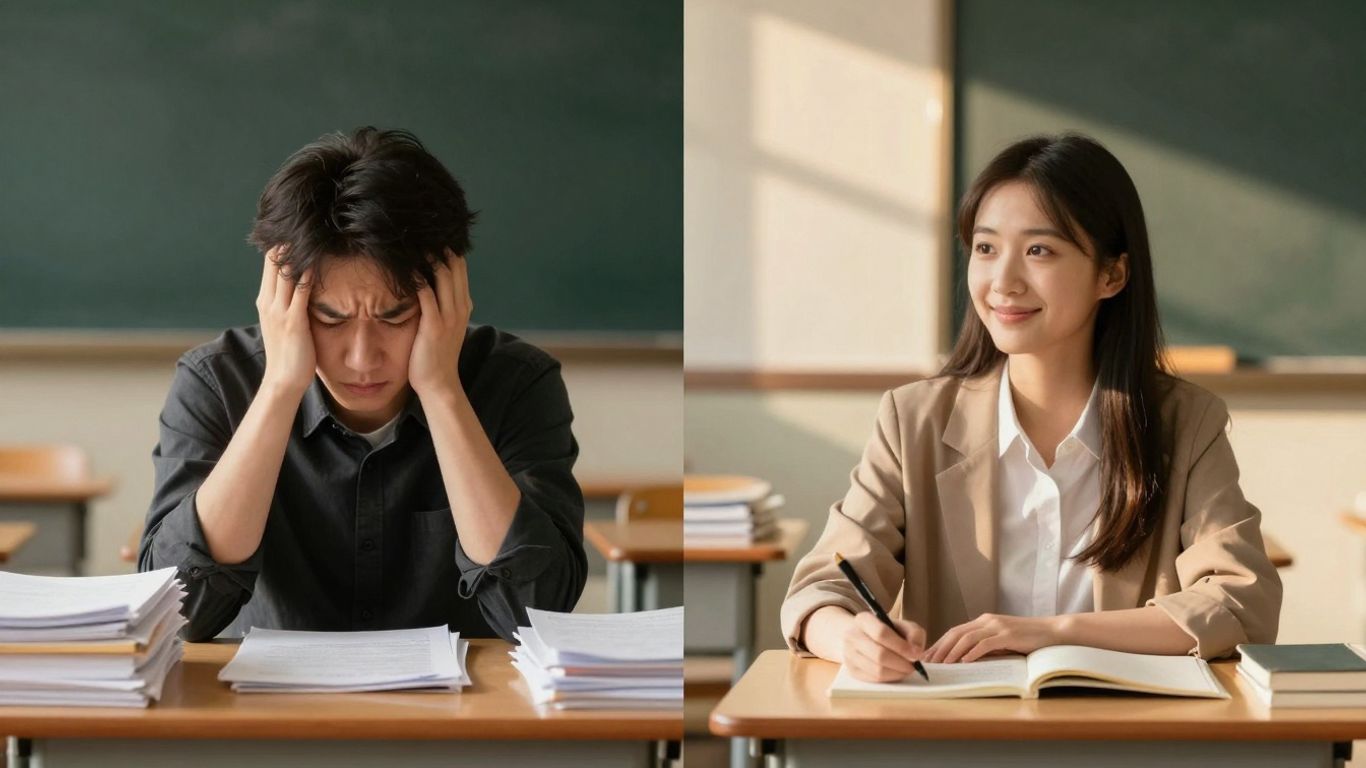
It’s not just about individual teachers or their classrooms; there are bigger things at play in the education system that really ramp up the pressure. These are the things that affect everyone, no matter how good they are at their job.
The Burden of Administrative Tasks and Data Collection
Teachers are drowning in paperwork. Beyond the actual teaching, there’s a mountain of administrative duties that eat into precious time. Think endless forms, reports, and data collection that often feel like they have little to do with actual student learning. It’s like being a teacher and an office administrator all rolled into one, and it’s exhausting.
- Excessive Reporting: Constantly needing to document student progress, behaviour, and a million other things for different departments.
- Meeting Overload: Attending numerous meetings that could often be handled with a quick email or a shared document.
- Data Drains: The pressure to collect and analyse data for accountability purposes, which takes time away from planning and teaching.
The sheer volume of non-teaching tasks can make even the most passionate educator feel like they’re constantly playing catch-up, leading to a persistent sense of overwhelm and burnout.
Navigating Challenging Interpersonal Dynamics
Schools are complex social environments, and dealing with the people involved can be a major source of stress. This isn’t just about student behaviour, but also about relationships with colleagues, parents, and school leadership. Misunderstandings, lack of support, or conflict can really take a toll.
- Parental Pressure: Managing expectations and sometimes difficult conversations with parents who have strong views on their child’s education.
- Colleague Relationships: Navigating workplace politics, differing teaching philosophies, or a lack of collegial support.
- Leadership Support: The impact of school leadership styles, whether they are supportive and understanding or demanding and distant.
The Impact of National Testing Regimes
Standardised testing, while intended to measure progress, often creates a high-pressure environment. The focus shifts from holistic education to teaching to the test, which can be incredibly stressful for both teachers and students. The results can also lead to intense scrutiny of teachers and schools.
| Teacher Group | Reported Stress Levels (Relative) |
|---|---|
| Early Career Teachers | High |
| Primary School Teachers | High |
| Rural/Remote Teachers | High |
This constant pressure to perform on standardised tests can lead to teachers feeling undervalued and their professional judgment being sidelined. It’s a system that can inadvertently create more problems than it solves when it comes to teacher well-being.
The Toll of Teacher Stress on the Profession
It’s pretty clear that the constant pressure cooker environment in many Australian schools is taking a serious hit on the teaching profession. When you’re always juggling lesson plans, classroom management, mountains of marking, and then some, it’s no wonder people start to feel the strain. This isn’t just about feeling a bit tired; it’s about a growing problem that’s making it harder to keep good teachers in our classrooms and schools running smoothly.
High Rates of Stress and Burnout
The numbers are telling a story, and it’s not a happy one. Reports from across the country show a significant uptick in stress levels among educators. If this isn’t addressed, it quickly leads to burnout – that feeling of being completely drained, emotionally and physically. It makes doing the job, let alone doing it well, incredibly difficult. We’re seeing a real impact on the profession’s sustainability.
Considering Leaving the Profession
This intense stress isn’t just a personal burden; it’s directly impacting the number of teachers we have. When the job becomes overwhelmingly demanding, experienced educators start looking for the exit. This means fewer seasoned professionals in our schools, which, in turn, puts even more pressure on those who remain. It’s a cycle that’s hard to break, and it’s a major reason why teachers struggling with classroom discipline are significantly more likely to leave the profession within five years. This highlights a critical pressure point for novice educators and suggests that support in managing classroom behaviour could be key to teacher retention. support in managing behaviour.
Impact on Workforce Sustainability
Ultimately, all this stress and burnout leads to a shrinking pool of qualified teachers. It’s a tough gig, and when the demands outweigh the rewards and support, people naturally seek alternatives. This exodus affects not just the individual teachers but the entire education system, leading to shortages that can impact the quality of education students receive. We need to find ways to make teaching a sustainable and rewarding career for the long haul.
The constant juggling act of lesson planning, classroom management, administrative tasks, and meeting ever-increasing expectations from parents and the system itself has created an environment where stress is almost a given. It’s a demanding job, and without adequate support and realistic workloads, the toll on teachers’ mental and physical health is significant.
Addressing Teacher Stress: What Needs to Be Done
So, we’ve talked a lot about why teachers are feeling the pinch. Now, let’s get down to what can actually be done about it. It’s not just about telling teachers to ‘toughen up’ or ‘manage their stress better’ on their own time. We need to look at what schools and the system can do to make things genuinely better. Creating supportive environments where teachers feel valued and heard is a massive part of the solution.
Creating Supportive School Environments
This is where the rubber meets the road, really. A school’s culture can either add to the pressure cooker or act as a much-needed pressure release valve. It’s about building a sense of community where everyone feels like they’ve got each other’s backs. Think about it: when you feel supported by your colleagues and the school leaders, you’re just more likely to feel resilient when things get tough. It’s not about pretending problems don’t exist, but about having a solid team to face them with.
Here are a few things that make a real difference:
- Regular check-ins: Not just about lesson plans, but genuinely asking how staff are doing. A quick chat can go a long way.
- Peer support networks: Setting up informal groups where teachers can share their wins and their woes, and maybe even brainstorm solutions together.
- Celebrating wins: Acknowledging the hard work and successes, no matter how small. It helps build morale and reminds everyone why they do this job.
- Clear feedback channels: Making sure teachers have a way to voice concerns and that this feedback is actually listened to and acted upon.
The overall vibe of a school matters. When teachers feel like they’re part of a team that’s looking out for everyone, they’re more likely to feel they can handle the demands of the job. It’s about that shared sense of purpose and support.
Managing Workloads Effectively
We hear it all the time – teachers have too much to do. But it’s not just the sheer volume; it’s whether they feel they can actually manage it all. Having a mountain of marking is one thing, but feeling like you have no time to get it done, or that it’s never-ending, is another. When teachers feel their workload is manageable, even if it’s still busy, they tend to report less stress. It’s about having a sense of control over the tasks.
Schools can take practical steps to ease this pressure. It’s not about asking teachers to do less, but to work smarter and have more realistic expectations placed on them. Some practical ideas include:
- Reviewing administrative tasks: Are all those forms and reports really necessary? Can some be streamlined or even cut out? This is a big time drain for many.
- Collaborative planning time: Setting aside dedicated time for teachers to plan lessons together can share the load and often leads to better teaching ideas.
- Efficient meeting schedules: Are meetings purposeful and brief, or do they eat up valuable planning time? Making sure they’re productive is key.
- Providing adequate resources: Making sure teachers have the materials and support staff they need can make a significant difference in their day-to-day.
Enhancing Emotion Regulation and Well-being
How teachers manage their own feelings plays a big part in how they cope with the daily grind. Being able to handle frustration when a lesson doesn’t go as planned, or dealing with anxiety before a parent meeting, makes a huge difference. It’s not about never feeling stressed, but about having ways to bounce back. This is often called emotion regulation. On top of that, how happy and satisfied teachers feel in general, their subjective well-being, acts like a buffer against the tough days. When teachers feel good about their lives and their careers, they’re often better equipped to handle challenges. Prioritizing educator wellbeing through a systemic approach is an urgent national necessity. Teachers experiencing high professional satisfaction are considerably less likely to contemplate leaving their profession, highlighting the critical link between wellbeing and retention.
Here’s a quick look at what this involves:
- Developing coping strategies: Providing training or resources on how to manage stress and difficult emotions effectively.
- Promoting a positive outlook: Encouraging teachers to focus on the rewarding aspects of their job and their own personal growth.
- Mindfulness and self-care: Encouraging practices that help teachers stay grounded and look after their mental and physical health.
Wrapping Up: What’s Next for Aussie Teachers?
So, it’s pretty clear that teaching in Australia isn’t always a walk in the park. We’ve seen that stress is a real thing for a lot of educators, and it’s not just about one or two things. Workloads, student behaviour, and all those expectations can really pile up. It’s not just on teachers to sort this out themselves, though. Schools and the system need to step up too, creating a better environment and offering real support. Looking ahead, we need to keep talking about this and find practical ways to help teachers manage the tough days so they can keep doing the amazing job they do for our kids. It’s about making sure teaching is a sustainable career, not one that burns people out.
Frequently Asked Questions
What are the main reasons teachers in Australia are feeling so stressed?
Teachers in Australia often feel stressed because of a few main things. They have a lot of work to do, like planning lessons, teaching, and marking papers, which can feel like too much for the time they have. Dealing with difficult student behaviour can also be tough. On top of that, there are high expectations from parents and official bodies, and lots of paperwork and admin tasks that eat up valuable time.
Is teacher stress getting worse in Australia?
Yes, it seems like teacher stress is becoming a bigger problem. Many teachers report feeling very stressed, and some are even thinking about leaving the profession because of it. This is a concern because we need experienced teachers to help our kids learn. The pandemic has also added extra pressure, making things even harder for educators.
Are some teachers more stressed than others?
Yes, some teachers are definitely feeling more pressure than others. New teachers, those just starting out, often find it really hard to get used to everything. Teachers in smaller towns or out in the country can also face unique challenges. Even the type of school, like primary school, can bring its own set of stresses compared to high school.
How does the amount of work affect teachers’ stress levels?
The sheer amount of work is a huge stressor. Teachers are constantly juggling lesson plans, teaching classes, marking assignments, and dealing with all sorts of other tasks. It often feels like there just aren’t enough hours in the day to get everything done properly, leading to a feeling of being overwhelmed and constantly behind.
What role do student behaviour and parent expectations play in teacher stress?
Dealing with disruptive or challenging student behaviour day after day can be really draining and make it hard to focus on teaching. On top of that, teachers often have to manage high or sometimes unrealistic expectations from parents, the school, and the community about what they should be achieving, which adds another layer of pressure.
What can be done to help reduce stress for teachers in Australia?
To help teachers, we need to create more supportive school environments where they feel valued and have the resources they need. It’s also important to find ways to manage workloads better, so teachers aren’t constantly overloaded. Teaching skills to handle emotions and look after their own well-being can also make a big difference.