Key Takeaways
Transitioning to residential energy storage is a significant step toward energy independence and long-term savings for Australian homeowners. This guide highlights the core financial and technical aspects you need to understand before making your purchase.
- Solar battery prices vary significantly based on capacity and technology choices.
- Government rebates like STCs help lower the total upfront investment substantially.
- Professional installation ensures your system meets all safety and performance standards.
- Comparing cycle life and warranty terms is essential for calculating true value.
- Monitoring your system helps maintain long-term efficiency and operational health.
Average cost breakdown for home storage
Base unit cost for battery modules
The foundation of your home storage project is the battery module itself, often representing the largest portion of your initial purchase. These units are priced according to their energy density and raw manufacturing quality, which dictates how much power they can store and reliably discharge. Many modern homes choose sonnen for their durable build and high-quality lithium-iron-phosphate cells, which often justify a premium price tag through long-term performance.
Professional installation and labour fees
Beyond the physical hardware, you must account for the expertise required to safely integrate a battery into your existing solar setup. Qualified installers charge based on the complexity of your site, the accessibility of your rooftop or garage, and the time required to configure the system to your local grid constraints.
Typical labor tasks involved in a standard setup often include:
- Site assessment and electrical safety testing
- Mechanical mounting of battery enclosures to wall structures
- Configuring communication links between your inverter and the battery
- Final system testing and commissioning for operation
These essential services ensure the installation complies with national electrical safety standards and maintains your equipment warranty.
Electrical switchboard and cabling upgrades
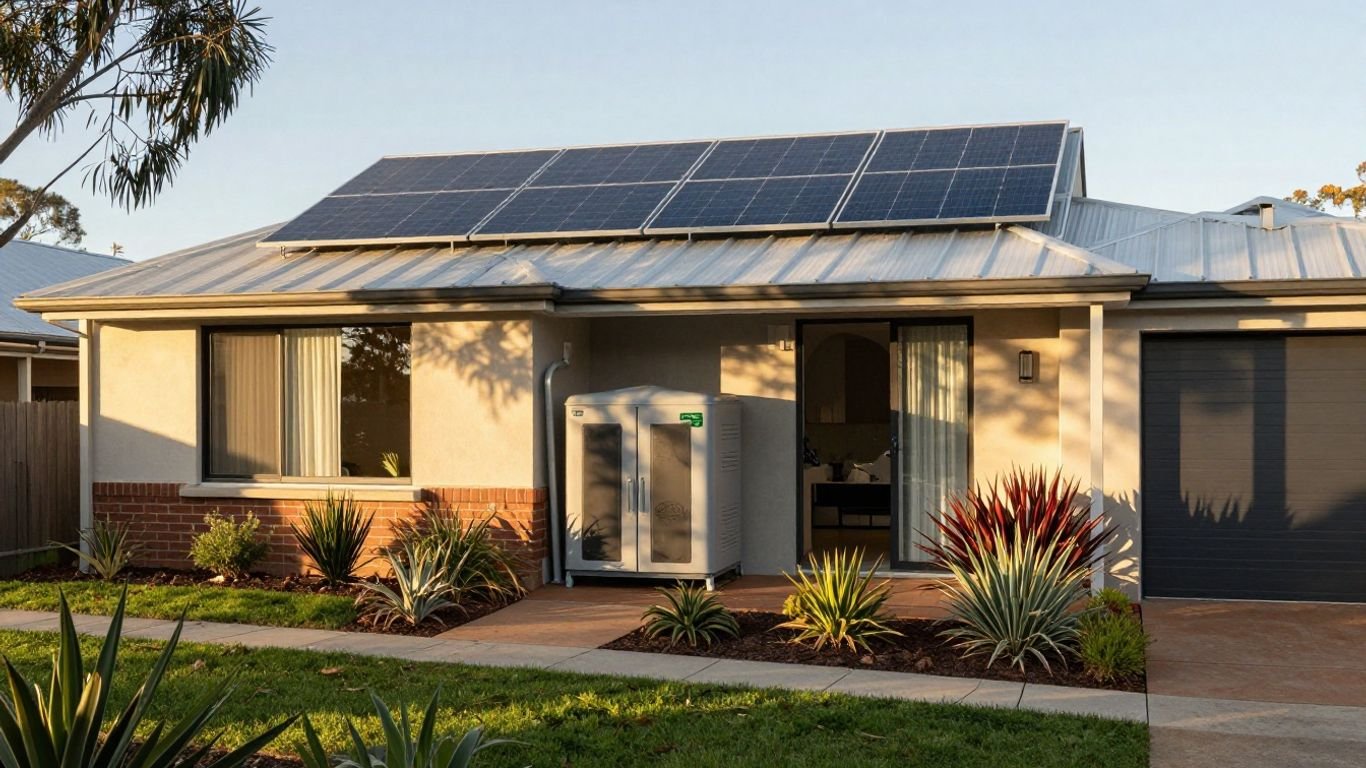
Integrating a battery often requires modernizing your home’s electrical backbone to handle higher peak loads and safer bi-directional power flow. Older homes frequently need switchboard repairs or the addition of extra safety switches, which should be factored into your total budget estimate to avoid surprises.
Hybrid inverter integration requirements
Most modern battery systems depend on a hybrid inverter to manage the exchange between solar panels, the battery, and the mains grid. This component acts as the brain of your energy system, coordinating when to draw stored power and when to feed surplus back into the grid.
Factors influencing total upfront investment
Available storage capacity in kilowatt-hours
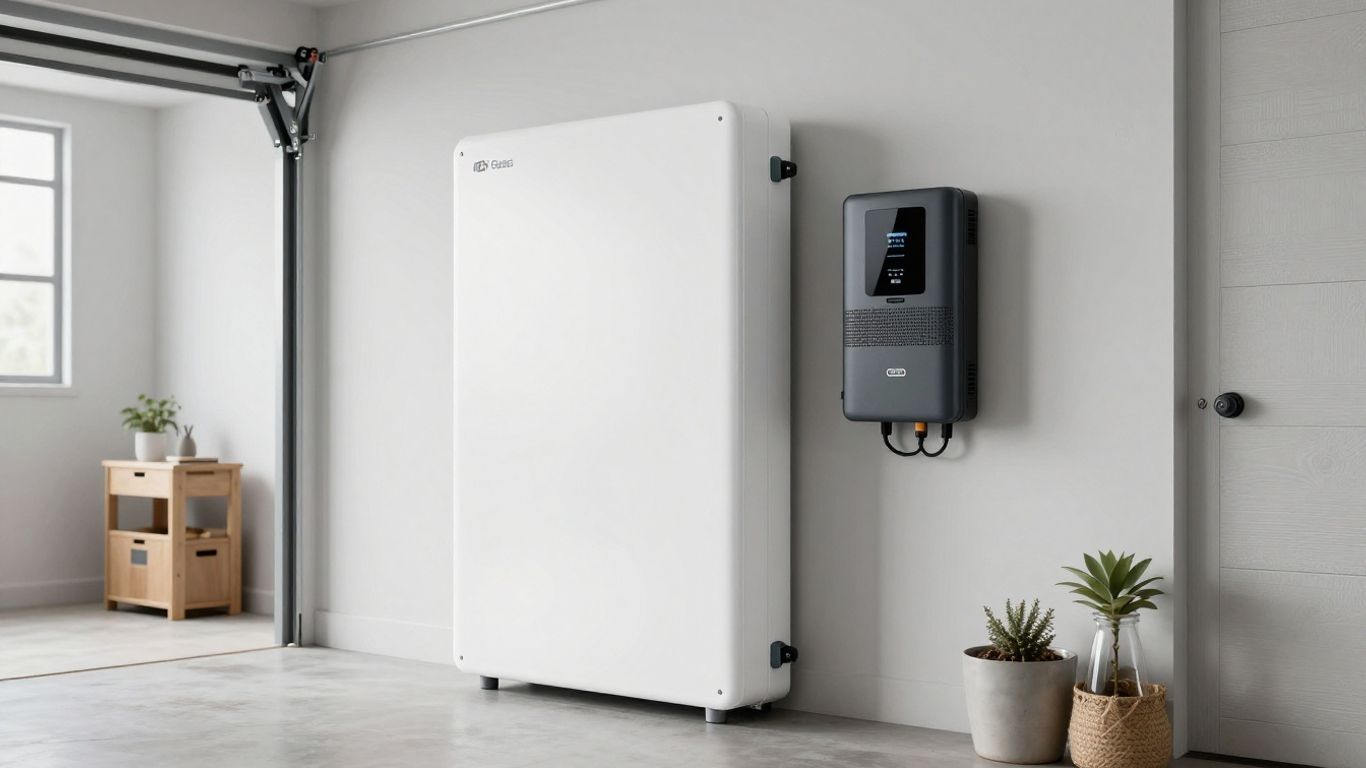
Your chosen battery capacity directly dictates the physical size of the system and how much of your evening needs it can cover without drawing from the grid. Larger systems inherently cost more, but they often provide a better value proposition for households with high energy demand during off-peak sunshine hours.
Battery chemistry and technology differences
Market-leading chemistries vary in their thermal stability and chemical composition, which impacts the long-term price. While lower-cost options might seem attractive initially, the longevity and safety profile of premium materials ensure these systems remain functional for years after standard models might need replacing.
Depth of discharge and efficiency ratings
Efficiency represents how much energy is recovered versus lost as heat during the charge-discharge cycles. Always check the usable capacity, as a battery capable of a 95% depth of discharge allows you to utilize almost the entire stored charge without damaging internal cells.
Brand reputation and comprehensive warranty terms
Investing in a well-established manufacturer provides peace of mind that support will be available should technical issues arise. Comprehensive warranties cover both labor and component replacement, ensuring your hardware remains a highly secure and protected asset for your property.
Government rebates and financial incentives
Federal small-scale technology certificates (STCs)
These certificates effectively provide a discount at the point of sale by subsidizing the initial cost based on your region and the specific capacity of your system. They remain a primary tool for making renewable upgrades accessible for everyday households.
State-specific battery storage subsidies
Individual states often have specific programs to support the adoption of solar batteries, and organizations like Solar Battery Group can assist you in navigating the paperwork for these regional incentives. These grants can significantly reduce the net price you pay by bundling state incentives with existing federal programs.
Virtual power plant participation schemes
Joining a virtual power plant allows you to contribute your battery’s stored energy to the grid during peak demand surges. In exchange, you often receive financial incentives or credit on your electricity bills, turning your investment into an income-generating asset.
Energy provider feed-in tariff premiums
Some utilities offer enhanced feed-in tariffs for residential battery users who export energy during specific hours. These premiums reward you for balancing grid usage, effectively shortening the time it takes to see a return on your investment.
Long-term value and return on investment
Calculating expected payback periods
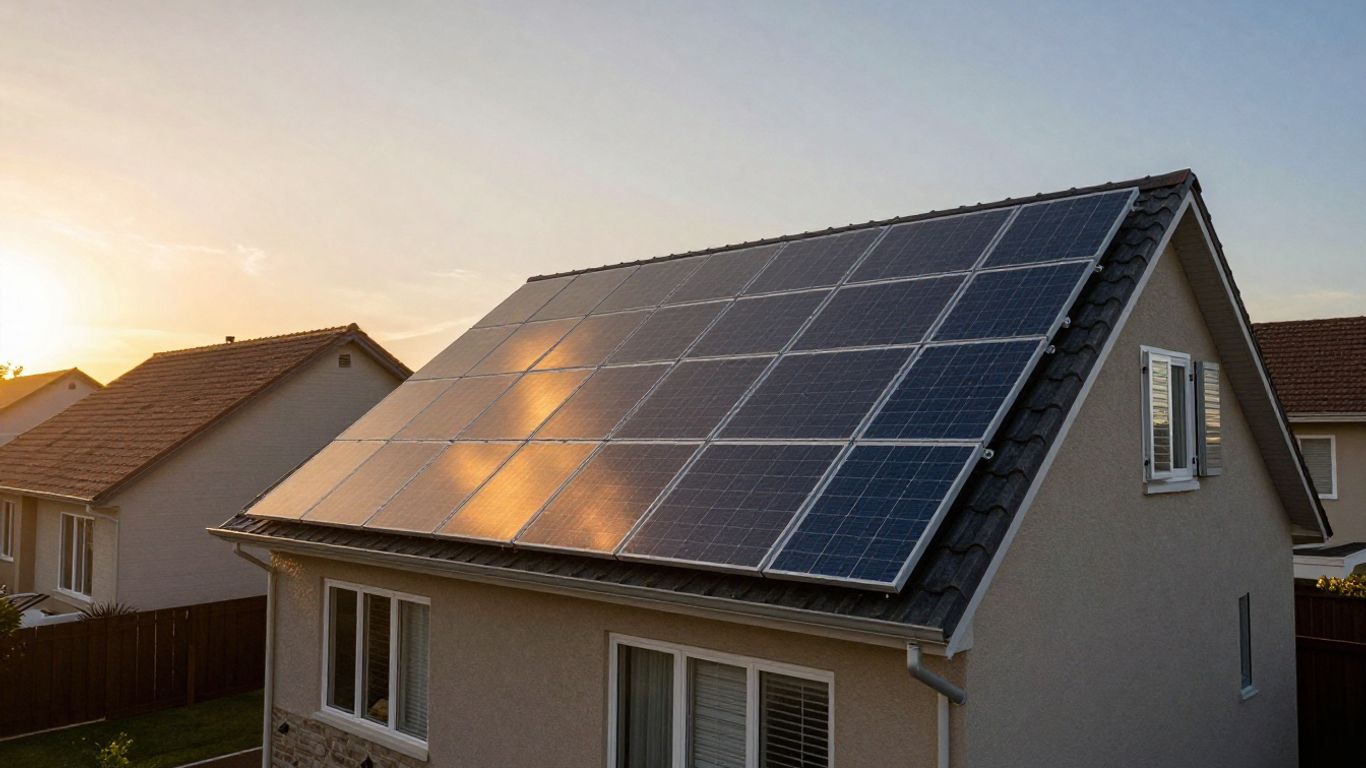
A realistic appraisal of your investment requires comparing the upfront costs against the annual savings you expect to generate on your energy account. Using resources from experts like 1Komma5, you can better understand how different system sizes influence your personal payback timeline and total lifecycle savings.
Managing daily energy self-consumption
Maximizing the amount of solar power you consume on-site, rather than exporting it, is the most effective way to reduce your dependence on the commercial grid. Batteries operate as an essential buffer for this strategy, shifting your daytime production into your evening peak window.
Hedging against future electricity price hikes
By generating and consuming your own power, you effectively insulate your household budget from the unpredictable volatility of retail electricity market rates. This stability provides a clear financial advantage that compounds every time grid prices rise, making your independence an increasingly valuable hedge.
Evaluating the cost of grid independence
True independence means having enough storage to ride out prolonged outages or low-sunshine periods without grid assistance. While technically feasible, the cost of the extra battery capacity required for such independence must be weighed against your personal risk tolerance and reliability needs.
Comparing mainstream battery technologies
Lithium iron phosphate (LiFePO4) performance
These batteries have become the standard for the vast majority of Australian residential installations due to their excellent thermal stability and fire safety. They handle thousands of cycles without reaching significant degradation, making them an ideal daily companion for your solar array.
Nickel manganese cobalt (NMC) characteristics
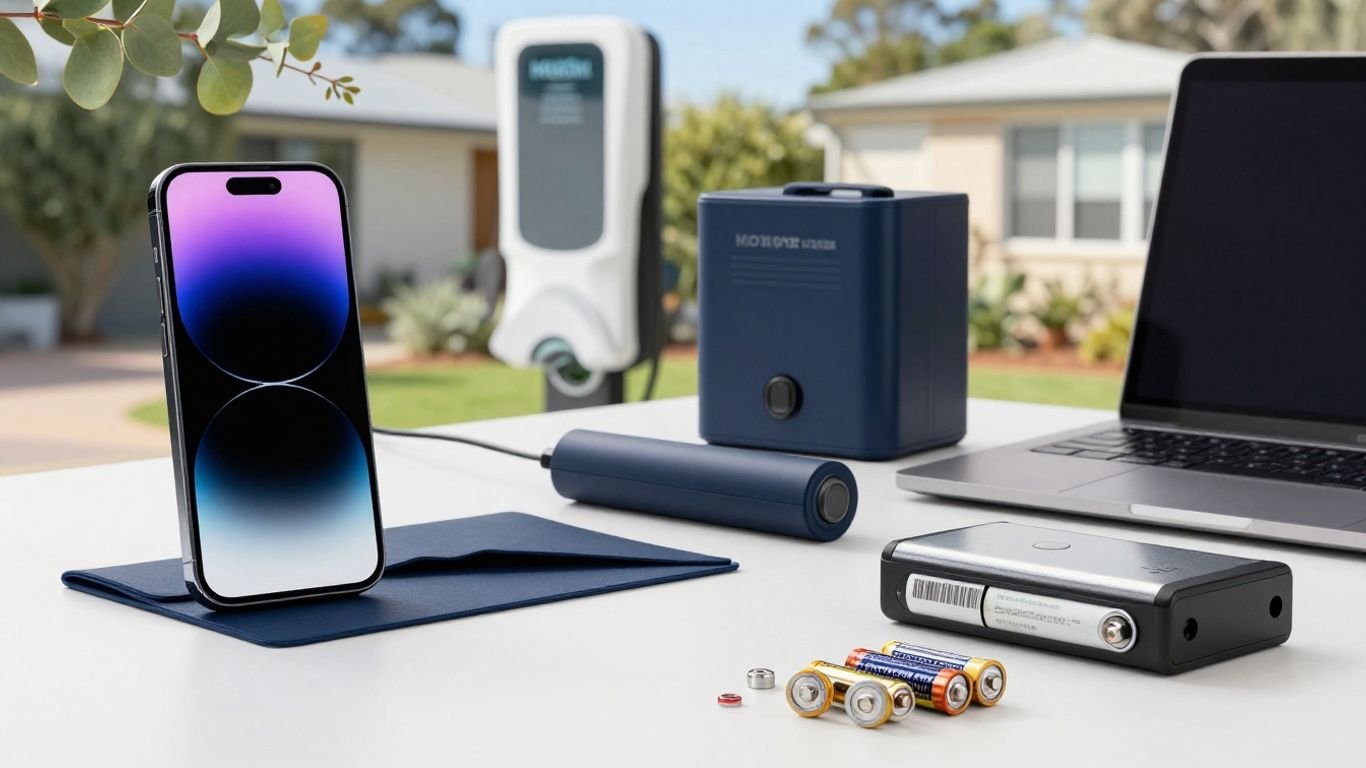
NMC chemistries offer higher energy density for smaller spaces, though they often require more managed monitoring to maintain longevity. They are often utilized in portable power applications where physical footprint is the limiting constraint.
Modular expansion versus all-in-one designs
Some manufacturers allow you to start small and add modules later, which helps you scale your storage as your family’s needs grow. All-in-one systems offer a clean, aesthetic installation profile but lock you into a fixed capacity from the start.
Expected cycle life and degradation rates
Understanding how many cycles a battery can withstand before dropping to 70% or 80% capacity is crucial for long-term planning. The following table illustrates the typical operational differences you might encounter while researching various industry offerings.
| Battery Type | Cycle Life | Efficiency | Primary Best Use |
|---|---|---|---|
| LiFePO4 | 6000-8000 | 95% | Daily Residential |
| NMC | 2000-4000 | 92% | High-Density Storage |
| Lead Acid | 800-1200 | 75% | Back-up Power |
Reviewing these metrics helps you identify which chemistry aligns with your household usage patterns.
Ongoing maintenance and operational costs
Monitoring software and app subscriptions
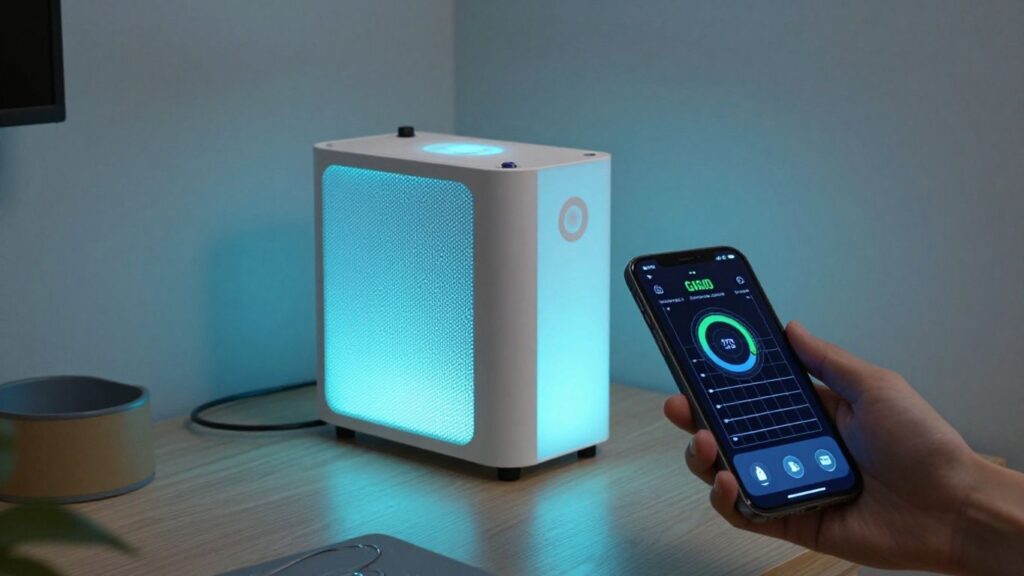
Most modern manufacturers provide a companion mobile interface that keeps you informed about your battery’s charge status and energy flow. These apps typically remain free, though they provide critical insights into your system’s output and any potential error flags.
Periodic technical health inspections
Every few years, it is highly recommended to have a professional technician verify the integrity of your cabling and battery connections. Such maintenance checks detect minor issues, such as loose terminals, before they turn into major system faults.
Regular professional inspections extend the operational life of your battery system and ensure that the software firmware remains updated to current grid communication standards, preventing unnecessary downtime.
Firmware and software management
Manufacturers often push remote updates to your inverter and storage units to optimize their response to grid commands. Keeping an active internet connection to your system ensures these improvements are applied automatically.
Budgeting for future component replacements
While high-quality units are designed to last for over a decade, planning for the eventual end-of-life battery replacement is prudent. Setting aside a contingency fund ensures that you are never caught off guard when the time comes to refresh your storage equipment.
Conclusion
Investing in solar storage is a practical approach to modernizing your home’s energy consumption while buffering against volatile electricity costs. By understanding the hardware components, available government incentives, and the long-term maintenance requirements, you position your household to enjoy sustainable independence as the technology continues to mature.
Frequently Asked Questions
How much space do I need for a battery?
Most modern residential batteries are designed for wall mounting in garages or ventilated utility spaces, taking up roughly the same area as a large suitcase.
Can I install a battery without solar panels?
Yes, you can charge from the grid during off-peak times, but pairing with solar is the most effective way to maximize energy independence and reduce overall bills.
Do batteries work during a blackout?
Not every system is designed for backup capability, so you must specify your need for isolated outage support during the initial design phase of your installation.
What is considered a good cycle life?
For residential use, a battery with an expected cycle life of at least 6,000 cycles is considered high quality, providing reliable operation for 10 to 15 years.
How does ambient temperature affect performance?
Extreme heat or persistent cold can reduce battery efficiency, which is why most reputable systems include active temperature management features or require installation in sheltered areas.
Will the battery warranty cover degraded capacity?
Yes, reputable warranties explicitly guarantee a minimum percentage of capacity retention over a specific number of years or cycles to protect your investment.
Does the battery require its own internet connection?
Yes, an active internet connection is almost always required to allow for remote diagnostics, firmware updates, and the real-time energy monitoring functionality of your app.