Key Takeaways
Selecting the right equipment is critical for long-term power generation. This guide evaluates how to source durable and efficient hardware for your home.
- Prioritize high-efficiency cell technology like monocrystalline panels.
- Review degradation warranties to ensure long-term coverage.
- Check local support availability for easier maintenance requests.
- Assess panel durability against coastal and wind conditions.
- Balance installation costs with potential energy savings.
Evaluating solar panel efficiency and performance
Homeowners often feel overwhelmed by technical specifications, yet understanding the core mechanics of energy conversion remains essential for a smart purchase. Focusing on the technical architecture allows you to weigh the initial investment against the long-term energy yield your roof can realistically deliver in different weather conditions.
The role of monocrystalline versus polycrystalline cells
Monocrystalline cells represent the current standard for residential efficiency, formed from single-crystal silicon to maximize electron flow. These black-hued panels typically occupy less roof space while delivering higher power output per square meter compared to their older polycrystalline counterparts, which use fragmented silicon. Many homeowners find that Qcells offer competitive efficiency in these configurations by utilizing high-performance cell designs.
| Panel Type | Typical Efficiency | Space Requirements | Best Use Case |
|---|---|---|---|
| Monocrystalline | 20-23% | Compact | Limited Roof Space |
| Polycrystalline | 15-18% | Significant | Large Open Roofs |
| Thin-Film | 10-15% | Very Large | Portable or Commercial |
Selecting the correct cell type is a foundational decision that impacts your lifetime electricity output significantly.
Impact of temperature coefficients on energy output
Solar technology performs best in crisp, cool air, and the temperature coefficient indicates exactly how much performance degrades as panels heat up under direct sun. A lower coefficient is essential for Australian homes, where summer mercury frequently pushes panels past their peak comfort zone. Choosing systems designed with advanced thermal management ensures that your energy production does not plummet during the hottest months of the year when your air conditioning needs are highest.
Real-world yield versus laboratory testing results
Lab ratings provide an absolute baseline, but environmental variables like shading, dust, and roof tilt dictate the actual kilowatt-hours hitting your inverter. It is often more practical to focus on verified Australian performance reports than strictly relying on idealistic testing environment data. When looking for reliable hardware, Canadian Solar provides proven energy production specs that reflect realistic field expectations.
Understanding solar panel durability and environmental resilience
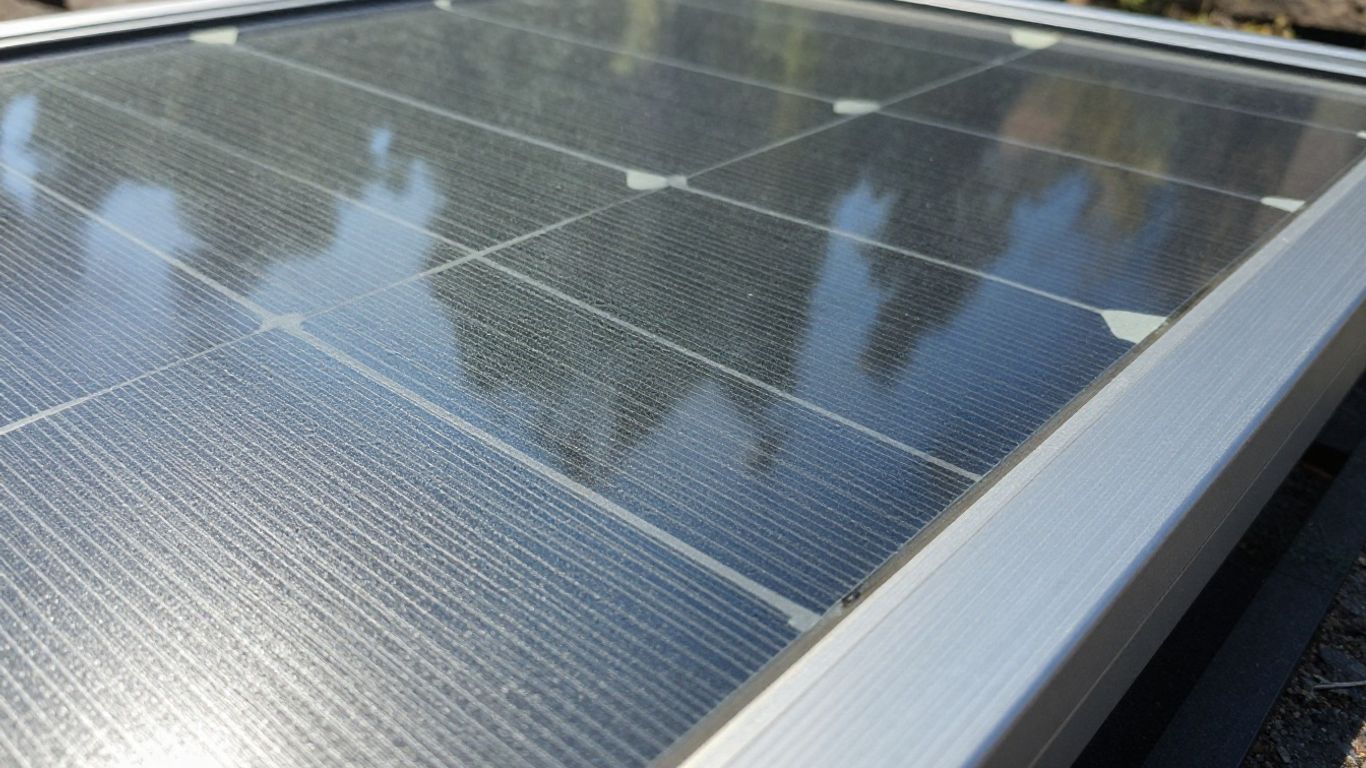
Roof-mounted technology must endure intense thermal cycling, high humidity, and the occasional severe storm. Investing in hardware built to withstand these specific environmental pressures prevents premature failure and costly repairs that often negate the savings of cheaper, less robust alternatives.
Resistance to high-wind events and heavy rain
Installing panels that meet local construction standards is mandatory, especially for homes located in suburban regions prone to cyclonic wind gusts. The mechanical attachment points and frame strength should be reinforced to prevent micro-cracking during extreme weather events, which can drastically reduce the lifespan of the laminate glass.
Performance in coastal environments and salt mist corrosion
Coastal air carries fine salt particles that eat away at poorly finished electrical components and aluminum framing. Specialized anti-corrosion coatings are vital for long-term safety, ensuring the junction box and frame integrity remain intact even when humidity levels are high. Most reputable brands provide specific certification that guarantees their products can survive constant exposure to saline moisture without compromising the cell integrity.
Mitigation strategies for hot-spot formation
Hot spots occur when a portion of a panel becomes shaded or damaged, causing current to bypass the area and create intense, localized heat. Modern manufacturing techniques now include bypass diodes and improved cell connectivity to redirect energy flow automatically whenever an obstruction like a fallen branch or debris appears. Preventing these heat pockets is critical, as they not only lose power but can eventually melt the protective backsheet of the panel entirely.
Essential Durability Considerations
- Verify independent mechanical testing for glass thickness.
- Ensure frame connectors are rated for high humidity.
- Check for specialized frame finishes in coastal regions.
- Confirm the manufacturer uses advanced bypass diode circuitry.
Taking these steps helps guarantee the longevity of your investment throughout years of exposure.
Assessing brand warranty and long-term support
Warranty structures are surprisingly complex and require a careful read of the fine print to separate protection from marketing fluff. A strong product warranty safeguards you against defects, while performance warranties address the gradual drop in output characteristic of all photovoltaic systems.
Differentiating between product and performance warranties
Product warranties generally cover the hardware components, including the frame, junction box, and glass-to-backsheet seal for periods commonly ranging from 12 to 25 years. Performance warranties are quite different, guaranteeing a minimum power output percentage—often 80% to 90%—at the end of several decades. Distinguishing between these is key, as a long performance guarantee does little good if the physical panel fails due to a manufacturing defect in year five.
The significance of local Australian support offices
Global corporations often have minimal local representation, which transforms a simple warranty claim into a nightmare of international logistics and language barriers. Having a physical Australian office means you have a direct point of contact for technical support, spare parts, and claims processing. This local presence is often a primary indicator that a company is committed to its regional customer base, similar to how REC Group emphasizes sustained market presence.
Claiming warranties from international manufacturers
Understanding your consumer rights as an Australian buyer under ACL guidelines helps clarify how international disputes are handled. When purchasing from massive entities, always confirm who is responsible for shipping costs and service labor if a module does arrive at your home dead on arrival. Reputable U.S. manufacturing partners often provide clearer pathways for warranty enforcement compared to obscure overseas entities.
Comparing Tier 1 solar panel manufacturers
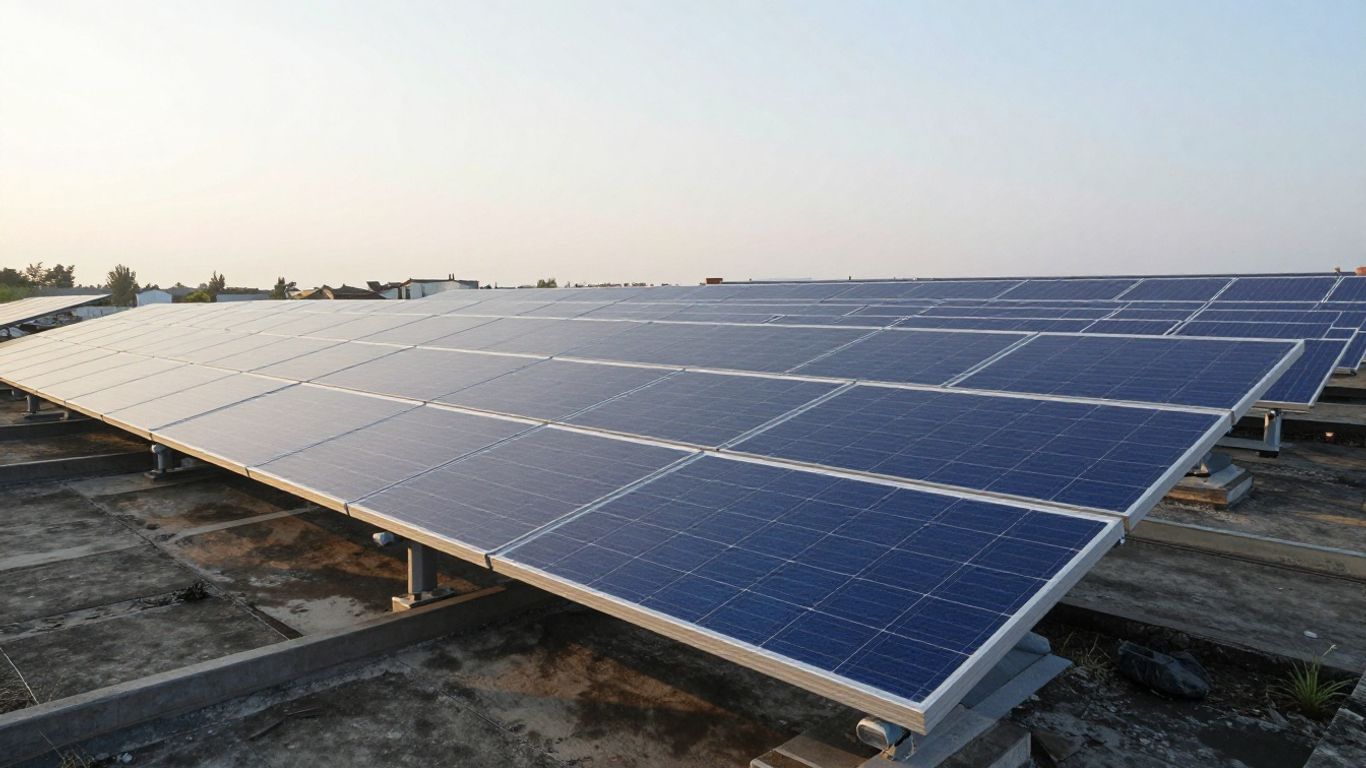
Tier 1 status is not a simple quality badge but a signal of financial health and mass-market reliability in the commercial solar space. These manufacturers are evaluated by their ability to provide consistent output and their long-standing history of bankable projects, which gives homeowners confidence that the company will still exist if they need support a decade from now.
Financial stability as a marker of longevity
Low-cost brands often rely on high-volume, low-margin business models that can collapse quickly when the market shifts. Choosing a bankable manufacturer protects you from losing your warranty support if the original company merges or goes through bankruptcy. Investors regularly survey these companies for transparency and liquid assets to ensure they can fulfill decade-long performance obligations.
Investing in research and development
Innovation moves quickly in the solar sector, and companies failing to reinvest in their manufacturing processes are quickly outpaced by newer, more efficient designs. Leading Tier 1 companies pour revenue back into improving cell passivity and light absorption, which results in better real-world performance for the end-user. This cycle of improvement keeps current modules relevant and capable of competing with the latest tech in professional photography environments or meal prep optimization and clinical networking workflows.
Supply chain transparency and manufacturing ethics
Traceability in the raw materials, specifically polysilicon, is growing in importance as international focus shifts toward ethical labor practices. You should look for brands that provide clear documentation about their supply chain and confirm they adhere to standard safety and environmental protocols during production. Companies that prioritize ethical sourcing are often those that also maintain higher quality control standards during final assembly.
Considerations for Australian residential solar installations
Installing solar panels involves more than just picking a brand, as the final layout must integrate perfectly with your existing electrical setup and roof geometry. Every project requires a tailored approach that considers the specific taxi travel patterns of your daily life and how often you are actually at home to consume the produced energy.
Aligning panel capacity with household usage patterns
Optimizing your system size prevents the common issue of massive energy wastage during the middle of the day. If your house stays empty until 5:00 PM, you will likely benefit from a slightly smaller array paired with robust energy storage rather than maximizing every square meter of your roof. Analysing your recent power bills remains the most accurate way to determine what peak capacity will actually save you money.
Integration with battery storage systems
Coupling your panels with modern chemistry batteries allows you to shift power usage to the evening, successfully eliminating the reliance on grid imports. Compatibility between your inverter brands and your battery model is essential, as mismatched software can lead to efficiency losses in energy conversion. A seamless setup enables you to draw from your own sunshine even after the sun has set.
Compliance with Clean Energy Council approved modules
Using equipment found on the Clean Energy Council list is mandatory if you want to claim government rebates and ensure your system meets strict Australian standards. Installers who offer non-compliant hardware are likely cutting corners, and these systems often fail to pass home insurance requirements or electrical inspection protocols. Always verify that your chosen model is current on the official database before finalizing your installation contract.
Decoding solar panel degradation rates
No panel operates at 100% capacity forever; understanding the inevitable output decline helps you manage expectations for your system’s output over its twenty-five-year life. While manufacturers design for slow, predictable drops, outside factors can unfortunately accelerate this natural wear and tear.
What causes power output reduction over time
Degradation occurs primarily due to sunlight-induced photon damage at the atomic structure level and moisture seepage that leads to minor electrical resistance increases. While vaginal candidiasis requires hygiene to manage, solar panels simply require standard maintenance to stave off accelerated wear. The materials themselves slowly transition from their factory-fresh state to a weathered condition as they withstand constant ultraviolet radiation and moisture exposure.
Comparing linear degradation versus stepped decline
High-quality panels exhibit linear degradation, meaning they lose a small, consistent amount of power each year, usually between 0.3% and 0.5%. Stepped decline refers to sudden, more significant drops in power that often indicate a specific failure of the cells or local components, such as a damaged bypass diode. A linear curve is always preferred because it means your energy production will remain predictable and stable for years to come.
How extreme heat accelerates panel wear
Constant thermal expansion and contraction push the limits of the internal soldering and frame seals, particularly in inland regions with massive temperature swings between day and night. When panels sit under extreme heat, the chemical bonds within the backsheet can thin, eventually allowing external moisture or air to create localized oxidation. Providing adequate airflow beneath the panels is the most effective way to slow this thermal degradation down, ensuring the system reaches its anticipated design life.
Conclusion
Choosing the right solar panel brand is a balanced decision rooted in quality, financial safety, and environmental suitability. By prioritizing Tier 1 manufacturers, verifying local support, and matching your system capacity to your specific usage, you can secure an energy future that is both reliable and cost-effective for decades to come.
Frequently Asked Questions
Is it worth paying more for highly efficient panels if I have plenty of roof space?
If you have ample space, opting for mid-efficiency panels can provide excellent value without the premium price tag. High-efficiency modules essentially save you footprint, so they are primarily beneficial for smaller roofs where maximizing energy capture is constrained by lack of surface area.
Can extreme heat permanently damage a solar panel?
Yes, prolonged exposure to extreme heat can accelerate the degradation of chemical bonds within the panel’s components and weaken the seals. However, panels are built to withstand significant heat if they have adequate ventilation behind the modules to allow heat to dissipate effectively.
How often should I have my solar panels cleaned professionally?
In most residential locations, a yearly inspection is sufficient, though panels in dusty or rural environments may benefit from cleaning every six months. Removing debris and salt buildup helps maintain optimal energy output and prevents localized hot-spot formation.
Do all solar panel warranties cover the labor involved in replacing a faulty panel?
No, many standard product warranties cover only the replacement hardware, leaving the homeowner responsible for installation and freight costs. It is crucial to verify if your installer or manufacturer provides a comprehensive service warranty that includes the labor for troubleshooting and repairs.
Can I mix different brands of solar panels in the same system?
Mixing brands is generally discouraged because it creates electrical compatibility issues, particularly if the panels have different voltages or power characteristics. A uniform system is easier to manage, monitor, and troubleshoot over the long term.
Does the shade from a single tree really impact my entire solar array?
Yes, shading can significantly affect the output of an entire series-connected array, especially if the panels are not equipped with individual optimization technology. Even partial shade can cause the system to drop to the performance level of the most restricted panel in the circuit.
Why does the temperature coefficient matter for an Australian climate?
Solar panels lose efficiency as they heat up, and a lower coefficient ensures that a system loses less output during the hot summer afternoons. In the Australian climate, this metric is vital to ensure that your system continues generating meaningful power when demand for cooling is at its absolute peak.